Quick Info
At a glance
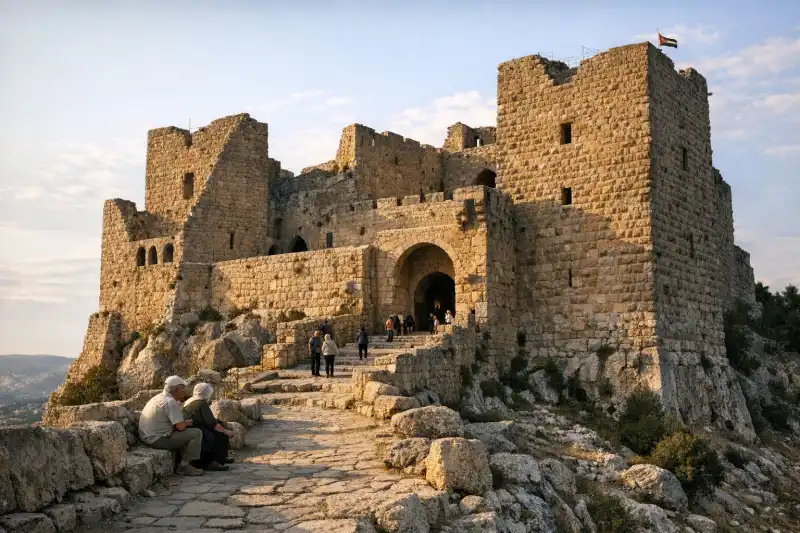
Rising from the sun-dappled green hills of northern Jordan, Ajloun Castle presents a striking silhouette against the expansive valleys below. Just a short drive from Amman and perched high above the surrounding countryside, this awe-inspiring medieval fortress stands as a testament to centuries of strategic, architectural, and cultural significance. Constructed in the late 12th century, Ajloun Castle—known locally as Qala’at Ar-Rabad—guards the historic gateway between the Jordan Valley and the northern plains. Its thick stone walls, commanding watchtowers, and winding passageways invite visitors to imagine a time when the threat of Crusader armies loomed across the horizon, and Islamic commanders fortified their positions to defend the heartlands of the Levant.
Ajloun Castle is more than a military landmark; it is a window into Jordan’s layered past. The stronghold, built by order of a general of Saladin, formed part of a chain of defenses crucial to the Ayyubid dynasty. Beyond its martial legacy, the fortress became a nexus for trade and culture, its vantage dominating routes still used today. As you step through the massive wooden doors, echoes of clanging swords and the rhythm of daily medieval life come alive beneath soaring arches and along cool stone passages. Whether you are drawn by the promise of panoramic views stretching across olive groves and distant villages, or the opportunity to walk in the footsteps of legendary commanders and builders, Ajloun Castle in Jordan offers a journey through time—a serene yet grand encounter with the region’s rich Islamic and Crusader-era legacy.
History
The Ayyubid Foundations (1184–1215 CE)
Ajloun Castle owes its origins to the tumultuous era of the Crusades. Constructed in 1184 CE by Izz ad-Din Usama, a prominent general and the nephew of Saladin, the fortress was strategically designed to counter the growing might of the European Crusader states occupying neighboring lands. Saladin, revered for his unification of Muslim forces and eventual recapture of Jerusalem, recognized the importance of controlling key highlands such as Ajloun. From this stronghold, Ayyubid commanders could monitor movements along the vital routes from the Jordan Valley, protect fertile lands, and safeguard communication lines between Damascus and southern Jordan.
The original structure was a compact, square design fortified by four corner towers connected by solid curtain walls. Its placement atop Jabal ‘Auf, at an elevation of around 1,250 meters, allowed for an unbeatable view of the entire region. The castle was also equipped with arrow slits, a moat, and a drawbridge, embodying the most advanced military architecture of its time.
Mamluk Expansion and Crusader Threat
The initial years following the castle’s completion were characterized by constant threats from Crusader forces, particularly those stationed at the fortress of Belvoir across the Jordan River. In response to increased Crusader incursions, the castle underwent important expansions. Around the early 13th century, Mamluk rulers—who succeeded the Ayyubids—reinforced Ajloun Castle with an additional watchtower, expanded ramparts, and spaces for larger garrisons and additional catapults. The evolving design is a testament to the shifting tactics and technologies of medieval warfare, as Mamluk engineers continuously adapted the citadel to new threats.
Ajloun’s importance extended beyond its walls. The surrounding region, rich in natural resources, became a hub for the iron industry, supplying weapons and armor to Ayyubid and later Mamluk armies. As regional power dynamics shifted, the castle’s role became less about holding Crusaders at bay and more about safeguarding internal trade and stability.
Ottoman Era and Decline
By the 16th century, as the Ottomans extended their control over the Levant, Ajloun Castle’s military importance gently waned. It found new life as an administrative center and post for Ottoman authorities. However, a series of powerful earthquakes between the 18th and 19th centuries caused significant damage to the fortress, leaving several sections in ruin. With changes in military technology and political stability in the region, Ajloun Castle gradually transformed from front-line defense into a picturesque relic of a bygone era.
Restoration and Modern Significance
In the 20th and 21st centuries, concerted efforts by the Jordanian Department of Antiquities have led to the restoration and preservation of Ajloun Castle. Archaeologists have meticulously reinforced walls, cleared rubble, and restored towers to allow visitors a safe and evocative exploration of this historical landmark. Now, Ajloun Castle stands not only as a monument to the defensive ingenuity of its medieval builders but also as a vibrant cultural destination, drawing travelers from across the world to experience Jordan’s rich Islamic and Crusader-era heritage.
Key Features
Ajloun Castle’s unique blend of militaristic architecture and scenic grandeur asserts its reputation as one of Jordan’s most impressive medieval sites. Upon arrival, visitors are immediately struck by the formidable outer walls—solid blocks of limestone seamlessly stacked and joined to withstand sieges and the passage of centuries. The wide, dry moat that still borders parts of the fortress hints at the defensive challenges once faced by would-be attackers. Visitors enter through a reconstructed wooden drawbridge, passing beneath towering defensive gates—originally designed to funnel invaders into narrow, easily defensible choke points.
Once inside, the complexity of the castle’s design becomes evident. The structure sprawls across multiple levels, each revealing different functions and design elements suited for medieval life and warfare. Massive vaulted chambers once stored grain and water supplies; their cool, stone interiors provided essential reserves during prolonged sieges. Intertwined corridors and staircases connect the living quarters, garrison rooms, and an armory where weapons and armor were fabricated and maintained. The architecture is notably adaptive—incorporating both Islamic and local Jordanian styles—manifest in ornamental stone capitals and carved decorative patterns still visible in the lime-washed walls.
One of the highlights for any visitor is the panoramic view from the upper battlements. From these lofty vantage points, you can gaze across rolling olive groves and forested hills, westward toward the distant valleys of the Jordan River. On clear days, the heights offer sightlines deep into the territory of modern-day Israel and the Palestinian Territories—a reminder of Ajloun’s strategic importance as a military lookout. The towers themselves, thick-walled and carefully engineered, were designed to support both archers and the heavy catapults that once hurled stones at advancing armies.
Ajloun Castle is also home to a small but informative museum, featuring artifacts uncovered during archaeological excavation. Exhibits include coins, pottery, arrowheads, and everyday items that provide intimate glimpses into the castle’s administrative, military, and domestic history. Recent additions to the museum showcase ancient agricultural tools and examples of Mamluk-period craftsmanship, giving depth to the story of those who once lived, worked, and defended these walls.
With its mix of dramatic military features, well-preserved rooms, cultural displays, and sweeping vistas, Ajloun Castle is a site that rewards thorough exploration. Every stairwell, arch, and chamber seems designed to inspire both awe and curiosity about the complex societies that shaped Jordan’s medieval landscape.
Getting There
Ajloun Castle is conveniently located about 75 kilometers north of Amman, making it accessible for both independent travelers and those joining guided tours. Visitors can choose from several transportation options depending on their preferences for comfort, flexibility, and budget.
For those departing from Amman, the most straightforward option is to rent a car. The journey from central Amman to Ajloun Castle typically takes around 90 minutes, following Highway 35 north toward Jerash and then veering west at Aljun before a steady climb into the Ajloun hills. Car rental prices in Jordan range from 25–35 JOD per day for a standard vehicle. The roads are generally in good condition, though the final approach to the castle involves some winding ascents and sharp bends offering spectacular views of the surrounding countryside.
Public transportation is available for budget-conscious travelers. Regular JETT and local minibuses connect Amman to Ajloun town, with tickets costing around 2–3 JOD per person. Upon arrival in Ajloun town, you can hire a local taxi for the short 5-kilometer ride to the castle itself, which is perched above the town on a separate hilltop. Taxi fares usually range from 2–4 JOD one way, depending on time of day and negotiation skills. Keep in mind that bus schedules are less frequent on weekends and public holidays, which may require extra planning.
Guided day tours are another popular option, particularly for travelers who wish to combine Ajloun Castle with other northern Jordan attractions such as Jerash or Umm Qais. Many operators pick up and drop off from Amman hotels, handle all transportation and entry fees, and provide expert commentary along the way. Prices for these tours typically start at 35–70 JOD per person, depending on group size and the number of included sites.
For those traveling from Jerash, the distance is even shorter—about 25 kilometers, or a 30-minute drive. Ajloun Castle’s location in the lush highlands makes the journey itself memorable, winding through forests, olive groves, and fragrant hills that contrast sharply with the arid landscapes of southern Jordan.
When to Visit
The best time to experience Ajloun Castle is during the cooler seasons, particularly between March and May, and again from September to November. During spring, the slopes and valleys surrounding the fortress are carpeted in lush greenery, wildflowers, and blooming orchards, creating an enchanting backdrop for exploration and photography. Pleasant daytime temperatures, usually ranging from 18°C to 25°C (64°F to 77°F), make it ideal for climbing ramparts and wandering the castle’s labyrinthine passages.
Autumn brings similarly comfortable weather and a palette of golden hues across the region’s forests, allowing for serene walks and uninterrupted views from the battlements. Summer months (June to August) can get quite warm, particularly at midday, with temperatures occasionally reaching above 30°C (86°F), though the elevation at Ajloun helps to moderate the heat compared to lower areas of Jordan. If visiting in summer, it is best to arrive early in the morning or later in the afternoon to avoid peak heat and crowds.
Winter, from December to February, sees the fewest visitors and is known for cooler, sometimes chilly weather, with temperatures dipping below 10°C (50°F). On rare occasions, Ajloun’s highlands may experience rain and even light snow, lending a moody, atmospheric quality to the stone ruins, though slippery paths and closures may occur during periods of inclement weather. Visitors during this season should dress warmly and check in advance for opening hours or accessibility.
Throughout the year, weekends and public holidays tend to attract the most local and international visitors, particularly in the late morning and early afternoon. To enjoy a more peaceful experience and unhurried exploration, plan your visit on a weekday or arrive soon after the castle opens. Regardless of season, sturdy footwear is recommended for navigating ancient stairs and uneven surfaces.
| Quick Facts | Detail |
|---|---|
| Location | Ajloun Governorate, northern Jordan, about 75 km north of Amman |
| Established | 1184–1185 CE |
| Founders | Izz ad-Din Usama (Ayyubid general; nephew of Saladin) |
| Architectural Style | Medieval Islamic military architecture, adapted over Mamluk and Ottoman periods |
| Elevation | Approximately 1,250 meters above sea level |
| Admission Fee | 3 JOD for non-residents; included in Jordan Pass |
| Opening Hours | 8:00 AM–6:00 PM (summer); 8:00 AM–4:00 PM (winter) |
| Facilities | Small archaeological museum, restrooms, on-site parking |
| Notable Features | Defensive towers, panoramic hilltop views, original and restored ramparts |
| Nearby Attractions | Jerash, Amman Citadel, Madaba, Mount Nebo, Bethany Beyond the Jordan |
Guided tours: worth it?
Self-guided works here, but a guide can add real value if you want the ruins explained as a living place rather than just a sequence of monuments.
Best for
- First-time visitors who want context, not just photos
- Short visits where a planned route saves time
When to go self-guided
Go independently if you prefer setting your own pace, reading as you go, and checking official hours or ticket rules directly before you arrive.
What I’d avoid
Skip paid tours that bundle unrelated stops you do not actually want. The best option should either save meaningful planning time or add historical context you would miss on your own.
Ajloun Castle and Jerash Tour from Amman
Useful when: transport or pickup logistics matter
Private Day Trip to Ajloun, Jerash, and Umm Qais
Useful when: you want flexible timing or a private guide
Northern Jordan Castles: Ajloun Guided Tour
Useful when: historical context matters
Some tour links are affiliate links, which may earn Ancient Travel a small commission at no extra cost to you. I try to surface options that make practical sense for the site—not just anything bookable.
Frequently Asked Questions
What are the opening hours of Ajloun Castle?
Ajloun Castle is typically open daily from 8:00 AM to 6:00 PM in summer and until 4:00 PM in winter. Hours may vary on public holidays.
Is there an entrance fee to visit Ajloun Castle?
Yes, the entrance fee for Ajloun Castle is around 3 Jordanian Dinars for non-residents, and it is included in the Jordan Pass.
How long does it take to visit Ajloun Castle?
Visitors usually spend about 1-2 hours exploring the castle, museum exhibits, and enjoying panoramic views from the towers.
Is Ajloun Castle accessible for wheelchair users?
Due to its steep staircases and uneven terrain, the site is not easily accessible to wheelchair users or those with mobility issues.
Can I visit Ajloun Castle on a day trip from Amman?
Yes, Ajloun Castle is about 75 kilometers from Amman, making it a popular and easy destination for a day trip by car or guided tour.
Nearby Ancient Sites
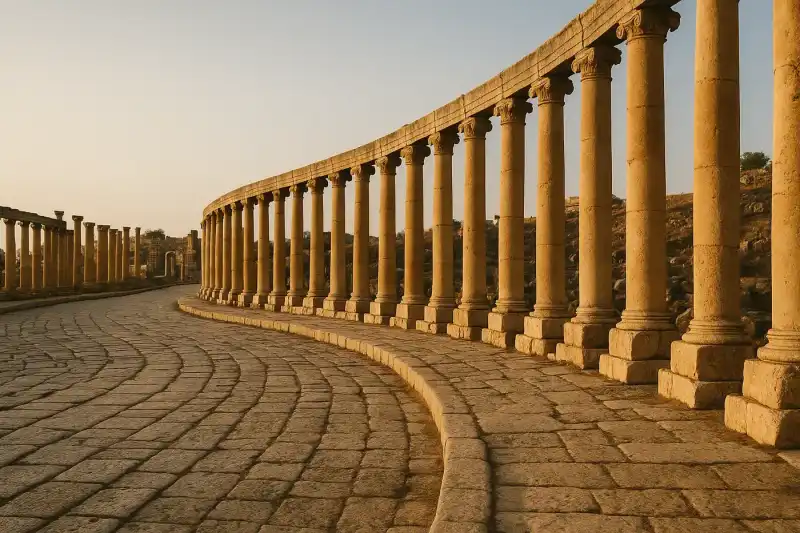
Jerash: The Pompeii of the East and Jordan's Best-Preserved
Roman / NabataeanDiscover Jerash, Jordan's remarkable Roman ruins. Walk the colonnaded streets of ancient Gerasa, exp...
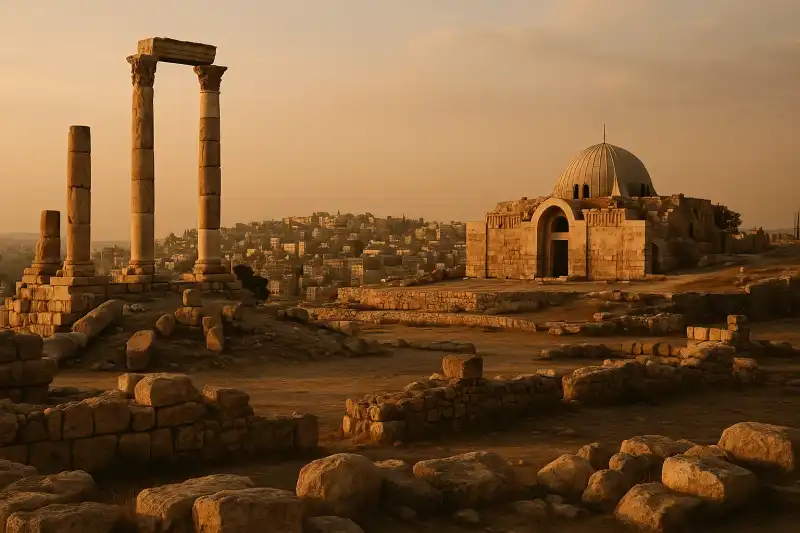
Amman Citadel Jordan Guide 2026: Temple of Hercules & Ancient Rabbah
Ammonite-Roman-UmayyadExplore Jordan's ancient citadel overlooking modern Amman. Discover the Temple of Hercules, Umayyad ...
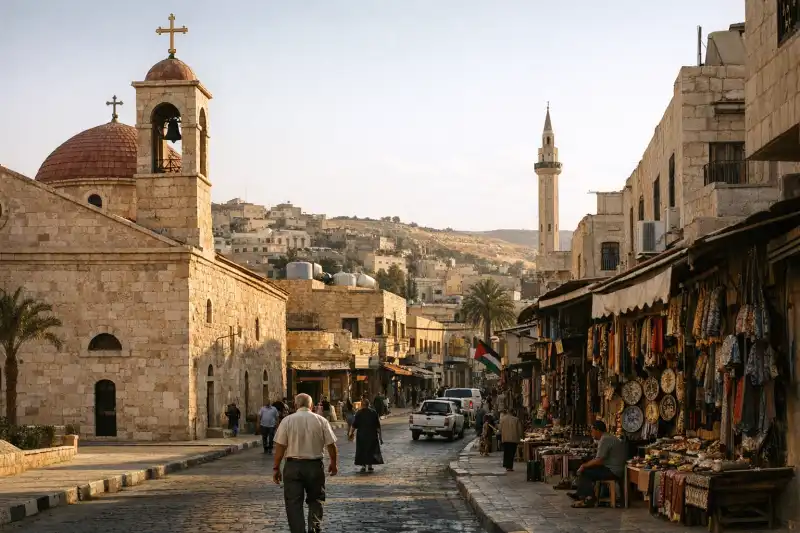
Madaba
Discover Madaba, Jordan’s ancient mosaic city famed for its spectacular Byzantine art, historical ch...
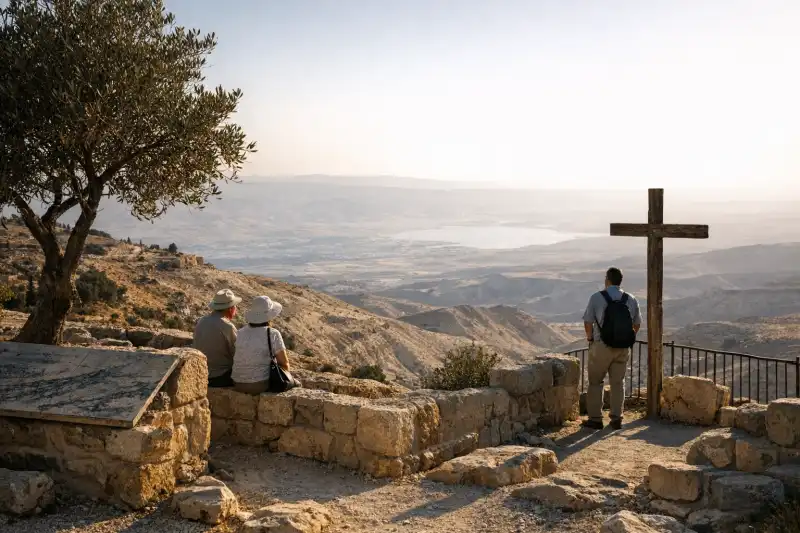
Mount Nebo
Mount Nebo in Jordan offers sweeping views of the Holy Land, biblical significance, and ancient ruin...
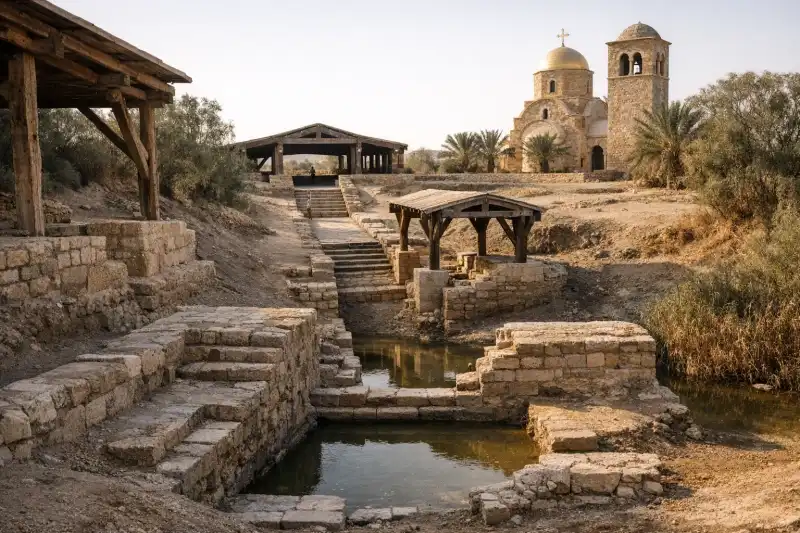
Bethany Beyond the Jordan
Bethany Beyond the Jordan in Jordan is an archaeological and religiously significant site believed t...