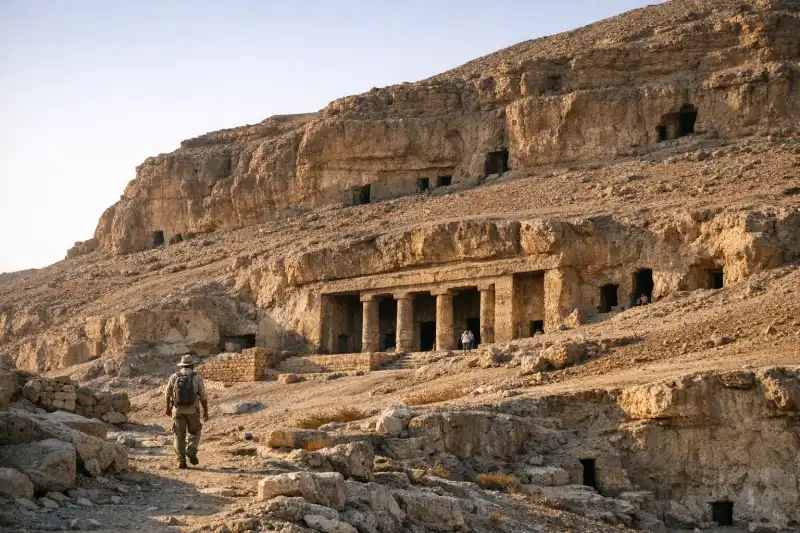
Quick Info
At a glance
Beni Hassan Tombs in Egypt rise from a line of pale limestone cliffs above the green strip of the Nile Valley, where cultivated fields abruptly give way to desert rock. Less famous than the monuments of Luxor or Giza, this remarkable necropolis rewards travelers with something different: a close encounter with the lives, ambitions, and artistic choices of provincial elites during Egypt’s Middle Kingdom. The setting is part of the experience. As you climb toward the tomb entrances, the river plain spreads below in bands of green, brown, and gold, and the sense of distance from the modern world becomes stronger with every step.
What makes Beni Hassan so memorable is not sheer scale, but intimacy and detail. These are not royal pyramids or colossal temple gateways. Instead, they are tombs cut into the cliff for local governors, administrators, and military men whose authority shaped the region in their own time. Inside, walls preserve scenes of wrestling, desert hunting, farming, craftwork, music, and encounters with people from beyond Egypt. The paintings often feel immediate, even human in a way that surprises first-time visitors. Beni Hassan offers a quieter, more reflective experience than Egypt’s biggest tourist sites, and for many travelers that is precisely its charm. It is a place where the landscape, the tomb architecture, and the artwork together reveal a fuller picture of ancient Egyptian society.
History
Provincial Power in the First Intermediate Period
The origins of the Beni Hassan necropolis lie in a transformative phase of Egyptian history. After the collapse of the Old Kingdom, Egypt entered the era modern historians call the First Intermediate Period, when central authority weakened and regional elites gained greater autonomy. In Middle Egypt, local rulers became increasingly important, controlling land, agricultural production, taxation, and security within their territories. Beni Hassan, positioned along the Nile in a strategic section of the valley, emerged as the burial place of these powerful provincial families.
Even before the height of its use, the area was part of a wider sacred and administrative landscape. The cliffs provided an ideal place for elite tombs: dry, elevated, and visually dominant over the life-giving river below. Such positioning carried both practical and symbolic meaning. The tombs could be protected from flooding while remaining permanently linked to the fertile estates that supported the deceased in life and, according to Egyptian belief, in the afterlife.
The Middle Kingdom Zenith
Beni Hassan reached its peak importance during the 11th and 12th Dynasties, roughly from the late third to early second millennium BCE. This was the great age of the Middle Kingdom, when rulers from Thebes reunified Egypt and restored stronger central government. Yet the tombs at Beni Hassan show that provincial identity remained powerful. The men buried here were not kings, but they were far from minor figures. They held titles such as nomarchs, governors of the local district, and overseers responsible for military organization, irrigation, and administration.
Among the best-known tomb owners are Khnumhotep II, Amenemhat, Baqet III, and Khety. Their tombs reflect wealth, social rank, and a desire to present idealized versions of life and duty. Rather than focusing only on funerary ritual, the decoration often celebrates competence and order: successful hunting expeditions, disciplined troops, agricultural abundance, and household management. In these images, the deceased appears as the center of a prosperous world.
One of the most discussed scenes from Beni Hassan appears in the tomb of Khnumhotep II, where a group of Asiatics is shown entering Egypt. The image has long fascinated scholars because it offers rare visual evidence of foreign visitors in Middle Kingdom Egypt. It suggests trade, diplomacy, or controlled migration, and it demonstrates that provincial tomb art can illuminate broader historical questions about Egypt’s relationship with neighboring regions.
Architecture, Belief, and Artistic Change
The tombs themselves reveal evolving ideas about elite burial. Most are cut directly into the limestone cliff and follow a relatively simple but imposing form: a columned portico or façade, a broad hall, and a shrine or chapel deeper inside. Their design adapted older Egyptian funerary traditions to the realities of local geology and regional taste. The use of rock-cut architecture would continue to be important in later Egyptian burial practices, but Beni Hassan preserves an especially elegant Middle Kingdom expression of the form.
The paintings and reliefs also show a moment of artistic experimentation. Figures are structured according to Egyptian conventions, but the compositions often feel lively and observational. Wrestlers grapple in dozens of poses; hunters move through the desert after wild animals; musicians and dancers appear with grace and rhythm. Such scenes were not merely decorative. They symbolized order, skill, plenty, and the continued vitality of the deceased in the next world.
Decline, Rediscovery, and Modern Study
As political and funerary priorities shifted in later periods, Beni Hassan lost its central role as a premier elite necropolis. New centers rose elsewhere, and ancient tombs naturally fell into relative obscurity. Yet their cliffside position helped many decorative programs survive. Travelers, scholars, and early Egyptologists eventually drew attention back to the site, recording inscriptions and painted scenes that remain crucial for the study of Middle Kingdom society.
Modern archaeology has deepened understanding of the tombs, nearby cemeteries, and settlement patterns. Conservation remains a major concern, since ancient pigments are vulnerable to humidity, touch, and changing environmental conditions. Today, Beni Hassan stands not only as a burial site but as an archive in stone and paint, preserving a chapter of Egyptian history that is often overshadowed by more famous royal monuments.
Key Features
The first impression of Beni Hassan is geographical. The tombs are carved high into a limestone escarpment on the east bank of the Nile, and this dramatic placement is essential to their character. The climb up to the necropolis is part of the visit, creating a transition from the cultivated valley to the desert ridge. Once at the tomb level, the view alone justifies the effort. The broad panorama of fields, villages, river, and distant haze helps explain why the site mattered so much to the people buried here. They were meant to rest above the lands they governed, permanently overlooking the economic base of their power.
Architecturally, the façades and columned interiors are among the site’s most distinctive elements. Several tombs feature columns carved in forms that recall bundles of reeds or lotus-inspired shapes, balancing structural simplicity with visual refinement. The spaces are not immense in the way of a temple hypostyle hall, but they have a measured dignity. Light entering from the façade plays across the stone, while the deeper chambers preserve traces of color and line. Because the tombs were made for regional officials rather than pharaohs, visitors often find them easier to read as personal statements. Each tomb reflects individual ambition within a shared artistic tradition.
The wall paintings are the true highlight. Beni Hassan is especially celebrated for scenes of everyday life and physical action. Wrestling compositions, particularly in the tomb of Baqet III, are among the most famous in all Egyptian art. The figures are shown in sequence, as if documenting techniques move by move, and they offer an unusually vivid sense of bodily motion. These scenes have fascinated historians not only as art but as evidence for ancient sport and training.
Hunting scenes are another major feature. In the desert hunt imagery, the tomb owner confronts wild animals in a landscape beyond the cultivated world. These scenes carried symbolic meaning, presenting the deceased as a master of chaos and a capable protector of order. At the same time, they are wonderfully observant, with animals rendered in spirited and varied forms. Nearby agricultural and workshop scenes provide a deliberate contrast, showing the ordered productivity of Egyptian life: plowing, herding, harvesting, food preparation, and craft production.
The tomb of Khnumhotep II is often singled out because of its celebrated depiction of foreigners entering Egypt. The group’s clothing, hairstyles, and goods distinguish them from Egyptians and make the composition especially important for historians. It is a reminder that Beni Hassan is more than a local cemetery. It offers insight into Egypt’s wider economic and diplomatic connections during the Middle Kingdom.
Another striking aspect of the site is its atmosphere. Unlike the more crowded monuments of Upper Egypt, Beni Hassan often feels quiet and spacious. The silence of the cliffside, broken by wind and distant village sounds, can heighten awareness of detail inside the tombs. Instead of rushing between massive attractions, visitors tend to slow down here. That pace suits the site well. Beni Hassan rewards close looking: faded pigments, fine outlines, inscriptions naming titles and offerings, and the careful arrangement of decorative themes all become more meaningful when given time.
The surrounding archaeological landscape adds depth to the visit. Beni Hassan is not an isolated monument but part of a broader zone of ancient activity that includes cemeteries from different periods and nearby sites such as the rock-cut shrine of Speos Artemidos. For travelers with a special interest in Middle Egypt, this region opens a less-visited chapter of Egyptian civilization, one that bridges the worlds of Memphis in the north and Thebes in the south.
Getting There
Beni Hassan Tombs are usually visited from Minya, the nearest major city, which lies roughly 20 to 25 kilometers away depending on your route. The most practical option is to hire a private car or taxi from Minya for a round trip. Typical fares can range from EGP 500 to 1,200 depending on waiting time, negotiation, vehicle quality, and whether you combine the tombs with other nearby archaeological stops. If you are coming from Cairo, many travelers arrange a full-day or overnight driver service; private transport from Cairo often starts around EGP 3,500 to 6,500 for the vehicle, though prices vary by season and agency.
Trains from Cairo to Minya are a workable option for independent travelers. Depending on train class and service, tickets may cost roughly EGP 100 to 300 or more. From Minya station, you can continue by taxi. Shared local transport may exist for parts of the route, but it is less predictable and can be difficult if you do not speak Arabic or if opening hours are tight. For most visitors, organized transport saves time and reduces uncertainty.
At the site itself, expect some walking and an uphill approach. Wear sturdy shoes, carry water, and bring cash for tickets or local services if cards are not accepted. It is wise to start early, especially if traveling from Cairo, since the journey is long and midday heat can be intense. Hiring a guide in Minya or as part of a tour can add real value, since the meaning of the scenes is far richer with explanation.
When to Visit
The best time to visit Beni Hassan Tombs is generally from October through April, when daytime temperatures in Middle Egypt are more comfortable for climbing and exploring. Winter brings the most pleasant conditions, with cooler mornings and milder afternoons that make it easier to spend time both outdoors and inside the tombs. This is the ideal season if you want to combine Beni Hassan with other Nile Valley sites on a longer itinerary.
Spring and autumn can also be rewarding, though temperatures rise quickly by late morning. Visiting as early as possible is recommended in these shoulder seasons. Summer, from roughly June through September, can be very hot, and the exposed cliffside setting offers limited relief. If you travel then, plan a very early arrival, wear sun protection, and carry more water than you think you need.
Light matters here as much as temperature. Morning often gives the best balance for photography of the landscape and for arriving before the stone has absorbed the day’s heat. Because access to individual tombs may change due to conservation or staffing, the ideal visit is one that combines good weather with flexibility. Avoid major public holidays if you prefer quieter travel logistics, though Beni Hassan is still far less crowded than Egypt’s most famous sites. In every season, the most rewarding visits are unhurried ones, with enough time to appreciate the art rather than simply check off the site.
| Quick Facts | Details |
|---|---|
| Location | Near Beni Hasan village, Minya Governorate, Egypt |
| Type | Rock-cut necropolis |
| Main Period | Middle Kingdom, especially 11th-12th Dynasties |
| Famous For | Painted tombs of provincial governors, wrestling scenes, foreigner depictions |
| Setting | Limestone cliffs above the Nile Valley |
| Nearest City | Minya |
| Recommended Visit Length | 1.5-3 hours |
| Best Season | October to April |
| Access Style | Usually by private car, taxi, or organized tour |
| Visitor Tip | Go early and confirm which tombs are open on the day of your visit |
Beni Hassan Tombs offer a powerful reminder that ancient Egypt was not defined only by kings and capitals. Here, in the cliffs of Middle Egypt, local rulers crafted an enduring image of themselves through architecture, landscape, and paint. Their world survives in scenes of labor, ceremony, sport, and encounter, revealing a society at once highly formal and deeply attentive to lived experience. For travelers willing to venture beyond the standard circuit, Beni Hassan provides one of Egypt’s most rewarding archaeological visits: quieter, more personal, and exceptionally rich in historical detail.
Guided tours: worth it?
A guide can be genuinely useful at Beni Hassan Tombs, especially if you want help with transport, timing, tickets, or understanding a large site without losing half the day to logistics.
Best for
- Travelers who want transport, timing, or entry logistics handled
- Short visits where a planned route saves time
When to go self-guided
Go independently if you already have transport and tickets sorted, enjoy moving at your own pace, and are comfortable checking the latest official rules before you arrive.
What I’d avoid
Skip paid tours that bundle unrelated stops you do not actually want. The best option should either save meaningful planning time or add historical context you would miss on your own.
Beni Hassan Tombs Egypt Tours
Useful when: you want to compare guided formats before deciding
Minya Day Trips from Cairo
Useful when: transport or pickup logistics matter
Middle Egypt Archaeology Tours
Useful when: you want to compare guided formats before deciding
Some tour links are affiliate links, which may earn Ancient Travel a small commission at no extra cost to you. I try to surface options that make practical sense for the site—not just anything bookable.
Frequently Asked Questions
What are the Beni Hassan Tombs?
The Beni Hassan Tombs are a group of rock-cut burial chambers in Middle Egypt, mainly dating to the Middle Kingdom, especially the 11th and 12th Dynasties. They were created for local governors and officials and are known for detailed painted scenes of daily life, hunting, wrestling, and military activity.
Where are the Beni Hassan Tombs located?
They are located on the east bank of the Nile in Minya Governorate, near the modern town of Beni Hasan and south of Cairo. The tombs sit in limestone cliffs above cultivated land, giving broad views over the Nile Valley.
Why are the Beni Hassan Tombs important?
They are among the best sources for understanding provincial Egypt during the Middle Kingdom. Their paintings preserve vivid evidence of clothing, sports, trade, agriculture, and interactions with foreigners, offering a valuable complement to royal monuments elsewhere in Egypt.
How much time should I plan for a visit?
Most travelers should allow 1.5 to 3 hours on site, depending on how many tombs are open and how deeply they want to study the artwork. If you are combining Beni Hassan with nearby archaeological stops, a full day is more comfortable.
Can you visit the tomb interiors?
Yes, selected tomb interiors are usually accessible, but openings can change because of conservation work, staffing, or restoration. It is wise to confirm current access locally before traveling.
Is Beni Hassan suitable for independent travelers?
Yes, but it is easier with a driver or organized tour because public transport connections are limited and practical information can vary. Independent visitors should start early, carry water, and confirm opening hours in advance.
Nearby Ancient Sites
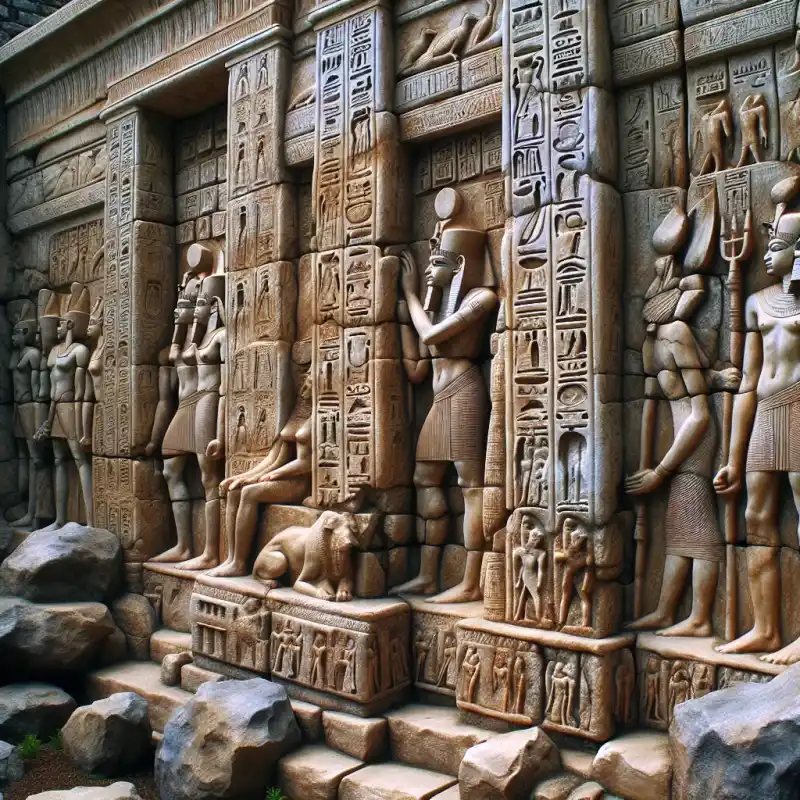
Abydos Temple Egypt Guide 2026: Temple of Seti I & King List
New Kingdom-PtolemaicAbydos Temple near Luxor: magnificent Temple of Seti I with war reliefs, ancient king list, and vibr...
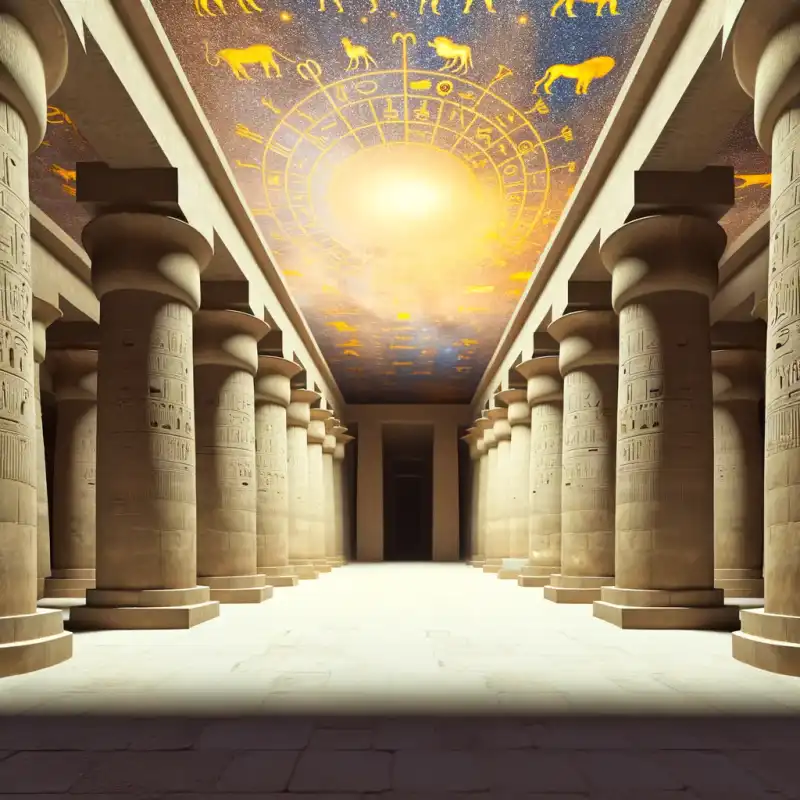
Dendera Temple Complex Egypt Guide 2026: Temple of Hathor & Zodiac Ceiling
Ptolemaic-RomanExplore Dendera's magnificent Temple of Hathor near Luxor. Star-mapped zodiac ceiling, Ptolemaic arc...
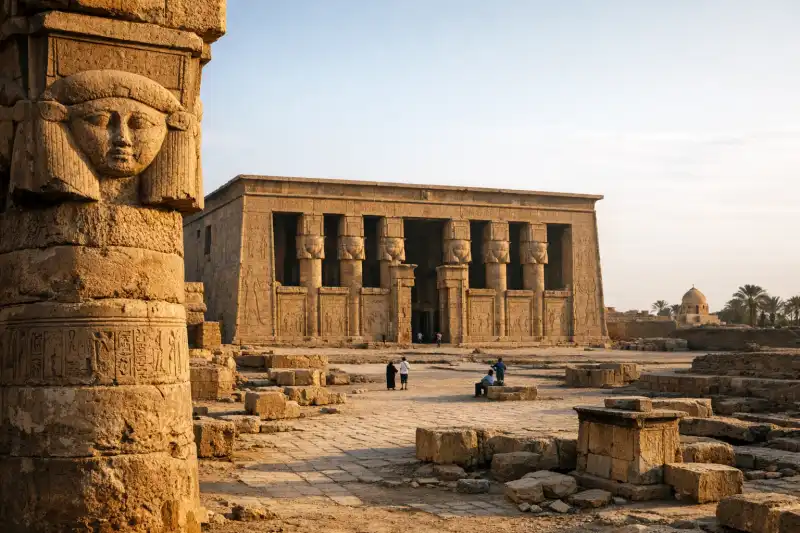
Dendera Temple Complex
The Dendera Temple Complex in Egypt is a remarkably preserved ancient site renowned for its grand Te...