Quick Info
At a glance
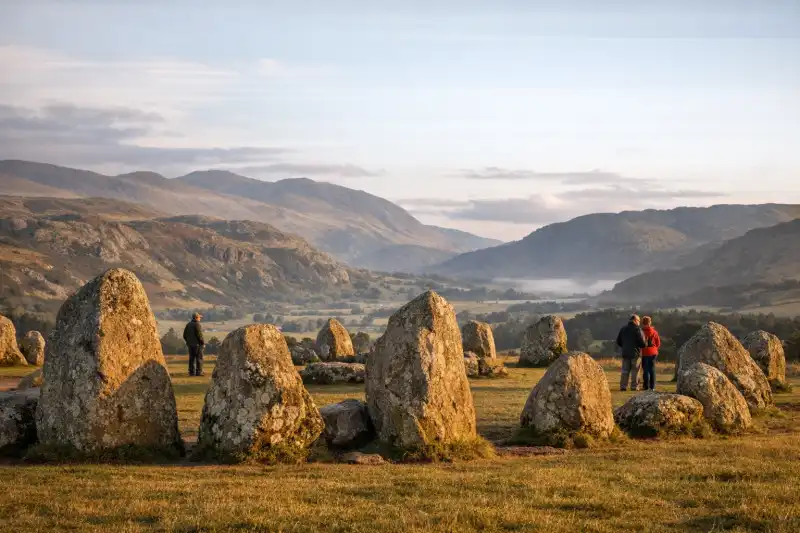
Castlerigg Stone Circle in the United Kingdom is one of those rare ancient places where landscape and monument seem impossible to separate. Set on a low plateau above Keswick in Cumbria, the circle rises from open grassland while the fells of the Lake District close around it in nearly every direction. Long before visitors began arriving with cameras, maps, and hiking boots, people chose this spot for reasons that still feel compelling today: clear sightlines, a dramatic natural basin of mountains, and a sense that the land itself gives the stones their power. Even on a busy day, Castlerigg often feels exposed, spacious, and quietly ceremonial.
Unlike larger archaeological complexes that require hours to understand, Castlerigg makes an immediate impression. The stones are not enormous by megalithic standards, and there are no surviving banks, avenues, or visitor center displays to dominate the experience. Yet the circle has an unusual intensity. Its shape is slightly irregular, with a distinct rectangular setting of stones within the ring, and its mountain backdrop creates one of the most memorable views at any prehistoric monument in Britain. You are not looking at a ruin in isolation, but at a human-made place positioned within a natural amphitheater. For travelers interested in prehistory, sacred landscapes, or the oldest monuments in England, Castlerigg offers something both visually stunning and historically profound.
History
Early Neolithic origins
Castlerigg is generally dated to around 3000 BCE, placing it in the Late Neolithic and making it one of the earliest stone circles in Britain. This was a period of major social and cultural change. Farming communities were already established across parts of Britain, but people still moved through the landscape in ways deeply tied to seasonal rhythms, ceremony, and exchange. Monument building was becoming a significant expression of communal identity. Across the British Isles, timber circles, henges, tombs, and stone settings appeared in different regional forms, reflecting local traditions while also participating in wider networks of belief and contact.
At Castlerigg, the builders selected a naturally prominent site with commanding views toward Helvellyn, High Seat, Blencathra, and other surrounding peaks. The exact purpose of the circle remains uncertain, as with most prehistoric monuments, but its early date suggests it belonged to the first generations of large ceremonial stone architecture in the region. Some archaeologists have proposed links with the movement of stone axes from nearby Langdale, a major center for the production of Neolithic polished stone tools. If so, Castlerigg may have served as a meeting place tied to exchange, ceremony, or both.
Ritual use and prehistoric significance
The circle consists of around 38 surviving stones, though counts vary slightly depending on how stones are classified. Within the main ring is a notable rectangular arrangement, sometimes described as an internal setting or enclosure. This feature has long encouraged speculation about special rites, gatherings, or focal activities carried out inside the monument. No definitive explanation has been proven, but the internal setting distinguishes Castlerigg from many other circles and reinforces the idea that the site was carefully planned rather than casually assembled.
Because prehistoric communities left no written record, interpretation depends on archaeology, comparison, and landscape study. Stone circles are often understood as ceremonial spaces where communities gathered for events connected to seasons, ancestry, trade, or cosmology. Castlerigg’s mountain setting may have been symbolically important in itself. The surrounding peaks would have framed sunrise and moonrise points at certain times of year, and the broad horizon could have helped mark cycles in the sky, though claims of precise astronomical design remain debated. What is clear is that the site was chosen with exceptional sensitivity to place.
Antiquarian interest and early modern descriptions
By the early modern period, Castlerigg was already recognized as an ancient and curious monument. One of the most famous descriptions came in the 18th century from the antiquarian William Stukeley, who visited in 1725. His writings helped bring wider attention to prehistoric monuments across Britain, even if some of his interpretations were shaped by the assumptions of his own time. Castlerigg’s dramatic setting impressed him deeply, just as it has many visitors since.
Antiquarians often approached stone circles through theories about Druids, even though sites like Castlerigg were built thousands of years before the Iron Age societies later labeled as Celtic or Druidic. While those early interpretations are no longer accepted, their records remain useful because they documented monuments before later landscape changes and modern tourism altered the surroundings. Castlerigg entered the historical imagination not only as a local landmark, but as part of a broader effort to understand Britain’s remote prehistoric past.
Excavation, preservation, and modern understanding
Scientific archaeology reached Castlerigg only in limited ways. In the 19th century, a small excavation inside the circle reportedly found charcoal and dark soil deposits, but the work was not conducted to modern standards, and little can be concluded from it today. As a result, many basic questions about the monument remain open. There is no substantial body of excavated evidence explaining exactly how the circle was used or over how long a period.
What has changed is the framework through which scholars understand it. Castlerigg is now valued as a key Neolithic ceremonial monument within a wider prehistoric landscape of Cumbria. Rather than seeing it as an isolated curiosity, archaeologists place it within networks of movement, material exchange, and ritual practice across northern England. Protection as a scheduled monument has helped preserve the site, although its exposed setting also means it remains vulnerable to erosion from heavy foot traffic and weather.
Today, Castlerigg sits at the intersection of research, conservation, and public appreciation. Its history is not a neat sequence of known events, but a combination of ancient construction, long silence, rediscovery, and continuing study. That uncertainty is part of its appeal. The stones tell us enough to recognize their importance, but not enough to end the mystery.
Key Features
The first feature most visitors notice is the setting. Castlerigg is often described as one of the most beautifully sited stone circles in Britain, and that reputation is deserved. The monument stands on a natural shelf with mountains arranged around it in almost every direction. Unlike monuments enclosed by woodland, roads, or later settlement, Castlerigg still feels deeply connected to open terrain. The sky can shift quickly here, and changing weather transforms the atmosphere from bright and airy to solemn and theatrical within minutes. Sunrise and sunset can be especially striking, when low light catches the surfaces of the stones and the outlines of the fells sharpen beyond them.
The stones themselves are made of local Borrowdale volcanic rock, rough-textured and irregular rather than neatly dressed. This gives the circle a rugged, organic quality. The stones vary in height, with some rising prominently and others sitting lower, creating a ring that feels intentional without being geometrically rigid. The circle measures roughly 30 meters across at its widest point, and although not huge, it has a strong visual presence because of the openness of the ground around it. There is no need for elaborate architecture here; the monument’s power comes from proportion, placement, and relationship to the land.
One of Castlerigg’s most intriguing elements is the internal rectangular arrangement on the eastern side of the circle. This grouping of stones has led to many theories. Some interpret it as a kind of inner sanctuary, a designated ritual space, or an area for offerings or special participants. Others caution that its exact function cannot be recovered with confidence. Whatever its original use, it makes Castlerigg more than a simple ring of standing stones. It suggests layers of activity and perhaps different zones of meaning within the monument.
Another key feature is the site’s accessibility. Castlerigg offers the rare experience of a major prehistoric monument that remains relatively easy to reach while preserving a sense of isolation. From Keswick, it is close enough for a short outing, yet once you arrive, the roads and town feel distant. This balance has made it one of the most visited stone circles in northern England. For photographers, walkers, and history-focused travelers, it is especially rewarding because the monument can be appreciated quickly at a basic level, but also invites longer observation. Spend ten minutes and you will understand its beauty; spend an hour and you begin to notice subtleties in the slope of the ground, the framing of mountain ridges, and the asymmetry of the stones.
The absence of extensive built visitor infrastructure is also important to the experience. There are interpretation signs and practical access arrangements nearby, but no modern structure overwhelms the site. This allows Castlerigg to retain a feeling of simplicity. At the same time, that simplicity asks something of visitors: respect for the monument, care for the ground, and patience when crowds gather. Because the site is open and free, the quality of a visit depends partly on timing and attitude. Early morning, late afternoon, or shoulder-season visits often provide a calmer encounter.
Finally, Castlerigg’s significance lies not only in what survives physically, but in what it represents in the story of prehistoric Britain. It belongs to a broad tradition of monument building that linked communities to place, memory, and ritual. Yet it also feels distinctive. Many stone circles inspire curiosity; Castlerigg combines that curiosity with emotional impact. It is a monument where archaeology, scenery, and atmosphere reinforce one another so effectively that even visitors with little prior interest in prehistory often leave with a strong sense that they have encountered something extraordinary.
Getting There
Castlerigg Stone Circle is about 1.5 miles, or roughly 2.5 kilometers, east of Keswick in Cumbria. If you are driving, Keswick is the easiest base. From town, the journey usually takes around 10 minutes via the A591 and local roads, though traffic in peak holiday periods can slow things down. Parking is limited near the site, so arriving early is wise. Car travel from Windermere generally takes about 40 to 50 minutes, while from Penrith it is often around 30 minutes. Fuel costs will vary, but for most visitors already touring the Lake District, this is a straightforward short drive.
Public transport requires a little more planning. The nearest major rail access point is Penrith, served by Avanti West Coast and other services. Standard off-peak rail fares from London to Penrith can range widely, often from £40 to £120 one way depending on booking time, while regional journeys from Carlisle or Lancaster are usually much cheaper. From Penrith, buses to Keswick typically cost around £2 to £8 depending on route and ticket type. Once in Keswick, you can take a taxi to Castlerigg for roughly £8 to £15 each way, depending on time of day and local rates.
Walking from Keswick is a popular option in good weather. Depending on your starting point and chosen route, it takes around 45 to 60 minutes and includes some uphill sections. Sturdy shoes are recommended, especially after rain, since paths and access points can become muddy. Cycling is also possible, though local lanes can be narrow.
If you want the least complicated visit, stay in Keswick and either walk early in the day or take a short taxi ride. That approach avoids parking stress and lets you enjoy the landscape more fully.
When to Visit
Castlerigg can be visited year-round, but the experience changes significantly with season, weather, and time of day. Late spring through early autumn, especially May to September, offers the mildest conditions and the longest daylight hours. During these months, the surrounding hills are often greener, the views are broad and clear after stable weather, and access is generally easiest. The drawback is that this is also the busiest period. Midday in summer can bring coach parties, walkers, and day-trippers, which may make the site feel less tranquil than many visitors hope.
For a quieter visit, shoulder seasons are often ideal. April, early May, late September, and October can combine manageable weather with fewer crowds. Light at these times of year is also excellent for photography, especially in the early morning or late afternoon when the sun sits lower and gives more definition to the stones and mountain ridges. Mist, cloud breaks, and changing skies can make the site especially atmospheric.
Winter visits have a different appeal. On a crisp clear day, snow or frost on the surrounding fells can be spectacular, and the lower visitor numbers may allow a more contemplative experience. However, winter weather in the Lake District can be wet, windy, icy, and unpredictable. Paths may be slippery, visibility can change fast, and the exposed setting means it often feels colder than the temperature suggests. Waterproof layers, warm clothing, and good footwear are essential.
Whatever the season, the best time of day is usually early morning or near sunset. These hours offer softer light and a stronger sense of solitude. If your schedule allows only a midday visit in high season, try to be patient and spend longer than planned; crowds often ebb, and the site still has a way of commanding attention once you slow down.
| Quick Facts | Details |
|---|---|
| Location | Near Keswick, Cumbria, England, United Kingdom |
| Monument Type | Neolithic stone circle |
| Date | c. 3000 BCE |
| Civilization | Neolithic Britain |
| Number of Stones | About 38 surviving stones |
| Notable Feature | Internal rectangular stone setting |
| Setting | Open hilltop plateau with panoramic Lake District mountain views |
| Nearest Town | Keswick |
| Entry Fee | Free |
| Best Visit Length | 30 minutes to 1.5 hours |
| Best Time to Go | Early morning or late afternoon, especially in spring or autumn |
| Access Note | Ground can be muddy and exposed in poor weather |
Castlerigg rewards visitors who approach it with realistic expectations and a little imagination. It is not a monumental complex filled with reconstructed buildings or extensive museum interpretation. Instead, it offers something older and simpler: a ring of stones, a sweep of sky, and a mountain basin that still feels worthy of ceremony. Its significance lies partly in archaeology, partly in age, and partly in the rare survival of a place where the natural setting still amplifies the monument’s original impact. For travelers exploring ancient Britain, few sites combine accessibility, beauty, and mystery so completely.
Guided tours: worth it?
A guide can be genuinely useful at Castlerigg Stone Circle, especially if you want help with transport, timing, tickets, or understanding a large site without losing half the day to logistics.
Best for
- Travelers who want transport, timing, or entry logistics handled
- Short visits where a planned route saves time
When to go self-guided
Go independently if you already have transport and tickets sorted, enjoy moving at your own pace, and are comfortable checking the latest official rules before you arrive.
What I’d avoid
Skip paid tours that bundle unrelated stops you do not actually want. The best option should either save meaningful planning time or add historical context you would miss on your own.
Lake District ancient sites and stone circles tours
Useful when: you want to compare guided formats before deciding
Keswick and Castlerigg Stone Circle tours
Useful when: you want to compare guided formats before deciding
Cumbria prehistoric sites tours
Useful when: you want to compare guided formats before deciding
Some tour links are affiliate links, which may earn Ancient Travel a small commission at no extra cost to you. I try to surface options that make practical sense for the site—not just anything bookable.
Frequently Asked Questions
Where is Castlerigg Stone Circle located?
Castlerigg Stone Circle stands on a hill east of Keswick in Cumbria, in England’s Lake District, United Kingdom.
Do you need a ticket to visit Castlerigg Stone Circle?
No. The site is generally open access and free to visit, though visitors should always follow current local guidance and respect the protected monument.
How old is Castlerigg Stone Circle?
Archaeologists usually date Castlerigg to the Late Neolithic, around 3000 BCE, making it one of the earliest stone circles in Britain.
How do you get to Castlerigg Stone Circle from Keswick?
You can drive in about 10 minutes, walk in roughly 45 to 60 minutes depending on route, or take a taxi from Keswick.
What makes Castlerigg Stone Circle special?
Its importance comes from both its early date and its extraordinary mountain setting, with panoramic views across the Lake District fells.
Can you visit Castlerigg Stone Circle in winter?
Yes, but winter weather can be cold, wet, icy, and windy, so sturdy footwear and waterproof layers are essential.
Nearby Ancient Sites
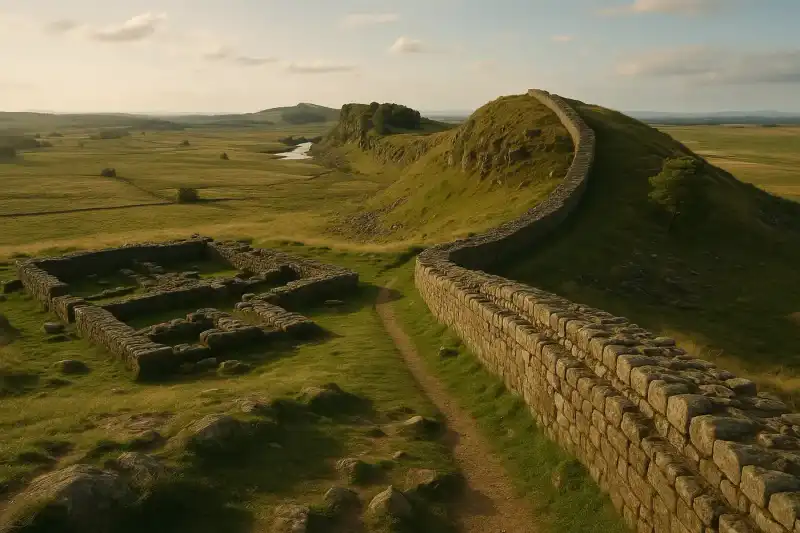
Hadrian's Wall Travel Guide 2026: Best Sections, Roman History, and Practical Planning
Roman BritainPlan a UK frontier-heritage day at Hadrian's Wall with clear section priorities, practical one-day r...
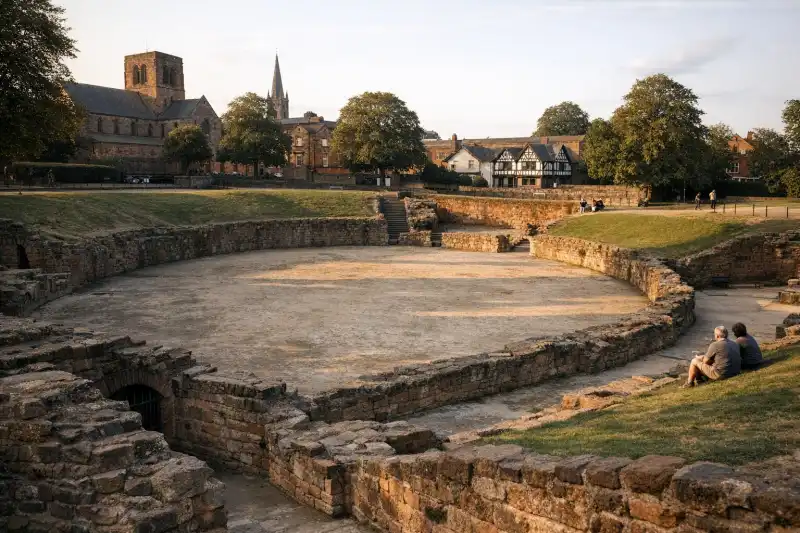
Chester Roman Amphitheater
Explore Chester Roman Amphitheater in the United Kingdom, the largest known Roman amphitheater in Br...
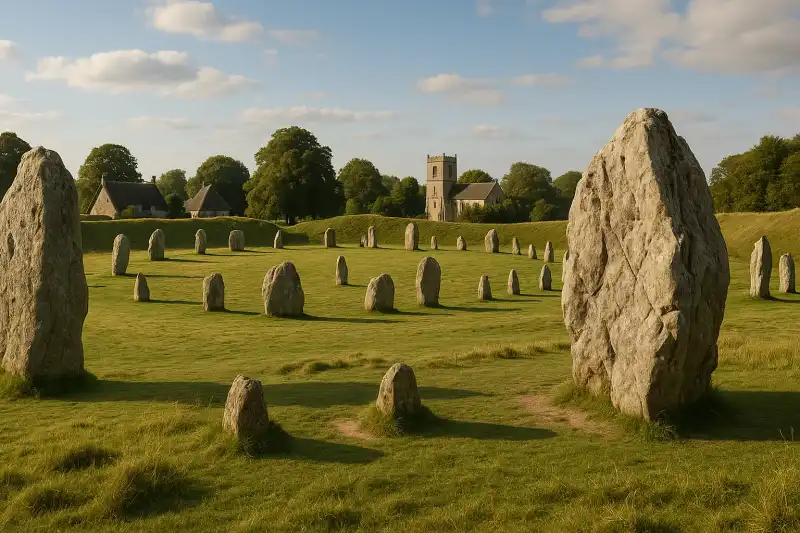
Avebury Stone Circle Travel Guide 2026: Best Walk Routes, History, and Visit Planning
Neolithic BritainPlan a stronger visit to Avebury Stone Circle with practical walking routes, landscape context, and ...