Curated Experiences
Colosseum Underground & Ancient Rome Guided Tour
Rome: Colosseum with Arena, Roman Forum and Palatine Guided Tour
Colosseum & Ancient Rome with Arena Floor Option I Max 6 People
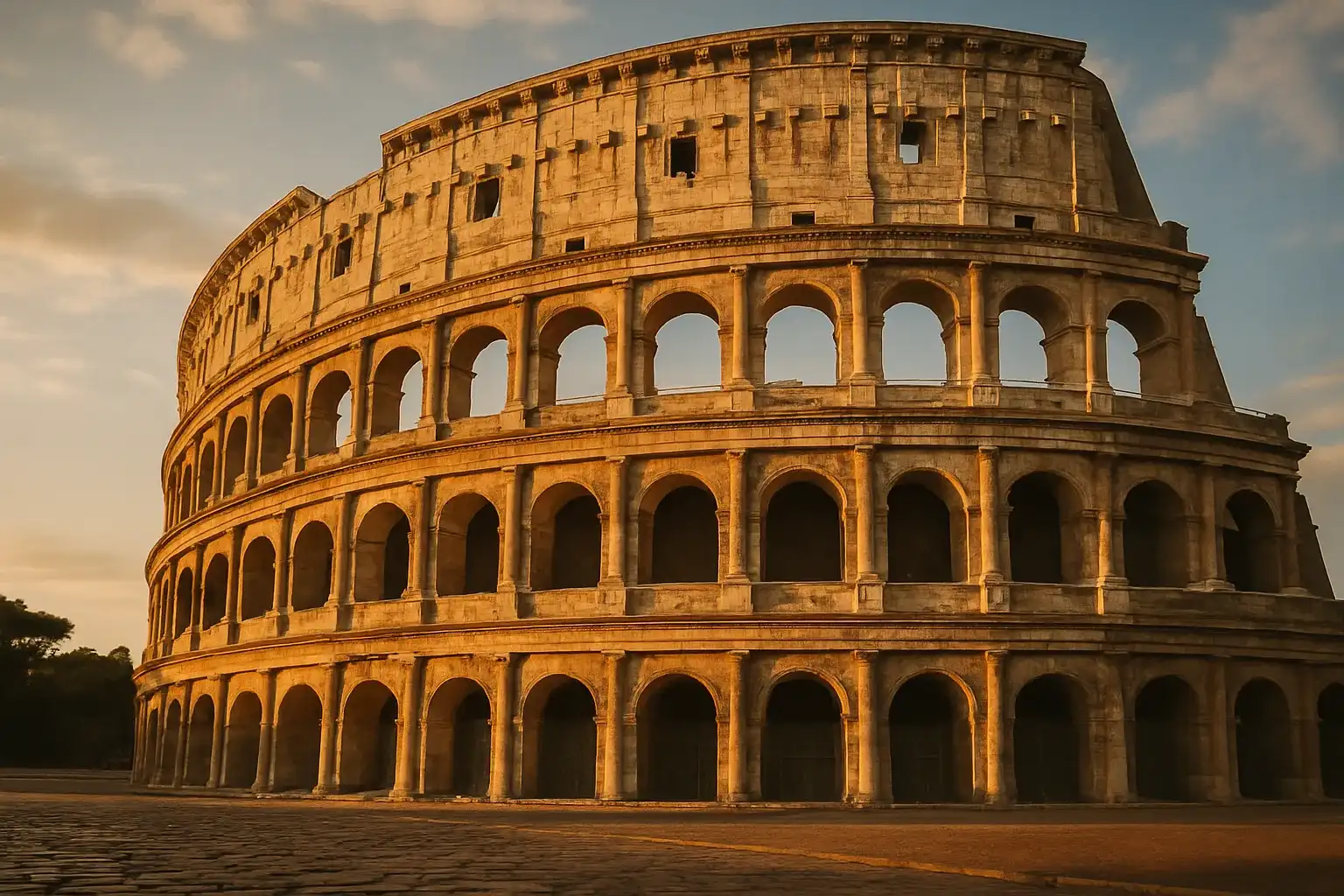
There are monuments that impress, monuments that educate, and then there are monuments that haunt—the Colosseum falls into this final, rare category. Nearly 2,000 years after its inauguration, the greatest amphitheater ever built still dominates Rome’s landscape and imagination, its travertine arches bearing witness to both the glory and the brutality of empire.
This isn’t merely an ancient ruin. The Colosseum represents the apex of Roman engineering, the excesses of imperial entertainment, and the complex moral legacy of a civilization that built roads still in use and spectacles we would condemn today. Standing within its walls, you feel the weight of history pressing from every stone.
Our comprehensive guide will help you navigate this iconic site with the efficiency and insight it deserves. From securing arena floor access to understanding the engineering marvels hidden beneath your feet, here’s everything you need for an unforgettable visit to Rome’s most recognizable landmark.
Rome’s Arena of Blood and Glory
When Emperor Vespasian began construction of the Flavian Amphitheatre in 72 CE, he wasn’t merely building an entertainment venue—he was making a political statement. The Colosseum rose on the site of Nero’s artificial lake, transforming a symbol of imperial excess into a public amenity for the Roman people.
Completed under Emperor Titus in 80 CE, the amphitheater could accommodate 50,000 to 80,000 spectators who gathered to witness gladiatorial combat, mock sea battles, animal hunts, and public executions. For nearly four centuries, the Colosseum served as the beating heart of Roman popular culture, a place where emperors demonstrated their generosity and the people exercised their political voice through applause or condemnation.
The name “Colosseum” didn’t arise until the Middle Ages, derived from the colossal statue of Nero that once stood nearby. Romans knew it simply as the “Amphitheatrum Flavium”—the Flavian Amphitheatre—honoring the dynasty that built it.
Today, the Colosseum stands as Rome’s most visited monument, drawing over six million visitors annually. The queues can be epic, the summer heat brutal, and the crowds overwhelming—but with proper planning, your visit can transcend the tourist experience and connect you with one of history’s most powerful sites.
Mastering the Tickets: Skip-the-Line + Arena Floor
Official Site vs. Tour Operators: Making the Right Choice
The Colosseum’s ticketing system has evolved into a complex ecosystem of options, and choosing wisely determines whether your visit begins with awe or frustration.
Full Experience Tickets (€24): This is the ticket you want. In addition to standard Colosseum entry, it includes access to the Arena Floor—the reconstructed wooden stage where gladiators once fought—and the underground hypogeum where animals and performers awaited their fate. These areas are restricted to timed-entry groups and dramatically enhance your understanding of how the amphitheater functioned.
Standard Entry Tickets (€16): These provide access to the general seating areas and exhibitions but exclude the Arena Floor and underground. While cheaper, you’ll miss the most evocative spaces within the monument.
The Critical Booking Window: Tickets for the Colosseum, particularly the Full Experience with Arena Floor access, should be booked 30 days in advance during peak season (April-October). The official website (coopculture.it) releases tickets on a rolling schedule, and popular time slots disappear within hours.
Guided Tours: If tickets are sold out or you prefer expert interpretation, skip-the-line guided tours offer guaranteed entry and the expertise of archaeologists or art historians who bring the stones to life. The additional cost (typically €50-80 total) is worthwhile for first-time visitors.
Understanding the Combined Ticket Structure
All Colosseum tickets automatically include same-day entry to the Roman Forum and Palatine Hill, located across the Via dei Fori Imperiali. This combined ticket represents exceptional value—the Forum was the heart of ancient Rome’s political and commercial life, while the Palatine offers insights into imperial luxury and spectacular views across the archaeological zone.
Plan your day strategically: the Colosseum requires timed entry (enforced strictly), while the Forum and Palatine are open-entry with your same ticket. Most visitors tackle the Colosseum first, then explore the Forum at leisure.
Optimal Timing: Beat the Masses
The Colosseum’s popularity creates inevitable crowds, but strategic timing can dramatically improve your experience.
The Golden Hour: First Entry (8:30 AM): The Colosseum opens at 8:30 AM year-round. The first morning slot offers three advantages: cooler temperatures (crucial in summer), softer light for photography, and the chance to experience the arena’s atmosphere before it fills with thousands of visitors. The morning sun illuminates the interior arches beautifully, creating dramatic shadows across the travertine.
The Alternative: Late Afternoon (Last Entry): The final entry slot (typically 6:00-6:30 PM in summer, 3:30-4:00 PM in winter) offers thinner crowds and the possibility of golden-hour light streaming through the arches. However, you’ll have limited time before closing, so this works best for repeat visitors or those on guided tours.
Avoid If Possible: Midday (11:00 AM - 2:00 PM): These hours combine peak heat (especially June-August), maximum crowds, and harsh overhead lighting that creates flat photographs and exhausting conditions. If midday is your only option, ensure you have water, sun protection, and adjusted expectations.
The Winter Advantage: November through February offers significantly fewer crowds and pleasant temperatures for walking. While you’ll have shorter daylight hours, the trade-off in tranquility is worthwhile for those who don’t mind cooler weather.
Colosseum Highlights Tour
The Arena Floor: Gladiator’s View
Stepping onto the reconstructed Arena Floor is the highlight of any Colosseum visit. This limited-access area places you at the center of the amphitheater, surrounded by rising tiers of seating that once held tens of thousands of spectators.
From this vantage point, you understand the psychological pressure faced by gladiators—exposed at the center of attention, with emperor and populace alike watching your every move. The reconstructed wooden platform is surprisingly small, emphasizing how intimate the combat must have felt despite the massive crowd.
Your guide (or audio guide) will explain the elaborate stage machinery that once operated here: trapdoors for surprise entrances, elevators to lift animals from below, and the complex choreography that transformed simple combat into theatrical spectacle.
Photography note: The Arena Floor offers unique angles impossible from general admission areas, including views up through the hypogeum openings and dramatic perspectives of the upper tiers.
Underground Hypogeum: Beast Cages
The hypogeum—the labyrinthine network of tunnels, chambers, and elevators beneath the Arena Floor—was the Colosseum’s backstage, and it’s here that the monument’s engineering genius becomes most apparent.
This two-level underground complex housed animals, gladiators, stage sets, and machinery. Eighty vertical shafts connected the hypogeum to the arena above, allowing elephants, lions, and tigers to appear seemingly from nowhere. Elevator systems raised scenery for elaborate productions, while underground chambers held prisoners awaiting execution.
Walking these dimly lit corridors, you sense the fear that must have permeated these spaces—gladiators preparing for potential death, animals driven mad by confinement, workers operating complex machinery under extreme pressure. The contrast between the glory above and the grim reality below captures something essential about Roman civilization.
Access to the hypogeum is restricted to Full Experience ticket holders and guided tours with special reservations. The space is partially reconstructed to suggest its original appearance, and guides typically spend 20-30 minutes explaining its operation.
Upper Tiers: People’s Seats
While the Arena Floor and hypogeum offer the most evocative experiences, don’t neglect the upper seating levels accessible with standard admission. The third and fourth tiers provide the best sense of the Colosseum’s scale and offer spectacular views across Rome.
From the upper levels, you can trace the amphitheater’s elliptical geometry, appreciate the complex system of numbered arches that once directed 50,000+ spectators to their seats in minutes, and gaze across to the Palatine Hill where emperors once lived in unimaginable luxury.
The upper tiers also contain exhibitions on the Colosseum’s history, including models of its original appearance and displays on the gladiators who fought and died here. Take time to read the testimonies of ancient writers who described the spectacles—their accounts bring the stones to life in vivid, sometimes horrifying, detail.
The Imperial Package: Forum + Palatine Hill
Your Colosseum ticket includes same-day access to the Roman Forum and Palatine Hill, and skipping these sites would mean missing essential context for understanding ancient Rome.
The Roman Forum was the heart of ancient Rome—a complex of basilicas, temples, and public spaces where politics, commerce, and religion intertwined. Walk the Via Sacra (Sacred Way) that triumphal processions followed, stand where Julius Caesar was cremated, and marvel at the Temple of Saturn, whose columns have witnessed 2,500 years of Roman history.
The Palatine Hill rises above the Forum, offering both archaeological wonders and panoramic views. This was Rome’s most exclusive neighborhood, where emperors built sprawling palaces (the word “palace” derives from “Palatine”). The House of Augustus and the Domus Augustana reveal the luxury in which Rome’s rulers lived, while the Farnese Gardens provide a peaceful respite from the crowds below.
Suggested Itinerary: Begin at the Colosseum (90 minutes with Arena Floor access), then cross to the Palatine Hill entrance for lunch with views, followed by an afternoon exploring the Forum (2 hours). This route follows the logical flow of Roman power—from popular entertainment to imperial residence to civic heart.
Pro Tips for the Perfect Visit
What to Bring:
- Water bottles (fill at the fountains inside—Rome’s water is excellent)
- Sun protection (hats, sunscreen, sunglasses—the Colosseum offers minimal shade)
- Comfortable walking shoes with grip (uneven ancient stones throughout)
- Valid ID (required for ticket verification)
What to Wear: Modest dress is required for the Forum and Palatine Hill (shoulders and knees covered), though this is rarely enforced at the Colosseum itself. Comfortable walking clothes are essential—you’ll cover several miles across uneven terrain.
Security Considerations: All visitors must pass through airport-style security. Large bags, backpacks, and luggage are prohibited. Small bags are permitted but will be searched. The security line can add 15-30 minutes to your entry time, so arrive early.
Photography: Tripods and professional video equipment require special permits. Standard photography is permitted everywhere except the temporary exhibitions. The best light for exterior shots is early morning or golden hour; the interior offers dramatic shadows at any time.
Frequently Asked Questions
How do I skip the line at the Colosseum? Book timed-entry tickets online at least 30 days in advance through the official CoopCulture website. Look for “Full Experience” tickets that include Arena Floor access. Alternatively, book a skip-the-line guided tour through a reputable operator.
Is the Arena Floor access worth the extra cost? Absolutely. Standing where gladiators once fought provides an emotional connection impossible from the general seating areas. The additional €8 over standard admission represents the best value upgrade in Rome.
How much time should I allocate? Plan 1.5 to 2 hours for the Colosseum with Arena Floor access, plus 2 to 2.5 hours for the Roman Forum and Palatine Hill combined. This makes for a substantial but manageable full day of ancient Rome exploration.
Can I visit the Colosseum from the cruise port? Yes, but it’s ambitious for a single day. Civitavecchia (Rome’s cruise port) is about 90 minutes from central Rome by train. Shore excursions typically include the Colosseum, Forum, and Vatican in a rushed day—consider staying overnight in Rome for a more relaxed experience.
What’s the best way to get to the Colosseum? Metro Line B stops at “Colosseo” station, whose exit deposits you directly across from the monument. Multiple bus lines also serve the area. Walking from the historic center (Pantheon, Piazza Navona) takes about 20-25 minutes and offers delightful streetscapes along the way.
Echoes of Empire
The Colosseum endures as Rome’s most powerful symbol—an engineering marvel that once held 50,000 spectators, a monument to imperial grandeur, and a reminder of the brutal entertainments that defined Roman popular culture. Walking its corridors, standing on its Arena Floor, and gazing up at its soaring arches, you confront the full complexity of ancient Rome: its genius and its cruelty, its grandeur and its excess.
This is not a site to rush through. The Colosseum rewards those who arrive prepared, who take time to imagine the spectacles once staged here, and who contemplate what this monument reveals about the civilization that built it. The ghosts of gladiators, the roar of long-silent crowds, the prayers of martyrs—all these echo through these ancient stones for those who listen.
Your visit to the Colosseum is more than tourism. It’s a pilgrimage to one of history’s most significant sites, a chance to stand where emperors and slaves, gladiators and spectators, all played their roles in the grand drama of Rome. Enter with reverence, explore with curiosity, and leave with a deeper understanding of the empire that shaped Western civilization.
The Colosseum awaits. The arena is open. History is calling.
Explore More Ancient Wonders
- Pompeii: The Roman city frozen in time by Vesuvius
- Paestum: Europe’s best-preserved Greek temples in Italy
- Ephesus: The magnificent Roman city on Turkey’s Aegean coast
- Jerash: The best-preserved Roman city in the Middle East
Plan your complete Italy adventure with our Italy Ancient Sites Guide. Learn about photographing ruins and budget archaeological travel.
Frequently Asked Questions
How do I skip the line at the Colosseum?
Book timed-entry tickets online at least 30 days in advance through the official CoopCulture website. Look for Full Experience tickets that include Arena Floor access. Alternatively, book a skip-the-line guided tour through a reputable operator.
Is the Arena Floor access worth the extra cost?
Absolutely. Standing where gladiators once fought provides an emotional connection impossible from the general seating areas. The additional €8 over standard admission represents the best value upgrade in Rome.
How much time should I allocate for the Colosseum?
Plan 1.5 to 2 hours for the Colosseum with Arena Floor access, plus 2 to 2.5 hours for the Roman Forum and Palatine Hill combined. This makes for a substantial but manageable full day of ancient Rome exploration.
Can I visit the Colosseum from the cruise port?
Yes, but it's ambitious for a single day. Civitavecchia (Rome's cruise port) is about 90 minutes from central Rome by train. Shore excursions typically include the Colosseum, Forum, and Vatican in a rushed day—consider staying overnight in Rome for a more relaxed experience.
What's the best way to get to the Colosseum?
Metro Line B stops at Colosseo station, whose exit deposits you directly across from the monument. Multiple bus lines also serve the area. Walking from the historic center takes about 20-25 minutes and offers delightful streetscapes along the way.
Nearby Ancient Sites
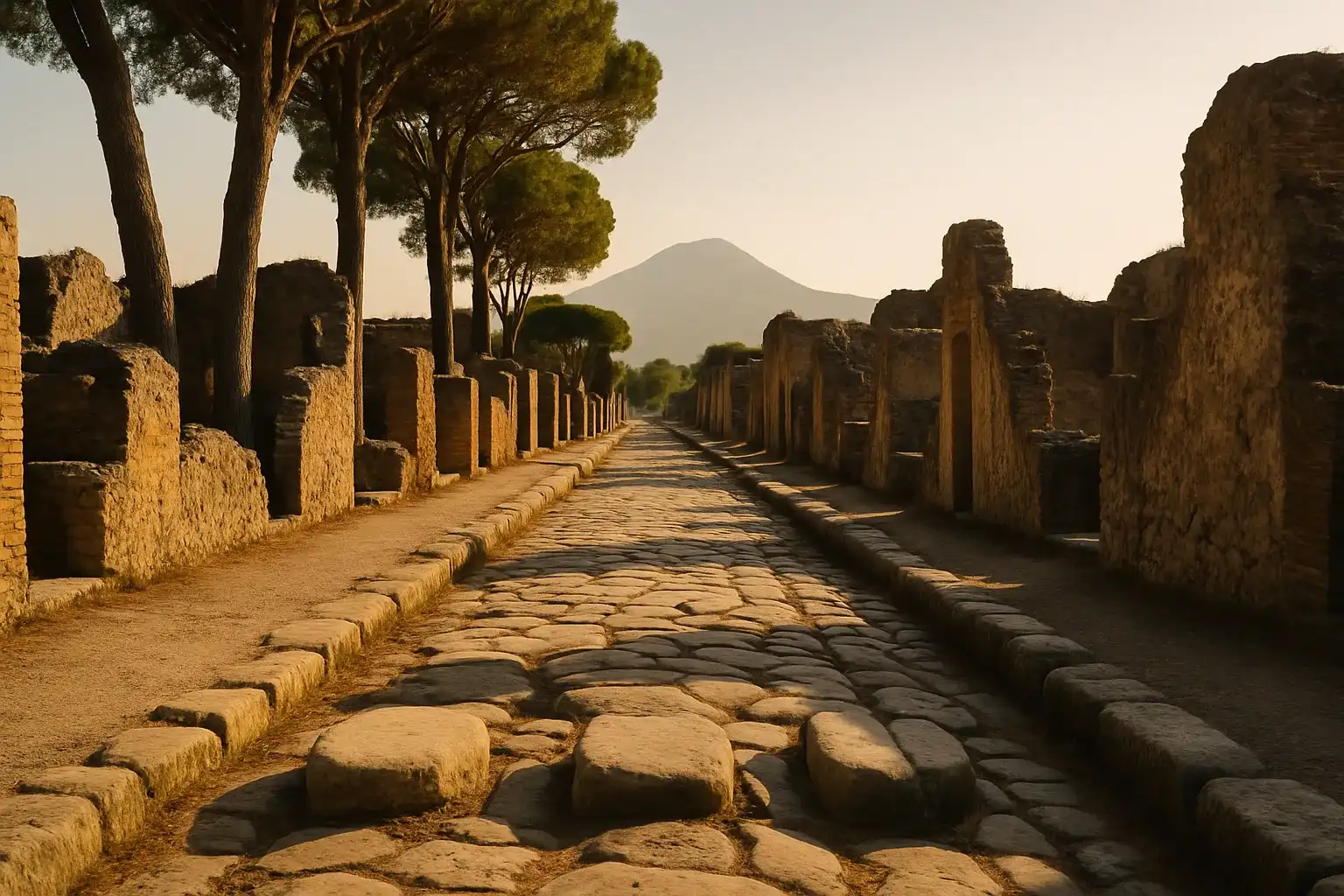
Pompeii Italy Travel Guide: Frozen in Time, Complete 2026
Roman EmpireWalk the streets of ancient Pompeii with our complete guide. Discover the best routes, must-see hous...
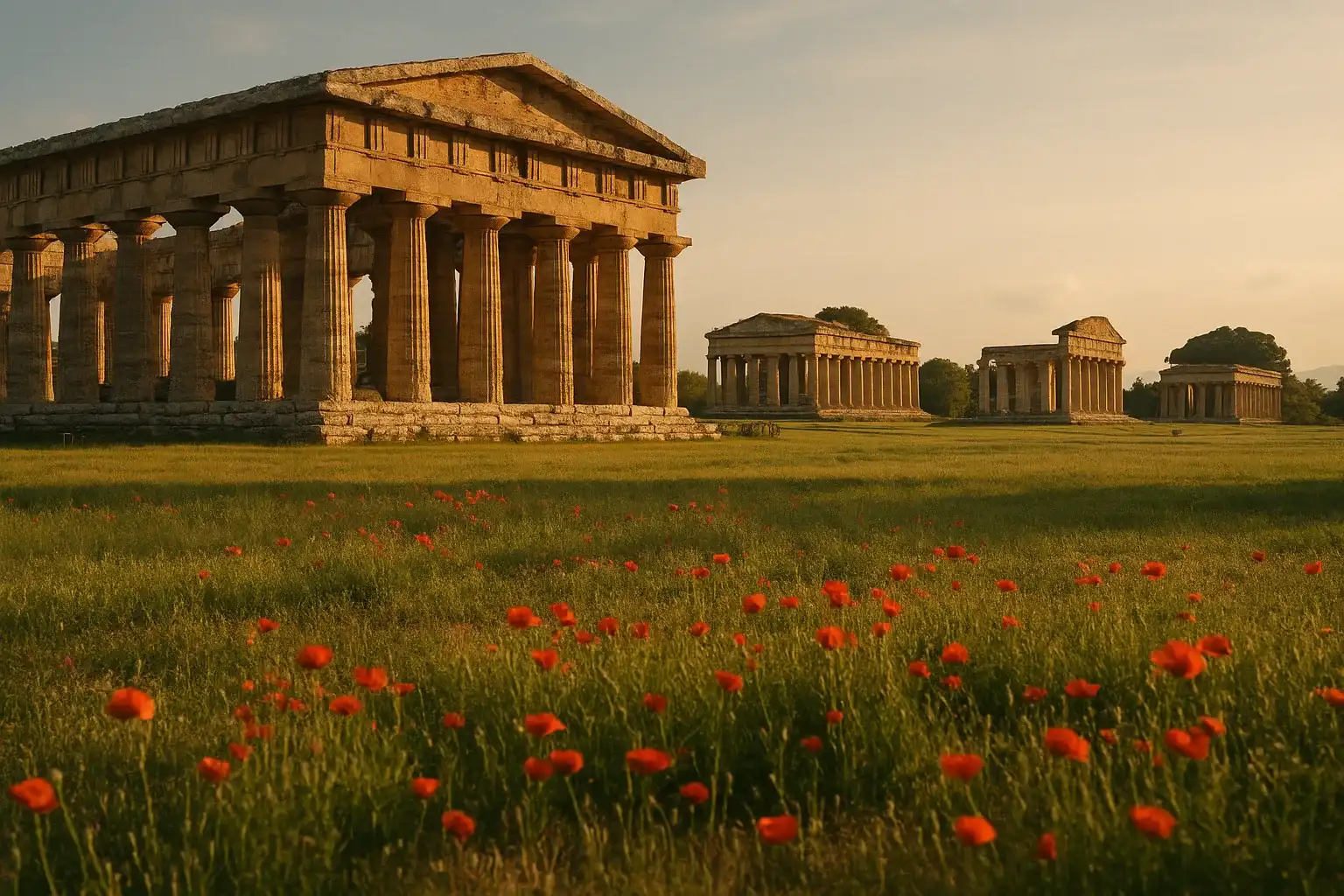
Paestum: Europe's Best-Preserved Greek Temples on Italy's
Ancient Greek / RomanDiscover Paestum's magnificent Greek temples, the Tomb of the Diver, and buffalo mozzarella farms on...