Quick Info
At a glance
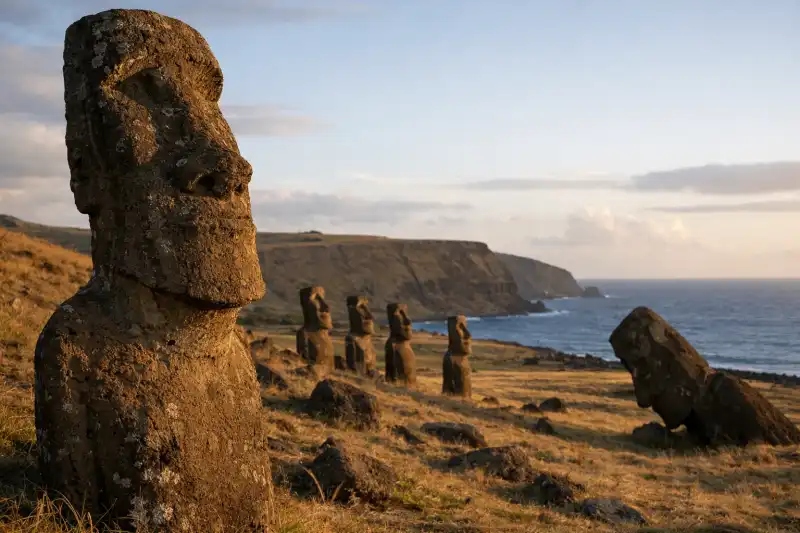
Easter Island Moai in Chile rise from grassy slopes, volcanic craters, and wave-battered ceremonial platforms with a presence that feels both monumental and deeply human. On Rapa Nui, one of the world’s most remote inhabited islands, these carved stone figures stand as the best-known expression of a Polynesian culture that developed in extraordinary isolation. Even travelers who arrive with famous images in mind are often surprised by the scale of the landscape around them: dark lava fields, abrupt sea cliffs, wind-shaped hills, and wide Pacific horizons that make each statue seem part of a much larger sacred geography.
The Moai are not confined to a single monument complex. Instead, they are spread across the island in quarries, on ahu ceremonial platforms, along inland roads, and in places where carving or transport was interrupted centuries ago. Some stand upright and restored, others lie partially buried, and many remain exactly where they fell. That variety is part of what makes a visit so compelling. You are not simply seeing statues; you are moving through an archaeological landscape that preserves evidence of social organization, ancestor veneration, craftsmanship, quarrying, engineering, and later upheaval. For modern visitors, Easter Island offers one of the rare chances to encounter a globally famous heritage site that still feels remote and elemental. The Moai are iconic, but the real power of the place lies in how inseparable they are from Rapa Nui’s terrain, history, and living cultural identity.
History
Early settlement and the rise of Rapa Nui society
Rapa Nui was settled by Polynesian voyagers, most likely between the 12th and 13th centuries CE, though dating has been debated. These settlers arrived after long ocean journeys and created a distinct island society shaped by limited resources, volcanic stone, and a strong ancestral tradition. Over time, communities organized themselves into clans associated with different territories around the island. The ancestors of these groups became central to religious and political life, and the Moai emerged as the most visible material expression of that reverence.
The statues were generally carved to represent deified ancestors or important lineage figures. They were not merely decorative monuments. Positioned on ahu, the ceremonial platforms built largely near the coast, they symbolized spiritual authority and clan prestige. Most faced inland, looking toward the communities they were thought to protect rather than out to sea. This orientation reflects a social and ritual purpose: the statues served as enduring presences connecting the living with the dead, leadership with ancestry, and land with sacred memory.
The great era of Moai carving
The main period of Moai production likely took place from around 1200 to 1600 CE. Most were carved from compressed volcanic ash, or tuff, at the quarry of Rano Raraku, one of the island’s most important sacred and industrial landscapes. The quarry itself preserves a remarkable record of production: partially carved figures still attached to bedrock, completed statues left standing on quarry slopes, and abandoned examples at various stages of work. This is one reason the site is so valuable archaeologically. It reveals process as well as finished form.
Once carved, the Moai were transported to ahu around the island, some over distances of many kilometers. Exactly how this was done remains a matter of research and experimentation, but theories include movement with ropes, sledges, rollers, or a controlled “walking” technique using coordinated teams. Whatever the precise methods, the labor involved required planning, leadership, and a high degree of communal organization. Some statues were later topped with red scoria pukao, often described as topknots or headdresses, quarried from Puna Pau. Eyes made from white coral and dark stone were inserted for ceremonial activation, transforming the image from sculpture into a spiritually potent ancestor.
Social stress and the decline of statue building
At some point in the island’s history, statue production ceased. The reasons are complex and are no longer explained only by older, simplified “collapse” narratives. Environmental change, deforestation, resource pressures, shifting political structures, and internal conflict likely all played a role, but modern scholarship emphasizes that Rapa Nui society was adaptive and dynamic rather than passively doomed. What is clear is that the island experienced major social transformations.
By the late pre-contact or early contact era, many ahu were disrupted and statues were toppled. This toppling may have reflected conflict between rival groups, changing ritual systems, or both. The earlier ancestor-centered religious focus appears to have given way in prominence to the birdman cult centered at Orongo, linked to the ceremonial competition associated with the islet of Motu Nui. The Moai remained central symbols of the island’s past, but they no longer occupied the same unquestioned place in the active ritual order.
European contact and later devastation
European contact began in 1722, when Dutch navigator Jacob Roggeveen arrived on Easter Sunday, giving the island its widely used European name. Subsequent visits by Spanish, British, and French expeditions recorded the statues and island communities, though those encounters also marked the beginning of dramatic external disruption. In the 19th century, slave raids from Peru, introduced diseases, missionary transformation, and colonial-era exploitation devastated the population and undermined cultural continuity.
By the late 19th and early 20th centuries, many archaeological areas had fallen into neglect, and the island’s people faced severe restrictions under outside control. Yet Rapa Nui culture survived, and community memory remained vital. In the 20th century, archaeological work, conservation efforts, and eventually broader heritage recognition brought renewed attention to the Moai. Major restoration projects, especially at Ahu Tongariki and other ahu, re-erected statues that had long lain fallen. Today, the Moai stand not as relics of a vanished people, but as part of a living Indigenous landscape within Rapa Nui National Park, recognized by UNESCO and protected as one of the world’s great cultural treasures.
Key Features
The most striking feature of the Easter Island Moai is their variety. Popular imagery often suggests a uniform line of giant stone heads, but the reality is far richer. Many statues include full torsos buried over time by accumulated sediments, and their sizes, proportions, and detailing differ from one another. Some have long, sharply carved noses and strong chins; others appear broader or more elongated. Their surfaces may show weathering, petroglyphs, or traces of unfinished work. Seen up close, they reveal the hand of individual makers working within a shared artistic tradition.
Rano Raraku, the principal quarry, is one of the island’s most unforgettable places. Rather than presenting only finished monuments, it shows the Moai in production and in suspension. Statues emerge from slopes at odd angles, some upright to the waist, others detached but never transported, still others half carved in bedrock as if work stopped yesterday. The quarry turns the Moai from isolated icons into evidence of a massive cultural enterprise. It also helps visitors understand that the island itself, especially its volcanic terrain, was the source of these monuments both materially and spiritually.
Ahu Tongariki is the most famous restored ceremonial platform on the island and often the emotional high point for visitors. Fifteen towering Moai stand in a row against a broad sky, backed by volcanic ridges and facing inland as they once did. The composition is so powerful because it restores context: the statues are not random sculptures in a field, but participants in a carefully designed ceremonial setting. At sunrise, the light can be extraordinary, and the scale of the platform makes clear how much labor went into both carving and architectural construction.
Another major feature is the relationship between the Moai and the ahu themselves. These platforms, built from expertly fitted stone, were sacred spaces that often included burials and ritual functions beyond simply supporting statues. A visit to the island is richer when you look past the figures and notice the masonry, layout, and orientation of each site. The ahu are as important to understanding Rapa Nui religion as the Moai standing on them.
Anakena offers a very different atmosphere. Here, restored Moai rise near one of the island’s most beautiful sandy beaches, framed by palms and bright ocean light. The site combines archaeological significance with a calmer scenic quality that can make the monuments feel less severe than those on cliff-lined or windswept coasts. Tradition associates Anakena with early settlement narratives, and the juxtaposition of beach landscape and sacred architecture makes it one of the most photogenic and resonant places on Rapa Nui.
Puna Pau adds another layer to the story by showing where the red scoria pukao were quarried. These cylindrical or rounded stone pieces, placed atop some statues, are among the most distinctive details of Moai appearance. Seeing the source material helps visitors understand how multiple specialized landscapes on the island contributed to monument creation. The quarry also illustrates that Moai construction involved more than carving a single figure; it required a wider network of extraction, transport, and ceremonial finishing.
Finally, one of the island’s most compelling qualities is that the Moai are embedded in a broader cultural landscape rather than fenced into a single archaeological park zone. Roads, fields, volcanic cones, petroglyph sites, caves, and ceremonial villages all contribute to their meaning. The statues become most memorable when encountered in sequence across different settings: standing in restored dignity on ahu, resting unfinished in the quarry, or lying where movement ceased. Together, these contexts turn the Moai into a story about memory, power, artistry, and adaptation on one of the most isolated islands on earth.
Getting There
Reaching Easter Island takes planning, but the journey is part of the experience. The island’s airport, Mataveri International Airport near Hanga Roa, is served primarily by flights from Santiago, Chile. Round-trip fares from Santiago often range from about $250 to $700 USD depending on season, booking window, and baggage options, though peak periods can be higher. Flight time is roughly five and a half to six hours, making it one of the most remote domestic routes in the world.
After arriving, most travelers stay in Hanga Roa, the island’s only town. Taxis from the airport to central accommodations are usually inexpensive, often around $10 to $20 USD equivalent depending on luggage and distance. Some hotels and guesthouses include free transfers. Car rentals are widely used for exploring the island and generally cost around $50 to $90 USD per day. Scooters, bicycles, and guided van tours are also available, though bicycles can be challenging on longer routes or in strong wind and heat.
You will also need to factor in the Rapa Nui National Park entry ticket, which is required for most major archaeological sites. Prices can change, but international adult tickets are often around $80 USD. For many core locations, especially the quarry and key ahu, current regulations may require entry with an authorized guide on the first visit, so check the latest rules before arrival. Guided day tours commonly cost from $60 to $150 USD depending on group size and itinerary. If you want flexibility plus interpretation, many visitors combine one or two guided excursions with a rental vehicle for independent scenic stops.
When to Visit
Easter Island can be visited year-round, but the best time depends on whether you prioritize weather, crowd levels, or cultural events. The shoulder seasons, especially April to June and September to November, are often ideal. Temperatures are mild, the island feels less crowded, and conditions are generally comfortable for long sightseeing days. These months are especially good for photography, hiking around archaeological sites, and enjoying the island without the busiest holiday peaks.
Summer, from December through February, is warmer and more popular. Highs often sit in the mid to upper 20s Celsius, and the island has a lively atmosphere. This is also when many travelers aim to attend the Tapati Rapa Nui festival, a major cultural celebration usually held in early February. Visiting during festival season can be rewarding, but accommodation prices tend to rise and flights book out early. If you want this period, reserve well in advance.
Winter, from June through August, is cooler and can bring more rain and wind, though temperatures remain fairly moderate compared with continental winters. Even in these months, the island is very visitable, and cloudier weather can add drama to the quarry and coastal platforms. The key is to prepare for quick changes in conditions. A sunny morning can become breezy or wet by afternoon.
Whenever you go, aim for at least three full days, and preferably four or five. That gives you time to see the main Moai sites in different light and weather. Sunrise at Ahu Tongariki is a classic experience, while late afternoon can be beautiful at western or inland viewpoints. Bring sun protection year-round, but also a light waterproof layer. The island’s weather is rarely extreme, yet its openness means wind, glare, and passing showers can all shape your day.
| Quick Facts | Details |
|---|---|
| Location | Rapa Nui (Easter Island), Chile |
| Region | Valparaíso Region |
| Nearest town | Hanga Roa |
| Main cultural tradition | Rapa Nui |
| Date range | Mainly c. 1200-1600 CE |
| UNESCO status | Part of Rapa Nui National Park, a UNESCO World Heritage Site |
| Best-known site | Ahu Tongariki |
| Main quarry | Rano Raraku |
| Typical visit length | 3-5 days |
| Access | Flight from Santiago, Chile |
| Park ticket | Required for major archaeological sites |
| Best seasons | April-June and September-November |
The Easter Island Moai reward travelers who look beyond the postcard image. Yes, they are visually astonishing, but their real significance emerges through context: quarry, platform, road, volcano, and living culture. To stand among them is to encounter a landscape where ancestry was carved into stone and placed across the island with immense intention. That combination of remoteness, artistry, and cultural depth is what makes Rapa Nui unlike anywhere else in Chile, or anywhere else in the world.
Guided tours: worth it?
A guide can be genuinely useful at Easter Island Moai, especially if you want help with transport, timing, tickets, or understanding a large site without losing half the day to logistics.
Best for
- Travelers who want transport, timing, or entry logistics handled
- Short visits where a planned route saves time
When to go self-guided
Go independently if you already have transport and tickets sorted, enjoy moving at your own pace, and are comfortable checking the latest official rules before you arrive.
What I’d avoid
Skip paid tours that bundle unrelated stops you do not actually want. The best option should either save meaningful planning time or add historical context you would miss on your own.
Easter Island Moai Tours
Useful when: you want to compare guided formats before deciding
Rapa Nui Archaeological Sites Tours
Useful when: you want to compare guided formats before deciding
Easter Island Full Day Tours
Useful when: you want to compare guided formats before deciding
Some tour links are affiliate links, which may earn Ancient Travel a small commission at no extra cost to you. I try to surface options that make practical sense for the site—not just anything bookable.
Frequently Asked Questions
Where are the Easter Island Moai located?
The Moai are located on Rapa Nui, also known as Easter Island, a Chilean territory in the southeastern Pacific Ocean.
Do you need a guide to visit the Moai?
Many of the main archaeological areas inside Rapa Nui National Park require visitors to enter with an authorized guide, especially for key ceremonial platforms and quarry zones.
What is the best place to see the Moai on Easter Island?
Ahu Tongariki is the most famous restored line of Moai, while Rano Raraku quarry and Anakena Beach offer very different and equally memorable settings.
How many days do you need on Easter Island?
Most travelers need at least 3 to 4 full days to see the main Moai platforms, quarries, volcanic landscapes, and museum without rushing.
Can you touch the Moai statues?
No. Visitors must stay on marked paths and respect barriers, because the statues and their ceremonial platforms are fragile protected heritage.
When is the best time to visit Easter Island Moai?
The shoulder months from April to June and September to November usually offer pleasant weather, fewer crowds, and good conditions for sightseeing.
Nearby Ancient Sites
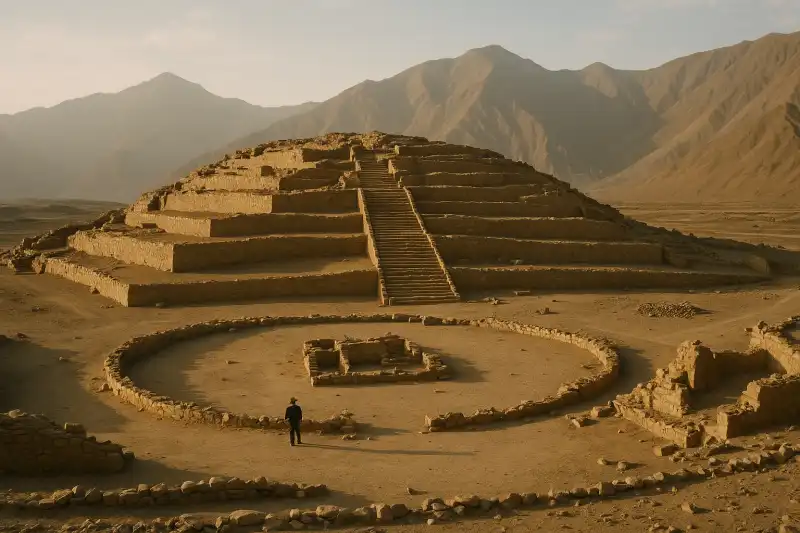
Caral-Supe Peru Guide 2026: Sacred Pyramids & the First Andean City
Norte-Chico-CaralVisit Caral-Supe in Peru, the oldest known city in the Americas, with practical transport from Lima,...
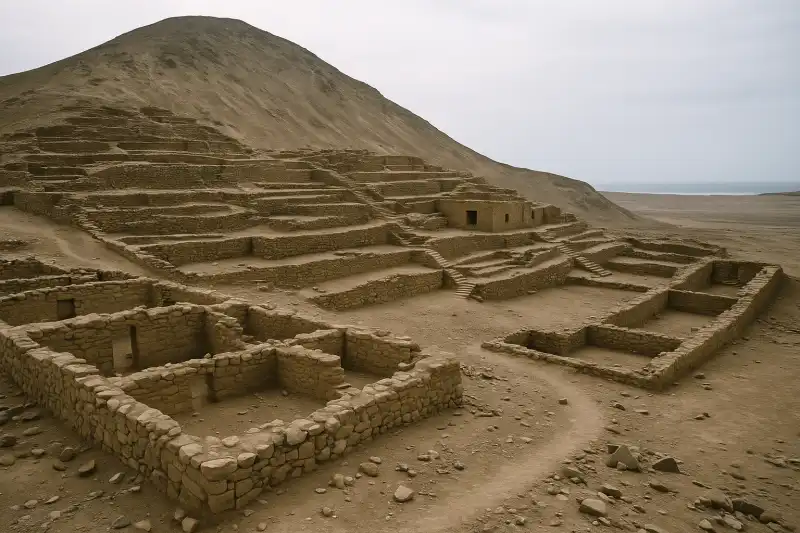
Aspero Peru Guide 2026: Norte Chico Pyramids & Caral Coast
Norte-Chico-CaralVisit Aspero in Peru to see Norte Chico pyramids, plazas, and elite temples, with practical tips for...
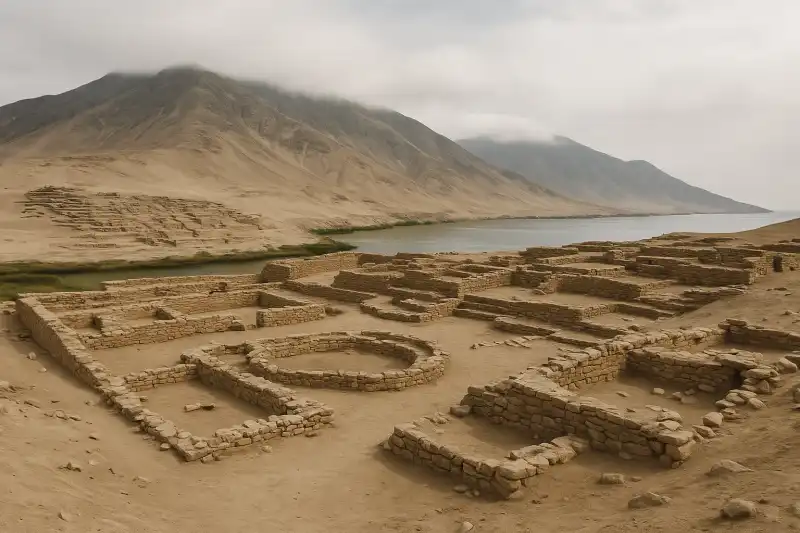
Bandurria Peru Guide 2026: Ancient Mounds & Pacific Wetlands
Norte-Chico-Preceramic-AndeanPlan your Bandurria visit in Peru with history, key mounds, transport from Lima or Huacho, entry tip...