Quick Info
At a glance
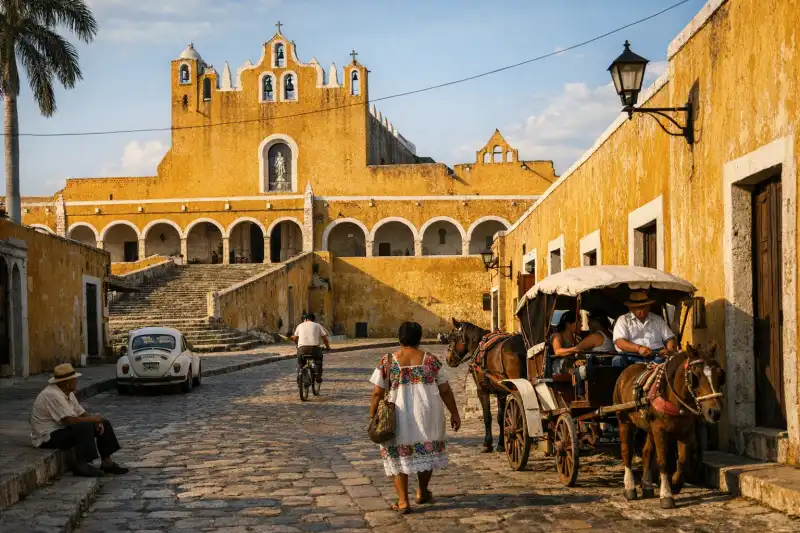
Nestled in the heart of the Yucatán Peninsula, Izamal, Mexico, emerges as a radiant golden jewel that harmoniously weaves together the legacies of Maya civilization and Spanish colonial heritage. Revered as the “Yellow City” for its strikingly painted facades, Izamal welcomes visitors with streets awash in sunshine-gold, a palette both symbolic and enchanting. As you step into the town’s tranquil plazas and sun-drenched avenues, ancient pyramids rise majestically amid colonial arcades and vibrant markets, lending Izamal a unique, sacred aura. This picturesque fusion makes Izamal a rare living museum, where the hands of time are measured in layers of ochre and whispers of Maya gods.
From its origins as a center of Maya pilgrimage, through centuries of Spanish conquest and ecclesiastical transformation, Izamal has maintained an identity that is both deeply spiritual and architecturally mesmerizing. The rhythm of daily life beats in the shadow of ancient stones, under the gentle toll of church bells, as residents uphold traditions that have spanned generations. Whether you’re a seeker of sacred history, a lover of bold color, or simply a wanderer in search of Mexico’s hidden wonders, Izamal invites you to slow your footsteps, listen closely, and allow its stories—ancient and current—to color your journey. Here, past and present blend gracefully under Yucatán’s sun, awaiting your discovery.
History
Izamal in the Maya Classic Period
Long before the Spanish set foot on the Yucatán Peninsula, Izamal was one of the region’s foremost Maya pilgrimage centers, its settlement roots stretching back to around the 4th century CE. According to Maya chronicles, this city was founded by Itzamná—a principal Maya deity associated with creation and knowledge—giving the settlement a sacred pedigree that would shape its destiny. As a thriving urban center during the Classic Period (c. 250–900 CE), Izamal flourished both politically and religiously. Monumental pyramids such as Kinich Kakmó, dedicated to the solar deity of the same name, rose above the city, attracting worshippers from surrounding regions who honored the gods with offerings and ceremonies. The city’s strategic location at the heart of Yucatán made it a nexus for commerce, astronomy, and religious activities, supporting a robust regional network.
A Pilgrimage Heartland in Postclassic Maya Society
In the Postclassic Era (c. 900–1500 CE), even as the great Maya city-states waned, Izamal retained its religious significance. It remained a major pilgrimage site, with ceremonial processions and festivals centered on its grand temples. By this period, Izamal had become second only to Chichen Itza in religious prestige within the northern Yucatán. The interconnectedness of the two sites is reflected in the shared symbology and architectural elements. Oral histories and Spanish records tell of thousands of devotees flocking to Izamal annually, ensuring its sacred status persisted even amidst shifting regional power dynamics.
Spanish Conquest and Colonial Transformation
With the arrival of the Spanish in the mid-16th century, Izamal’s landscape underwent a profound transformation. The conquistadors, recognizing the city’s religious gravity, sought to assert their dominance both spiritually and physically. Maya pyramids were dismantled or repurposed, their stones providing the foundations for new Christian edifices. Izamal’s most iconic colonial structure—the Convent of San Antonio de Padua—was erected atop the largest of the city’s pre-Hispanic platforms, a conscious symbolic replacement of Maya faith with Catholicism. Completed in 1561, the convent became a focal point for both the imposition and blending of Spanish and Maya cultural traditions.
While the Maya religion retreated behind closed doors and hidden practices, the mutual influence between indigenous and Spanish communities shaped Izamal into a fusion town. The city thrived as an important missionary center for Franciscans and a regional outpost along colonial trade routes. Its sunny yellow palette, introduced in earnest after a 1993 papal visit, became a symbol of peace and unity, visually weaving together centuries of contested and reconciled heritage.
Izamal in Modern Mexico
Today, Izamal’s dual legacy as both a Maya sacred city and a colonial gem has granted it “Pueblo Mágico” status—a distinction given to Mexican towns rich in culture and history. Efforts in preservation, led by both the local community and heritage organizations, ensure that Izamal’s ancient pyramids, colonial arcades, and urban fabric remain intact for future generations. Archaeological excavations continue to unearth the stories of its past, while the town’s vibrant festivals, artisanal workshops, and welcoming atmosphere have made it a favorite for travelers seeking the spirit of Yucatán beyond the tourist throngs. In Izamal, the ancient past is never lost, but vividly alive in color and culture.
Key Features
Among Izamal’s most captivating features is its extraordinary collection of pre-Hispanic pyramids interwoven seamlessly with colonial and contemporary life. The mighty Pirámide de Kinich Kakmó towers above the town, its imposing bulk accessible by a broad stairway that invites visitors to ascend toward sweeping vistas. Climbing to the summit, you’ll stand atop one of the largest pyramids in Mexico by volume, surrounded by panoramic views of golden walls, patchwork fields, and azure skies. The sense of history is palpable: beneath your feet lie centuries of worship, ritual, and resilient memory.
Just steps away, the Convento de San Antonio de Padua reigns as the beating heart of colonial Izamal. Built directly on top of a Maya acropolis, this vast Franciscan convent boasts one of the oldest and largest atriums in the Americas. Its arcaded hallways, saffron walls, and tranquil courtyards evoke a sense of monastic calm. The convent’s interior harbors ornate baroque altarpieces, original 16th-century murals, and a revered statue of the Virgin of the Immaculate Conception—an object of pilgrimage in its own right. Once a fulcrum of missionary activity, today the convent is a stunning backdrop for religious processions that echo both Maya and Spanish traditions.
Izamal’s golden palette is not a mere whimsy, but an intentional and harmonious statement. Almost all buildings in the historic center are painted in a unified yellow-ochre hue, a color associated with both Maya and Catholic symbolism. This creates a sense of warmth and wonder unique to Izamal. Wandering the cobbled streets, horse-drawn carriages clatter gently past, artisans display hand-woven hammocks and colorful ceramics, and the air is laced with the aroma of cochinita pibil and fresh tortillas from bustling market stalls.
Beyond Kinich Kakmó, Izamal harbors several lesser-known Maya monuments—Itzamatul, Kabul, and El Conejo pyramids—each telling their own chapter of the city’s pre-Columbian story. These structures are integrated into the modern townscape, flanked by family homes and shady plazas, reminding visitors of the deep time embedded in daily life here. Hidden chapels and crumbling city walls mark the layers of Izamal’s evolution, from center of Maya cosmology to agent of Spanish evangelization, and finally to a modern beacon of heritage tourism. The living fabric of Izamal—alive with stories, rituals, and radiant color—ensures that no visit is ever quite the same.
Getting There
Izamal is conveniently situated just 70 kilometers east of Mérida, making it an ideal day trip or leisurely overnight from the capital city of Yucatán state. The most accessible option for travelers is by road—Mérida’s main bus terminal (CAME, Terminal de Autobuses de Mérida) offers frequent direct departures to Izamal. Buses operated by Oriente and other lines depart approximately every hour, with a journey time of just over an hour and one-way fares averaging 50–70 MXN (about $3–$4 USD). Tickets can be purchased at the terminal or online.
Alternatively, colectivos—shared minivans—depart throughout the day from Calle 65 between Calles 52 and 54 in downtown Mérida. These are a faster, slightly more informal option, departing when full, and charging similar or slightly higher rates compared to second-class buses. For travelers seeking convenience and comfort, official taxis or private drivers can be hired for the day, with round-trip fares typically ranging from 1,200 to 1,800 MXN (about $65–$100 USD), depending on negotiation and duration.
From Cancún or Valladolid, rental cars provide a flexible alternative, with well-marked highways connecting Izamal through scenic towns and lush countryside. Self-driving is straightforward thanks to well-maintained roads, and ample parking is available near the main plaza. For visitors seeking a fuller Yucatán experience, some tours package Izamal with nearby sites such as Chichen Itza, Coba, or Valladolid, making it possible to explore several highlights in a single day.
Upon arrival, Izamal’s compact size means that nearly all key attractions—the Kinich Kakmó pyramid, convent, markets, and museums—are within easy walking distance. Horse-drawn carriages (“calesas”) are a charming and popular way to tour the historic streets, offering a ride for about 150–250 MXN per circuit.
When to Visit
Izamal welcomes visitors year-round, but the experience varies significantly with the seasons due to Yucatán’s distinctive tropical climate. The most pleasant months fall between November and March, when temperatures are milder (22–30°C/72–86°F), humidity is lower, and the chance of rain is minimal. This is considered high season, and the golden streets are alive with local festivals, vibrant markets, and a steady flow of visitors. The gentle breezes and clear light of winter make for the most comfortable walking tours and panoramic climbs atop Kinich Kakmó.
April and May bring a warming trend, with daytime highs often exceeding 35°C (95°F). While the yellow buildings look even more striking in the strong sunshine, the heat is intense, especially around midday. If you visit during these months, plan for leisurely mornings, shaded siestas, and plenty of hydration. Local events such as Holy Week and spring pilgrimages add a layer of cultural richness in these hotter months.
The rainy season runs from June through October, bringing brief but heavy afternoon downpours and high humidity. While some travelers may find the lush greenery and thinner crowds appealing, be prepared with rain gear and flexible plans in case of showers. Storms tend to pass quickly, and temperatures remain warm overall. Visiting during this period can offer a quieter, more contemplative experience—perfect for enjoying the atmospheric streets and cool interiors of Izamal’s churches and museums.
One of the highlights of Izamal’s calendar is its religious festivals, particularly the annual celebration of the Virgin of the Immaculate Conception in December. These events fill the convent plaza with processions, candles, music, and traditional dances, providing a remarkable chance to witness local devotion and community spirit.
| Quick Facts | Details |
|---|---|
| Country | Mexico |
| State/Region | Yucatán |
| Founded | c. 4th century CE (Maya), 16th century (Spanish) |
| Primary Ancient Structure | Pirámide de Kinich Kakmó |
| Colonial Landmark | Convent of San Antonio de Padua |
| Languages Spoken | Spanish, Maya (Yucatec) |
| Altitude Above Sea Level | Approx. 10 meters |
| Closest Major City | Mérida (70 km west) |
| Entry Fees | Most sites free; Kinich Kakmó pyramid: ~30 MXN |
| Average Budget (per day) | Backpacker: $25–$40 USD; Midrange: $60–$120 USD |
| Best Time to Visit | November–March |
| UNESCO Status | Not listed (Pueblo Mágico) |
Guided tours: worth it?
Self-guided works here, but a guide can add real value if you want the ruins explained as a living place rather than just a sequence of monuments.
Best for
- First-time visitors who want context, not just photos
- Short visits where a planned route saves time
When to go self-guided
Go independently if you prefer setting your own pace, reading as you go, and checking official hours or ticket rules directly before you arrive.
What I’d avoid
Skip paid tours that bundle unrelated stops you do not actually want. The best option should either save meaningful planning time or add historical context you would miss on your own.
Izamal: Yellow City and Pyramid Tour
Useful when: you want to compare guided formats before deciding
Full-Day Sacred Izamal and Chichen Itza Tour
Useful when: transport or pickup logistics matter
Private Izamal Walking Tour from Mérida
Useful when: you want flexible timing or a private guide
Some tour links are affiliate links, which may earn Ancient Travel a small commission at no extra cost to you. I try to surface options that make practical sense for the site—not just anything bookable.
Frequently Asked Questions
Is Izamal safe for solo travelers?
Yes, Izamal is considered very safe for solo travelers. As with any destination, taking standard precautions and staying aware of your surroundings is advised.
What is the main attraction in Izamal?
The most famous attractions are the Pirámide de Kinich Kakmó and the Franciscan Convent of San Antonio de Padua, both set amid the town's stunning yellow colonial architecture.
How can I get from Mérida to Izamal?
Izamal is about 70 km from Mérida and reachable by bus, colectivo, or taxi. Buses depart frequently and the journey takes about an hour.
Are there guided tours available in English?
Yes, several local guides and agencies offer tours in English focusing on Izamal’s history, pyramids, and colonial heritage.
Can I climb the pyramids in Izamal?
You can climb Kinich Kakmó pyramid, which offers panoramic views of the town and surrounding countryside.
Nearby Ancient Sites
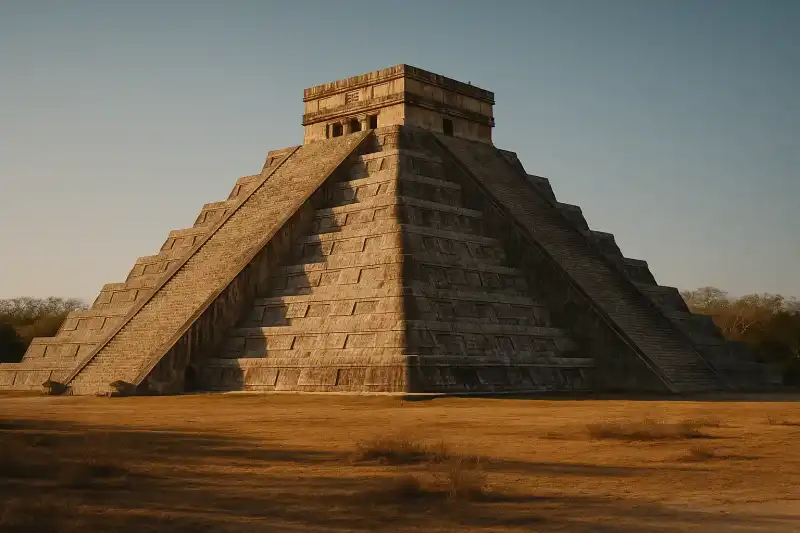
Chichen Itza Travel Guide 2026: Maya Secrets, Sacred Cenote, and Smart Timing
MayaChichen Itza stands as the most visited ancient site in Mexico, showcasing the architectural genius ...
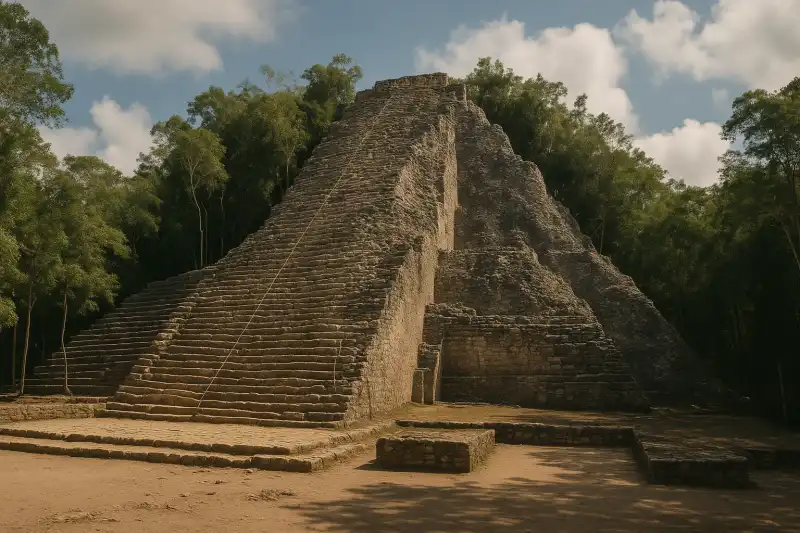
Coba Travel Guide 2026: Ruins Route, Timing, and Practical Day Planning
MayaPlan a better Coba visit with route strategy, realistic timing from Tulum or Cancun, and practical t...
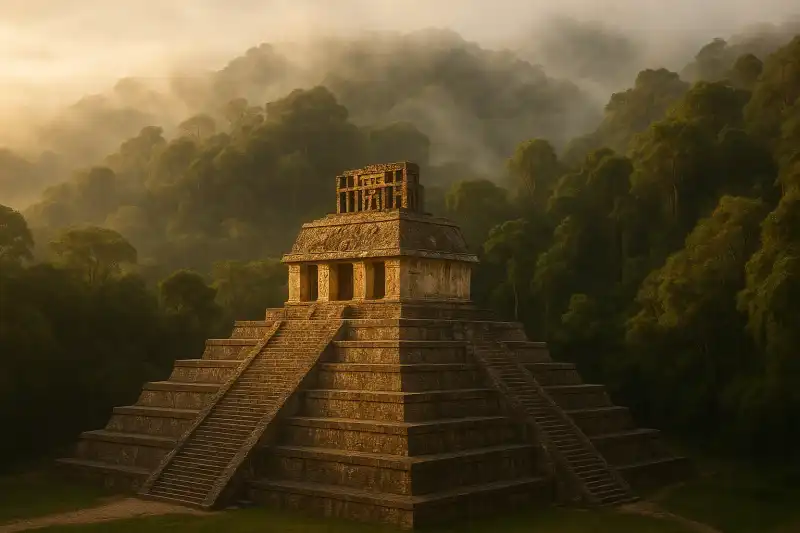
Palenque Mexico Travel Guide 2026: Jungle Maya Temples & Tombs
MayaExplore Palenque's rainforest-shrouded Maya temples with our complete guide. Discover Pakal's tomb, ...