Curated Experiences
Sigiriya Rock Fortress and Dambulla Cave Temple Day Tour
Private Sigiriya Sunrise and Village Experience
The Fortress Born from Fratricide
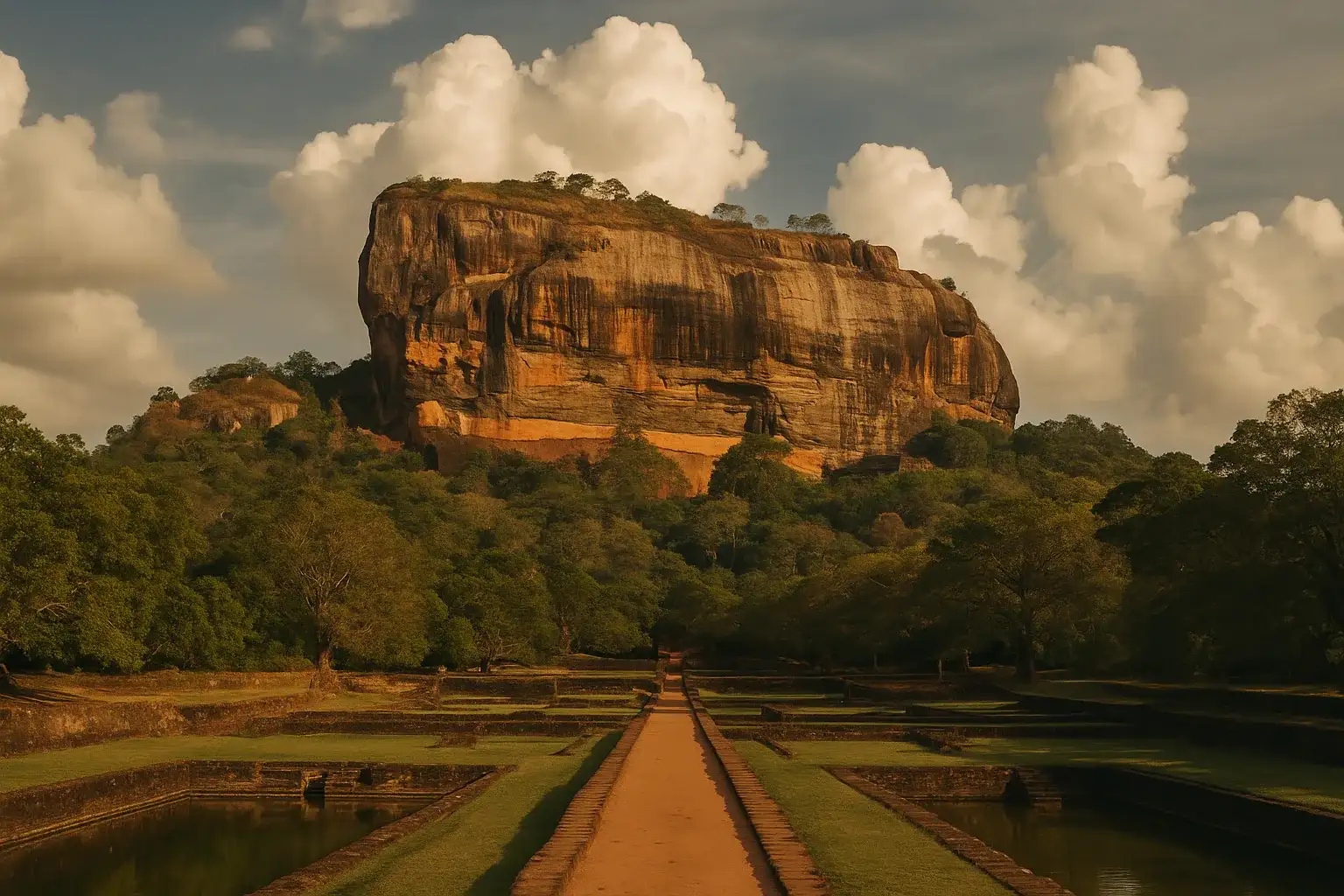
Rising dramatically from Sri Lanka’s central plains, Sigiriya appears almost supernatural—a 180-meter column of red granite thrusting skyward, crowned with the ruins of an ancient palace that shouldn’t exist. This is the Lion Rock, perhaps the most extraordinary ancient site in South Asia, and its origin story is as dramatic as its appearance.
King Kashyapa’s Impregnable Capital
In 477 CE, Prince Kashyapa committed an act that would reverberate through Sri Lankan history: he walled his father, King Dhatusena, alive and seized the throne. Fearing reprisal from his half-brother Mugalan—the rightful heir who fled to India—Kashyapa sought the most defensible location imaginable for his new capital.
He found it in Sigiriya, a volcanic plug that had been a monastery for centuries. Over 18 years and at enormous expense, Kashyapa transformed the rock into a fortress-palace of staggering ambition. He constructed a gateway shaped like a lion (giving Sigiriya its name—Sinhagiri, “Lion Rock”), painted frescoes of celestial maidens on the cliff face, engineered sophisticated water gardens, and built a palace complex atop the seemingly inaccessible summit.
Kashyapa’s paranoia was justified but insufficient. In 495 CE, Mugalan returned with an army, and Kashyapa rode out to meet him. In the battle that followed, Kashyapa’s elephant took a wrong turn, and his soldiers, interpreting this as desertion, abandoned him. Kashyapa fell on his own sword rather than surrender. Mugalan returned the capital to Anuradhapura, and Sigiriya became a Buddhist monastery once more, eventually fading into ruin and jungle.
The site lay forgotten until British archaeologists rediscovered it in the 19th century. Today, Sigiriya is a UNESCO World Heritage Site and Sri Lanka’s most visited ancient monument—a testament to ancient engineering, dramatic history, and the timeless allure of a good story.
Getting to Sigiriya: Gateway to the Cultural Triangle
From Colombo: Train, Bus, or Private Driver
Most international visitors arrive in Colombo, Sri Lanka’s capital, and make their way to Sigiriya from there. The journey covers approximately 170 kilometers and offers several options:
Private Driver: The most comfortable and popular choice, costing approximately $60-80 USD for the full day including fuel. The drive takes 4-5 hours depending on traffic, passing through coconut plantations, villages, and increasingly arid landscapes as you approach the Cultural Triangle. Having a driver allows flexibility to stop at spice gardens or other attractions en route.
Public Bus: Budget travelers can take a bus from Colombo’s Central Bus Stand to Dambulla (4-5 hours, $3-5 USD), then connect to a local bus to Sigiriya (30 minutes, $0.50 USD). This option is economical but crowded and uncomfortable for long-distance travel with luggage.
Train + Bus: Take the train from Colombo to Habarana (3-4 hours, $2-10 USD depending on class), then a tuk-tuk or bus to Sigiriya (30 minutes). The train journey is scenic but requires connections and patience.
From Dambulla: The Nearest Major Hub
Dambulla, famous for its cave temple complex, is the nearest major town to Sigiriya—just 25 kilometers away. If you’re staying in Dambulla or visiting the caves (which you absolutely should), Sigiriya is an easy day trip. Tuk-tuks cost approximately $10-15 USD each way, or your accommodation can arrange transport.
Many travelers combine Dambulla Cave Temple and Sigiriya into a single day: visit Dambulla in the morning (cooler for the climb), then Sigiriya for sunset views. Alternatively, stay near Sigiriya to arrive at opening time and beat the heat.
From Kandy: Scenic Hill Country Route
The journey from Kandy (Sri Lanka’s cultural capital) to Sigiriya offers some of Sri Lanka’s most beautiful scenery as you descend from the Hill Country to the dry zone. Distance is approximately 90 kilometers, taking 2.5-3 hours by car.
The route passes through Matale (famous for spice gardens) and offers glimpses of rural Sri Lankan life. Consider stopping at Aluvihara Temple, where Buddhist scriptures were first committed to writing in the 1st century BCE.
The Climb: 1,200 Steps Through History
The Sigiriya experience is the climb itself—a vertical journey through distinct architectural zones, each revealing different aspects of Kashyapa’s vision. The 1,200 steps sound intimidating, but they’re manageable with moderate fitness and plenty of water. Plan for 1.5-2 hours to reach the summit with stops for photos and rest.
The Water Gardens Base
Your ascent begins through some of the oldest landscaped gardens in the world. Kashyapa’s engineers created a sophisticated hydraulic system featuring symmetrical pools, fountains, and winding streams that still function during the rainy season.
The Water Gardens demonstrate the hydraulic engineering prowess of ancient Sri Lanka. Underground tunnels and gravity-fed channels distributed water throughout the complex. Some fountains still operate during heavy rain, powered entirely by natural water pressure—no pumps, no electricity, just physics and ancient ingenuity.
Take time to appreciate the symmetry and planning before beginning the actual climb. These gardens weren’t just beautiful; they projected power and control over nature, essential messages for a usurper king.
The Boulder Gardens and Caves
Beyond the Water Gardens, the terrain becomes more rugged. The Boulder Gardens feature massive natural rocks that Kashyapa’s architects incorporated into the design. Caves within these boulders were converted into meditation chambers and living quarters, some with drip-ledges carved to prevent water from entering.
Look for the Cobra Hood Cave, named for its distinctive rock formation. These spaces later became Buddhist shrines after Kashyapa’s death, with some paintings and inscriptions dating to that period. The boulder section offers some shade and cooler temperatures—a welcome relief before the exposed ascent.
The Spiral Staircase to the Frescoes
The climb intensifies at the spiral metal staircase bolted to the rock face. This modern addition (the original staircase was likely wooden) leads to Sigiriya’s most famous artistic treasure: the frescoes of the Sigiriya maidens.
Eighteen frescoes survive from what was once a gallery of hundreds, depicting beautiful women in mysterious poses—some holding flowers, some in clouds, all wearing elaborate jewelry and little else. Are they celestial nymphs (apsaras)? King Kashyapa’s concubines? Queenly portraits? Scholars debate, but their beauty is undeniable.
Photography of the frescoes is strictly prohibited—the flash damage from earlier decades necessitated complete protection. Take time to appreciate the artistry: these paintings are over 1,500 years old, executed on wet plaster using natural pigments, and they still glow with life.
The Mirror Wall (Sigiri Graffiti)
After descending from the frescoes, you’ll pass the Mirror Wall—a section of the rock face polished to a sheen so King Kashyapa could see his reflection as he passed. The wall’s smooth surface became irresistible to visitors, who scratched verses into the plaster over centuries.
These graffiti, dating from the 6th to 14th centuries CE, constitute one of South Asia’s most unusual literary treasures. Ancient visitors wrote in Sinhala, Sanskrit, and Tamil—poems about love, the frescoes, the view, and Sigiriya itself. “I am Banda, the painter,” one reads. Another: “The ladies who are on the mountain, their glances resemble those of a doe.” Over 1,000 inscriptions have been deciphered, offering a unique window into ancient tourist experiences.
The Lion Gate Platform
The climb culminates at the Lion Platform, where a massive stone lion once stood guard. Today, only the paws remain—enormous carved claws that hint at the original sculpture’s scale. This was the entrance to Kashyapa’s palace complex, and passing between the lion’s paws must have been intentionally awe-inspiring.
The platform offers your first panoramic views of the surrounding plains, and you’ll understand why Kashyapa chose this location. The 360-degree vista reveals approaching enemies for miles in every direction. Take a moment here before the final push to the summit.
The Final Ascent to the Summit
From the Lion Platform, a series of metal staircases and platforms carry you the final vertical meters to the summit. This section is exposed and can be hot—there’s no shade at this height. Hold the railings and take your time.
Then suddenly, you’re there: standing on a plateau that shouldn’t support a palace, surrounded by ruins and views that justify every step of the climb.
The Summit: What Remains of the Palace
Royal Pools and Throne Platform
The summit of Sigiriya covers approximately 1.6 hectares—larger than it appears from below. While only foundations remain of Kashyapa’s palace, these ruins reveal the layout of a sophisticated royal complex.
The summit features cisterns carved into the rock that collected rainwater—essential for surviving a siege. The largest pool, near the center, may have been for bathing or ceremonial purposes. Look for the throne platform at the highest point, where Kashyapa would have received visitors and surveyed his kingdom.
Foundations indicate separate quarters for the king, queens, and attendants, as well as audience halls and possibly religious structures. The layout suggests careful planning to maximize the limited flat space atop the rock.
360° Views of the Central Plains
The real reward for reaching the summit is the view. On clear days, you can see for dozens of kilometers across Sri Lanka’s central plains. Forest, farmland, distant hills, and scattered rock outcrops stretch to every horizon.
Look for Pidurangala Rock to the north—an alternative viewpoint we’ll discuss later. To the south, you might glimpse the Knuckles Mountain Range. The view explains why this location was strategically valuable and spiritually significant long before Kashyapa arrived.
Sunrise and sunset from the summit are magical experiences. The rock glows golden in the low light, and the surrounding landscape transforms through shades of amber and violet. If you’re staying nearby, consider visiting twice—once for the morning light and once for sunset.
When to Visit: Beating Heat and Crowds
The Golden Hours: Sunrise and Late Afternoon
Sigiriya is exposed. The rock absorbs and radiates heat, making midday visits uncomfortable year-round and dangerous during summer months. Plan your climb for early morning (arriving at the 7:00 AM opening) or late afternoon (starting around 3:30 PM for sunset).
The site opens at 5:00 AM for sunrise viewing, though the ticket counter typically opens at 7:00 AM. If you want to be on the summit for sunrise, arrange tickets and entry the day before through your accommodation.
Late afternoon offers cooler temperatures and the possibility of sunset from the summit. However, afternoon thunderstorms are common during the monsoon season, so check weather forecasts.
Monsoon Considerations (October-January)
Sri Lanka experiences two monsoons, and Sigiriya sits in an intermediate zone affected by both. The northeast monsoon (October-January) brings rain to this region, making paths slippery and potentially cutting visibility from the summit.
However, don’t avoid Sigiriya during monsoon season entirely. The landscape is lush, crowds are thinner, and the rain typically falls in afternoon bursts rather than all-day deluges. Just bring rain gear, start early, and be prepared to descend quickly if storms approach—the summit has no shelter from lightning.
Essential Logistics: Tickets and Timing
Current Entrance Fees (Foreigner rates)
Sigiriya entrance fees are substantial but justified by the site’s significance and maintenance requirements. As of 2024, foreign visitors pay approximately $30 USD (cash only, in rupees or dollars). This is significantly higher than local rates, reflecting Sri Lanka’s tiered pricing for heritage sites.
The ticket includes access to all areas: Water Gardens, Boulder Gardens, frescoes, Mirror Wall, Lion Platform, and summit. Keep your ticket visible, as staff check at multiple points along the climb.
The Sigiriya Museum
Before or after your climb, visit the Sigiriya Museum near the entrance. Excellent displays include models showing the original palace layout, explanations of the hydraulic systems, reproductions of the frescoes (photography allowed here), and artifacts recovered from excavations.
The museum provides valuable context that enhances appreciation of what you’re seeing on the rock itself. Allow 30-45 minutes for a thorough visit.
The Pidurangala Alternative
Best Viewpoint for Sigiriya Photography
Just north of Sigiriya rises Pidurangala Rock, a sibling outcrop offering the best views of Sigiriya itself. While Sigiriya gets you to the top of the famous rock, Pidurangala shows you why that rock is so photogenic.
The Pidurangala climb is shorter and steeper than Sigiriya, with a final scramble over boulders to reach the summit. The reward is the iconic view: Sigiriya rising dramatically from the green plains, often with morning mist drifting around its base.
Many photographers visit Pidurangala for sunrise, capturing Sigiriya silhouetted against the dawn sky. The entrance fee is much lower (around $3 USD), and crowds are significantly thinner.
There’s also a temple at the base of Pidurangala with a reclining Buddha statue, making this a worthwhile destination even if you don’t climb to the top.
Frequently Asked Questions
How difficult is the Sigiriya climb?
The climb involves approximately 1,200 steps, but they’re broken into sections with flat areas between. Moderate fitness is sufficient—most reasonably active people can manage it. The ascent takes 1.5-2 hours with stops; descent is faster. Elderly visitors and young children can complete the climb at a slow pace, though the final section requires some agility. Those with severe vertigo or mobility limitations may find sections challenging.
What are the Sigiriya opening hours?
Sigiriya is open daily from 5:00 AM to 6:30 PM, though the ticket counter typically opens at 7:00 AM. Last entry is around 5:00 PM to allow time for descent before closing. Arrive at 7:00 AM to beat both heat and crowds.
Can I see the frescoes?
Yes, the frescoes are accessible via the spiral staircase and viewing platform. However, photography is strictly prohibited to protect the ancient pigments. Security guards enforce this rule. Appreciate them with your eyes—these 1,500-year-old paintings are irreplaceable.
Is Sigiriya worth it if there’s nothing standing?
Absolutely. While only foundations remain of the palace, the setting itself is extraordinary. The climb, the views, the engineering, the frescoes, and the sheer audacity of building a capital atop this rock make Sigiriya Sri Lanka’s most impressive ancient site. The experience is about the journey and the atmosphere, not standing structures.
How do I combine Sigiriya with Dambulla Cave Temple?
This combination is easy and popular. Dambulla is only 25 km from Sigiriya (30 minutes by tuk-tuk or car). Visit Dambulla first (cooler in the morning, and it closes earlier), then Sigiriya for late afternoon and sunset. Alternatively, stay near Sigiriya, climb at sunrise, and visit Dambulla afterward. Many tour operators offer combined day trips from Colombo or Kandy.
The Lion Rock Legacy
Standing atop Sigiriya, watching the sun set over Sri Lanka’s central plains, it’s impossible not to feel the weight of history. This rock witnessed patricide and paranoia, architectural ambition and military defeat, monastic devotion and eventual abandonment. For fifteen centuries, it has stood as a monument to human aspiration and human folly.
King Kashyapa’s fortress was born from violence and insecurity, yet it achieved moments of genuine beauty—the frescoes, the engineering, the integration of architecture with landscape. His story reminds us that even the mightiest fortifications cannot protect us from ourselves; his elephant’s wrong turn became legend, and his suicide ended the dynasty he tried to preserve.
Yet Sigiriya endures. Buddhist monks returned and preserved the site. British explorers rediscovered and documented it. Modern Sri Lankans have made it their country’s signature monument, featured on currency and in tourism campaigns. The Lion Rock belongs to history now, not to any single king.
For visitors, climbing Sigiriya offers something rare: a physical journey that mirrors an emotional one. Each level you ascend—past the gardens, through the boulders, up the spiral stairs, between the lion’s paws—brings new perspectives and deeper appreciation. By the time you reach the summit, you’re not just seeing ruins; you’re touching something eternal.
That is the legacy of the Lion Rock. Not the palace that fell, but the wonder that remains.
Explore More Ancient Wonders
- Angkor Wat: Cambodia’s magnificent Khmer temples
- Bagan: Myanmar’s mystical plain of temples
- Borobudur: Indonesia’s Buddhist monument
- Hampi: India’s Vijayanagara ruins among boulders
Learn essential travel skills with our beginner’s guide and tips for photographing ruins. For budget travel advice, see our budget archaeological travel guide.
Frequently Asked Questions
How hard is it to climb Sigiriya?
The climb involves approximately 1,200 steps over 200 meters of elevation gain. It's moderately strenuous and takes 45-90 minutes each way. The metal spiral staircases can feel exposed if you're afraid of heights. Wear good shoes, bring water, and go early in the morning to avoid midday heat.
What are the frescoes at Sigiriya?
The 'cloud maidens' of Sigiriya are stunning 5th-century CE fresco paintings depicting celestial beings, located in an overhanging rock face midway up the climb. Originally there were hundreds; about 22 survive today. They're considered masterpieces of ancient Asian art and are accessed via a spiral staircase on the rock face.
How long do you need at Sigiriya?
Allow 3-4 hours minimum: 1-1.5 hours for the climb up, time at the summit ruins, and 45 minutes to descend. Add another hour if you explore the water gardens at the base. A half-day trip from Dambulla or a full day from Kandy is ideal.
When is the best time to visit Sigiriya?
Early morning (7:00-9:00 AM) offers cooler temperatures and better light for photography of the frescoes. The dry seasons (December-March in the west, May-September in the east) offer the most reliable weather. Avoid midday from April-October when heat and humidity can make the climb exhausting.
Is Sigiriya combined easily with other sites?
Yes. Sigiriya and Dambulla Cave Temple are just 17 km apart and easily combined in one day. Polonnaruwa (ancient kingdom ruins) is 60 km away. Together these form the 'Cultural Triangle' of Sri Lanka's most important ancient sites, typically explored over 2-3 days based from Dambulla or Habarana.
Nearby Ancient Sites
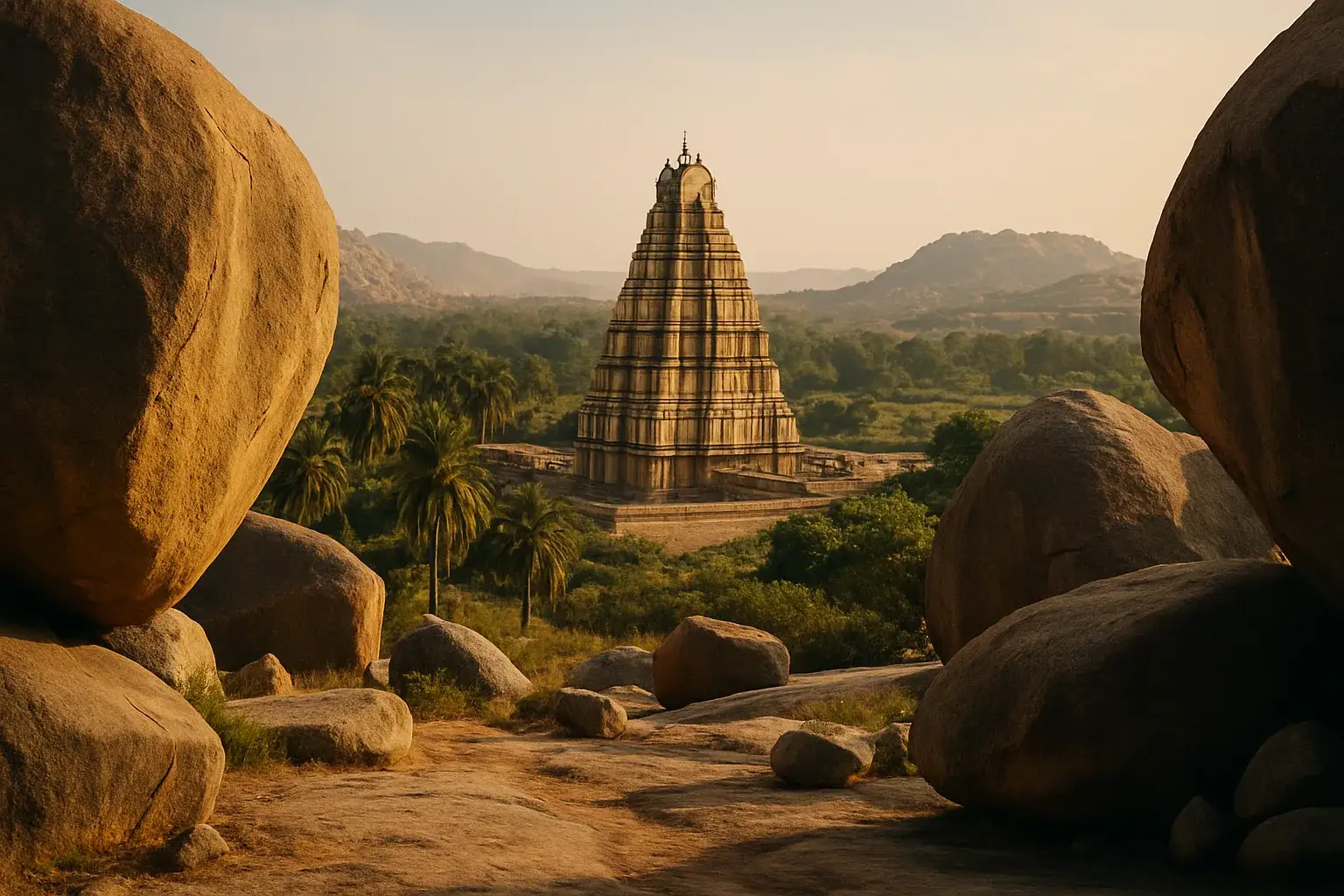
Hampi: The Bouldering Paradise Hiding Ancient India's
Vijayanagara EmpireDiscover Hampi, where Vijayanagara Empire ruins meet world-class bouldering among surreal granite la...
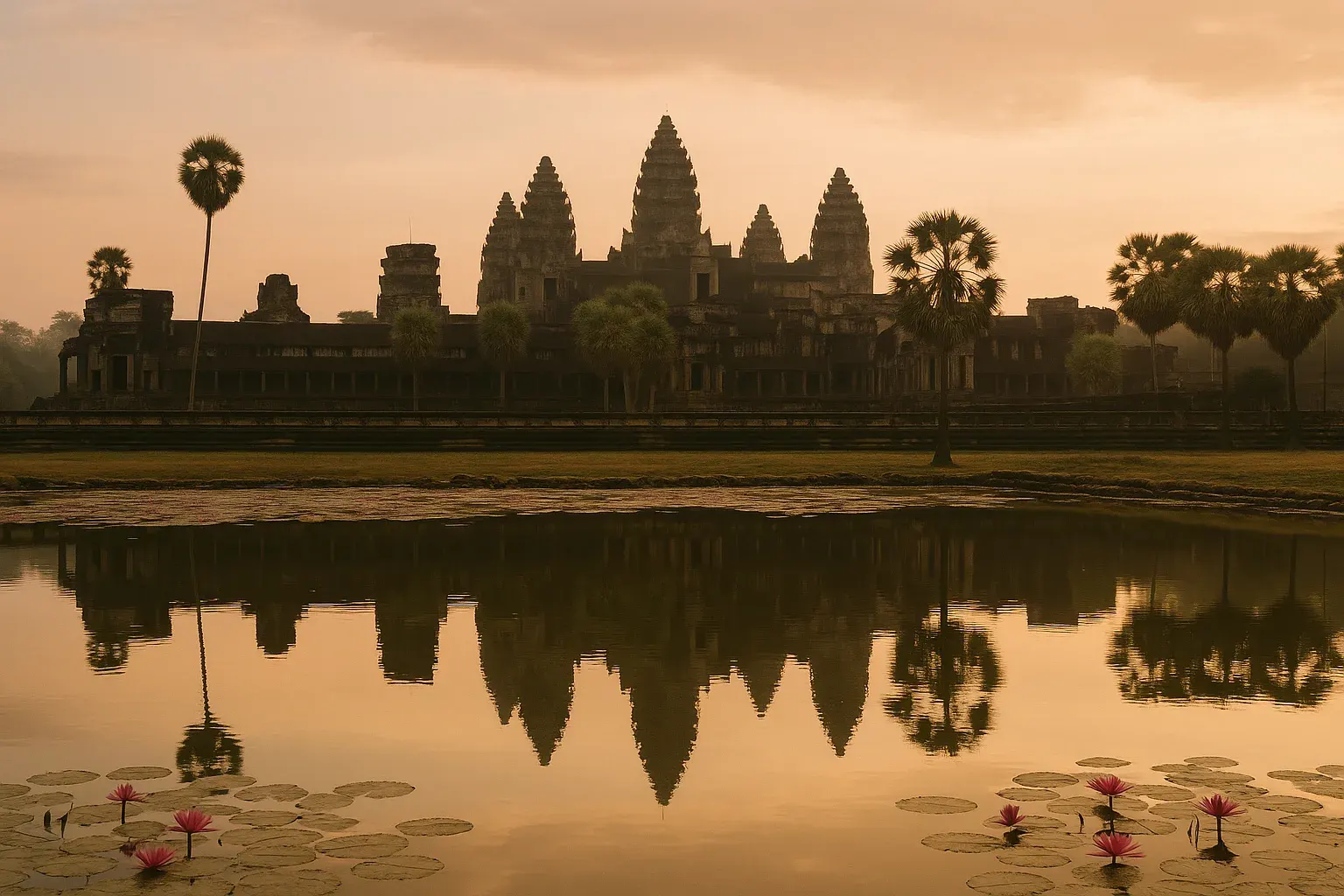
Angkor Wat Travel Guide 2026: Everything You Need to Know
KhmerAngkor Wat, the world's largest religious monument, spans over 400 acres in the heart of Cambodia. T...
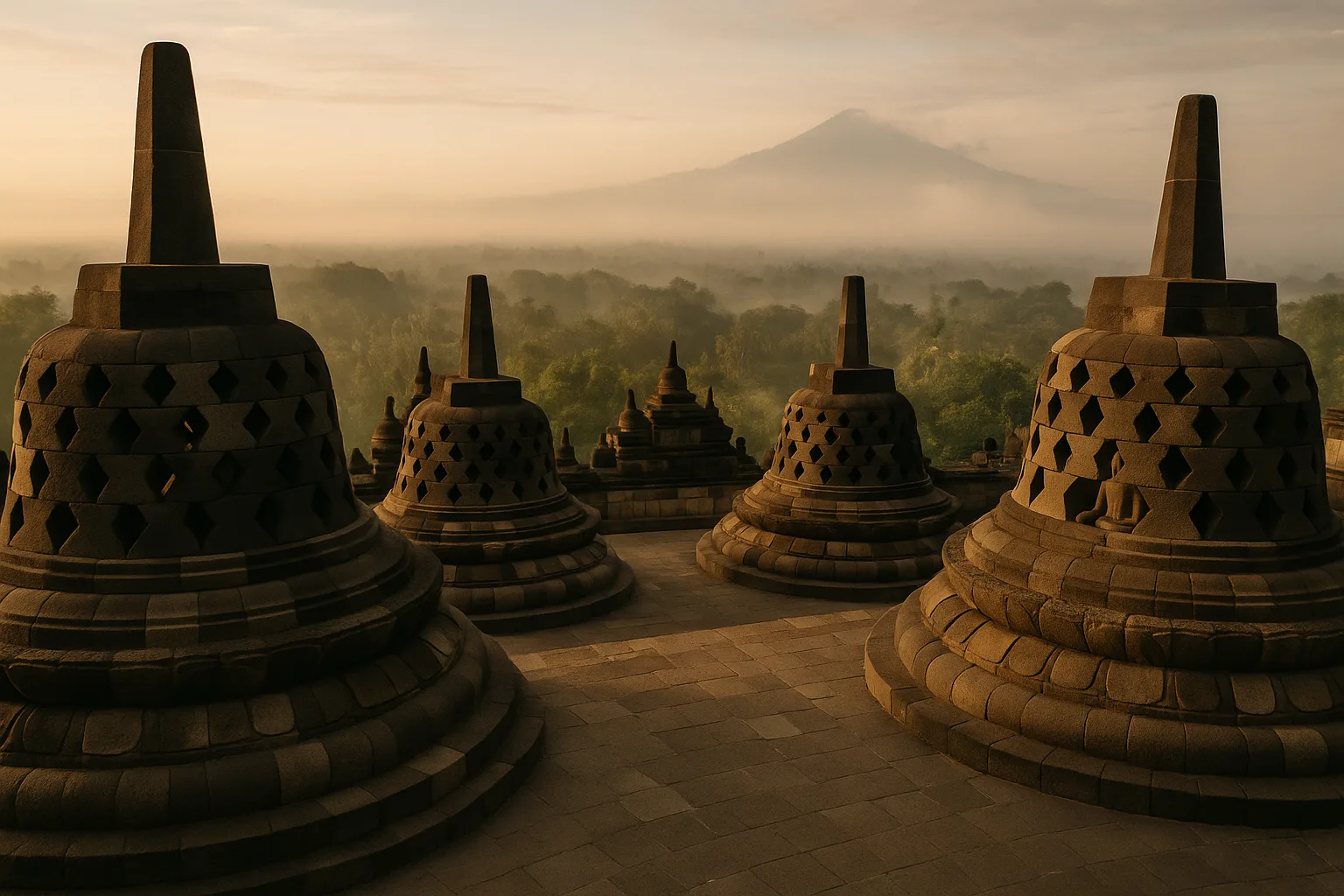
Borobudur Temple, Indonesia: The Sacred Mountain of a
Sailendra Dynasty (Buddhist)Discover Borobudur, the world's largest Buddhist temple and Indonesia's most visited attraction. Com...