Quick Info
At a glance
Nestled amid the rolling hills of Akita Prefecture in the heart of Japan’s Tohoku Region, the Tagoyano Site offers a captivating window into the distant past. As you step onto this historic ground, just a short journey from Akita City, you are greeted by an expansive landscape dotted with subtle earthen mounds and rich vegetation. This ancient archaeological site, significant for its connection to the Jomon period, pulses with the echoes of an age when Japan’s early inhabitants shaped the land and laid the cultural foundations for generations. The Tagoyano Site, known locally as Tagoyano Iseki, is an emblem of regional heritage, showcasing the depth of prehistoric life that flourished on the Japanese archipelago thousands of years ago. Visitors from across Japan and around the world are drawn here by the promise of discovery—whether it’s viewing artifacts unearthed from ancient dwellings, tracing the remnants of defensive structures, or simply absorbing the serene beauty that has characterized this site for millennia.
The Tagoyano Site stands among Japan’s essential archaeological landscapes, recognized especially for its wealth of well-preserved remains dating to the Jomon period—a time long before written history. The sense of timelessness merges seamlessly with the gentle sounds of nature, as the site’s undulating earthworks and subtle markers invite contemplation and exploration. For those passionate about archaeology, history, or simply a unique encounter with Japan’s environmental and cultural past, Tagoyano Site promises an experience that resonates beyond the boundaries of contemporary life. As we delve into its history, key features, and practical advice for visiting, this guide will illuminate why Tagoyano is not just a site to see, but a journey into the heart of Japan’s ancient legacy.
History
Jomon Beginnings: The Formative Years
The chronicle of the Tagoyano Site stretches back to the early Jomon period, a transformative era from approximately 14,000 to 300 BCE, commonly regarded as the dawn of Japanese prehistory. This period was characterized by remarkable innovation, as communities transitioned from nomadic lifestyles to more settled existences, engaging in fishing, hunting, gathering, and most importantly, the creation of pottery—the hallmark of Jomon culture. Situated close to abundant forests and river systems, Tagoyano’s location was ideal for sustaining such early settlements. Archaeological evidence suggests that the inhabitants constructed semi-subterranean pit dwellings, cleverly designed to capitalize on the insulating properties of the earth. These homes provided shelter from the harsh winters of Tohoku as well as a communal center for budding social structures.
Excavations at the Tagoyano Site have unearthed an array of artifacts that paint a vivid picture of daily life. Pottery shards—many adorned with cord markings synonymous with the Jomon—stone tools, and bone implements testify to both domestic tranquility and innovative craftsmanship that flourished here. Through careful analysis of plant and animal remains, archaeologists have reconstructed the diets and seasonal activities of the period’s people, revealing a close interplay between humans and their environment. The area served not only as a permanent settlement but possibly as a gathering site for larger community events or trade between mountainous zones and coastal settlements.
Kofun and Regional Dynamics
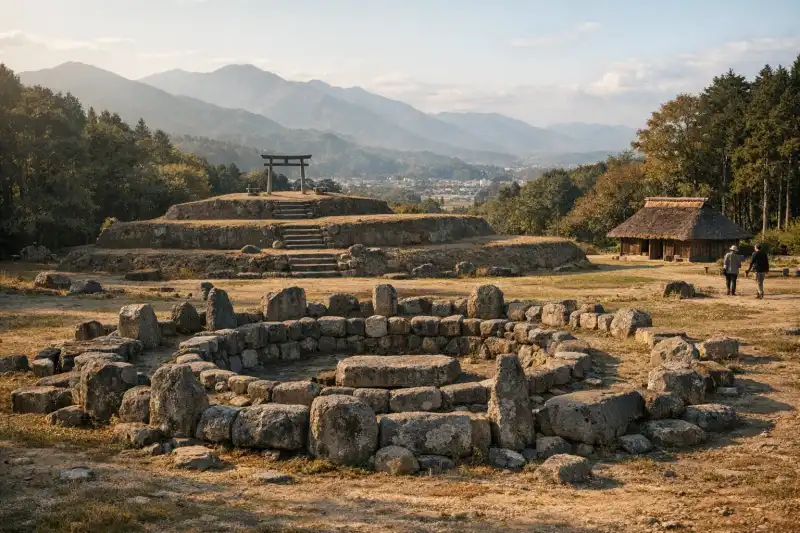
Following the Jomon era, the Tagoyano Site’s prominence fluctuated as Japan entered the Yayoi and Kofun periods (300 BCE – 710 CE). The arrival of new agricultural practices, such as wet-rice cultivation and improved metal tools, transformed the broader region. While Tagoyano itself remained largely a marker of Jomon occupation, later inhabitants left subtle traces, including burial mounds and defensive earthworks. The site’s strategic position—perched on elevated terrain with views across the valley—suggests its continued value, both as a settlement and a symbol of ancestral claims to the land.
In subsequent centuries, as regional powers consolidated and Japan’s written history began, Tagoyano faded somewhat from the limelight. Still, local oral traditions and intermittent findings in the surrounding area kept the memory of the site alive, informing regional identity and folklore.
Rediscovery and Archaeological Revival
It was not until the late nineteenth and twentieth centuries that Tagoyano came under the scrutiny of systematic archaeological investigation. Spurred by a national movement to preserve Japan’s ancient heritage, local historians began guided excavations, meticulously cataloging a rich inventory of pottery, stone tools, and structural remnants. This careful work revealed not only the complexity of prehistoric life but also underscored Tagoyano’s importance in understanding migration, social organization, and ecological adaptation in ancient Tohoku.
Today, the Tagoyano Site is protected as a heritage landmark, emblematic of the larger effort in Akita Prefecture and the Tohoku Region to document and celebrate the deep historical roots of local communities. Interpretative signage, community-led conservation, and regular educational programs keep the legacy of Tagoyano vibrant, linking past generations to the present and future.
Key Features
Arriving at the Tagoyano Site, the first impression is of its tranquil, green surroundings—a tapestry of meadows and forested edges interspersed with subtle, time-weathered mounds. Yet, as visitors meander along the site’s walking paths, discrete markers and interpretative panels invite a deeper look beneath the surface. Foremost among the site’s features are the remains of Jomon dwellings, visible today as gentle depressions or low earthen rises. These relics hint at the creative adaptation of ancient settlers who built in harmony with the landscape to weather chilly northern winters and humid summers.
What sets Tagoyano apart is more than its structural traces—it is the breadth and diversity of artifacts excavated here. Museum-quality pottery fragments, some with elaborate rope-impressed patterns, echo the aesthetics and rituals of the Jomon community. Displays (both open-air and in nearby museums) often include finely worked stone arrowheads, grinding stones, and fishing implements, each an eloquent testament to everyday survival and the aesthetic sensibilities of the site’s long-ago inhabitants. Alongside these are decorative objects, such as clay figurines and simple jewelry fashioned from bone or shells, which speak to a world where art and utility were inseparable.
In addition to household relics, Tagoyano reveals evidence of larger community spaces. Archaeologists have uncovered traces of communal hearths, storage pits, and possibly ceremonial areas—spaces that once hosted gatherings for seasonal festivals or shared meals. The site’s location on a low rise surrounded by watercourses would have afforded both security and resources, suggesting a sophisticated knowledge of environmental stewardship.
Modern conservation efforts have ensured that the site remains accessible without sacrificing authenticity. Visitors will find low wooden decking in select areas to protect sensitive soil layers, while unobtrusive fencing demarcates the most archaeologically significant zones. The seasonal flora—cherry blossoms in spring, vibrant foliage in autumn—adds to the ambiance, offering moments for reflection amid Japan’s ever-changing natural splendor. Signage provides context in Japanese and, increasingly, English, with QR codes linking to multimedia guides for those seeking a more interactive exploration.
Perhaps most striking is how Tagoyano fosters a sense of continuity between ancient and modern Japan. Educational programs and community events occasionally enliven the grounds, ranging from traditional crafts demonstrations to nighttime stargazing or firelight storytelling—a living reminder of the unbroken connection between people and place at this unique archaeological landmark.
Getting There
Visiting the Tagoyano Site is both straightforward and rewarding, thanks to its proximity to Akita City and established transport links in the Tohoku Region. For those starting from Akita City, the most efficient route is via local train or bus. Akita Station, a key hub on the JR Ou Main Line and the Akita Shinkansen, offers direct and frequent service to the surrounding area. Local trains to Tagoyano’s nearest station generally take 15–30 minutes, with fares ranging from ¥260 to ¥520, depending on the train and destination.
Once at the nearest station—typically Akita or a smaller, adjacent stop—visitors can catch a local bus bound for Tagoyano (田小屋野). Bus journeys take approximately 20–30 minutes, with fares averaging around ¥200–¥400 per trip. Buses are punctual and comfortable, although schedules may be less frequent on weekends or holidays. Most buses stop within walking distance of the site; follow signage or ask the driver for “Tagoyano Iseki.”
Taxi service from Akita City is also a viable option for those seeking a direct and flexible route, particularly for small groups or families. The journey takes about 25–30 minutes and costs in the range of ¥3,000 to ¥4,500. Some regional tours bundle transportation with guided visits to other notable archaeological and cultural destinations in Akita Prefecture, providing added value and context.
For visitors traveling by car, Tagoyano Site is easily accessible via the Akita Expressway and local prefectural roads. Ample parking is typically available near the site entrance, and roads are well-maintained year-round, though extra caution is needed during the snowy months of winter.
As public transit and road signage in rural Japan may be predominantly in Japanese, it is helpful to prepare route maps and confirm schedules in advance. Smartphone navigation and translation apps can greatly enhance the independent traveler’s experience. Regardless of transport mode, the journey to Tagoyano promises scenic rural landscapes and the opportunity to experience northern Japan’s distinctive charm en route.
When to Visit
The Tagoyano Site is open to visitors year-round, each season offering a unique perspective on its natural setting and archaeological features. While Tohoku Region’s weather is among the most varied in Japan, careful timing can greatly enhance your visit to this ancient landscape.
Spring (March to May) arrives with a flourish of cherry blossoms and fresh greenery. This is perhaps the most picturesque time to explore Tagoyano, as the blooming flora accentuates the gentle contours of ancient dwellings and earthworks. The weather is pleasantly mild, with daytime temperatures ranging from 10°C to 20°C (50°F to 68°F), and rainfall is moderate. Visitors should expect increased attendance during local hanami (blossom viewing) festivals, which may include special events or workshops on site.
Summer (June to August) brings lush growth and longer daylight hours. While temperatures can rise to 25°C to 30°C (77°F to 86°F), occasional rainfall and humidity are common. Carry water, sun protection, and insect repellent, as the greenery attracts both beauty and bugs. The site’s open fields provide excellent opportunities for photography and picnicking, especially in the early mornings or late afternoons.
Autumn (September to November) is perhaps the most atmospheric season, when maple and ginkgo trees shed vibrant leaves, carpeting the grounds in gold and crimson. Crisp air and clear skies make for comfortable exploration. Temperatures range from 10°C to 20°C (50°F to 68°F). Local harvest festivals often coincide with this season, providing cultural context to the experience.
Winter (December to February) transforms Tagoyano into a serene, snow-blanketed landscape. While fewer visitors brave the cold—temperatures can fall below freezing—the quiet and stark beauty reveal the enduring strength of the site’s ancient earthworks. Rubber boots and insulated clothing are essential, and opening hours may be slightly reduced due to weather or maintenance.
Regardless of the season, mornings tend to be quieter, affording a reflective experience. Public holidays and school vacations can bring local families and school groups, so plan accordingly if seeking solitude. Site access generally remains stable year-round, but checking for short-term closures due to renovation or weather events is wise before traveling.
| Quick Facts | Details |
|---|---|
| Location | Akita Prefecture, Tohoku Region, Japan |
| Historical Period | Primarily Jomon period (c. 14,000–300 BCE) |
| Site Type | Archaeological settlement, pit dwellings, earthworks |
| Nearest City | Akita City |
| Entry Fee | Free (donations/special exhibition fees may apply) |
| Accessibility | Walking paths, low wooden decking in sensitive areas |
| Facilities | Restrooms, informational panels, parking nearby |
| Language | Japanese (some English signage and QR-linked guides) |
| Best Seasons to Visit | Spring (cherry blossoms), autumn (foliage) |
| Recommended Visit Time | 1–2 hours |
| Major Artifacts Found | Cord-marked pottery, stone tools, bone implements |
| Family Friendly | Yes, with supervision for uneven terrain |
| Guided Tours Available | Regional tours, local guides by request |
Guided tours: worth it?
Most travelers can visit Tagoyano Site independently. Compare a tour only if you want a tighter history-focused visit, easier logistics, or a guide who can answer questions on the spot.
Best for
- Short visits where a planned route saves time
When to go self-guided
Go independently if you prefer setting your own pace, reading as you go, and checking official hours or ticket rules directly before you arrive.
What I’d avoid
Skip paid tours that bundle unrelated stops you do not actually want. The best option should either save meaningful planning time or add historical context you would miss on your own.
Akita Archaeological Heritage Full Day Tour
Useful when: you want to compare guided formats before deciding
Explore Jomon Period Sites in Tohoku
Useful when: you want to compare guided formats before deciding
Japanese Ancient History and Ruins Discovery
Useful when: you want to compare guided formats before deciding
Some tour links are affiliate links, which may earn Ancient Travel a small commission at no extra cost to you. I try to surface options that make practical sense for the site—not just anything bookable.
Frequently Asked Questions
How much time should I plan for visiting the Tagoyano Site?
Visitors typically spend 1-2 hours exploring the site, walking trails, and viewing the exhibits.
Are there guided tours available at Tagoyano Site?
While there is limited on-site guiding in English, joining a regional tour or hiring a local guide is recommended for deeper insight.
Is Tagoyano Site suitable for families with children?
The site is open and has accessible paths, making it friendly for families, though supervision of young children is advised due to uneven ground.
Is there an entrance fee for Tagoyano Site?
Tagoyano Site is free to enter, but donations or fees may apply for special exhibitions or regional museum visits.
What facilities are available at or near Tagoyano Site?
There are basic facilities, such as restrooms and some informational signage, with additional amenities available in nearby Akita City.
Nearby Ancient Sites
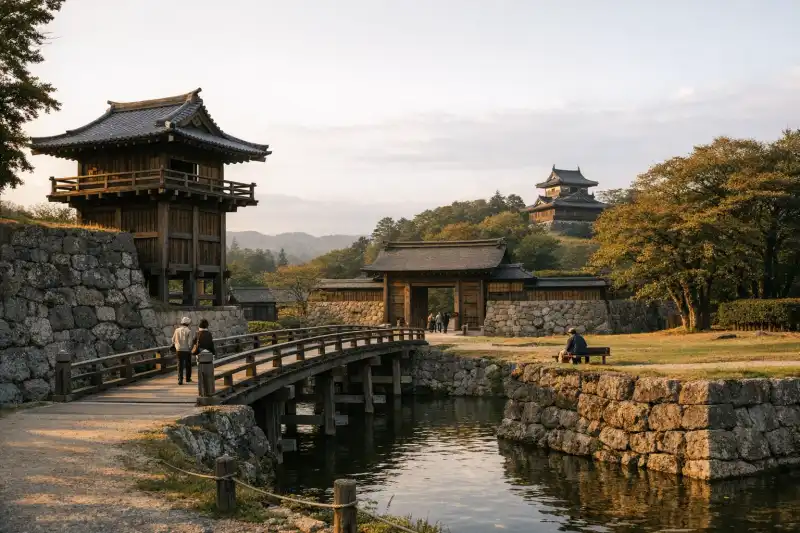
Akita Castle Site
Explore the Akita Castle Site, a historic Japanese fortification in Akita Prefecture that reveals th...
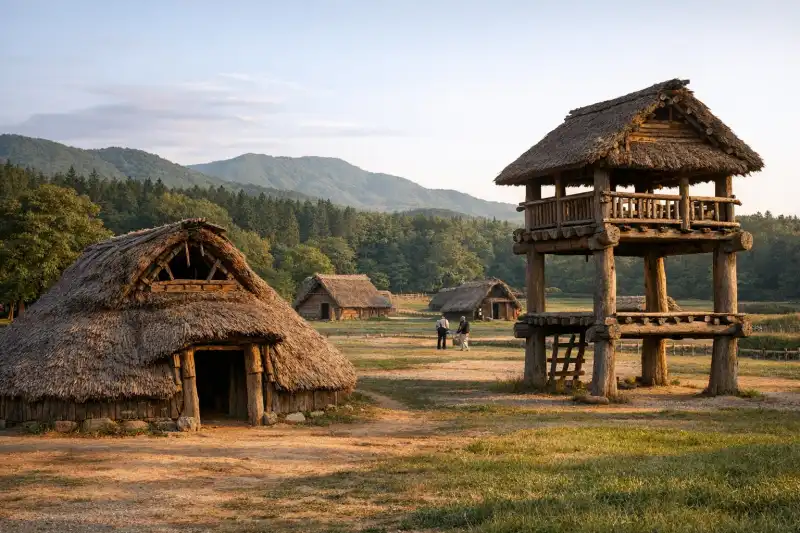
Goshono Jomon Site
Goshono Jomon Site in Japan is a remarkable archaeological park preserving a mid-Jomon period settle...
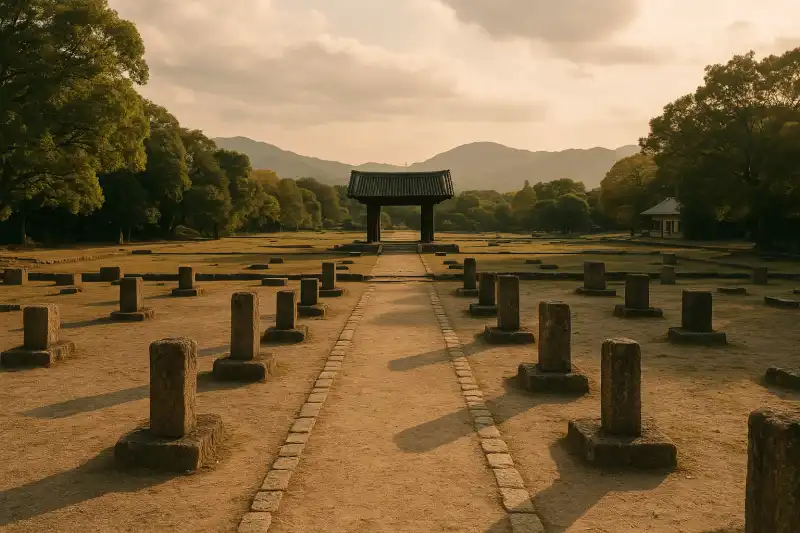
Dazaifu Government Office Ruins
Yamato Japan / Nara–Heian StateAncient administrative heart of Kyushu, the Dazaifu Government Office Ruins preserve Japan's 7th-cen...