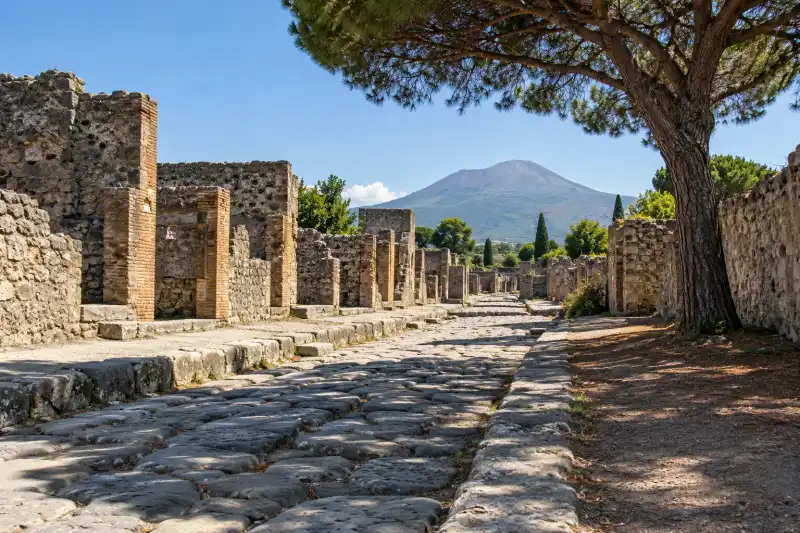
Ancient sites are often built in the least forgiving places for a modern summer itinerary: open plains, limestone hills, desert edges, or city basins with little shade. Stone stores heat, paths can be uneven, and the distance back to the entrance can be longer than it looked on the site map.
Heat planning is not just packing a hat. It is deciding what you will skip when the day becomes unsafe. This guide helps you shape a practical visit at places such as Pompeii, Ephesus, and Petra.
Design a short, early core route
Check the official site page for opening hours, closures, water points, and any heat advisories before departure. Start near opening if conditions are hot, but do not turn an early entry into a race to cover everything. Pick a small core route: the monument you most want to see, the nearest shaded or indoor stop, and the quickest exit.
Save the long walk, remote sector, or scenic climb for a cooler day. A guidebook’s “must-see loop” may have been written for a different month, age group, mobility level, or weather pattern.
Make heat decisions before you are overheated
| Decision | Practical version |
|---|---|
| Transport | Know where your return vehicle is and whether it can be reached without another long exposed walk. |
| Water | Carry enough for the distance and check refill availability with the operator. Do not assume a kiosk will be open. |
| Clothing | Use sun-protective layers, a hat, and footwear stable on hot, uneven surfaces. |
| Companions | Agree that anyone can call a rest, exit, or route change without debate. |
| Timing | Put the demanding section first and leave a shaded museum or meal as the later option. |
Alcohol, a poor night’s sleep, gastrointestinal illness, and a rushed transfer can all lower a traveler’s margin. Do not use a fixed schedule as evidence that you are well enough to continue.
Recognize heat illness
CDC travel guidance describes early heat-illness symptoms that can include dizziness, headache, nausea, weakness, and loss of coordination. Stop activity, move to a cooler or shaded place, and get assistance rather than pressing onward. Confusion or personality change, collapse, seizures, or altered mental status are emergency signs. Call local emergency services or seek urgent on-site help immediately.
Heat stroke is a medical emergency. Do not leave a confused or collapsing person alone, and do not send them on an unaccompanied walk back to a car. This page does not offer medical treatment or medication instructions; use local emergency guidance and professional care.
Keep archaeology realistic
An excellent hot-weather visit may mean one forum, one temple platform, and one museum rather than every numbered stop. At Pompeii, long exposed streets can turn a full-day plan into a bad bargain. At Ephesus, use the terrain and exit logistics, not a postcard route, to decide your pace. In Petra, distance and terrain add another layer to sun exposure.
Check current local conditions, respect staff restrictions, and do not cross barriers for shade or a shortcut. The ruin will still be there after a rest day. You only get one heat-stressed body.