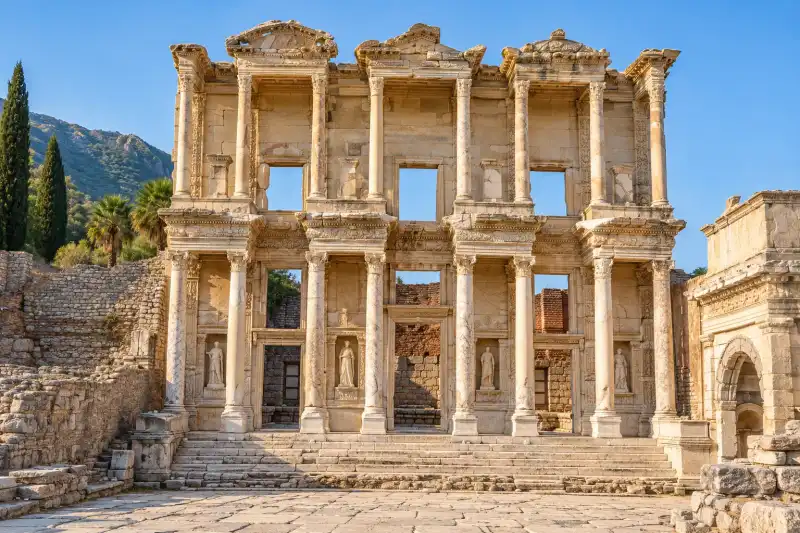
A coast route, not four isolated ruins
Ephesus, Priene, Miletus, and Didyma are linked by the Aegean world of ports, sanctuaries, civic planning, and Roman provincial power. The geography is the constraint. Three days works with Selçuk first, then a southward road day, then Didyma. It does not work if you add every museum, beach town, and ancient city in the province.
Day 1: Ephesus and Selçuk
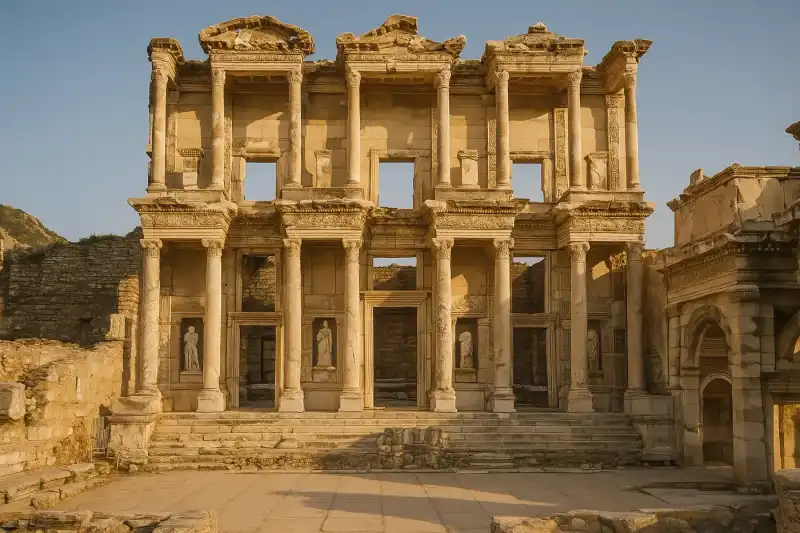
Give Ephesus the full day. The Turkish Ministry of Culture and Tourism describes it as a Greek settlement that became the Roman provincial capital of Asia, which is exactly why its streets, public buildings, terraces, and harbor story need time. Check official hours, entrance rules, and any separate-access areas immediately before your visit. Stay in Selçuk so you are not doing an unnecessary late transfer.
Day 2: Priene and Miletus
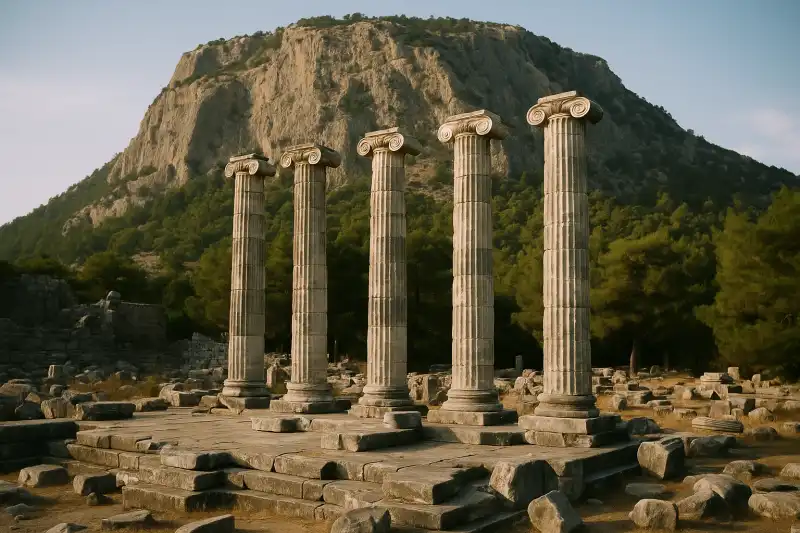

Travel south with a vehicle, driver, or tour that allows a realistic stop at both sites. Priene is especially useful for its planned Hellenistic street grid and the Temple of Athena, while Miletus makes the older port landscape and its later monumental theater visible at a different scale. Road conditions and entrance logistics vary, so confirm them from official museum sources and your transport provider. Keep lunch and fuel stops flexible rather than treating them as an archaeological failure.
Day 3: Didyma

Make Didyma the final focus. The Sanctuary of Apollo was not a minor appendix to Miletus; it was a major oracle center with a huge, unfinished temple. The Miletus Museum page identifies finds from Didymian excavations alongside material from Priene and Miletus, which makes a museum stop worthwhile if hours and route allow. Sleep in Didim or continue to İzmir only after the sanctuary visit is done.
How to move through the route
A rental car or vetted local driver gives the cleanest sequence because the route is spread across coastal and inland roads. Public transport can be useful, but it is not a substitute for checking the live timetable and the distance from each stop to the archaeological entrance. Avoid fixed travel-time promises here. They age badly and then someone is standing beside a highway with a guidebook, which is a less charming version of antiquity.
Planning notes
Use sun protection, water, and stable shoes. These are exposed sites with uneven surfaces. Check the official museum portal for the current opening dates, entry procedures, and closures. This itinerary does not quote prices or assume that every interior space is open.
Planning questions
Quick route summary
This itinerary uses practical overnight bases and one main archaeological priority each day. Recheck official access and transport information immediately before travel.
Who this itinerary is for
Travelers who want archaeological context, realistic transfers, and room to slow down at the major sites.
Route at a glance
- Day 1: Ephesus and Selçuk. Overnight: Selçuk.
- Day 2: Priene and Miletus. Overnight: Kuşadası or Didim.
- Day 3: Didyma and departure. Overnight: Didim.
Practical logistics before you go
Confirm tickets, local transport, weather, and any closure notices with the relevant official authority. No fixed fares, timetable times, capacity, or ticket availability are promised here.
The historical thread
The route connects individual monuments to the civic, religious, domestic, and landscape systems that made them meaningful.
Transportation notes
Protect each transfer day and choose the current rail, road, or local-transport option that best fits your dates.
Optional add-ons and swaps
Extend the trip or replace a day rather than stacking an extra major site onto a full archaeological visit.
Shorter and longer itinerary options
Shorten from the outermost excursion; lengthen with a museum or rest day, not a larger daily checklist.
Related ancient sites
FAQ
Use current official site and transport information close to departure; the route is a planning framework rather than a guarantee of access.