Quick Info
At a glance
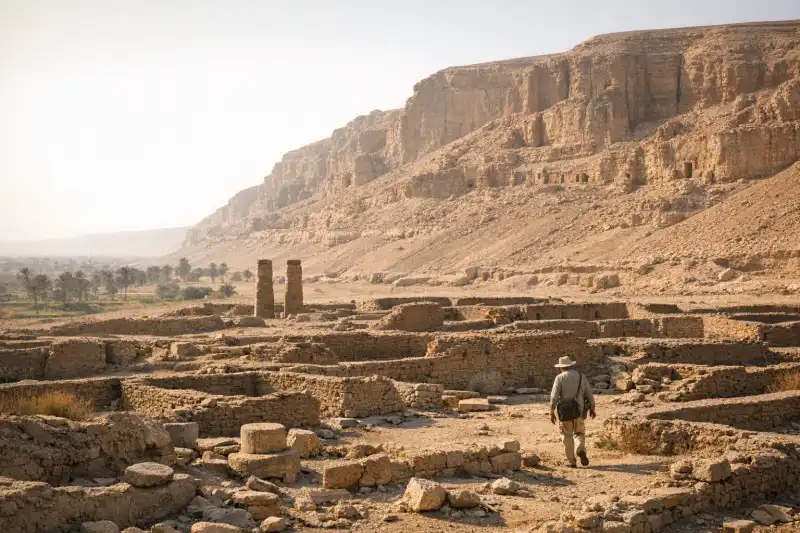
Amarna in Egypt feels unlike almost any other ancient Egyptian site. Instead of a city that evolved over many centuries, this was a royal experiment built with extraordinary speed, charged with ideology, and then abandoned almost as quickly as it rose. Spread across a broad stretch of desert and cultivation on the east bank of the Nile in Middle Egypt, Amarna preserves the remains of Akhetaten, the capital founded by Pharaoh Akhenaten during the 18th Dynasty. Here, cliffs frame the horizon, low ruins mark former palaces and temples, and rock-cut tombs look out over fields that still catch the same desert light known to the ancient inhabitants.
For visitors, the appeal of Amarna lies not in towering standing monuments but in the rare chance to walk through the footprint of an entire planned capital. This is where one of Egypt’s most controversial rulers tried to reshape religion, court life, and royal image around the worship of the Aten, the solar disk. The site is atmospheric rather than theatrical. You encounter fragments of walls, outlines of streets, traces of elite houses, painted tomb scenes, and desert roads leading toward boundary stelae that once defined the sacred territory of the city. If you are drawn to places where archaeology, landscape, and historical drama meet, Amarna offers one of the most intellectually rewarding visits in Egypt.
History
The rise of Akhenaten and the founding of Akhetaten
Amarna began with a revolution. In the mid-14th century BCE, Pharaoh Amenhotep IV, who would soon rename himself Akhenaten, broke with many traditions of Egyptian state religion. While earlier rulers had honored a large pantheon, Akhenaten elevated the Aten above all other gods and increasingly centered worship on the visible power of the sun’s rays. This shift was not simply theological. It also affected politics, art, royal identity, and the relationship between crown and priesthood, especially the powerful cult of Amun at Thebes.
To give physical form to his vision, Akhenaten founded a completely new capital in a previously undeveloped stretch of Middle Egypt. He called it Akhetaten, often translated as “Horizon of the Aten.” The location was deliberate: a broad bay of desert cliffs created a dramatic natural backdrop, and boundary stelae carved into the surrounding rock proclaimed that the king had chosen this land for the god. Building began rapidly, and the city was laid out with palaces, open-air temples, official compounds, residential districts, workshops, and cemeteries. In effect, Amarna was a purpose-built royal and religious center rather than a city inherited from earlier dynasties.
Life in the city at its height
For a brief period, Akhetaten became the heart of the Egyptian state. The royal court relocated here, and officials, artisans, scribes, soldiers, and laborers followed. The city’s architecture reflected Akhenaten’s religious emphasis. Temples to the Aten favored open courts exposed to sunlight rather than the darker, enclosed sanctuaries typical of many Egyptian temples. Royal imagery changed as well, becoming more fluid and intimate. Scenes showed the king, Queen Nefertiti, and their daughters under the rays of the Aten, which ended in hands extending life and blessing.
Amarna is also famous because it preserves an unusual snapshot of daily life in a New Kingdom capital. Excavations have uncovered houses ranging from grand villas of high officials to more modest dwellings, industrial areas where glass, faience, and pottery were produced, and written archives that connect the city to the wider ancient Near East. The so-called Amarna Letters, found at the site in the 19th century, are among the most important diplomatic documents from the Late Bronze Age. Written in Akkadian cuneiform, they reveal correspondence between the Egyptian court and rulers from Syria, Canaan, Mesopotamia, and beyond, showing that despite Akhenaten’s religious focus, Egypt remained deeply entangled in international politics.
Collapse and abandonment
Akhetaten’s brilliance was short-lived. After Akhenaten’s death, the religious and political experiment began to unravel. His immediate successors presided over a return to older cults and a restoration of the traditional balance of power. Tutankhaten changed his name to Tutankhamun, signaling renewed devotion to Amun, and the court ultimately shifted away from Amarna. Temples associated with the Aten lost official support, and many building materials from the city were later dismantled and reused elsewhere.
This rapid abandonment is one reason Amarna matters so much today. Because the city flourished for only a narrow window of time, it provides archaeologists with a comparatively focused record of one reign and its aftermath rather than the layered complexity of settlements occupied for millennia. Yet abandonment did not mean total erasure. Some areas remained known, the tombs survived in the cliffs, and the memory of Akhenaten lingered in later Egyptian tradition, often negatively, as that of a ruler whose changes were rejected by his successors.
Rediscovery and modern archaeology
European travelers and scholars began documenting the remains more closely in the 18th and 19th centuries, but systematic archaeological work transformed understanding of the site. Excavations by scholars including Flinders Petrie and later expeditions mapped the city, identified major buildings, and recovered objects ranging from sculpture fragments to texts and domestic artifacts. The most famous artistic association with Amarna is the sculptor Thutmose’s workshop, where the celebrated bust of Nefertiti was discovered in 1912, though it now resides outside Egypt.
Modern archaeology has broadened the picture beyond kings and elites. Research into commoner cemeteries, housing, nutrition, labor, and health has revealed that life in the royal city could be difficult for many inhabitants. Skeletons from some burial grounds show signs of stress, heavy labor, and nutritional strain, suggesting that the speed and scale of construction imposed real costs on the people who served the project. Today, Amarna is valued not only as the stage for a religious revolution but also as a rare archaeological landscape that illuminates how an ancient planned capital functioned, flourished, and failed.
Key Features
Amarna’s most striking feature is its overall setting. The site occupies a long strip between the Nile floodplain and the eastern desert cliffs, and that geography shaped the city’s identity. Akhenaten did not simply choose a convenient administrative center; he selected a place whose natural horizon suited the cult of the Aten. Even now, standing among the remains at sunrise or late afternoon, it is easy to see why this landscape carried symbolic power. The cliffs form a dramatic crescent, and the play of light across the desert still feels central to the site’s character.
The Central City is where many visitors begin to understand the scale of Akhetaten. Though much survives only as foundations and low walls, this area once contained the administrative and ceremonial core of the capital. Here stood the Great Aten Temple, the Small Aten Temple, official buildings, storerooms, and parts of the royal complex. The Great Aten Temple is especially significant because its layout reflects the distinct religious ideals of the period. Instead of emphasizing hidden sanctuaries, it opened itself to the sky, allowing the sun’s rays to fall directly on offering tables and courts. Walking through its traces requires imagination, but with a good guide or plan, the outlines reveal a city designed around ritual exposure to light.
The remains of palaces and elite residences add another dimension. Amarna was not just a ritual center but a functioning capital with ceremony, administration, and domestic life all woven together. Excavations have revealed spacious villas surrounded by gardens and service buildings, as well as evidence of painted floors, decorative columns, and reception spaces. One of the most evocative discoveries from the site is the painted pavement from a royal structure, showing lively natural scenes with birds and marsh plants. Even where the original decoration has been removed to museums for protection, the knowledge of what once existed helps visitors picture a city more colorful and refined than the present ruins might initially suggest.
The tombs in the cliffs are among the best-preserved and most visually rewarding places at Amarna. The North Tombs and South Tombs belonged to officials closely tied to the court, and their scenes provide an unusually detailed record of life under Akhenaten. Traditional funerary imagery is mixed with new religious themes centered on the Aten and the royal family. In these chambers, the king and Nefertiti appear in intimate and dynamic compositions, receiving tribute, riding in chariots, or blessing officials beneath the solar rays. For historians of art, these tombs are essential evidence for the Amarna style, with its elongated forms, sense of movement, and unconventional representation of the royal household.
The Royal Tomb, cut into a desert wadi, is another key feature, though it offers a different experience from the cliffside elite tombs. More isolated and solemn, it was intended for the king and members of his family. Although damaged in antiquity, it remains a powerful place because it connects the ideological city above the plain with the stark desert beyond. The route to it emphasizes separation from the everyday life of the settlement and underscores how burial, kingship, and sacred landscape were interlinked in Akhenaten’s vision.
Beyond the central ruins and tombs, the boundary stelae are crucial to understanding Amarna as a concept. These inscriptions, cut high into the cliffs around the site, did more than mark territory. They were official declarations that defined the sacred extent of Akhetaten and recorded the king’s reasons for founding it. Not all are easily accessible for casual visitors, but knowing about them changes how the site is read. Amarna was conceived as an entire consecrated landscape rather than a collection of buildings.
What makes the site memorable overall is its archaeological honesty. Amarna does not overwhelm with colossal standing architecture like Karnak or Abu Simbel. Instead, it rewards slower observation. You see city planning, ideology in stone and mudbrick, evidence of craft production, the lives of officials, and traces of ordinary residents all in one wide setting. It is a place where absence is meaningful: the vanished walls, dismantled temples, and broken reliefs tell the story of a city intentionally made and then intentionally left behind.
Getting There
Amarna is usually reached from Minya, the main nearby city, and most travelers visit as a day trip with a private car and driver. From central Minya, the journey typically takes around 1.5 to 2 hours depending on road conditions, ferry arrangements across the Nile, and which parts of the site you plan to see. A private car for the day often costs roughly EGP 1,800 to 3,500, with higher prices possible if you add a licensed guide, multiple stops, or hotel pickup from farther away.
If you are coming from Cairo, you can first take a train to Minya. Air-conditioned trains generally cost about EGP 150 to 400 depending on class and service, and the trip can take around 4 to 5 hours. From Minya station, you can hire a taxi or pre-arranged driver to continue to Amarna. Some travelers also arrange a full overland trip from Cairo, but this makes for a very long day and is better done with an overnight stay in Minya.
Public transport to the immediate archaeological zones is limited and not especially straightforward for first-time visitors. Local minibuses may get you part of the way toward nearby villages, but they do not solve the problem of moving between widely separated areas such as the tombs, Central City, and Royal Tomb. For that reason, independent travelers still usually rely on a taxi, hired driver, or tour. Bring cash for transport, tickets, and tips, as card payment cannot be assumed.
When to Visit
The best time to visit Amarna is from October to April, when daytime temperatures are milder and exploring exposed desert areas is much more comfortable. Winter, especially from November through February, offers the most pleasant conditions for walking between ruins, climbing to cliff tombs, and spending time outdoors without the intense heat that defines much of the Egyptian summer. Daytime temperatures in these cooler months are usually manageable, though early mornings can feel crisp.
Spring can also be a good time, particularly in March and early April, when the agricultural landscape around the Nile is still green and the light is excellent for photography. However, this season can bring dusty winds, including khamsin conditions, which may reduce visibility and make exposed archaeological areas less comfortable. If you visit during this period, sunglasses and a scarf are useful additions.
Summer, from roughly May through September, is challenging. Temperatures can become extreme by late morning, and much of Amarna offers little natural shade. If summer is your only option, start as early as possible, carry more water than you think you need, and focus on a shorter route through the most important areas. In any season, a morning visit is usually best. The lower angle of sunlight brings out the texture of the cliffs and ruins, and the site feels closer to its ancient identity as a city shaped by the sun.
| Quick Facts | Details |
|---|---|
| Location | East bank of the Nile, Minya Governorate, Middle Egypt |
| Ancient Name | Akhetaten |
| Founded By | Pharaoh Akhenaten |
| Date | c. 1346 BCE |
| Civilization | Ancient Egyptian, 18th Dynasty |
| Best Known For | Akhenaten’s short-lived royal capital and Aten worship |
| Main Areas to See | Central City, North Tombs, South Tombs, Royal Tomb, boundary stelae |
| Nearest City | Minya |
| Recommended Visit Length | Full day |
| Best Season | October to April |
Amarna is one of Egypt’s most unusual archaeological destinations because it captures a single, dramatic historical moment with remarkable clarity. Rather than presenting the polished grandeur of a long-venerated temple center, it invites you into the remains of an idea: a city founded to transform religion and royal power, then left to the desert when that vision failed. For travelers interested in more than iconic monuments, this is precisely what makes it special. The tomb scenes, city grid, open temple plans, and desert horizon all speak to a ruler’s attempt to create a new world.
A visit here also adds balance to any journey through Egypt. If the better-known sites show the enduring strength of pharaonic tradition, Amarna reveals how fragile that tradition could be when challenged from the top. It is quieter, less crowded, and more demanding of the imagination, but also more intimate for those willing to engage with it. In the silence between mudbrick foundations and cliff-cut tombs, Amarna still tells one of ancient Egypt’s boldest and most human stories.
Guided tours: worth it?
A guide can be genuinely useful at Amarna, especially if you want help with transport, timing, tickets, or understanding a large site without losing half the day to logistics.
Best for
- First-time visitors who want context, not just photos
- Travelers who want transport, timing, or entry logistics handled
- Short visits where a planned route saves time
When to go self-guided
Go independently if you already have transport and tickets sorted, enjoy moving at your own pace, and are comfortable checking the latest official rules before you arrive.
What I’d avoid
Skip paid tours that bundle unrelated stops you do not actually want. The best option should either save meaningful planning time or add historical context you would miss on your own.
Amarna Egypt Tours
Useful when: you want to compare guided formats before deciding
Minya and Amarna Day Trips
Useful when: transport or pickup logistics matter
Middle Egypt Archaeology Tours
Useful when: you want to compare guided formats before deciding
Some tour links are affiliate links, which may earn Ancient Travel a small commission at no extra cost to you. I try to surface options that make practical sense for the site—not just anything bookable.
Frequently Asked Questions
What is Amarna famous for?
Amarna is famous as the short-lived capital founded by Pharaoh Akhenaten in the 14th century BCE, where he promoted the worship of the Aten and introduced a distinctive artistic style.
Where is Amarna located?
Amarna is in Middle Egypt on the east bank of the Nile in modern Minya Governorate, roughly midway between Cairo and Luxor.
Can you visit Amarna independently?
Yes, but most travelers find it easier to visit with a driver or guided tour from Minya because the archaeological zones are spread out and public transport is limited.
How much time do you need at Amarna?
A full day is ideal to see the North Tombs, the Central City remains, the Royal Tomb, and a few boundary stela areas without rushing.
Is Amarna worth visiting?
Amarna is especially worthwhile for travelers interested in ancient Egyptian religion, archaeology, and less-visited sites, offering a very different experience from Egypt’s busier monuments.
What should I bring when visiting Amarna?
Bring water, sun protection, sturdy shoes, cash for local transport or tips, and ideally a guide or detailed plan, as shade and visitor facilities are limited.
Nearby Ancient Sites
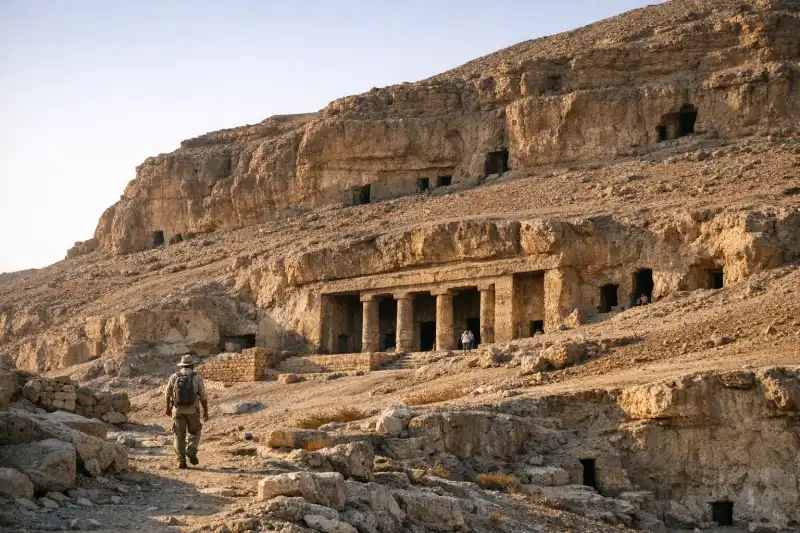
Beni Hassan Tombs
Ancient EgyptianRock-cut Middle Kingdom tombs in Egypt famed for vivid wall paintings, provincial elite burials, and...
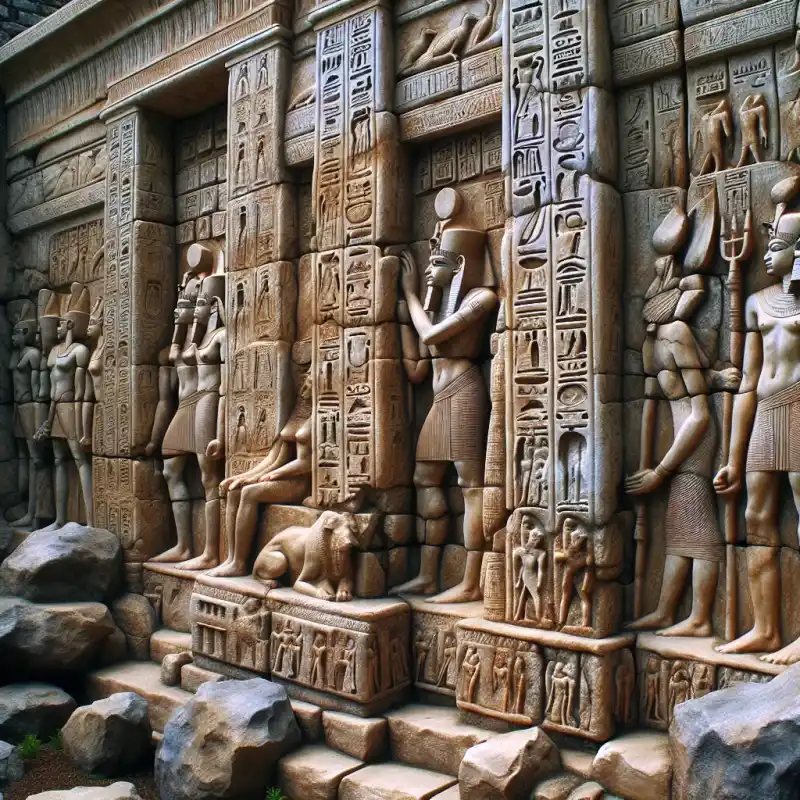
Abydos Temple Egypt Guide 2026: Temple of Seti I & King List
New Kingdom-PtolemaicAbydos Temple near Luxor: magnificent Temple of Seti I with war reliefs, ancient king list, and vibr...
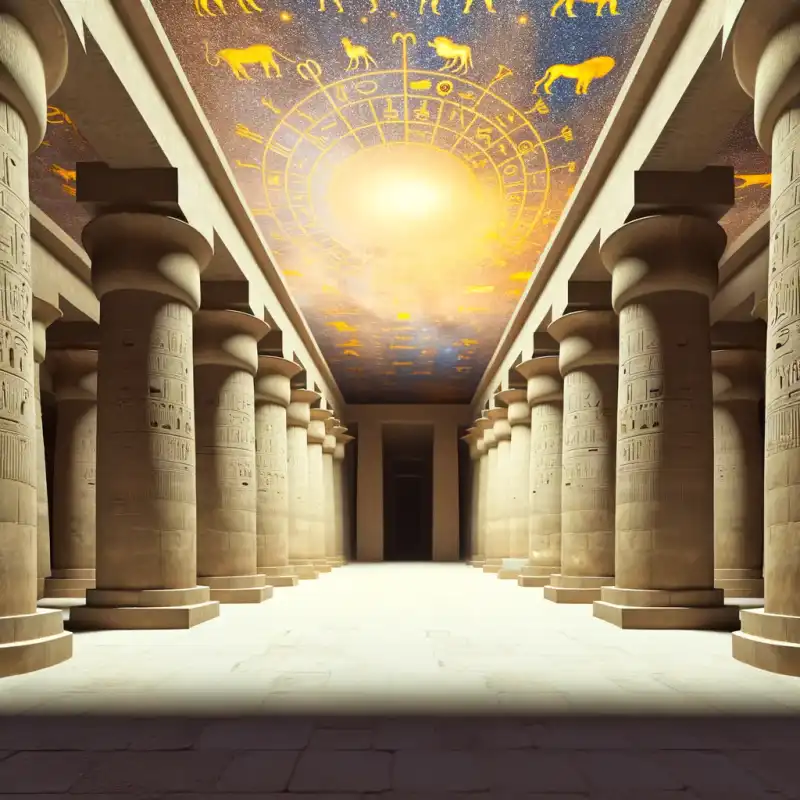
Dendera Temple Complex Egypt Guide 2026: Temple of Hathor & Zodiac Ceiling
Ptolemaic-RomanExplore Dendera's magnificent Temple of Hathor near Luxor. Star-mapped zodiac ceiling, Ptolemaic arc...