Quick Info
Curated Experiences
Angkor Wat full Day 'Small Group with sunset & Tour Guide'
Angkor Wat Sunrise Tour
Angkor Wat Sunset Small Group Tour with Lunch Included
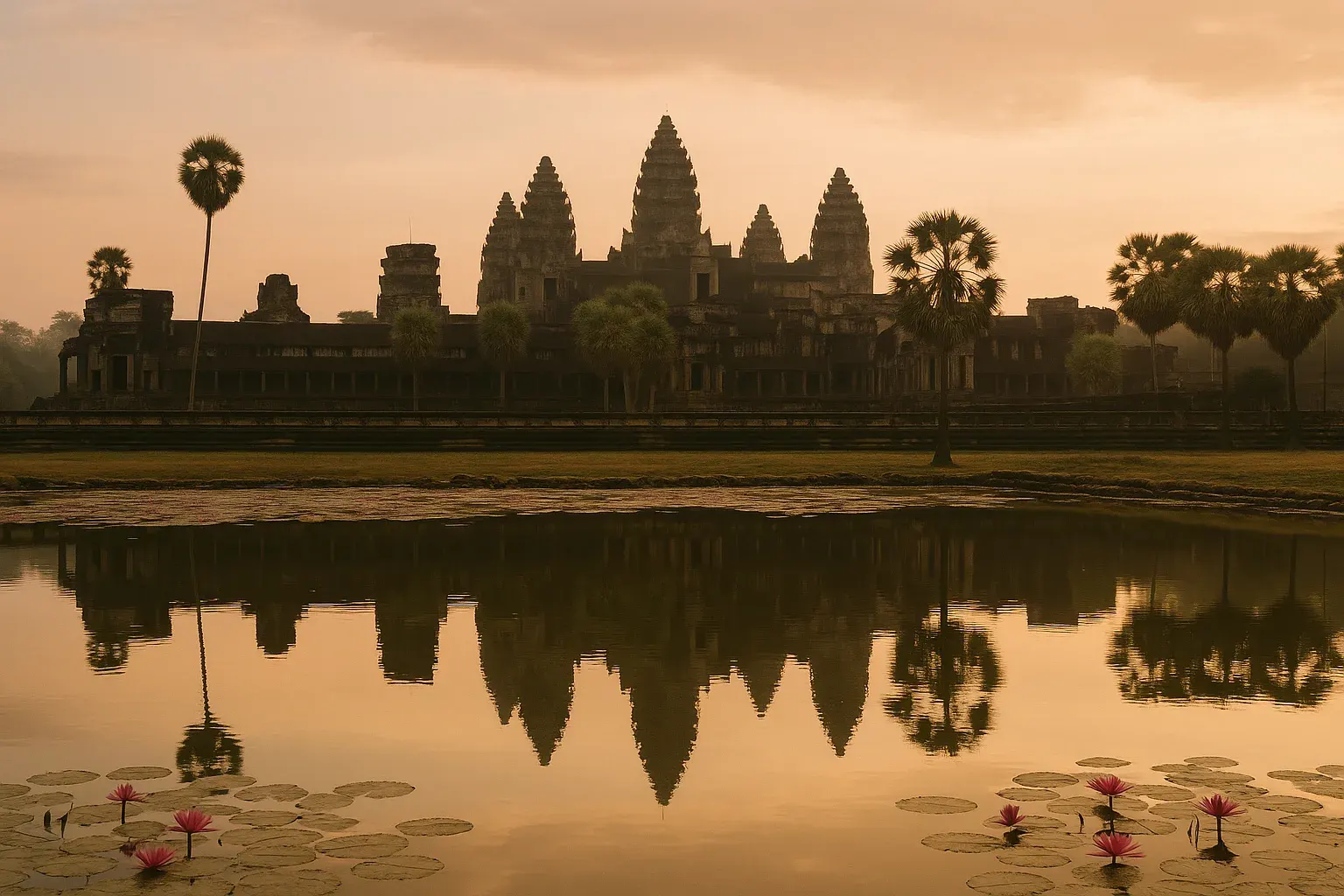
Rising from the Cambodian jungle like a sandstone mirage, Angkor Wat stands as the largest religious monument ever constructed. This 12th-century masterpiece of the Khmer Empire spans over 400 acres and represents the pinnacle of classical Khmer architecture—yet for many visitors, the experience remains surprisingly intimate. Whether you’re chasing the perfect sunrise shot or wandering vine-covered galleries where ancient myths unfold in stone, Angkor rewards those who come prepared.
At Ancient Travels, we believe the world’s greatest archaeological sites deserve more than a quick photo stop. This guide distills everything we’ve learned from decades of exploring Angkor’s temple complexes—from the blockbuster sunrise moments to the quiet corners where you can sit alone with twelve centuries of history.
Getting Organized: Tickets and Logistics
The Angkor Pass: Your Gateway to the Temples
Before you can step onto the causeway of Angkor Wat, you’ll need an Angkor Pass. These cannot be purchased at the temple entrances—instead, head to the official Angkor Ticket Center on Road 60, about 4 kilometers from central Siem Reap. The ticketing complex opens at 4:30 AM for sunrise chasers.
2024 Ticket Prices:
- 1-day pass: $37 USD
- 3-day pass: $62 USD (valid for one week from date of purchase)
- 7-day pass: $72 USD (valid for one month from date of purchase)
The 3-day pass offers the best value for most travelers. It allows you to spread temple visits across a week, avoiding the exhausting “temple overload” that comes from cramming everything into a single day. Your pass includes smartphone entry—photo ID is required at purchase, and guards check passes at multiple points throughout the park.
Getting Around: Tuk-tuks, E-bikes, and Private Cars
The Angkor Archaeological Park covers 400 square kilometers. You cannot walk between major temples—they’re kilometers apart down shaded roads.
Tuk-tuks remain the classic Siem Reap experience. A full-day tuk-tuk rental runs $15-$20 including driver, and your driver will wait patiently at each temple entrance. The open-air design provides welcome breezes between stops. Negotiate your itinerary upfront, but remember: many tuk-tuk drivers know the temples intimately and can suggest hidden gems if you’re flexible.
E-bikes ($8-$12/day) suit younger travelers or those comfortable with Cambodian traffic. The electric assist helps with the park’s gentle hills, and you’ll have complete freedom to explore at your own pace. Stop for roadside sugarcane juice or linger at a quiet ruin longer than any tour schedule allows.
Private cars with AC ($40-$60/day) make sense during April’s brutal heat or for families with children. For the ultimate experience, consider a private guide with vehicle—typically $50-$80 total and worth every dollar if you’re fascinated by Khmer history.
Pro tip: Book your transport the evening before. Siem Reap’s tuk-tuk drivers network informally, and your guesthouse can arrange reliable transportation faster than standing on Pub Street haggling at 5 AM.
When to Visit: Navigating Cambodia’s Seasons
The Dry Season (November–February): Peak Comfort
Coolest temperatures, clearest skies, thickest crowds. December through February offers ideal weather with daytime highs around 80°F (27°C) and virtually no rain. Morning temperatures can dip to 65°F (18°C)—bring a light jacket for sunrise viewings.
This is peak season for good reason, but it transforms Angkor Wat’s west causeway into a shoulder-to-shoulder experience after 7:30 AM. Book accommodation two months ahead for December visits, and expect competition for reflective puddle shots at sunrise.
The Monsoon Season (June–October): Lush Greenery & Fewer Crowds
Sporadic rain, verdant landscapes, near-empty temples. Afternoon thunderstorms are dramatic but brief—rarely interfering with morning temple visits. Rainfall transforms the jungle a vibrant green, and afternoon clouds create surreal lighting for photography.
September and early October can see temple flooding—making some access roads impassable—but the rewards include having Ta Prohm virtually to yourself and watching mist curl around Bayon’s towers. Temple surfaces can be slippery; bring shoes with grip.
The Hot Season (March–May): Sweltering but Strategic
Brutal midday heat, smallest crowds, cheapest rates. Temperatures regularly exceed 95°F (35°C), with humidity approaching 90%. If you visit during these months, embrace the local schedule: temple visits from 5-10 AM, long lunch siesta, return at 4 PM. Many travelers find the empty temples worth the sweat.
The Iconic Experience: Planning Your Angkor Wat Sunrise
There’s a reason thousands set alarms for 4:30 AM. Watching the sun emerge behind Angkor Wat’s five lotus-shaped towers, reflected perfectly in the outer moat, ranks among humanity’s most photographed moments.
The logistics:
- Arrive at the west gate by 5:00 AM minimum
- The best reflection pools are along the northern side of the causeway
- The sun appears between 5:30 AM and 6:15 AM depending on season
- After sunrise, crowds surge inside—consider viewing the interior later
Competitive Edge: Photographer’s Secret Spots
Most visitors cluster at the northern reflecting pool. For equally impressive shots with fewer people, walk to the southern pool (less crowded) or position yourself on the west causeway itself for dramatic silhouette shots against the emerging sun. The library ruins on the left side of the causeway offer framed views through ancient doorways.
After the sun clears the towers, don’t follow the crowd inside immediately. The next 45 minutes offer the best light on Angkor Wat’s exterior bas-reliefs, and most visitors have rushed past them toward the central tower.
Beyond Angkor Wat: Essential Temples of the Complex
While Angkor Wat gives the complex its name and iconic image, the broader archaeological park contains dozens of temples spanning Khmer history. Don’t make the mistake of seeing only Angkor Wat.
Angkor Thom and Bayon: The Face Towers
Entering Angkor Thom through the South Gate—where 54 stone gods and demons line the causeway holding the body of a cosmic serpent—you understand the Khmer Empire’s theatrical sense of power. The complex within represents the fortified city that served as the empire’s final capital.
Bayon Temple stands at Angkor Thom’s center, its 216 massive stone faces gazing in all cardinal directions. These enigmatic smiling faces—possibly representing the bodhisattva Avalokiteshvara or King Jayavarman VII himself—create an atmosphere unlike any other ancient site. The effect is haunting: wherever you walk, eyes seem to follow.
Best time: Early morning (7:00-8:30 AM) before tour buses arrive. The upper terrace offers shade and breeze even at midday.
Ta Prohm: The Jungle Temple
Purposefully left in the semi-ruined state discovered by French explorers, Ta Prohm demonstrates nature’s patient reclamation of human achievement. Massive silk-cotton and strangler fig trees root in temple walls, their trunks flowing over doorways like frozen lava flows. Roots thicker than a man’s height grip stone blocks with geological pressure.
This is the “Tomb Raider temple”—Angelina Jolie’s 2001 film introduced it to millions—but cinematic fame hasn’t diminished its power. The iconic tree growing through the eastern entrance creates natural framing that photographers pilgrimage to capture.
Timing matters: Ta Prohm opens at 7:30 AM. Arrive then for 20 minutes of relative solitude before the first tour groups arrive. Afternoon visits (after 3 PM) also work as tour schedules rarely include late Ta Prohm stops.
Banteay Srei: The Citadel of Women
Located 25 kilometers northeast of the main complex, this 10th-century Hindu temple justifies the extra travel time. Built from pink sandstone that accepts finer carving than the gray stone used elsewhere, Banteay Srei displays the most intricate decorative work in Khmer architecture. Every surface bursts with detail: multi-armed deities, floral motifs, and narrative scenes from Hindu mythology.
The temple’s small scale (it’s one of the smallest major Angkor temples) creates an intimate experience compared to the overwhelming grandeur of Angkor Wat or Bayon.
Getting there: Add Banteay Srei to a morning that includes nearby Kbal Spean (the “River of a Thousand Lingas”) for a full day away from the main crowds.
Practicalities: What to Know Before You Go
Dress Code and Temple Etiquette
Angkor Wat remains an active religious site—Buddhist monks conduct ceremonies in its galleries. Shoulders and knees must be covered for entry to the upper terrace. Lightweight long pants and shirts with sleeves serve double duty: meeting dress codes and protecting against sunburn.
Remove hats when passing active shrines. Never touch carvings or climb on unrestored ruins—the oils from human hands accelerate deterioration.
Health and Safety
Hydration: The tropical heat demands constant water intake. Bring a reusable bottle—most tuk-tuk drivers know where to refill with filtered water.
Footwear: Temple floors are uneven, with loose stones and occasional slippery moss. Closed-toe shoes with grip outperform sandals.
Scams: The ” disabled children” scam (women with unrelated babies begging near temple entrances) persists. While poverty in Cambodia is real, organized begging rings exploit both children and tourists. Donate to established NGOs instead.
How Long to Stay
One day: Angkor Wat sunrise, Bayon, Ta Prohm—the greatest hits. Rushed but doable.
Three days: The sweet spot. Day 1: Angkor Wat sunrise + small circuit (Bayon, Ta Prohm, Terrace of the Leper King). Day 2: Grand circuit (Preah Khan, Neak Pean, Ta Som, East Mebon) plus Banteay Srei. Day 3: Roluos group (earliest temples) or return to favorites.
One week: With a 7-day pass, you can explore at a contemplative pace, revisit temples at different lighting, and include distant sites like Koh Ker or Beng Mealea.
Where to Stay in Siem Reap
Pub Street area: Central, walkable, packed with restaurants and nightlife. Best for first-time visitors who want energy and convenience. The noise carries late—light sleepers should choose accommodations on side streets.
Wat Bo area: Quieter, more residential, with boutique hotels and excellent restaurants. A 10-minute walk to Pub Street but worlds away in atmosphere. Recommended for couples and those seeking local character.
Near the ticket center: Several new hotels cluster near Road 60, closer to the temples. Better for sunrise chasers but isolated at night—tuk-tuks required for dinner.
A Legacy in Stone
Angkor Wat transcends tourism clichés. Yes, the sunrise crowds are real. Yes, the heat can be brutal. But standing alone in Bayon’s galleries at 7 AM, watching light filter through stone faces carved eight centuries ago, reminds you why these temples endured through war, jungle reclamation, and colonial exploitation.
The Khmer Empire once ruled most of Southeast Asia, projecting power from these sandstone walls. Today, Cambodians treat Angkor with a reverence that transcends nationalism—it’s living heritage, not museum exhibit. Visit with patience, respect, and curiosity, and Angkor offers something increasingly rare: genuine awe.
Ancient Travels helps independent explorers experience the world’s archaeological wonders on their own terms. For more Southeast Asian temple guides, consult our [Khmer Empire history hub] and [Southeast Asia ancient travel guide].
Planning your Angkor Wat adventure? The temples await—but they reward those who arrive prepared. Book that 3-day pass, pack your temple shoes, and set your alarm. The sun rises early over the world’s greatest religious monument, and you won’t want to miss it.
Discover More Ancient Wonders
- Bagan: Myanmar’s mystical plain of temples
- Borobudur: Indonesia’s magnificent Buddhist monument
- Machu Picchu: The legendary Inca citadel in Peru
- Hampi: India’s boulder-strewn Vijayanagara ruins
Learn essential skills for archaeological travel with our beginner’s guide to visiting ancient sites and photographing ruins. For budget-conscious travelers, see our budget archaeological travel guide.
Quick Facts
| Attribute | Details |
|---|---|
| Location | Siem Reap, Siem Reap, Cambodia |
| Country | Cambodia |
| Region | Siem Reap |
| Civilization | Khmer |
| Historical Period | c. 802–1431 CE |
| Established | c. 1100 CE |
| Coordinates | 13.4125, 103.8667 |
Frequently Asked Questions
Do I need a guide for Angkor Wat?
A guide isn't required but highly recommended for at least one day—especially for understanding the Hindu mythology in Angkor Wat's bas-reliefs and the history of the Khmer Empire. Expect $25-$40 for a licensed English-speaking guide.
How far is Angkor Wat from Siem Reap?
The main temple is 7 kilometers (15-20 minutes by tuk-tuk) from downtown Siem Reap. The ticket center is a separate location, 4 kilometers from town.
Can I climb Angkor Wat's towers?
Yes, but the Bakan (third level) has limited capacity and steep steps. It is open 7:30-5:00 with lines forming by 9 AM. Dress modestly—shoulders and knees must be covered.
Nearby Ancient Sites
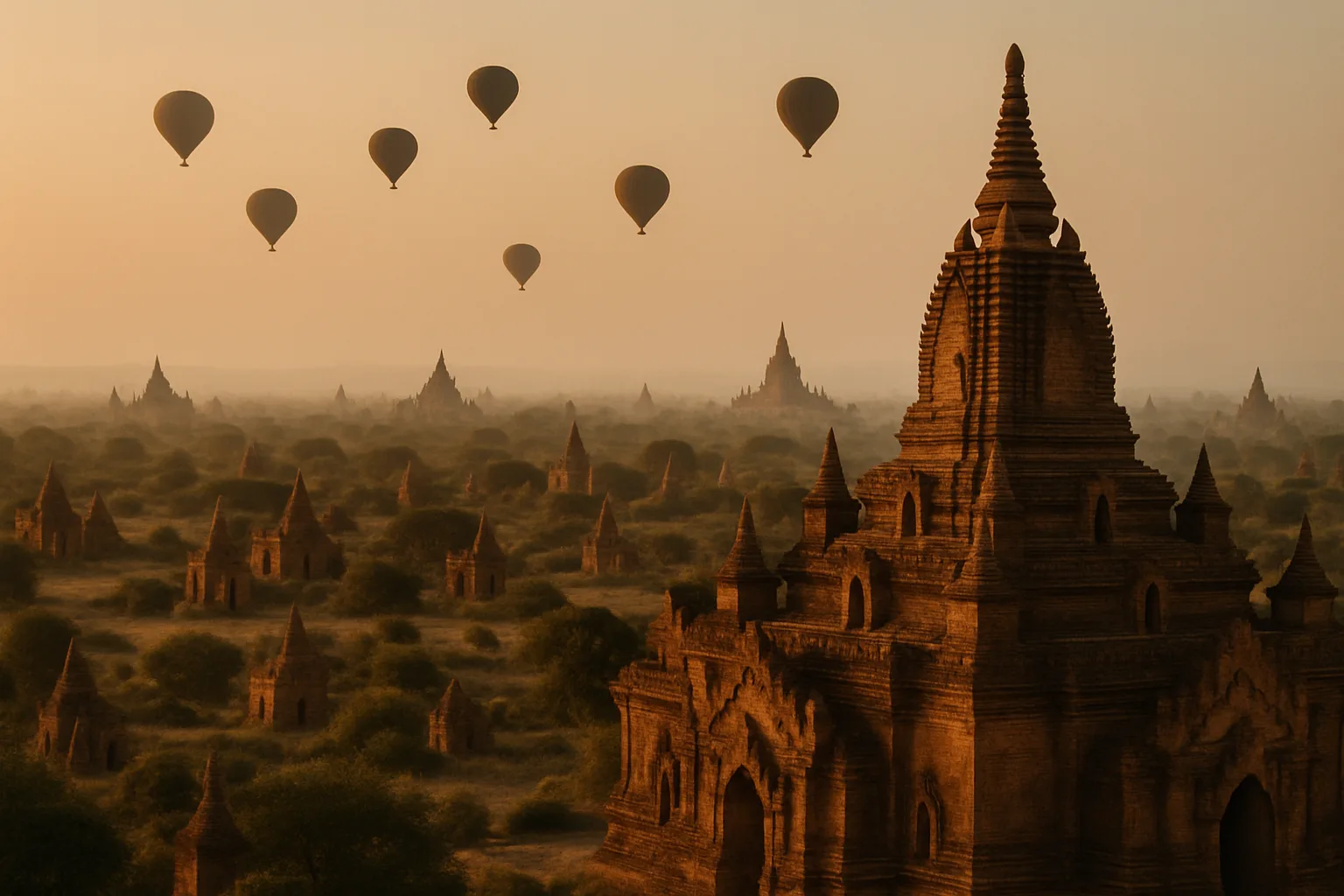
Bagan: 2,000 Temples Rising from the Myanmar Plains
Pagan Kingdom (Burmese)Explore Bagan, Myanmar's ancient temple city with over 2,000 surviving pagodas scattered across the ...
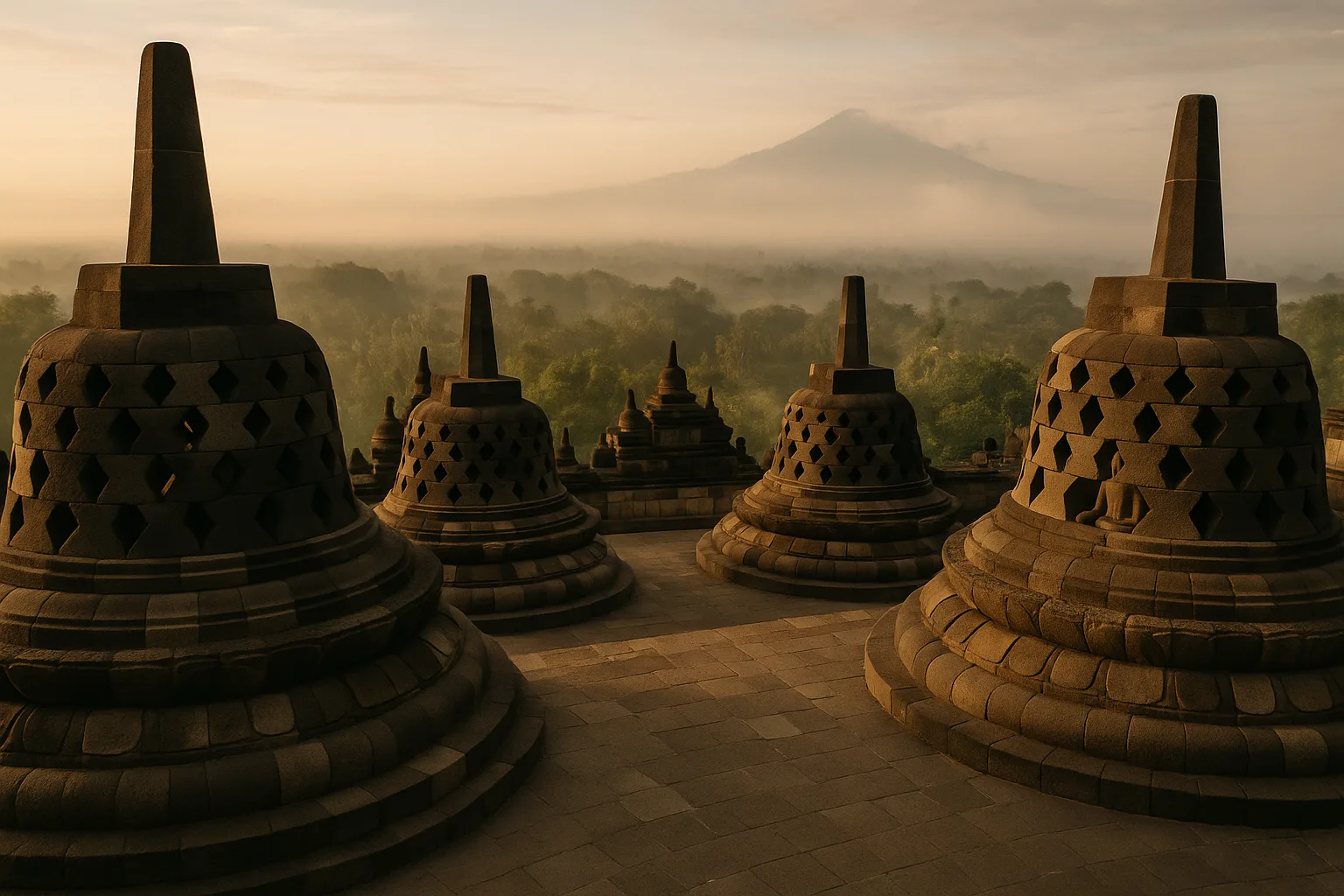
Borobudur Temple, Indonesia: The Sacred Mountain of a
Sailendra Dynasty (Buddhist)Discover Borobudur, the world's largest Buddhist temple and Indonesia's most visited attraction. Com...