Quick Info
Curated Experiences
Byblos, Jeita Grotto & Harissa Day Trip from Beirut
Discover Byblos: Ancient Phoenician City Tour
Full-Day Byblos and Northern Lebanon Tour
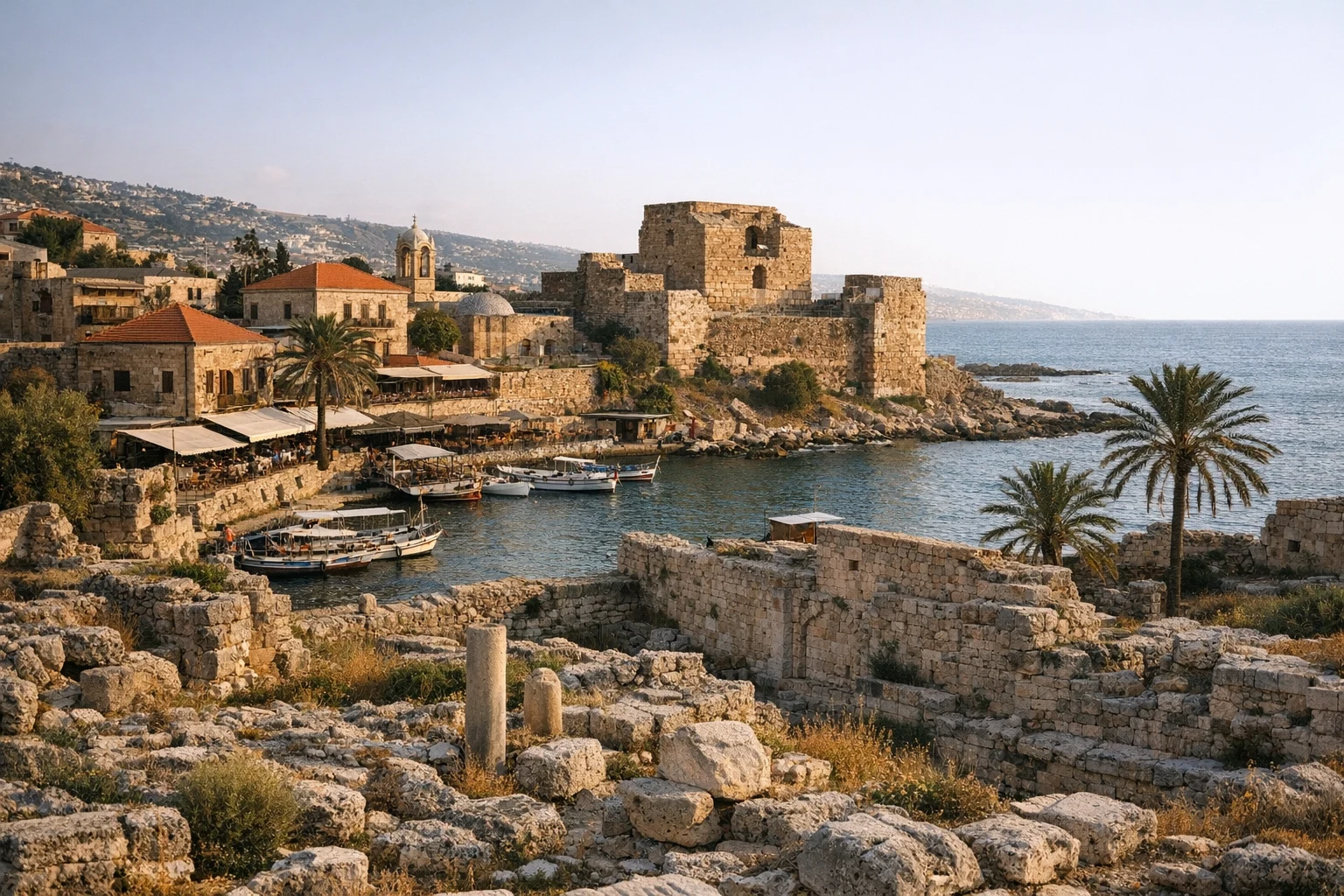
Nestled on the Mediterranean coast of Lebanon, Byblos stands as a breathtaking testament to humanity’s enduring connection with the sea and to each other. Often regarded as one of the world’s oldest continuously inhabited cities, Byblos is a place where ancient and modern worlds peacefully coexist. With its strategic location some 37 kilometers north of Beirut, Byblos—called Jbeil in Arabic—has served as a crossroads for cultures, commerce, and faith for over 7,000 years. Here, in the Mount Lebanon Governorate, sunlight glances off the timeworn stones of Phoenician temples, Roman roads, and Crusader fortresses, while the tang of brine rises from the ancient harbor that once launched timber-laden ships across the Mediterranean.
Visitors arriving in Byblos are often struck by its unique harmony of old and new. Wandering through the archaeological site’s layered ruins, you’ll stand where Neolithic worshippers honored forgotten gods, where Phoenician scribes shaped the earliest forms of the alphabet, and where Hellenistic traders and Roman soldiers left their indelible marks. The old souks, with their cobblestone alleys and vibrant shops, create a living museum, echoing with the hum of daily life and the distant calls of the sea. Remarkably preserved and effortlessly welcoming, Byblos is more than an archaeological relic—it is a city with a vibrant soul, offering travelers not only a journey into the past but a sensorial feast in the present. Whether you come for the ruins, the seafood, or the maze of old streets filled with laughter and music, Byblos invites you to linger and listen to the voices of history carried on the Mediterranean breeze.
History
Prehistoric and Neolithic Beginnings
Byblos’ story begins in the depths of prehistory. Archaeological investigations reveal that settlement at this site started as early as 5000 BCE, making it one of the world’s longest continuously inhabited places. Excavations unearthed remnants of circular huts and stone tools pointing to its Neolithic origins. Its ideal location beside the sea and its proximity to nearby forests made Byblos an attractive home for early communities; the resources allowed for fishing, basic agriculture, and rudimentary trade. As the Bronze Age dawned, Byblos developed into a fortified town whose prosperity would soon become legendary.
The Rise of Phoenician Byblos
By the third millennium BCE, Byblos grew into a vital center of the Phoenician civilization. Its greatest wealth came from the trade in cedar wood; extensive stands of cedar in the Lebanese mountains made Byblos the go-to port for timber, particularly prized for shipbuilding and monumental architecture by civilizations such as Egypt. Strong commercial ties with Egypt, especially during the Old and Middle Kingdoms, resulted in reciprocal trade, cultural exchange, and even the presence of Egyptian religious cults in Byblos, as evidenced by the Temple of the Obelisks and hieroglyphic inscriptions found on site.
This ancient seafaring city is famously associated with the development of the earliest alphabets. The Phoenician script, foundational to modern writing systems, was innovated and refined in Byblos, revolutionizing not just trade records and communication, but eventually the entire literate world. The Greek word for papyrus—byblos—reveals how papyrus imported through this port lent its name to both the city and, later, the Bible itself.
Classical and Hellenistic Eras
Byblos maintained its prestige during the Persian and Hellenistic periods (c. 538–64 BCE). The Persians made Byblos a part of their imperial system, but the city retained a degree of autonomy. Greek rule following Alexander the Great’s conquests brought new urban layouts, religious practices, and artistic influences. The city’s strategic port and robust trade network allowed Byblos to flourish as a meeting point for eastern and western cultures, even under shifting powers.
Roman, Byzantine, and Crusader Periods
Incorporation into the Roman Empire brought new grandeur to Byblos in the first century BCE. Romans beautified the city with colonnaded streets, public baths, and a grand theater, parts of which still awe visitors today. Christianity spread through the region in the Byzantine era, leading to new public buildings and basilicas, sometimes constructed with blocks from earlier pagan temples.
The early medieval period saw Byblos conquered by Arab armies in the 7th century CE, and then by Crusaders in the late 11th century. The Crusader castle, built atop Phoenician and Roman ruins, remains an iconic feature of Byblos’ skyline and a powerful reminder of the town’s medieval significance as “Gibelet.” Despite subsequent episodes of destruction and rebuilding—by the Mamluks, Ottomans, and into the modern age—Byblos’ allure as a Mediterranean hub has persisted, reflected today in its status as a UNESCO World Heritage site since 1984.
Key Features
Byblos astounds visitors with its irresistible blend of ruins, vibrant markets, and seaside charm. The heart of its archaeological site unfolds over seven millennia of history, where carefully excavated layers reveal temples, city gates, tombs, and homes from different epochs. Dominating the site is the mighty Crusader Castle, a 12th-century fort built using massive Roman and Phoenician stones scavenged from older monuments. Climbing to its ramparts, you are rewarded with panoramic vistas stretching from the sea-washed harbor to the distant Mount Lebanon ranges, while inside, museum displays bring Byblos’ contraband tombs and intricately carved sarcophagi to life.
Just south of the castle lies the Temple of the Obelisks, one of Byblos’s oldest surviving structures, dating back to the third millennium BCE. The temple complex is strewn with dozens of standing obelisks—some small and altar-like, some massive—which once served as focal points for Phoenician worship. The nearby L-Shaped Temple reveals the city’s Bronze Age sophistication, with ongoing excavations providing new glimpses into the ancient world. Other architectural marvels include the city’s Roman road, now a scenic avenue lined with fragments of columns and underfoot mosaics, and the Crusader-era city walls still enclosing the archaeological park.
Beyond the primary ruins, Byblos’ modern Old Souk (bazaar) is itself a historic wonder. Here, narrow stone alleys wind between Ottoman-era houses and lively shops brimming with crafts, spices, jewelry, and traditional snacks. Inviting cafés spill onto the pavement, often with views of the Mediterranean and the fishing port beyond, where age-old traditions continue. The port itself, once the lifeline of Phoenician trade, remains dotted with modest fishing boats and is ringed by seafood restaurants offering unparalleled sunset views. For a deeper dive into the city’s storied past, the Byblos Fossil Museum and the Wax Museum showcase a quirky, engaging lens into both ancient ecosystems and historical personalities—from Phoenician kings to Crusader lords.
An essential stop is the Church of St. John the Baptist, founded in 1115 by the Crusaders. This Romanesque church, resting at the edge of the archaeological zone, displays striking stonework and a welcoming garden. Scattered throughout the city are commemorative stones and discreet plaques that narrate the site’s historical timeline, inviting each visitor to piece together the portraits of Byblos through the senses—rough stone underfoot, the sweet scent of orange blossom, the thrum of life echoing from the harbor.
Getting There
Byblos is ideally located for visitors touring Lebanon’s fabled coastline. The city lies about 37 kilometers north of Beirut, making it a straightforward day trip or weekend retreat. Most travelers arrive from Beirut, either by private taxi, public bus, or organized day tour.
Taxis and ride-hailing services (such as Uber or local companies) provide the quickest and most direct route, especially for groups or families. Expect fares to range from $25 to $40 USD one way, with journey times varying from 40 minutes to just over an hour, depending on traffic. Many drivers are happy to wait while you tour the site and return for a negotiated price.
For the more budget-conscious, minibuses depart regularly from the Charles Helou Bus Station in Beirut. These white-and-blue buses head north towards Tripoli, stopping at Jbeil (Byblos) en route. Fares are typically under $2 USD each way, making this an affordable, if slightly less comfortable, option. Buses may be crowded during peak hours and schedules can be variable—ask station staff or locals to confirm departure times.
A growing number of visitors opt for organized group tours, many of which combine Byblos with other northern Lebanese highlights such as Jeita Grotto and Harissa. These can be booked through local agencies or internationally on platforms like Viator and include transport, guides, entrance fees, and sometimes lunch. This is an especially good option for travelers keen to maximize their time and learn more about Byblos’ layered history.
For the more adventurous, car rental is also an option, but be prepared for Lebanese traffic and occasionally unclear signage. There is ample parking near the archaeological site and the harbor. No matter how you arrive, the city center is compact and easily explored on foot once you’ve arrived.
When to Visit
Byblos enjoys a quintessential eastern Mediterranean climate, featuring mild, rainy winters and warm, candescent summers. The most pleasant time to visit Byblos is during the spring (March to May) and fall (September to November), when temperatures range from 18°C to 28°C (64°F to 82°F), humidity is lower, and the air is crisp with blossoming orange trees and wildflowers carpeting the hills. During these shoulder seasons, the archaeological sites are at their best—lush, sunlit, and not overcrowded—making explorations both comfortable and photogenic. You’ll often find local festivals and concerts enlivening the city’s open spaces, particularly in May and September.
Summers (June to August) are sun-baked and lively, with temperatures in the 30s–sometimes tipping past 35°C (95°F). The city welcomes an influx of beachgoers, and its vibrant nightlife is in full swing, but the heat can make daytime exploration strenuous. If you come in summer, plan visits to the ruins in the early morning or late afternoon, and savor the sea breezes at local cafes during midday.
Winters, from December through February, are mild compared to much of Europe, but rainfall is frequent and occasionally heavy. Many outdoor events shift indoors, and some tourist facilities may reduce hours, but the smaller crowds and moody Mediterranean skies have their own appeal. Always bring layers—evenings can be cool year-round, and a light rain jacket is wise between November and March.
If your priority is the best mix of weather and vibrancy, late April through early June, or late September through early November, offer ideal conditions: warm days, cooler nights, and fewer crowds. Byblos’ allure endures in any season, but these months let its magic shine with particular clarity.
Quick Facts
| Attribute | Details |
|---|---|
| Location | Byblos (Jbeil), Mount Lebanon Governorate, Lebanon |
| Coordinates | 34.123° N, 35.6519° E |
| UNESCO World Heritage | Yes (Inscribed 1984) |
| Ancient Civilizations | Phoenician, Egyptian, Greek, Roman, Crusader, Byzantine, Ottoman |
| Time Periods | Neolithic (~5000 BCE) to present |
| Key Sights | Archaeological site, Crusader Castle, Phoenician temples, Roman road, Old Souk, harbor |
| Nearest Major City | Beirut (37 km south) |
| Entry Fees | Approx. 8,000–12,000 LBP (~$0.50–0.75 USD) |
| Best Season to Visit | Spring (March-May) and Fall (September-November) |
| Accessibility | Easily reached by taxi, bus, or organized tour |
| Local Name | Jbeil (جبيل) |
| Cuisine Highlights | Seafood meze, fresh fish, Lebanese street foods |
| Language Used | Arabic (local), English and French widely spoken at tourist venues |
Frequently Asked Questions
What is the best way to reach Byblos from Beirut?
Byblos is easily accessible from Beirut via taxi, bus, or organized tour. Taxis cost around $25-40 USD one way, while buses cost less than $2.
Are there entrance fees for the archaeological site in Byblos?
Yes, the entrance fee to Byblos’ main archaeological site is typically around 8000–12000 Lebanese pounds (about $0.50–0.75 USD, subject to local exchange).
Can you visit Byblos year-round?
Byblos is open year-round, but spring and autumn are the most comfortable seasons for exploring the ruins and walking the old city.
Is Byblos suitable for families and children?
Absolutely! Byblos offers easy walks, informative museums, and safe open spaces, suitable for all ages.
Is there signage or information in English at Byblos?
Yes, most signs at the main sites are in Arabic, French, and English, making it accessible for international visitors.
Nearby Ancient Sites
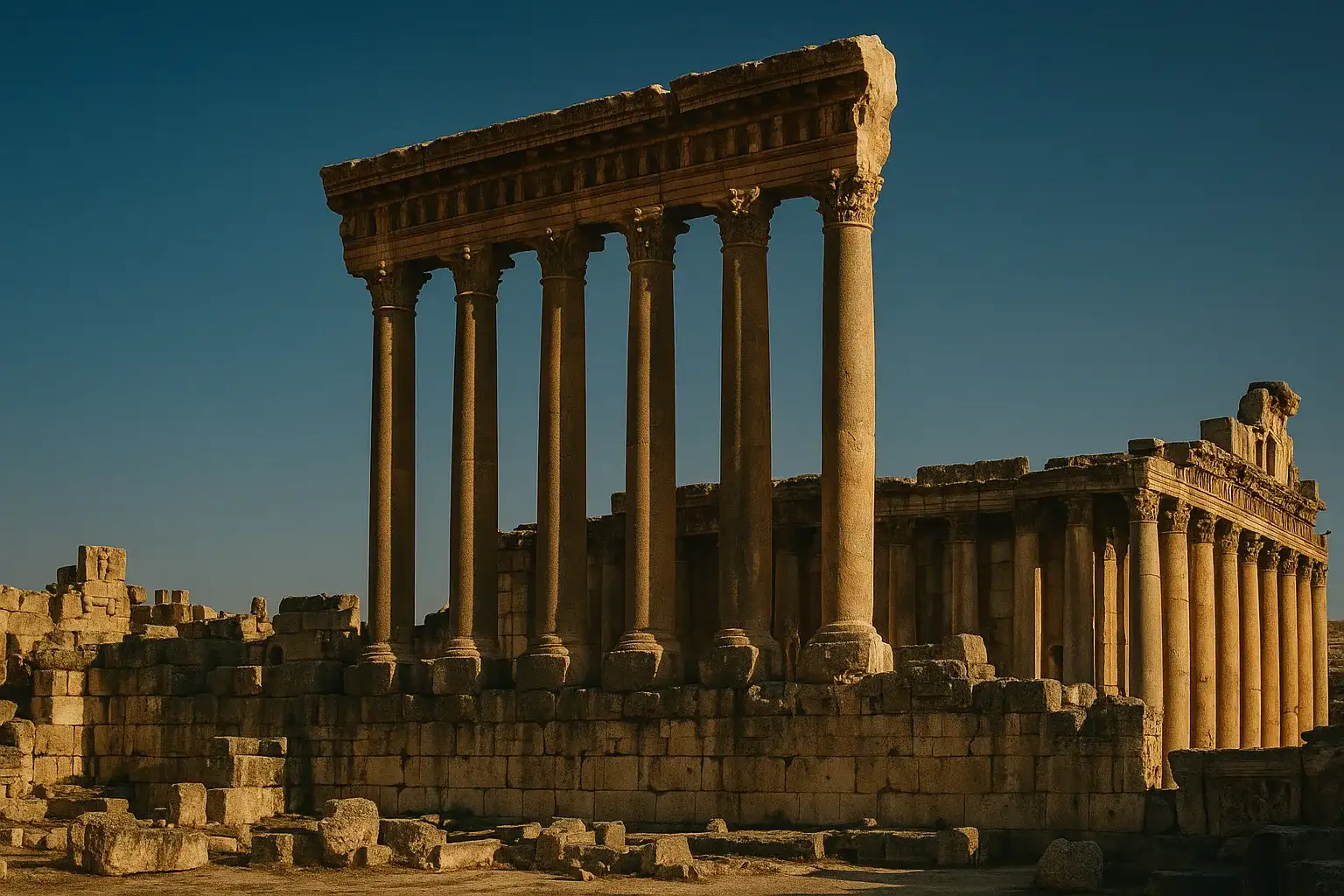
Baalbek: Rome's Mightiest Temple Complex in Lebanon's Beqaa
Roman / PhoenicianExplore Baalbek's colossal Roman temples, including the best-preserved Temple of Bacchus. Discover t...
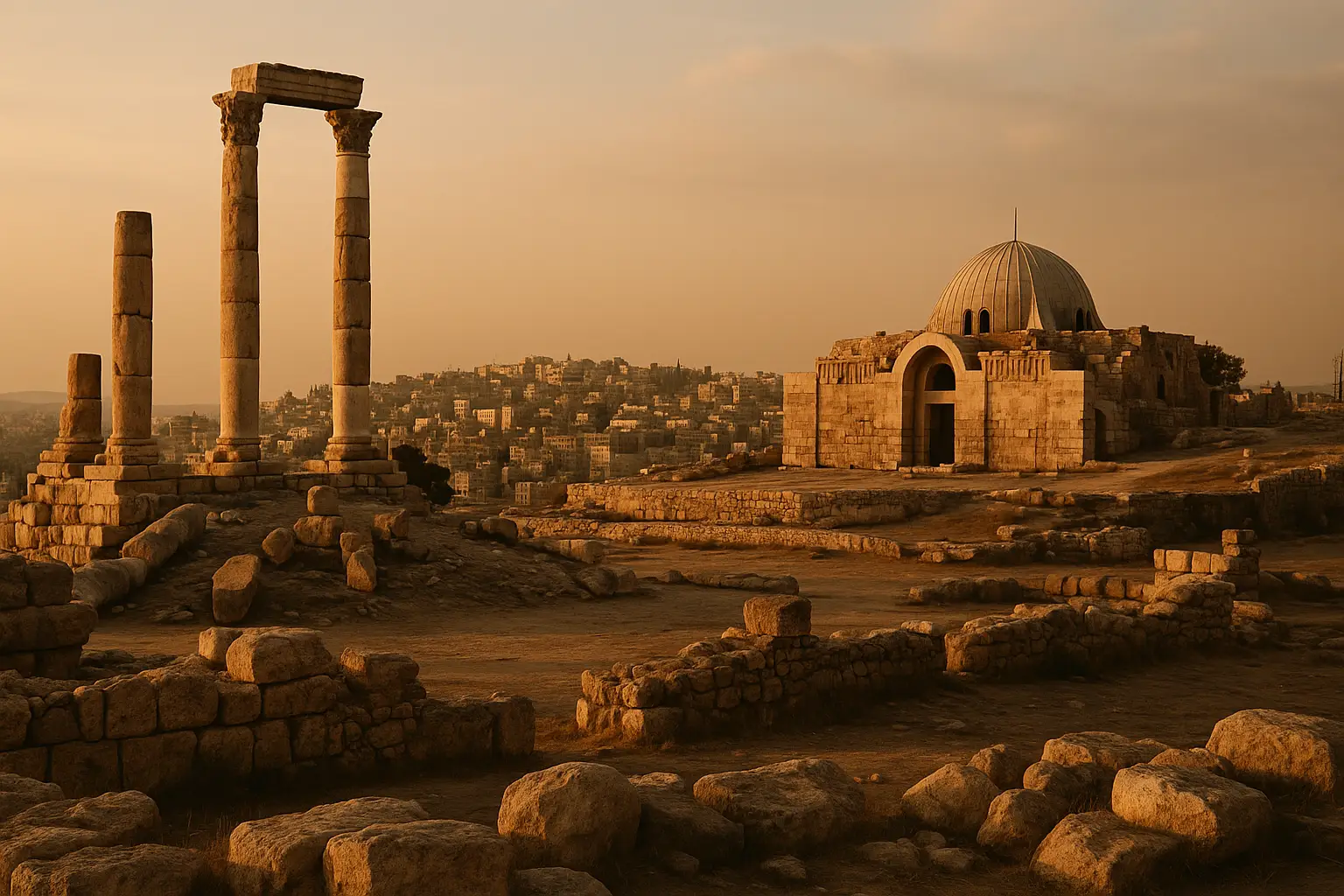
Amman Citadel Jordan Guide 2026: Temple of Hercules & Ancient Rabbah
Ammonite-Roman-UmayyadExplore Jordan's ancient citadel overlooking modern Amman. Discover the Temple of Hercules, Umayyad ...
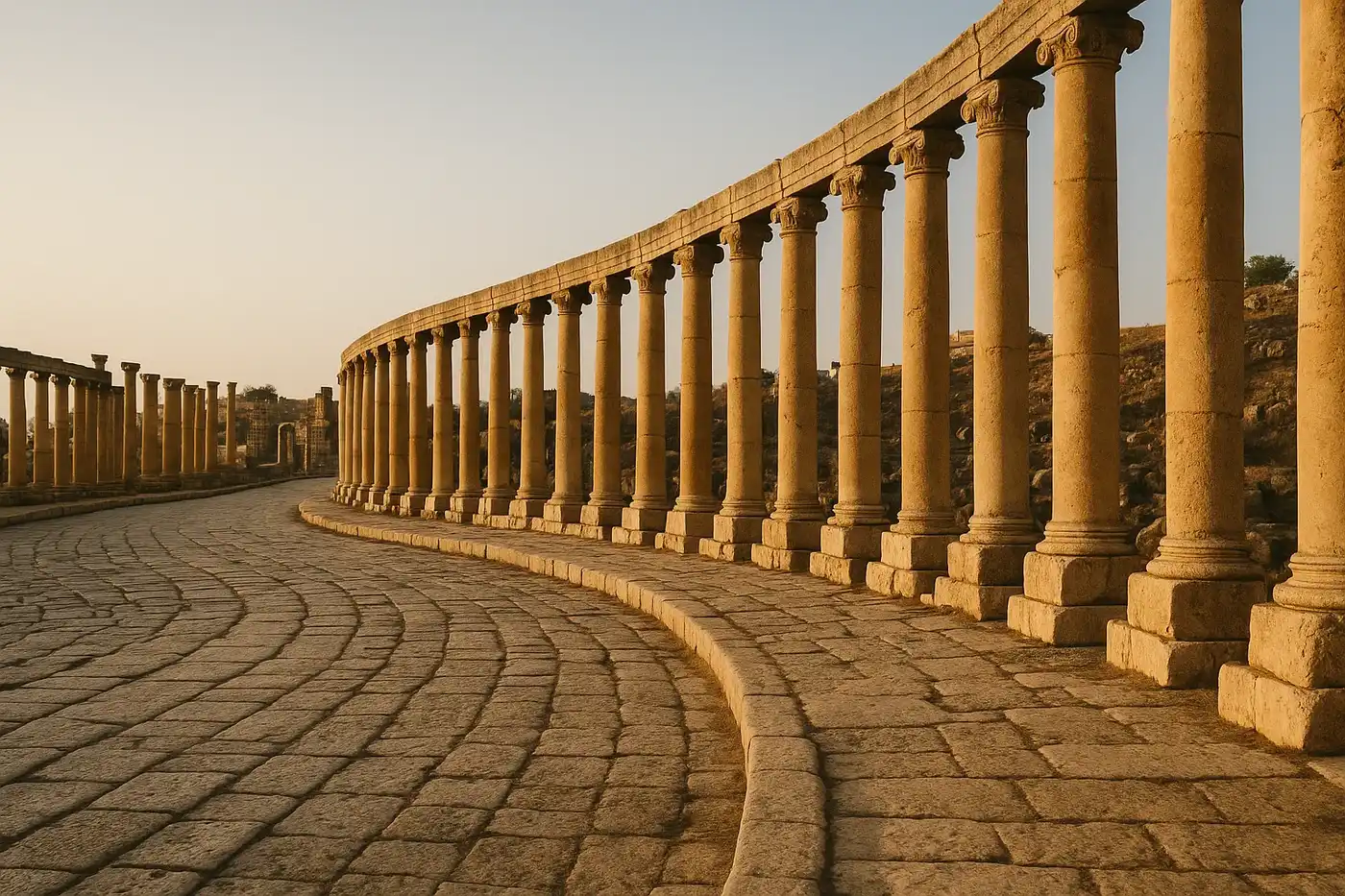
Jerash: The Pompeii of the East and Jordan's Best-Preserved
Roman / NabataeanDiscover Jerash, Jordan's remarkable Roman ruins. Walk the colonnaded streets of ancient Gerasa, exp...