Quick Info
Curated Experiences
Byodoin Temple & Uji Guided Day Trip from Kyoto
Nara & Uji Full-Day Tour with Byodoin Visit
Kyoto & Uji UNESCO Heritage Private Tour
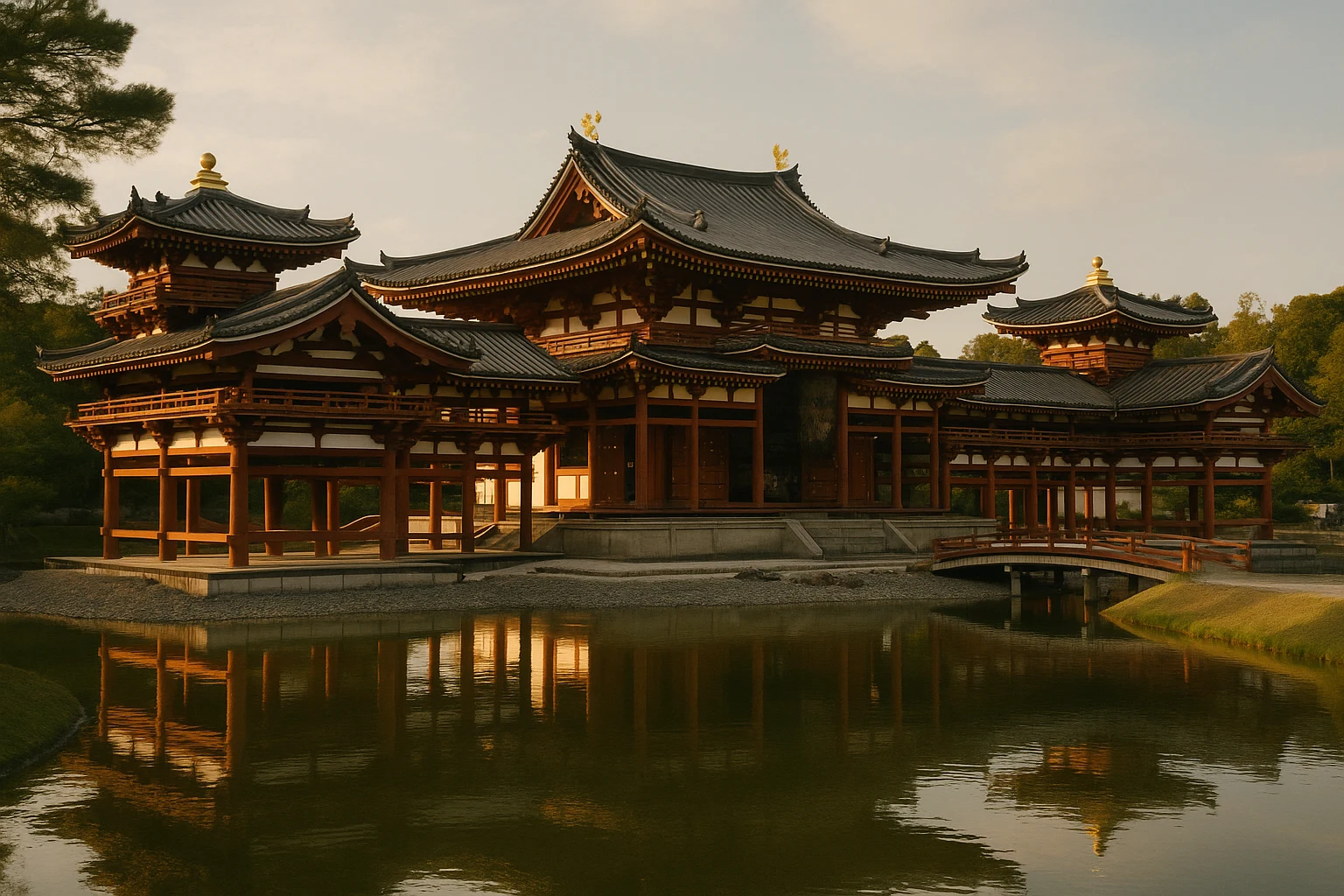
Standing at the edge of a still lotus pond in the riverside town of Uji, the Phoenix Hall of Byodoin Temple presents one of the most recognized silhouettes in all of Japanese architecture. Built in 1052 and remarkably intact after nearly a thousand years, the hall seems to hover just above its own reflection, its sweeping copper-green roofline flanked by pavilion wings that mirror the outstretched flight of a phoenix. Byodoin Temple sits in Kyoto Prefecture, roughly twenty kilometers south of central Kyoto, yet the site feels removed from the city’s tourist pulse — quieter, more contemplative, anchored to a sense of deep time that few historic sites in Japan manage to sustain with such grace. The town of Uji itself is Japan’s most celebrated green-tea-producing region, and the scent of roasted matcha drifting from the tea shops lining the main street only deepens the sensation that you have stepped sideways out of modernity. For any traveler with even a passing interest in Japanese history, Buddhist art, or simply extraordinary architecture set into a beautiful natural landscape, Byodoin is not a detour — it is a destination in its own right.
History
Fujiwara Origins: A Villa on the Uji River
The land on which Byodoin stands has been prized since antiquity. The Uji River, flowing swiftly from Lake Biwa toward Osaka Bay, made this stretch of shoreline strategically and scenically valuable. By the late tenth century the site had come into the possession of Minamoto no Toru, a minister of state and one of the great aesthetes of the early Heian court, who developed it as a private garden villa. The property later passed to Fujiwara no Michinaga — the most powerful regent in Heian history and the man many historians identify as the inspiration for Prince Genji in Murasaki Shikibu’s Tale of Genji — who used the villa as a retreat from the political theater of the capital.
Conversion to a Temple: 1052
When Michinaga’s son Yorimichi inherited the estate in 1052, he made a decision that would secure its survival across the centuries: he consecrated the villa as a Buddhist temple. The conversion was not merely administrative. Yorimichi commissioned the construction of the Amida Hall — now known universally as the Phoenix Hall — as a physical representation of Sukhavati, the Western Pure Land paradise described in the Amitabha Sutra. The date of the conversion, 1052, carried its own weight: according to the mappo calendar widely accepted in Heian Buddhism, that year marked the beginning of the final degenerate age of the dharma, when direct attainment of enlightenment without Buddha’s grace would become impossible. Building a hall that embodied paradise on earth was, for the Fujiwara, both an act of devotion and an insurance policy against cosmic decline.
The Architecture of the Pure Land
The Phoenix Hall was designed by an unknown architect working to a vision of unprecedented ambition. Unlike the enclosed worship halls typical of earlier Japanese Buddhism, the Ho-o-do was built to be seen from across water — a deliberate theater of approach that invited the devotee to experience the sensation of arriving at the Pure Land by boat. Central pavilions, corridor wings, and tail pavilions stretch across the pond’s edge in a composition that conveys flight without sacrificing structural clarity. Two bronze phoenixes were mounted atop the central roof ridge at the time of construction; the originals survived for centuries before being moved to the Hoshokan treasury museum, where they can still be studied at close range.
Survival, Decline, and Preservation
The Fujiwara clan’s fortunes faded dramatically during the twelfth century as samurai clans displaced aristocratic regents as Japan’s true power holders. Byodoin, stripped of patronage, fell into neglect. Parts of the original complex — subsidiary halls, gates, garden pavilions — were lost to fire or simply deteriorated beyond repair. Yet the Phoenix Hall itself survived, a remarkable testament to the quality of its original construction and, in later centuries, to the efforts of successive generations of priests and craftsmen who undertook periodic repairs. The temple passed through the custodianship of both Tendai and Jodo Buddhist sects, and today is jointly administered by both, a coexistence that reflects the site’s layered history. In 1994, Byodoin was inscribed as a UNESCO World Heritage Site as part of the Historic Monuments of Ancient Kyoto cluster — one of seventeen properties in that designation — and a major structural restoration of the Phoenix Hall completed in 2014 returned the building’s exterior to something close to its original appearance, including the restoration of the hall’s vivid original coloring of vermilion lacquer, green copper fittings, and gold leaf accents.
Key Features
The Phoenix Hall (Ho-o-do)
The Phoenix Hall is the architectural and spiritual center of Byodoin, and no description quite prepares a visitor for the experience of seeing it in person. The central hall rises from the water’s edge on a low podium, its sweeping hip-and-gable roof — irimoya-zukuri in Japanese terminology — capped by the two famous bronze phoenix birds whose wings catch the light in a way that animated copper rarely does. The flanking corridor wings extend symmetrically on either side of the central hall, terminating in small tail pavilions, while a rear corridor completes a composition that reads like a bird in flight when seen from the prescribed vantage point across the pond. Interior access to the hall is timed and limited to small groups, ensuring that the single gilded Amida Nyorai statue carved by the master sculptor Jocho in 1053 can be appreciated in the way it was intended — seated in a halo of carved wooden clouds populated by fifty-two apsara-like Bodhisattva figures, each playing a musical instrument or in a posture of devotion. Jocho’s Amida is considered the definitive expression of wayō Buddhist sculpture, the quintessential Japanese interpretation of imported Tang Chinese forms.
The Hoshokan Treasury Museum
The Hoshokan, opened in 2001 and designed to blend with its historic surroundings while providing climate-controlled preservation conditions, houses the objects that were too fragile or too valuable to remain in the Phoenix Hall itself. The two original bronze phoenixes from the roof ridge are displayed here at eye level, giving visitors the rare opportunity to examine details — the feather articulation, the casting seams, the oxidized surfaces — that are invisible from the garden. The museum also holds the original temple bell, dated to the Heian era and considered one of the three most beautiful in Japan, decorated with a pattern of phoenixes and celestial musicians in high relief. Twenty-six of the original fifty-two cloud Bodhisattva figures are displayed in the museum as well, having been replaced in the hall by faithful replicas; the originals reveal traces of polychrome pigment that suggest the interior’s original spectacular coloring.
The Garden and Pond
Byodoin’s garden is a surviving example of the Heian-period art of jodo teien — Pure Land garden design — in which water, stone, and plantings were arranged to evoke the paradise landscape described in Buddhist scripture. The central pond, Ajiike, is roughly rectangular and fed by a channel connected to the Uji River, ensuring that lotus plants bloom through summer and that the water quality sustains the hall’s famous reflection. Stone lanterns and carefully positioned rocks punctuate the garden edges, and wisteria arbors to the northwest of the hall bloom lavishly in mid-May. Unlike the raked gravel gardens of Zen Buddhism that dominate the Kyoto imagination, this garden is lush, soft-edged, and deliberately romantic — more in the spirit of the courtly poetry and novels that Byodoin’s era produced.
Getting There
Uji is exceptionally well connected from both Kyoto and Nara, making Byodoin one of the most accessible major heritage sites in the Kansai region.
From Kyoto Station: The JR Nara Line runs direct to Uji Station (JR) in approximately 18 minutes, with trains running frequently throughout the day. The IC card fare is ¥240. From Uji Station (JR), the temple is a ten-minute walk following signage across the Uji Bridge.
From Kyoto (Kintetsu line): Kintetsu Kyoto Line trains from Kintetsu Kyoto Station run to Kintetsu Uji Station in approximately 30 minutes with a change at Kintetsu Tanbabashi, fare around ¥310. Kintetsu Uji Station is marginally closer to the temple entrance than the JR station.
From Nara: Take the JR Nara Line toward Kyoto and change at Kizugawa or Joyo for Uji. Total journey approximately 35–45 minutes. This routing makes a Nara–Uji–Kyoto itinerary practical in a single day.
From Osaka: Take the JR Osaka Loop Line to Tenmabashi, then the Kintetsu Kyoto Line, or use the JR route via Kyoto. Total journey approximately 55–70 minutes depending on routing.
On arrival: Byodoin’s entrance is on the south bank of the Uji River, a two-minute walk from either train station. Taxis are available but rarely necessary given the distances involved. The temple does not have a dedicated parking area, and driving is not recommended during peak seasons.
When to Visit
Byodoin is worth visiting in any season, but the timing of your trip will shape the experience significantly.
Spring (late March to mid-April) is peak cherry-blossom season along the Uji River, and the sakura framing the Phoenix Hall across the pond is as close to a cliché of Japanese beauty as a traveler is likely to find. Crowds are substantial during this period, and weekend visits should be approached with patience. Arrive before 9 AM to photograph the hall in morning light before the tour groups arrive.
Late May to mid-June brings wisteria bloom on the temple grounds and vivid green new growth in the garden. This is arguably the most underrated time to visit: crowds are thinner than cherry season, the garden is lush, and the overcast skies common in early rainy season produce soft, even light that is ideal for photography.
Summer (July–August) is hot and humid, but the lotus flowers blooming in the pond — a Buddhist symbol of enlightened purity — are at their finest from late July into August. Early morning visits are essential; by midday the heat is difficult.
Autumn (mid-November) delivers red and gold foliage around the pond, framing the hall in colors that complement its restored vermilion exterior. This is the second peak crowd season after spring.
Winter (December–February) is the least visited time and, on clear days, can be the most serene. Light snowfall occasionally dusts the Phoenix Hall roof, and without foliage the architectural lines of the hall read with particular clarity.
| Quick Facts | |
|---|---|
| Location | Uji, Kyoto Prefecture, Japan |
| Coordinates | 34.8894° N, 135.8076° E |
| UNESCO Status | World Heritage Site (1994) |
| Founded | 1052 (temple consecration by Fujiwara no Yorimichi) |
| Original Structure | Late 10th century villa |
| Primary Deity | Amida Nyorai (Amitabha Buddha) |
| Admission | ¥700 garden; ¥300 additional for Phoenix Hall interior |
| Opening Hours | 8:30 AM – 5:30 PM daily |
| Nearest Station | Uji Station (JR Nara Line, 10-min walk) |
| Travel Time from Kyoto | ~18 minutes (JR Nara Line) |
| Best Season | Spring (cherry blossom) or late autumn (foliage) |
| Museum | Hoshokan Treasury (original bronze phoenixes, bell, sculptures) |
Frequently Asked Questions
Is Byodoin Temple worth visiting from Kyoto?
Absolutely. Byodoin is only 20 minutes from Kyoto Station by JR or Kintetsu train, making it an easy and deeply rewarding half-day excursion. The Phoenix Hall is one of the finest surviving examples of Heian architecture anywhere in Japan.
How much does it cost to enter Byodoin Temple?
General admission to the temple garden is ¥700 for adults and ¥400 for children. Entry to the Phoenix Hall interior requires a separate timed ticket (¥300 additional) and numbers are strictly limited, so purchase it at the ticket window as soon as you arrive.
When is the best time to visit Byodoin Temple?
Spring (late March to mid-April) offers cherry blossoms along the Uji River, while mid-June brings blooming wisteria on the temple grounds. Autumn foliage in November is spectacular. Weekday mornings in shoulder season give you the fewest crowds and the best light on the pond.
How long should I spend at Byodoin Temple?
Plan at least two hours: one for the garden and exterior, thirty minutes for the Phoenix Hall interior tour (conducted on a timed schedule), and additional time for the Hoshokan treasure museum, which houses the original gilded phoenix statues and bell.
What is Byodoin Temple famous for internationally?
The Phoenix Hall — Ho-o-do — is so iconic that it appears on the reverse of the Japanese ten-yen coin and the ¥10,000 note. The temple is also a UNESCO World Heritage Site, inscribed in 1994 as part of the Historic Monuments of Ancient Kyoto.
Can I visit Byodoin Temple year-round?
Yes, the temple is open every day of the year except during certain New Year periods. Hours are generally 8:30 AM to 5:30 PM, with the last admission at 5:15 PM. The Phoenix Hall interior closes slightly earlier, and night illumination events occur seasonally.
Is Uji worth spending more than a few hours in?
Uji rewards a leisurely half-day or even a full day. Beyond Byodoin, the town is Japan's premier green-tea-producing region, with tea shops lining the main street, the Uji River promenade for walking, and Ujigami Shrine — the oldest surviving Shinto shrine in Japan — a short stroll away.
Nearby Ancient Sites
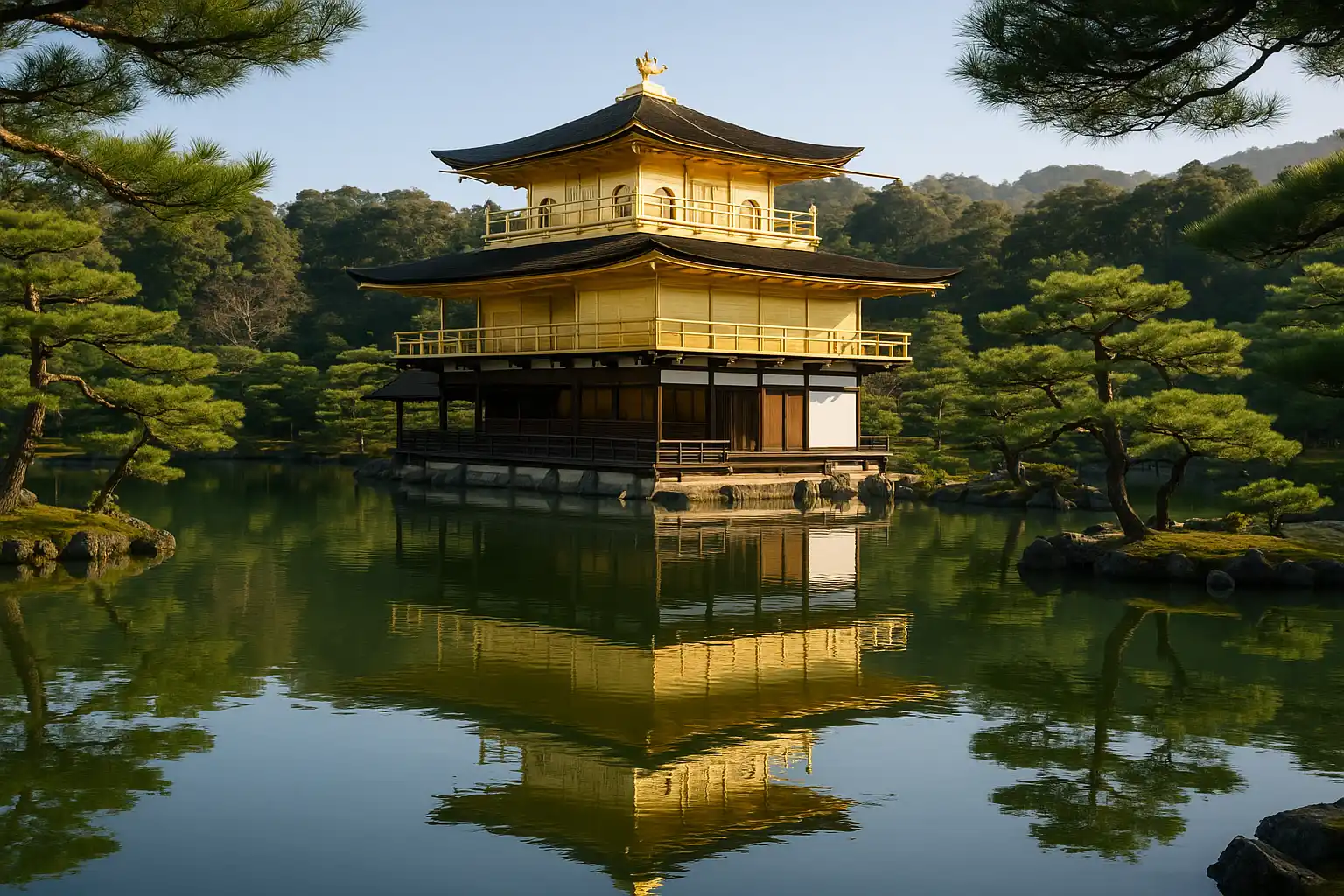
Kinkakuji Temple Japan Travel Guide 2026: Kyoto's Golden Pavilion
Japanese Zen BuddhistVisit Kinkakuji, the Golden Pavilion, Kyoto's most iconic Zen temple. Discover the gold-leaf covered...
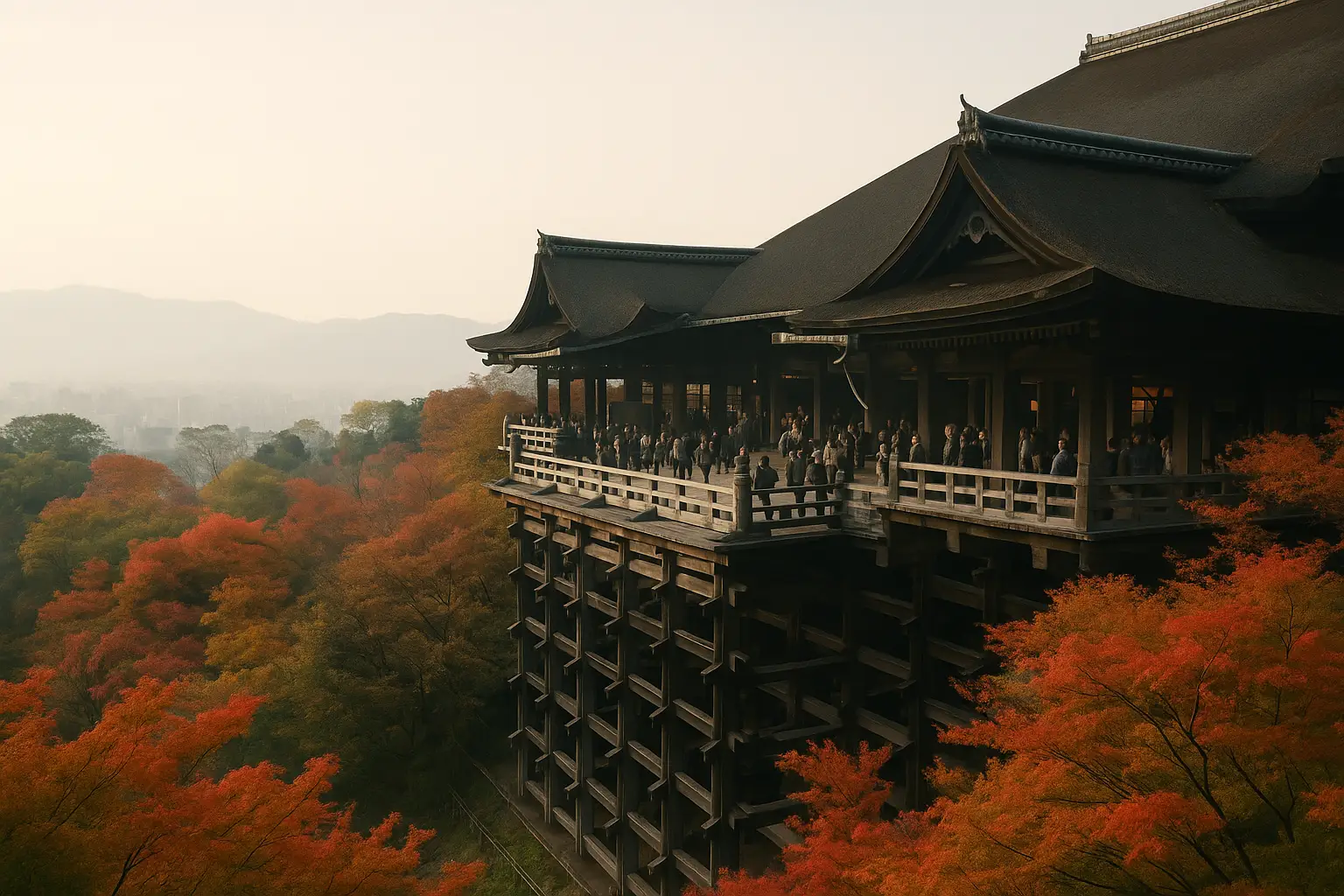
Kiyomizudera Temple Japan Travel Guide 2026: Kyoto's Wooden Stage
Japanese Buddhist (Kita-Hosso)Visit Kiyomizudera, the Pure Water Temple with its famous wooden stage overlooking Kyoto. Explore th...
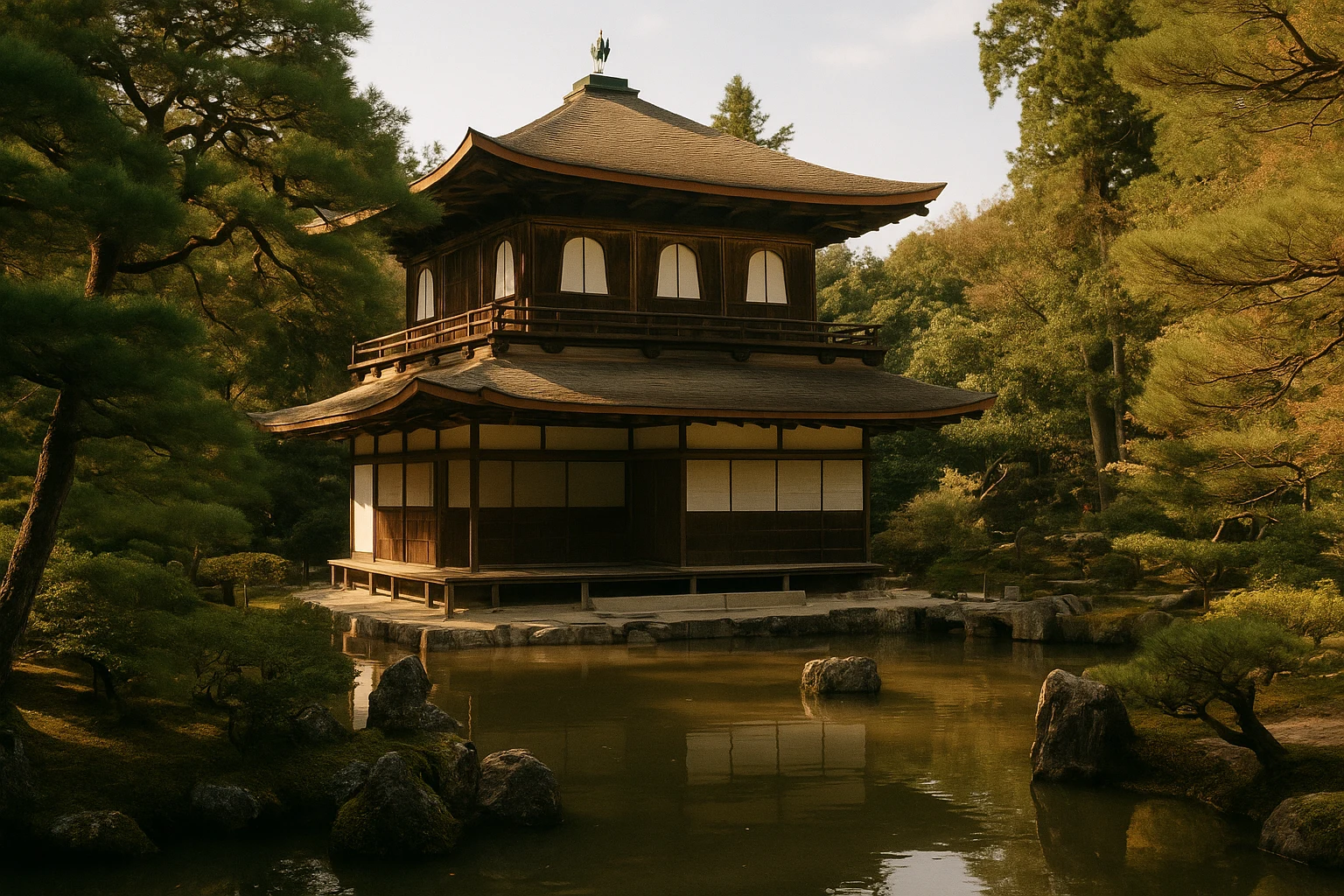
Ginkakuji Temple: Kyoto's Silver Pavilion and the Art of Wabi
Explore Ginkakuji Temple in Kyoto, Japan — the Silver Pavilion, sand gardens, and Ashikaga Yoshimasa...
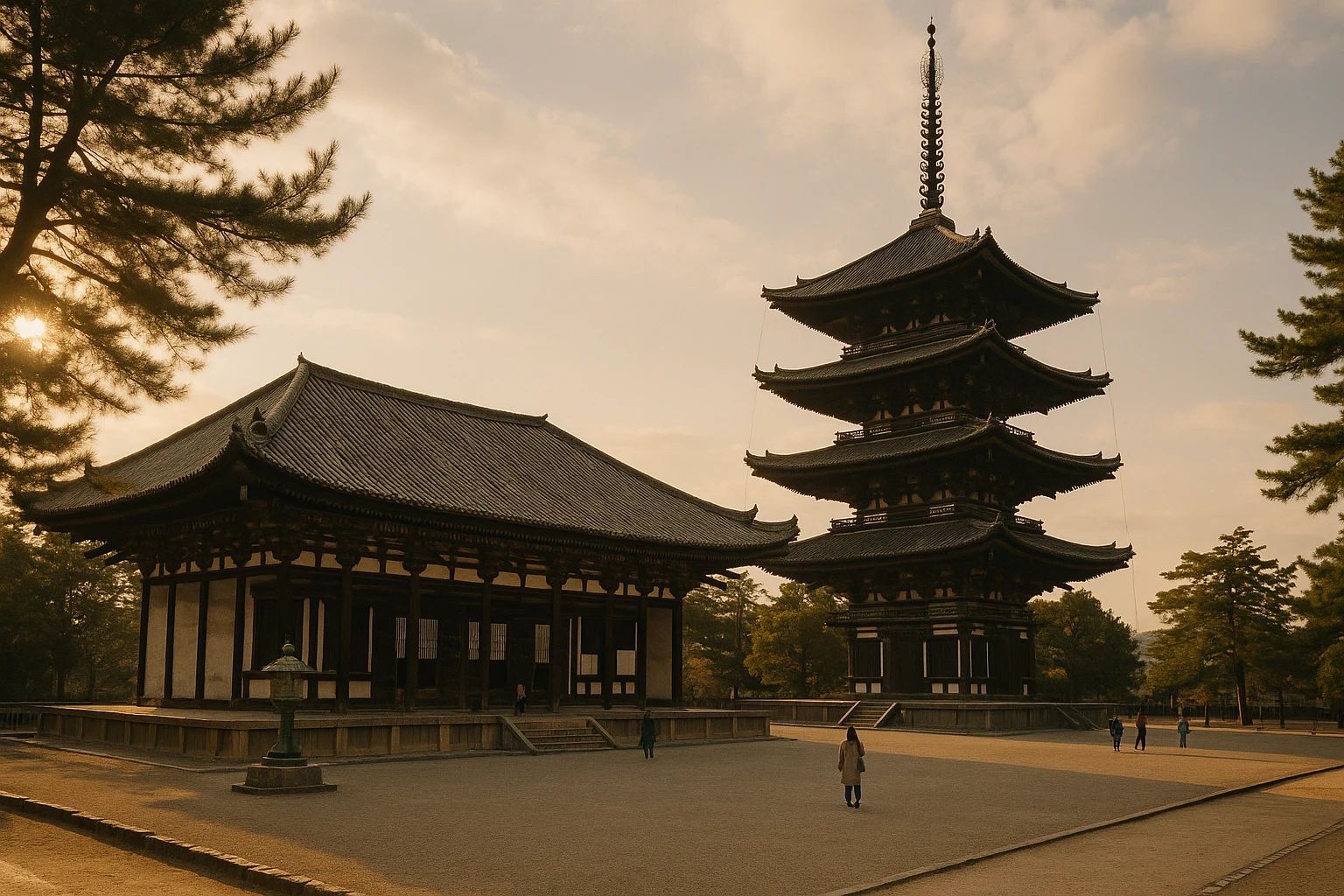
Kofukuji Temple
JapaneseKofukuji Temple in Nara, Japan is a UNESCO World Heritage landmark famed for its soaring five-story ...
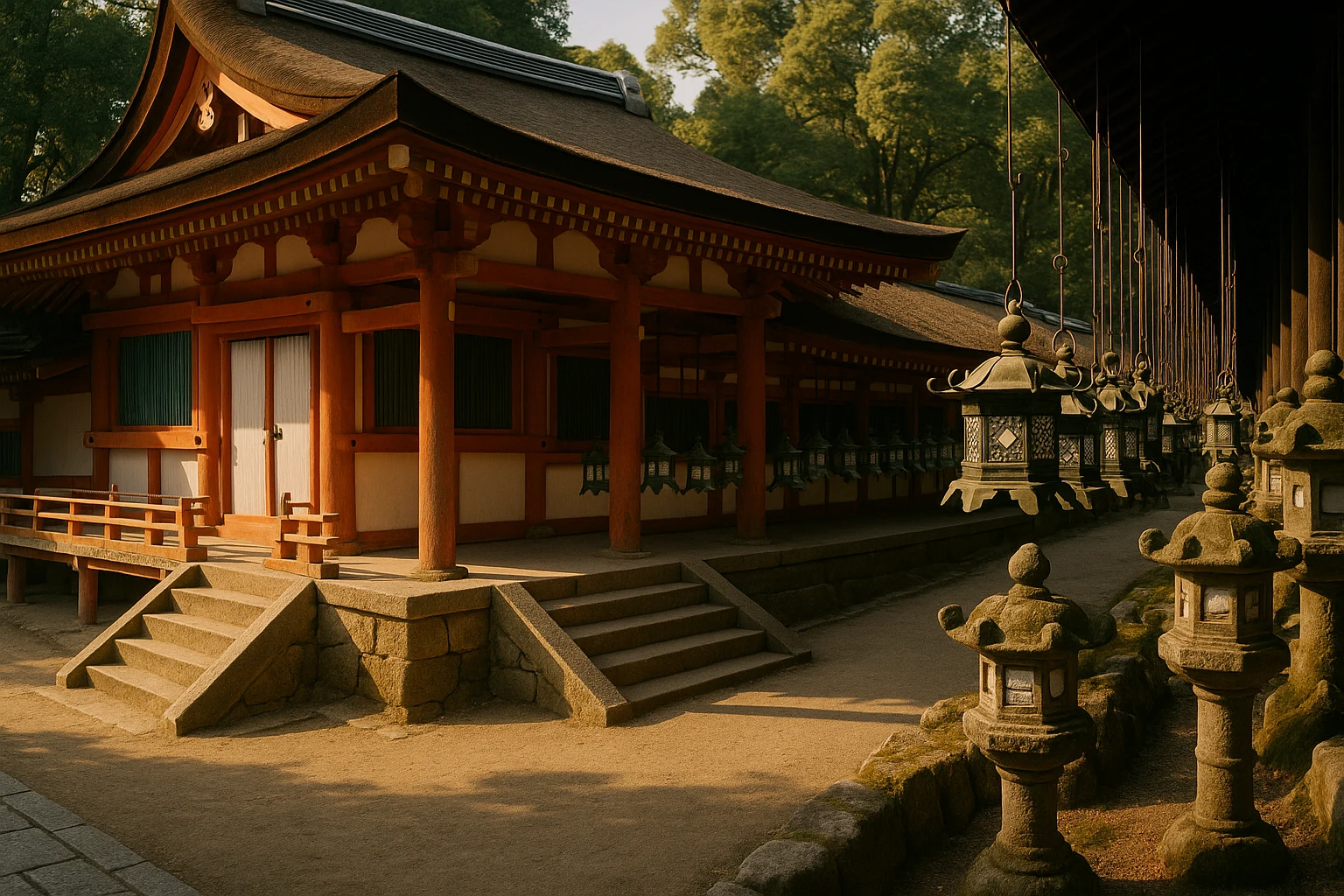
Kasuga Taisha Shrine
JapaneseSacred Shinto shrine in Nara, Japan, renowned for thousands of bronze and stone lanterns and UNESCO ...