Quick Info
Curated Experiences
Cahokia Mounds Museum and Interpretive Center Tour
Ancient Mississippian Sites Experience
St. Louis to Cahokia Mounds Half-Day Excursion
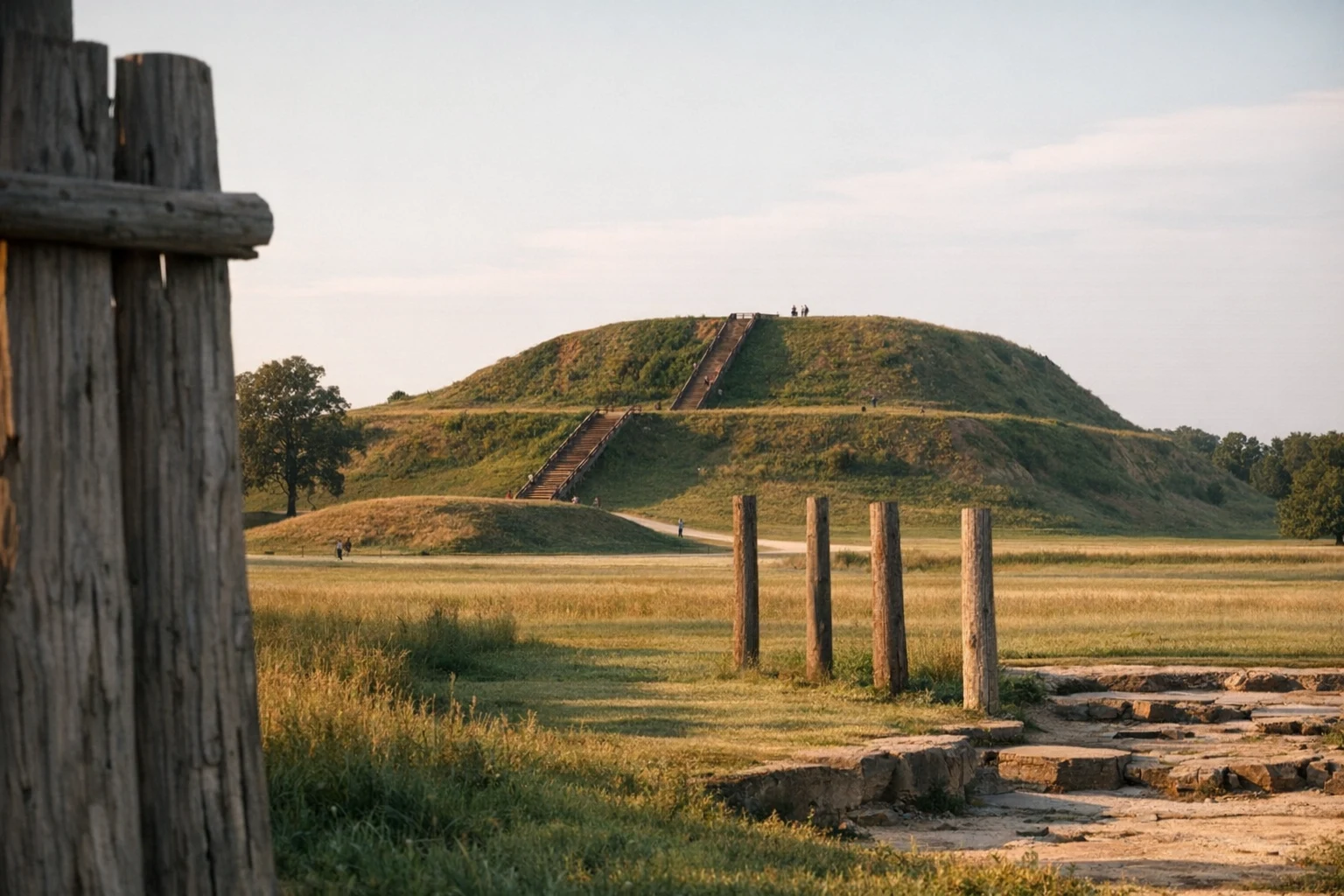
In the broad river valley just east of modern St. Louis, Missouri, an ethereal landscape rises improbably from the low Illinois prairie. These are the Cahokia Mounds, among the greatest surviving earthworks of ancient North America, where the ghosts of a forgotten metropolis stir with each rustle of the grass. United States travelers may be surprised to learn that this quiet site was once the heart of a dense urban civilization — larger at its peak than London in AD 1250 — and the spiritual epicenter of the mighty Mississippian culture. Today the Cahokia Mounds State Historic Site is a UNESCO World Heritage treasure, welcoming visitors into the enigmatic world of the continent’s first city.
The sheer scale of Cahokia is best appreciated with your feet on the ground. The site sprawls across more than 2,200 acres and harbors approximately 70 mounds, relics of once-elaborate neighborhoods, plazas, temples, and monumental public works. The most prominent of these, Monks Mound, remains the largest prehistoric earthen structure in the Americas, its broad base and steep terraces standing as a profound testament to the organizational genius and spiritual devotion of native Mississippians. Walking among Cahokia’s mounds, what may first appear as unassuming rises in the grass soon reveal the pulse of a lost society — one marked by dazzling astronomical alignments, complex rituals, and robust trade networks that stretched for thousands of miles.
The journey to Cahokia is both literal and figurative. Though the city lost to time and circumstance, its mounds invite visitors to reflect on the ingenuity, resilience, and interconnectedness of Indigenous peoples long before European colonization. Exploring this ancient landscape, travelers are offered a rare chance to meditate on a chapter of American history too often overlooked, standing in the shadows of earthen monuments that have outlasted kingdoms.
History
Origins and the Rise of Cahokia
The foundations of Cahokia lie deep within the alluvial soils of the Mississippi Valley, where Indigenous farmers began to organize communities around AD 700. The region had long served as a crossroads for cultures such as the Hopewell and Woodland traditions, but around AD 1050, a dramatic transformation swept across the area. It was then that Cahokia entered a period of explosive growth — a phenomenon archaeologists call the “Big Bang” — triggered by social, environmental, and possibly spiritual catalysts. The city rapidly ballooned to cover nearly 6 square miles, drawing in a diverse population from distant regions and giving birth to a new, distinctive Mississippian identity.
At its height, Cahokia thrived on a sophisticated mix of maize agriculture, hierarchical leadership, and communal religious life. The city’s landscape was meticulously planned, with massive ceremonial plazas, hundreds of rectangular platform mounds, and neighborhoods arranged with geometric precision. Monks Mound, the focal point, was crowned by a monumental wooden building likely used for political and ritual gatherings. While the written record of Cahokia is silent, artifacts paint a vivid picture: copperwork from the Great Lakes, seashells from the Gulf Coast, and obsidian from the Rockies all testify to the city’s vast trade networks and cosmopolitan character.
The Golden Age and Urban Complexity
From AD 1050 to 1200, Cahokia flourished as the undisputed metropolis of ancient North America. Archaeologists estimate that 10,000 to 20,000 people lived here at its zenith — a staggering number when compared to European counterparts of the era. Life in Cahokia was dynamic, stratified, and interconnected. Large public works projects, like the construction of Monks Mound and elaborate wooden palisades, required skilled labor, administrative sophistication, and shared vision. The city’s power was underwritten by religious authority and ritual, binding together sprawling neighborhoods, immigrant communities, and rural villages in a network woven as tightly as the baskets left behind in its soil.
Cahokia’s residents were accomplished farmers and engineers. They engineered vast fields for intensive maize cultivation, dug canals and borrow pits, and raised ceremonial plazas by leveling and reshaping the natural terrain. The society likely featured a hereditary chiefdom, with leaders living on mound-top residences and commanding the construction of monumental public works. Excavations reveal signs of social hierarchy and centralized control: elite burials resplendent with fine goods, and mass graves thought to reflect ritual sacrifice or complex funerary traditions.
Artifacts such as the famous “Birdman” tablet, ceremonial copper plates, intricately flaked projectile points, and ritual pottery all attest to a vibrant culture and a network of spiritual beliefs that radiated outward from Cahokia to influence neighboring peoples. The city’s orientation, including the Woodhenge calendar circle, embodied astronomical knowledge crucial to the ritual calendar and the rhythm of everyday life.
Decline and Abandonment
Yet, like the civilizations of the Old World, Cahokia’s golden age was not everlasting. Sometime after AD 1200, the city began to unravel. Scholars continue to debate the causes, but a combination of environmental stress — including floods, resource depletion, and perhaps prolonged drought — alongside social challenges such as political unrest and shifting trade routes, seems most plausible.
Evidence from soil and pollen cores points to overexploitation of local resources, leading to deforestation and soil exhaustion. Coupled with climatic changes, these pressures may have undermined Cahokia’s agricultural base. Archaeological data suggest the city’s population shrank dramatically after 1300, and by the mid-14th century, Cahokia was largely abandoned. The mounds were left to the elements, their builders’ descendants dispersing into new societies and oral traditions, but the memory of Cahokia would linger in surprising ways.
European explorers in the 18th and 19th centuries marveled at the vast, enigmatic earthworks, often attributing them to lost civilizations unconnected to Native Americans. It was only through the 20th-century efforts of archaeologists and Indigenous advocates that Cahokia was correctly understood as a remarkable Native achievement — a city that bore the same grandeur and mystery as Egypt’s pyramids or England’s Stonehenge, but firmly rooted in the American heartland.
Key Features
The most iconic feature that draws visitors and scholars alike to Cahokia is Monks Mound, an awe-inspiring earthen pyramid rising over 100 feet to dominate the site. Built through centuries of manual labor, its four terraces ascend to a summit larger than a football field, offering panoramic views of the surrounding landscape and the distant gateway arch of St. Louis. The engineering required to raise over 22 million cubic feet of earth without modern tools still inspires wonder today. Monks Mound was once surmounted by a monumental structure, possibly the residence or temple of Cahokia’s paramount chief, underscoring its central political and religious role.
Radiating south from Monks Mound are the remnants of the Grand Plaza, believed to have been a vibrant ceremonial and gathering space. This vast open square, leveled with precision, would have hosted festivals, markets, games, and major rituals, gathering thousands of people beneath the watch of the mounds. The scale and design of the plaza suggest intricate planning and a social order dedicated to communal spectacle and display of power.
One of Cahokia’s most enigmatic and scientifically significant features is the reconstructed Woodhenge, a circle of upright wooden posts originally constructed as a solar calendar. Today, visitors can witness dramatic sunrise alignments during the equinoxes and solstices, just as ancient Cahokians once did to mark ritual time and agricultural cycles. The exact placement of the posts reveals an advanced grasp of astronomy, central to the cohesion and spiritual life of the city.
The site is peppered with more than 70 documented mounds, each with a unique function: from platform mounds that once supported elite homes or temples, to conical burial mounds and mysterious ridge-top mounds of uncertain purpose. These earthen monuments formed a sacred landscape, each layer of fill representing generations of communal effort and religious dedication.
Beneath the grass, ongoing excavation continues to reveal lost neighborhoods and complex urban infrastructure: sophisticated drainage ditches, borrow pits repurposed as fishponds, and remnants of wooden palisade walls. Especially notable is Mound 72, where archaeologists discovered the remains of over 250 individuals, including a central high-status burial surrounded by elaborate grave goods and possible sacrificial victims, highlighting the political and ritual power wielded by Cahokia’s elite.
The Cahokia Mounds Museum and Interpretive Center serves as a vital gateway to understanding the site, with exhibits that bring ancient artifacts and the story of Cahokia to vivid life. Visitors can explore multimedia presentations, life-size dioramas, and original discoveries from decades of archaeological work. Trails connect the visitor center to key mounds and features, guiding guests through the gentle, mysterious landscape that once bustled with urban noise and ritual.
Getting There
Reaching Cahokia Mounds is simple for travelers coming from both local and far-off destinations. Situated just outside Collinsville, Illinois, the site lies approximately 8 miles east of downtown St. Louis, Missouri — making it highly accessible by car or public transit.
Most visitors arrive by car, taking Interstate 55/70 and following clear signage from Exit 6. The main entrance to the Cahokia Mounds State Historic Site, at 30 Ramey Street, offers ample free parking adjacent to the Interpretive Center and major trailheads. For those coming from St. Louis, the drive typically takes 15–20 minutes, depending on traffic. Ride-share services like Uber and Lyft also readily serve the area, with a one-way fare from St. Louis costing around $20–$30 depending on the time of day.
Public transportation is another convenient option, especially for those staying in St. Louis. MetroLink light rail runs frequently between downtown St. Louis and the Emerson Park station in East St. Louis. From there, Madison County Transit buses can complete the journey to the Cahokia Mounds stop. Check current bus schedules to ensure a smooth transfer; fares are generally under $5 one way.
If visiting as part of a group, several regional tour companies and travel agencies organize day trips to Cahokia, often as part of broader St. Louis historical excursions. These tours typically include transportation, admission, and expert guides, with prices ranging from $40–$80 per person.
Cahokia is also a favored stop for road-trippers tracing the ancient Mississippi or those exploring Route 66. Secure bicycle paths run parallel to parts of the site for those arriving under their own pedal power. Regardless of your mode of travel, make sure to carry water, sunscreen, and sturdy walking shoes; exploring the full expanse of the site requires comfortable and weather-appropriate attire.
When to Visit
The open, grassy landscape and exposed mounds of Cahokia make it a beautiful destination year-round, though each season carries its own character and practical considerations. Spring (March to May) is widely regarded as one of the best times to visit. Temperatures are mild, wildflowers and fresh green grass enliven the mounds, and wildlife is active. Rain showers are possible, but rarely heavy enough to disrupt outdoor exploration.
Summer (June to August) draws the largest crowds, especially families and school groups making the most of summer vacations. The site is at its greenest, but be prepared for high temperatures and humidity. Walking the mounds can be strenuous under direct sun, so bring hats, filtered water, and take regular breaks. Morning visits are often more comfortable, and sunrise or sunset walks reveal the contours and shadows of the landscape in dramatic relief.
Autumn (September to November) offers equally spectacular conditions. The prairies and hardwoods turn golden, temperatures moderate, and the air grows crisp. Fall also brings fewer visitors, creating a contemplative atmosphere perfect for photographers and history enthusiasts alike. Key cultural events, like Native American heritage days and solstice observations at Woodhenge, often take place in September and October.
Winter (December to February) sees the fewest visitors. While the museum and trails remain open, weather can be cold, windy, and occasionally snowy, lending the site a solemn, stark beauty. Trails may be slippery, and several mounds can be temporarily off-limits due to weather conditions. However, off-season visits guarantee solitude and a unique chance to ponder the landscape in silence.
The Interpretive Center operates with seasonal hours that adjust for daylight and holidays. Always check the latest opening times before your journey. Weekdays often provide a quieter experience than weekends, and guided tours — when available — are best reserved in advance. Above all, timing your visit for the equinox or solstice allows you to witness the sunrise alignments from Woodhenge: an ancient spectacle that continues to inspire awe.
| Quick Facts | Details |
|---|---|
| Location | Collinsville, Illinois, United States |
| Period | Mississippian, AD 700–1400 |
| UNESCO World Heritage | Yes (Inscribed 1982) |
| Monks Mound Height | 100 feet (30 meters) |
| Total Site Area | 2,200 acres (890 hectares) |
| Number of Mounds | Approximately 70 |
| Entrance Fee | Suggested donation ($7 adults, $2 students/children) |
| Visitor Center Hours | Varies seasonally (usually 9am–5pm, closed major holidays) |
| Best Visiting Seasons | Spring and Fall |
| Main Features | Monks Mound, Grand Plaza, Woodhenge, Museum/Interpretive Center |
| Nearest Major City | St. Louis, Missouri (8 miles west) |
| Public Transport Access | MetroLink + bus from St. Louis; car and rideshare options |
| Guided Tours | Offered seasonally; check ahead |
| Notable Artifacts | Birdman tablet, copper plates, shell beads, ritual pottery |
Frequently Asked Questions
What are the Cahokia Mounds?
Cahokia Mounds is the site of a massive pre-Columbian Native American city and ceremonial center near present-day Collinsville, Illinois.
Is the Cahokia Mounds State Historic Site open year-round?
Yes, the park is open year-round except for select holidays. The Interpretive Center has specific operating hours, so check before you visit.
How much time should I spend at Cahokia Mounds?
Most visitors spend 2–4 hours exploring the mounds, museum exhibits, trails, and the interpretive center.
Can I climb Monks Mound?
Yes, visitors can ascend Monks Mound via a staircase to view the surrounding area from the summit.
Are there guided tours available?
Volunteer and staff-led guided tours are offered seasonally. Check the visitor center or book specialized tours online in advance.
Nearby Ancient Sites
Mesa Verde
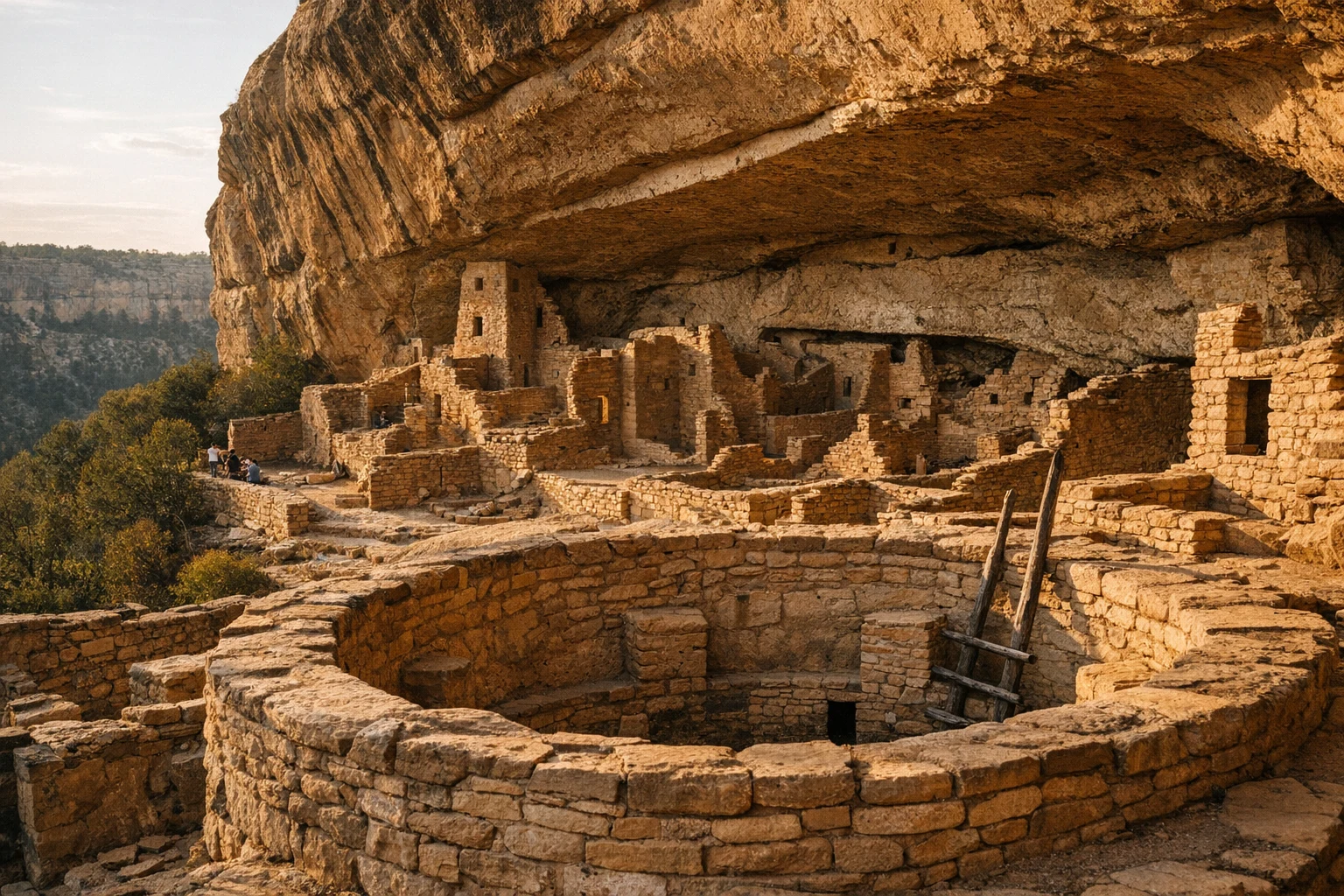
Ancestral PuebloExplore Mesa Verde in the United States, home to spectacular Ancestral Pueblo cliff dwellings, mesa-...
Caral-Supe Peru Guide 2026: Sacred Pyramids & the First Andean City
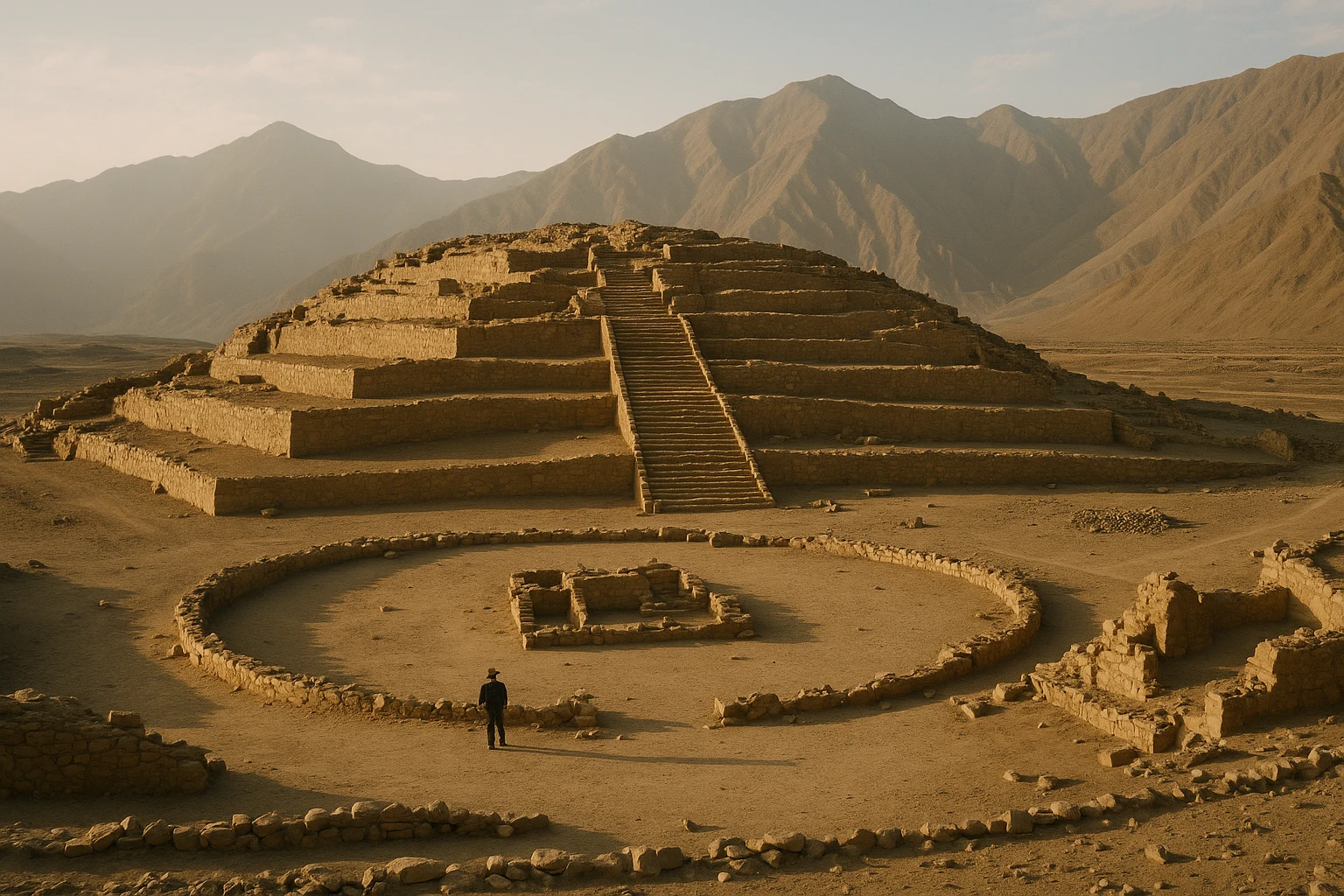
Norte-Chico-CaralVisit Caral-Supe in Peru, the oldest known city in the Americas, with practical transport from Lima,...
Bandurria Peru Guide 2026: Ancient Mounds & Pacific Wetlands
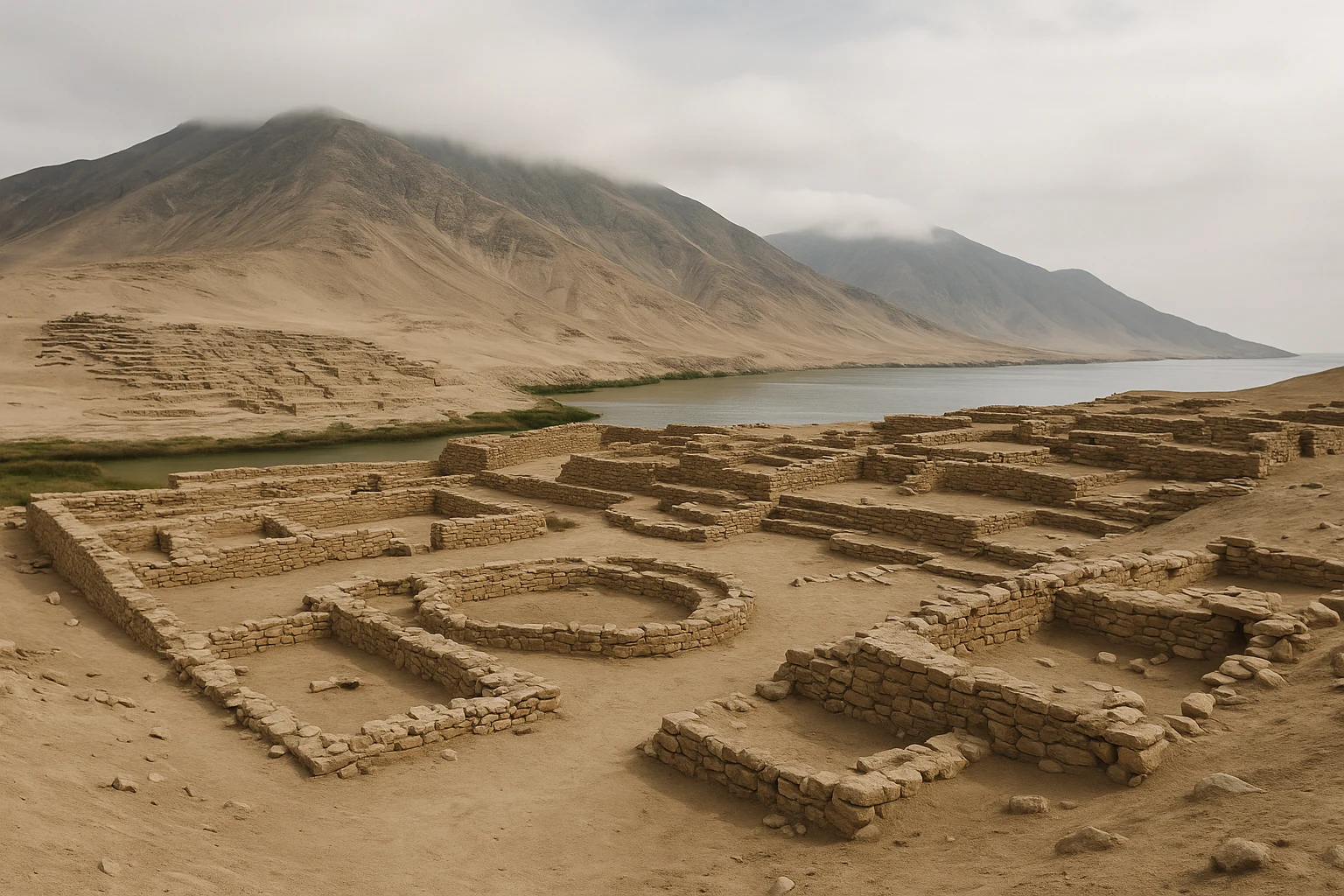
Norte-Chico-Preceramic-AndeanPlan your Bandurria visit in Peru with history, key mounds, transport from Lima or Huacho, entry tip...