Quick Info
Curated Experiences
Catalhoyuk Archaeological Excavation Site and Virtual Museum
Konya and Çatalhöyük Cultural Highlights Tour
From Cappadocia: Konya and Çatalhöyük Private Transfer Tour
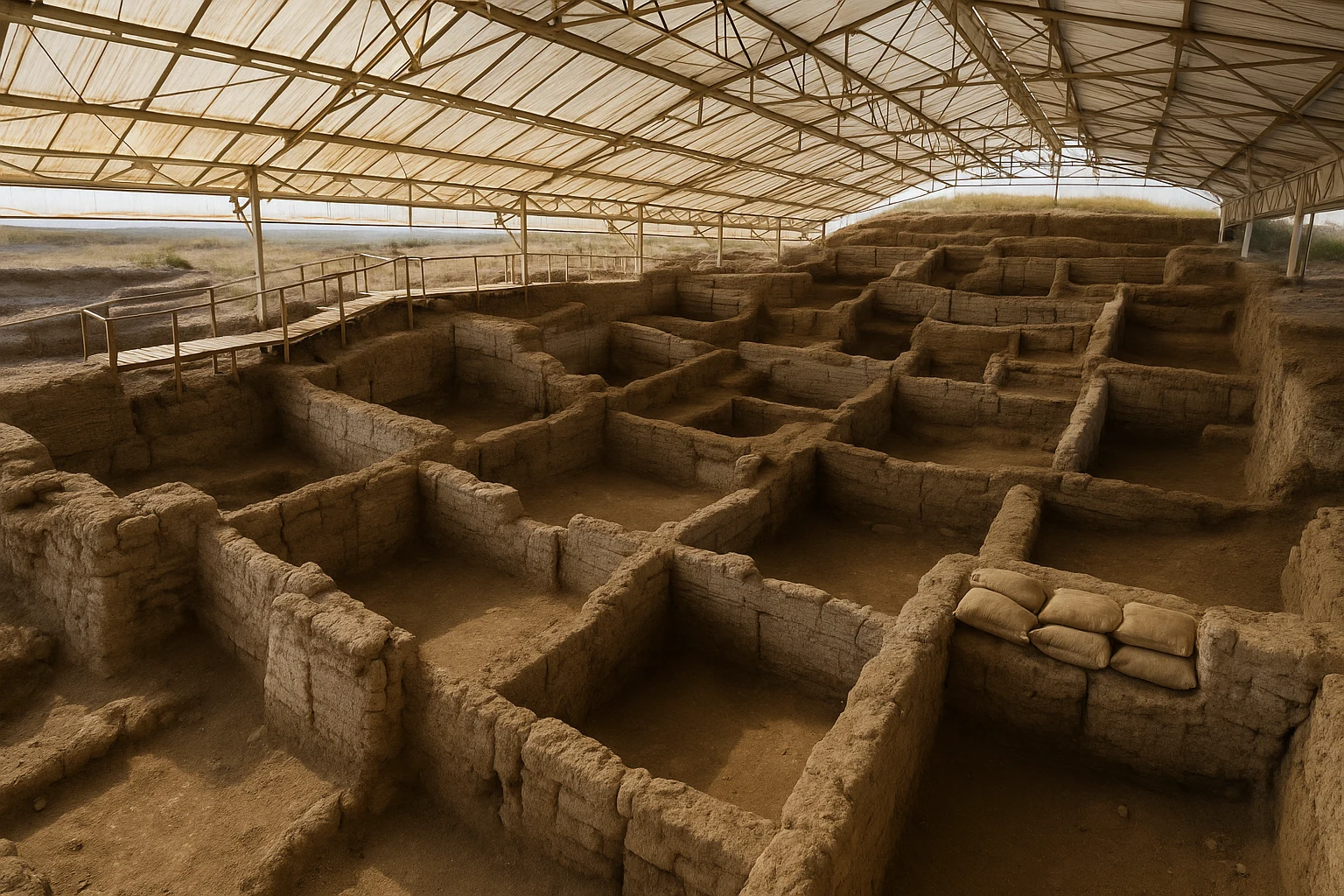
At first glance, Çatalhöyük does not look like the kind of ancient site that rewires your brain. There are no standing marble columns, no hilltop acropolis, no dramatic gate with carved lions. Instead, in the flat Konya Plain of central Turkey, you walk into vast protective shelters over low, compacted mudbrick walls and carefully exposed layers of earth. Then the scale of the story lands: this is one of the most important Neolithic settlements ever excavated, a place where thousands of people lived in densely packed houses around 9,000 years ago. If you are searching for a serious Çatalhöyük Turkey travel guide, this is not a quick photo stop—it is a site where the details matter.
Çatalhöyük changes how you think about early urban life. Houses were built wall-to-wall with no streets between them. People entered from the roof. The dead were buried beneath domestic floors. Wall paintings, reliefs, and curated animal remains suggest ritual life embedded directly into household space. At Ancient Travels, we recommend treating Çatalhöyük as a foundational stop in Turkey: less about monumental ruins, more about the origins of settled community, memory, and architecture. This guide covers the site’s deep chronology, what to see under the excavation shelters, how to get there from Konya and wider routes, practical visiting logistics, and how to combine it with a strong central Anatolia itinerary.
History: Where Dense Settlement Took Shape
Early foundation and the East Mound (c. 7100-6700 BCE)
Çatalhöyük’s earliest major occupation began in the Neolithic period on what archaeologists call the East Mound, around c. 7100 BCE. This was already an ambitious settlement for its time: clusters of mudbrick homes built tightly together and repeatedly rebuilt across generations. Instead of wide open village spacing, residents created a contiguous built landscape that functioned almost like an early proto-urban block. House floors, ovens, storage bins, and work areas show that domestic production, food processing, and social life were intensely localized. Even in this early phase, the community invested in architecture as continuity, rebuilding on existing footprints rather than dispersing into a looser village pattern.
Ritual households and social complexity (c. 6700-6300 BCE)
As occupation intensified, Çatalhöyük developed a distinctive social signature: richly treated interiors where symbolic and ritual elements appeared inside ordinary houses. Excavations documented plastered walls, painted panels, relief features, and repeated floor renewals in spaces that were still fundamentally domestic. Burials beneath platforms and floors connected the living and dead in the same architectural envelope. Rather than a clear temple-versus-home distinction familiar from later civilizations, Çatalhöyük suggests a society where symbolic authority was distributed through households. This pattern challenges older assumptions that formal public monuments had to come first for complex social organization to emerge.
Late Neolithic transitions and shifting lifeways (c. 6300-5950 BCE)
Later layers on the East Mound show shifts in planning, craft activity, and economic practice as the community evolved over centuries. House layouts changed gradually, and some symbolic traditions became less dominant while others persisted in altered form. Faunal and botanical evidence indicates long-term adaptation to local environmental conditions, including evolving herding and cultivation strategies. The settlement never froze into a static model; it was dynamic, with tradition and innovation coexisting. This long continuity is one reason Çatalhöyük matters so much: you can track social change in one place over many generations rather than in disconnected snapshots.
West Mound occupation and Chalcolithic continuation (c. 6000-5200 BCE)
After the East Mound’s major Neolithic phases, occupation shifted toward the West Mound, associated with later Chalcolithic communities. The move was not an abrupt civilizational break but a regional transition in settlement pattern and material culture. Archaeological evidence from the West Mound extends the story beyond the classic Neolithic layers and shows how communities in central Anatolia adjusted in architecture, technology, and social organization over time. For visitors, this broader sequence is essential: Çatalhöyük is not a single moment around 7000 BCE, but a long inhabited landscape whose significance includes both its celebrated early phases and its later transformations.
Rediscovery, excavation, and global significance (1958-present)
The site entered modern archaeology in the late 1950s, with major early excavations led by James Mellaart in the 1960s bringing global attention to its wall paintings, figurines, and dense architecture. Renewed long-term fieldwork under Ian Hodder from the 1990s expanded methods and interpretation, integrating micro-stratigraphy, environmental science, and reflexive excavation recording. Çatalhöyük became a model for how archaeology can combine rigorous science with transparent interpretation. In 2012, UNESCO inscribed Çatalhöyük as a World Heritage Site, recognizing it as exceptional evidence of early settled life. Ongoing research continues to refine how households, ritual practice, and social memory were structured in one of humanity’s pivotal early communities.
The Key Monuments: What to See at Çatalhöyük
North Shelter and East Mound house blocks
The North Shelter protects one of the most important excavation zones on the East Mound, where superimposed house sequences reveal centuries of rebuilding in nearly the same footprints. From the raised walkways, you can read room outlines, platforms, hearth zones, and cut-through stratigraphic profiles that expose repeated architectural phases. What you are seeing is not one house but a vertical archive of lives, each generation constructing on earlier walls and floors. This is where Çatalhöyük’s density becomes tangible: homes pressed together with little open ground between them. Photography tip: use a medium zoom and shoot obliquely along the profiles to capture layer depth rather than only top-down plans.
South Shelter and deeply stratified domestic sequences
The South Shelter is often where visitors best grasp the site’s temporal depth. Excavated areas show nested rebuilds, floor renewals, and changing interior organization over long occupation spans. Archaeologists identified repeated plastering events and household modifications that suggest active maintenance of memory through architecture. In practical terms, you can stand in one viewing point and look across multiple centuries of domestic space compressed into a few meters of vertical stratigraphy. The interpretive panels here are excellent, explaining how burials, activity areas, and symbolic features were documented. Photography tip: morning light through shelter openings can make wall textures and plaster differences easier to read.
Reconstructed Çatalhöyük house interior
Near the main visitor facilities, the reconstructed house is the single best interpretive tool for non-specialists. It demonstrates the classic Çatalhöyük pattern: rooftop entry via ladder, raised platforms used for sleeping and work, oven-hearth area, storage niches, and close internal circulation with minimal unused space. Seeing this reconstruction after walking the shelters helps convert abstract plans into lived reality. You understand quickly why rooftops may have functioned as circulation space across the settlement and why interiors carried both practical and symbolic weight. This stop is short but high-value, especially if you are traveling with family or anyone new to early prehistory.
Wall painting and symbolic display evidence
Çatalhöyük is famous for early wall art and symbolic installations, even though most fragile originals are conserved in museums rather than left exposed on site. Interpretation panels and published reconstructions explain painted geometric motifs, hunting scenes, and relief elements associated with specific houses. Combined with curated animal skulls and horn cores found in some interiors, this evidence suggests households staged identity and memory through repeated visual programs. The key point for visitors is that symbolism was not peripheral—it was built into daily domestic architecture. Photography tip: capture interpretive graphics alongside excavation views; the paired images tell the story better than raw trench photos alone.
The wider mound landscape and archaeological perspective points
Do not skip the broader mound viewpoints around the site perimeter. From these points, you can see how East and West mounds sit within the Konya Plain and understand why location mattered for water access, agriculture, and movement corridors. These perspectives help scale your visit from trench-level detail to settlement-level planning. Çatalhöyük is easiest to appreciate when you alternate between micro and macro views: floor features inside shelters, then landscape context outside. If you only do one, the site can feel either too abstract or too flat. Balance both and the place becomes legible.
Getting There: Transportation and Access
Çatalhöyük is easiest from Konya, and most travelers should treat it as a half-day or full-day excursion by private vehicle because public options are limited.
From Konya
Konya is the standard base and offers the best mix of hotels, transport links, and additional attractions.
- Taxi/private transfer: Typically 1 hour each way for about 1,600-2,400 TRY ($50-75 USD) round trip depending on wait time and season.
- Rental car: Most flexible option; roughly 50 km southeast of Konya on generally straightforward roads, with parking at/near the visitor area.
- Guided tour: Convenient if you also want city monuments the same day; usually includes pickup, site sequencing, and commentary.
From Cappadocia (Göreme/Nevşehir)
Possible as a long day, but best done as a private transfer-style itinerary that includes Konya.
- Private day tour/transfer: Around 3.5 to 4.5 hours each way depending on start point; typically higher cost but efficient if moving between regions.
- Self-drive: Feasible for confident drivers, though total day length can exceed 10 hours with site time.
- Public transport combo: Bus/train to Konya plus local transfer is possible but time-heavy and rarely efficient for a single-day plan.
Admission and Hours
Entry policies can change annually, but standalone admission is generally modest by international standards, often around 250-400 TRY ($8-13 USD) for foreign visitors. Museum pass inclusion may vary by program and period, so confirm current details before you travel. Typical operating windows are longer in summer and shorter in winter; always verify latest opening times through official Turkish museum channels or your hotel desk in Konya. Card payment is often available but not guaranteed, so carry cash in Turkish lira as backup. For the best combination of cooler weather and clearer shelter views, arrive in the morning.
When to Visit: Seasonal Considerations
Spring (March-May)
Spring is the strongest all-around season for Çatalhöyük, usually around 12-24°C (54-75°F). The plain is greener, visibility is good, and walking between shelters is comfortable. Crowd levels are moderate, and interpretation is easier when you are not rushing to escape heat. If you want a balanced visit with photos and time to read signage, spring is ideal.
Summer (June-August)
Summer can be very hot on the Konya Plain, commonly 28-36°C (82-97°F), with exposed areas feeling hotter around midday. Visitor numbers are mixed, but domestic travel periods can increase daytime traffic. Start early, carry extra water, and avoid the center of the afternoon. The shelters help, but transitions between areas are still sun-exposed.
Autumn (September-November)
Autumn closely rivals spring with temperatures often around 14-26°C (57-79°F) early in the season, cooling later. Light is usually excellent for photography, and walking conditions are pleasant. Crowds tend to be manageable, making this a smart season if you prefer calm pacing and clear site reading.
Winter (December-February)
Winter visits are quiet and atmospheric, typically around 0-10°C (32-50°F), sometimes colder with wind. You may have substantial portions of the site nearly to yourself. Dress in layers and expect shorter daylight windows. If you like reflective visits without heat stress, winter can be surprisingly rewarding.
Combining Çatalhöyük with Konya
The most efficient sequence starts in Konya around 8:00 AM, leaving city traffic before it builds and reaching Çatalhöyük by 9:00 AM. Begin with the visitor orientation area and reconstructed house so the excavation zones make immediate sense. By 9:30 AM, move into the North and South shelter circuits, taking your time on the walkways and interpretive panels rather than trying to “cover ground.” You are reading layers, not checking off monuments. Plan to finish the archaeological core by about 11:30 AM, then return toward Konya for lunch around 12:30 PM in the city center.
From there, a strong paired afternoon starts at 2:00 PM with the Mevlana Museum, then a walk through the Alaeddin Hill and Seljuk-era core if your energy holds. This combination works because it links two radically different but complementary histories: deep prehistory at Çatalhöyük and medieval Islamic urban heritage in Konya. You can also invert the day in summer—do Konya indoors first and Çatalhöyük late afternoon—but morning at the site is usually better for comfort and concentration. Total combined time is about 8 to 9 hours including drives, or 5 to 6 hours if you only do Çatalhöyük from Konya.
For travelers heading onward, Çatalhöyük can be integrated into a transfer day between Cappadocia and the Mediterranean/Aegean routes, but only with a private driver and realistic expectations. The site deserves unhurried attention; if your schedule is too tight, stay overnight in Konya and do it properly.
Practical Information
What to Bring
- Water: At least 1 liter in cool months, 1.5-2 liters in summer.
- Sun protection: Hat, sunscreen, and sunglasses for open plain conditions.
- Footwear: Comfortable closed shoes for gravel, dust, and uneven edges.
- Layers: Light wind layer in spring/autumn; warm layer in winter mornings.
- Cash backup: Turkish lira for tickets, snacks, or card-terminal outages.
Dress Code and Etiquette
There is no strict religious dress code at the archaeological site, but respectful, practical clothing is best. Avoid climbing on exposed walls or stepping outside marked pathways—these contexts are fragile and data-rich. Keep voices low in shelter areas where guides may be explaining context, and give excavation teams space if work is ongoing.
Accessibility
Access has improved with platforms and defined visitor routes, but ground conditions remain uneven in places. Some viewing points are easier than others, and full coverage may be challenging for travelers with limited mobility. If accessibility is a concern, prioritize key shelters and the reconstruction area, and contact local visitor authorities or your tour operator in advance for current route conditions.
Why Çatalhöyük Matters
Çatalhöyük matters because it shifts the center of gravity in the story of civilization. It reminds you that complex human life did not begin with kings, palaces, and armies. It began in houses—shared walls, repeated routines, memory underfoot, and social worlds built room by room. At this site, architecture is biography: each replastered floor, each rebuilt wall, each burial beneath a platform records a decision about belonging and continuity.
The power of visiting Çatalhöyük is subtle but lasting. You leave with fewer cinematic images than at a Roman city, yet with a deeper sense of how communities invented permanence. In the quiet geometry of mudbrick plans under broad Anatolian sky, you can feel the long experiment of settled life still in progress. If your travels are about understanding origins rather than collecting landmarks, this is one of the most important places in Turkey to stand still and look carefully.
Quick Facts
| Attribute | Details |
|---|---|
| Location | Near Küçükköy, Konya Province, Turkey |
| Ancient Name | Çatalhöyük (East and West Mounds) |
| UNESCO Status | World Heritage Site (2012) |
| Established | c. 7100 BCE settlement |
| Distance from nearest hub | ~50 km from Konya (about 1 hour by road) |
| Entry Fee | Typically around 250-400 TRY ($8-13 USD), subject to update |
| Hours | Seasonal schedule; generally longer in summer, shorter in winter |
| Best Time | Spring and autumn mornings |
| Suggested Stay | 2-3.5 hours on site |
Explore More Turkey
- Göbekli Tepe: Encounter monumental ritual architecture from the earliest known megalithic traditions.
- Hattusa: Walk the gate-lined capital of the Hittite Empire in central Anatolia.
- Ephesus: Contrast deep prehistory with one of the Mediterranean’s best-preserved Roman cities.
Plan your wider route with our Turkey Ancient Sites Guide. If you are building a central Anatolia loop, use our Turkey itinerary planning guide.
Frequently Asked Questions
How much time should I plan for Çatalhöyük?
Most travelers need 2 to 3 hours at the site to see both excavation shelters, the interpretive displays, and the reconstructed house interior. If you are interested in archaeology and read all signage, plan closer to 3.5 hours. Add travel time from Konya and it becomes a half-day outing.
Can I visit Çatalhöyük as a day trip from Konya?
Yes, and that is the most practical base. The site is roughly 50 km southeast of Konya, usually about 1 hour by car each way. A taxi or private driver is easiest because public transport options are limited and infrequent.
Is Çatalhöyük worth visiting if I am not an archaeology specialist?
Absolutely, but it helps to arrive with context. You are not visiting standing temples; you are entering an excavation that explains how one of the world's earliest large communities lived. The interpretation center and reconstructed house make the site accessible even for first-time archaeology travelers.
What will I actually see at Çatalhöyük today?
You will see excavated mudbrick house blocks under large protective shelters, access walkways, stratified occupation layers, and explanatory panels showing burials, wall paintings, and ritual features. You can also view a reconstructed interior to understand rooftop entry and domestic layout. The original artifacts are mostly in regional museums.
When is the best season to visit Çatalhöyük?
Spring and autumn are ideal because temperatures are mild and the open plain is comfortable for walking. Summer is very hot at midday, so early morning visits are best. Winter is quieter and atmospheric but can be cold and windy.
Is Çatalhöyük included in a museum pass?
Pass policies can change by season and ministry updates, so check current Turkish Museum Pass details before you go. If not covered, standalone entry is typically modest and payable in Turkish lira. Carry a card and some cash as backup.
Nearby Ancient Sites
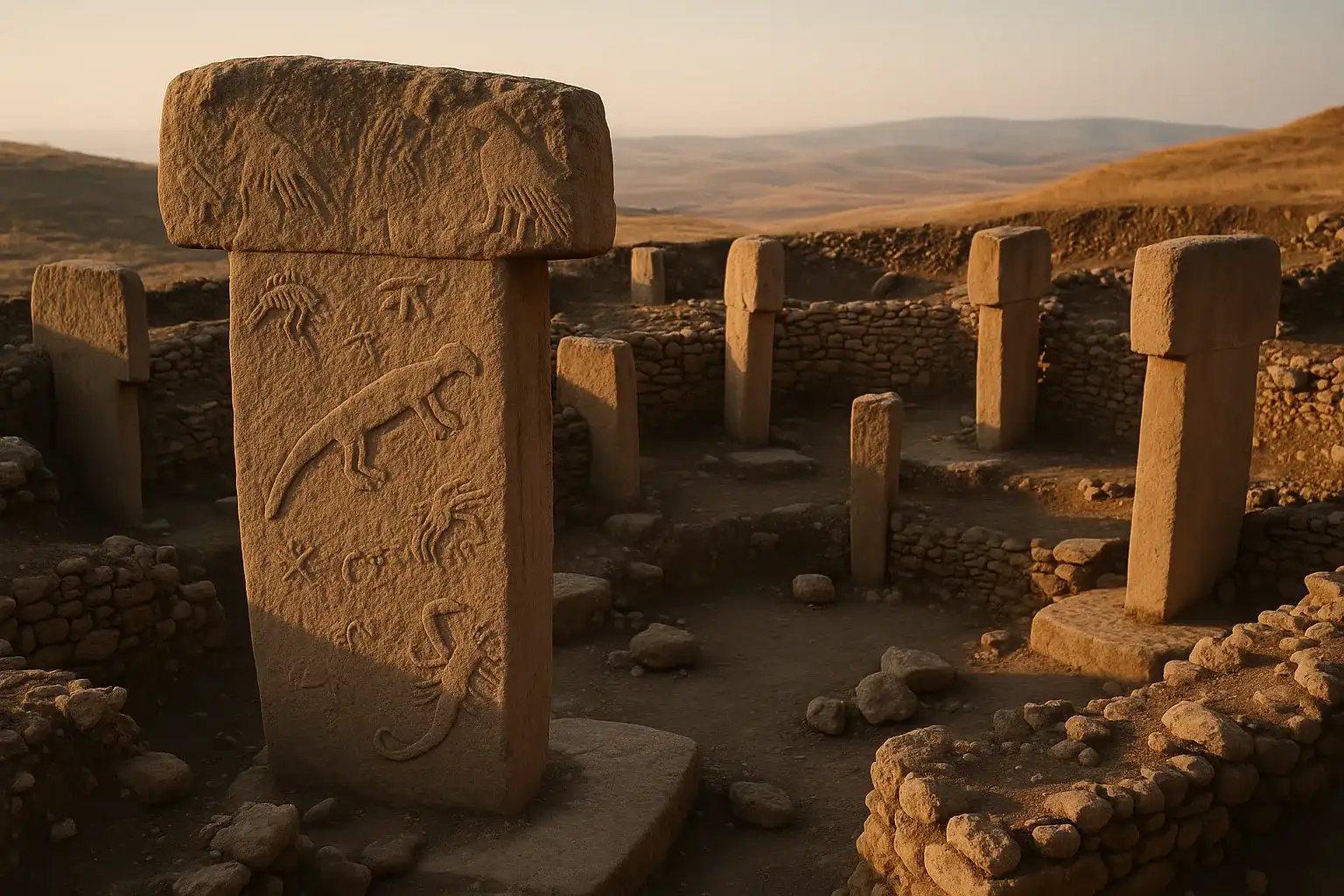
Göbekli Tepe, Turkey: The World's Oldest Temple Complex
Pre-Pottery NeolithicDiscover Göbekli Tepe, the 12,000-year-old archaeological wonder in Turkey that rewrites human histo...
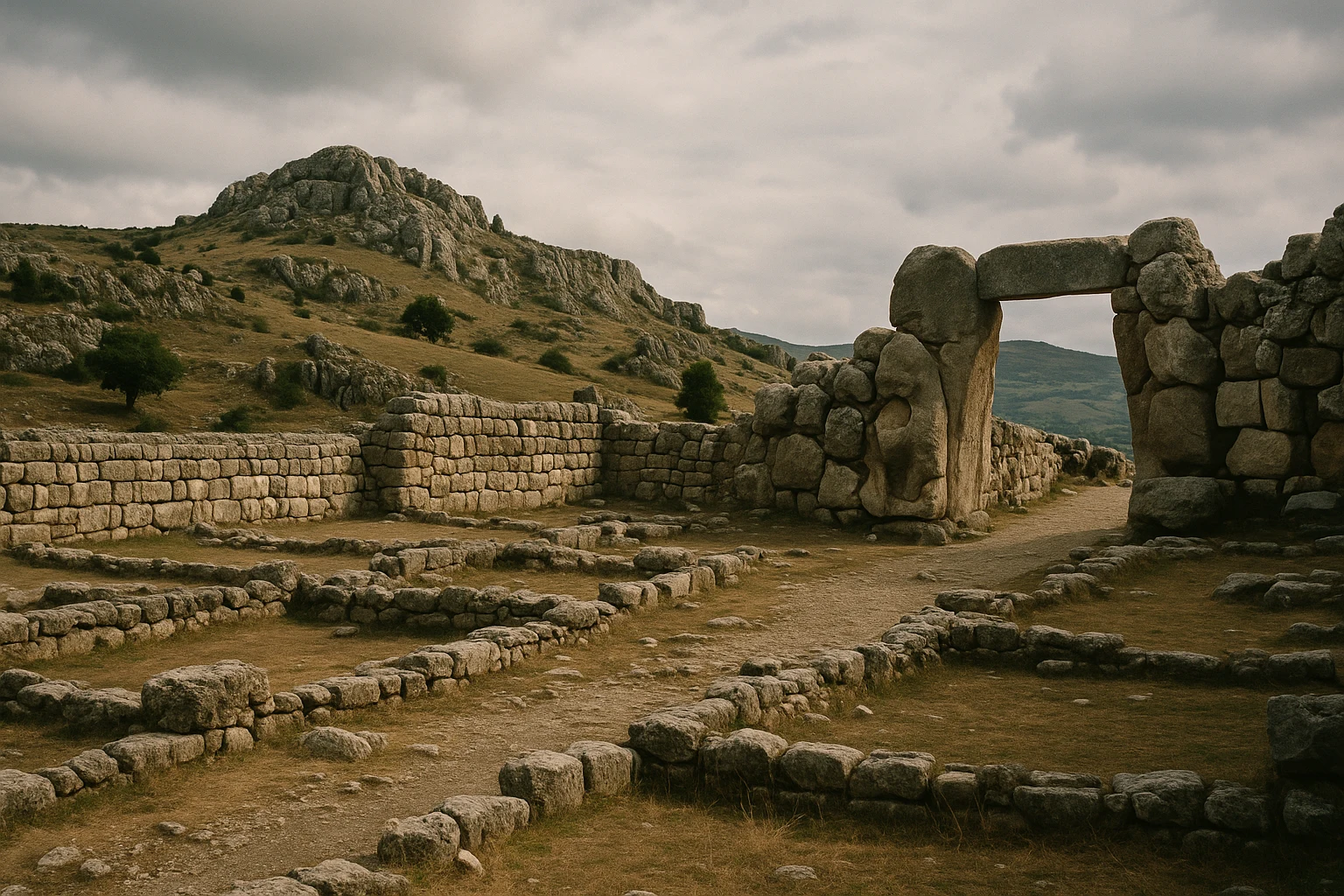
Hattusa Turkey Guide 2026: Lion Gate & Great Temple
Hattian-Hittite-Phrygian-GalatianPlan your Hattusa, Turkey visit with routes from Ankara, key monuments, ticket info, and a practical...
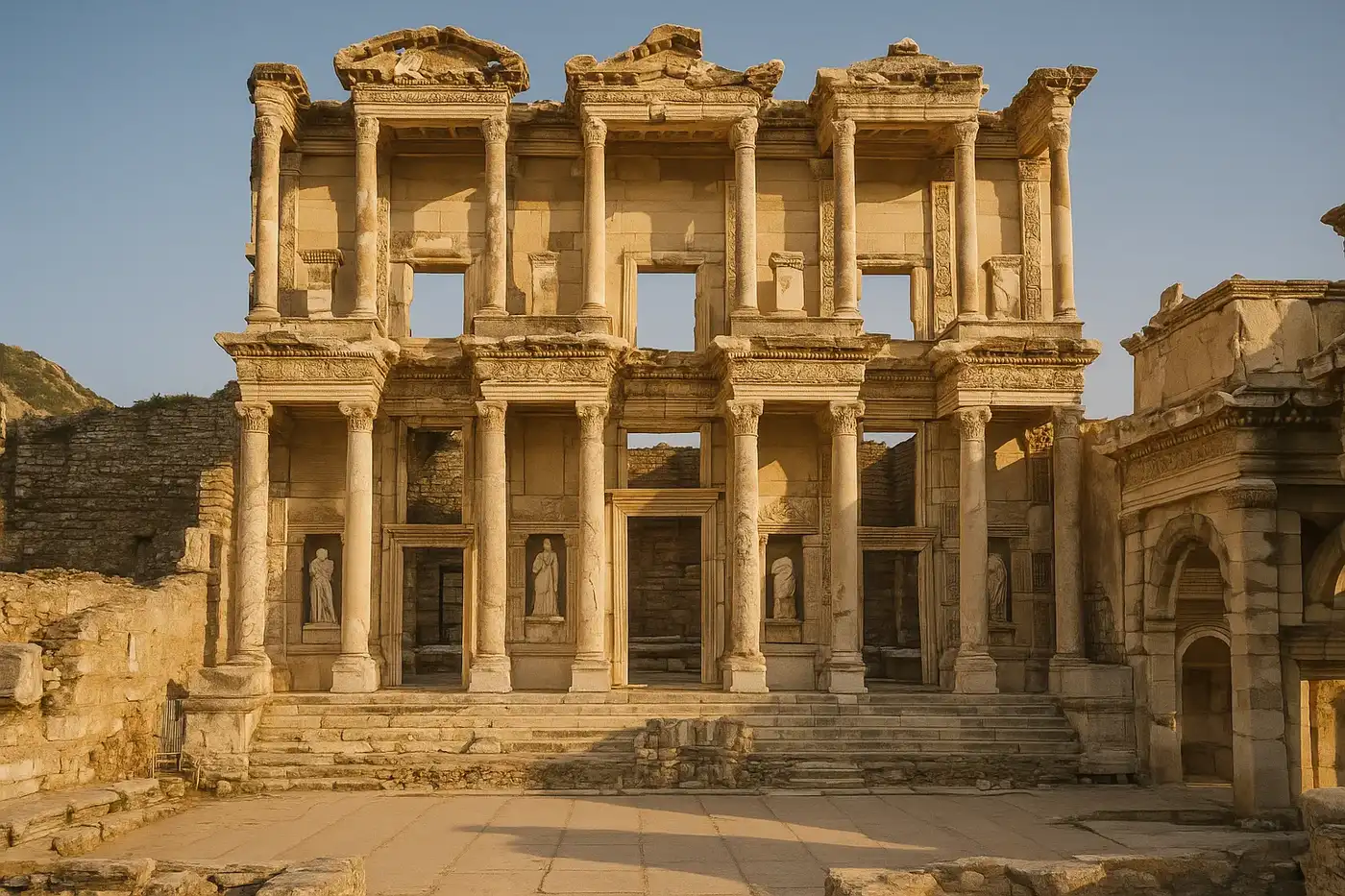
Ephesus Turkey Travel Guide: Library of Celsus & Terrace Houses
Greco-RomanDiscover Ephesus, the best-preserved ancient city in the Mediterranean. Our complete guide covers th...