Quick Info
Curated Experiences
Angkor Temples Sunrise Tour with Chau Say Tevoda
Private Guided Tour to Chau Say Tevoda and Nearby Temples
Angkor Complex Full-Day Tour Including Chau Say Tevoda
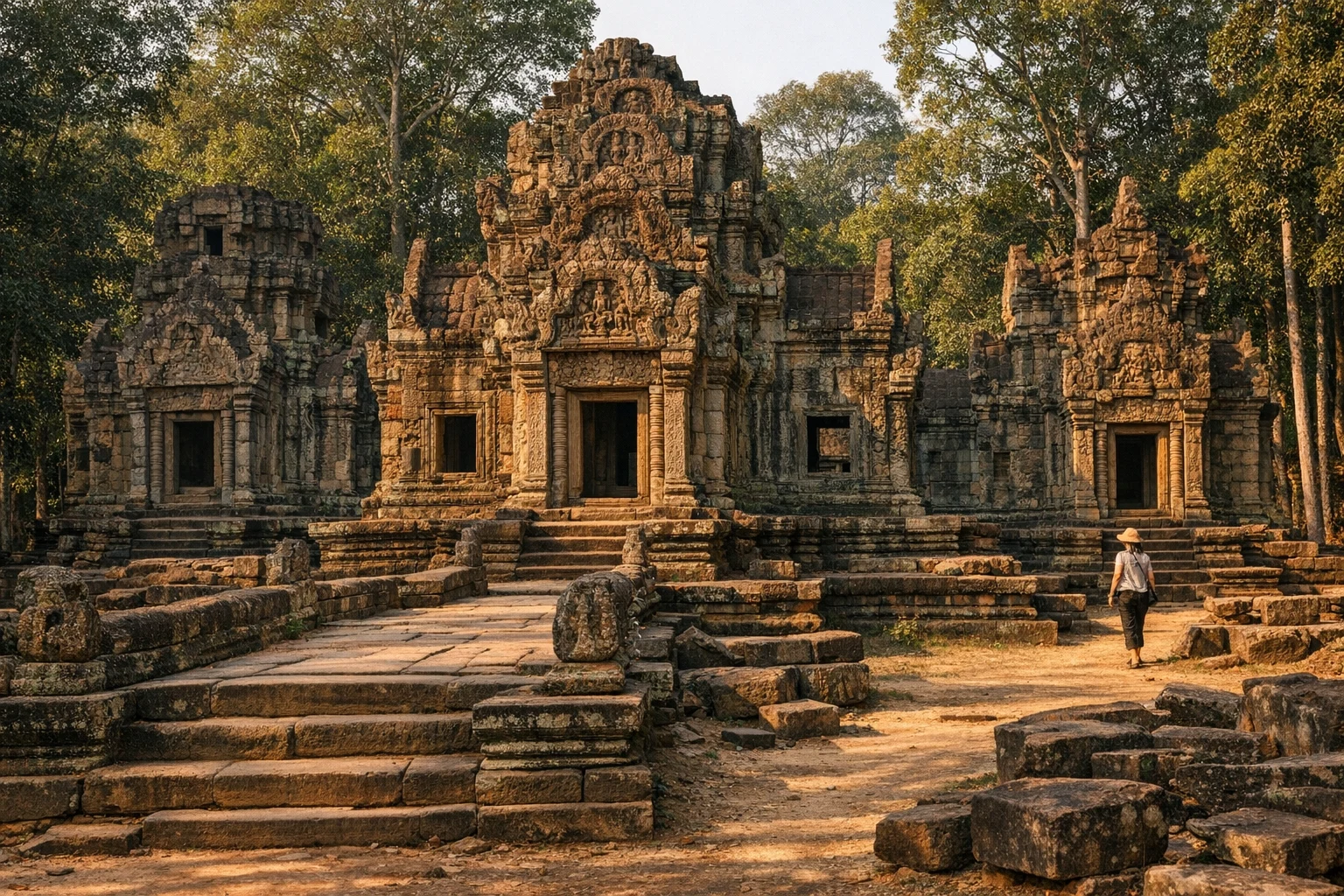
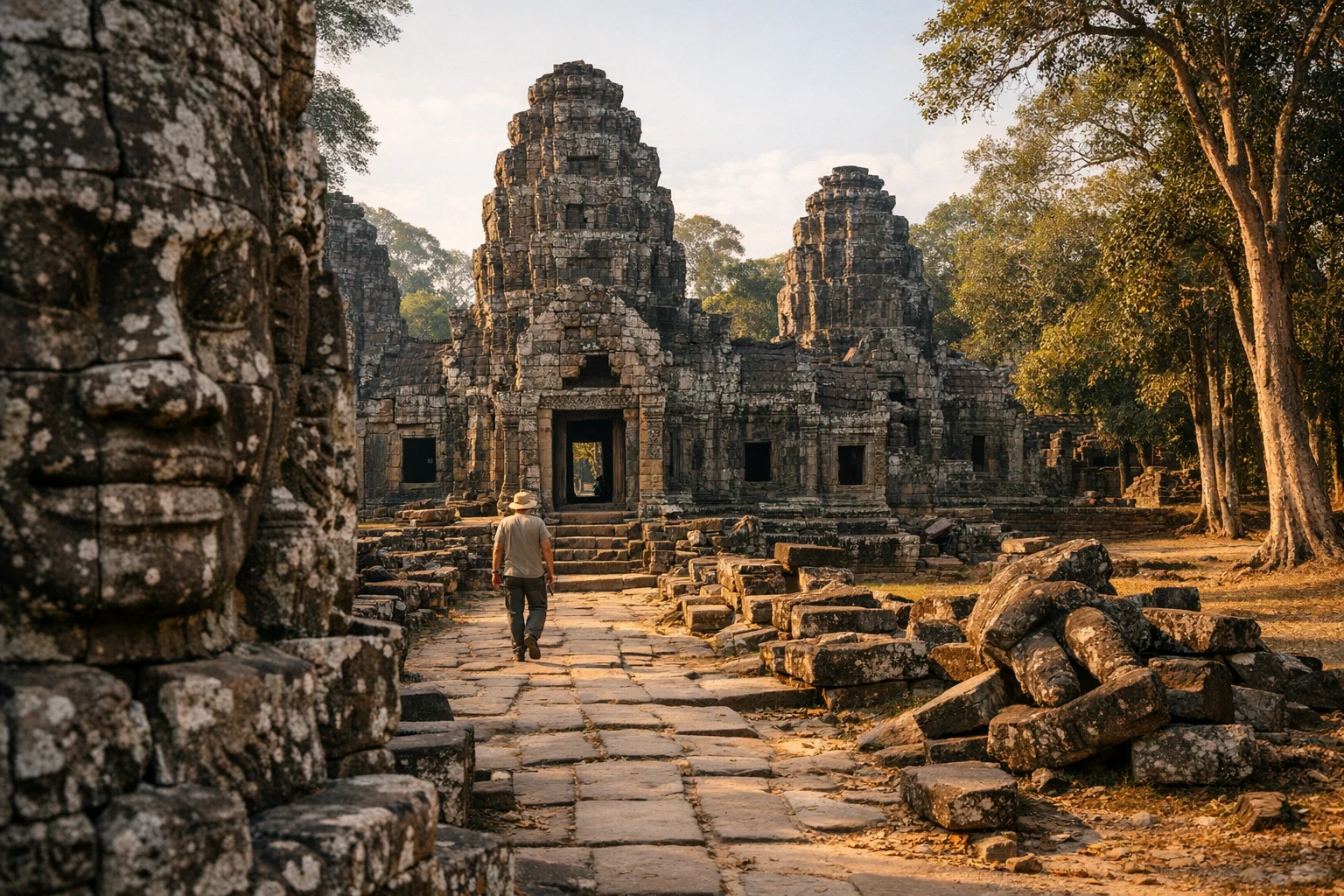
Shrouded in the gentle morning mist of Cambodia’s ancient heartland, the graceful stone towers of Chau Say Tevoda rise beside the Victory Gate of Angkor Thom, a testament to Khmer spiritual devotion and architectural mastery. Located within the legendary Angkor Archaeological Park in Siem Reap Province, Chau Say Tevoda is a 12th-century Hindu sanctuary enfolded by dense jungle and centuries of mystery. Visitors are instantly captivated by its tranquil atmosphere—the subtle luster of weathered sandstone, the intricate floral and celestial carvings, and the quiet sense of continuity with a glorious imperial past. With the symphony of cicadas, the filtered sunlight, and the surrounding guardian trees, the site possesses a serene aura distinct from its more famous neighbors.
While the scale of Chau Say Tevoda is modest compared to the grandeur of Angkor Wat or the enigmatic faces of Bayon Temple, it has an intimacy and elegance that reward close attention. Here, amidst elegant pillared galleries and evocative lintels, the stories of ancient kings, celestial beings, and the universe itself are written in stone. Constructed during the height of the Khmer Empire, the temple’s religious and cultural role was profound, acting as a focal point for ritual, pilgrimage, and the assertion of royal legitimacy. For today’s visitors, Chau Say Tevoda offers a tangible link to the ingenuity, artistry, and spiritual yearning that defined Angkor’s golden age.
Wandering the temple’s raised causeways or pausing in the sanctum’s cool shadow, travelers can sense the centuries of history that have shaped this enduring monument. Chau Say Tevoda is not simply a relic of the past—it is an enchanting gateway into the Khmer imagination and a captivating stop for anyone seeking to experience Cambodia’s ancient living legacy.
History
Foundations in the Age of Suryavarman II
Chau Say Tevoda emerged during the reign of King Suryavarman II (r. c. 1113–1150 CE), one of the Khmer Empire’s most illustrious monarchs and the visionary behind the construction of Angkor Wat itself. This period marked a zenith in Khmer power, military prowess, and artistic achievement. With imperial resources at their disposal, the royals and their priests oversaw the construction of numerous temples dedicated to Hindu deities—especially Vishnu and Shiva, the twin pillars of Khmer spirituality.
Historical analysis suggests that Chau Say Tevoda was originally commissioned as a Hindu temple, likely focusing on the worship of Shiva, though later adaptations incorporated elements associated with other deities. Its name, translating as “the temple of the goddesses,” possibly hints at a later syncretic blending of religious influences or local cults. While the original dedication stones and royal inscriptions are largely lost or eroded, the temple’s iconography, layout, and construction techniques firmly root it in the classical Angkorian canon.
Shifting Faiths and the Buddhist Renaissance
The later 12th and early 13th centuries witnessed significant religious transformation across the Khmer heartland. As the empire evolved and new sovereigns ascended the Peacock Throne, many erstwhile Hindu temples—Chau Say Tevoda among them—were subtly altered to accommodate Buddhist worship. This pragmatic syncretism is visible in the diversity of carved reliefs that survive: serene images of Avalokiteshvara mingle with dynamic scenes from the Ramayana and Mahabharata, reflecting a society comfortable with spiritual plurality.
These centuries also saw periods of turmoil: external pressure from neighboring states, internal factionalism, and the gradual decline of centralized power. As imperial focus shifted and resources waned, Chau Say Tevoda—like many smaller Angkorian sites—faced neglect. The forest began its slow, inevitable reclamation, softening and sometimes damaging the intricate stonework, but also shielding the temple from total destruction.
Modern Rediscovery and Restoration
By the late 19th and early 20th centuries, Western explorers and French archaeologists had “discovered” Angkor and initiated ambitious campaigns to document, clear, and restore its ruined temples. Chau Say Tevoda stood out for its delicate artistry but had suffered significant structural challenges: many stones were displaced, sculptures decayed, and the temple’s signature central tower (prasat) was threatened by collapse.
A major phase of restoration took place between 2000 and 2009, when Chinese conservation teams, working under the aegis of UNESCO and APSARA (the Cambodian authority overseeing Angkor), undertook painstaking anastylosis. Using both original and newly quarried sandstone, experts meticulously re-assembled the sanctuary, repaired lintels, and re-erected pillars once thought irreparable. Thanks to these efforts, Chau Say Tevoda is now one of the best-preserved “secondary” Angkorian temples, inviting both spiritual pilgrims and lovers of art history to explore its tranquil precincts. Its story stands as a modern testament to international cooperation in heritage conservation—a new layer of significance atop ancient foundations.
Key Features
Chau Say Tevoda’s charm lies less in monumental scale than in its exquisite architectural harmony and sculptural detail. The temple’s footprint is compact, measuring roughly 50 by 50 meters, yet it exemplifies classic Khmer principles of cosmological symbolism and ceremonial procession.
Approaching the temple, visitors first encounter the raised sandstone causeway—once the main ceremonial entry from the east. Spanning a low moat fed by seasonal rains, this bridge immediately establishes a sense of sacred separation, transporting guests from everyday space into sacral terrain. On both sides are naga balustrades, their weathered serpent heads emblematic of Cambodian cosmology, meant to ward off evil and mark transitional thresholds.
The main sanctuary complex consists of a central shrine (prasat) surrounded by four corner towers and two elongated halls, all interconnected by covered galleries. The layout creates a cruciform ground plan, echoing the cardinal points of the Hindu universe as mapped in Khmer cosmology. Light and shadow dance across the smooth flagstones, emphasizing the interplay of open courtyards and intimate, shaded chambers.
Chau Say Tevoda is especially celebrated for its carvings. Lintels above doorways bear intricate depictions of mythic episodes—battles from the Ramayana, dances of apsaras (celestial nymphs), and meditative seers lost in contemplation. On one lintel, Vishnu rides the Garuda, his mighty bird mount, while another depicts scenes from the churning of the cosmic ocean. Despite centuries of wear, these carvings retain an evocative delicacy, with each melody of movement and gesture carved in high relief.
Restoration work has revealed a wealth of architectural and artistic innovation. The corbel arches, once a feat of Khmer engineering, provide insight into the evolution of Angkorian design. Several doorways bear inscriptions in ancient Khmer, and keen observers may discern signs of later Buddhist influence—in particular, small images of Bodhisattvas embedded among the more traditional Hindu motifs.
A noteworthy feature is the temple’s asymmetry: while Chau Say Tevoda faces east (symbolizing the rising sun and rebirth), its western entrance aligns almost exactly with Thommanon, its contemporary temple across the Siem Reap River. Scholars suggest this mirrored layout may represent ritual partnerships or act as a spiritual gateway into the heart of Angkor. The result is a temple that feels both intimate and connected to something much larger—rooted in the earth, but aspirational in design.
In sum, Chau Say Tevoda’s restoration allows modern visitors to appreciate the artistry and complexity of Khmer temple architecture in an environment that remains relatively uncrowded, peaceful, and evocative of Angkor’s spiritual past.
Getting There
Chau Say Tevoda nestles within the eastern cluster of the Angkor Archaeological Park, approximately 7 kilometers north of downtown Siem Reap. The temple sits adjacent to the Victory Gate of Angkor Thom and is usually combined with visits to nearby highlights such as Thommanon, Ta Keo, and Angkor Wat. Despite its accessible location, its modest signposting and tranquil setting mean it is often bypassed by large tour groups, to the benefit of travelers seeking a quieter experience.
The most convenient way to reach Chau Say Tevoda is by tuk-tuk, the ubiquitous open-air motorized rickshaw popular in Siem Reap. A standard full-day Angkor circuit tuk-tuk hire costs between $20 and $30, depending on negotiation and inclusions (such as sunrise viewing or additional outlying temples). Tuk-tuks can be easily booked through your hotel, guesthouse, or popular apps such as PassApp.
For those seeking more autonomy, bicycles are a great option, with daily rentals available throughout Siem Reap for $3–$6. The ride along paved and shaded park roads is flat and scenic, though it’s important to start early and bring plenty of water, especially in the dry season’s heat. Motorbike rentals are technically not permitted for foreign tourists within Angkor Park, so consider hiring a scooter with a licensed driver if you prefer.
Guided tours (private or small group) are also widely available—these include air-conditioned transport, expert commentary, and tailored itineraries that often feature Chau Say Tevoda as a hidden gem amid the great temples. Group tour prices range from $25 to $60 per person, while bespoke private tours can be higher, dependent on service and group size.
Entry to Chau Say Tevoda itself is included in the Angkor Pass: $37 for a 1-day pass, $62 for a 3-day pass, and $72 for a 7-day pass (current as of 2024). Passes are purchased at the main Angkor Park ticket office and must be carried at all times during your explorations.
When to Visit
The best time to visit Chau Say Tevoda, like the rest of Angkor, is during Cambodia’s cool and dry season, from November to February. During these months, daytime temperatures hover between 22°C and 28°C (72°F–82°F), the humidity is relatively lower, and the skies are bright and clear. This provides ideal conditions for exploring temples on foot or by bicycle. Early mornings (7:30–9:00 AM) are particularly magical: soft golden light illuminates the temple stonework, birdlife is active, and you’ll encounter fewer visitors than later in the day.
March to May brings the hot, dry season, with temperatures sometimes soaring above 35°C (95°F). While Chau Say Tevoda remains open, exploration is best undertaken early in the day or late afternoon. Carry sunscreen, a hat, and plenty of water—shade is limited in some of the outer precincts. The advantage of this period is that crowds at less prominent temples like Chau Say Tevoda tend to thin even further.
The rainy monsoon runs from June to October. While afternoon downpours are common, mornings often start dry, and the lush green countryside, cool breezes, and dramatic cloudscapes give Angkor’s temples an ethereal beauty. The temple’s causeways and moat brim with water, while moss and lichen lend the stone a vivid, living carpet. Do wear sturdy shoes, as paths can become slippery, and bring a light rain jacket for sudden showers.
No matter when you visit, Chau Say Tevoda’s moderately low foot traffic ensures a peaceful experience. It is also worth timing your visit to coincide with Khmer festivals (notably Pchum Ben or Khmer New Year), when the broader Angkor complex comes alive with celebration and local devotion.
| Quick Facts | |
|---|---|
| Location | Angkor Archaeological Park, Siem Reap Province, Cambodia |
| Coordinates | 13.4378° N, 103.8894° E |
| Era | 12th century CE, Khmer Empire |
| Primary Deity | Originally Shiva (Hinduism), later incorporating Buddhist icons |
| Architectural Style | Khmer, classical Angkorian |
| Ticket Required | Yes, included under the Angkor Pass |
| Hours | 7:30 AM – 5:30 PM, daily |
| Nearest Major Site | Angkor Thom (Victory Gate), Angkor Wat, Bayon Temple |
| Recent Restoration | 2000–2009, by Chinese and Cambodian teams |
| Best Visiting Season | November–February (cool, dry) |
| Facilities | No on-site amenities; basic tourist services nearby |
| Accessibility | Not wheelchair-friendly; uneven stone and steps |
Chau Say Tevoda, with its graceful galleries, enigmatic reliefs, and gentle seclusion, offers a window into the heart of Angkor’s spiritual and architectural legacy. Whether you are a student of history, a photographer, or simply a curious traveler, this compact sanctuary promises a rewarding journey through time—one that will linger in memory long after the Cambodian sun has set.
Frequently Asked Questions
What are the opening hours for Chau Say Tevoda?
Chau Say Tevoda typically opens from 7:30 AM to 5:30 PM daily, aligning with Angkor Archaeological Park’s standard hours.
Is Chau Say Tevoda included in the Angkor Pass?
Yes, entry to Chau Say Tevoda is included with the Angkor Pass, which provides access to most sites in the Angkor Archaeological Park.
How much time should I allocate to visit Chau Say Tevoda?
Most visitors spend about 30–45 minutes exploring Chau Say Tevoda, making it easy to incorporate into a larger temple day tour.
Is Chau Say Tevoda accessible for wheelchair users?
Due to uneven terrain and ancient steps, Chau Say Tevoda is not easily accessible for wheelchair users or those with mobility issues.
What should I wear when visiting Chau Say Tevoda?
Dress respectfully, with shoulders and knees covered. Lightweight, breathable fabrics are advised due to Cambodia’s warm climate.
Nearby Ancient Sites
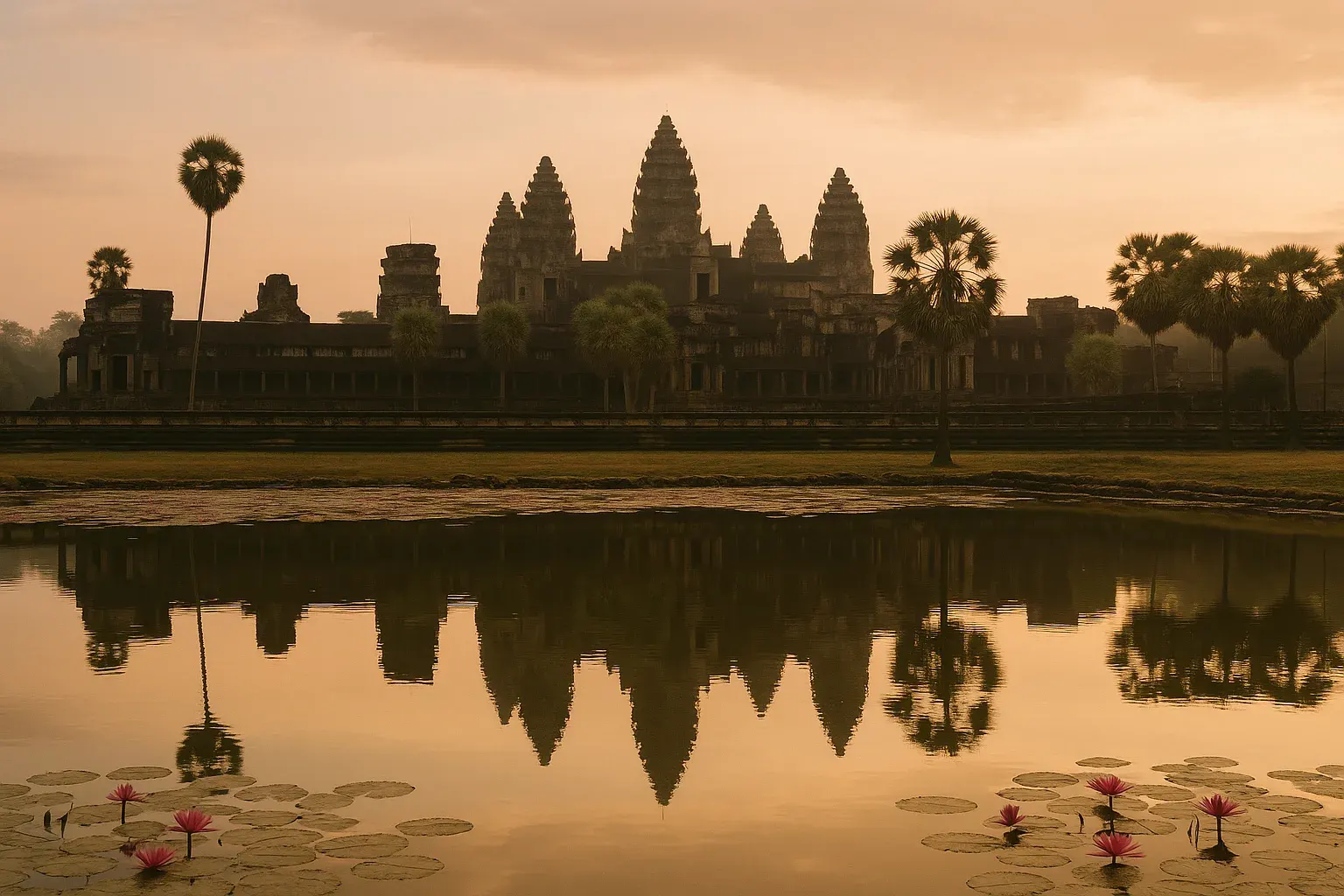
Angkor Wat Travel Guide 2026: Everything You Need to Know
KhmerAngkor Wat, the world's largest religious monument, spans over 400 acres in the heart of Cambodia. T...
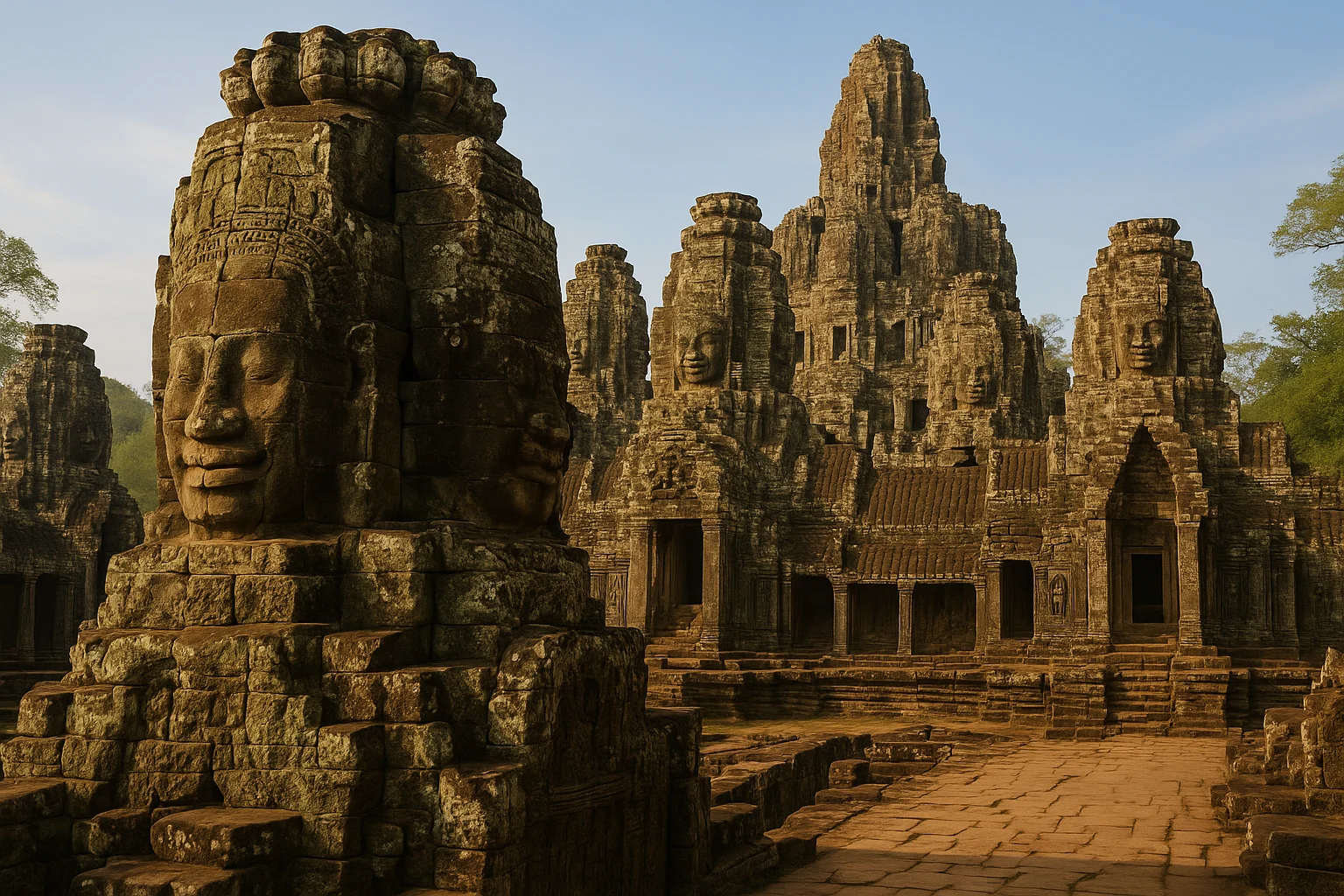
Bayon Temple Travel Guide 2026: Face Towers, Bas-Reliefs, and Best Visit Timing
KhmerBayon Temple sits at the center of Angkor Thom and is famous for its carved stone faces. This guide ...
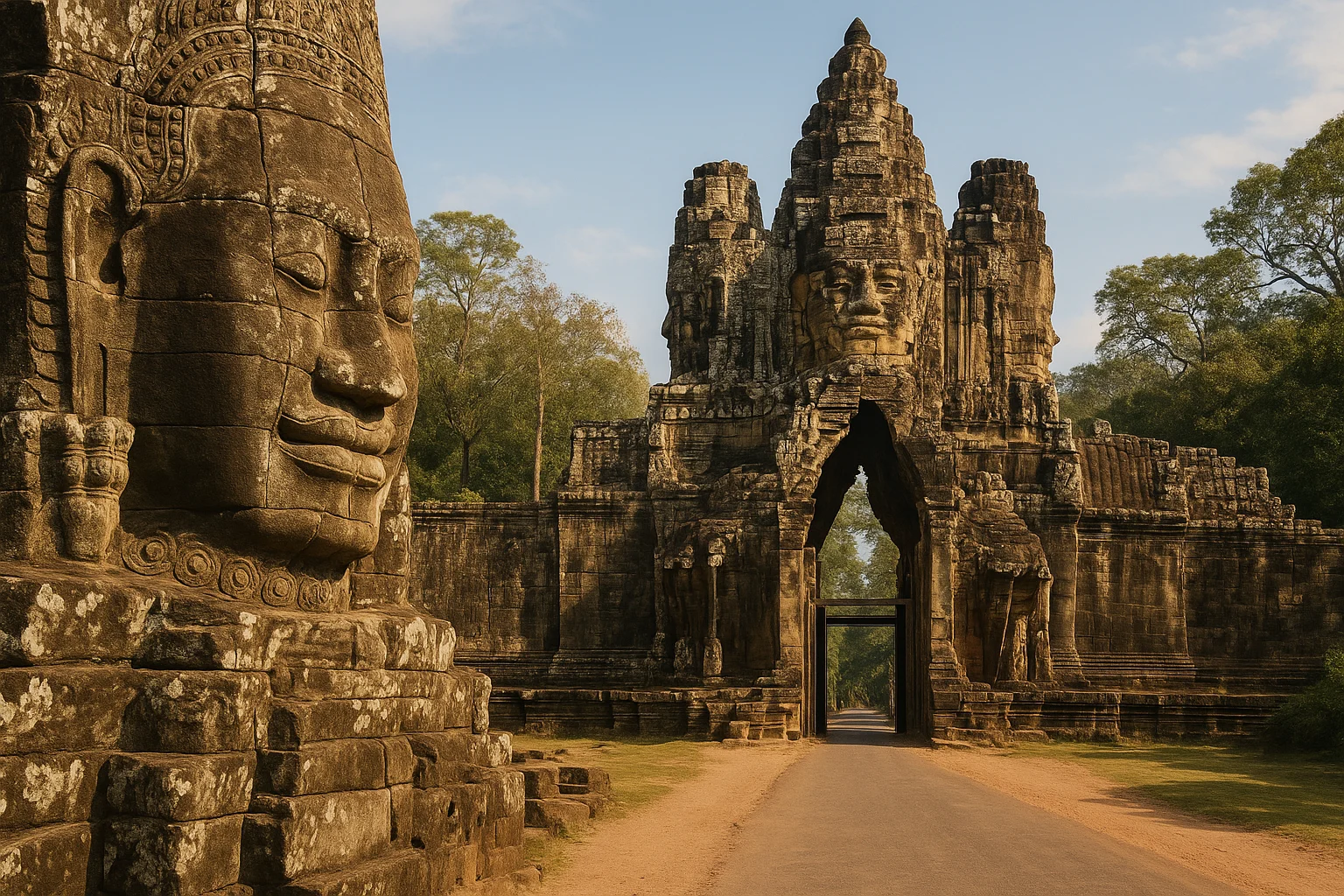
Angkor Thom Travel Guide 2026: Bayon Faces, Gates, and the Khmer Royal City
KhmerAngkor Thom was the last great capital of the Khmer Empire. This guide covers how to visit Bayon, th...
Banteay Kdei
KhmerExplore Cambodia’s Banteay Kdei, a atmospheric Angkor temple-monastery of quiet courtyards, worn car...