Quick Info
Curated Experiences
Dazaifu Historical Sites Full-Day Tour from Fukuoka
Dazaifu Government Ruins and Tenmangu Shrine Walking Tour
Fukuoka Ancient Heritage Day Trip
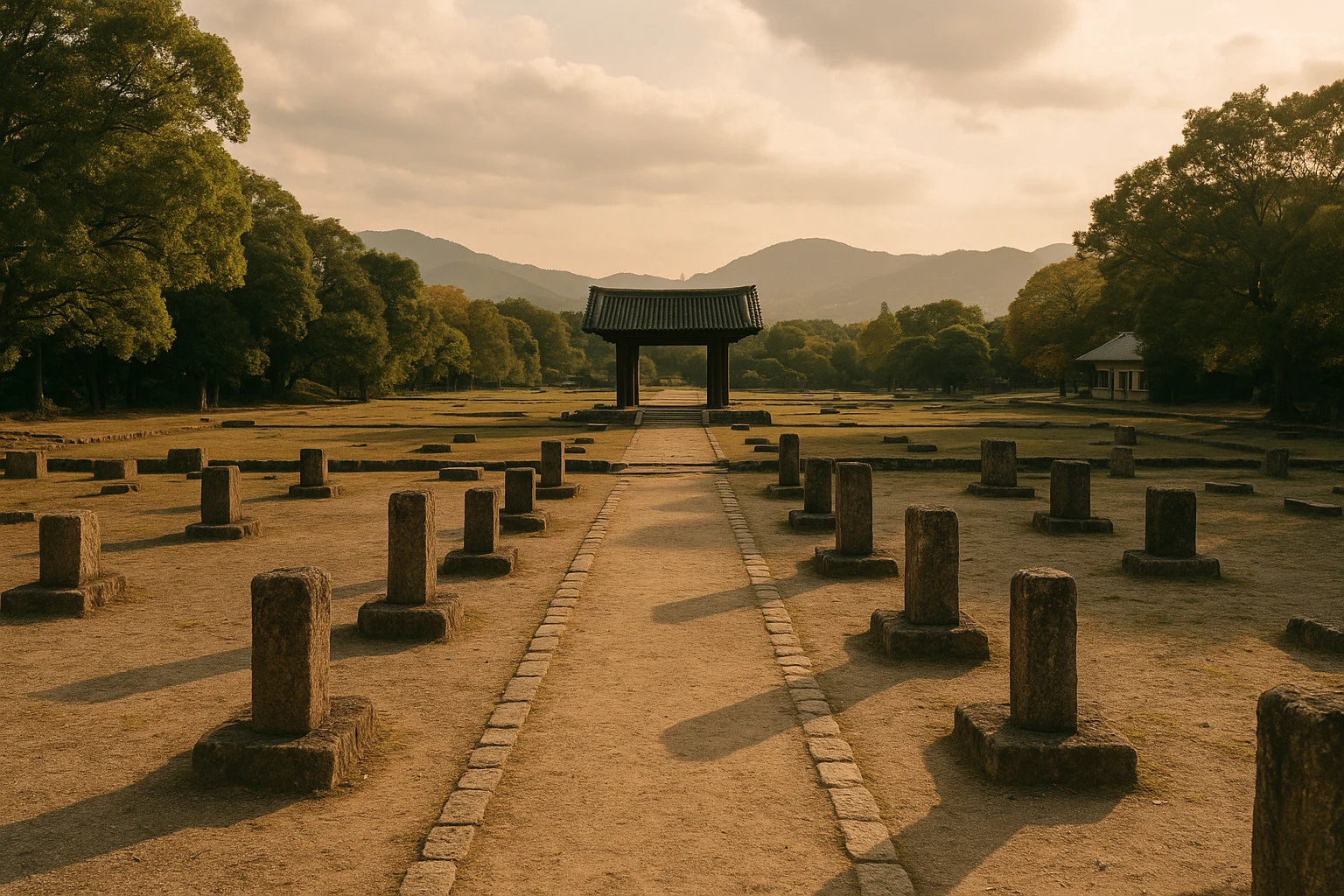
Spreading across a wide greensward in the heart of Dazaifu City, the Dazaifu Government Office Ruins — known in Japanese as Dazaifu Seicho Ato — are among the most consequential archaeological sites in all of Japan. Here, in Fukuoka Prefecture on the northern tip of Kyushu island, the imperial court once maintained its most powerful regional outpost, governing all of western Japan and managing every diplomatic and commercial contact with the Asian continent. Low stone plinths and a scattering of reconstructed columns rise from manicured lawns where once a great hall received envoys from Tang Dynasty China, Silla, and the Korean kingdoms. The silence today belies the site’s historic intensity. For nearly five centuries, Dazaifu functioned as a second capital — a western fortress-city that shaped the course of Japanese civilisation at a moment when China and Korea were its most important cultural models. Standing on the flagstone axis of the reconstructed main hall in the early morning, the mountains of Fukuoka visible on the horizon and crows calling from the old plum trees nearby, it is easy to understand why Japanese historians have compared Dazaifu’s role to that of a separate seat of government rather than a mere provincial office.
History
Origins and the Crisis of 663 CE
The story of Dazaifu cannot be told without its military origins. In 663 CE, Japanese and Baekje Korean forces suffered a catastrophic defeat at the Battle of Hakusukinoe (Baekje in modern South Korea), crushed by the combined navies of Tang China and the kingdom of Silla. The defeat sent shockwaves through the Yamato court in central Japan. With Tang and Silla forces now dominant on the Korean Peninsula and potentially threatening the Japanese archipelago, the court urgently needed a defensive command in Kyushu — the island closest to the continent and the obvious point of any invasion. A fortified administrative complex was established at Dazaifu, backed by the hillfort of Ono Castle (Onojo) on the ridge immediately to its east. These two installations — the administrative city on the plain and the mountain fortress above it — together formed a defensive and governmental system designed to hold Kyushu, protect the sea approaches, and project Japanese authority toward the continent.
The Nara Period: Zenith of Power (710–794 CE)
With the establishment of the Nara capital in 710 CE, Dazaifu grew into its most elaborate form. The Yamato state codified its provincial administration under the ritsuryo legal system, and Dazaifu was elevated to a status unlike any other regional government — it received the title Dazaifu Sotoku-fu, effectively a viceroy’s office administering all of Kyushu and the western islands. The governor-general’s compound (seicho) was built on a scale rivalling the great halls of Nara itself, with a formal southern gate, a broad central boulevard, and a main audience hall (seido) set on a raised stone platform. Diplomatic missions from China and Korea were received here with full court ceremony before proceeding to the Nara capital. Dazaifu also maintained a military headquarters (Chinzei), a foreign-affairs bureau (Korokan guesthouse), and its own mint. Archaeological excavations since the 1970s have revealed extensive evidence of elite craft production, continental-style ceramics, and administrative documents written on wooden tablets (mokkan), confirming that this was a fully functioning second city.
The Heian Period and Decline (794–1100 CE)
When the capital shifted from Nara to Kyoto (Heian-kyo) in 794 CE, Dazaifu retained its administrative role but its political centrality began to wane. The appointment of the scholar-statesman Sugawara no Michizane as governor-general in 901 CE — effectively an exile forced on him by court rivals — became the event most associated with Dazaifu in popular memory. Michizane died in Dazaifu in 903 CE, and his spirit was believed responsible for a series of disasters that struck the court shortly after. A shrine was built over his tomb; it became Dazaifu Tenmangu, today one of Japan’s most beloved Shinto shrines. As the Heian state contracted and private landholdings (shoen) fragmented central control, Dazaifu’s military and bureaucratic functions gradually eroded. By the late Heian period it functioned as a shadow of its former self, and by the Kamakura period (1185 CE onward) it had lost its special status entirely. The great halls fell into disrepair, their timbers harvested for later buildings, leaving only the stone foundations that visitors explore today.
Rediscovery and Designation
Systematic archaeological investigation began in earnest in the 1970s, carried out by the Dazaifu City Board of Education and later by the Fukuoka Prefectural Board of Education. Decades of excavation revealed the full outline of the government complex, including the main audience hall, the east and west secondary halls, administrative offices, storehouses, and the axial boulevard. In 1979 the site was designated a Special Historic Site by the Japanese government — a designation held by fewer than seventy sites in all of Japan, reserved for places of exceptional national importance. The Kyushu National Museum, which opened adjacent to Dazaifu in 2005, was built partly to provide a permanent scholarly home for the region’s extraordinary cultural heritage and to contextualise finds from the ruins within the broader sweep of Asian history.
Key Features
The Main Audience Hall Platform
The centrepiece of the archaeological park is the great stone platform of the seido — the main audience hall — which rises from the flat ground like the foundation of a vanished cathedral. The platform itself, measuring roughly 27 metres by 19 metres, is faced in precisely cut stone and preserves the column base stones in their original positions. Visitors can walk across the platform on designated pathways, reading the spacing of the column bases as evidence of the building’s original proportions. On the southern end of the platform, a partial reconstruction of the entrance columns gives a sense of the hall’s original grandeur — tall red-lacquered posts supporting bracketed eaves in the Chinese-influenced style common to Nara-period elite architecture. Early morning visits, when low sunlight rakes across the stone surface, reveal the careful workmanship of the masons who built this platform more than thirteen centuries ago.
The Tofuro Park Grounds
The ruins are set within Tofuro Park, a spacious green area that preserves the ancient plan of the government precinct at a 1:1 scale. Interpretive markers are placed throughout the park identifying the former locations of the east and west halls, storehouses, gates, and administrative buildings. The park is planted with plum trees (ume) — a deliberate echo of Michizane’s famous attachment to plum blossoms — and in late February and early March the entire site is perfumed and flushed with white and pink blossom, drawing visitors who come as much for the seasonal beauty as for the history. The park’s open, unhurried atmosphere invites slow exploration; unlike many Japanese heritage sites, there is no prescribed circuit and visitors are free to wander at their own pace.
The Dazaifu Exhibition Hall
Within the park stands a modest but well-curated exhibition hall dedicated to the history and archaeology of the government office site. Displays include original mokkan (inscribed wooden tablets) recovered from excavations, reconstructed models of the main hall and the wider government precinct at its Nara-period peak, continental ceramics and coins recovered from the site, and detailed explanations of the ritsuryo administrative system. Scale models allow visitors to visualise the relationship between the seicho complex, the Ono hillfort to the east, and the town that once surrounded both. English-language signage has improved considerably in recent years, and the exhibition hall provides essential context for making sense of the stone foundations outside.
Ono Castle (Onojo) Earthworks
A short walk or bicycle ride uphill from the ruins brings visitors to the surviving earthworks of Ono Castle, the 7th-century hillfort built simultaneously with the government office as its military counterpart. The castle was constructed using the chosan technique imported from the Korean kingdom of Baekje, with massive earthen ramparts snaking across the ridgeline. The earthworks are still imposingly intact in places, rising several metres above the surrounding forest floor. Walking the ridge trail between the earthwork sections offers sweeping views over Dazaifu City and the Fukuoka basin, making the strategic logic of the site immediately apparent — anyone approaching the plain below would have been visible from this ridge long before they arrived.
The Kyushu National Museum
Though technically a separate institution, the Kyushu National Museum is so closely integrated with the Dazaifu heritage zone that any serious visitor should include it. The museum — Japan’s fourth national museum and its first to open in over a century when it debuted in 2005 — focuses specifically on the cultural exchange between Japan and the rest of Asia. Its permanent collection includes artefacts from Dazaifu’s excavations as well as extraordinary objects tracing the movement of ideas, technologies, and artistic styles across the East China Sea from prehistory through the early modern period. The building itself, designed by Kikutake Kisho, is a dramatic work of contemporary architecture that manages to complement rather than compete with its ancient surroundings.
Getting There
Dazaifu is easily reached from central Fukuoka by the private Nishitetsu railway network. From Fukuoka’s Tenjin Station, take the Nishitetsu Omuta Line to Futsukaichi Station (approximately 25 minutes, ¥340), then board the short Nishitetsu Dazaifu Line to Dazaifu Station (5 minutes, ¥160). Total journey time is around 40 minutes with a smooth connection; the combined fare is approximately ¥420 each way. Trains run frequently throughout the day. From Dazaifu Station, the government office ruins are a 15-minute walk west along the main street, passing through the Tenmangu shrine approach with its famous umegae mochi rice cake stalls.
Alternatively, Nishitetsu runs a direct sightseeing bus called the Tabito from Tenjin Station directly to Dazaifu Station on weekends and public holidays; check the Nishitetsu website for current schedules and fares. Visitors arriving from Hakata (Fukuoka’s JR station) can take the JR Kagoshima Main Line to Futsukaichi Station and walk five minutes to the Nishitetsu station.
Driving from central Fukuoka takes about 30 minutes via the Kyushu Expressway. Paid parking is available near Dazaifu Tenmangu Shrine for approximately ¥500–¥800 per day. Given the ease of public transport and the relatively compact heritage zone, most visitors find the train far more convenient. For those combining Dazaifu with Fukuoka City sightseeing, a Nishitetsu day pass (¥920) covering unlimited rides on the relevant lines represents good value.
When to Visit
The ruins are accessible year-round with no seasonal closures, but each season offers a different character. Late February to mid-March is the most celebrated time to visit, when the plum trees within Tofuro Park bloom in shades of white, pale pink, and deep rose. The fragrance is extraordinary on still days, and the blossoms against the ancient stone platforms create some of the most evocative scenes at any Japanese archaeological site. Crowds gather for the plum festivals but the outdoor space of the park absorbs visitors well.
Spring (April to May) brings cherry blossoms to the surrounding streets and comfortable temperatures in the high teens to low twenties Celsius, making it ideal for extended outdoor exploration of the ruins and the hillfort earthworks. Autumn (mid-October to late November) offers another spectacular season, with the zelkova and maple trees in the park turning amber and red while temperatures remain pleasant for walking.
Summer (June to September) in Fukuoka is hot and humid, with temperatures regularly exceeding 33°C and a rainy season (tsuyu) running through June and much of July. If visiting in summer, start early — by 8:00 AM the site is cool and nearly empty — and retreat indoors to the Kyushu National Museum during the midday heat. Winter (December to February) is mild by Japanese standards, rarely dropping below 5°C, and the ruins have a serene, uncrowded quality in the low grey light of the season. The plum trees begin their slow awakening from late January onward, and dedicated visitors often catch the very first blossoms before the main festival crowds arrive.
| Quick Facts | |
|---|---|
| Location | Dazaifu City, Fukuoka Prefecture, Kyushu, Japan |
| Coordinates | 33.5177°N, 130.5164°E |
| Established | c. 663 CE (original fortification); main complex 7th–8th century |
| Designation | Special Historic Site (Japan), highest national category |
| Active Period | 7th to 12th century CE |
| Civilisation | Yamato Japan (Nara–Heian State) |
| Nearest City | Fukuoka (approx. 16 km northwest) |
| Getting There | Nishitetsu rail from Tenjin Station, ~40 min, ¥420 |
| Admission | Outdoor ruins free; Exhibition Hall ¥200 adults |
| Opening Hours | Outdoor site: always open; Exhibition Hall: 9:00–17:00, closed Mondays |
| Best Season | Late February (plum blossom) or October–November (autumn foliage) |
| On-Site Museum | Dazaifu Exhibition Hall (within park) |
| Nearby Museum | Kyushu National Museum (¥700 adults, 5-min walk) |
Frequently Asked Questions
Where exactly are the Dazaifu Government Office Ruins located?
The ruins are in Dazaifu City, Fukuoka Prefecture, Kyushu, Japan — about 16 kilometres southeast of central Fukuoka. The archaeological site lies within a dedicated park known as Tofuro Park, adjacent to the Kyushu National Museum.
Is there an admission fee to visit the Dazaifu Government Office Ruins?
The outdoor ruins and Tofuro Park are free to enter at any time. The Dazaifu Exhibition Hall on site charges a small admission fee of around ¥200 for adults. The nearby Kyushu National Museum has a separate admission of ¥700 for adults.
How do I get to the Dazaifu Government Office Ruins by public transport?
Take the Nishitetsu Omuta Line from Fukuoka (Tenjin Station) to Futsukaichi Station, then transfer to the Nishitetsu Dazaifu Line to Dazaifu Station. The journey takes about 40 minutes and costs approximately ¥420. From Dazaifu Station the ruins are a 15-minute walk west through the town.
Are the Dazaifu Government Office Ruins connected to Dazaifu Tenmangu Shrine?
Yes, historically and geographically. Dazaifu Tenmangu Shrine, dedicated to the scholar-statesman Sugawara no Michizane who died in Dazaifu in 903 CE, lies about 500 metres east of the government office site. Both sites are central to understanding Dazaifu's importance as an administrative and cultural hub.
How much time should I allow for the Dazaifu Government Office Ruins?
Plan at least 1.5 to 2 hours for a thorough visit of the ruins and the Exhibition Hall. Combine it with Dazaifu Tenmangu Shrine and the Kyushu National Museum for a full day. The entire Dazaifu heritage zone is compact enough to explore comfortably on foot.
What is the best season to visit the Dazaifu Government Office Ruins?
Spring (late March to early May) offers pleasant temperatures and cherry blossoms across the site. Autumn (October to November) brings vivid foliage and cool weather. Summer (July–August) is hot and humid in Fukuoka; mornings are best if you visit then. The site is open year-round.
Are the ruins a UNESCO World Heritage Site?
Not currently, though Dazaifu is recognised as a nationally designated Special Historic Site — the highest designation in Japan's cultural property system. Efforts to nominate related Yamato-period sites in Kyushu for UNESCO status are ongoing.
Nearby Ancient Sites
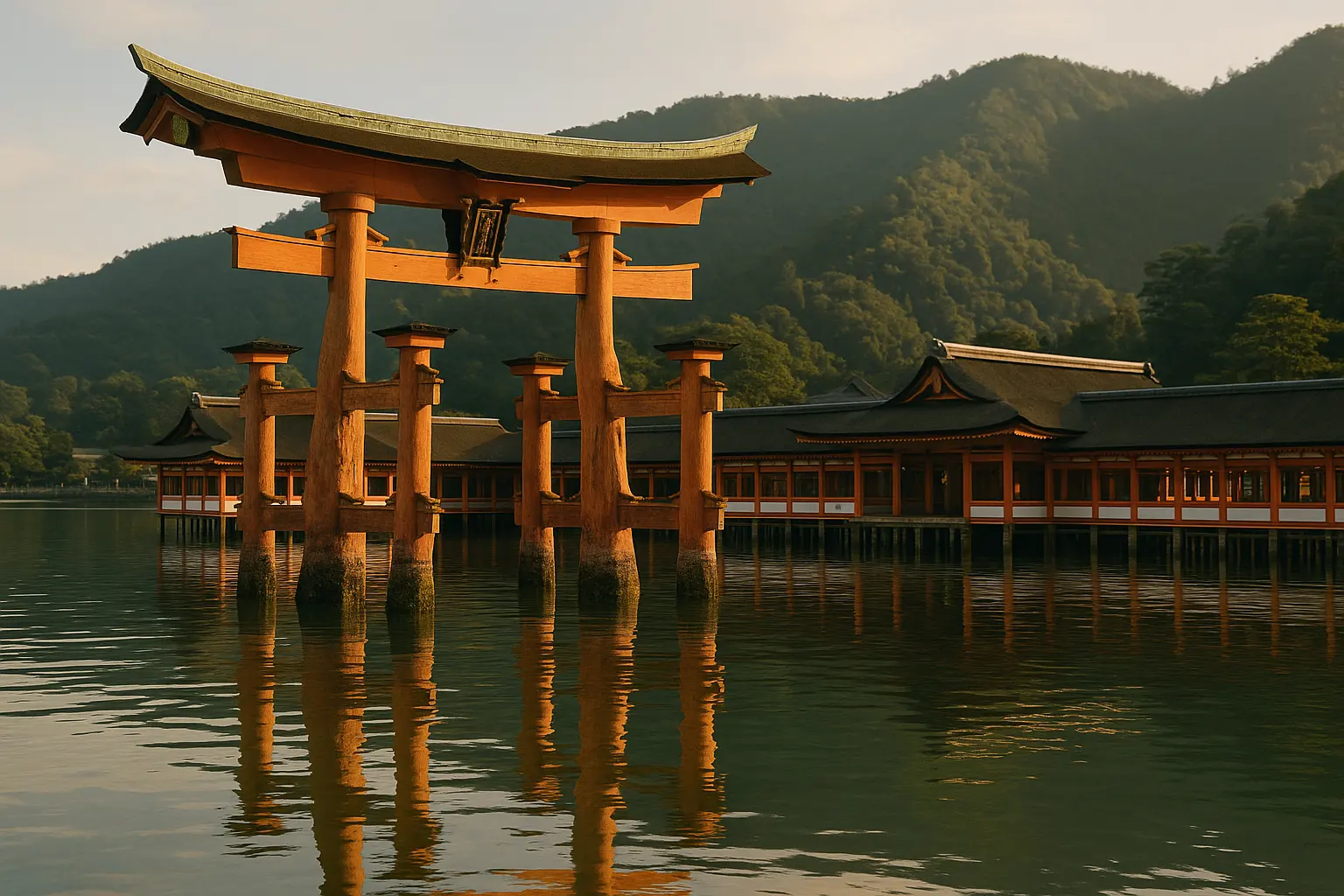
Itsukushima Shrine Japan Travel Guide 2026: The Floating Torii Gate
Japanese ShintoVisit Itsukushima Shrine on Miyajima Island, famous for its floating torii gate. Discover the shrine...
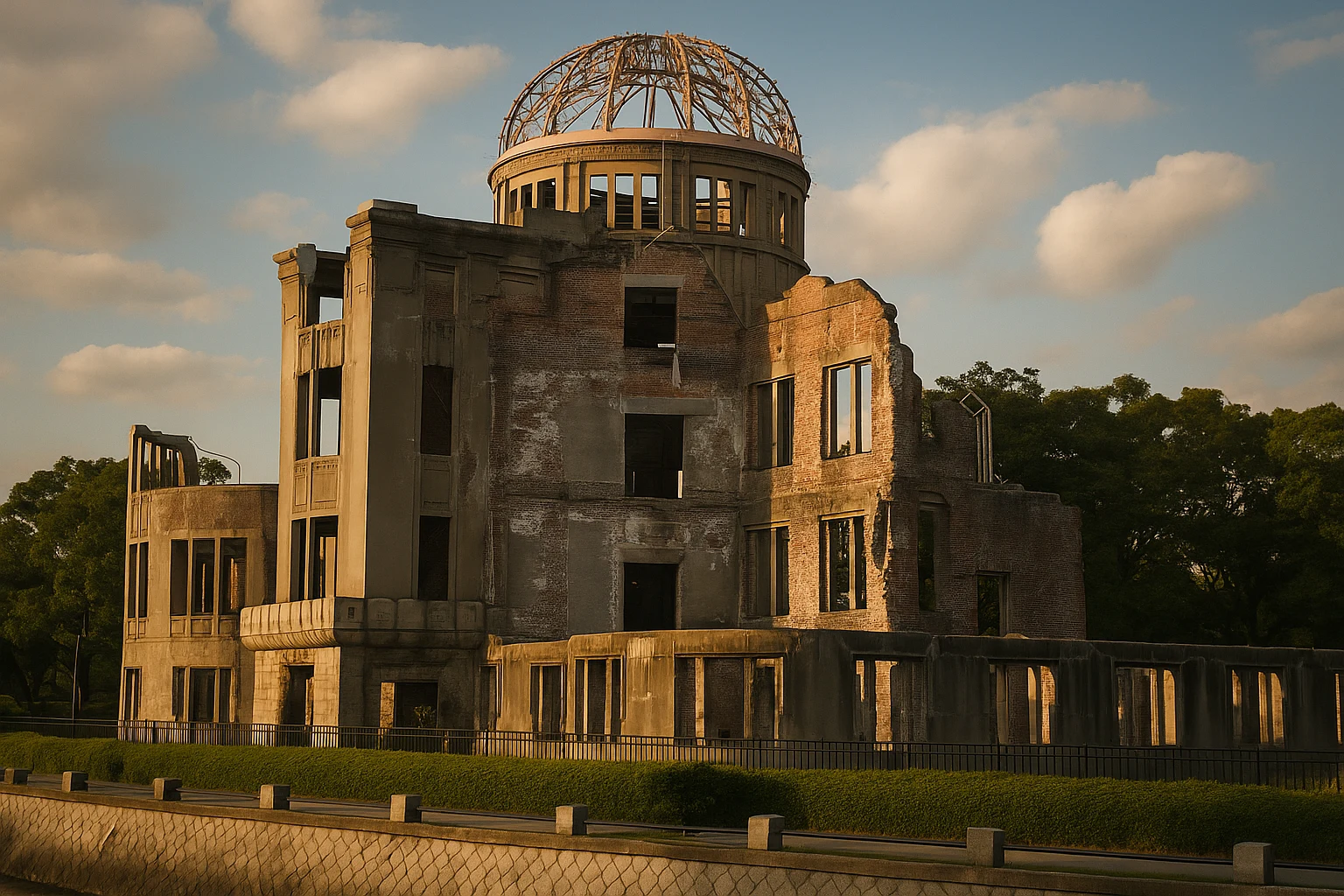
Hiroshima Peace Memorial (A-Bomb Dome)
Modern JapanThe UNESCO-listed A-Bomb Dome preserves the haunting ruins of the 1945 atomic bombing at Hiroshima P...
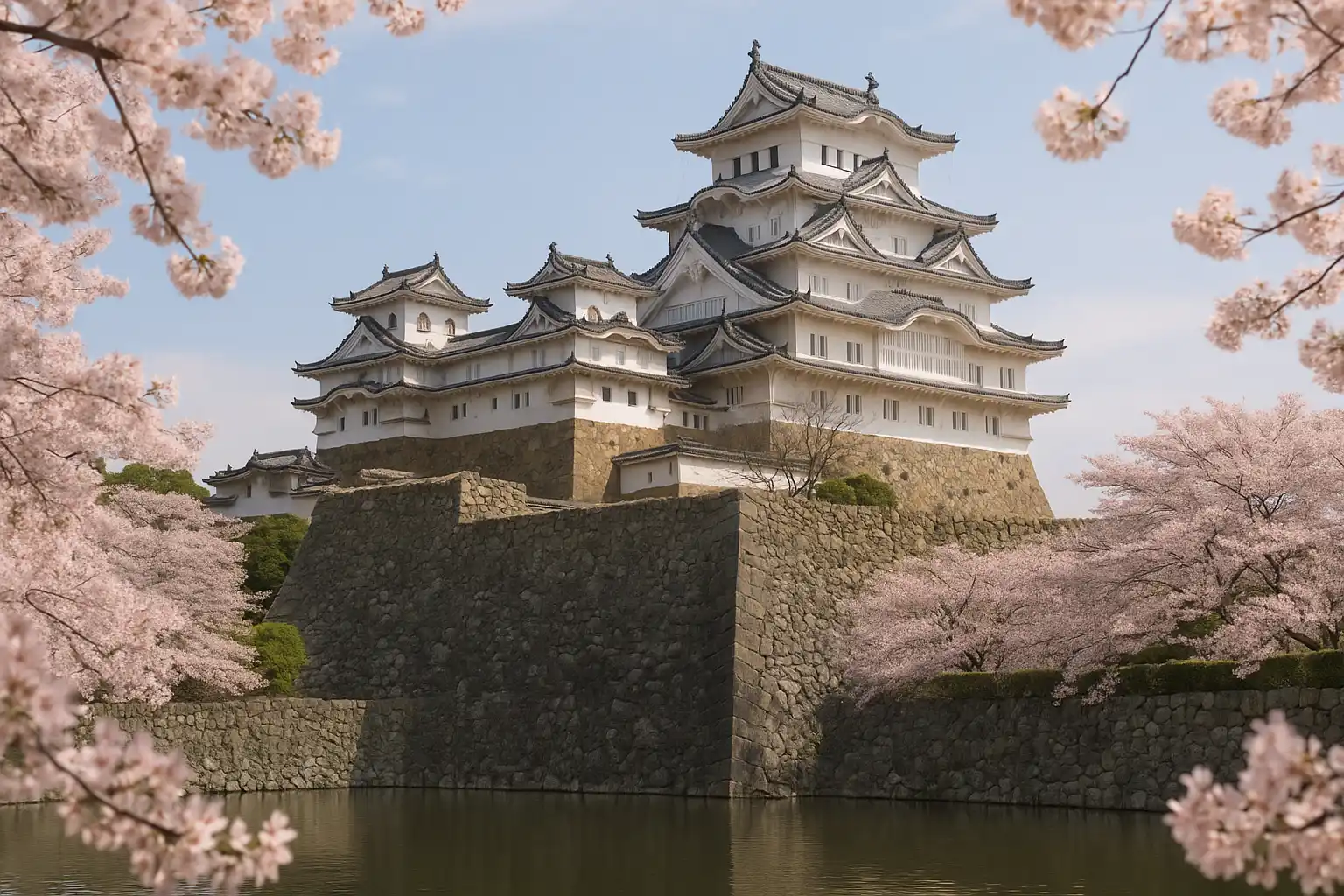
Himeji Castle Japan Travel Guide 2026: The White Heron Castle
Japanese FeudalVisit Himeji Castle, Japan's most beautiful original castle. Explore the White Heron keep, defensive...
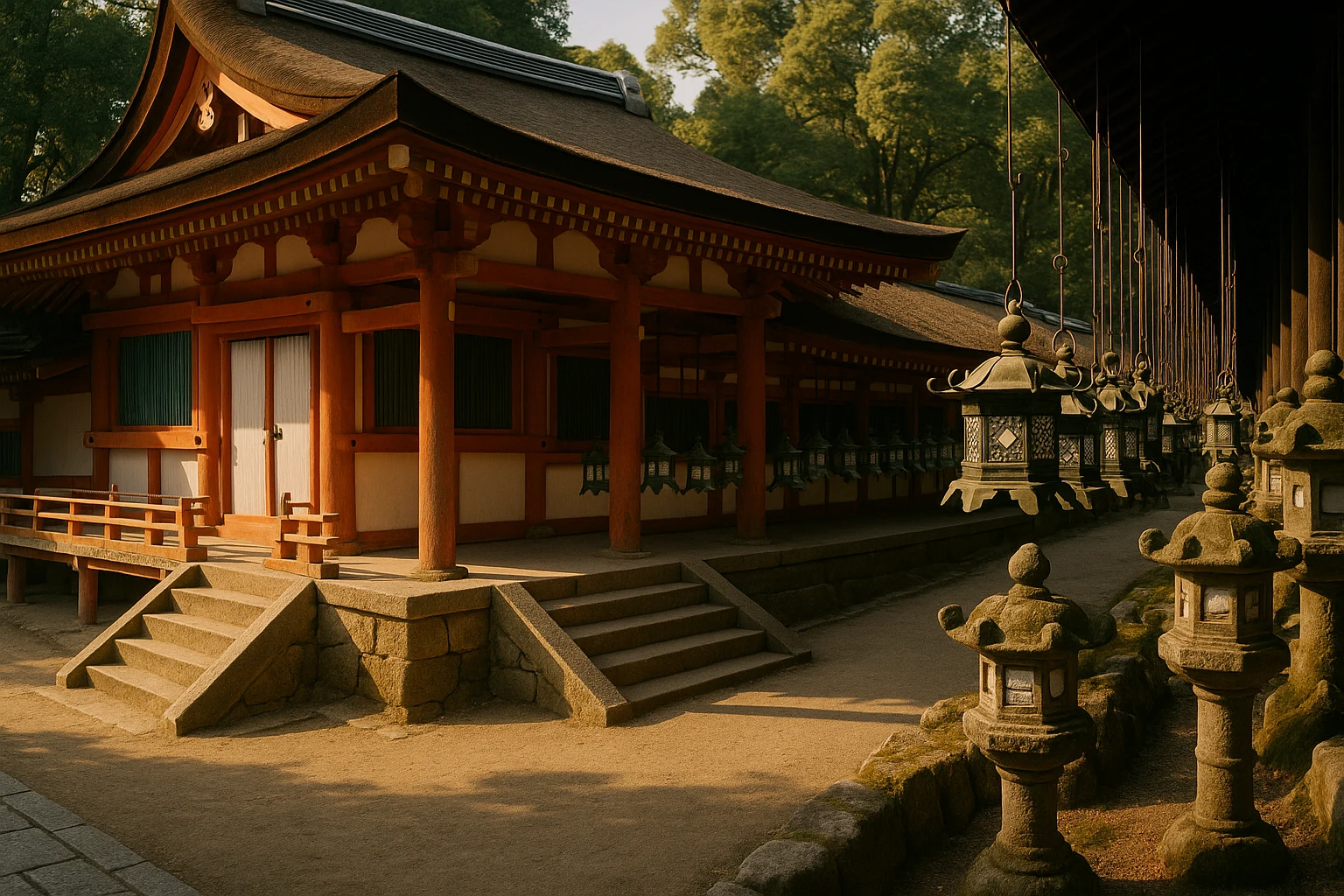
Kasuga Taisha Shrine
JapaneseSacred Shinto shrine in Nara, Japan, renowned for thousands of bronze and stone lanterns and UNESCO ...