Quick Info
Curated Experiences
Valley of the Kings, Hatshepsut Temple, and Deir el-Medina Tour
Luxor West Bank Tour including Deir el-Medina
Deir el-Medina, Valley of the Queens & Nobles Full-Day Tour
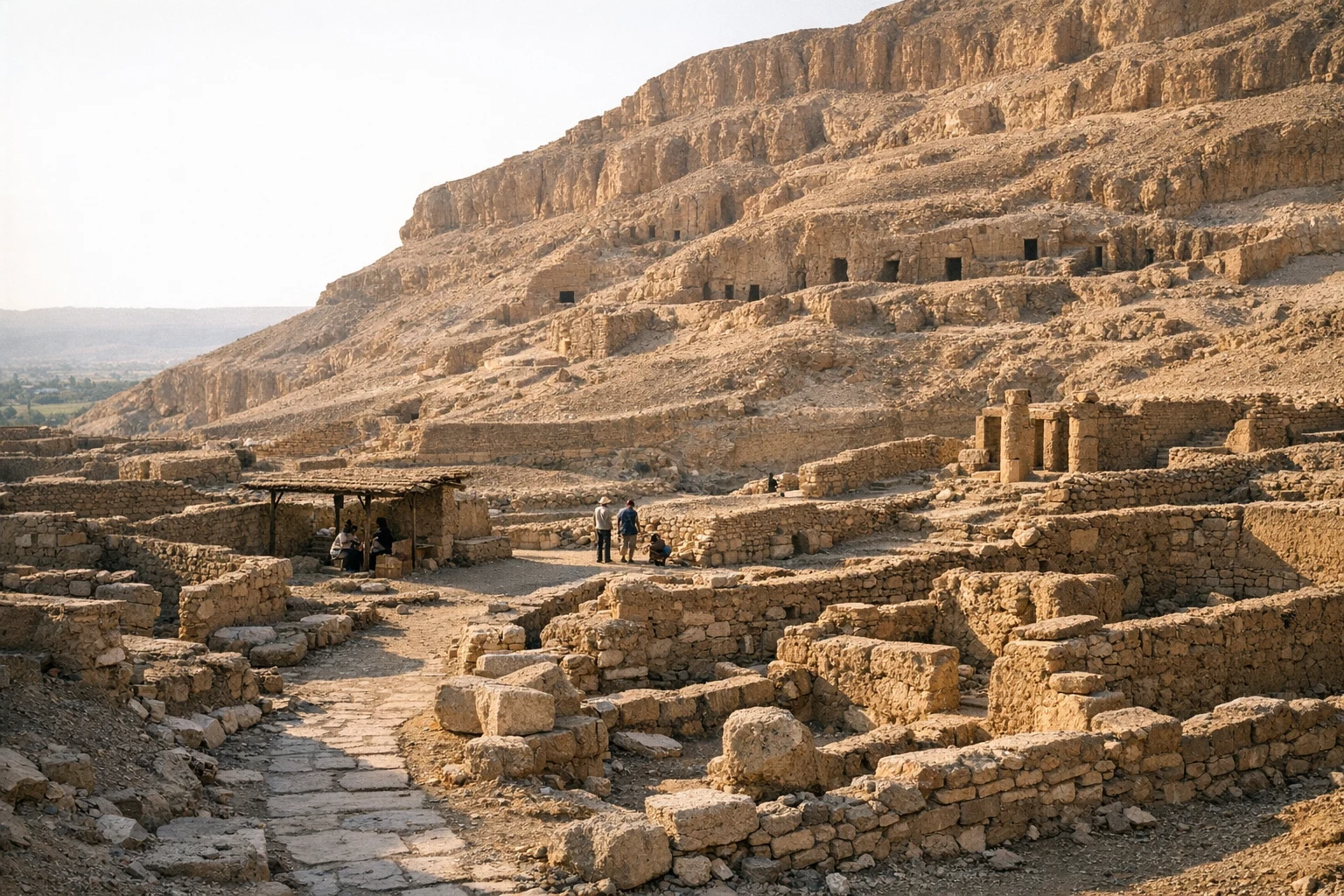
Nestled in the arid embrace of the Theban hills on the west bank of the Nile, Deir el-Medina stands as one of Egypt’s most evocative windows onto everyday ancient lives. This modest walled settlement, located just outside the modern city of Luxor, offers a unique contrast to the monumental grandeur of pharaonic temples and pyramids. Here, Egypt’s skilled artisans—those responsible for decorating the royal tombs of the nearby Valley of the Kings—lived, worked, and built their own homes and tombs. The discovery and excavation of Deir el-Medina in the 20th century unveiled not only an impressively complete village but also a trove of personal artifacts, written records, and vibrant tomb art that brings to life the families and individuals who shaped New Kingdom Egypt from behind the scenes.
Visitors to Deir el-Medina can walk the same narrow lanes once trodden by these ancient workers, view the remains of mud-brick houses, and marvel at the intact funerary chapels and vivid tomb paintings that illustrate both daily routines and heartfelt religious beliefs. The scale is human, intimate, and surprisingly familiar—its graffiti, contracts, and love poems transport us into the most private moments of a vanished world. Far from the exclusive domain of royalty, this village was the beating heart of a close-knit, multi-generational community, overseen by its own administrators and even home to strikes and civil disputes. Standing amid the ruins of Deir el-Medina, the visitor feels closer than anywhere else in Egypt to the dreams and dilemmas of ordinary ancient people, their artistry, their quarrels, and the indelible mark they left on the civilization they served.
History
Foundations under the New Kingdom
The origins of Deir el-Medina can be traced to the early 18th Dynasty (around 1500 BCE), when Egypt’s pharaohs turned their focus to the development of grand rock-cut tombs in the valleys west of present-day Luxor. Recognizing the need for a community of specialized workers capable of undertaking the delicate tasks of carving and decorating royal burial places, the pharaohs established a purpose-built village on the desert’s edge. Known simply as “Set-Ma’at” (The Place of Truth), Deir el-Medina housed the scribes, masons, painters, and laborers entrusted with creating spectacular tombs for the kings, queens, and nobles of the New Kingdom.
The settlement grew rapidly, and over the centuries, its population would ebb and flow in response to local and national turmoil. The village was somewhat isolated from broader Theban society by both its location and its social status; its workers were privileged experts, compensated by the state and shielded from many of the hardships faced by ordinary Egyptians elsewhere. Life here revolved around strict work schedules—eight-day work weeks followed by two-day breaks—supervised by “foremen” and scribes who kept meticulous records of absence, supplies, and the state of each tomb project.
Golden Age: Prosperity During the Reigns of the Ramesside Pharaohs
During the 19th and 20th dynasties, particularly in the long and prosperous reign of Ramesses II, Deir el-Medina reached the height of its activity and influence. The size of the village increased, spillover housing crept outside the original walls, and generations of families traced their lives back to the earliest artisan settlers. The workers’ status accorded them privileges: regular rations, payment in kind (grain, beer, fish, even precious ointments), and the ability to construct substantial tombs for themselves.
Crucially, Deir el-Medina’s scribes created detailed administrative and personal records, writing on limestone flakes (ostraca), and papyri. These covered topics ranging from official payslips and strike notices to legal disputes, love spells, school exercises, and even witty remarks about their neighbors’ misdeeds. Few other ancient settlements have offered such a wealth of firsthand accounts, providing modern Egyptologists with a rare and humanizing glimpse into daily life, religious practice, legal systems, and even the personalities behind the monuments.
Decline and Later Use
As political stability in Egypt waned under the later Ramesside kings, the royal building programs diminished, tomb robbery became rampant, and the population of Deir el-Medina gradually dispersed. By the end of the New Kingdom (c. 1070 BCE), the state could no longer sustain the village, which was eventually abandoned. However, the site was later repurposed during the Greco-Roman period, when the Ptolemies and Romans converted its main temple into a monastery. The site’s modern name—Deir el-Medina, meaning “Monastery of the Town”—reflects this subsequent Christian occupation. Over time, sand and rubble drifted over its ruins, preserving an intact urban grid until its rediscovery in the 20th century by French archaeologist Bernard Bruyère.
Key Features
Walking through Deir el-Medina today is a profoundly intimate experience, connecting you directly to the ancient inhabitants’ world. The entire settlement is compact and remarkably well-preserved: a dense network of mud-brick homes lines narrow alleys that run straight up the slope of the hillside, oriented to catch cooling breezes and sunlight.
Foremost among the village’s features is its residential architecture. Most homes consist of multiple small rooms—courtyards, kitchens, storage spaces, and cozy bedrooms—linked by low doorways still bearing soot stains from family hearths. Archaeological excavations in the houses have uncovered personal objects such as combs, gaming boards, amulets, children’s toys, and even scraps of ancient graffiti, some of it humorous or poignant. Unlike the grand temples and palaces of the pharaohs, these are dwellings scaled to the lives and needs of artisans, evoking a sense of communal intimacy.
Perhaps the most dazzling sights in Deir el-Medina, however, are the private tombs of the workers themselves. These tombs are masterpieces of New Kingdom funerary art: small in scale but painted with unmatched color, narrative energy, and loving detail. Notable examples include the tomb of Sennedjem, which depicts scenes of the afterlife with vibrant images of daily life, family gatherings, gardening, and banqueting in the Field of Reeds—a paradise for the virtuous. Another highlight is the tomb of Inherkhau, decorated with passages from the Book of the Dead and personal touches that hint at family pride. These tombs receive fewer visitors than those in the Valley of the Kings but are often better preserved and no less stunning.
Centrally located is the Ptolemaic temple of Hathor, built on the site of earlier chapels, where villagers worshiped the goddess as a protector of fertility and craftsmanship. The temple’s later adaptation as a Christian church adds yet another layer to the already complex history of the site.
Finally, scattered everywhere are the detritus of daily life—discarded ostraca, fragments of pottery, and the remains of a thriving, working-class community. These fragments, often inscribed with jokes or appeals to the gods, are as revealing in their own way as any grand inscription on a temple wall. They allow Deir el-Medina to speak in the authentic voices of the people who created—and inhabited—Egypt’s immortal monuments.
Getting There
Reaching Deir el-Medina is straightforward for travelers based in Luxor, which serves as the hub for exploring the sites of ancient Thebes. The site lies on the West Bank, roughly 7 kilometers from the center of modern Luxor, nestled near other iconic attractions such as the Valley of the Kings and the Colossi of Memnon.
The most common way to visit Deir el-Medina is as part of a guided day tour that also includes the Valley of the Kings, Valley of the Queens, and various nearby temples. Group tours offer the benefits of cost-sharing and expert interpretation, with prices typically ranging from $35–$70 USD per person, depending on group size and services provided. These often include hotel pickup and drop-off, entrance fees, and a knowledgeable Egyptologist guide.
For independent explorers, hiring a private taxi from Luxor is an efficient alternative. A round-trip taxi journey to the West Bank, including waiting time and several stops (such as Deir el-Medina, Valley of the Kings, and Hatshepsut Temple), usually costs between 350–600 EGP ($12–$20 USD) depending on your bargaining skills and number of sites visited. Negotiate the price in advance, and clarify your intended itinerary to avoid misunderstandings.
Alternatively, visitors can cross the Nile via public ferry (costing less than 10 EGP, or just a fraction of a dollar) and then hire a local taxi or van for the final leg to Deir el-Medina. While this option is budget-friendly and offers a taste of local life, it requires some logistical planning and is best suited for confident travelers. Note that public buses do not serve the archaeological zone directly.
There is no on-site accommodation at Deir el-Medina itself; the closest hotels and guesthouses are found in Luxor or the nearby West Bank villages. The area is very safe and used to welcoming tourists year-round.
When to Visit
The best time to explore Deir el-Medina aligns with Egypt’s cooler, more comfortable tourist season, which runs from October through April. During these months, daytime temperatures are typically pleasant—ranging from 18°C to 28°C (64°F to 82°F)—making for an enjoyable visit even when exploring exposed archaeological sites. Early mornings and late afternoons are especially atmospheric, as the golden light threads through the hills and casts long shadows over the mud-brick walls and temples.
June through August bring oppressive heat, with midday temperatures regularly soaring well above 40°C (104°F). During these months, visiting the site in the very early morning is absolutely essential, and bringing plenty of water, sun protection, and lightweight, breathable clothing is non-negotiable. Although visitor numbers are lowest in summer, the extreme weather can significantly impact the enjoyment of your visit.
Ramadan and major religious holidays can affect local opening hours, but Deir el-Medina remains accessible throughout the year. The site is generally quieter than the Valley of the Kings, even in high season, allowing for a relaxed and contemplative atmosphere. Autumn and early spring, with their mild breezes and wildflowers in the desert, are particularly recommended for photography and exploring in comfort.
Whenever you choose to visit, remember to allow enough time to fully experience both the village ruins and at least a few of the tombs—ideally with a knowledgeable guide who can bring the stories and artistry to life. As with all Egyptian archaeological sites, start early in the day for the coolest temperatures and the quietest experience.
Quick Facts
| Attribute | Detail |
|---|---|
| Location | West Bank of Luxor, Luxor Governorate, Egypt |
| Founded | Early 18th Dynasty, c. 1500 BCE |
| Function | Workers’ village for royal tomb-builders and artisans |
| Main highlights | Artisan tombs, mud-brick village, Temple of Hathor, ostraca |
| Site open to public | Yes |
| Recommended visit duration | 1–2 hours |
| Nearby major sites | Valley of the Kings, Valley of the Queens, Colossi of Memnon |
| Entrance fee | ~120–160 EGP (adult, subject to change) |
| Best time to visit | October–April |
| Accessibility | Via taxi, private driver, or west bank tour from Luxor |
| UNESCO World Heritage? | Yes (as part of Ancient Thebes) |
Frequently Asked Questions
What is Deir el-Medina famous for?
Deir el-Medina is famous as the ancient village where the artisans and workers of the royal tombs in the Valley of the Kings lived and were buried.
Are the tombs at Deir el-Medina open to visitors?
Yes, several artisan tombs at Deir el-Medina are open to visitors, renowned for their vibrant wall paintings and inscriptions.
How much time should I budget to visit Deir el-Medina?
Most visitors spend 1–2 hours exploring Deir el-Medina, including the workers’ homes, the temple, and several tombs.
Is Deir el-Medina accessible by public transport?
No direct public transport serves Deir el-Medina, but taxis, private drivers, or organized tours from Luxor are common and convenient.
Can I combine Deir el-Medina with other West Bank attractions?
Absolutely; Deir el-Medina is close to the Valley of the Kings, Valley of the Queens, and the Ramesseum, making it ideal for a West Bank day tour.
Nearby Ancient Sites
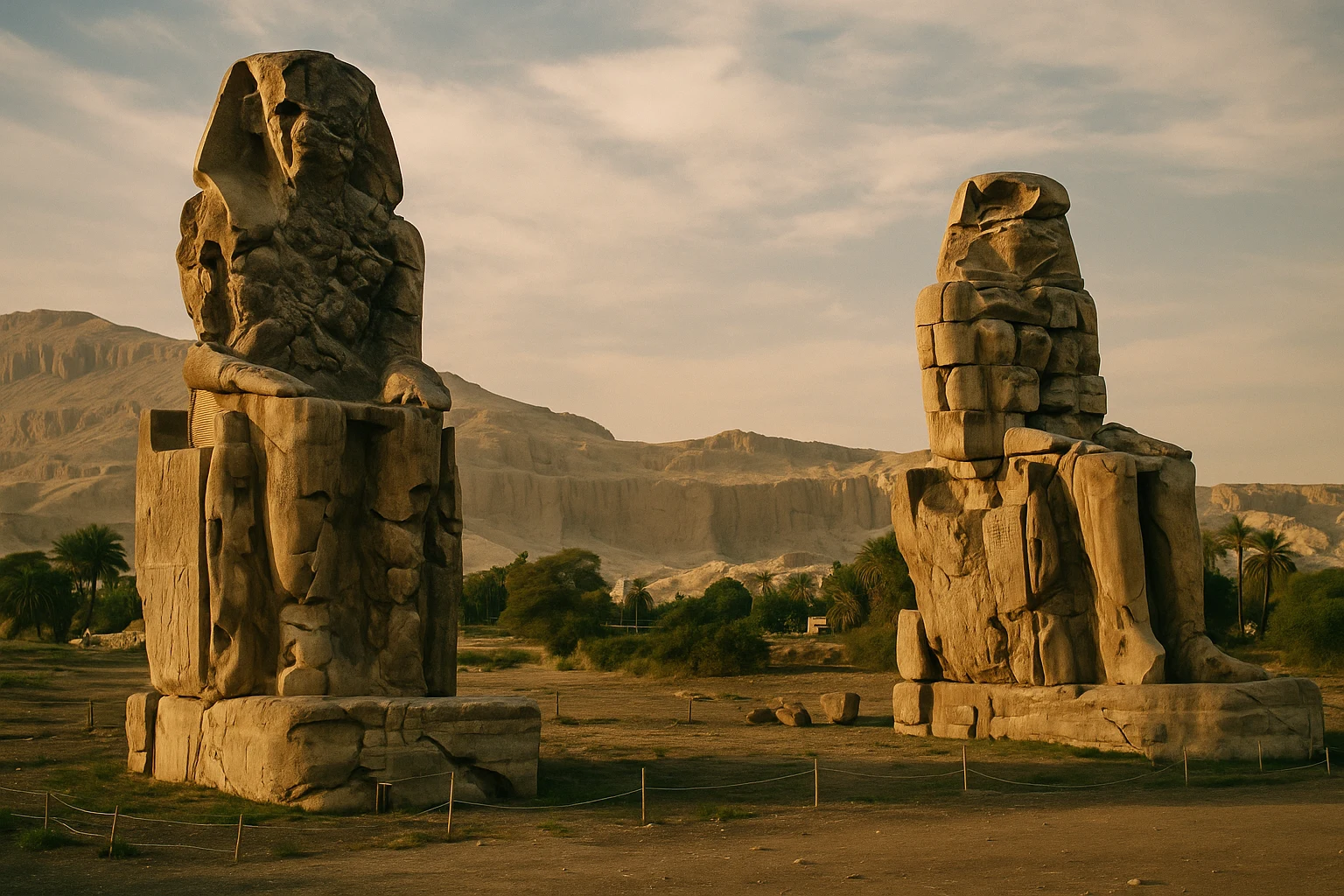
Colossi of Memnon
Ancient Egypt (New Kingdom)Twin colossal statues of Pharaoh Amenhotep III guarding the Theban necropolis on Luxor's West Bank, ...
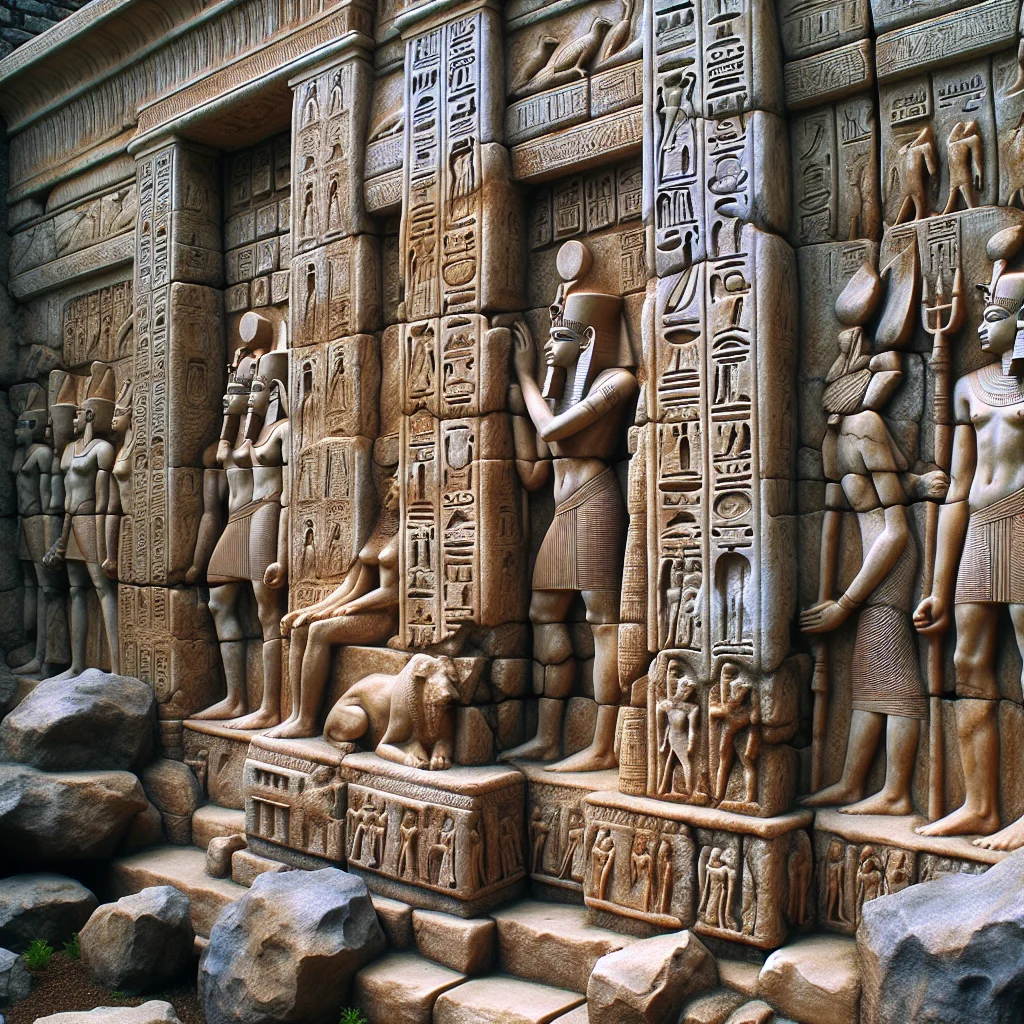
Abydos Temple Egypt Guide 2026: Temple of Seti I & King List
New Kingdom-PtolemaicAbydos Temple near Luxor: magnificent Temple of Seti I with war reliefs, ancient king list, and vibr...
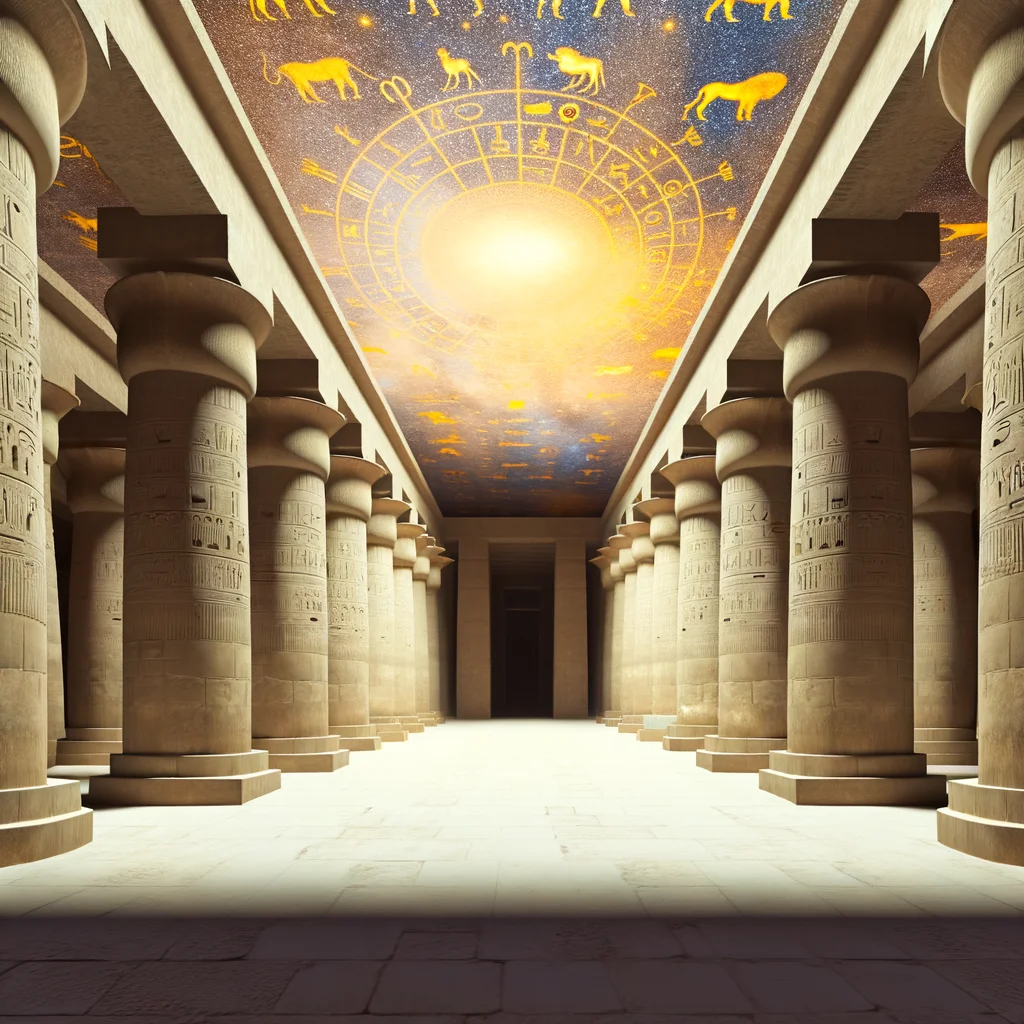
Dendera Temple Complex Egypt Guide 2026: Temple of Hathor & Zodiac Ceiling
Ptolemaic-RomanExplore Dendera's magnificent Temple of Hathor near Luxor. Star-mapped zodiac ceiling, Ptolemaic arc...