Quick Info
Curated Experiences
Dendera Temple Complex and Abydos Day Tour from Luxor
Private Full-Day Tour to Dendera Temple from Hurghada
Luxor West Bank and Dendera Temple Full-Day Private Tour
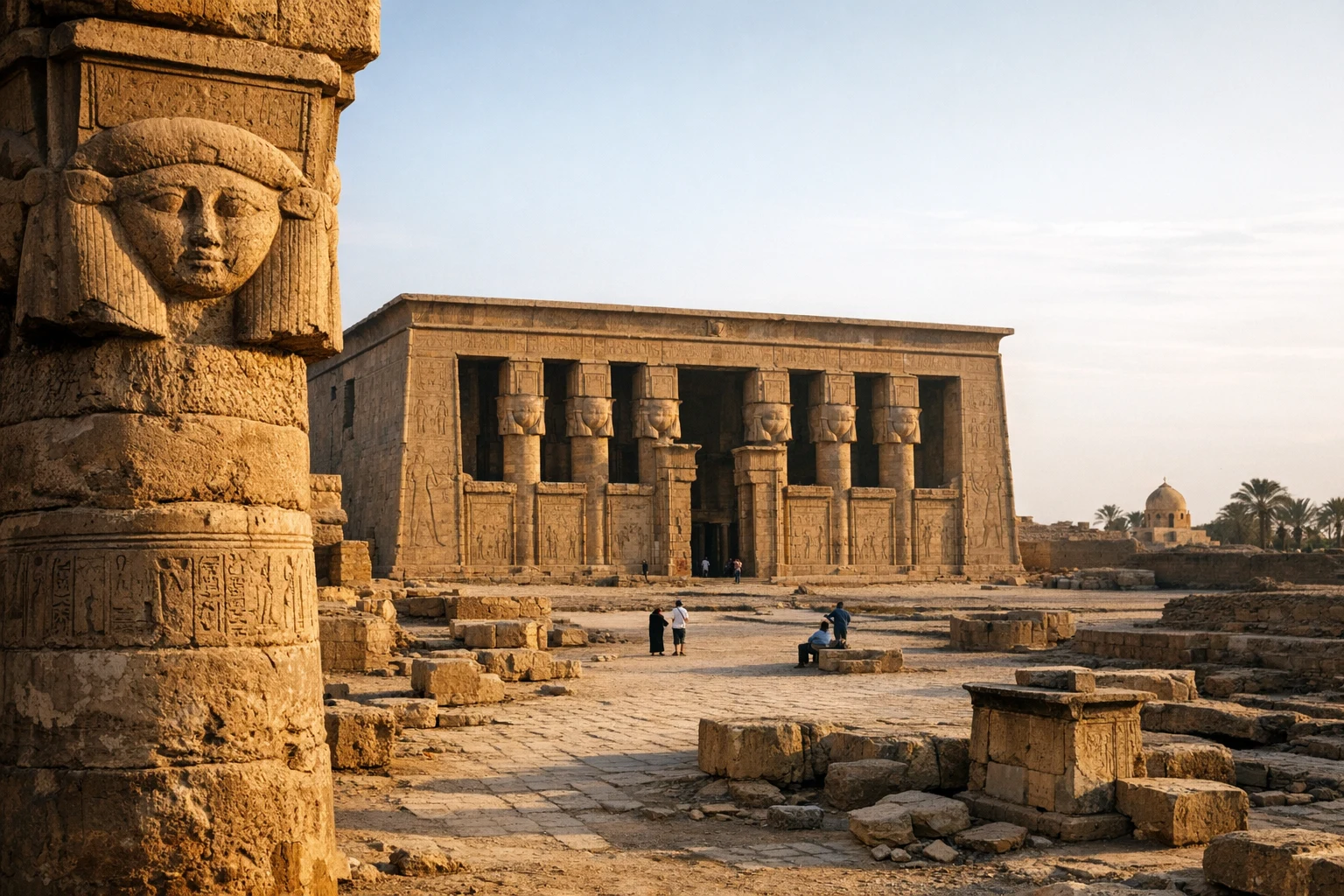
Rising on the west bank of the Nile in Egypt’s Qena Governorate, the Dendera Temple Complex stands as one of the country’s most evocative and best-preserved examples of ancient temple architecture. A majestic testament to Egypt’s spiritual and artistic legacy, this sprawling site comprises not just grand temples and chapels but also crypts, sacred lakes, and towering gateways, all set against a timeless horizon of Nile greenery and desert. For travelers interested in the marvels of ancient Egypt, Dendera offers a deeply immersive experience rivaled only by a handful of sites elsewhere along the Nile. The site’s centerpiece, the grand Temple of Hathor, immediately enchants with its monumental columns painted with dazzling blue ceilings and astronomical motifs, while mysterious underground reliefs and cryptic inscriptions whisper details of ancient rituals and lost knowledge.
Visiting Dendera Temple Complex offers a rare chance to step directly into the world of pharaohs, priests, and artisans thriving on the cusp of Egypt’s classical and Greco-Roman eras. Here, impressive stonework and vivid art have survived centuries of upheaval to present a relatively unspoiled vision of religious life and cosmic fascination. Unlike other packed tour destinations, the ambiance at Dendera tends to be contemplative and unhurried, making it an excellent choice for those seeking both grandeur and a measure of solitude. Whether you stand dwarfed by Hathor’s hypostyle hall, gaze upward at the celestial vaults, or trace the pathways trodden by pilgrims more than two millennia ago, a visit to Dendera etches itself deeply into the memory, blending wonder, discovery, and a sense of connection to the ancient world.
History
Beginnings and Pre-Pharaonic Origins
Long before the imposing stone blocks of the current complex were placed, the site of Dendera was venerated as a sacred ground. Archaeological evidence suggests that Dendera hosted cult activity as early as the Predynastic period, with early inhabitants worshipping local deities whose names are now buried by time. It was not until the Old Kingdom, particularly under the 6th Dynasty (c. 2323–2150 BCE), that there is explicit record of a temple to Hathor, the goddess of love, motherhood, music, and joy. Hathor became synonymous with Dendera, acquiring a status as the “lady of Dendera,” and her cult became the focus of rituals meant to ensure fertility and happiness across the land.
Pharaonic Expansion
Over successive dynasties, the importance of the site grew parallel to Hathor’s rising stature in the Egyptian pantheon. Pharaohs of the Middle and New Kingdoms enriched Dendera spiritually and architecturally through periodic renovations and expansion, though few remains from these early phases are visible today. The region’s enduring prosperity was ensured by its strategic placement along the caravan and river routes, allowing the temple priests to amass considerable influence and wealth. Dendera was also a pivotal pilgrimage destination, particularly during the annual New Year’s Festival, when the statue of Hathor traveled to neighboring temples—an event depicted in friezes carved in stone.
Greco-Roman Brilliance
The most prominent structures visible at Dendera today, including the great Temple of Hathor, were erected during Egypt’s Greco-Roman era. The current temple’s construction was begun under Ptolemy XII Neos Dionysos (the father of Cleopatra VII) around 54 BCE, and was completed over the next 200 years, reaching its full glory in the Roman period under Emperor Tiberius. Greek and Roman rulers adopted Egyptian religious practices, blending their own iconography with local tradition to legitimize their rule. This resulted in a syncretic blend of styles, iconographies, and architectural forms, many of which are vividly displayed in the array of reliefs that cover the temple’s walls and columns.
Medieval and Modern Rediscovery
Following the decline of native Egyptian religion, the temple complex was gradually abandoned. The rise of Christianity and later Islam saw many temples repurposed—Dendera included, whose main hall once sheltered Coptic Christian congregations. The remote location spared it from some plundering that afflicted other monuments, though periodic occupation and use throughout the centuries altered some aspects of the site’s structure. Rediscovered by European explorers and Egyptologists in the 18th and 19th centuries, Dendera drew the attention of antiquarians, artists, and archaeologists who marveled at its vibrantly preserved color. Early travelers, like Vivant Denon and the Napoleonic expedition artists, immortalized its blue-hued ceilings and enigmatic reliefs—including the famed zodiac ceiling now held in the Louvre. Today, international collaboration continues on site preservation, ensuring that Dendera’s stories and artistry are available for future generations.
Key Features
The Temple of Hathor commands immediate attention—its grand hypostyle hall is approached through a massive stone gateway richly adorned with hieroglyphic inscriptions and colossal reliefs. Upon emergence into the main hall, visitors are surrounded by 24 mammoth columns, capped with dreamlike capitals featuring Hathor’s serene visage, her cow ears peeking out beneath celestial blue. Above, the ceilings are awash with mythological scenes, notably the famous Dendera zodiac, a celestial chart mapping stars, planets, and symbolic deities. Architectural grandeur is paired with intimate details: painted vultures with outstretched wings shield the passageways, while vividly colored astronomical motifs sweep overhead.
Beneath the main structure, a network of crypts offers a far more mysterious experience. These narrow chambers house carved reliefs, some of which sparked modern fascination and theories—most notably the enigmatic “Dendera light” image, which some have interpreted as evidence of ancient technological secrets, though most scholars consider it a symbolic representation of the lotus flower and creation myth. Few places in Egypt provide such direct access to ancient subterranean spaces, and the softly lit reliefs offer a striking contrast to the sun-soaked expanses above.
Adjacent to the main temple, visitors will discover numerous subsidiary chapels, shrines, and structures. A sanatorium—the only surviving example in Egypt—served as a place for ritual purification and healing, where priestly physicians would attempt to cure pilgrims through sacred water and rituals. The Birth Houses (mammisi), built in the Roman era, celebrate the divine naissance of the child god Ihy, son of Hathor and Horus, their walls engraved with coronation scenes and symbolic processions. A partially restored sacred lake lies to the west, once used for ritual bathing by temple priests.
Every stone surface resonates with religious symbolism. The rear of the temple displays an immense relief of Cleopatra VII and her son Caesarion, rendered in unmistakably traditional style, testifying to the enduring power of native Egyptian motifs even during foreign rule. Roof chambers and stairways, open for exploration, show uniquely preserved astronomical ceilings depicting the voyage of the sun god Ra through the sky—a vivid evocation of the Egyptians’ enduring fascination with cosmic cycles. Occasionally, local festivals echo the site’s ancient use, with music and ceremonies dedicated to Hathor’s enduring allure.
Getting There
Reaching the Dendera Temple Complex is both straightforward and flexible, with several transportation options available from major Upper Egypt hubs. The closest modern city is Qena, approximately 8 kilometers east of the site, while the touristic city of Luxor—home to many Nile cruise departures—lies about 60 kilometers to the south.
For independent travelers, the most efficient way to reach Dendera from Luxor is via private taxi. The journey takes around 1 to 1.5 hours and costs range from 500 to 700 EGP (roughly $16–23 USD) one way, depending on your bargaining skills and vehicle quality. A round-trip taxi usually includes waiting time for site exploration. Alternatively, organized tours from Luxor and Hurghada operate daily, typically offering hotel pick-up, entrance tickets, guided commentary, and sometimes stops at other key sites like Abydos. Tour prices vary widely but often start from 900 EGP ($30 USD) for group tours, or 2,000 EGP ($65 USD) and up for private excursions.
Budget-conscious travelers can utilize Egyptian National Railways, taking a train from Luxor to Qena (currently about 1 hour; fares from 30–60 EGP/$1–2 USD in second class). From Qena train station, reliable local microbuses or taxis are available for the short final leg to Dendera; expect fares around 30 EGP ($1 USD). Self-driving with a rental car is also an option, though road signage in rural Egypt can be erratic and drivers should take extra care at crossings and intersections.
Entry tickets to the Dendera Temple Complex cost 100 EGP ($3–4 USD) for adults, with significant discounts for children, students, and Egyptian citizens. The site is usually open daily from early morning until dusk, but it’s always best to confirm opening hours prior to arrival as they can shift with seasonal changes.
When to Visit
The ideal time to explore the Dendera Temple Complex is during the cooler months from October through April, when Upper Egypt’s daytime temperatures are most pleasant for outdoor sightseeing—typically ranging between 20°C and 30°C (68–86°F). Mornings are particularly tranquil, with soft golden light illuminating the temple’s intricate reliefs, and far fewer visitors than at Egypt’s headline sites.
Summer months (May through September) can bring oppressive heat, with noon temperatures often exceeding 40°C (104°F). If visiting during these months, arrive as soon as the site opens, bring ample water, and plan to depart before midday. Cool clothing, a hat, and strong sunblock are essential for comfort and safety.
Festivals tied to Hathor, as well as occasional modern local events, may enhance your experience—though they can be unpredictable and don’t always follow fixed dates. Unlike some ancient sites closer to Cairo or Aswan, Dendera is rarely crowded. Even in peak travel periods and on weekends or public holidays, the site retains a serene ambiance punctuated only by small tour groups and the occasional pilgrimage. Always check ahead for national or religious holidays that might affect transportation schedules, and consider avoiding extremely windy days, which can obscure views with desert dust.
For photography, the soft light after sunrise or before sunset provides the most dramatic illumination of the reliefs and columns. The ceilings’ bright blues and celestial designs are best appreciated with natural daylight filtering in. Staying hydrated and wearing sturdy footwear ensures a comfortable exploration, especially if you plan to climb the temple’s stairways or venture through the humid crypts.
Quick Facts
| Feature | Details |
|---|---|
| Location | Dendera, Qena Governorate, Egypt |
| Coordinates | 26.1377° N, 32.6696° E |
| Main Deity | Hathor |
| Construction Period | 54 BCE – 2nd century CE (Ptolemaic and Roman periods) |
| Notable Structures | Temple of Hathor, birth houses (mammisi), hypostyle hall, crypts, sacred lake, sanatorium |
| Entry Fee (2024) | 100 EGP (adults), discounts for students and children |
| Opening Hours | Daily, typically 8:00 AM to 5:00 PM (seasonal variation possible) |
| Popular Visiting Season | October – April |
| Nearest Cities | Qena (8 km), Luxor (60 km) |
| Photography | Allowed (no flash in painted chambers) |
| UNESCO Status | Tentative list, not yet fully inscribed |
| Nearby Sites | Abydos, Karnak Open Air Museum, other sites along Upper Nile |
Frequently Asked Questions
What is the Dendera Temple Complex famous for?
Dendera Temple Complex is best known for the well-preserved Temple of Hathor, famous for its stunning astronomical ceiling and detailed reliefs depicting ancient Egyptian cosmology.
Can I visit the crypts at the Dendera Temple Complex?
Yes, visitors are allowed to enter some of the crypts beneath the Temple of Hathor, where you'll find intriguing carvings including the famed 'Dendera light' relief.
Do I need a guide to visit Dendera Temple Complex?
While not strictly required, hiring a knowledgeable guide is highly recommended to fully appreciate the site's layered history, symbolism, and architectural details.
How far is Dendera Temple Complex from Luxor?
Dendera is about 60 kilometers (37 miles) north of Luxor. The drive typically takes around 1 to 1.5 hours depending on traffic and route.
Is photography allowed inside the Dendera Temple Complex?
Yes, photography is generally permitted in most areas of the complex, but flash may be restricted in some chambers to protect the vibrant ancient paintings.
Nearby Ancient Sites
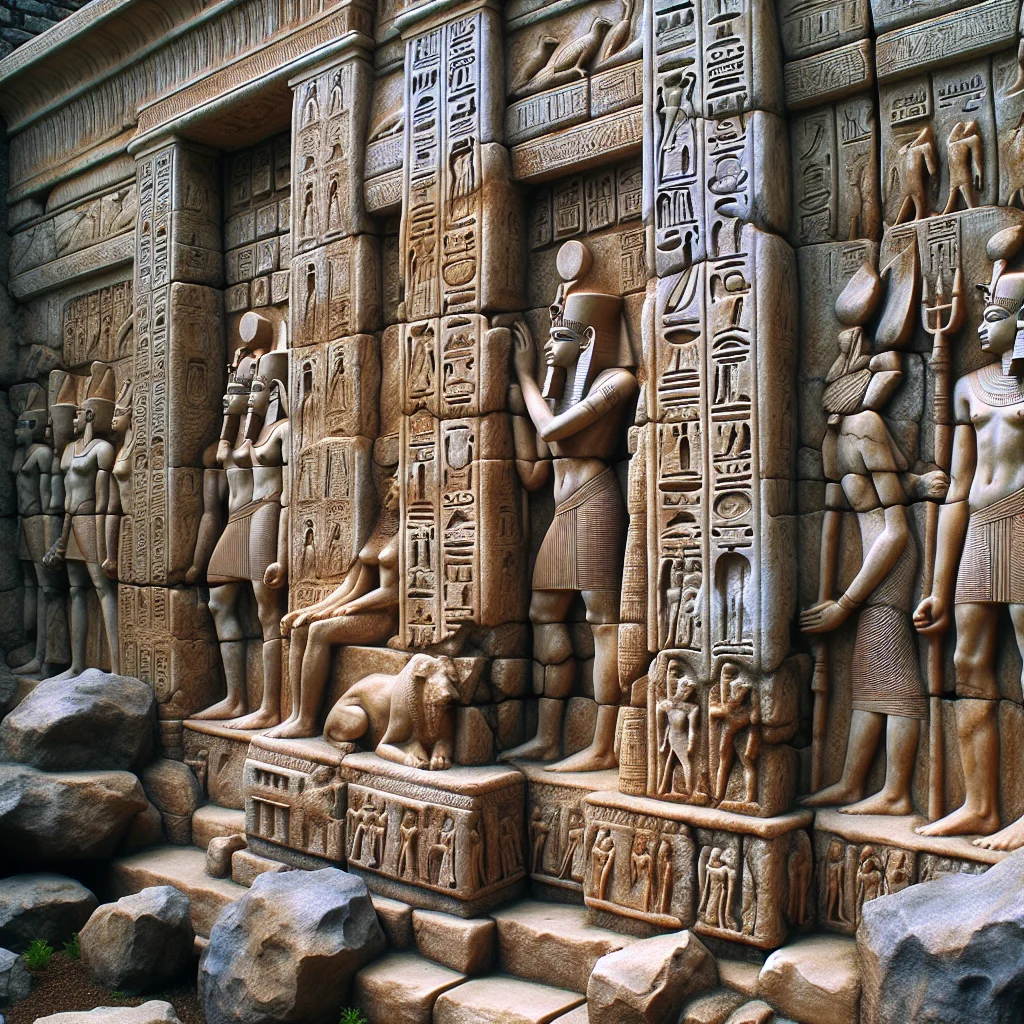
Abydos Temple Egypt Guide 2026: Temple of Seti I & King List
New Kingdom-PtolemaicAbydos Temple near Luxor: magnificent Temple of Seti I with war reliefs, ancient king list, and vibr...
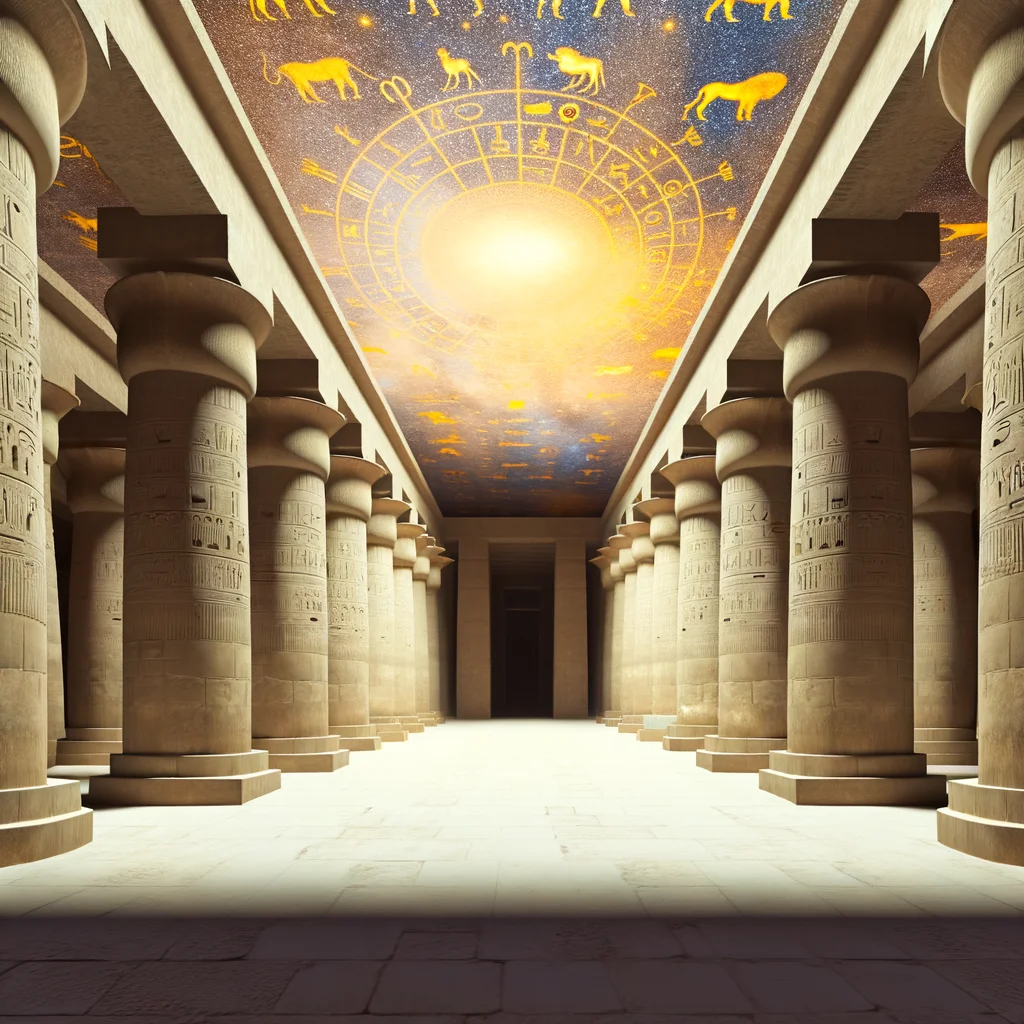
Dendera Temple Complex Egypt Guide 2026: Temple of Hathor & Zodiac Ceiling
Ptolemaic-RomanExplore Dendera's magnificent Temple of Hathor near Luxor. Star-mapped zodiac ceiling, Ptolemaic arc...
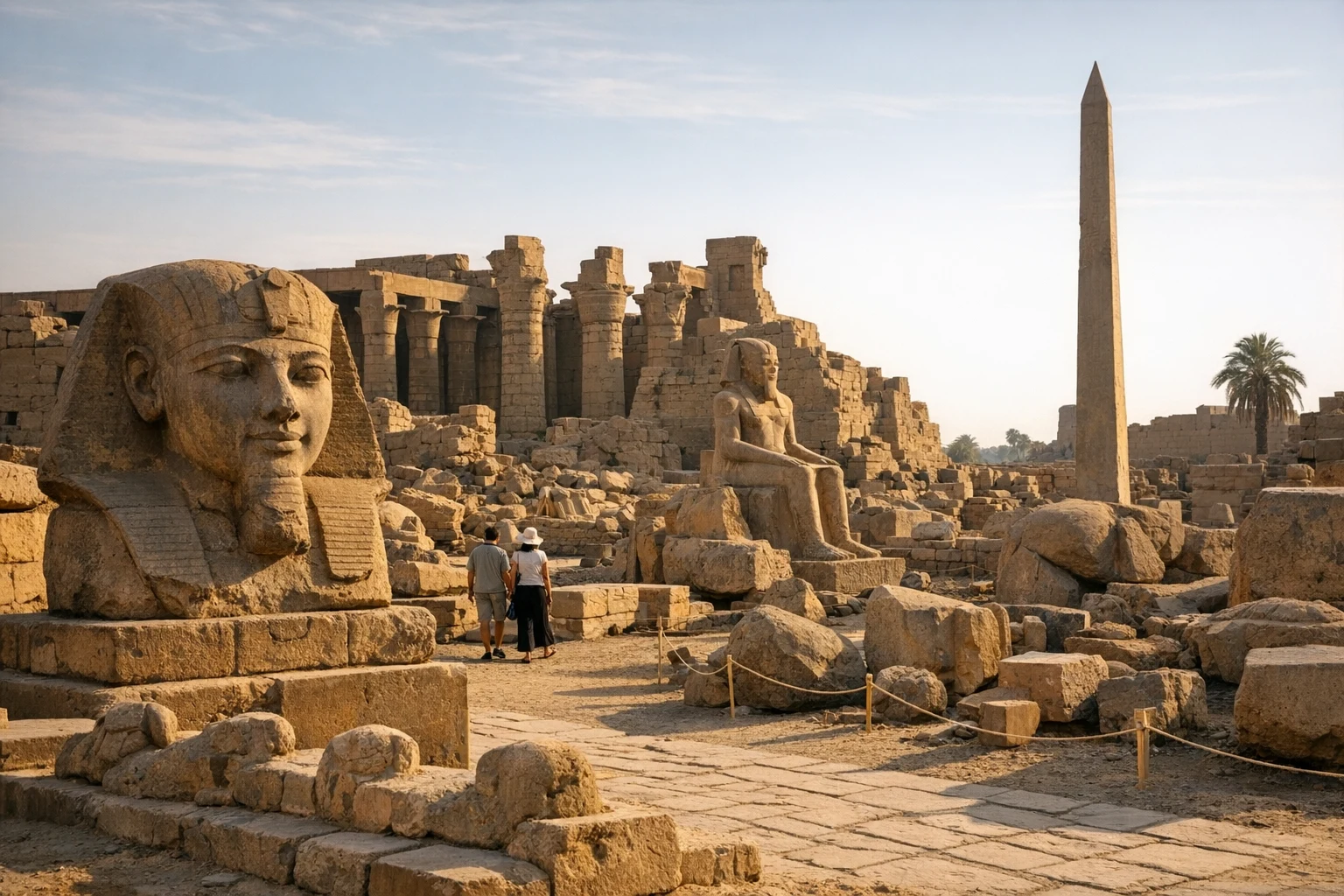
Karnak Open Air Museum
Ancient EgyptianExplore Egypt’s Karnak Open Air Museum, where reconstructed chapels and reliefs reveal hidden layers...