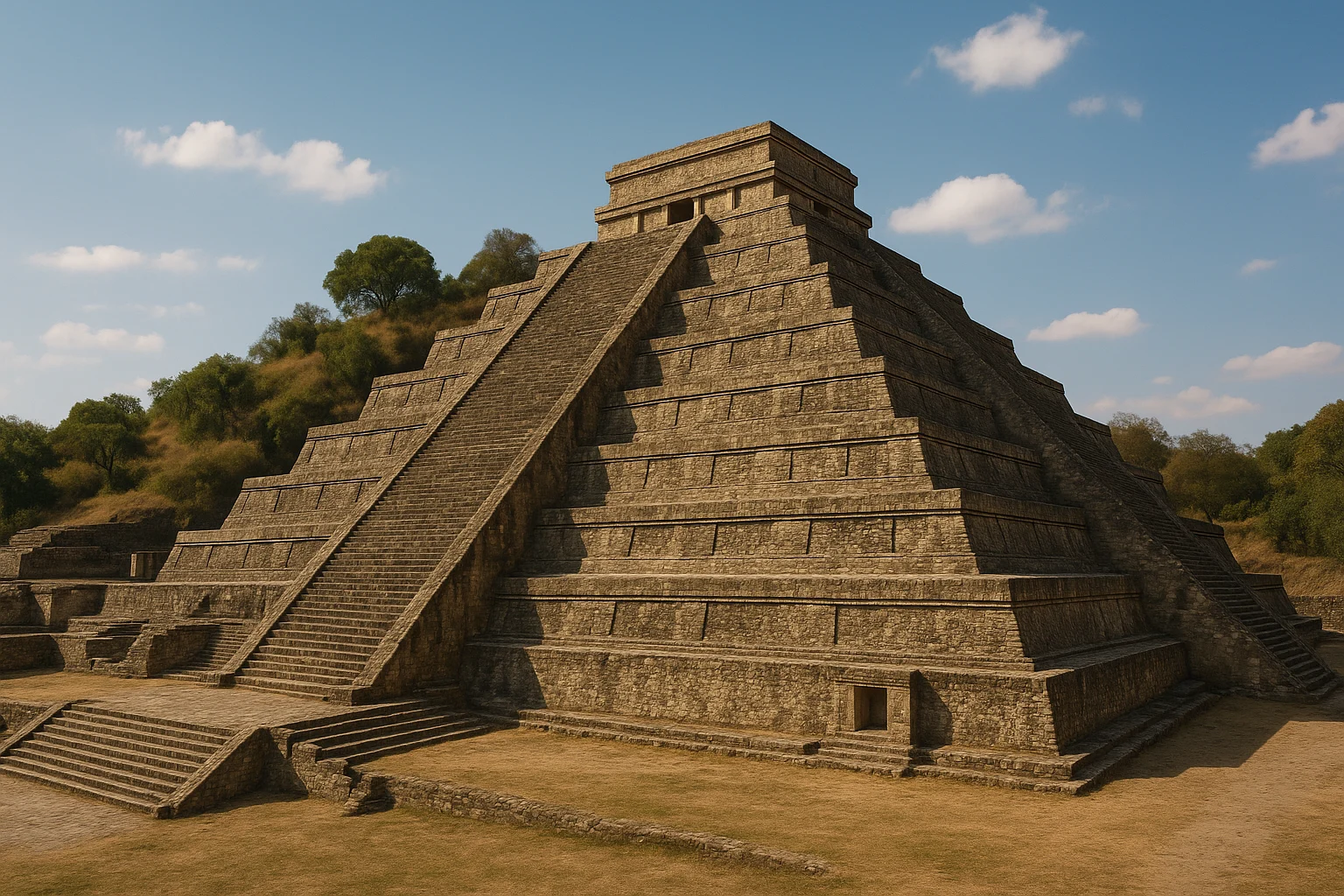
Quick Info
Curated Experiences
Cholula and Puebla Day Tour
The Great Pyramid of Cholula (Tlachihualtepetl) is the largest pyramid by volume ever constructed. Not the tallest, not the most photogenic, but the most massive. Buried under centuries of accumulated earth and topped by a Spanish colonial church, it does not look like a pyramid at all from the outside. That contradiction is exactly what makes it worth visiting. Cholula rewards travelers who care about deep time, cultural layering, and the reality that monumental history does not always announce itself.
Why This Site Matters
Tlachihualtepetl translates roughly to “made-by-hand mountain.” The name is precise. Over more than a thousand years, successive cultures built and rebuilt this structure until it exceeded the Great Pyramid of Giza in total volume, reaching approximately 4.45 million cubic meters of fill. Unlike Giza, which was a single pharaonic project completed within decades, Cholula grew incrementally across multiple civilizations and construction phases.
What visitors encounter today is not a ruin in the conventional sense. The pyramid is largely unexcavated, its exterior covered in grass and soil, its summit crowned by the Iglesia de Nuestra Señora de los Remedios, a 16th-century church the Spanish built after the conquest. That juxtaposition (pre-Columbian mass beneath Catholic architecture) is one of the most striking visual statements about colonial history anywhere in the Americas. Cholula does not separate its layers. It stacks them.
Historical Context
Early Construction (c. 300 BCE - 100 CE)
The pyramid’s earliest phases date to the Late Preclassic period. The initial structure was modest by later standards, likely serving as a ceremonial platform for the communities in the Puebla-Tlaxcala valley. At this stage, Cholula was one of several competing regional centers, not yet dominant.
Expansion and Regional Power (100 - 600 CE)
During the Classic period, the pyramid underwent massive expansion. Builders used a distinctive technique: rather than demolishing older structures, they encased them within new, larger ones. At least four major construction phases have been identified, each enlarging the footprint and height. By the middle Classic period, Cholula had become one of the most important pilgrimage and trade centers in central Mexico, rivaling Teotihuacan in religious significance if not in political reach.
Late Period and the Tolteca-Chichimeca (900 - 1519 CE)
After a period of decline and possible abandonment around 700-800 CE, the city was revitalized by Tolteca-Chichimeca groups. The pyramid itself was no longer the primary ceremonial focus (new temples were constructed nearby), but Cholula remained a major religious center dedicated to Quetzalcoatl. When the Spanish arrived in 1519, Cholula was home to an estimated 100,000 people, making it one of the largest cities in Mesoamerica. Hernan Cortes ordered a massacre here before proceeding to Tenochtitlan, an event that permanently altered the city’s trajectory.
Colonial Overlay
The Spanish built the Remedios church on the pyramid’s summit, either unaware of or indifferent to the full scale of what lay beneath. The church remains active today, and the pyramid’s surface was gradually covered by vegetation and erosion until archaeological work began in the early 20th century.
What to Prioritize Onsite
The Tunnel System
The most distinctive feature of a Cholula visit is the network of excavated tunnels running through the pyramid’s interior. Approximately 8 kilometers of tunnels have been dug by archaeologists, though only a portion is open to the public (roughly 800 meters). Inside, you can see the exposed layers of earlier construction phases, including original plaster, stone walls, and the outlines of older pyramids nested within the larger mass. This is the single best way to understand how the structure grew over time. Do not skip it.
The Summit and Church
Climb the path to the top for the view. On clear days, you can see Popocatepetl and Iztaccihuatl volcanoes to the west and the city of Puebla sprawling to the east. The Remedios church itself is modest but photogenic, and the visual of a Catholic church sitting atop a pre-Columbian pyramid base is impossible to get anywhere else.
The Site Museum (Museo de Sitio)
Located at the pyramid’s base near the tunnel entrance, the museum provides essential context. Displays cover the construction phases, artifacts recovered from excavations, and the broader history of the Cholula valley. Visit this before entering the tunnels. The exhibits are compact and can be covered in 20-30 minutes, but they make the tunnel experience significantly more legible.
The Patio of the Altars
On the pyramid’s south side, a partially excavated courtyard reveals carved stone altars and architectural details from the Classic period. This area is easy to overlook but gives the clearest sense of the pyramid’s original surface treatment and ceremonial function.
Practical Visit Strategy
When to Go
Morning visits (arriving by 9:00 AM) beat the midday heat and afternoon tour bus crowds. Weekdays are noticeably quieter than weekends. The site is open daily from 9:00 AM to 6:00 PM, with last tunnel entry typically around 5:00 PM. Dry season (November through April) offers the best visibility for volcano views from the summit.
Getting There
Cholula is roughly 15 minutes west of central Puebla by taxi or rideshare, and Puebla itself is about two hours southeast of Mexico City by bus (ADO runs frequent service from TAPO terminal). You can visit Cholula as a day trip from either city, though staying in Puebla gives you more flexibility.
What to Bring
Comfortable walking shoes with grip for the summit climb. A light layer for the tunnels, which are noticeably cooler than the surface. Water and sun protection for the exposed climb. A small flashlight can be useful in the tunnels, though they are lit.
Time Budget
Plan 2.5 to 3.5 hours for a thorough visit: 20-30 minutes in the museum, 30-40 minutes in the tunnels, 20-30 minutes at the Patio of the Altars, and 30-45 minutes for the summit climb and church. Add time for the town itself, which has good food options and a lively zocalo.
Cost
Entry fees are modest (under 100 MXN as of 2025). Guided tours are available at the entrance and are worth considering if you want deeper context on the construction phases visible inside the tunnels.
Route Pairing and Nearby Sites
Cholula fits naturally into a central Mexico archaeology sequence. Combine it with Teotihuacan (3-4 hours northwest) for the two most important pre-Aztec sites in the region. Add Templo Mayor in Mexico City for the Aztec layer, and El Tajin on the Gulf Coast if your itinerary allows a longer loop through Veracruz.
Within the Puebla area itself, the city center is a UNESCO World Heritage Site with strong colonial architecture, excellent food (mole poblano originated here), and the Amparo Museum, one of Mexico’s best collections of pre-Columbian art. The nearby ex-convent of Huejotzingo, about 15 minutes north, adds a well-preserved early colonial religious site to the mix.
Final Take
Cholula is not a spectacle site. You will not see towering exposed stone facades or elaborately carved temples. What you will see is the physical evidence of a civilization that built, rebuilt, and kept building in the same place for over 1,500 years, and then another civilization that built on top of that without fully understanding what was underneath. The tunnels make this tangible in a way that few archaeological sites anywhere can match. For travelers working through Mexico’s deep history, Cholula is not optional. It is the foundation layer.
Quick Facts
| Attribute | Details |
|---|---|
| Location | Cholula, Puebla, Mexico |
| Country | Mexico |
| Region | Puebla |
| Civilization | Preclassic through Postclassic Mesoamerican |
| Historical Period | c. 300 BCE - 16th century CE |
| Established | c. 300 BCE |
| Base Dimensions | Approximately 400 x 400 meters |
| Volume | ~4.45 million cubic meters |
| UNESCO Status | Tentative List |
| Coordinates | 19.0586, -98.3019 |
Frequently Asked Questions
Is the Great Pyramid of Cholula bigger than the pyramids at Giza?
By volume, Cholula is often cited as the largest pyramid structure in the world, though much of it is layered earth and adobe rather than exposed stone blocks.
How much time do I need at Cholula?
Most travelers need 2 to 3 hours for the archaeological zone, museum, and hilltop viewpoints.
Can I combine Cholula with Puebla in one day?
Yes. This is one of the most common and efficient day itineraries in the region.
Nearby Ancient Sites
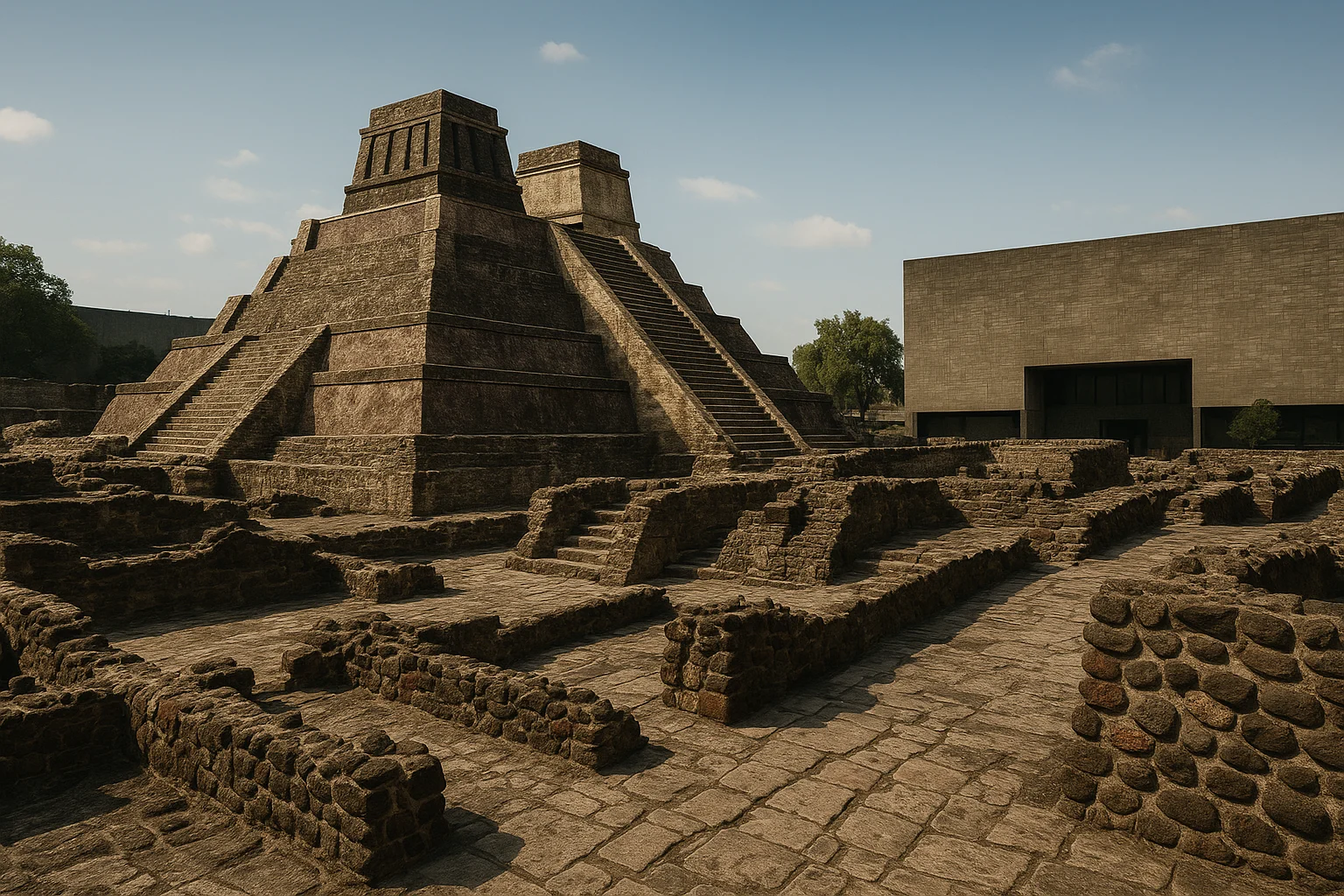
Templo Mayor Travel Guide 2026: Aztec Core, Museum, and Visit Strategy
Mexica (Aztec)Plan a focused Templo Mayor visit in Mexico City with practical timing, museum priorities, and clear...
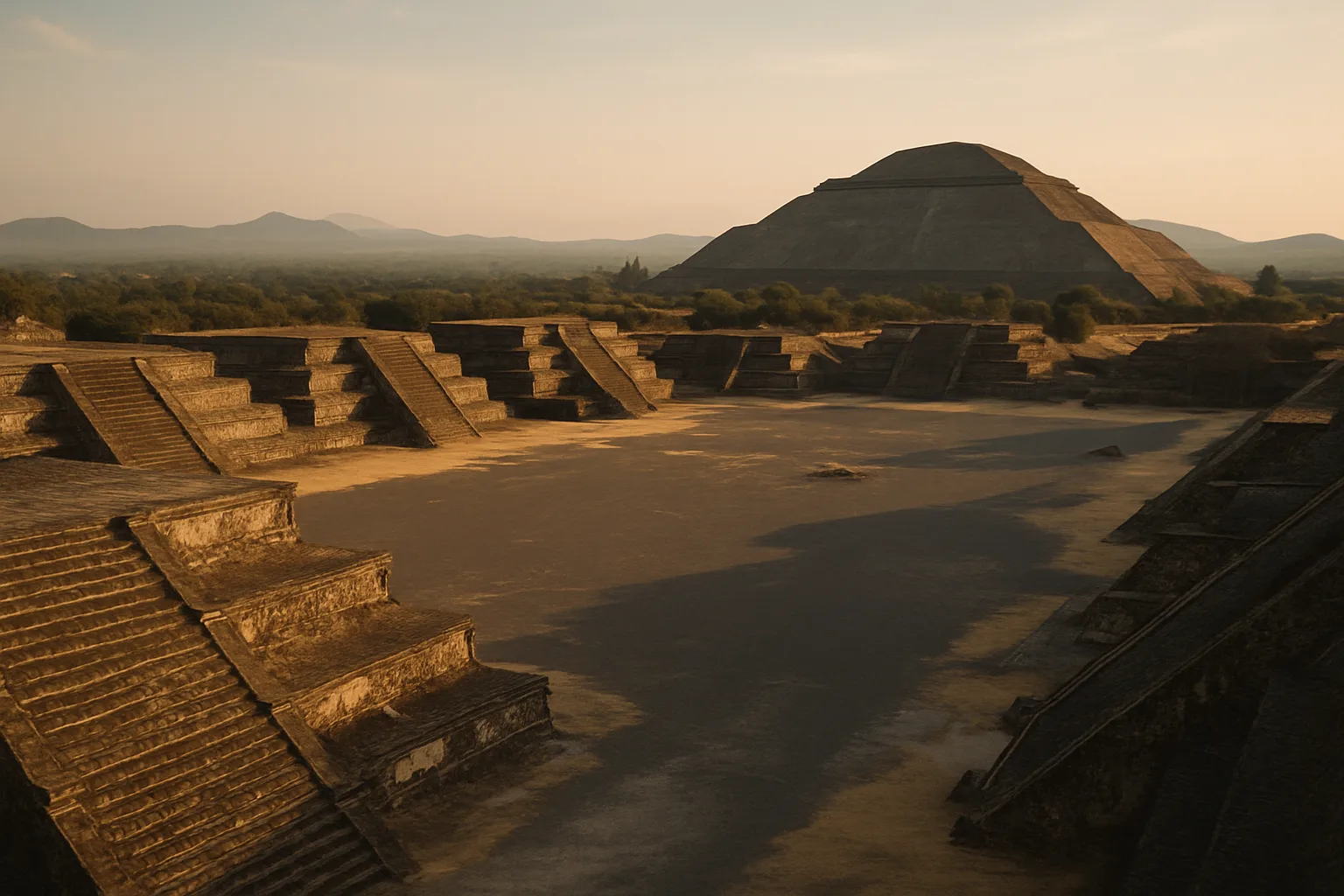
Teotihuacan Mexico Travel Guide 2026: Pyramids, Mysteries & Day Trips
TeotihuacanoTeotihuacan, the 'birthplace of the gods,' remains Mesoamerica's most influential ancient city. This...
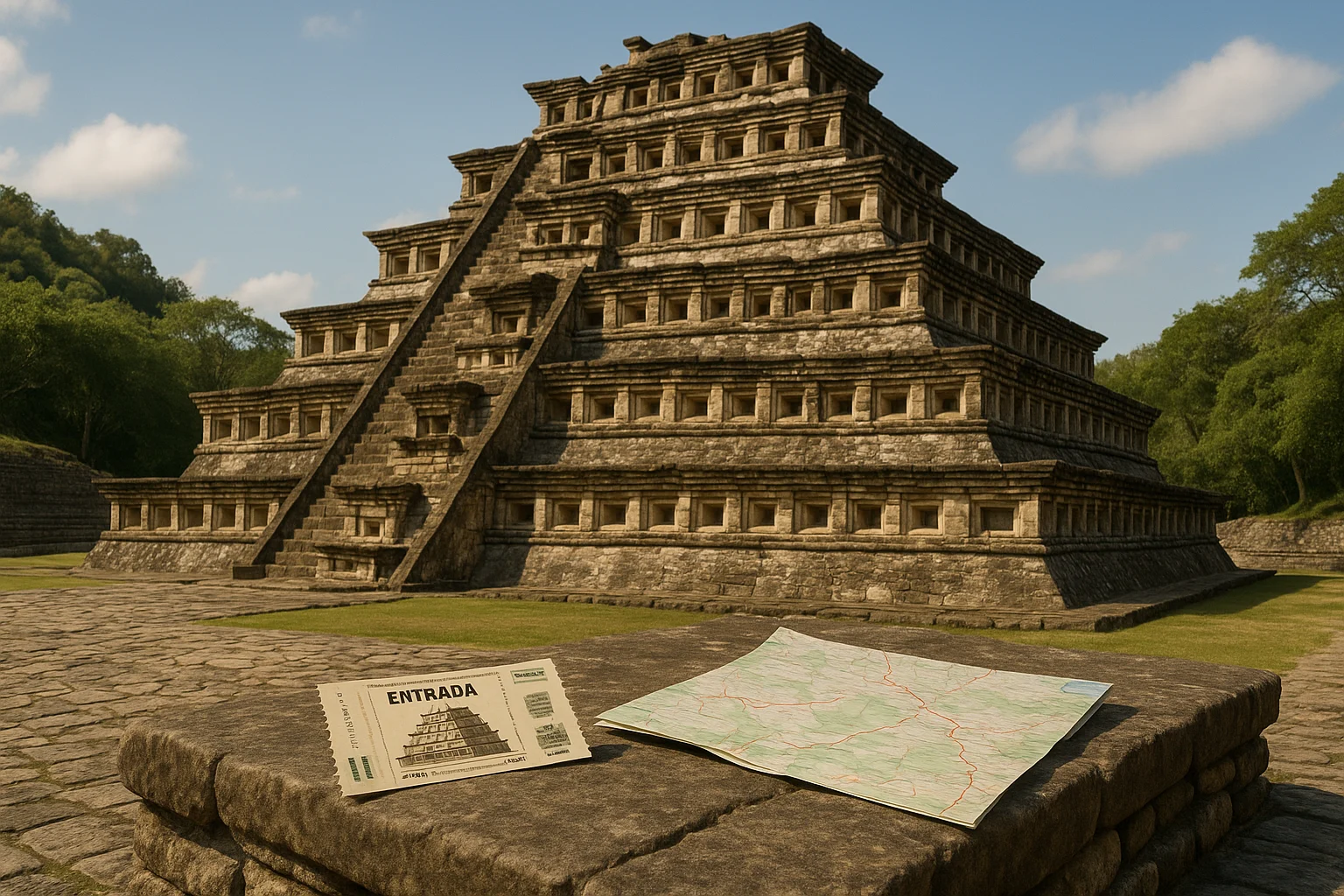
El Tajin Travel Guide 2026: Pyramid of the Niches, Tickets, and Route Planning
Classic VeracruzPlan a smoother El Tajin visit with practical transport timing, key structures to prioritize, and re...