Quick Info
Curated Experiences
Great Wall at Badaling Half-Day Tour from Beijing
Great Wall of China Small-Group Tour
Private Great Wall Tour with Toboggan Ride
Where Walls Become Legend
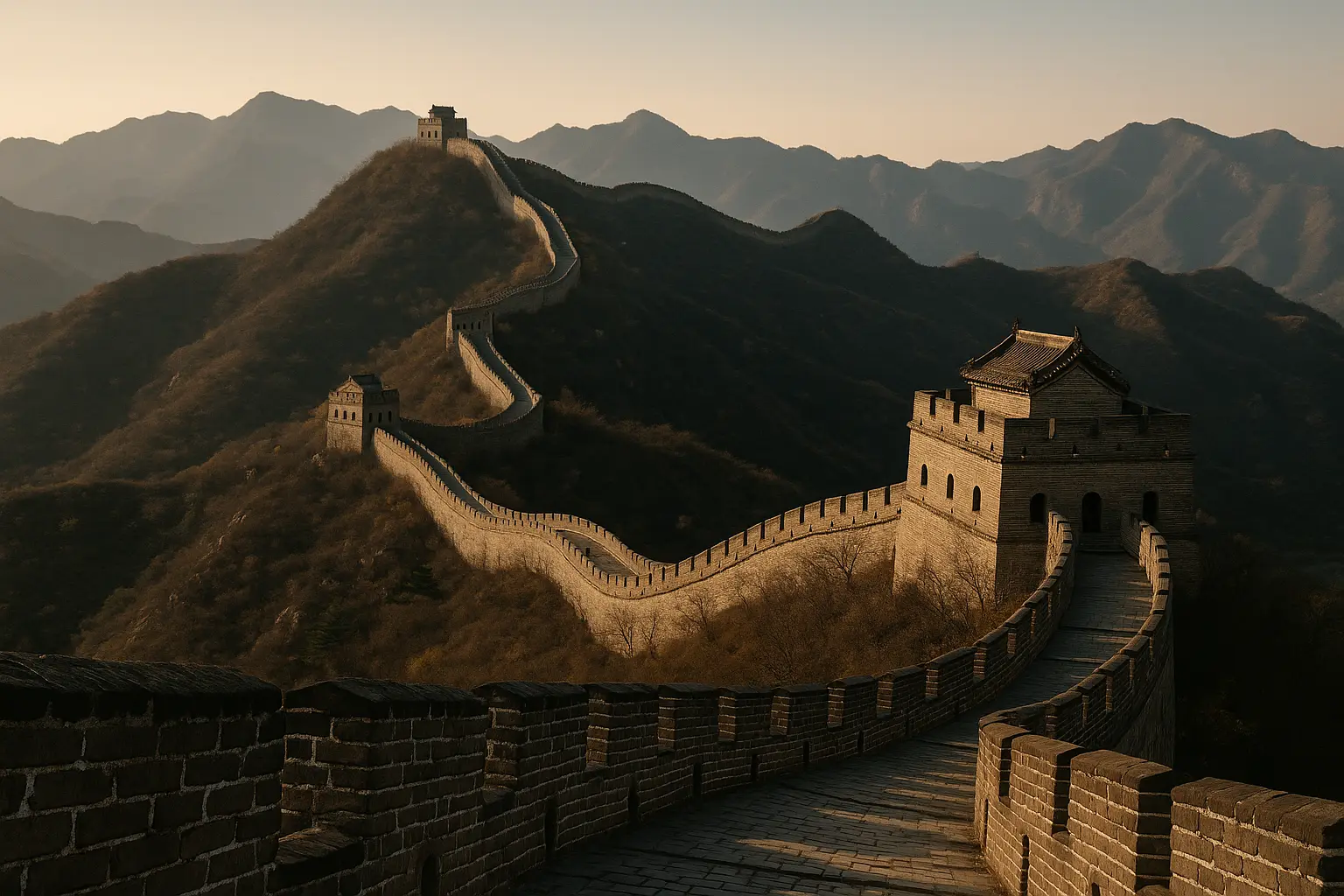
Seventy kilometers northwest of Beijing, a stone dragon climbs impossible ridgelines, its crenelated spine disappearing into mountain haze on either horizon. The Great Wall at Badaling is not merely a structure—it is the structure, the image that has stood for China itself in the minds of the wider world for generations. Richard Nixon walked these stones in 1972, and the photographs of his visit circled the globe. Mao Zedong walked them in the 1950s and declared that he who has not climbed the Great Wall is not a true man. Millions of visitors from every nation on earth have since made the climb and felt the particular vertigo of standing on something that stretches beyond the limits of sight in both directions. While other sections of the Wall offer more solitude or more authentic ruin, Badaling delivers something rarer: the full, unmediated weight of a monument that earned its mythological status honestly. The Ming-dynasty fortifications here are immaculately preserved, the surrounding mountain scenery genuinely dramatic, and the view from the upper towers—stone battlements rising and falling over forested peaks—is one of the defining images of human ambition in any civilization. To visit with clear expectations is to be rewarded; what follows exists to provide exactly that.
The Dragon’s Spine: Two Thousand Years of Stone
The Great Wall was never a single project but an accumulation of imperial wills spanning two millennia, each dynasty adding its own interpretation of defense to what had come before. Its earliest ancestors were earthen barriers built during the Warring States period, erected by rival kingdoms to protect against one another as much as against nomadic peoples from the steppe. The First Emperor Qin Shi Huang connected and extended these fragments around 221 BCE after unifying China under a single rule, producing what later generations would call the Wan Li Chang Cheng—the Wall of Ten Thousand Li, a name that communicated both its extraordinary length and the hyperbolic awe it inspired. That first wall was largely rammed earth and timber, a practical measure against the military threats of its era. The stone and brick fortifications that visitors walk at Badaling today are a wholly different creation: a Ming dynasty reinvention, rebuilt between approximately 1368 and 1644 CE with materials and engineering techniques that far surpassed anything Qin Shi Huang had contemplated.
Badaling guards the Juyong Pass, one of the most strategically critical mountain corridors into the Beijing basin from the Mongolian steppe to the north. Control of this pass meant security for the imperial capital, and the Ming dynasty—which had come to power specifically by expelling the Mongols and was acutely aware of what another incursion would mean—poured extraordinary resources into its defense. The reconstruction here, datable primarily to around 1505 CE during the reign of the Hongzhi Emperor, transformed earthen ramparts into something approaching a permanent institution: crenelated parapets with arrow slots angled toward the north, watchtowers positioned every few hundred meters to shelter garrisons and transmit signal fires across mountain ranges, and a road surface wide enough for five soldiers to march abreast along the wall’s spine.
The modern history of Badaling as a tourist destination begins improbably with Chairman Mao, who walked this section in the 1950s and whose declaration about climbing the Wall transformed a military relic into a national pilgrimage site. The first section opened to visitors in 1957, and UNESCO inscribed the Wall as a World Heritage Site in 1987. Today Badaling is the most visited section of the Wall, receiving millions of visitors annually, its restored stones worn smooth by the passage of far more tourists than soldiers.
Ming Engineering at the Juyong Pass
What separates Badaling from more ruined sections of the Wall is the quality of its Ming-dynasty construction and the comprehensiveness of its modern restoration—both of which reflect the imperial confidence of a dynasty that considered the Juyong Pass non-negotiable. The engineering here was not merely ambitious; it was systematic, designed to function simultaneously as a military highway, a defensive fortification, and a communications network spanning hundreds of kilometers.
The wall rises between seven and eight meters in height at Badaling, with a base width of roughly six meters tapering to five at the parapet. The construction material is granite and fired brick—quarried and manufactured locally, then carried up the mountain ridges by laborers whose numbers scholars estimate in the tens of thousands for this section alone. The mortar binding the bricks was an ingenious formulation that incorporated glutinous rice paste alongside lime, a recipe that archaeological analysis has confirmed contributed significantly to the wall’s resistance to erosion and seismic movement. Walking the restored sections today, you can see the original granite foundation stones beneath the brick courses—massive blocks positioned by hand before the upper courses rose above them.
The watchtowers, spaced at intervals that allowed signal fires to be seen clearly from tower to tower, were not merely lookout platforms but self-contained fortresses. Each was designed to shelter a garrison independently—storing weapons, grain, and water sufficient to hold out even if the wall between towers was breached. The beacon system they enabled could carry news of invasion from the frontier to the capital with a speed that had no equal before the telegraph: a chain of signal fires visible across mountain ranges, able to transmit an alarm across hundreds of kilometers in hours rather than days. At Badaling, twelve numbered towers march across the northern and southern sections, with Tower 8 on the northern side marking the highest point accessible by cable car—and offering the most sweeping panoramas available from the restored Wall.
Two Sections, Two Experiences
Badaling divides into two main sections separated by a valley, each offering a fundamentally different experience of what the Wall is and what it demands. The North Section is steeper, higher, and more dramatically positioned against the mountain ridgelines, with the iconic cascading battlements that appear in nearly every photograph ever taken here. The cable car serves this side, depositing visitors near Tower 8 and eliminating the exhausting initial climb. From Tower 8 looking north, the Wall curves and descends over successive ridges in a line that seems to extend without limit, the towers diminishing in the distance like punctuation in an infinitely long sentence. This is the view that justified Mao’s declaration, and it does not disappoint.
The South Section is gentler in grade and typically less crowded, offering a more reflective walk with views back toward the valley and the pass that gave Badaling its strategic significance. The toboggan slide descends from this side—an anomalous but enthusiastically popular feature that reduces what would otherwise be a slow, leg-heavy descent into a two-minute controlled blur of stone walls and mountain air. The juxtaposition of ancient fortification and aluminum sliding track is jarring on first encounter but has become, after decades of operation, part of Badaling’s particular character.
Most first-time visitors invest their primary energy in the North Section, and the investment is warranted: the views are more dramatic, the towers more commanding, the physical demands more clearly proportionate to the rewards. The climb from the entrance to Tower 8 via the stone stairway takes between thirty and sixty minutes depending on fitness and crowd density. The stairs range from gentle to nearly vertical as the Wall follows the natural contours of the ridge, and the stone surface—polished by millions of feet over decades of visitation—becomes genuinely treacherous when wet. The cable car ascent, at 100 CNY (approximately $14 USD) for a roundtrip ticket, accomplishes that same elevation in eight minutes and reserves physical energy for the horizontal exploration that follows. The most effective strategy for most visitors is to ascend by cable car and descend on foot, or reverse the order—combining mechanical efficiency with the irreplaceable experience of descending the Wall’s steep stairways under one’s own power. Those who hike both sections without the cable car should plan for a minimum of four hours and carry at least a liter of water per person, as the Wall offers neither shade nor vendors once past the entrance gates.
Capturing the Icon: Photography at Badaling
The Great Wall at Badaling is among the most photographed subjects on earth, a circumstance that makes original images difficult but far from impossible for the photographer who arrives with a plan and sufficient early morning ambition. The most reliable vantage point is near Tower 8 on the North Section, where the wall curves dramatically over successive ridges in both directions, creating the sense of infinite extension that defines the Wall’s visual identity in the global imagination. Arriving before 8:00 AM on a weekday morning allows for compositions with manageable foot traffic in the foreground; by mid-morning on weekends or holidays, the walkways become rivers of visitors and individual framing is effectively impossible.
Morning light falls well on the North Section, illuminating the stone from the east while the watchtowers cast long westward shadows across the parapets that define the Wall’s three-dimensional structure in ways that flat midday light cannot. The steep descending stairways, photographed from above while looking toward a distant tower, create vertiginous compositions that communicate the Wall’s physical logic more honestly than any wide establishing shot—the way it follows terrain that should not, by any reasonable calculation, support a stone highway. On overcast days, when haze softens the distant ridgelines, the towers disappear into atmospheric mystery in a manner that recalls the aesthetic tradition of classical Chinese landscape painting—the mountains half-visible, the Wall implied as much as seen. Snow transforms Badaling into something approaching a monochrome composition of extraordinary severity and power, with the dark stone parapets cutting through white mountain slopes in lines of absolute geometric precision.
Wide-angle lenses capture the Wall’s scale and its relationship to surrounding terrain; telephoto lenses compress that same perspective and emphasize the fortification’s continuous extension over mountain ridges that human beings built a road across for reasons of pure imperial will. Drones are prohibited throughout the Badaling area. A polarizing filter reduces the haze that accumulates over mountain valleys and deepens the blue of northern China’s sky in a way that transforms an adequate photograph into a memorable one.
Beyond Badaling: The Wall’s Other Faces
Badaling’s crowds are not a secret, and visitors with flexibility and a tolerance for additional logistics have compelling alternatives within reach of Beijing. Mutianyu, approximately 70 km northeast of the city, offers Ming-dynasty fortifications of comparable quality and architectural interest with a fraction of Badaling’s annual visitor numbers. Its toboggan slide descent is longer and faster than Badaling’s, the surrounding mountain scenery equally dramatic, and the restored towers arguably more photogenic from certain angles. For visitors making a single trip to China with any flexibility in their Wall choice, Mutianyu represents the most straightforward alternative—similar distance, similar quality, meaningfully different crowds.
Jinshanling, 130 km from Beijing, occupies a compelling middle position between full restoration and authentic ruin: some sections are stabilized for safe walking, others display the genuine crumbling texture of four centuries of weathering, and the hiking covers terrain remote enough that solitude is genuinely possible even during peak travel months. Simatai, 120 km out, preserves partly unrestored sections and offers the singular option of night tours, when floodlit battlements rise above the darkness of surrounding mountains in one of the more extraordinary cultural experiences available anywhere in China. Both require significantly more planning than Badaling but reward that effort with something closer to the Wall’s actual historical texture—the sense of standing on a fortification built by human hands in difficult terrain for the most serious of purposes, rather than on a monument maintained for the benefit of its visitors.
Getting to Badaling from Beijing
Badaling lies 70 km northwest of Beijing, a journey of approximately 1.5 to 2 hours depending on traffic and mode of transport. For visitors unfamiliar with Beijing’s logistics, organized tours offer the most reliable approach: hotel pickup, guided transport, entrance fees, and historical commentary bundled into a single arrangement costing $55–85 USD for half-day visits, with full-day itineraries running somewhat higher. Tour operators handle the timing and navigation that independent travel requires, and their guides provide historical context that the Wall itself, however magnificent, cannot supply in English.
Independent travelers have several options. Public bus 877 departs from Deshengmen Bus Station—accessible via Jishuitan subway station—from 6:00 AM onward, costs 12 CNY ($1.70 USD) each way, and makes the highway journey in approximately 1.5 hours. Return buses run until 4:30 PM. The S2 train from Huangtudian Station (accessible via Lines 8 and 13) costs 6 CNY ($0.85 USD) and winds through mountain scenery en route to Badaling in about 90 minutes; the schedule is limited and the Badaling station requires a 20-minute walk to reach the entrance, but the journey itself is rewarding. Private cars or taxis arranged through hotels typically cost 600–800 CNY ($85–115 USD) for the round trip, offering complete flexibility over departure time at the cost of Beijing traffic and negotiation. Regardless of transport method, departing Beijing before 7:00 AM on weekdays is strongly recommended. Weekend mornings, even early ones, carry crowds that accumulate faster than most visitors anticipate.
Practical Guide: Tickets, Timing & Crowds
Essential Planning FAQs
How much do tickets cost, and what should I budget?
Entrance is 40 CNY ($5.50 USD) from April through October and 35 CNY ($5 USD) from November through March. The cable car costs 100 CNY ($14 USD) roundtrip or 80 CNY one-way; the toboggan slide costs 80 CNY for the descent. Budget approximately 150–200 CNY ($21–28 USD) per person for entrance and cable car, plus food and transport. Organized tours from Beijing ($55–85 USD) bundle most costs into a single price and frequently represent the most economical option once transport is factored in.
What are the opening hours?
April through October: 6:30 AM – 5:00 PM. November through March: 7:00 AM – 4:30 PM. Arriving within the first hour of opening delivers the best combination of photographic light and manageable crowd density. By 10:00 AM on weekends or Chinese holidays, the Wall at Badaling can become genuinely difficult to walk.
When should I avoid visiting?
Chinese national holidays generate the most extreme crowding—Spring Festival (January or February), Labor Day (May 1–3), Dragon Boat Festival (June), and especially National Day/Golden Week (October 1–7), when domestic tourism peaks across the country and Badaling can receive tens of thousands of visitors in a single day. Weekends year-round are significantly more crowded than weekdays. If travel dates fall around a Chinese holiday, consider Mutianyu or Jinshanling as alternatives rather than contending with Golden Week crowds at Badaling.
What is the best season to visit?
Autumn (September–October) combines the clearest skies of the northern China year with comfortable temperatures and colorful foliage on the mountain slopes—a pairing that produces the most visually satisfying conditions for photography and walking alike. Spring (April–May) is equally pleasant, with wildflowers visible on the hillsides and morning temperatures that make the steep northern section genuinely enjoyable to climb. Summer is hot and humid (25–35°C), with the sun exposure of an open stone wall making midday visits unpleasant even for the fit. Winter is cold but rewards patient visitors with snow-covered sections, near-empty walkways, and an atmospheric quality of isolation that peak-season Badaling never provides.
What should I bring?
Water is essential—at least a liter per person, since nothing is for sale once past the entrance gates. Wear sturdy shoes with genuine grip, as the stone stairs are uneven and become slick when wet; worn athletic shoes are the minimum, hiking boots the preference. Sun protection matters in every season, since the open wall provides no shade and mountain air reduces the perceived intensity of ultraviolet exposure. Carry layers even in summer: mountain wind at elevation is cold regardless of valley temperatures, and conditions change quickly.
Quick Facts
| Attribute | Details |
|---|---|
| Location | Beijing, Beijing, China |
| Country | China |
| Region | Beijing |
| Civilization | Chinese Imperial |
| Historical Period | c. 1505 CE (Ming Dynasty reconstruction) |
| Established | c. 1505 CE |
| Coordinates | 40.3599, 116.02 |
Explore More of China
- Forbidden City: Imperial palace at the heart of Beijing
- Summer Palace: Imperial gardens and Kunming Lake on Beijing’s northwestern edge
- Temple of Heaven: Where Ming and Qing emperors performed annual rites for the harvest
Plan your visit with our beginner’s guide to visiting ancient sites and learn how to photograph ancient ruins.
|-----------|---------| | Location | 70 km northwest of Beijing, Yanqing District | | Wall Dynasty | Ming Dynasty (primary construction c. 1505 CE) | | UNESCO Status | World Heritage Site (1987) | | Section Height | 7–8 meters; base width approximately 6 meters | | Hours | 6:30 AM–5:00 PM (Apr–Oct); 7:00 AM–4:30 PM (Nov–Mar) | | Entrance Fee | 40 CNY ($5.50 USD) peak; 35 CNY ($5 USD) off-peak | | Cable Car | 100 CNY roundtrip; 80 CNY one-way | | Best Time | Autumn (Sept–Oct) and Spring (Apr–May); weekday mornings | | Avoid | National holidays, weekends, summer midday | | Suggested Stay | Half day minimum; full day for both sections |
Frequently Asked Questions
How do I get to Badaling from Beijing?
Badaling is 70 km northwest of Beijing. Options: (1) Organized tour ($55-85) includes transport and guide; (2) Public bus 877 from Deshengmen (12 CNY/$1.70 USD, 1.5 hours); (3) S2 train from Huangtudian to Badaling (90 minutes, scenic); (4) Private car/taxi (200-300 CNY/$28-42 USD each way). Most visitors choose organized tours for convenience. Avoid weekends and Chinese holidays when crowds are extreme.
Is Badaling or Mutianyu better?
Badaling is more famous, accessible, and historically significant but extremely crowded. Mutianyu offers similar architecture with fewer visitors, better restoration, and a toboggan slide down. For first-time visitors wanting the iconic experience, choose Badaling. For a more relaxed visit with better photo opportunities, choose Mutianyu. Jinshanling and Simatai offer more authentic hiking for adventurous travelers.
Should I take the cable car or hike at Badaling?
The cable car (100 CNY/$14 USD roundtrip) saves energy for exploring the wall itself, especially if you're not fit or have limited time. Hiking from the entrance takes 30-60 minutes of steep climbing to reach the best wall sections. If you're fit and have 4+ hours, hiking provides satisfaction and avoids cable car queues. The cable car is recommended for most visitors during peak season.
How difficult is hiking the Great Wall at Badaling?
Badaling features extremely steep sections with stairs varying from shallow to nearly vertical. The stone is worn and uneven. Moderate fitness is required for any meaningful exploration. The climb from the entrance to the first tower is the steepest. Elderly visitors or those with mobility issues should use the cable car. Wear sturdy shoes with good grip—athletic shoes, not sandals or fashion footwear.
When is the best time to visit Badaling?
Early morning (6:30/7 AM opening) offers fewer crowds and better photography. Avoid weekends and Chinese holidays when visitors number in the tens of thousands. Spring (April-May) and autumn (September-October) offer pleasant weather and scenic beauty. Summer is hot and crowded; winter is cold but offers snow-dusted views with minimal crowds. Weekdays are always better than weekends.
How much does it cost to visit Badaling?
Entrance is 40 CNY ($5.50 USD) April-October, 35 CNY ($5 USD) November-March. Cable car is 100 CNY ($14 USD) roundtrip or 80 CNY ($11 USD) one-way. Sliding car (toboggan) down is 80 CNY ($11 USD). Total budget approximately 150-200 CNY ($21-28 USD) per person plus transport and food. Tours from Beijing cost $55-85 including transport and guide.
Nearby Ancient Sites
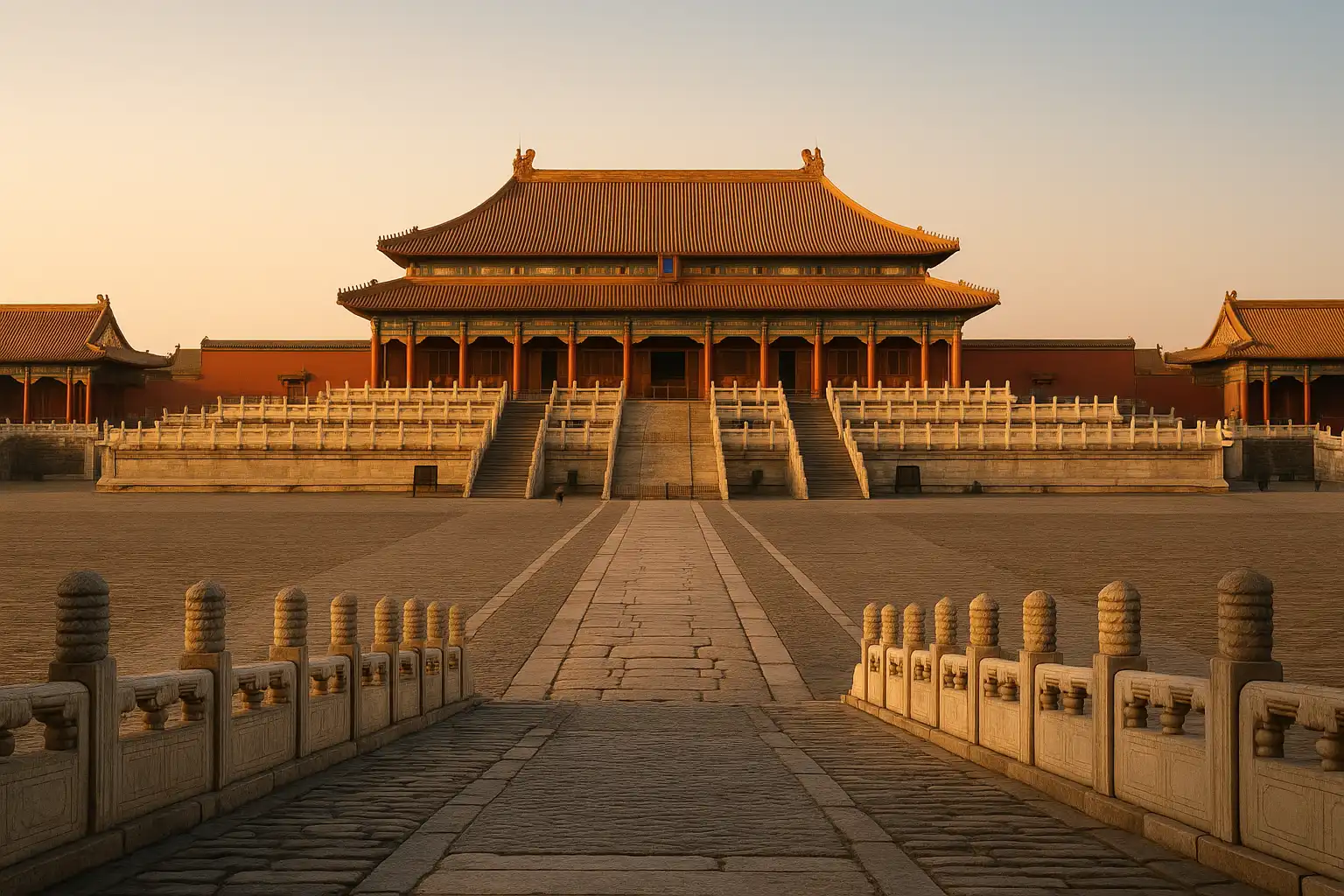
Forbidden City China Travel Guide 2026: Imperial Palace of Beijing
Chinese ImperialExplore the Forbidden City, China's imperial palace for 500 years. Discover the Hall of Supreme Harm...
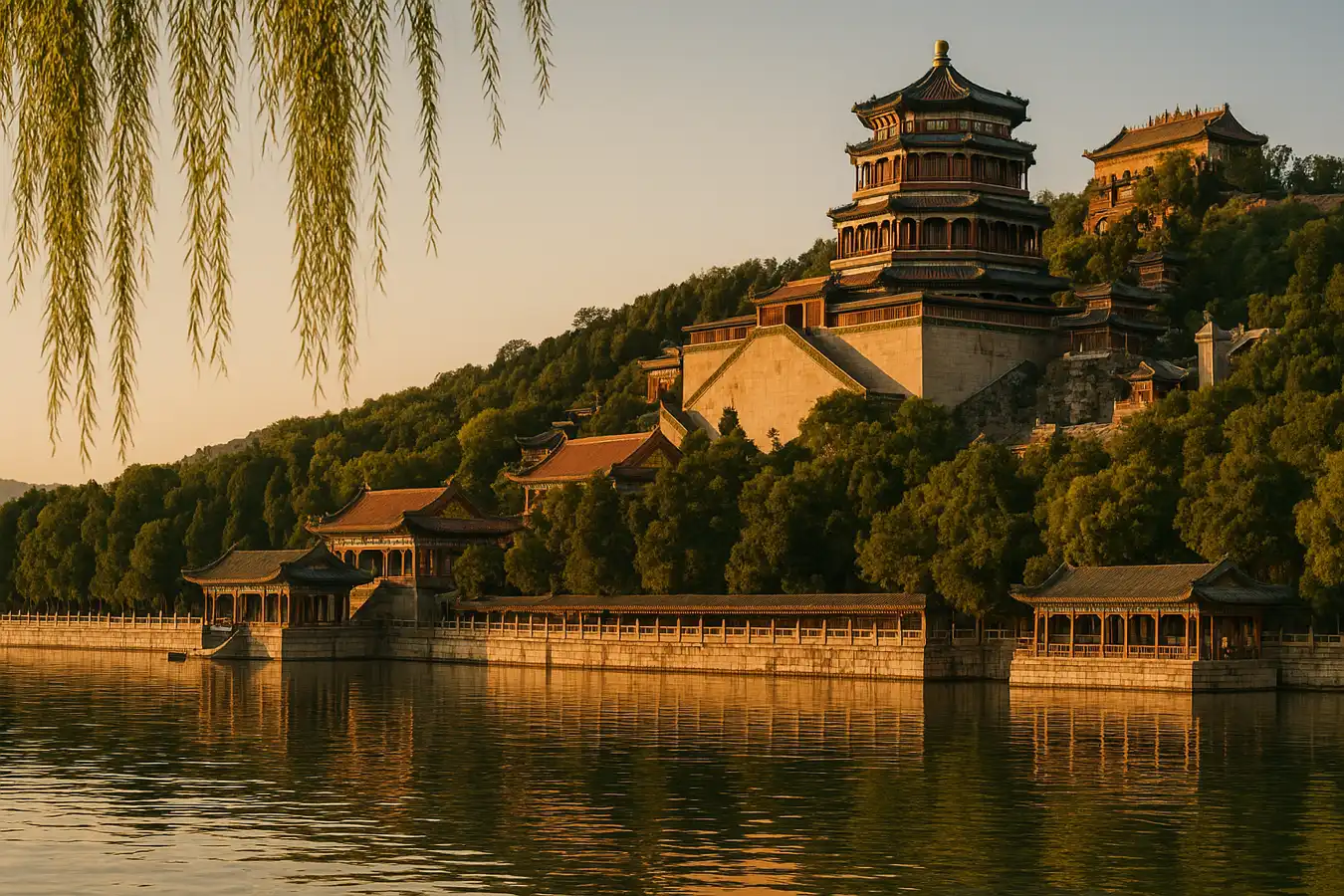
Summer Palace China Travel Guide 2026: Imperial Gardens of Beijing
Chinese ImperialExplore the Summer Palace, China's masterpiece of imperial garden design. Discover Kunming Lake, Lon...
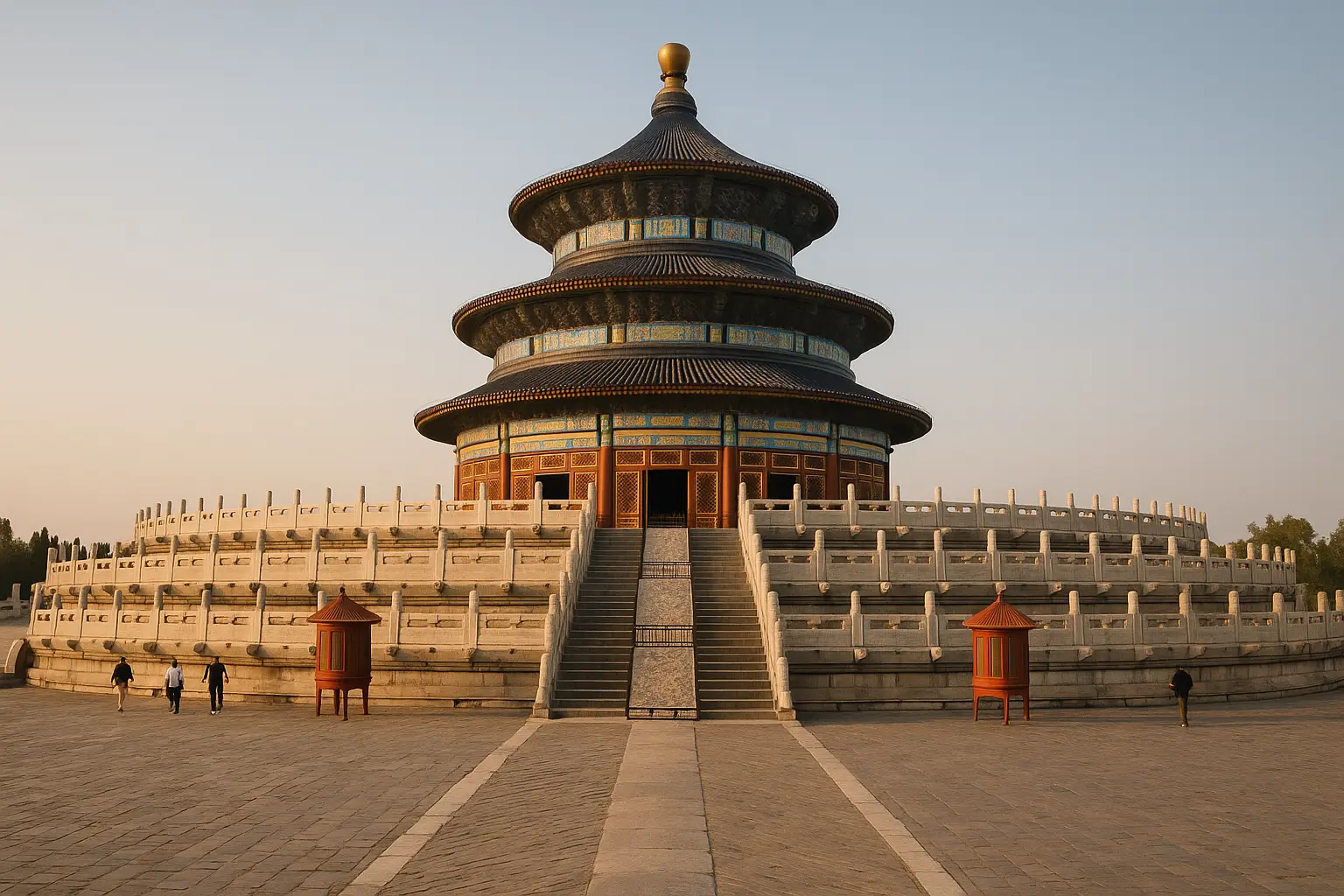
Temple of Heaven China Travel Guide 2026: Where Emperors Prayed
Chinese ImperialVisit the Temple of Heaven where Ming and Qing emperors prayed for good harvests. Explore the Hall o...