Quick Info
Curated Experiences
Hiroshima Peace Memorial & A-Bomb Dome Walking Tour
Hiroshima & Miyajima Island Full-Day Tour from Osaka
Hiroshima Atomic Bomb History & Peace Park Guided Tour
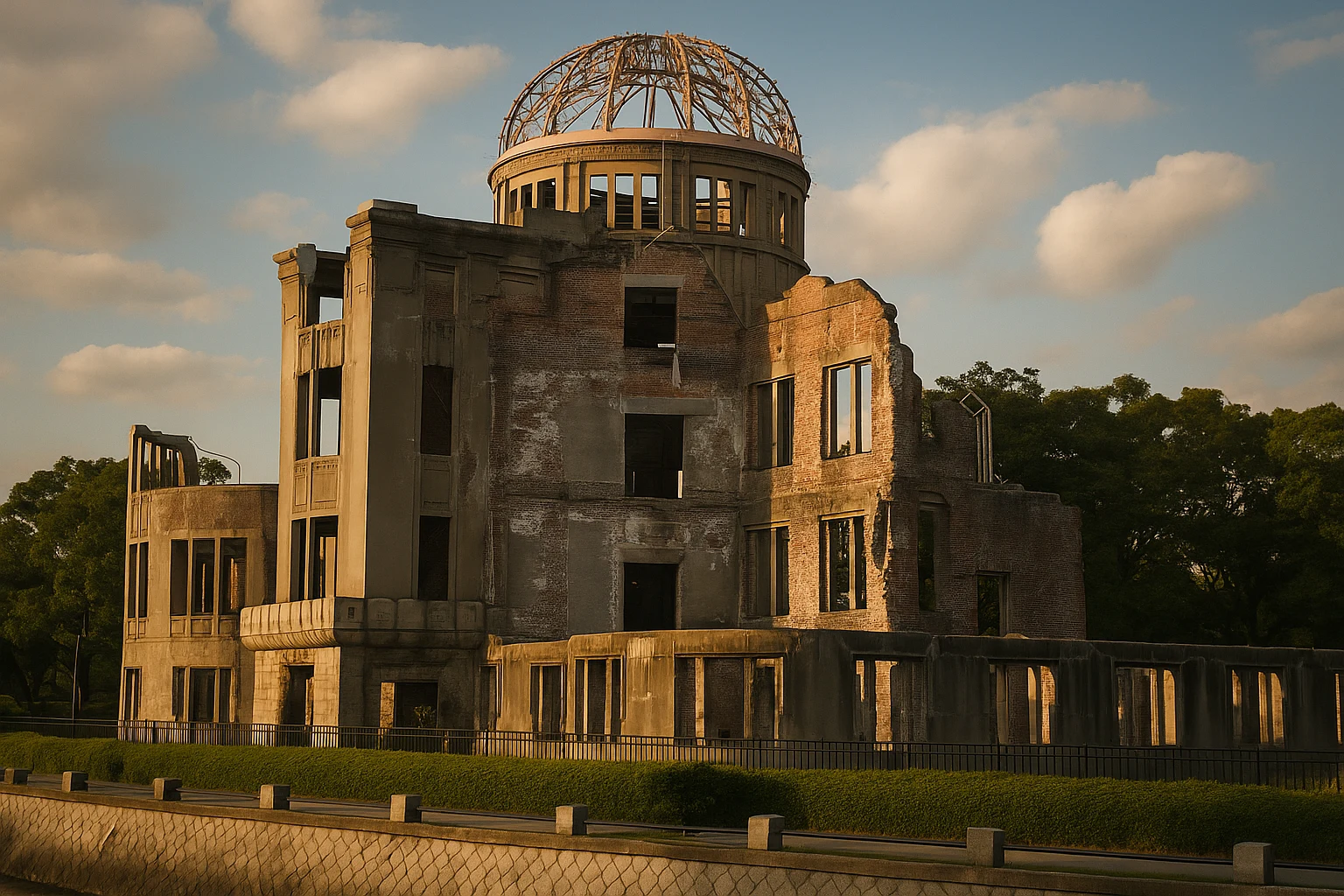
At the bend of the Motoyasu River in the heart of Hiroshima, Japan, a ruined shell of iron and brick rises against the sky with quiet, unmistakable authority. The Hiroshima Peace Memorial, anchored by the skeletal remains of the former Hiroshima Prefectural Industrial Promotion Hall — universally known as the A-Bomb Dome — is unlike any ancient ruin on earth. It is not old in the way that millennia-old temples and citadels are old. Its wound is recent, its memory living. Yet for the millions who have stood on the banks of this river since 1945 and looked across at those hollow, fire-blackened walls, the dome carries a weight that rivals any monument humanity has ever built. It is a place where history did not fade — it scorched itself permanently into stone, steel, and the consciousness of the modern world. To stand here is to understand something essential about the twentieth century, about the capacity for destruction that civilization unlocked in the age of nuclear weapons, and about the equally profound human capacity for grief, resilience, and the stubborn insistence on peace.
History
The Building Before the Bomb
The structure that would become the A-Bomb Dome was completed in 1915, designed by Czech architect Jan Letzel in a European baroque style that made it one of the most distinctive buildings in Hiroshima. Originally constructed to house the Hiroshima Prefectural Commercial Exhibition, it later served as the Hiroshima Prefectural Industrial Promotion Hall, a bustling civic venue where trade fairs, cultural events, and government offices filled its three main floors beneath the copper-clad elliptical dome. The building sat on the eastern bank of the Motoyasu River at the commercial centre of what was then one of Japan’s most important military and industrial cities, home to the headquarters of the Second Army and a major port and manufacturing hub for the Imperial war effort.
August 6, 1945
At 8:15 in the morning on August 6, 1945, an American B-29 bomber named Enola Gay released a uranium bomb — codenamed “Little Boy” — over Hiroshima. The weapon detonated approximately 600 metres above the city, directly above a T-shaped bridge just 160 metres northeast of the Industrial Promotion Hall. The fireball reached temperatures of several thousand degrees Celsius. Within a radius of roughly two kilometres, almost everything was instantly destroyed. The hypocenter’s proximity to the hall should have guaranteed its complete obliteration. Instead, the near-vertical downward force of the blast wave largely bypassed the building’s walls, which were thick enough to absorb the horizontal pressure that flattened surrounding structures. The dome’s iron ribs, stripped of their copper cladding, remained standing. Every person inside — between thirty and fifty workers and visitors — died instantly. The death toll across Hiroshima by the end of 1945 is estimated at between 90,000 and 166,000 people.
Preservation and UNESCO Recognition
In the decades following the war, fierce debate surrounded the dome’s future. Some residents wanted it demolished — it was too painful a reminder of destruction and suffering. Others argued that its very existence was the most powerful argument against nuclear weapons that the city could make. The Hiroshima city council ultimately voted to preserve it permanently in 1966, and the city undertook careful structural reinforcement work to prevent further deterioration. In 1996, the A-Bomb Dome was inscribed as a UNESCO World Heritage Site under the criterion of outstanding universal value as a symbol of the hope for world peace and the ultimate elimination of nuclear weapons. The United States and China initially abstained from the vote; the inscription nonetheless passed, cementing the dome’s status as one of the most significant heritage sites of the modern era.
The Peace Memorial Park
The broader Peace Memorial Park was designed by Japanese architect Kenzo Tange, whose 1949 masterplan organized the park as a long axis extending from the Cenotaph for the A-Bomb Victims southward through the Flame of Peace and across the river to frame a direct sightline to the dome. The park opened in 1954 and today encompasses dozens of monuments, memorials, and the Hiroshima Peace Memorial Museum, which documents the events of August 6 with unflinching historical detail and personal testimony. The park has evolved into a site of active pilgrimage and international diplomacy — it was here that American President Barack Obama laid a wreath in 2016, becoming the first sitting U.S. president to visit.
Key Features
The A-Bomb Dome
The dome itself is the moral and visual centre of everything. Its exposed iron framework, the surviving walls of the upper floors open to the sky, and the hollow interior visible through glassless window frames compose a silhouette that has become one of the most recognizable architectural forms of the twentieth century. The reinforcement work carried out over the decades — delicate injections of resin into crumbling brickwork, stainless-steel cables to hold the structure in tension — is deliberately invisible. The intention has always been to preserve the ruins exactly as the bomb left them, neither restored nor allowed to collapse further. At night, the dome is softly illuminated, and its reflection ripples across the Motoyasu River in a way that is simultaneously hauntingly beautiful and deeply sorrowful.
The Cenotaph and the Flame of Peace
At the south end of the park’s central axis stands the arched concrete Cenotaph for the A-Bomb Victims, beneath which rests a register containing the names of all identified victims of the bombing, updated every August 6 as more names are confirmed. The inscription on the monument — “Let all the souls here rest in peace, for we shall not repeat the evil” — is carefully worded in Japanese to avoid assigning blame to any nation, emphasizing instead the collective human responsibility to prevent recurrence. Directly behind the cenotaph burns the Flame of Peace, ignited in 1964 and pledged to burn until all nuclear weapons on earth have been abolished. On clear days, the flame, the cenotaph arch, and the dome beyond align in a single unbroken sightline that Tange planned with great deliberateness.
The Children’s Peace Monument
Among the park’s most emotionally resonant memorials is the Children’s Peace Monument, erected in 1958 in memory of Sadako Sasaki, a young girl who developed leukemia from radiation exposure ten years after the bombing and who, according to the story beloved across Japan, folded origami paper cranes in hope of recovery. She died at age twelve. The statue depicts a girl holding aloft a golden crane, and around its base are glass cases filled with tens of thousands of paper cranes sent from schoolchildren across Japan and around the world each year. On any given day, fresh strings of paper cranes in every color hang from the monument’s frame, a continuous, living act of remembrance by children who were not yet born when the bomb fell.
The Hiroshima Peace Memorial Museum
Immediately at the southern entrance to the park, the Peace Memorial Museum occupies two connected buildings. The East Building provides historical context for the lead-up to the war and the decision to use atomic weapons, while the West Building — the more emotionally intense of the two — presents the human dimensions of the bombing through personal artefacts: a melted wristwatch stopped at 8:15, a child’s tricycle, charred clothing, shadow images burned permanently into stone steps by the heat flash. The museum was extensively renovated and expanded in 2019, and it now attracts well over 1.7 million visitors per year. It is regarded as one of the most important and carefully curated history museums in Asia.
The Motoyasu Riverbank
One aspect of the memorial that visitors sometimes underestimate is the simple power of the Motoyasu River itself. The river flows past the dome on its west side, and the elevated banks offer a long, unobstructed view of the ruins framed by willows and cherry trees. It was into this river that thousands of the burned and dying fled on the morning of August 6, seeking relief from the heat. Lantern-floating ceremonies held on the river each August 6 evening, when thousands of paper lanterns are released on the water to guide the spirits of the dead, transform the entire park into something close to sacred.
Getting There
Hiroshima is well connected to Japan’s national rail network and is straightforward to reach from any of the country’s major cities. From Tokyo, the Tokaido–Sanyo Shinkansen operates frequent departures on the Nozomi service, covering the approximately 900 km journey in roughly 4 hours; fares begin at around ¥18,000 one-way, though Japan Rail Pass holders can use the slower Hikari and Kodama services free of the pass surcharge. From Osaka or Kyoto, the shinkansen journey to Hiroshima takes between 1 hour 15 minutes and 1 hour 45 minutes depending on the service, with fares around ¥9,000–¥11,000.
From Hiroshima Station, the city’s tram (streetcar) network is the most direct and atmospheric way to reach the Peace Memorial Park. Tram lines 2 and 6 depart from in front of the station and stop at Genbaku Dome-mae (A-Bomb Dome), a journey of roughly 15 minutes costing ¥220. Hiroshima Bus Centre and the city’s loop bus also serve the park area. Taxis from the station take 10 minutes and cost approximately ¥1,000–¥1,500. For visitors already in the city centre, the park is walkable from Hondori shopping street in around 15 minutes on foot.
When to Visit
Spring and Cherry Blossom Season
Late March through early April is widely considered the most beautiful time to visit Hiroshima Peace Memorial Park. The Motoyasu River banks and park pathways are lined with cherry trees, and when they are in full bloom, the juxtaposition of delicate pink blossoms against the dome’s stark ruins creates an image of profound symbolic resonance — life insisting on itself in the shadow of destruction. Crowds are significant during peak bloom, but the mood is contemplative rather than festive.
August 6 — Peace Memorial Ceremony
Visiting on the anniversary of the bombing, August 6, is an experience unlike any other. The city hosts an official Peace Memorial Ceremony at 8:00 a.m. in the park, attended by survivors (hibakusha), dignitaries, and the public. The bell of peace is rung at exactly 8:15 a.m., the moment of detonation, and a moment of silence is observed citywide. The evening’s lantern-floating ceremony on the river is extraordinarily moving. However, visitor numbers are extremely high, accommodation books up months in advance, and August is Hiroshima’s hottest, most humid month.
Autumn
October and November bring cooler temperatures, golden foliage, and thinner crowds than spring or the summer peak. The park’s trees turn amber and red, and the longer, softer light of autumn afternoons gives the dome a warm glow that makes for exceptional photography. This is also a comfortable season for combining a Hiroshima visit with day trips to the nearby sites of Miyajima Island and Himeji Castle.
Winter and Rainy Season
December through February is mild compared to most of Japan, with temperatures rarely dropping below 5°C, and the thinning crowds allow for quieter, more personal encounters with the memorials. The rainy season in June and early July brings grey skies but also lush green foliage; rain and mist can lend the dome an especially atmospheric quality.
| Quick Facts | Details |
|---|---|
| Location | Naka-ku, Hiroshima City, Hiroshima Prefecture, Japan |
| Coordinates | 34.3955°N, 132.4536°E |
| UNESCO Inscription | 1996 (World Heritage Site) |
| Distance from Hypocenter | ~160 m (525 ft) |
| Bomb Detonation | August 6, 1945, 8:15 a.m. |
| Park Area | 122,100 m² |
| Museum Admission | ¥200 adults / ¥50 students |
| Park Opening Hours | Open 24 hours (outdoor areas) |
| Museum Hours | 8:30 a.m.–6:00 p.m. (varies seasonally) |
| Nearest Station | Hiroshima Station (JR) |
| Tram Stop | Genbaku Dome-mae (Lines 2 & 6) |
| Annual Visitors | ~1.7 million (museum); park far more |
Frequently Asked Questions
What is the A-Bomb Dome in Hiroshima?
The A-Bomb Dome, formally known as the Hiroshima Prefectural Industrial Promotion Hall, was one of the few structures near the atomic bomb's hypocenter that remained partially standing after the August 6, 1945 explosion. Today it is preserved as a UNESCO World Heritage Site and stands within the Hiroshima Peace Memorial Park as a permanent reminder of the destruction caused by nuclear weapons.
Is entry to the Hiroshima Peace Memorial Park free?
Yes, the Peace Memorial Park and the outdoor grounds surrounding the A-Bomb Dome are free to enter at all hours. The Hiroshima Peace Memorial Museum, located within the park, charges a small admission fee of 200 yen for adults and 50 yen for students. The museum is closed on certain Mondays and during the New Year holiday period.
How close was the A-Bomb Dome to the bomb's hypocenter?
The building stood approximately 160 metres (525 feet) from the hypocenter of the atomic bomb detonation on August 6, 1945. Despite this extreme proximity, the near-vertical downward angle of the blast pressure wave allowed the dome's skeletal iron framework and brick walls to remain partially upright, even as virtually everything else in the immediate vicinity was obliterated.
Can visitors go inside the A-Bomb Dome?
No. The interior of the A-Bomb Dome is not accessible to visitors. The ruins are fenced off to protect the fragile structure, but visitors can walk completely around the exterior and view it up close from the riverbank and the surrounding park paths. The best unobstructed views are from the banks of the Motoyasu River directly opposite the dome.
What is the best time of year to visit the Hiroshima Peace Memorial?
Spring (late March to early April) and autumn (October to November) offer the most pleasant weather and the most atmospheric settings, with cherry blossoms or autumn foliage framing the dome. August 6th, the anniversary of the bombing, draws very large crowds for the Peace Memorial Ceremony but is a deeply meaningful time to visit. Summer is hot and humid; winter is mild by Japanese standards but can be grey and rainy.
How do I get to the Hiroshima Peace Memorial Park from Hiroshima Station?
The most convenient option is Hiroshima's tram (streetcar) network. Take tram lines 2 or 6 from Hiroshima Station to the Genbaku Dome-mae (A-Bomb Dome) stop, a journey of around 15 minutes costing 220 yen. Alternatively, taxis from the station take about 10 minutes. The park is also walkable from the city centre in around 20 minutes.
Is the Hiroshima Peace Memorial Park appropriate for children?
Yes, many families visit, and the park itself is open and peaceful. The Peace Memorial Museum contains graphic exhibits documenting the human cost of the bombing, including photographs, artefacts, and personal testimonies, which parents should be aware of when deciding whether to bring young children inside. The outdoor areas, monuments, and the Children's Peace Monument are generally considered suitable for all ages.
Nearby Ancient Sites
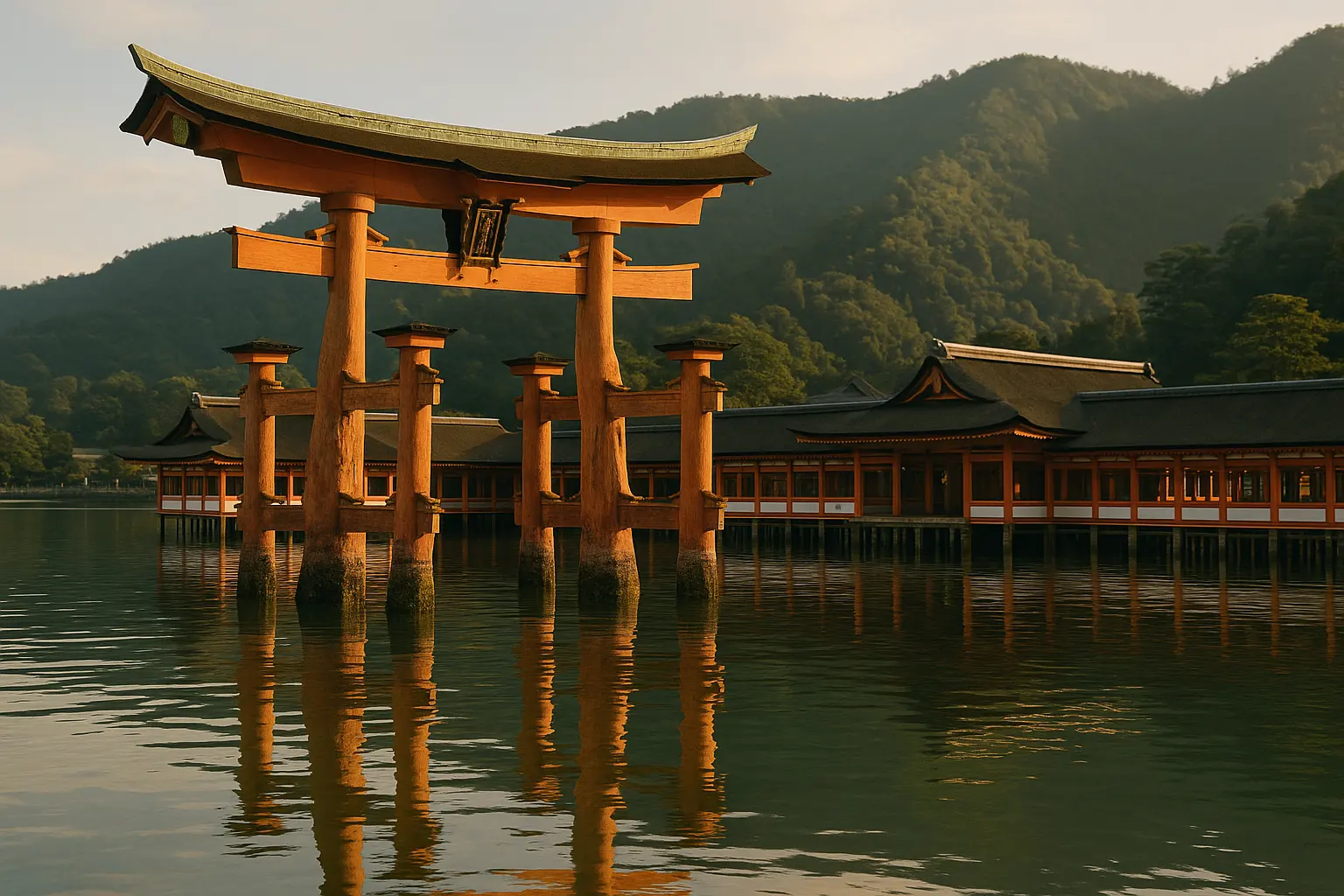
Itsukushima Shrine Japan Travel Guide 2026: The Floating Torii Gate
Japanese ShintoVisit Itsukushima Shrine on Miyajima Island, famous for its floating torii gate. Discover the shrine...
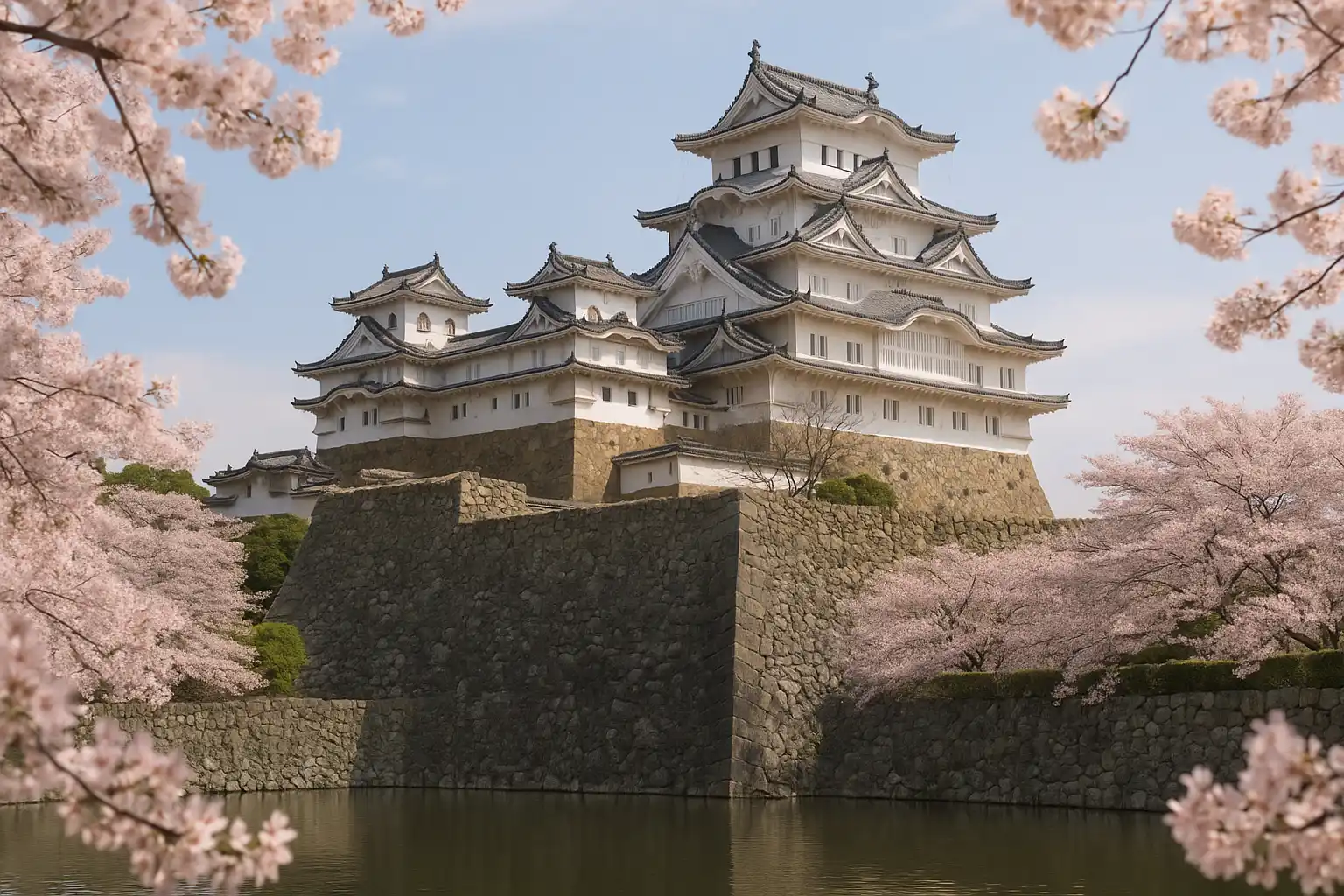
Himeji Castle Japan Travel Guide 2026: The White Heron Castle
Japanese FeudalVisit Himeji Castle, Japan's most beautiful original castle. Explore the White Heron keep, defensive...
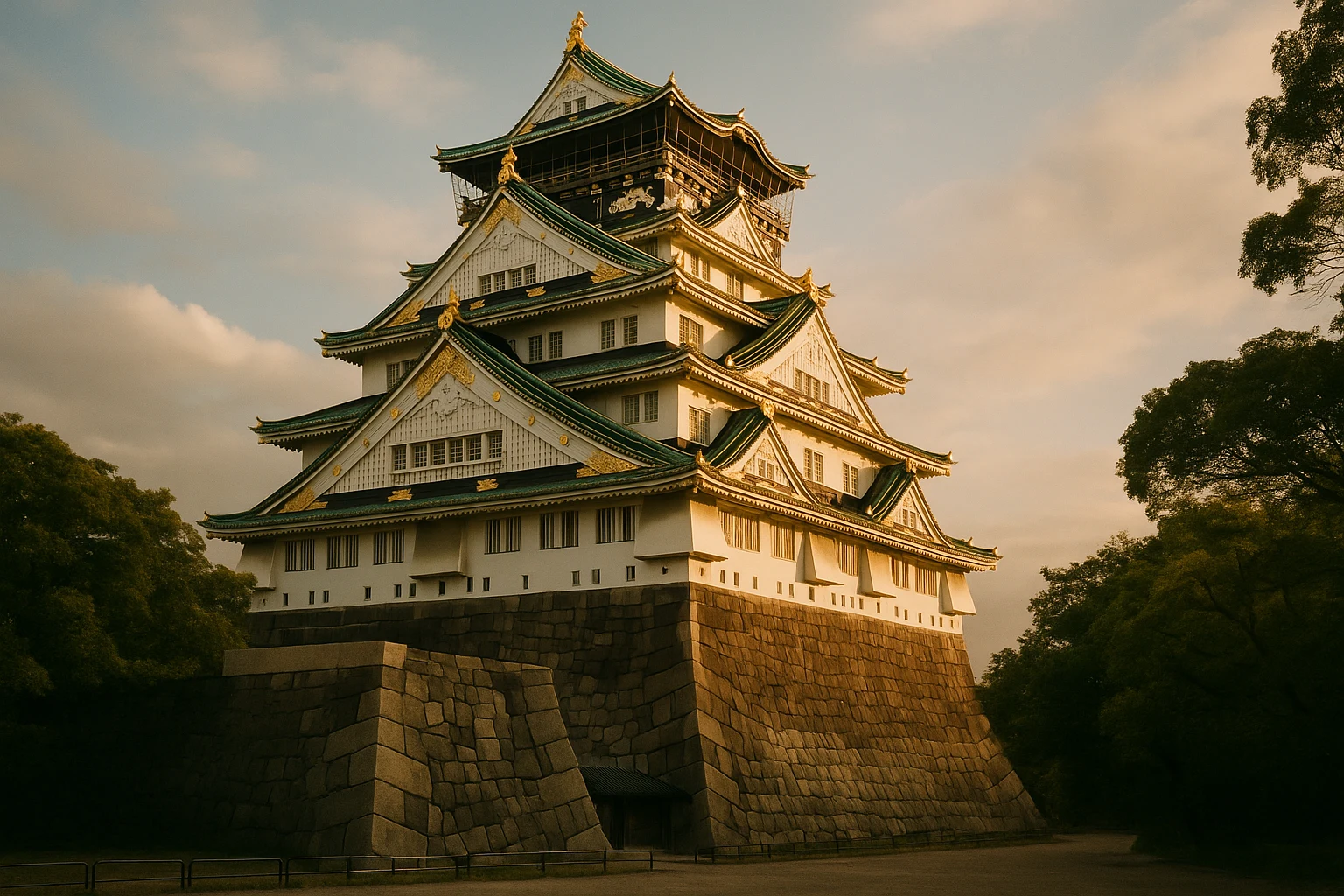
Osaka Castle
Osaka Castle is one of Japan's most iconic landmarks, a towering feudal fortress that shaped the uni...
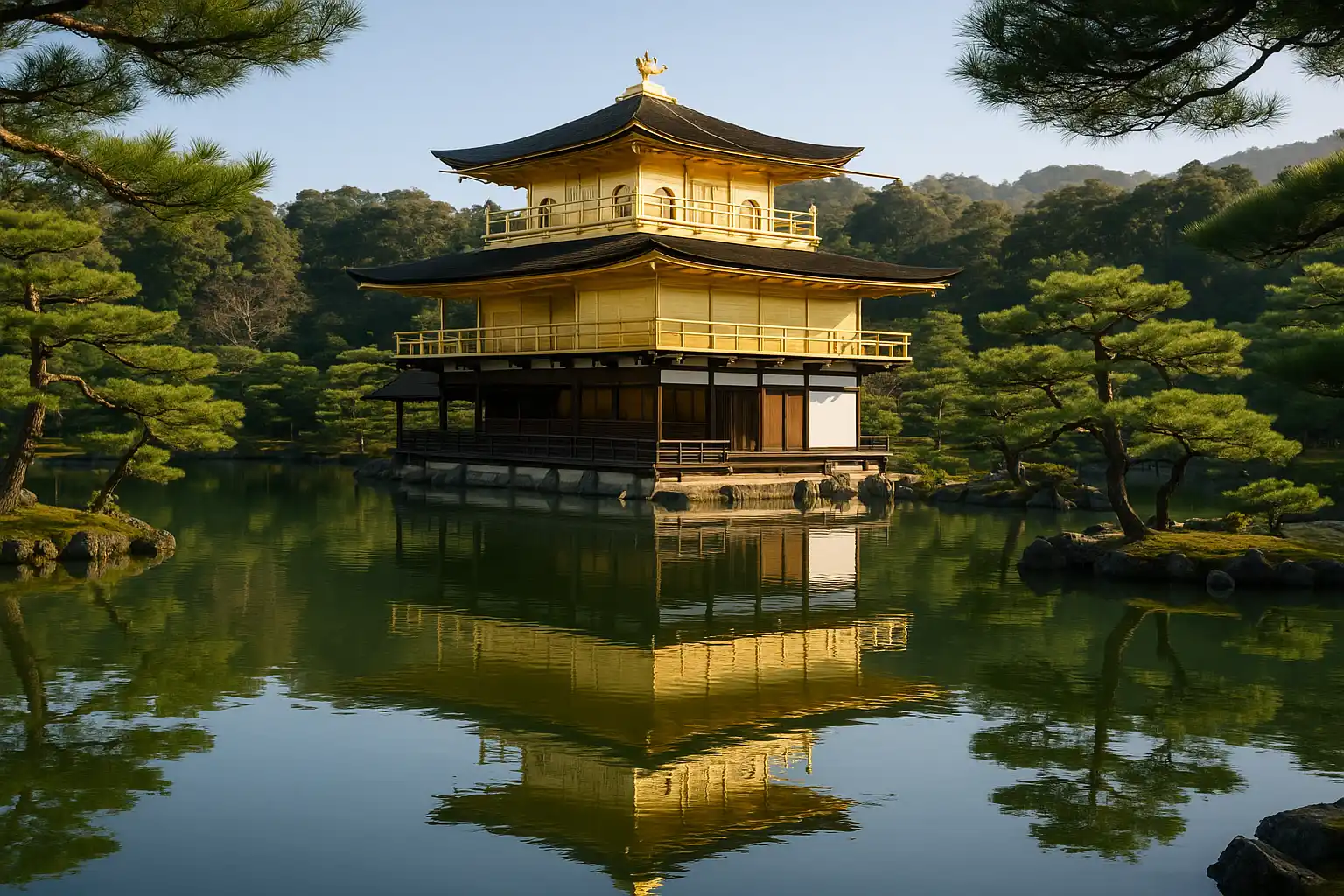
Kinkakuji Temple Japan Travel Guide 2026: Kyoto's Golden Pavilion
Japanese Zen BuddhistVisit Kinkakuji, the Golden Pavilion, Kyoto's most iconic Zen temple. Discover the gold-leaf covered...