Quick Info
Curated Experiences
Humble Administrator's Garden Private Guided Tour
Suzhou Classical Gardens Day Tour from Shanghai
Suzhou Water Town and Garden Full Day Tour
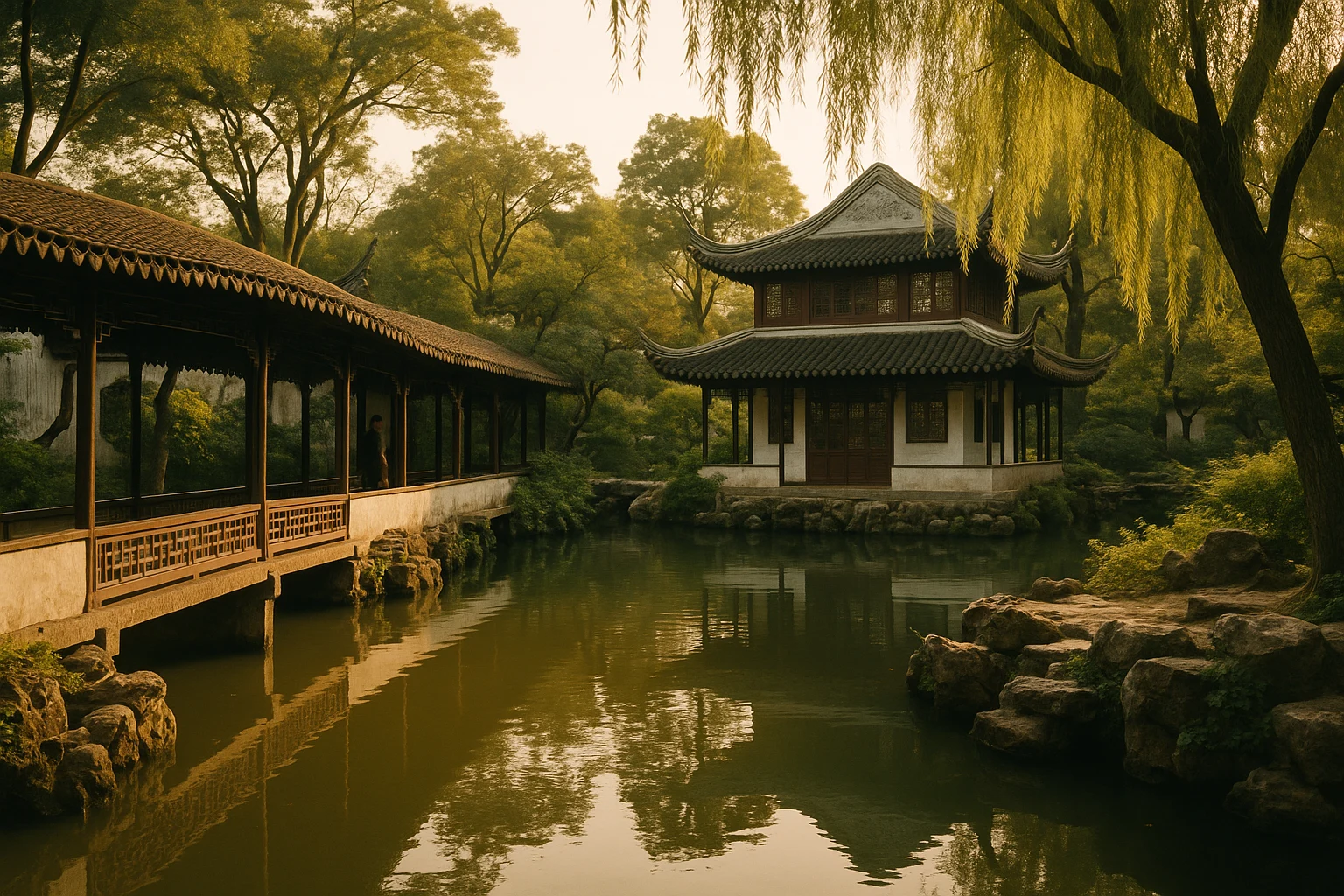
Standing at the moon gate of the Humble Administrator’s Garden on a soft spring morning, the sound of the city dissolves the moment you step through. Ahead, a broad lotus pond mirrors the sky in silver-grey silence, and above its surface rises a cluster of whitewashed pavilions connected by zigzag bridges no wider than two shoulders. This is Suzhou, Jiangsu Province, China — a city that has spent five centuries perfecting the art of the enclosed landscape — and this garden, known in Mandarin as Zhuozheng Yuan, is its undisputed masterpiece. Covering nearly 5.2 hectares at the northern edge of the old city, it is the largest of Suzhou’s surviving classical gardens and the one most often named first when scholars discuss the apogee of Chinese landscape design. Water dominates. Roughly three-fifths of the site is given over to ponds, channels, and streams, and nearly every path, every corridor, and every window has been positioned so that moving water or still reflection enters the field of view. The result is not a garden that overwhelms with botanical extravagance but one that rewards slow attention — a place designed less for walking through than for dwelling in, where each turn offers a precisely composed scene that the original builders would have called a “borrowed view.”
History
Imperial Beginnings and the Wang Family Commission
The garden’s history begins in the early sixteenth century with a man whose career had not ended as he wished. Wang Xianchen served as an imperial censor and inspector in the court of the Zhengde Emperor during the Ming Dynasty, a role that brought prestige but also political peril. After a period of official disfavour that forced his retirement from the capital, Wang returned to his home region and purchased a plot of land in Suzhou that had previously held a Tang Dynasty temple and later the private residence of a Yuan Dynasty official. Between approximately 1509 and 1513, he commissioned the construction of a garden retreat.
Wang named his creation Zhuozheng Yuan, a phrase drawn from an essay by the Jin Dynasty poet Pan Yue: “the cultivation of one’s own garden is the politics of the humble man.” The name carries deliberate irony — Wang was a man of considerable administrative experience, yet here he framed gardening as a fitting occupation for someone no longer engaged in the grand business of the empire. The first garden covered a larger area than what survives today, and historical records describe it as a wilder, more naturalistic place than the finely tuned composition seen by modern visitors.
Fragmentation and Transformation
Wang Xianchen died without a clear succession plan, and legend — almost certainly apocryphal but thoroughly embedded in Suzhou lore — holds that his son gambled away the property in a single night of bad luck. What is documented is that by the late Ming period the garden had been subdivided and transferred through multiple owners, each of whom modified, reduced, or expanded their portion. For much of the seventeenth and eighteenth centuries the site existed as three or more separate private estates with no unified management.
During the Taiping Heavenly Kingdom rebellion of the 1850s and 1860s, Suzhou fell to rebel forces and the garden served at various points as a military headquarters. Later in the nineteenth century the different sections were reunified under new private ownership, and a programme of restoration returned the property closer to a coherent whole. The Qing Dynasty renovations introduced some of the pavilions and rockery arrangements visible today, though the fundamental layout of the central pond and its surrounding structures preserves the spatial logic of the Ming original.
UNESCO Recognition and Modern Stewardship
The People’s Republic of China took formal control of the garden in 1952, opening it to the public and beginning systematic scholarly documentation of its design principles. In 1961 it was listed among China’s first batch of nationally protected cultural heritage sites. International recognition arrived in 1997 when UNESCO inscribed the Classical Gardens of Suzhou — with the Humble Administrator’s Garden as the anchor property — on the World Heritage List, citing the gardens as “masterpieces of Chinese landscape design” that had profoundly influenced garden design across East Asia and beyond. Today the garden receives approximately two million visitors annually and is managed by the Suzhou Humble Administrator’s Garden Administration Bureau alongside a connected museum designed by the celebrated architect I.M. Pei.
Key Features
The Central Pond and Its Pavilions
The heart of the garden is its central water zone, a broad irregular pond dotted with low islands and crossed by stone bridges of varying degrees of curvature. The pond is deliberately designed to look larger than it is: its edges are planted with willows and bamboo whose drooping branches obscure the shore line, and the islands are positioned to fragment the view so that no single vantage point reveals the full extent of the water. The most photographed structure in the garden, the Fragrant Isle Pavilion (Xiangzhou), sits at the western end of a narrow peninsula jutting into the central pond, its two-story silhouette and upswept eaves so precisely positioned that it appears to float regardless of the angle from which it is seen.
Along the northern shore, the Hall of Distant Fragrance (Yuanxiang Tang) serves as the garden’s formal reception hall and its conceptual centre. Its name alludes to the lotus blossoms that perfume the air during summer months — an evocation of purity through distance. The hall’s interior is sparsely furnished in keeping with classical Chinese taste: a central calligraphic inscription, a few pieces of rosewood furniture, and lattice windows that frame the pond beyond like living scroll paintings.
Rockery, Corridors, and Borrowed Views
Classical Suzhou gardens are as much about solid mass as open water, and the Humble Administrator’s Garden deploys its rockery with particular sophistication. The eastern section, which was historically a separate property and retains a slightly different aesthetic character, features an elaborate arrangement of Taihu limestone — the porous, water-eroded rock quarried from Lake Tai to the west of Suzhou — piled into hills and grottoes that recall mountain landscapes in compressed form. Walking through these passages, turning corners to encounter sudden drops and hidden chambers, visitors engage with the Chinese aesthetic concept of qu, a quality of pleasurable indirectness.
Roofed corridors run for hundreds of metres through the garden, connecting pavilions and providing sheltered walkways for rainy-season visits. The walls beside these corridors are pierced with windows of extraordinary variety — circular, hexagonal, fan-shaped, gourd-shaped — each one designed to capture a particular view of rockery, bamboo, or water as a pedestrian moves through. The technique of “borrowed scenery,” in which elements beyond the garden’s boundary are incorporated into its visual composition, reaches a celebrated refinement here: the pagoda of the nearby North Temple (Beisi Ta) rises above the garden’s perimeter wall and is framed by the garden’s own trees in a way that makes it appear to be a designed element of the composition.
The Lotus Pond and Seasonal Spectacle
No account of the Humble Administrator’s Garden is complete without attention to its plant life, particularly the lotus. The central pond is heavily planted with Nelumbo nucifera, the sacred lotus, whose large round leaves cover the water surface from June onwards and whose pale pink flowers bloom through July and August. The design exploits the lotus in multiple modes: its leaves provide a textured green surface that sets off reflected sky, its flowers introduce colour against the whitewashed walls, and its winter stalks, brown and geometric after the growing season, create a different kind of stark beauty admired in classical Chinese painting. Wisteria pergolas in the western section burst into cascading purple in April, and ornamental plum trees near the garden’s older structures are among the earliest blooms of February and March.
Getting There
Suzhou is served by two high-speed railway stations. Most visitors arriving from Shanghai use Suzhou Railway Station (the older central station), which is connected to Shanghai Hongqiao by G-class trains taking roughly 25 minutes and costing around 40 CNY for a second-class seat. Shanghai Pudong travellers should take the metro to Hongqiao or catch a direct service from Shanghai Railway Station. From Suzhou Station, Suzhou Metro Line 4 runs northward and serves the Beisi Ta stop, approximately a ten-minute walk from the garden entrance; alternatively, taxis from the station take about 15 minutes and cost 20–30 CNY depending on traffic.
Visitors arriving from Beijing take the G-class high-speed service, a journey of around four hours, also terminating at Suzhou Railway Station. Suzhou’s own city metro system is clean, inexpensive, and reliable; a single journey costs 2–6 CNY depending on distance. From within Suzhou’s old city, many of the other classical gardens are within comfortable walking or cycling distance. Bike-share services (Hello Bike and Meituan) are widely available and represent the most pleasant way to connect multiple garden visits in a single day.
The garden entrance is at No. 178 Dongbei Street (Dongbei Jie) in Suzhou’s Gusu District. It opens at 7:30 a.m. and last admission is typically 17:00, with closing at 17:30; hours extend slightly in peak summer months.
When to Visit
Suzhou sits in a humid subtropical climate zone that delivers four distinctly different garden experiences across the year. Spring (March through May) is the most sought-after season: temperatures hover between 12 and 22 degrees Celsius, wisteria and peonies are in bloom, and the quality of light — overcast and soft — suits both photography and leisurely walking. This period also draws the largest crowds, particularly during the national public holidays of Qingming (early April) and the May Day Golden Week; arriving before 8:30 a.m. on weekdays is the most effective strategy for relative tranquillity.
Summer (June through August) brings Suzhou’s famous lotus season. The heat is significant — average highs touch 32 degrees Celsius and humidity is high — but the garden’s water coverage moderates temperatures perceptibly, and the covered corridors provide useful shade. Bring an umbrella that doubles as a parasol; summer afternoon thunderstorms are frequent. Autumn (September through November) offers comfortable temperatures and vivid foliage, particularly the golden ginkgo trees in the eastern section. Winter is Suzhou’s quietest season for tourists; the garden takes on a spare, ink-wash quality under grey skies, and crowds are negligible. Snow transforms the white pavilions and dark water into scenes that seem lifted directly from classical painting.
| Quick Facts | Details |
|---|---|
| Location | Suzhou, Jiangsu Province, China |
| Coordinates | 31.3267° N, 120.6297° E |
| Area | 5.2 hectares (12.8 acres) |
| Established | c. 1513 (Ming Dynasty) |
| UNESCO Inscription | 1997 (Classical Gardens of Suzhou) |
| Opening Hours | 7:30 – 17:30 (extended in summer) |
| Admission | 90 CNY peak / 70 CNY off-season |
| Nearest City | Suzhou (within old city) |
| Nearest Major Airport | Suzhou is served by Shanghai Pudong (PVG) or Hongqiao (SHA), ~100 km |
| Best Months | April–May (spring bloom), October (autumn colour) |
| Language | Mandarin; English signage throughout |
The Humble Administrator’s Garden endures not because it is grand in scale — by the standards of imperial China it is modest — but because it is nearly perfect in proportion. Every stone has been placed to suggest something beyond itself; every window has been cut to reveal rather than merely open onto a view. Walking here is less an act of sightseeing than an exercise in learning to look, and that is an education no amount of time renders obsolete.
Frequently Asked Questions
Where is the Humble Administrator's Garden located?
The garden is located in Suzhou, Jiangsu Province, eastern China, about 100 kilometres west of Shanghai. It sits in the northeastern part of Suzhou's historic old city.
How much does it cost to enter the Humble Administrator's Garden?
Admission is around 90 CNY (approximately USD 12) during peak season (April–October) and 70 CNY off-season. Children under 1.4 metres enter free. Prices are subject to change, so check the official site before visiting.
How long does it take to visit the Humble Administrator's Garden?
Most visitors spend two to three hours exploring the garden. If you plan to visit all three sections thoroughly and linger by the water features, budget at least half a day.
What is the best time of year to visit the Humble Administrator's Garden?
Late April through early June offers blooming wisteria and peonies, while late October brings vivid autumn foliage. Early morning visits on weekdays are far less crowded than weekend afternoons.
Can I combine the Humble Administrator's Garden with other Suzhou gardens?
Yes. The Lingering Garden (Liuyuan) and the Lion Grove Garden (Shizi Lin) are both within easy reach by taxi or on foot, and many visitors tour two or three gardens in a single day.
Is the Humble Administrator's Garden a UNESCO World Heritage Site?
Yes. It was inscribed on the UNESCO World Heritage List in 1997 as part of the 'Classical Gardens of Suzhou,' recognised for the outstanding way they embody Chinese garden design philosophy.
How do I get to the Humble Administrator's Garden from Shanghai?
High-speed trains run from Shanghai Hongqiao or Shanghai Railway Station to Suzhou in around 25 minutes. From Suzhou Station, take the metro Line 2 to Suzhou North Railway Station area or a taxi about 15 minutes to the garden entrance.
Nearby Ancient Sites
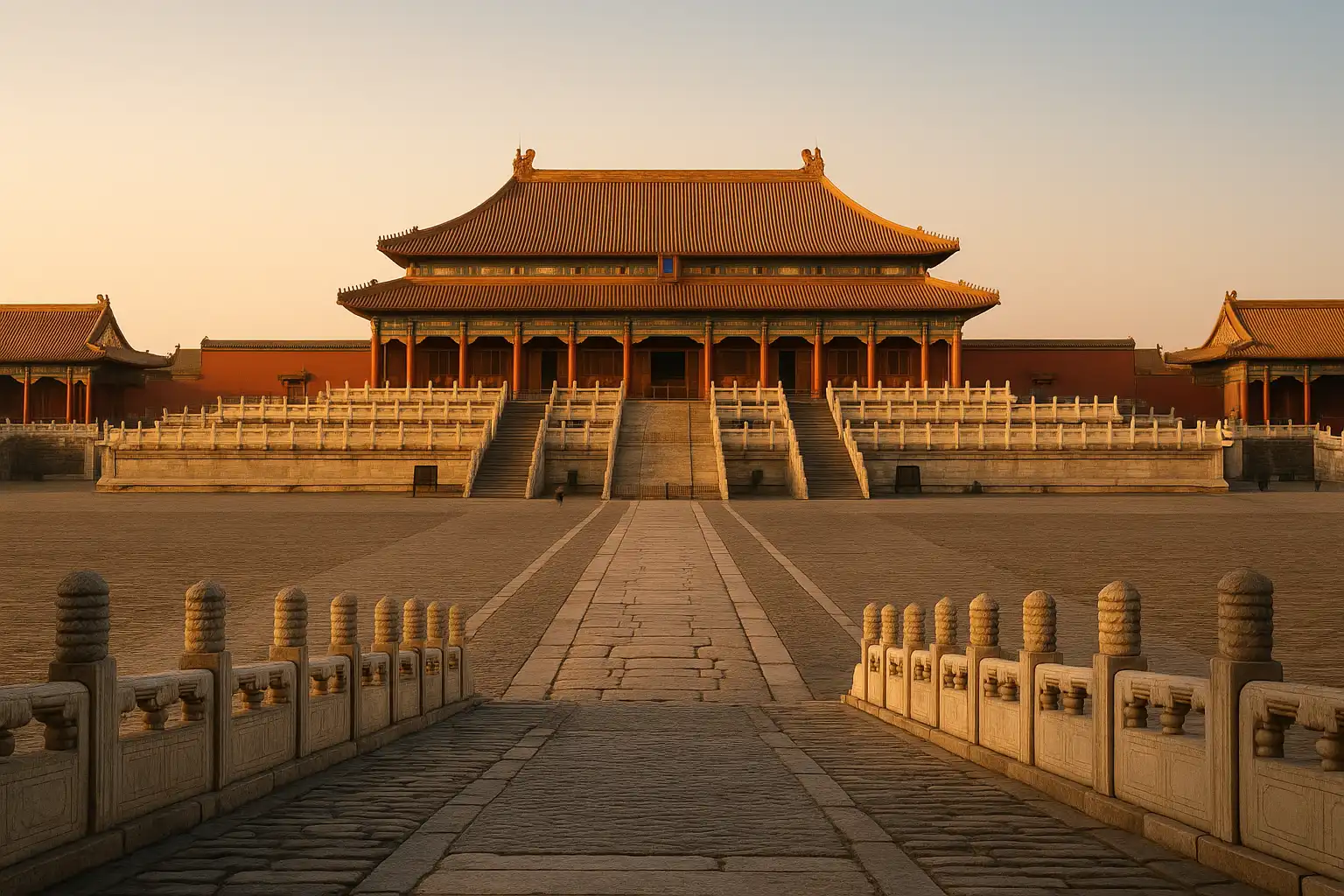
Forbidden City China Travel Guide 2026: Imperial Palace of Beijing
Chinese ImperialExplore the Forbidden City, China's imperial palace for 500 years. Discover the Hall of Supreme Harm...
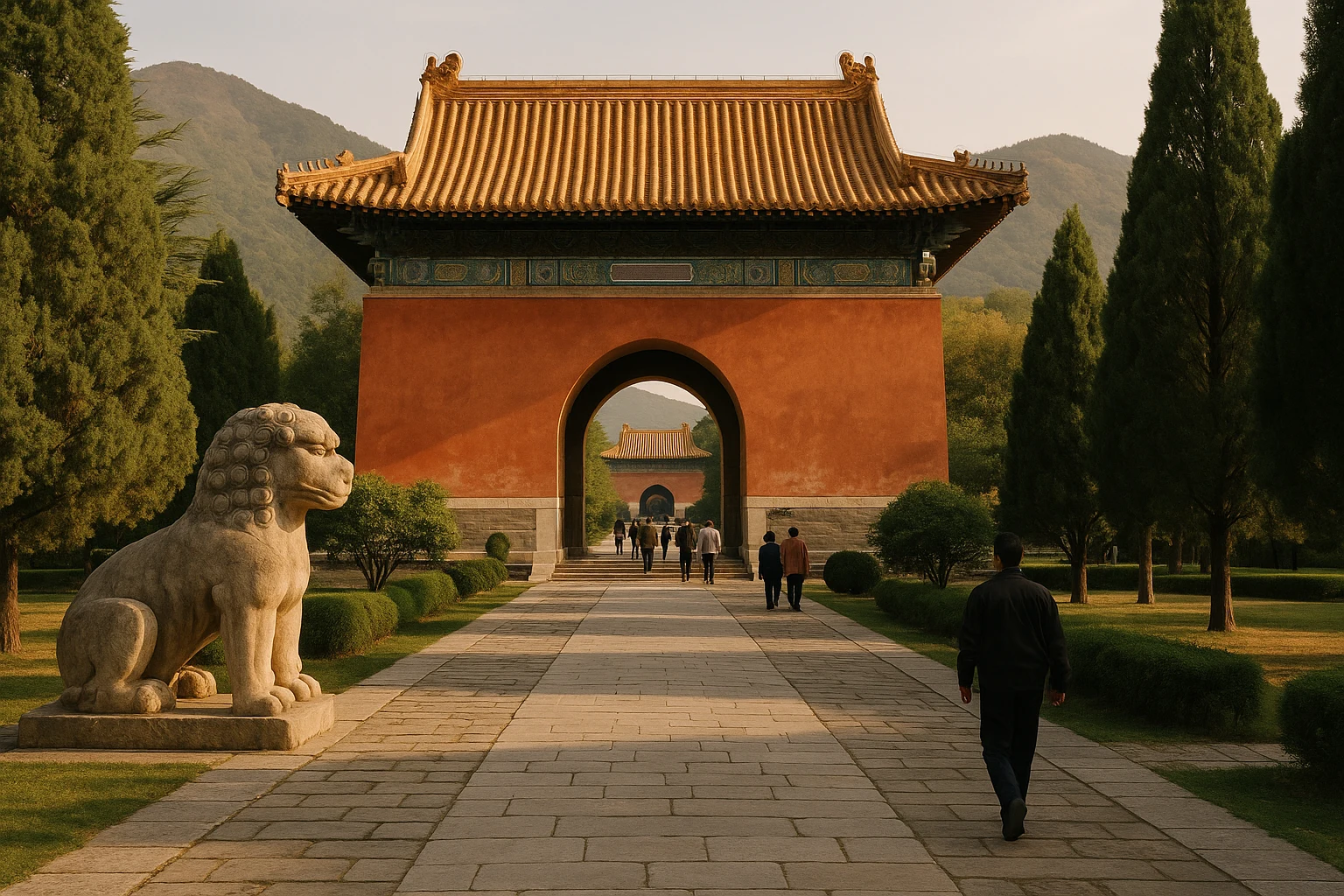
Ming Tombs
Explore the Ming Tombs near Beijing — thirteen imperial mausoleums of China's Ming dynasty, guarded ...
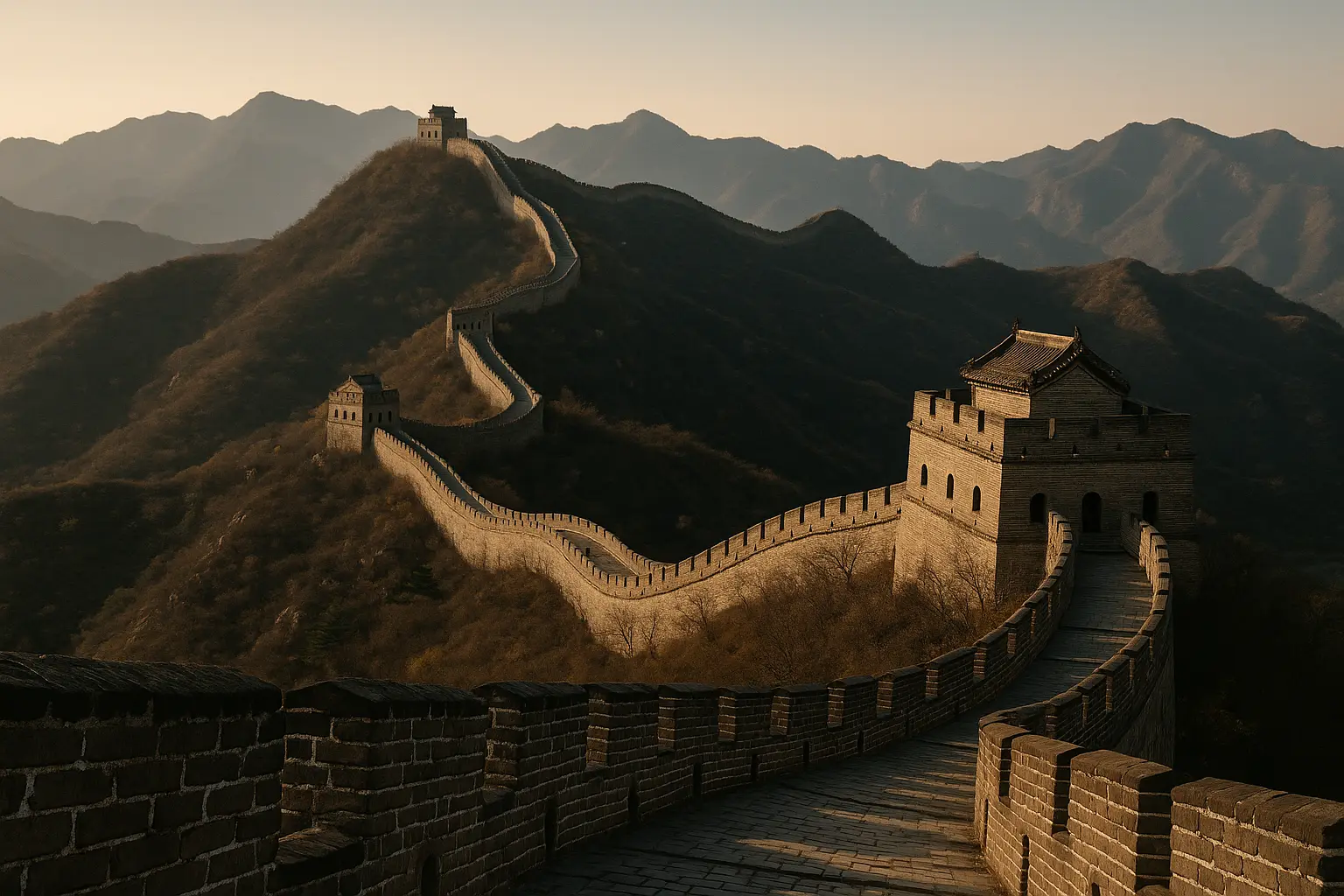
Great Wall of China Badaling Travel Guide 2026: Iconic Fortification
Chinese ImperialVisit Badaling, the most famous section of the Great Wall of China. Our guide covers tickets, cable ...
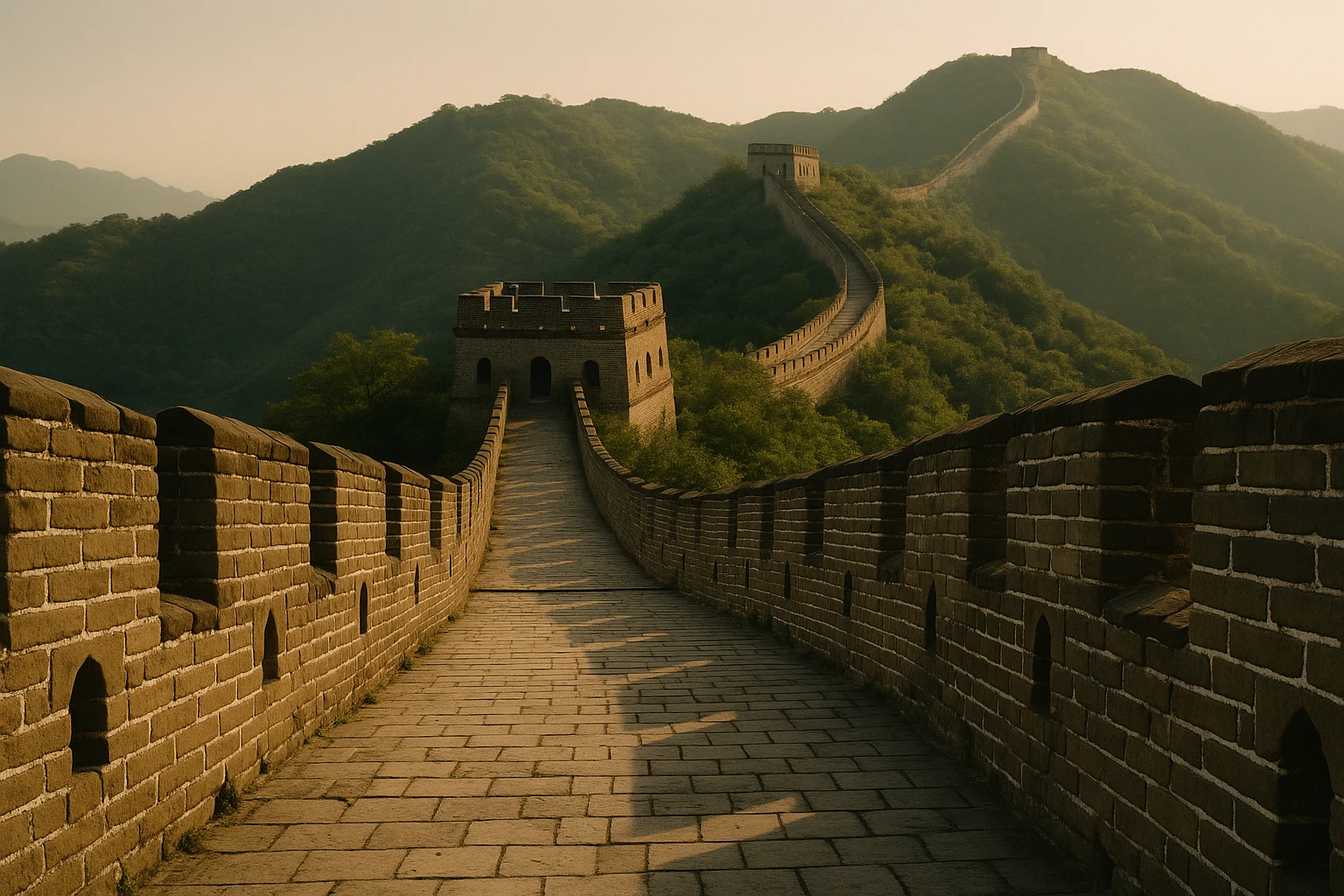
Great Wall of China (Mutianyu)
Explore Mutianyu — the Great Wall's most dramatic restored section, with 22 Ming-era watchtowers, mo...