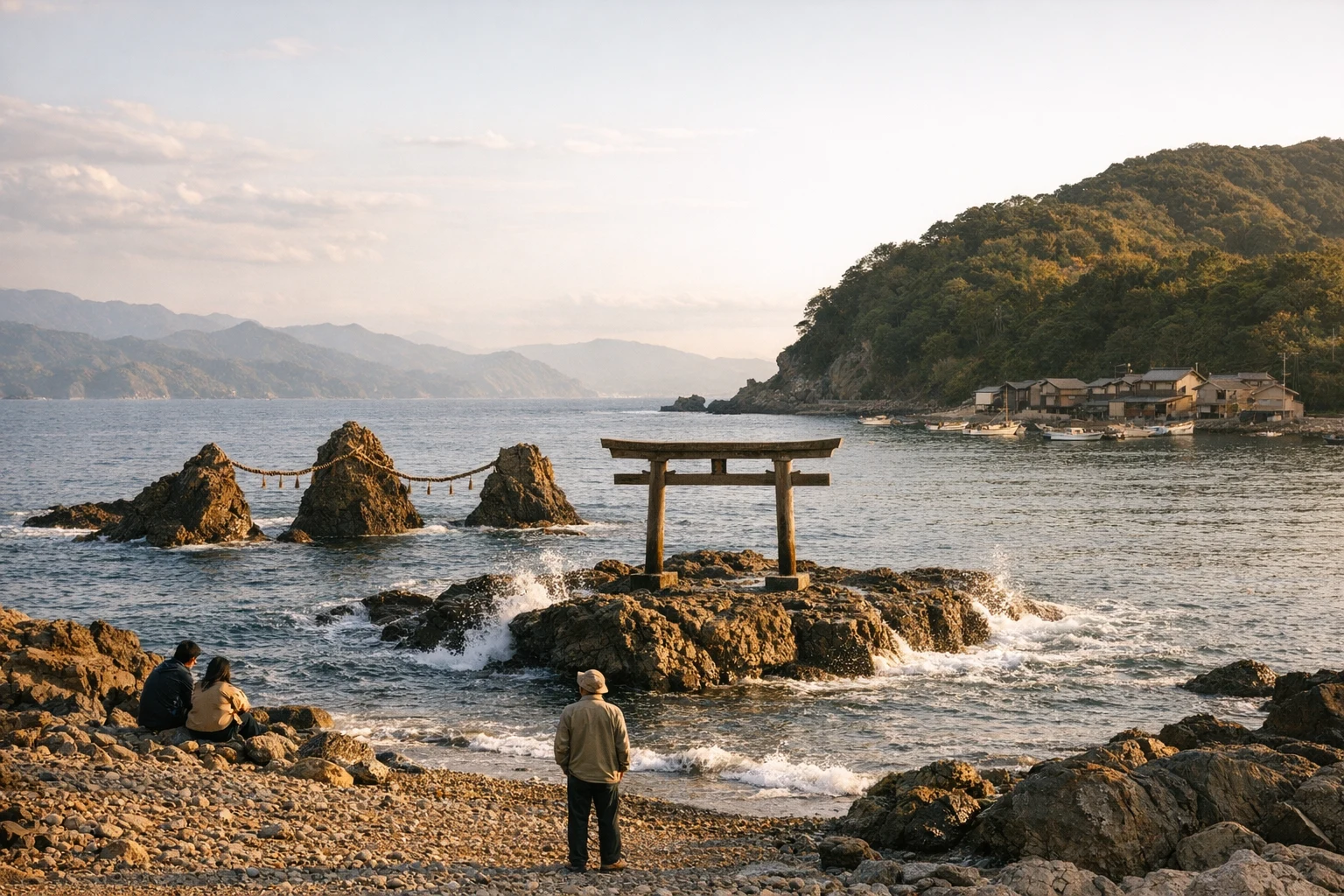
Quick Info
Curated Experiences
Fukuoka Highlights: Private Ancient Ruins & Culture Tour
Northern Kyushu Archaeological Walking Tour
Japan’s Yayoi Period: Historical Day Tour in Fukuoka
Nestled in the verdant landscapes of Fukuoka Prefecture on Japan’s Kyushu island, the Irie Site stands as a remarkable testament to the ingenuity, resilience, and everyday lives of ancient Japanese communities. As you approach this celebrated archaeological site, a sense of historical continuity hums beneath your feet, whispering tales from the distant Yayoi period — a pivotal era that shaped much of Japan’s early development. The Irie Site, also called “Irie Ruins” by some historians, emerges quietly from the alluvial plains, bordered by tranquil rivers and lush, rolling hills, evoking the deep connection between nature and those who once called this region home.
Walking among the carefully preserved excavations, visitors are invited on a journey spanning over two millennia, experiencing firsthand how early settlements were ingeniously engineered for both survival and community. The surrounding countryside remains relatively untouched by the relentless growth seen in larger Japanese cities, allowing for a genuine step back in time that is as immersive as it is educational. With each sherd of pottery and each reconstructed pit dwelling, the Irie Site bridges modern Japan with its ancient roots, providing invaluable insight into the birth of rice agriculture, the development of social structures, and the vibrant trade networks that once linked this corner of Kyushu to distant neighbors across East Asia.
No matter your passion — history enthusiast, archaeology devotee, or simply a lover of tranquil rural landscapes — a visit to the Irie Site offers a rare glimpse into a formative chapter of Japan’s past, enriched by the evocative scenery and warm hospitality of Fukuoka’s people. As one of the region’s preeminent archaeological sites, Irie invites you to stand where history was both made and remembered, forging your own connection with the enduring story of the Japanese islands.
History
The Irie Site’s story begins in the earliest centuries of the Yayoi period, a transformative time for the Japanese archipelago spanning roughly from 300 BCE to 300 CE. Prior to the emergence of Yayoi culture, the land was home to the Jomon people, hunter-gatherers known for their pottery and deep connection to the forests and seas. When the Yayoi culture appeared, most notably in Kyushu and then spreading across the archipelago, it brought with it revolutionary advancements: wet-rice agriculture, metalworking, and social stratification. The Irie Site is one of the keystones in understanding how these shifts unfurled across northern Kyushu.
The Yayoi Era Foundations
During the early centuries BCE, migrants from the Korean Peninsula and possibly mainland China arrived on Kyushu. They introduced rice paddy cultivation, which necessitated new forms of village organization and technological innovation. At Irie, archaeological evidence points to a thriving settlement constructed with pit dwellings, raised-floor granaries for rice storage, and defensive moats. The community here thrived due to its proximity to fertile floodplains and access to rivers, enabling not only subsistence farming but also the establishment of local markets and trade outposts.
Flourishing Trade and Social Organization
As the Yayoi period progressed, the Irie Site became a hub of both agricultural production and interregional exchange. Excavations have uncovered artifacts crafted from imported materials, including bronzeware and glass beads, attesting to trade links with the Korean Peninsula and the Asian mainland. Social organization grew increasingly complex, with elite classes emerging, as evidenced by grave goods found in nearby burial mounds — a sign of rising social hierarchies.
The village’s intricate layout, including clear distinctions between residential, storage, and communal spaces, reveals a society that was rapidly adapting to new economic and environmental realities. Just as significant was Irie’s role as part of a wider Yayoi cultural network, which would eventually lay the groundwork for the rise of early Japanese states.
The Legacy and Rediscovery
Irie flourished for generations until shifts in settlement patterns and changing political landscapes drew populations to emerging centers of power across Kyushu and beyond. Eventually, the site fell into obscurity, its ancient structures buried beneath centuries of alluvial deposits. It was not until systematic excavations began in the late 20th century, driven by increased interest in Yayoi archaeology, that Irie’s full scope became apparent.
Archaeologists have painstakingly documented the site’s remains, uncovering a wealth of artifacts — from stone tools to intricate ceramics — that continue to reshape scholarly understanding of early Japanese society. Modern protections have ensured the site’s preservation amidst urban development, making it an essential destination for both researchers and visitors eager to experience first-hand the realities of ancient life in Japan.
Key Features
The Irie Site stands today as a blend of preserved ruins, reconstructed facilities, and evocative exhibits that together bring the Yayoi period to vibrant life. One of the most striking features is the site’s collection of excavated pit dwellings. Their oval depressions, partially roofed in carefully crafted wood, give a palpable sense of the domestic environments that once sheltered families. These reconstructions are based on posthole patterns and traces found during excavations, and they offer visitors a hands-on appreciation of early architectural ingenuity. Some dwellings have been skillfully reconstructed above ground to aid interpretation, allowing you to step into the living quarters of an ancient Yayoi farmer.
Just east of the residence area, raised-floor granaries stand as reminders of the advanced agricultural economy that defined the settlement. These structures, built to keep their precious rice stores safe from rodents and moisture, symbolize the community’s technological adaptability. You can walk around these elevated buildings and ponder the centrality of rice in shaping settlement patterns, rituals, and even political alliances of the period. Interpretative signage in both Japanese and English ensures accessibility and enriches each visitor’s journey, explaining in engaging detail how these granaries represent a radical departure from earlier Jomon subsistence lifeways.
Adding further texture to the site is a small but informative museum and visitor center. Here, artifacts unearthed from the Irie Site — from polished stone tools and clay vessels to metal ornaments and glass beads — are displayed alongside detailed dioramas and explanatory panels. Special attention is given to the discovery of trade items, which illuminate Irie’s place as a node in ancient East Asian networks. The exhibit changes seasonally, often featuring recently unearthed finds or thematically focused displays on aspects such as ritual, diet, or crafts.
Pathways throughout the site are thoughtfully designed to guide visitors past the most significant features, including the remains of a defensive ditch that once protected the community. Elevated walkways prevent damage to fragile strata while granting sweeping views of the excavation’s scope. Other highlights include the carefully demarcated communal spaces—where archaeologists believe social and economic activities like food processing, ritual, and dispute resolution took place.
Finally, the tranquil rural setting itself is a feature worth savoring. The gentle sound of wind through the grass and the sight of distant mountains on the horizon evoke the natural world that was so central to Yayoi lifeways. Seasonal changes further transform the site: vibrant green in spring and summer, golden with rice harvests in autumn, and peaceful under winter’s pale sunlight. The Irie Site thus offers not just a tour of physical remains but a sensory immersion into the everyday realities that shaped the arc of ancient Japanese civilization.
Getting There
The Irie Site is easily accessible from Fukuoka City, the bustling urban and transportation hub of northern Kyushu. The most efficient way to reach the site is by train followed by a short local bus or taxi ride. Starting from Hakata Station, Fukuoka’s major railway terminal, visitors should board the JR Kagoshima Main Line, traveling south towards the Kashiihama Station (fare: around ¥350, journey time: 15 minutes). From there, connect to a local bus heading towards the Irie district, with easy-to-read signage and bus numbers posted in English (bus fare: about ¥200–300, 10 minutes).
Alternatively, for those who prefer more direct transport or plan to visit multiple sites in a single day, taxis are abundant and can be hailed at any major train station. A taxi ride from Fukuoka City center to Irie Site usually takes around 30-40 minutes, depending on traffic, with fares ranging from ¥4,000 to ¥5,500. Some tour operators and local hotels may offer half-day or full-day tours, inclusive of comfortable transport, multilingual guides, and curated itineraries covering Irie and related regional attractions.
For self-driving visitors, car rental services are available at Fukuoka Airport or the city center. A well-maintained network of regional highways offers a scenic drive through rural Kyushu, with ample on-site parking and clear signposting to the Irie Site. Cyclists will also find quiet country roads leading to the destination, and bicycle rental stations in Fukuoka make for a pleasant (albeit somewhat energetic) day trip option.
Regardless of your chosen mode of transport, reaching the Irie Site is straightforward. Consider timing your visit to coincide with local festivals or scheduled tours for a richer and hassle-free experience.
When to Visit
The Irie Site is open to visitors year-round, but the region’s climate and cultural rhythms mean certain times of year offer especially rewarding experiences. Fukuoka Prefecture enjoys a temperate climate with distinct seasonal changes, each imparting its own charm to the fields and ruins that surround the site.
Spring (March to May) is a particularly delightful season, when cherry blossoms and plum trees bloom along the rural approaches, transforming the landscape into a sea of delicate pink and white. Temperatures are mild, averaging 13–20°C (55–68°F), making for comfortable walks among the exhibits. This is also when local schools and tour groups are most active, creating a lively atmosphere at the site.
Summer (June to August) brings lush greenery and the shimmering expanse of nearby rice paddies at their most vibrant. Temperatures can rise to 30°C (86°F) with high humidity, so visitors are advised to bring sun hats, water, and sunscreen. Early mornings or late afternoons offer cooler, quieter experiences. The summer months sometimes see the site hosting educational workshops or archaeological events, providing a unique opportunity for direct participation.
Autumn (September to November) is perhaps the most atmospheric season. Harvested rice fields and golden foliage frame the site with brilliant color, while comfortable temperatures (about 17–24°C, 62–75°F) make for ideal outdoor exploration. It’s also the time of regional festivals celebrating local history, often featuring performances, food stalls, and hands-on traditional crafts.
Winter (December to February) sees fewer crowds and a subdued beauty; the cool air (5–10°C, 41–50°F) and serene landscape offer a contemplative mood perfect for those wishing to enjoy the ruins in solitude. Museum and visitor center hours may be slightly shorter in winter, so it’s best to check in advance.
To make the most of your visit, consider weekdays over weekends to avoid crowds, and keep an eye on the local events calendar to coincide with workshops, themed exhibitions, or regional celebrations that bring added context and excitement to this already remarkable site.
Quick Facts
| Feature | Details |
|---|---|
| Location | Irie District, Fukuoka Prefecture, Kyushu, Japan |
| Period | Yayoi (ca. 300 BCE – 300 CE) |
| Key Attractions | Excavated pit dwellings, raised-floor granaries, visitor museum |
| Accessibility | Local bus, taxi, car, cycling; about 40 mins from Fukuoka City center |
| Entrance Fee | Free (some special exhibits may have fees) |
| Facilities | Museum, restrooms, interpretative signage, on-site parking |
| Best Visiting Season | Spring (cherry blossom), autumn (harvest and festivals) |
| Nearby Historic Sites | Dazaifu Government Office Ruins, Akita Castle Site, Asuka Historical Sites |
| Average Visit Duration | 1–2 hours |
| Recommended For | History enthusiasts, families, cultural travelers |
| Languages (Signage) | Japanese, English |
Frequently Asked Questions
What is the Irie Site known for?
The Irie Site is renowned for its well-preserved settlement remains from the Yayoi period, including ancient dwellings and artifacts.
Is there an entrance fee to the Irie Site?
Admission is generally free, but it’s recommended to check with the local tourism office before visiting for any special exhibits or seasonal changes.
Are guided tours available at Irie Site?
Yes, local guides and some specialized tour agencies offer archaeological and cultural tours of the Irie Site, often in English and Japanese.
How long should I plan to spend at the Irie Site?
Most visitors spend 1–2 hours exploring the site, with more time recommended for those interested in archaeology or detailed study.
Can I visit nearby attractions on the same day?
Absolutely. The site is conveniently located near other notable destinations such as the Dazaifu Government Office Ruins and several historical museums.
Nearby Ancient Sites
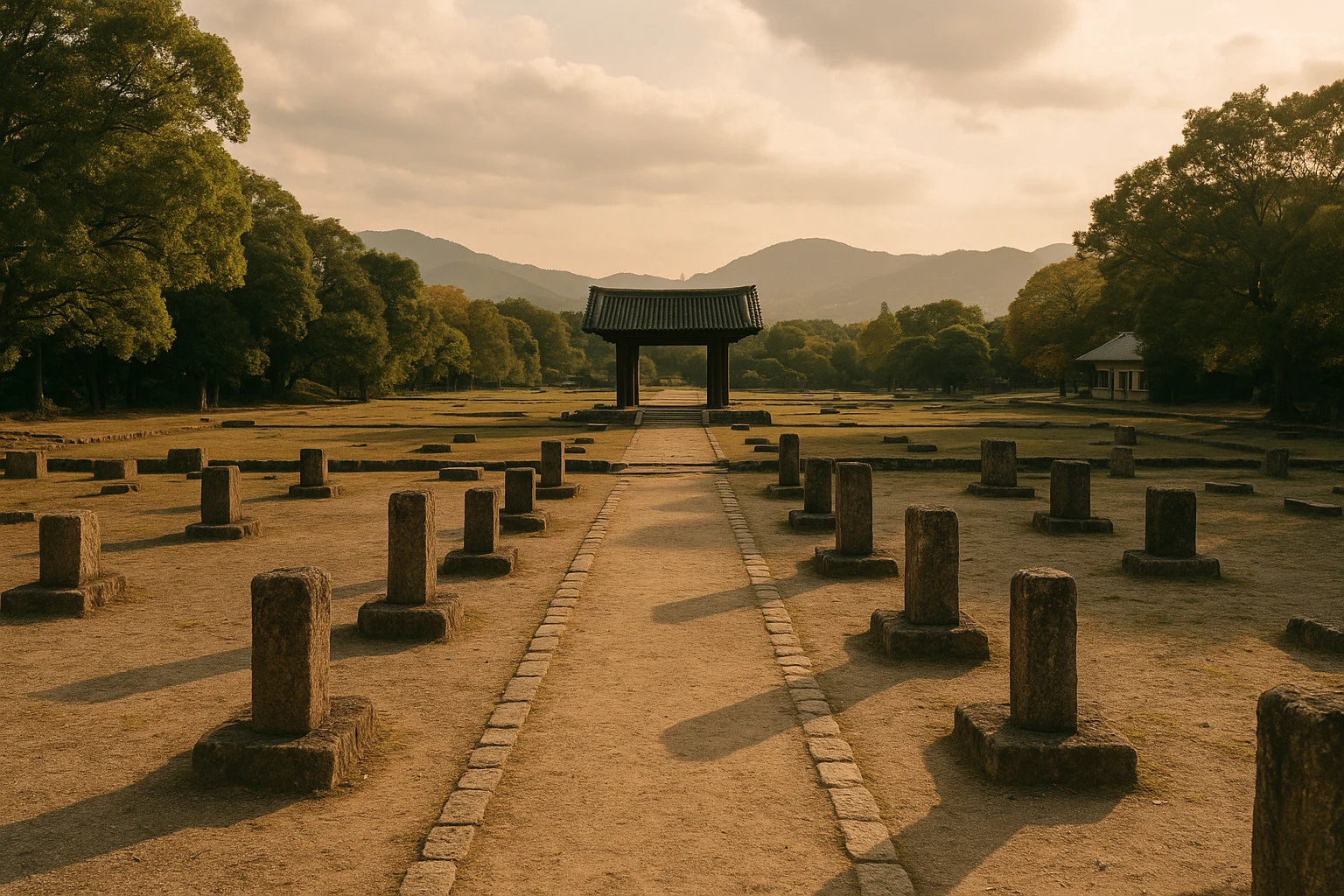
Dazaifu Government Office Ruins
Yamato Japan / Nara–Heian StateAncient administrative heart of Kyushu, the Dazaifu Government Office Ruins preserve Japan's 7th-cen...
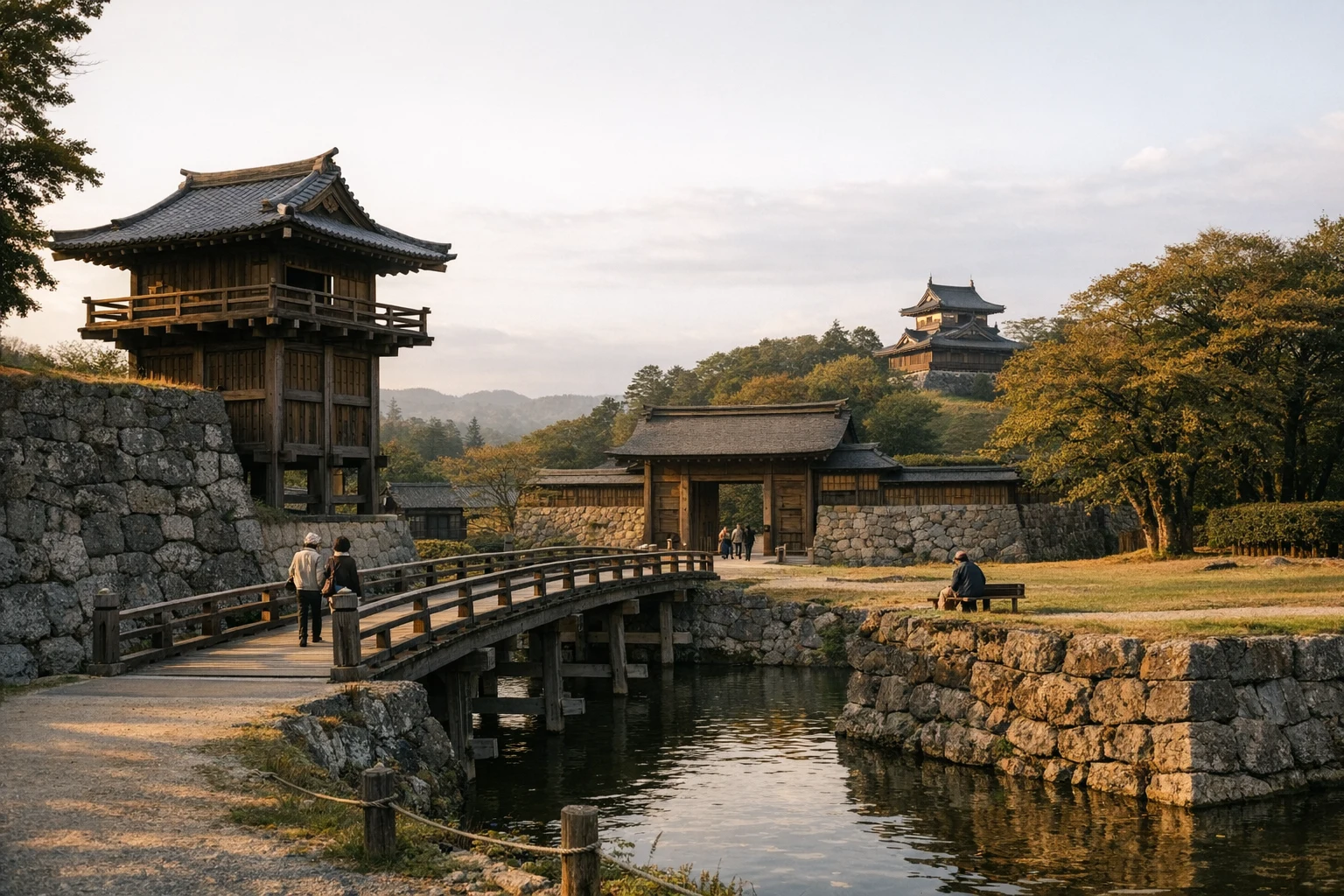
Akita Castle Site
Explore the Akita Castle Site, a historic Japanese fortification in Akita Prefecture that reveals th...
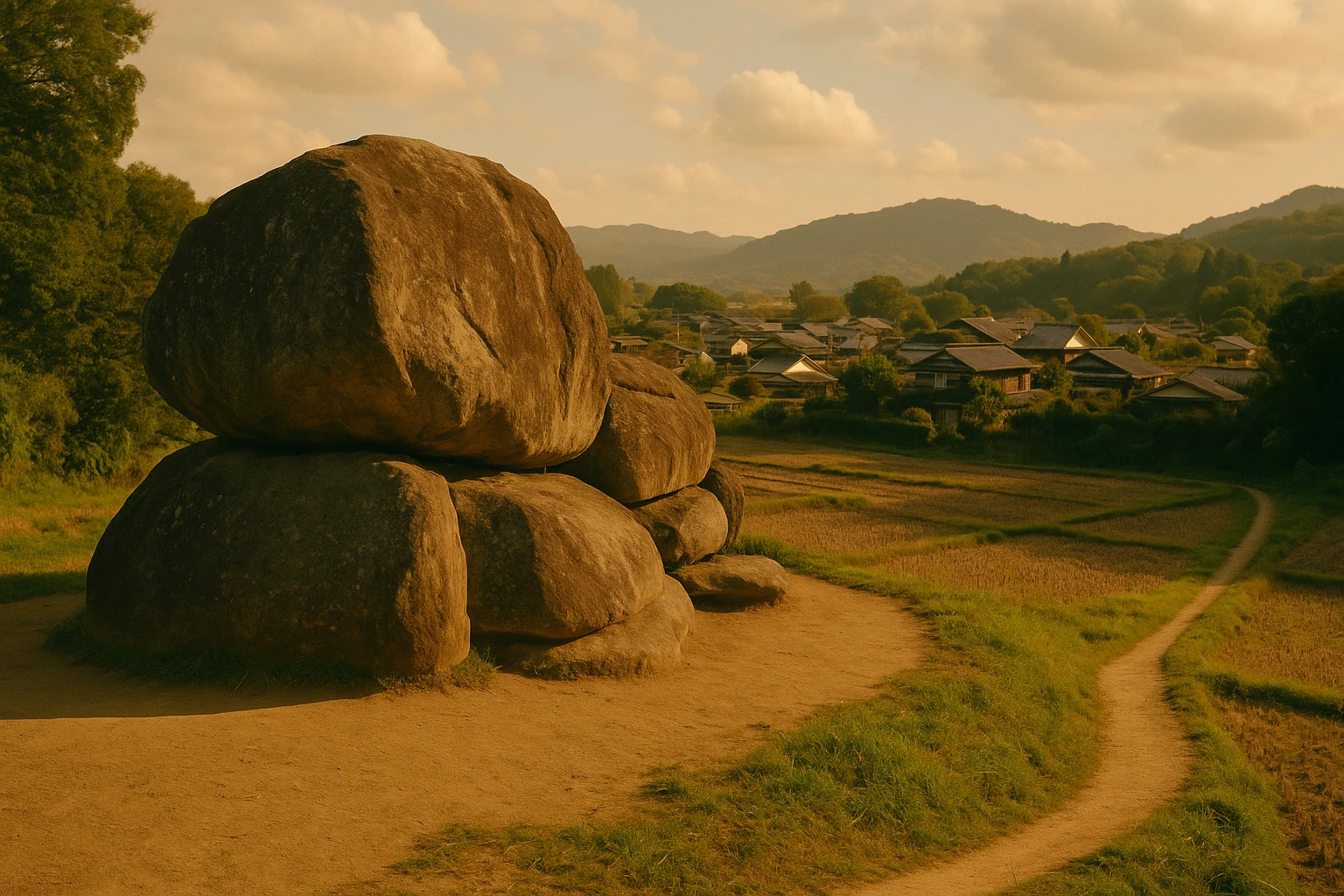
Asuka Historical Sites
Yamato CourtDiscover Asuka's ancient tombs, Buddhist temples, and enigmatic stone monuments — Japan's cradle of ...