Quick Info
Curated Experiences
Xishuangbanna Ancient Tea Garden Full-Day Tour
Jinghong Pu-erh Tea Culture Experience
Yunnan Ancient Tea Horse Road Trekking Tour
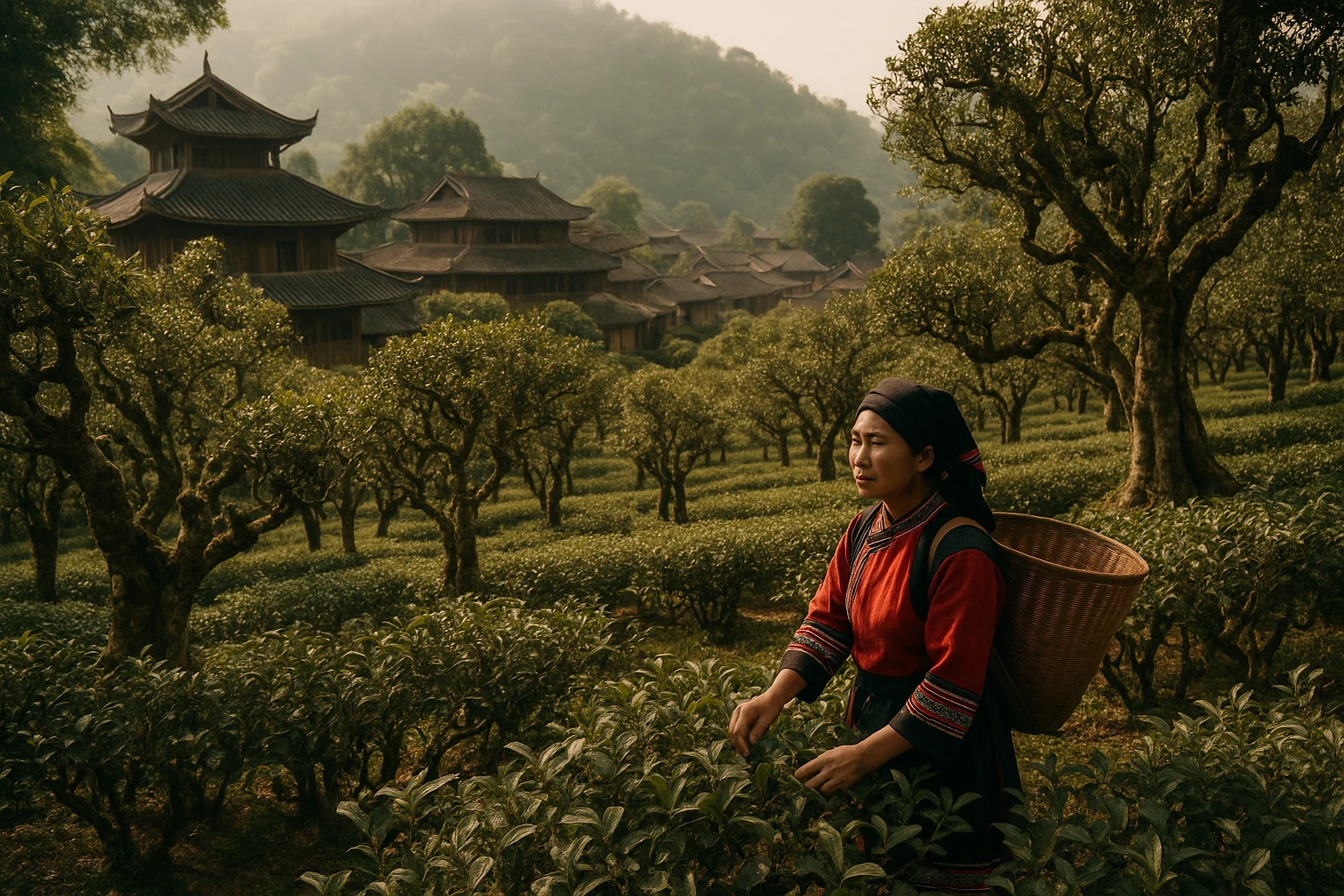
Nested deep in China’s southernmost province, where the Mekong River winds lazily through subtropical forest before crossing into Southeast Asia, the ancient tea gardens of Jinghong stand as one of the world’s most quietly astonishing living monuments. Here in Xishuangbanna Dai Autonomous Prefecture, Yunnan Province, gnarled trees with trunks wider than a person’s embrace rise from misty terraces that have been tended, generation after generation, for more than a thousand years. Unlike stone temples or buried cities, the Jinghong Ancient Tea Garden is a heritage that breathes, grows, and yields a harvest each spring — the same harvest that set the Ancient Tea Horse Road in motion and gave the world Pu-erh, China’s most philosophically complex and globally coveted aged tea. To walk among these ancient trees is to stand inside a living archive, one that records the intertwined history of botany, trade, and culture across half of Asia.
History
Origins in the Forest: Pre-Tang and Tang Dynasty Roots
Tea in Yunnan was not invented — it was discovered. The wild ancestors of Camellia sinensis var. assamica are indigenous to the broad-leafed subtropical forests straddling what is now southern Yunnan, northern Myanmar, and northeastern India. Archaeological and botanical evidence suggests that the Dai, Blang, Hani, and other ethnic groups living around present-day Jinghong began selectively managing and transplanting wild tea trees at least 1,500 years ago, gradually transforming sections of forest into the structured groves recognisable today. By the Tang Dynasty (618–907 CE), written records from travelling scholars and merchants reference a tea culture already firmly established in the region the Chinese called Pu’er, after the market town that became the principal collection and trading point.
The Tea Horse Road: Song to Ming Dynasties
The transformation of the Jinghong gardens from local resource to international commodity began in earnest during the Song Dynasty (960–1279 CE), when Tibetan demand for tea — needed to aid digestion of the butter and meat-heavy plateau diet — created a trade imperative powerful enough to carve roads through some of Asia’s most forbidding terrain. The Ancient Tea Horse Road, or Chamadao, ran from Xishuangbanna through Pu’er town, north to Dali, then west to Tibet and east to Sichuan. Yunnan’s compressed Pu-erh tea bricks were lighter and more durable than loose leaf, perfect for multi-month pack-horse journeys. Horses from Tibet traveled south; tea traveled north. The gardens around Jinghong, Menghai, and Yiwu became the engine rooms of this economy.
Imperial Favour and the Qing Peak
The Qing Dynasty (1644–1912) elevated Pu-erh tea to imperial tribute status. Records from the Yongzheng and Qianlong eras describe specific mountain gardens — particularly those of Yiwu, east of Jinghong — as producing tea reserved exclusively for the imperial court in Beijing. This royal patronage created fierce competition among garden owners, encouraged the grafting and careful propagation of the oldest and most productive trees, and stimulated the development of the distinctive compressed-cake format (the bing) that remains iconic today. By the late eighteenth century, Xishuangbanna was producing hundreds of tonnes of processed tea annually, supporting a complex economy of farmers, merchants, packers, and mule-team operators.
Disruption and Rediscovery: 20th Century
The twin disruptions of the Republican period and the Second World War severed many traditional trade routes, and the collectivisation campaigns of the 1950s–1970s altered garden management practices, sometimes replacing ancient trees with higher-yielding modern cultivars. Many old groves fell into neglect. The revival came in the 1990s, when Hong Kong, Taiwan, and later mainland Chinese collectors began reappraising aged Pu-erh cakes stored in warehouses for decades, discovering that — like fine wine — the tea improved dramatically with time. Prices for leaves from ancient, uncultivated trees (gushu) soared, galvanising a conservation movement and drawing botanists, historians, and tourists to gardens that had been largely forgotten.
Recognition and Protection
In 2012, the Yunnan provincial government formally designated numerous Xishuangbanna ancient tea mountain areas as protected cultural heritage zones. Ongoing discussions at the national and UNESCO level have considered the ancient tea garden landscape for World Heritage listing, acknowledging its dual significance as both a botanical treasure — containing some of the oldest cultivated tea plants anywhere on earth — and a cultural one, encoding millennia of Dai, Blang, and Hani agricultural knowledge.
Key Features
The Ancient Trees Themselves
The defining feature of the Jinghong region’s tea gardens is the trees. In modern tea cultivation worldwide, bushes are kept low and pruned aggressively for yield and harvest efficiency. In Jinghong’s ancient gardens, trees have been allowed to reach their natural height and age — some standing six, eight, or twelve metres tall, with gnarly, lichen-covered trunks that speak plainly of centuries of growth. The most celebrated specimen on Nannuo Mountain, known locally as the Tea King Tree (chá wáng shù), is estimated to be over 800 years old based on girth measurements and historical records, though some local traditions place it closer to 1,800 years. These old trees produce far less leaf per plant than modern cultivars, but the leaf chemistry is richer — more complex in aromatic compounds, higher in certain polyphenols — which is why single-mountain, single-tree Pu-erh from ancient groves commands extraordinary prices among serious collectors.
The Garden Ecosystem
What distinguishes the Jinghong ancient gardens from plantation monoculture is their ecological structure. The trees are intercropped with other forest species — fruit trees, medicinal herbs, shade-providing canopy plants — in an approach the Hani and Blang communities developed over generations. This agroforestry model maintains soil health, moderates temperature, and supports the biodiversity of insects that pollinate the tea flowers and contribute to natural pest control. Walking through a genuine ancient garden feels nothing like walking through a tea plantation: the light is dappled, the undergrowth varied, the soundscape alive with birdsong. The forest and the garden are, in fact, the same thing — a managed wilderness rather than an imposed order.
Pu-erh Tea and Its Processing
The Jinghong gardens are inseparable from Pu-erh tea, and understanding the tea illuminates why the gardens matter so much. Raw Pu-erh (sheng cha) is made by withering freshly picked leaves, pan-firing them briefly to halt oxidation, hand-rolling, and then sun-drying. The resulting maocha (raw loose tea) can be consumed young, with a bright, slightly astringent character, or pressed into cakes and stored for years or decades, during which microbial fermentation slowly transforms the chemistry into something earthy, rich, and medicinal. A well-stored forty-year-old Pu-erh cake from a notable ancient garden can sell at auction for thousands of dollars. Cooked Pu-erh (shou cha) undergoes an accelerated wet-pile fermentation to mimic aged character within months rather than decades — a technique developed in Kunming in the 1970s and now widely used, though ancient-garden purists consider it a shortcut rather than a tradition.
Ethnic Cultural Landscape
The tea gardens exist within a broader cultural landscape shaped primarily by the Dai, Blang, and Hani peoples, each of whom maintains distinct traditions around cultivation, ceremony, and the social role of tea. Dai villages near Jinghong hold communal tea-making ceremonies during the Water Splashing Festival (mid-April), where tea is offered to elders and spirits alike. Blang communities on Nannuo Mountain trace their relationship with the tea trees in oral genealogies that merge agricultural history with cosmological narrative. For these communities, the ancient trees are not simply economic assets — they are ancestors, landmarks, and the living proof of a covenant between people and forest that has held for a thousand years. Visiting the gardens without engaging with this human dimension risks reducing them to mere scenery.
The Nannuo Mountain Grove
Of the accessible ancient garden sites within day-trip distance of Jinghong, Nannuo Mountain offers the most satisfying combination of ancient tree density, scenic landscape, and cultural context. The mountain rises to around 1,900 metres, creating a cool, mist-bathed microclimate that local farmers credit for the distinctive floral sweetness of Nannuo Pu-erh. The walking trail to the Tea King Tree passes through farmland, bamboo forest, and increasingly venerable stands of old tea trees before arriving at the glade where the great tree stands behind a low protective fence. Several farmhouses along the trail offer simple lunches and tea tastings, making a half-day walk deeply satisfying.
Getting There
Jinghong is served by Xishuangbanna Gasa International Airport, which connects to Kunming (flight time approximately 50 minutes; fares from ¥300–600 one way), Chengdu (around 2 hours; from ¥400), Guangzhou, and a growing list of domestic destinations. From Kunming, an overnight sleeper train reaches Jinghong in roughly 18 hours — a slower but atmospheric option that passes through river valleys and mountain tunnels.
Within Xishuangbanna, the most practical way to reach the key ancient garden areas is by hired car or private taxi. Drivers familiar with the mountain roads can be arranged through most Jinghong hotels; a full-day hire to Nannuo Mountain typically costs ¥300–450. Public minibuses from Jinghong’s long-distance bus station run regularly to Menghai town (¥15–20, approximately 1.5 hours), from where local tuk-tuks and motorcycle taxis connect to nearby village gardens. For Yiwu — the most historically resonant but most remote garden area — expect a full day of driving on winding roads; consider joining an organised tour from Jinghong rather than self-navigating. Rental scooters are available in Jinghong city for confident riders who prefer independence on the flatter valley roads, though mountain tracks demand caution.
When to Visit
Spring is the undisputed premier season for the Jinghong ancient tea gardens. From mid-February, as temperatures warm after a dry winter, the first new shoots emerge on the ancient trees — the precious mingqian (pre-Qingming) harvest that fetches the highest prices and draws the most visitors. By late March and through April, the picking is in full swing, the gardens are fragrant, and farmhouse kitchens hum with leaf-rolling activity. This is the time to book well in advance, as accommodation in village areas fills quickly.
Autumn — September to November — brings a second harvest, often described as earthier and slightly more robust in character than the delicate spring flush. Visitor numbers are lower, prices for rooms are easier, and the forest displays its full subtropical richness after the monsoon. The weather is reliably pleasant: warm days and cool evenings, with clear skies over the mountain silhouettes.
The monsoon season (June to August) makes many mountain tracks muddy and occasionally impassable; the gardens themselves are green and dramatic but not accessible at their best. Winter (December to February) is dry and cool — comfortable for walking — but the trees are dormant, harvests have ceased, and the villages have a quiet, closed feeling that some visitors find meditative and others find frustrating.
Quick Facts
| Detail | Information |
|---|---|
| Location | Xishuangbanna Dai Autonomous Prefecture, Yunnan Province, China |
| Coordinates | 22.0088°N, 100.7971°E |
| Nearest City | Jinghong |
| Key Garden Sites | Nannuo Mountain, Menghai, Yiwu, Jingmai Mountain |
| Primary Tea Type | Pu-erh (sheng and shou) |
| Oldest Trees | Estimated 800–1,800 years (Nannuo Tea King Tree) |
| Best Season | March–April (spring harvest); September–November (autumn harvest) |
| Airport | Xishuangbanna Gasa International Airport (JHG) |
| Language | Mandarin; Dai, Blang, and Hani locally spoken |
| Currency | Chinese Yuan (CNY / ¥) |
| Entry | China visa required for most nationalities |
| Elevation | Jinghong: ~550 m; Nannuo Mountain: ~1,900 m |
Frequently Asked Questions
What makes Jinghong's ancient tea gardens historically significant?
The tea gardens surrounding Jinghong contain trees estimated to be between 500 and 1,800 years old, representing some of the oldest cultivated Camellia sinensis var. assamica plants on earth. These living groves are the original source of Pu-erh tea, the pressed, aged variety that traveled along the Ancient Tea Horse Road to Tibet, Central Asia, and beyond. Several groves, particularly on Nannuo Mountain and in Menghai County nearby, are recognised as primary centres of tea domestication, making the region a cradle of global tea culture.
Which specific tea gardens are worth visiting near Jinghong?
The most celebrated sites are the ancient grove on Nannuo Mountain, where a single 'Tea King Tree' is estimated at over 800 years old; the Nanqiao ancient tea gardens in Menghai County; and the Yiwu mountain gardens further east, historically the most prized Pu-erh source for the Qing imperial court. Closer to Jinghong city, the Xishuangbanna Tropical Botanical Garden incorporates wild tea specimens alongside its broader plant collections. Each garden offers a distinct flavour profile and cultural atmosphere.
How do I get to the ancient tea gardens from Jinghong?
Jinghong Xishuangbanna Gasa International Airport connects to Kunming, Chengdu, and several other Chinese cities. From Jinghong city, the Nannuo Mountain gardens are roughly 45 kilometres west — about 70 minutes by hired car or minibus from the long-distance bus station. Menghai town, the gateway to several key gardens, is around 50 kilometres from Jinghong and served by frequent public buses (approximately ¥15–20, journey 1.5 hours). Yiwu gardens require a full-day trip of around 180 kilometres east.
What is the best time of year to visit Jinghong's ancient tea gardens?
Spring (March to May) is the most celebrated season, when the first flush — known as 'Mingqian' tea — is harvested just before the Qingming Festival. The leaves are tender, fragrant, and command the highest prices among collectors. Autumn (September to November) brings a second, slightly earthier harvest in pleasant, cooler weather. Avoid the July–August monsoon peak, when mountain tracks can become muddy and impassable. Winter visits are quiet and atmospheric but harvests are dormant.
Can visitors participate in tea picking and processing at the gardens?
Yes, several villages within the ancient tea zones welcome visitors for hands-on experiences. During harvest seasons, farmers allow guests to pick leaves alongside them, followed by demonstrations of hand-rolling, withering, and sun-drying — the steps that distinguish raw Pu-erh (sheng) from cooked Pu-erh (shou). Many farmhouses also offer tea-tasting sessions and sell directly to visitors, bypassing the urban mark-up. Booking through a local guide or a Jinghong-based tour operator ensures access to authentic family gardens rather than commercial demonstration sites.
Is accommodation available near the ancient tea garden areas?
Jinghong city offers the widest range of lodging, from international chain hotels to characterful guesthouses in the Dai ethnic neighbourhood near the Mekong. For an immersive experience, several Blang and Hani villages on Nannuo Mountain rent basic but comfortable rooms with farm-to-table meals. Menghai town has modest hotels suited to overnight stays before early-morning garden visits. Advance booking is strongly recommended during the spring harvest, when tea traders and enthusiasts fill available rooms quickly.
Nearby Ancient Sites
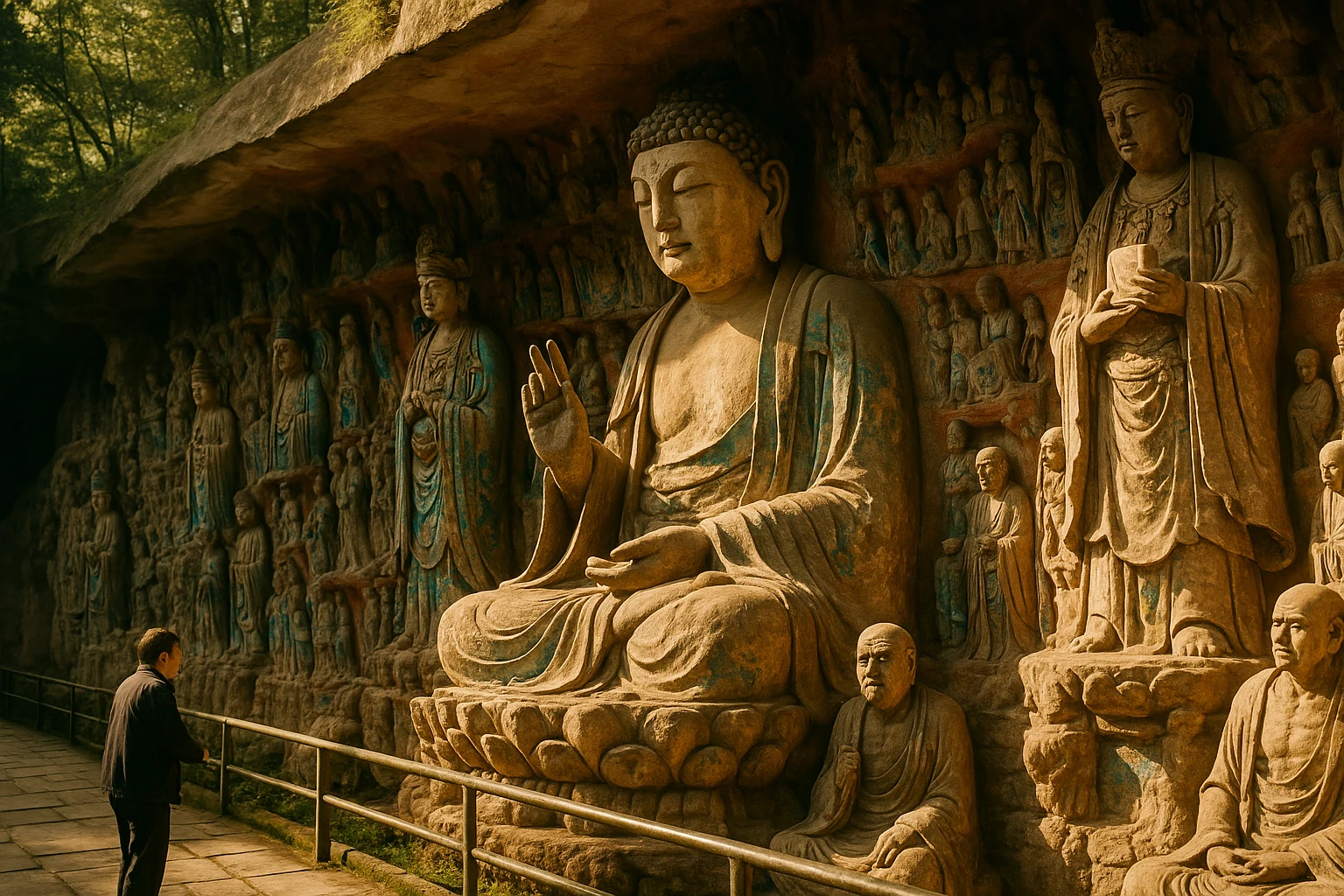
Dazu Rock Carvings
Tang and Song Dynasty ChinaAncient Buddhist, Taoist, and Confucian rock sculptures carved into cliffsides across Dazu District,...
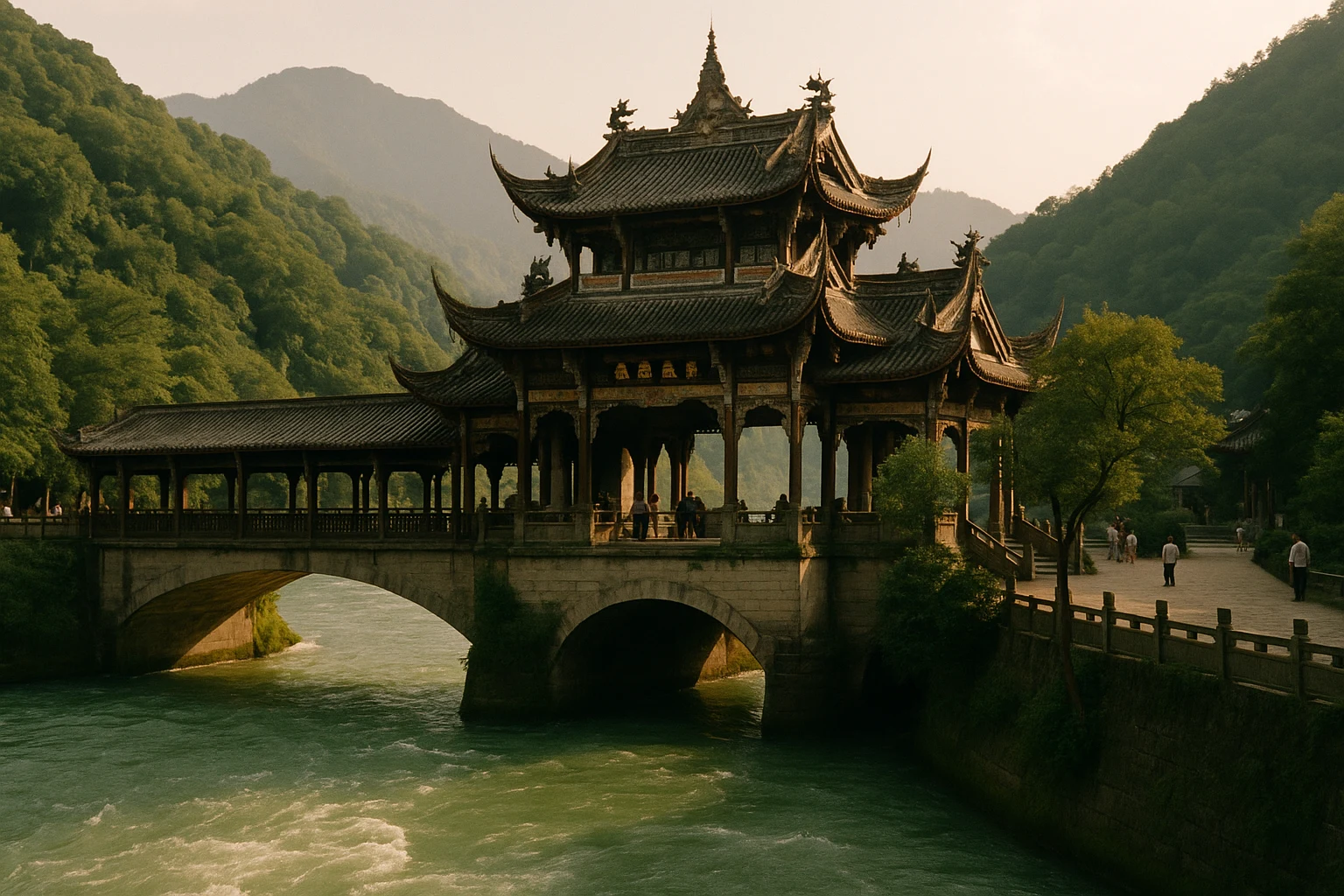
Dujiangyan Irrigation System
Explore Dujiangyan, the world's oldest functioning irrigation system, built in 256 BCE by engineer L...
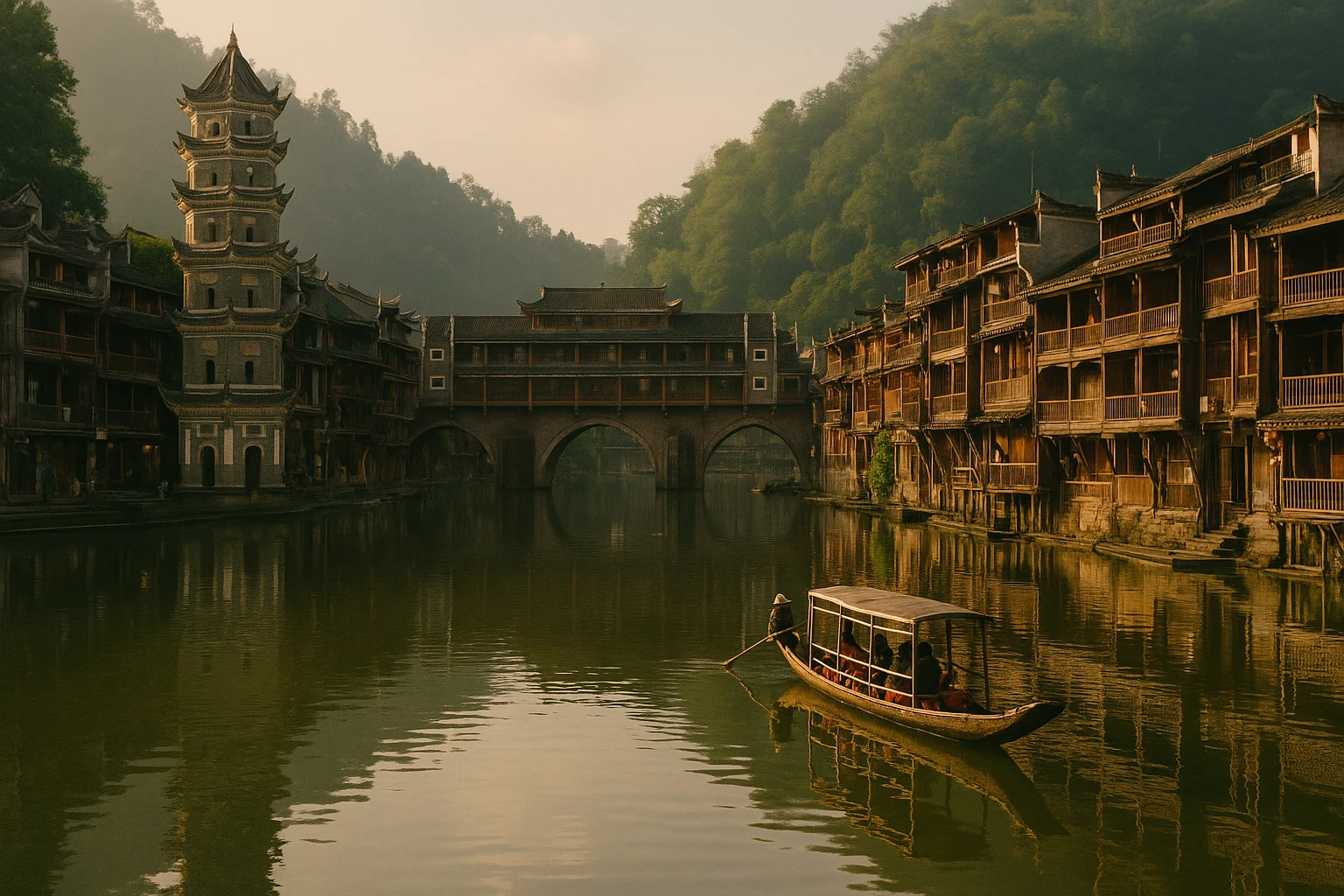
Fenghuang Ancient Town
Ming and Qing Dynasty ChinaFenghuang Ancient Town preserves Ming and Qing dynasty architecture along the Tuojiang River in west...
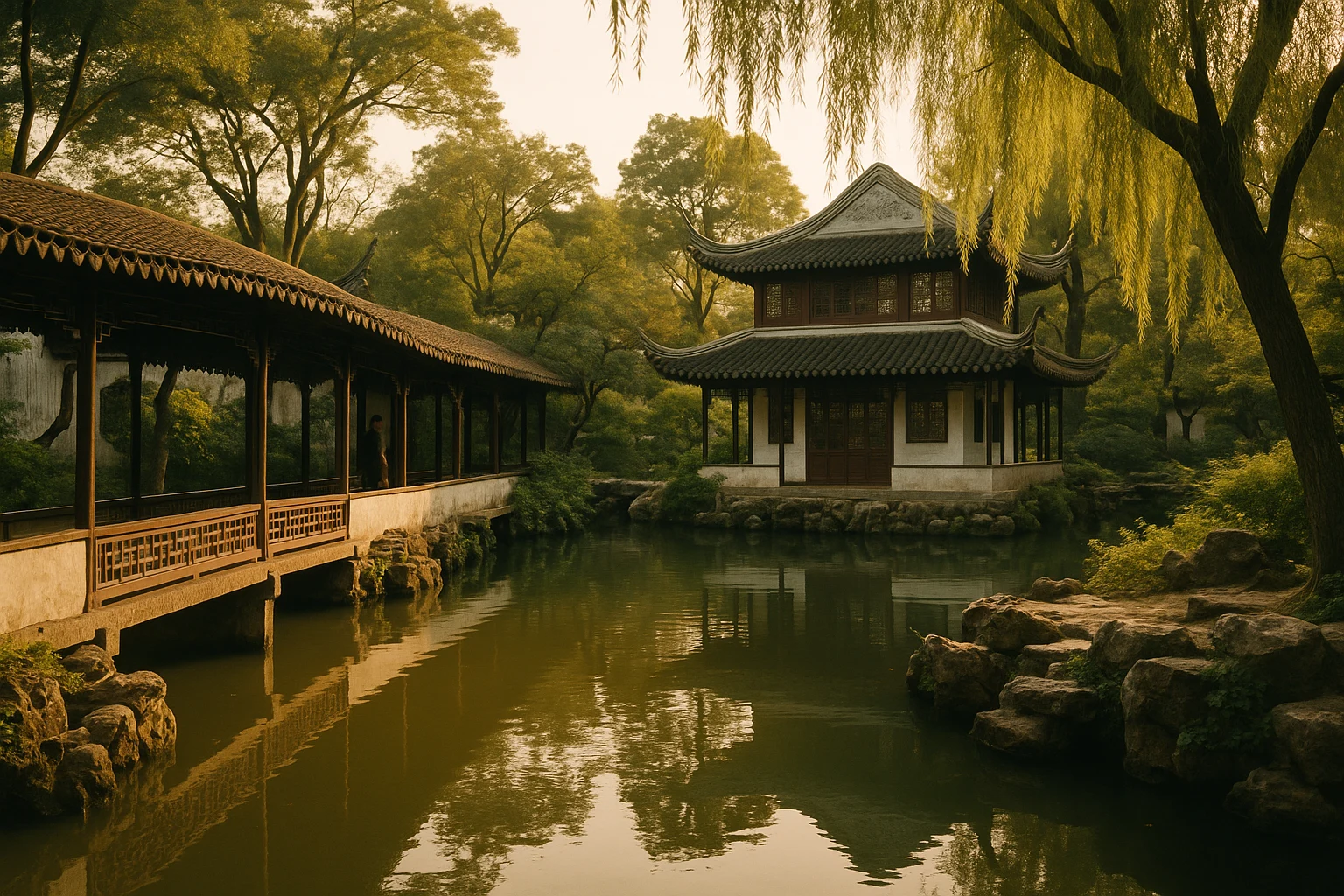
Humble Administrator's Garden
Chinese ImperialSuzhou's largest classical garden, a UNESCO World Heritage masterpiece of water, stone, and pavilion...