Quick Info
Curated Experiences
Jomon Archaeological Heritage Tour in Hokkaido
Hakodate Cultural & History Day Tour
Ancient Sites of Japan Guided Exploration
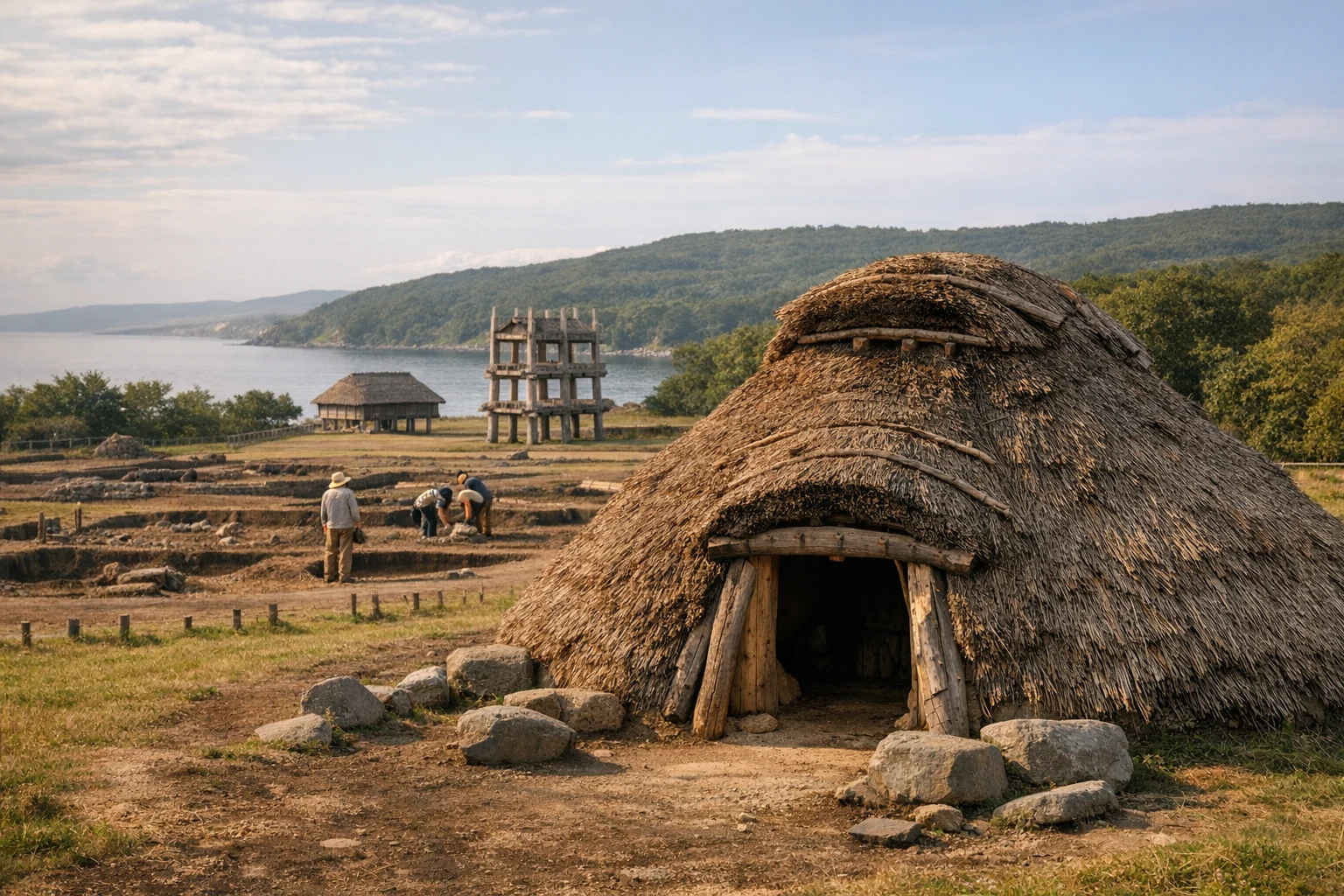
Nestled in the verdant landscapes of southern Hokkaido, the Kakinoshima Site is one of Japan’s most evocative archaeological destinations, inviting travelers to step 6,000 years into the past amid the quiet beauty of the northern island. Here, the wind sighs in tall grasses and the earth holds secrets from millennia gone by. As part of the vast Jomon Archaeological Sites recognized by UNESCO, Kakinoshima preserves an extensive prehistoric settlement and ceremonial grounds which have reshaped the world’s understanding of Japan’s ancient cultures. For any visitor with an affinity for antiquity, the journey to Kakinoshima Site in Japan isn’t simply an exploration—it is immersion into a vanished world where the rhythms of the hunter-gatherer Jomon people are etched in earthworks, shell mounds, and enigmatic artifacts.
Located in the Kikonai area, not far from the historic port city of Hakodate, Kakinoshima Site was only recently thrust into the archaeological spotlight, its sprawling complex revealing deep insights into the lifeways of the Jomon people. The air here is crisp, the horizon a patchwork of forest and field, where reconstructed pit dwellings and burial mounds mingle with cutting-edge visitor facilities. Yet, what truly defines Kakinoshima is a profound sense of continuity—between the present and deep past; between nature and culture. Unlike more crowded heritage sites, Kakinoshima’s quieter paths and open landscapes allow for genuine contemplation and discovery. Whether you are a dedicated history buff, an archaeology enthusiast, or a curious traveler seeking the heartbeats of ancient Japan, Kakinoshima Site offers a compelling, tangible link to human stories too old for words but ever present in the soil beneath your feet.
History
The saga of Kakinoshima Site is woven into the rise and brilliance of the Jomon period, a prehistoric era that stretches from approximately 14,000 BCE to 300 BCE and is renowned for its early pottery traditions and complex hunter-gatherer societies. Hokkaido’s relative isolation provided a setting where the Jomon culture could flourish, adapting uniquely to the northern climate and coastal abundance.
Early Jomon Settlers
Kakinoshima’s earliest traces date back about 6,500 years, during the Early to Middle Jomon period. Archaeological excavations have revealed wide, shallow depressions in the ground, pit dwellings, and storage pits—evidence of semi-permanent settlement by people reliant on fishing, hunting, and gathering edible plants. Unlike the transient camps of earlier forager societies, the settlement here was carefully organized, with clear distinctions between living areas, workspaces, and sacred zones. This organization hints at a social structure more intricate than previously recognized for Japan’s ancient inhabitants.
The Golden Age of Jomon Culture
By the Middle Jomon period, Kakinoshima had become a significant residential and ceremonial center. The site is best known for its expansive shell midden—the refuse heap accumulated over generations—which provides a rich record of daily life, diet, and trade. Remains of nuts, fish bones, shells, and seeds illustrate a sophisticated adaptation to the bounties of both land and sea. The discovery of elaborate grave goods, including clay figurines (dogū), stone tools, and distinctive cord-marked pottery, points to emerging spiritual and artistic traditions. Burials at Kakinoshima were marked by ceremonial mounds and ring-shaped configurations of stones, suggesting complex rituals concerned with death and memory.
This period was also characterized by the growth of trade and contact networks. Unique artifacts at Kakinoshima—objects fashioned from distant obsidian sources or rare shells—testify to interregional connections, hinting at the fact that even Japan’s ancient communities were not isolated, but actively participated in a broader cultural landscape across East Asia.
Transformation and Continuity
As the late Jomon period approached, the region experienced environmental fluctuations, with climate shifts impacting the availability of certain plant and animal resources. Despite such challenges, the settlement persisted, adapting through innovations in technology and settlement planning. The site’s occupation continued in various forms until the Yayoi era, when rice agriculture began supplanting the traditional Jomon lifeway and societies in Japan underwent profound change.
Modern recognition of Kakinoshima’s significance began with intensive excavations in the late 20th century. Researchers quickly realized that the complex layering of mounds, dwellings, and ceremonial spaces at Kakinoshima spoke not only to the everyday lives of its residents but also to the beginnings of spiritual and social complexity in prehistoric Japan. In 2021, the site achieved further renown when it was inscribed as part of the “Jomon Prehistoric Sites in Northern Japan” UNESCO World Heritage designation, ensuring global recognition and ongoing conservation.
Key Features
The Kakinoshima Site is not merely a valuable archaeological dig—it is an open-air museum, a place where the hidden architecture of prehistoric lives is brought into the light. When you wander through its grounds, every subtle contour of the earth and reconstructed wooden frame is a testament to humanity’s enduring ingenuity. First and foremost, the sprawling shell midden at Kakinoshima is among the largest and most thoroughly documented in Hokkaido. This layered mound of discarded shells, bones, and fragments of everyday pottery is more than refuse—it is a living archive, presenting a cross-section of diets, materials, and even trade relations from thousands of years ago.
Adjacent to the midden, the remains of extensive pit dwellings tell the story of family units who once huddled around central hearths, their roofs supported by wooden beams and thatch. Today, full-scale reconstructions of these dwellings—built using materials and methods faithful to the Jomon period—allow visitors to step inside and imagine the texture and rhythm of ancient daily life. Some pit houses are marked with explanatory panels highlighting their construction, use, and even the social activities that once animated these spaces.
One of the site’s most enigmatic features is the ring of stones found in a ceremonial precinct. Unlike the massive stone circles of Europe, the stone rings at Kakinoshima are subtle, but their careful placement reveals a nuanced understanding of symbolism and ritual among Jomon people. These rings may have been used for communal events, ancestor worship, or astronomical observation. Within their boundary, a series of burial mounds contain remains interred with sophisticated pottery and dogū figures—clay effigies believed to hold sacred or protective power. These artifacts, several of which are displayed in the site’s adjoining museum pavilion, reflect a spiritual sophistication that predated organized religion.
In addition to dwellings and ceremonial zones, Kakinoshima reveals evidence of food storage and preservation techniques, such as underground pits and smoke-blackened jars that would have been used to dry and cure vital nutrition for long winters. Interpretive trails snake through low wooded areas, leading visitors to panoramic viewpoints where forest gives way to the Sea of Japan, echoing the landscape that sustained ancient communities.
The site’s visitor center and exhibition hall feature immersive displays of pottery fragments, stone tools, and artistic reconstructions that blend archaeological research with evocative storytelling. Multimedia installations contextualize the lives of the Jomon people—what they ate, how they built homes, and how they understood life and death. Extensive signage in both Japanese and English ensure that every guest can appreciate the scientific and cultural importance of the site. This harmonious blend of untouched earthworks and thoughtfully curated interpretation makes Kakinoshima a unique touchstone for understanding both stone-age technology and universal human experience.
Getting There
Reaching the Kakinoshima Site is straightforward but lends itself best to those who prepare a little time for overland travel. The site lies in Kikonai, toward the southern tip of Hokkaido, making Hakodate—the region’s largest city and the southern gateway to Hokkaido—a practical starting point for most visitors. From Hakodate Station, travelers can take the JR Hakodate Main Line westward to Kikonai Station. The journey by local train takes approximately 45 minutes and costs around ¥810 (about $6 USD one-way). Trains are comfortable, offering scenic windows that trace the coastline and rural interiors of southern Hokkaido.
Upon arrival at Kikonai Station, visitors have two main options for reaching Kakinoshima Site: local bus or taxi. Buses to the site depart intermittently, aligning to the visiting hours of the archaeological park, with a fare of roughly ¥300 ($2.30 USD), and the trip takes about 15 minutes. For those preferring greater flexibility, taxis are readily available at the station, and a one-way fare to Kakinoshima Site is typically ¥1,500 ($11 USD). While rental cars are available in Hakodate and Kikonai—ideal for those exploring other archaeological sites across Hokkaido—public transport remains efficient and reliable.
For visitors coming from further afield, Hakodate is accessible via the Hokkaido Shinkansen from Shin-Aomori (Honshu), taking about one hour under the seabed through the Seikan Tunnel. From Sapporo, limited express trains (about four hours) or flights to Hakodate Airport provide viable options. The airport offers frequent buses and taxis into the city center, from which onward travel to Kakinoshima is seamless. Information at major stations is multilingual, and the site’s staff are accustomed to helping international guests navigate the final stretch. Whether you travel by rail, road, or a mix of both, the journey to Kakinoshima is itself a gentle immersion into Hokkaido’s tranquil beauty.
When to Visit
The best time to explore Kakinoshima Site is from late spring through early autumn, when Hokkaido’s famously temperate climate reveals the landscape at its most inviting. From May to October, the region enjoys cool mornings, warm afternoons, and long daylight hours—ideal conditions for open-air exploration and photography among reconstructed dwellings and ceremonial mounds. In these seasons, the grass is lush, the museum grounds easily navigable, and interpretive events, including hands-on pottery workshops and guided walks, are often scheduled for both locals and travelers.
During summer (June through August), Kakinoshima benefits from Hokkaido’s mild temperatures, rarely exceeding 26°C (78°F), and a lower humidity compared to Honshu and the southern islands. The breeze from the nearby coast cools the afternoons, making even mid-day visits pleasant, though it’s wise to bring a sunhat or light rain jacket in case of the occasional shower. Early summer also marks the best visibility from the site’s panoramic viewpoints when the sea and mountains stand crisp against the horizon.
Autumn (September to early November) is equally stunning, with surrounding forests catching fire in a blaze of reds and golds—prime time for both archaeology enthusiasts and photographers alike. Visitor numbers thin slightly, and the air turns brisk. Some site facilities may keep shorter hours, so checking ahead is advisable. Winters, while beautiful and snow-draped, render outdoor sections less accessible, with trails often closed and interpreted activities scaled back; only the indoor museum remains reliably open.
Major Japanese public holidays—Golden Week in early May and mid-August’s Obon—can bring small surges in attendance. Otherwise, even at the height of summer, Kakinoshima Site rarely feels crowded, ensuring each visitor a sense of intimacy and connection with the ancient landscape.
Quick Facts
| Attribute | Details |
|---|---|
| Official Name | Kakinoshima Site (垣ノ島遺跡, Kakinoshima iseki) |
| Location | Kikonai, Hokkaido, Japan |
| Coordinates | 41.6778 N, 140.2372 E |
| UNESCO World Heritage Site | Yes (Jomon Prehistoric Sites in Northern Japan, 2021) |
| Main Period | Jomon Period (ca. 4,500–1,000 BCE) |
| Key Features | Shell midden, pit dwellings, stone circles, burial mounds |
| Nearest City | Hakodate (approx. 45 minutes by train) |
| Entrance Fee | Free for outdoor grounds; small fee for museum (¥300 / $2.30 USD) |
| Accessibility | Mostly accessible; some uneven terrain outdoors |
| Facilities | Exhibition hall, restrooms, parking, gift shop |
| Best Time to Visit | May–October |
| Guided Tours | Available most days, Japanese language, with English support |
| Approximate Visit Duration | 1–2 hours |
| Contact | [Kikonai Town Office] |
| Website | https://www.town.kikonai.hokkaido.jp/ |
Frequently Asked Questions
What is the best way to reach Kakinoshima Site from Hakodate?
Travelers can take a local train from Hakodate to Kikonai Station, then a local bus or taxi. Total travel time is about 1.5 hours.
Are there guided tours available at Kakinoshima Site?
Yes, guided tours in Japanese are available onsite, with some English language pamphlets and audio guides.
Is the site suitable for children or people with limited mobility?
Most outdoor trails are accessible with gentle slopes, but assistance may be needed for unpaved sections.
How long should I plan to spend at Kakinoshima Site?
Most visitors spend 1-2 hours exploring the grounds and exhibition pavilion.
Is photography allowed at Kakinoshima Site?
Photography is allowed outdoors and in most exhibition areas unless otherwise indicated by signage.
Nearby Ancient Sites
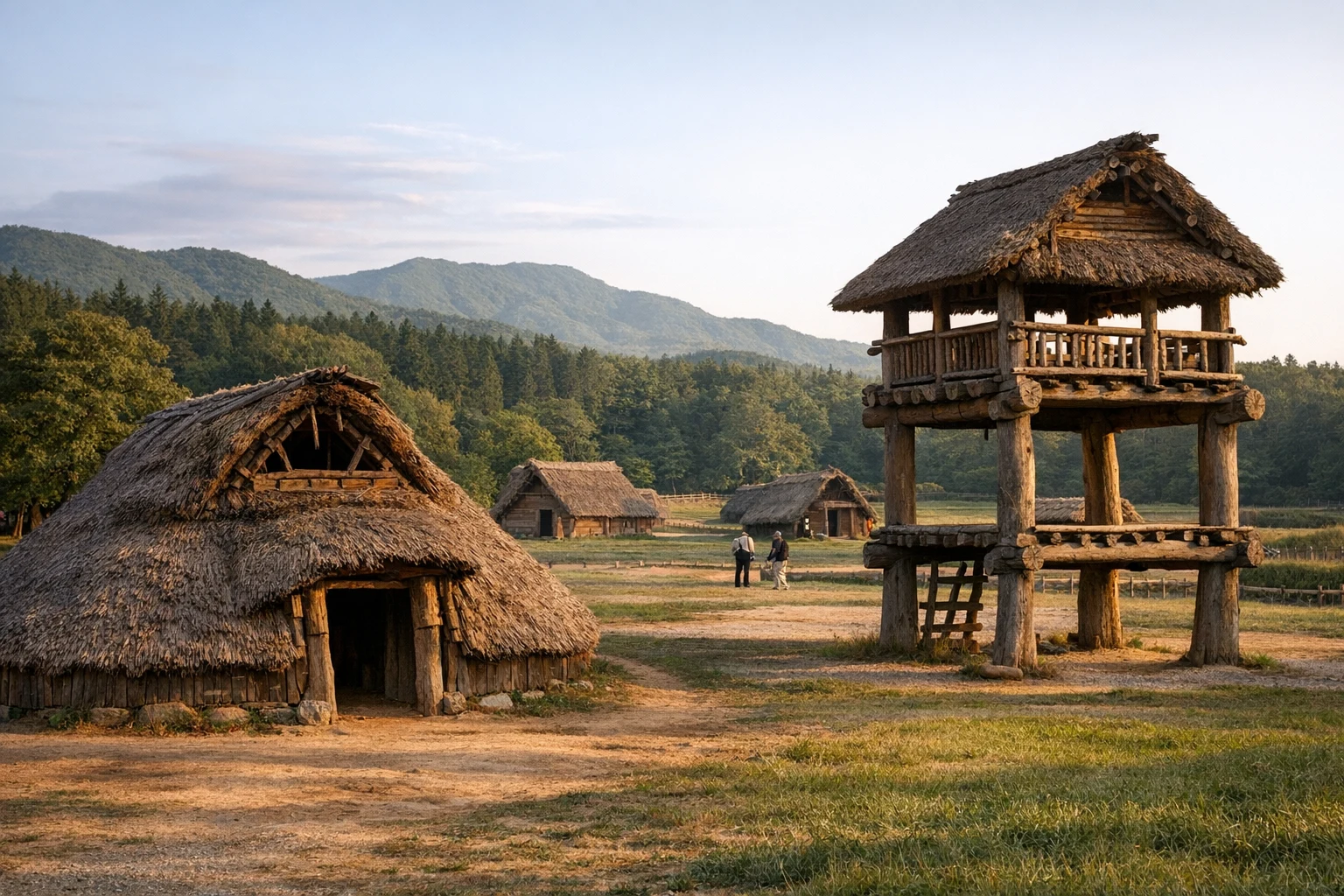
Goshono Jomon Site
Goshono Jomon Site in Japan is a remarkable archaeological park preserving a mid-Jomon period settle...
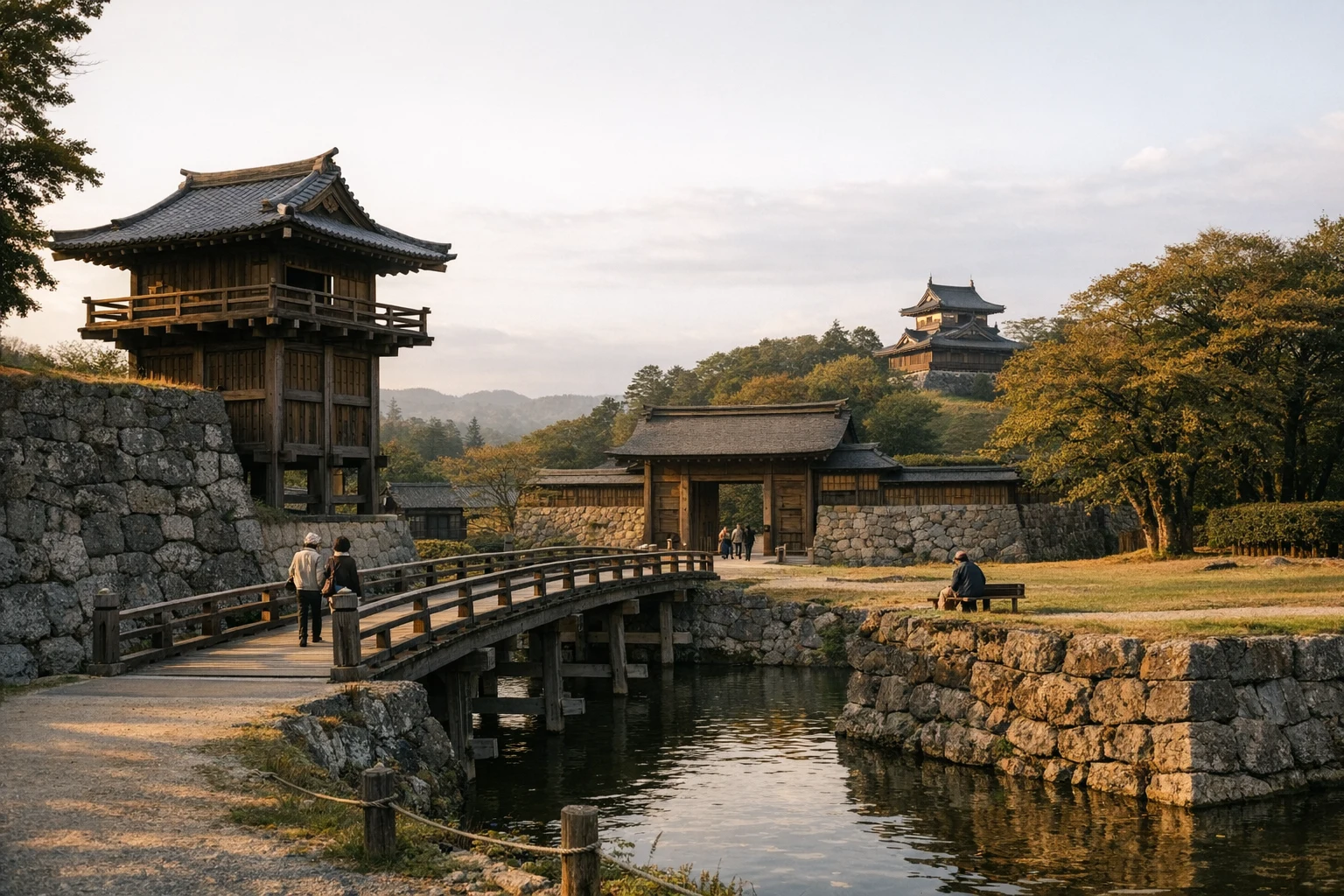
Akita Castle Site
Explore the Akita Castle Site, a historic Japanese fortification in Akita Prefecture that reveals th...
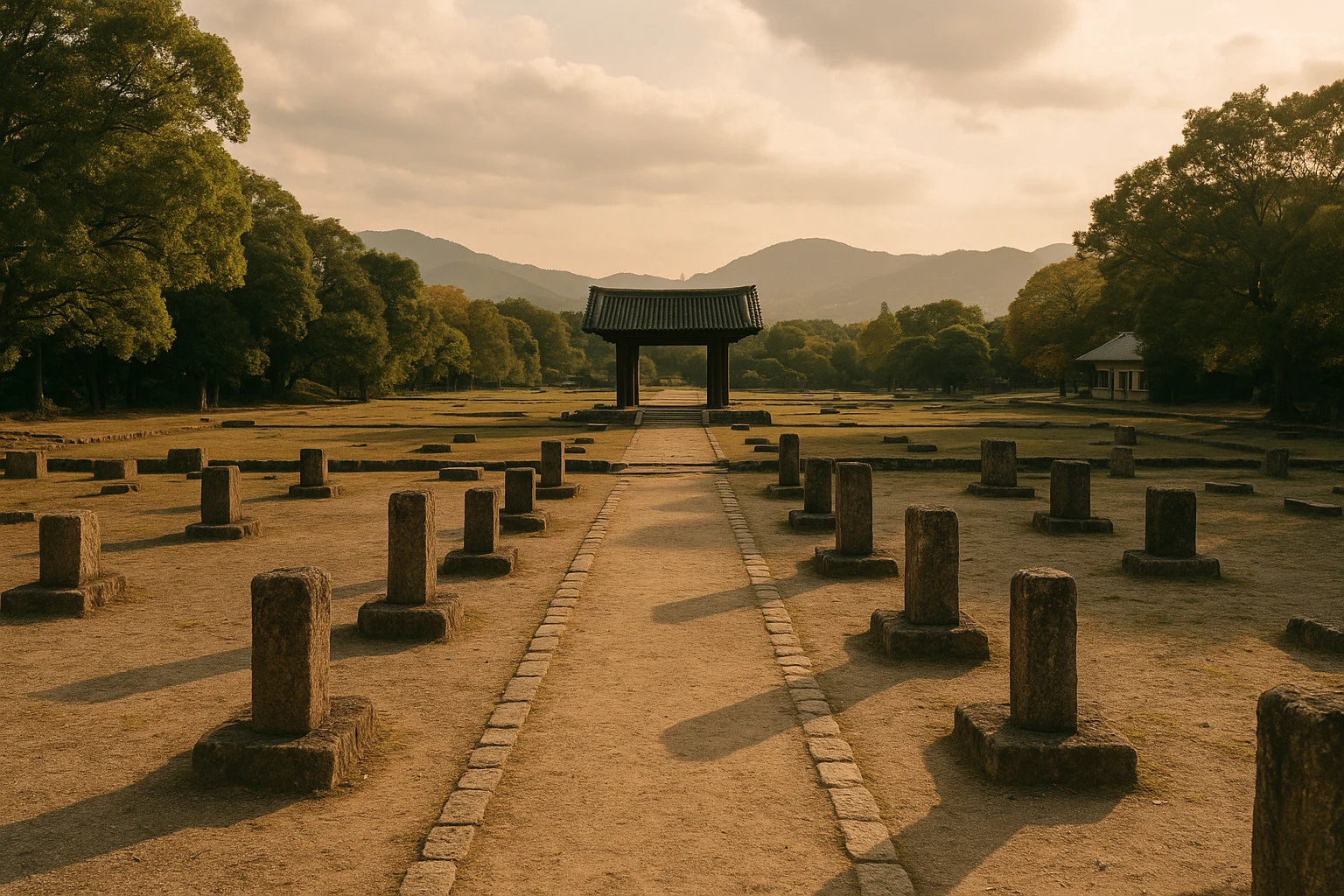
Dazaifu Government Office Ruins
Yamato Japan / Nara–Heian StateAncient administrative heart of Kyushu, the Dazaifu Government Office Ruins preserve Japan's 7th-cen...