Quick Info
Curated Experiences
Jomon Archaeological Sites Tour Hokkaido
Otaru and Hokkaido Ancient History Day Trip
Hokkaido Shell Mounds Heritage Experience
Standing on the northwestern coast of Hokkaido, Japan, the Kitakogane Site emerges as one of Japan’s most evocative windows into the ancient Jomon period. This remarkable archaeological location, situated near the modern town of Date, invites visitors to step thousands of years back in time, where prehistoric peoples thrived on the bounty of land and sea. The air carries a crisp tang from the nearby Uchiura Bay; the coastal wind whispers stories of a society that once gathered shellfish, crafted intricate clay vessels, and created one of northern Japan’s most significant shell mounds. Kitakogane’s green terrain, punctuated by informative trails and strategically placed exhibits, is more than the sum of its artifacts: it is a place where visitors can literally trace humanity’s ancient footsteps. Here, nature and history interweave seamlessly—a wild, windswept cape now celebrated as a locus for understanding humanity’s earliest communities in Hokkaido.
For anyone curious about the roots of Japanese civilization, the Kitakogane Site offers a tangible link to a world that predates written history. Strolling its pathways, you’ll pass under pine and oak trees, their roots reaching into soils layered with centuries-old shells and traces of ancient dwellings. Unlike some ancient sites that dazzle with monumental ruins, Kitakogane charms with its subtlety and detail: the rhythm of daily life, pieced together through remains of meals, pottery, and lost tools. The community that once lived here was both isolated and connected—resilient to Hokkaido’s challenging climate, yet part of vast prehistoric trade and cultural networks. In the gentle arc of the bay, travelers can picture canoes setting out at dawn, while the shell mounds nearby confirm that this landscape has always been a place of abundance and shelter. Today, coming to Kitakogane is not only a journey through Japan’s ancient past but also an immersive encounter with the enduring rhythms of land, sea, and human ingenuity.
History
Jomon Beginnings: Early Settlement and Adaptation
The story of Kitakogane begins over 5,000 years ago, during Japan’s Neolithic era known as the Jomon period. The Jomon people—named after their “cord-marked” pottery—were among the first to settle Japan’s northernmost island, Hokkaido, embracing a lifestyle uniquely suited to its wild, often unforgiving natural environment. Archaeological evidence at Kitakogane suggests the site was first inhabited during the Middle to Late Jomon period, roughly between 3500 and 2300 BCE. Early residents harnessed the bounty of Uchiura Bay, gathering shellfish, fishing, and hunting marine mammals, such as seals. The abundant shell mounds these people left behind are testament to the central role of the sea in their diets and culture.
As a coastal settlement, Kitakogane thrived on the interface of two worlds—a rich marine ecosystem and the forests of interior Hokkaido. The people of Kitakogane developed advanced fishing and gathering technologies, including bone hooks, harpoons, and net sinkers, which have all been recovered from excavations. These tools, along with the immense shell mounds, illuminate the adaptive strategies of the Jomon people as they coped with shifting climates, rising and falling sea levels, and variations in local fauna and flora. Unlike many sedentary Neolithic cultures, the Kitakogane community appears to have maintained a mobile, flexible lifestyle, moving seasonally between coastal and inland sites.
Social Complexity: Rituals, Trade, and Cultural Exchange
Over time, the Kitakogane Site became a focus of increasingly complex social activities. The size and density of the shell mounds suggest a long-term, perhaps even year-round, settlement. Alongside food remains, archaeologists found shards of clay pottery decorated with swirling cord patterns, stone tools, and ornaments such as shell and animal-tooth pendants—indications of both daily life and ritual activity. The presence of obsidian and other non-local materials attests to the existence of far-reaching trade routes: Kitakogane’s inhabitants exchanged goods, ideas, and perhaps even genes with distant groups across the Japanese archipelago.
Ritual played a significant role in Jomon society, and Kitakogane is no exception. Excavations unearthed enigmatic clay figurines known as dogū, often interpreted as fertility icons or spiritual talismans. These artifacts offer a glimpse into the beliefs and cosmology of the Jomon people, tying them to seasonal cycles and the land’s offerings. The monumental act of piling shells and bones was itself a communal, perhaps ceremonial, activity—possibly marking important events, feasts, or the honoring of ancestors.
Changing Times: Decline and Rediscovery
Kitakogane’s period of flourishing slowly faded with the end of the Jomon era, approximately 2,300 years ago. Environmental changes, such as cooling climates and shifts in local ecosystems, placed growing challenges on the coastal communities. The arrival of the Yayoi culture in southern Japan, which brought new technologies like wet-rice agriculture, did not immediately impact Hokkaido. Nevertheless, gradual changes in habitation and subsistence patterns led to the dispersal or transformation of the original Jomon groups.
Centuries passed before Kitakogane was rediscovered in the modern era. Archaeological exploration began in earnest during the 20th century, with large-scale excavations uncovering the site’s remarkable shell mounds, pit dwellings, and artifact assemblages. Today, Kitakogane stands as a protected historical park and was selected as one of the country’s upstanding Jomon sites—important not only for Japanese researchers but also for anyone fascinated by the origins of civilization in East Asia. In 2021, Kitakogane joined other Jomon sites on the UNESCO World Heritage list, recognized for its unique contribution to understanding prehistoric cultures and their enduring environmental relationships.
Key Features
Kitakogane Site is a tapestry of subtle and compelling archaeological features, inviting visitors to explore the delicate footprints of a vanished world. The most striking aspect of the site is its extensive shell mounds—a defining hallmark of coastal Jomon settlements. Rising gently from the earth, these middens are made primarily from the discarded shells of clams, oysters, and other marine mollusks. Mixed among the shells are animal bones, pottery shards, and the charred remnants of ancient fires, painting a vivid picture of dietary habits and communal feasts. As you walk the interpretive trails, informative signs guide you through these layers, illustrating exactly how archaeologists work to piece together the life patterns of the long-ago inhabitants.
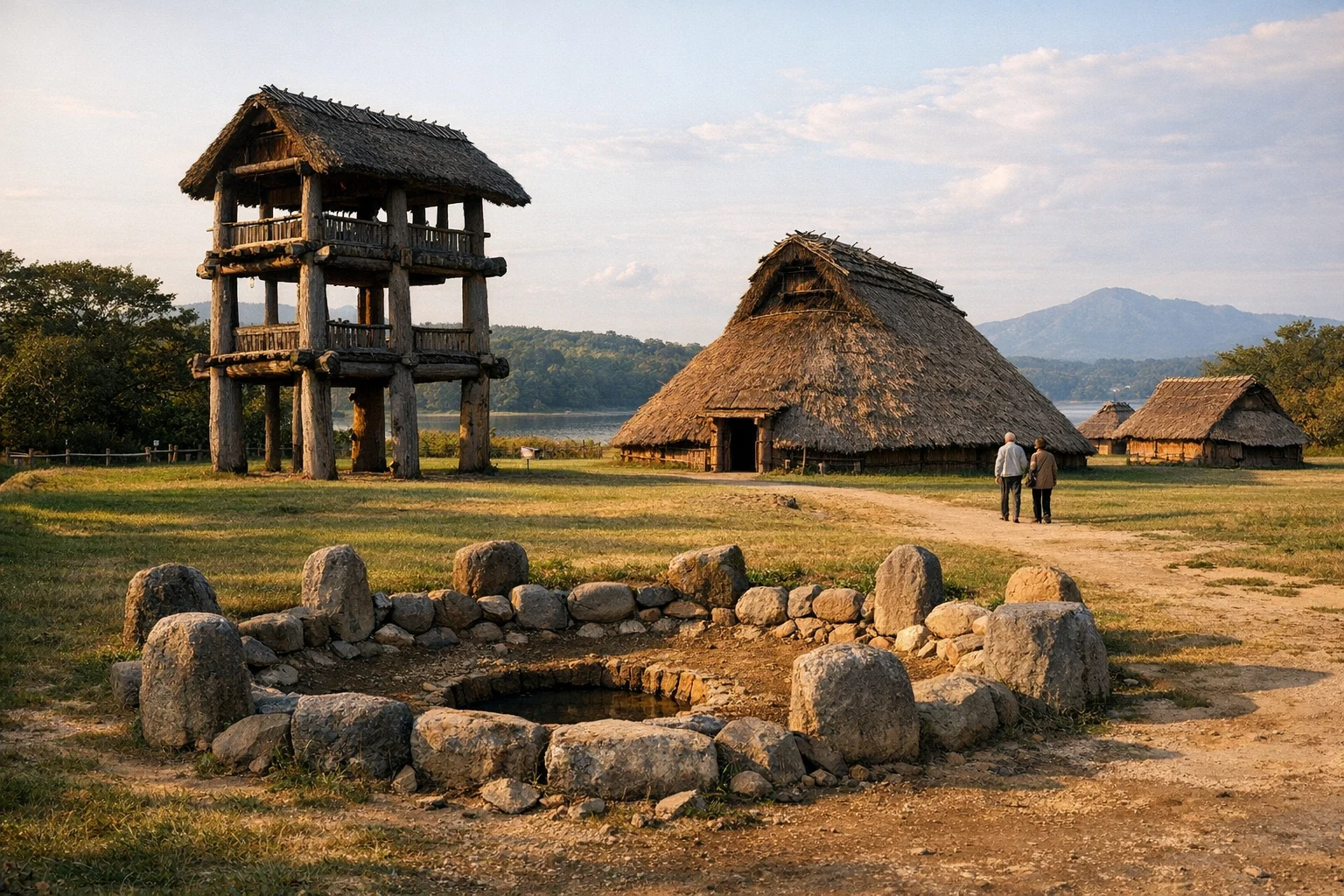
Although Kitakogane lacks the grand stone structures found in some other cultures, its pit dwellings are a subtle yet compelling draw. Shallow depressions, interpreted as the foundations of ancient houses, dot the landscape. These dwellings were semi-subterranean, insulated by earth for protection against Hokkaido’s harsh winters; their remains are marked for visitors to pause and imagine family life unfolding thousands of years ago. Replicas of Jomon dwellings, constructed from traditional materials, provide further context and allow visitors to physically step inside re-creations of prehistoric homes. Within these replicated structures, exhibitions display recovered items—pottery punctuated with rope impressions, shards of obsidian tools, fishing implements, and decorative jewelry made from shells and teeth.
Perhaps most evocative are the enigmatic artifacts presented in the site’s modest but informative visitor center. Here, you may find dogū figurines—exquisitely crafted clay figures that spark endless debate among scholars as to their precise meaning—alongside implements used for daily tasks such as grinding food or making clothing. The presence of imported obsidian and ornamental goods points to Kitakogane’s role as a node in broader Jomon exchange networks, connecting coastal Hokkaido with communities throughout the archipelago.
Walking through the site, visitors also encounter reconstructed rituals and interpretive installations that bring the Jomon worldview to life. Occasional experimental archaeology workshops, detailed panels, and seasonal events draw in both scholars and the general public, fostering an atmosphere of living history. The park’s preserved coastal setting, facing the wide sweep of Uchiura Bay, is itself essential to understanding the context of the settlement—open vistas and bracing sea air evoke the day-to-day experience of Hokkaido’s ancient inhabitants. Whether marveling at the artistry of Jomon ceramics, tracing the subtle outline of a pit dwelling, or simply standing on the shell mound’s summit watching the bay’s tides ebb and flow, Kitakogane has an understated magic that rewards thoughtful exploration.
Getting There
Despite its roots in deep antiquity, Kitakogane Site is remarkably accessible for today’s explorers. Located near the town of Date on the southwestern coast of Hokkaido, the site can be reached from major cities such as Sapporo, Otaru, and Hakodate. If you’re beginning your journey from Sapporo, the hub of Hokkaido, the most efficient route involves taking the JR Limited Express train from Sapporo Station to Date-Monbetsu Station—a scenic trip of approximately 1 hour and 45 minutes. A one-way fare on this route is around ¥4,000 (roughly $28 USD). From Date-Monbetsu, Kitakogane Site lies about 5 kilometers away; taxis are available at the station and cost about ¥1,500-¥2,000 ($10–14 USD) for the brief ride, while local buses serve the general area for a minimal charge of ¥200–¥300.
Visitors coming from Hakodate can also use the JR lines; the journey to Date-Monbetsu takes about 2 hours with fares between ¥3,500 and ¥4,000 ($25–28 USD), depending on the service. If you wish to rent a car (widely available at railway stations in Hokkaido), driving to Kitakogane provides additional flexibility and the option to visit nearby sites at your own pace. Parking is available at the archaeological park and is typically free of charge.
For travelers based in Otaru or Muroran, regular train connections lead to Date via the Hakodate Main Line. Depending on your starting point, expect travel times of 1.5 to 2 hours and similar fare ranges. Once in Date, the site is signposted with clear guidance in both Japanese and English, making navigation straightforward. Those who enjoy cycling will find the countryside roads scenic and manageable, with coastal views rewarding the effort. Local tour companies and cultural associations also offer guided excursions, providing deeper context and access to limited-entrance features or seasonal events. No matter how you choose to travel, the journey to Kitakogane is both comfortable and a fitting prelude to discovering ancient Hokkaido.
When to Visit
The best periods to experience Kitakogane Site are during Hokkaido’s late spring, summer, and early autumn. From May to October, the region enjoys mild temperatures, lush greenery, and long daylight hours. Spring brings a renewed vibrancy to the area, as wildflowers emerge and migratory birds return to the bay; the walking trails become especially inviting, shaded by budding leaves and warmed by gentle sunshine. Summer, though sometimes punctuated by brief showers, offers the most dependable weather—temperatures usually range from 18°C to 24°C (64–75°F), ideal for leisurely exploration of the open-air remains and panoramic views of Uchiura Bay.
Autumn, by contrast, delivers a breath-taking tapestry of gold and crimson as the surrounding forests turn color, making it a favorite period for photography and quiet contemplation. During this season, air remains crisp but rarely harsh, and visitor crowds tend to thin out after the summer vacation rush. Winter brings heavy snowfall and freezing temperatures to Hokkaido; while the site technically remains open, access can be more challenging, and snow may obscure trails and interpretive features. If you are considering an off-season visit, be prepared for winter driving conditions and bundle up against the cold.
Regardless of season, mornings and late afternoons provide especially atmospheric visits, with the light transforming the landscape and the shell mounds casting long, evocative shadows. Check the official Kitakogane Site or Date city tourism websites for updates on hours, local events, and seasonal restrictions—occasional archaeological digs or festivals can enrich your visit with hands-on experiences or guided tours. Ultimately, the quiet beauty and accessibility of Kitakogane make it a worthwhile destination virtually any time of year, but spring through autumn offers the fullest array of cultural and natural riches.
Quick Facts
| Fact | Detail |
|---|---|
| Location | Date, Hokkaido, Japan |
| Period | Jomon (ca. 3500–2300 BCE) |
| World Heritage Status | Part of the UNESCO “Jomon Prehistoric Sites in Northern Japan” |
| Main Features | Shell mounds, pit dwellings, Jomon pottery, dogū figurines |
| Visiting Season | Best May–October; open year-round |
| Accessibility | By train, bus, taxi, car; approx. 2 hrs from Sapporo or Hakodate |
| Facilities | Walking trails, visitor center, rest areas, replica pit dwellings, interpretive signs |
| Entrance Fee | None (charges may apply for special tours/exhibitions) |
| Nearby Attractions | Uchiura Bay, Date city, other archaeological sites in Hokkaido |
| Site Management | Date City Board of Education, Hokkaido |
Frequently Asked Questions
What is the Kitakogane Site known for?
The Kitakogane Site is famous for its well-preserved Jomon period shell mounds and ancient settlement remains, offering insights into prehistoric Hokkaido culture.
Can I access the site by public transportation?
Yes, Kitakogane Site can be reached via local trains and buses from Otaru or Sapporo, followed by a short taxi or walk to the site.
Is there an entrance fee to visit Kitakogane Site?
There is typically no entrance fee, as it is an open-air historic park. However, fees may apply for special guided tours or museum exhibitions nearby.
What facilities are available at the Kitakogane Site?
The site has walking trails, informational panels, rest areas, and a small visitor center with exhibits about the Jomon culture.
When is the best time to visit Kitakogane Site?
Late spring to early autumn (May–October) is ideal for visiting, thanks to mild weather and clear walking paths through the park's natural setting.
Nearby Ancient Sites
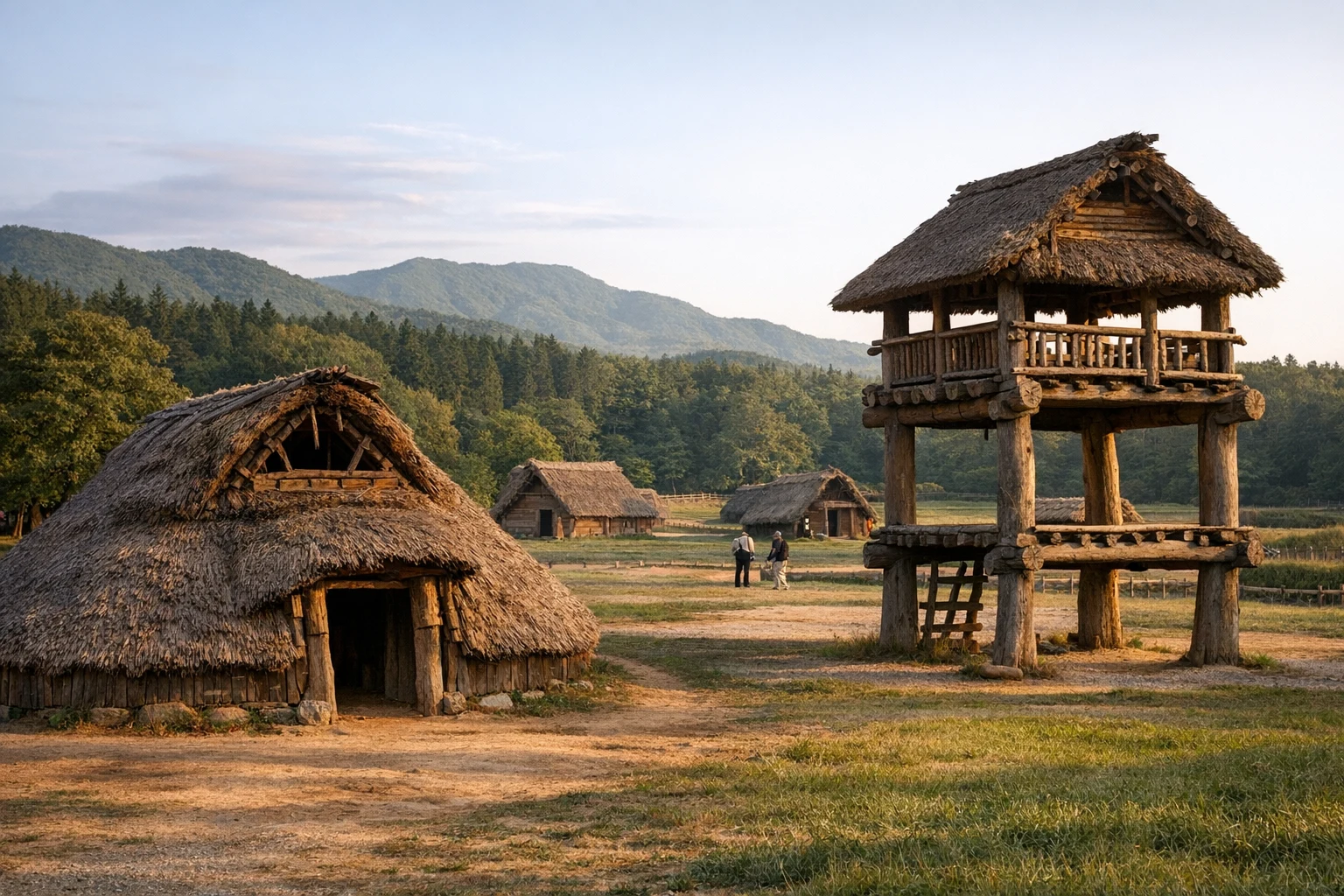
Goshono Jomon Site
Goshono Jomon Site in Japan is a remarkable archaeological park preserving a mid-Jomon period settle...
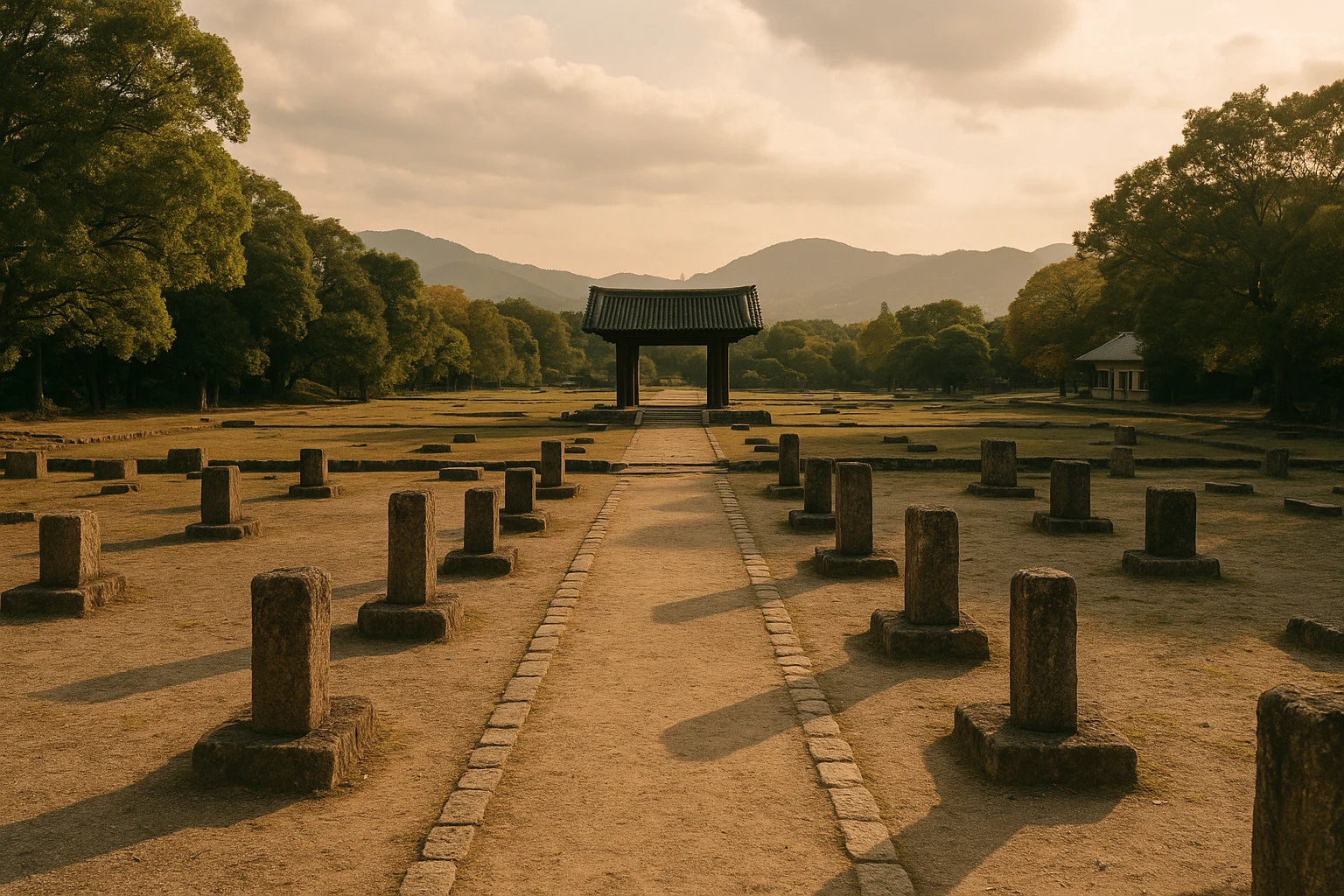
Dazaifu Government Office Ruins
Yamato Japan / Nara–Heian StateAncient administrative heart of Kyushu, the Dazaifu Government Office Ruins preserve Japan's 7th-cen...
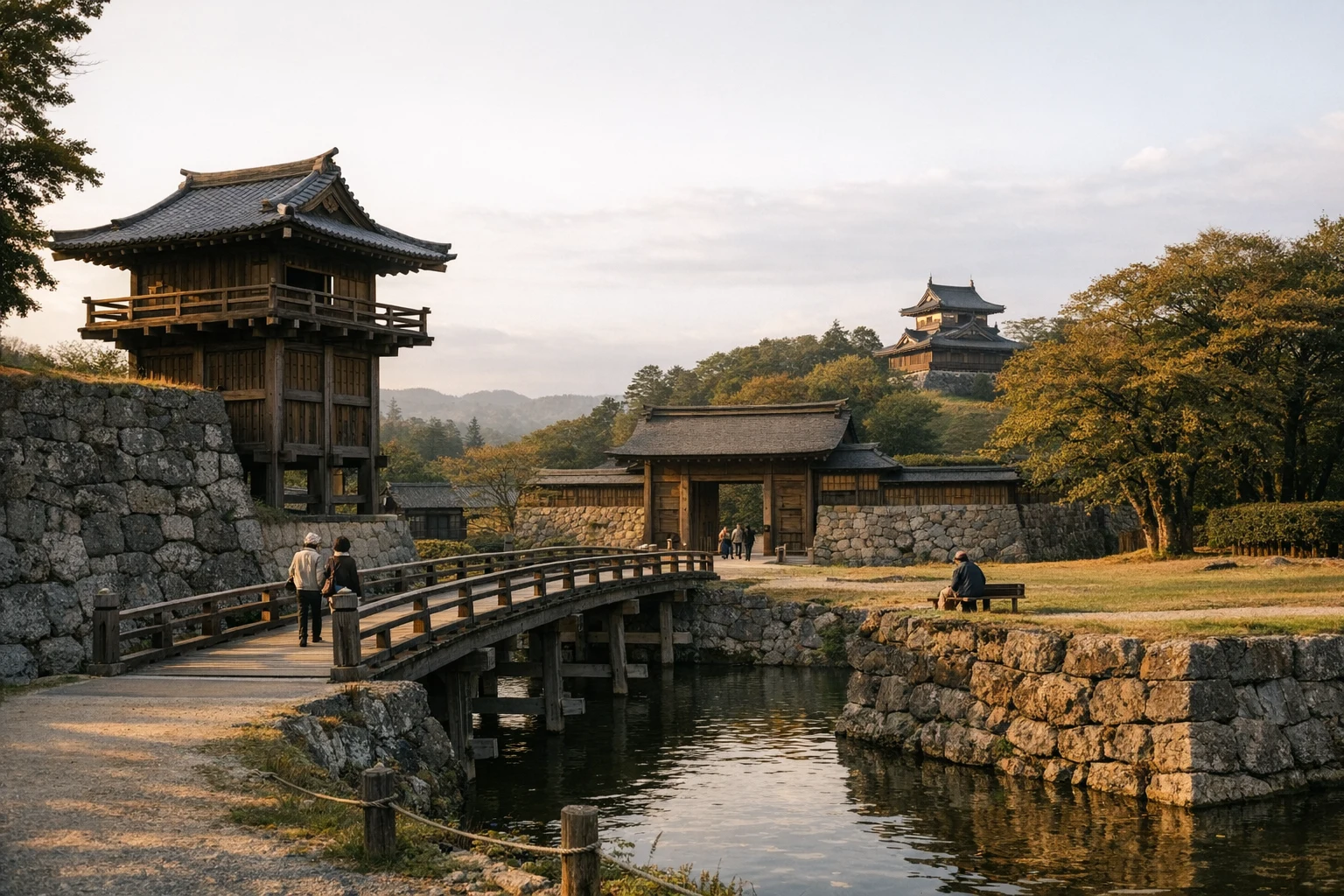
Akita Castle Site
Explore the Akita Castle Site, a historic Japanese fortification in Akita Prefecture that reveals th...