Quick Info
Curated Experiences
Nara Day Trip from Osaka or Kyoto with Deer Park and Temples
Nara Full-Day Guided Tour including Kofukuji and Kasuga Shrine
Nara Walking Tour: Ancient Temples, Pagodas and Sacred Deer
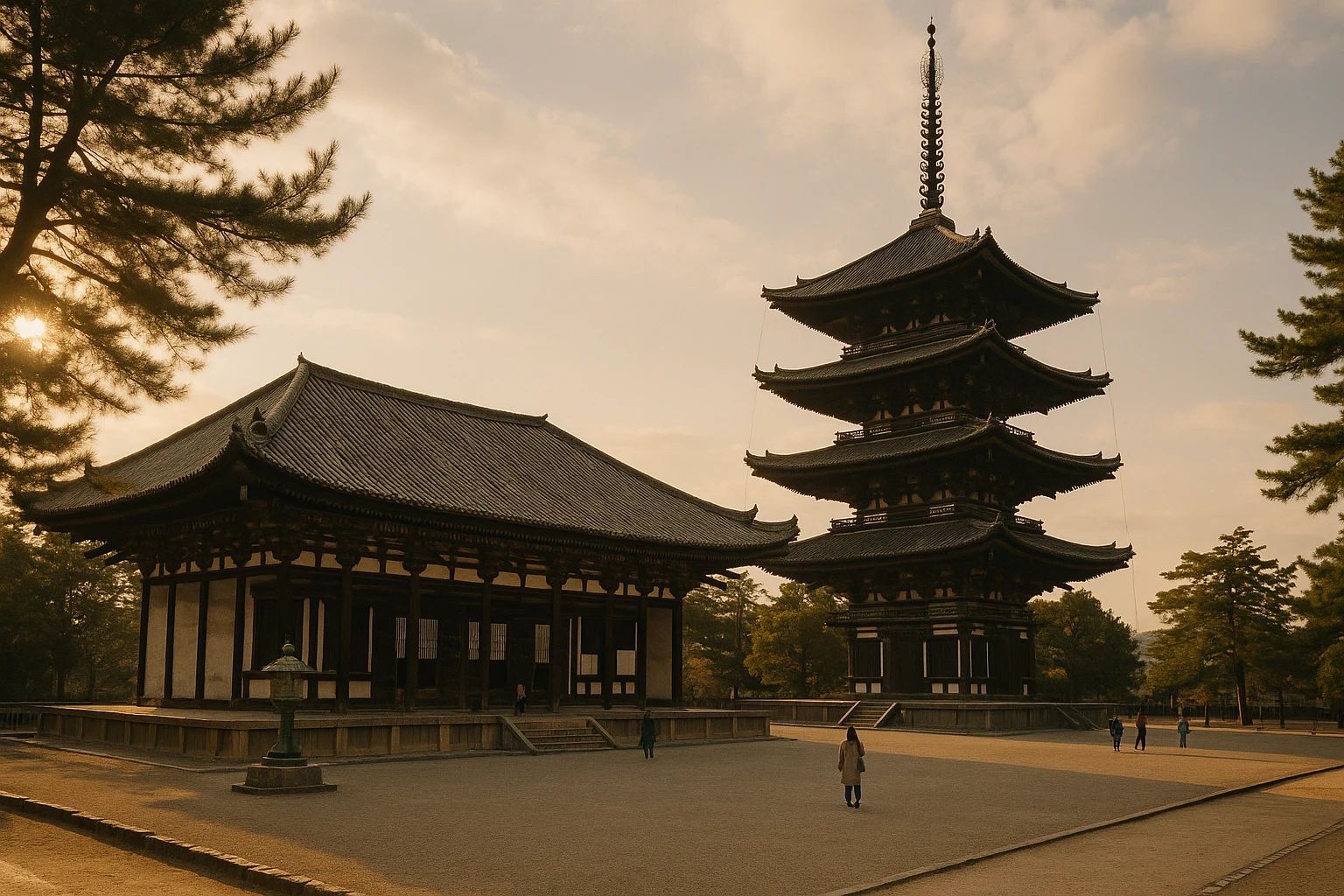
Standing at the edge of Nara Park in central Nara, Japan, the five-story pagoda of Kofukuji Temple pierces the sky at fifty meters, its layered rooflines climbing in diminishing tiers above a sea of milling deer and maple trees. This is one of Japan’s most iconic silhouettes — ancient, improbable, and strangely alive. Kofukuji Temple is among the founding monuments of Japanese civilization, established at the birth of the country’s first permanent imperial capital and serving as the spiritual anchor of the Fujiwara clan, the aristocratic dynasty that dominated Japanese politics for five centuries. Today it stands as a UNESCO World Heritage Site, part of the collective inscription “Historic Monuments of Ancient Nara,” drawing visitors from across the world who come to stand in the shadow of its pagoda, walk through halls heavy with the scent of incense, and contemplate some of the finest Buddhist sculpture the ancient world ever produced. To visit Kofukuji is to step not merely into a temple complex but into the central nervous system of early Japanese statehood — a place where religion, politics, and art converged with extraordinary consequence.
History
Fujiwara Origins and the Move to Nara
The origins of Kofukuji reach back to 669 CE, when Kagami no Okimi, the wife of the powerful statesman Nakatomi no Kamatari, founded a small temple called Yamashinadera to pray for her ailing husband. Nakatomi no Kamatari was one of the architects of the Taika Reform of 645, a sweeping restructuring of Japanese government along Chinese lines, and on his deathbed the Emperor granted him the surname Fujiwara — the name by which his family would dominate Japan for the next four hundred years. The temple built in his honor became the clan’s spiritual possession.
In 672, the temple was moved to Asuka, nearer the imperial court, and renamed Umayasaka-dera. Then, in 710, when the imperial court relocated to the newly built capital of Heijō-kyō — modern Nara — the temple moved with it and was renamed Kofukuji, meaning roughly “temple of good fortune.” This move was decisive. Kofukuji was now installed at the heart of the first proper Japanese capital city, endowed with vast land grants by the Fujiwara, and positioned as one of the most politically connected religious institutions in the country.
The Nara Period and Flowering of Buddhist Art
During the Nara Period (710–794), Kofukuji flourished as never before. The Fujiwara poured resources into its construction, and successive emperors recognized it as a temple of the first rank. The complex grew to encompass dozens of halls, pagodas, and sub-temples. Kofukuji became the headquarters of the Hossō school of Buddhism, one of the oldest and most philosophically sophisticated Buddhist traditions in Japan, which emphasizes the centrality of consciousness in shaping reality.
The sculpture workshops attached to Kofukuji produced work of breathtaking quality. Among the masterpieces created during this period is the iconic bronze head of Yakushi Nyorai and the astonishing Ashura statue — a three-faced, six-armed guardian figure cast in dry lacquer that is regarded by many art historians as the supreme achievement of Nara-period sculpture. These works now reside in the temple’s National Treasure Museum, which holds more designated National Treasures in its collection than almost any other museum in Japan.
Medieval Power and Repeated Destruction
Kofukuji’s wealth and the Fujiwara connection made it a powerful force in medieval Japan — but also a target. The temple maintained its own warrior monks, the sōhei, who were occasionally deployed in religious and political disputes. The temple was destroyed and rebuilt multiple times, most catastrophically in 1180 during the Genpei War, when Taira forces burned much of Nara. Reconstruction was swift, funded by the reviving Fujiwara network, and the main halls that survive today largely date from the Kamakura Period (1185–1333) rebuilding effort.
The five-story pagoda was destroyed by fire five separate times over its history; the current structure dates from 1426, when it was rebuilt for the fifth time following a lightning strike. It has stood, without structural intervention, for nearly six hundred years. The three-story pagoda nearby is the oldest surviving structure on the grounds, dating to 1143.
From Temple to Park and UNESCO Recognition
The Meiji government’s 1868 policy of separating Buddhism from Shinto (shinbutsu bunri) struck Kofukuji hard. Its Kasuga Taisha affiliation was severed, many priests were forced to convert to Shinto, and the temple’s land was designated as a public park — Nara Park as it exists today. Kofukuji lost much of its estate but retained its core structures. In 1998, along with fifteen other monuments, it was inscribed on the UNESCO World Heritage List as part of “Historic Monuments of Ancient Nara.” The designation formalized what visitors had long known: this is a place of world-historical significance.
Key Features
The Five-Story Pagoda
No structure at Kofukuji commands the eye more decisively than the five-story pagoda. At 50.1 meters tall, it is the second-tallest wooden pagoda in Japan, surpassed only by the pagoda at Tō-ji in Kyoto by a matter of centimeters. The current pagoda dates from 1426 and has a classic Kofukuji formal character — each story slightly smaller than the one below, the rooflines curving upward at the corners with characteristic restraint. The pagoda is not regularly open to the interior, but its exterior, particularly at dawn when mist rises from Sarusawa Pond below, is one of the most photographed scenes in all of Japan. The reflection of the pagoda in the still water of the pond is a classic composition that has appeared in Japanese woodblock prints for centuries.
The National Treasure Museum
The Kofukuji National Treasure Museum (Kokuhokan), completed in 1959 and extensively renovated in 2018, houses a collection that would be the crown jewel of any national museum on earth. The museum holds around sixty National Treasures and hundreds of Important Cultural Properties. The famous Ashura statue — part of the set of Eight Legions (Hachibushū) created in 734 — is displayed here, its three faces expressing simultaneously anger, sorrow, and compassion in a combination of emotional complexity rarely achieved in any sculptural tradition. Also on display is the bronze Tōendō Buddha head from the eighth century, a series of wooden guardian figures of startling naturalism, and a rare collection of Nara-period decorative arts. The museum is essential viewing for anyone with any interest in the history of Japanese art.
The East Golden Hall (Tōkondō)
The East Golden Hall, or Tōkondō, stands on a raised terrace on the eastern side of the precinct and dates in its current form to 1415. It enshrines a gilt bronze Yakushi Nyorai (Buddha of Healing) surrounded by attendant bodhisattvas and the Twelve Divine Generals — muscular, dynamic figures that patrol the perimeter of the altar with an almost martial energy. The hall has a more intimate character than the museum, and the experience of sitting in incense-laden air before these ancient figures, with the sounds of Nara Park drifting through the latticed doors, is quietly extraordinary.
The North Octagonal Hall (Hokuendō)
The Hokuendō is one of the most venerated halls in Kofukuji and one of the oldest octagonal religious buildings in Japan, though the current structure dates from 1208. It enshrines Miroku Bosatsu, the future Buddha, and is associated with the founder of the Fujiwara clan. It is one of the thirty-three temples on the Saigoku Kannon Pilgrimage and draws devout pilgrims from across western Japan. The building’s eight-sided form is rare in Japanese temple architecture and is connected to esoteric symbolism about the completeness of the dharma in all directions. The hall is only open to the public for a limited period in late October and early November each year, making a visit at that time particularly special.
Sarusawa Pond and the Temple Precinct
Sarusawa Pond, immediately south of Kofukuji’s main precinct, is an artificial pond created in 749 and among the oldest landscaped ponds associated with a Japanese temple. The path around the pond takes no more than ten minutes, but the views back toward the five-story pagoda are extraordinary in every season — sakura branches drooping over the water in April, fireflies skimming the surface in June, the pagoda reflected in iron-grey water on winter mornings. The pond is also home to turtles and carp, and the deer of Nara Park wander freely to its banks. The entire precinct — pagodas, halls, pond, and deer — feels less like a heritage site than a living landscape, continuous with a past that refuses to recede.
Getting There
Kofukuji Temple sits within easy walking distance of both of Nara’s main railway stations. From Kintetsu Nara Station (the closer of the two), the five-story pagoda is visible almost immediately on exiting — a 5-minute walk east. From JR Nara Station, the walk is slightly longer at about 12 minutes heading east through central Nara. Both stations are served by frequent trains from Kyoto and Osaka.
From Kyoto, the fastest option is the Kintetsu Limited Express from Kintetsu Kyoto Station, which reaches Kintetsu Nara Station in approximately 35 minutes (fare around ¥1,160). JR trains from JR Kyoto Station reach JR Nara Station in about 45 minutes by the Nara Line Miyako Rapid (fare around ¥720). Day-trip services from Kyoto to Nara run frequently throughout the day.
From Osaka, the Kintetsu Osaka-Namba Line runs directly to Kintetsu Nara Station in about 40–45 minutes (fare around ¥680). JR trains from Osaka Station involve a change at Tennoji or a direct service from Namba to JR Nara Station (approximately 50 minutes, ¥820).
Once in Nara, no bus or taxi is needed to reach Kofukuji — the walk from either station is direct and pleasant. Loop buses do serve Nara Park for ¥210 per ride if you are combining the visit with sites further afield, such as Tōdai-ji or Kasuga Taisha.
When to Visit
Nara is a year-round destination, but each season offers a distinct experience at Kofukuji and the surrounding park.
Spring (late March to early April) is the most photogenic season. Cherry trees frame the five-story pagoda and line the paths around Sarusawa Pond, and the combination of pink blossoms and ancient architecture is unforgettable. Crowds are significant on weekends; weekday mornings offer relative peace.
Summer (June to August) is warm and humid. The Nara Tokae Lantern Festival in August transforms the park and temple precinct into a dreamlike landscape of ten thousand candles. The Takigi Noh performances at Kofukuji in late May and early June, staged by firelight on the temple grounds, are among the most atmospheric traditional arts events in Japan.
Autumn (mid-October to late November) rivals spring for visual drama. Japanese maples turn crimson and gold around the pagoda and throughout Nara Park, and the Hokuendō opens its doors to the public during this period. Autumn weekends are extremely busy; arriving before 9:00 AM is strongly advised.
Winter (December to February) is the quietest and most meditative time to visit. Occasional snow dusting the pagoda rooftops creates extraordinary images. Temperatures are cold but not extreme (typically 1–8°C), and the park’s deer are particularly approachable in the quiet months.
The National Treasure Museum and Tōkondō are open year-round (9:00 AM–5:00 PM). Confirm the Hokuendō opening schedule on the official Kofukuji website before planning an autumn visit.
| Quick Facts | |
|---|---|
| Location | Nara Park, Nara City, Nara Prefecture, Japan |
| Founded | 669 CE (original temple); relocated to Nara 710 CE |
| UNESCO Status | World Heritage Site (1998) — Historic Monuments of Ancient Nara |
| Sect | Hossō school of Buddhism |
| Key Structure | Five-story pagoda (50.1 m), built/rebuilt 1426 |
| National Treasures | Over 60 objects in the National Treasure Museum |
| Admission | Grounds free; Museum ¥800; Tōkondō ¥300 |
| Opening Hours | Museum & Tōkondō: 9:00 AM – 5:00 PM daily |
| Nearest Station | Kintetsu Nara Station (5-min walk) |
| From Kyoto | ~35 min by Kintetsu Limited Express |
| From Osaka | ~40 min by Kintetsu from Namba |
| Best Season | Spring (cherry blossom) or Autumn (foliage) |
| Coordinates | 34.6814° N, 135.8329° E |
Frequently Asked Questions
What is Kofukuji Temple famous for?
Kofukuji is famous for its 50-meter five-story pagoda — the second tallest wooden pagoda in Japan — its superbly preserved Nara-period Buddhist sculpture collection, and its central role in founding the ancient capital of Nara. The complex is a UNESCO World Heritage Site.
How do I get to Kofukuji Temple from Nara Station?
Kofukuji is a 5–8 minute walk east from both JR Nara Station and Kintetsu Nara Station. Exit Kintetsu Nara Station and walk straight ahead — the five-story pagoda appears immediately. No bus or taxi is needed.
Is there an admission fee for Kofukuji Temple?
The grounds are free to enter. The National Treasure Museum (Kokuhokan) charges ¥800 for adults. The Tokondan (East Golden Hall) charges ¥300. The Hokuendo and five-story pagoda exterior are viewable without charge.
What are the opening hours for the Kofukuji National Treasure Museum?
The National Treasure Museum is open daily 9:00 AM to 5:00 PM (last entry 4:45 PM). It is closed periodically for maintenance; check the official Kofukuji website before visiting.
When is the best time to visit Kofukuji Temple?
Late March to early April brings cherry blossoms that frame the pagoda beautifully. Mid-November offers vivid autumn foliage. Weekday mornings year-round are quietest. The Takigi Noh performances in May and the Lantern Festival in August are especially atmospheric.
Can I see the deer at Kofukuji?
Yes. Nara's famous wild sika deer roam freely throughout Nara Park, which surrounds Kofukuji. Deer can often be found grazing right at the foot of the five-story pagoda, making for memorable photographs.
Is Kofukuji connected to Kasuga Taisha Shrine?
Historically and geographically, yes. Both Kofukuji and Kasuga Taisha were founded by the powerful Fujiwara clan and are located in the same Nara Park precinct. Pilgrims and visitors have walked between them for over a millennium — the path takes about 10 minutes on foot.
Nearby Ancient Sites
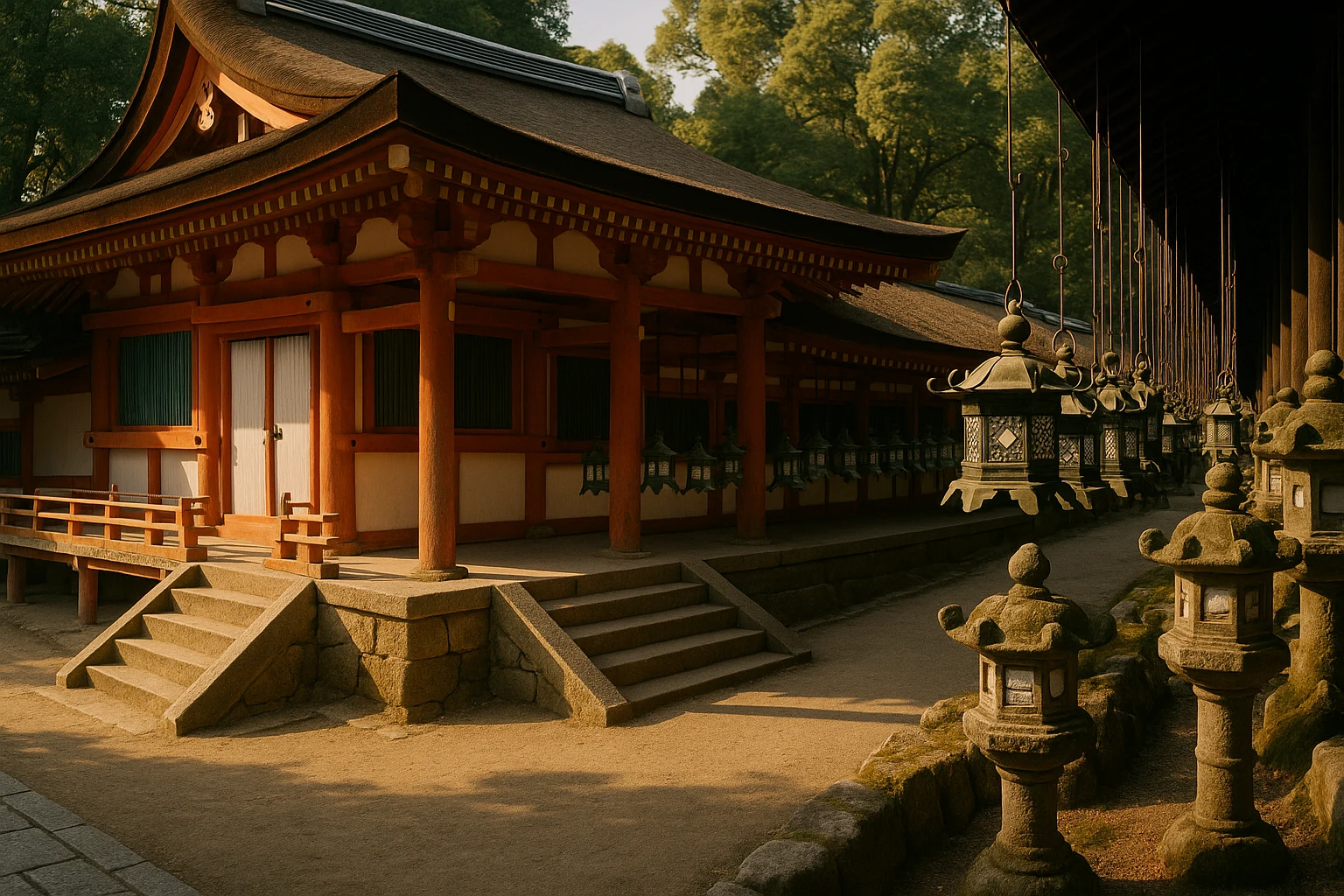
Kasuga Taisha Shrine
JapaneseSacred Shinto shrine in Nara, Japan, renowned for thousands of bronze and stone lanterns and UNESCO ...
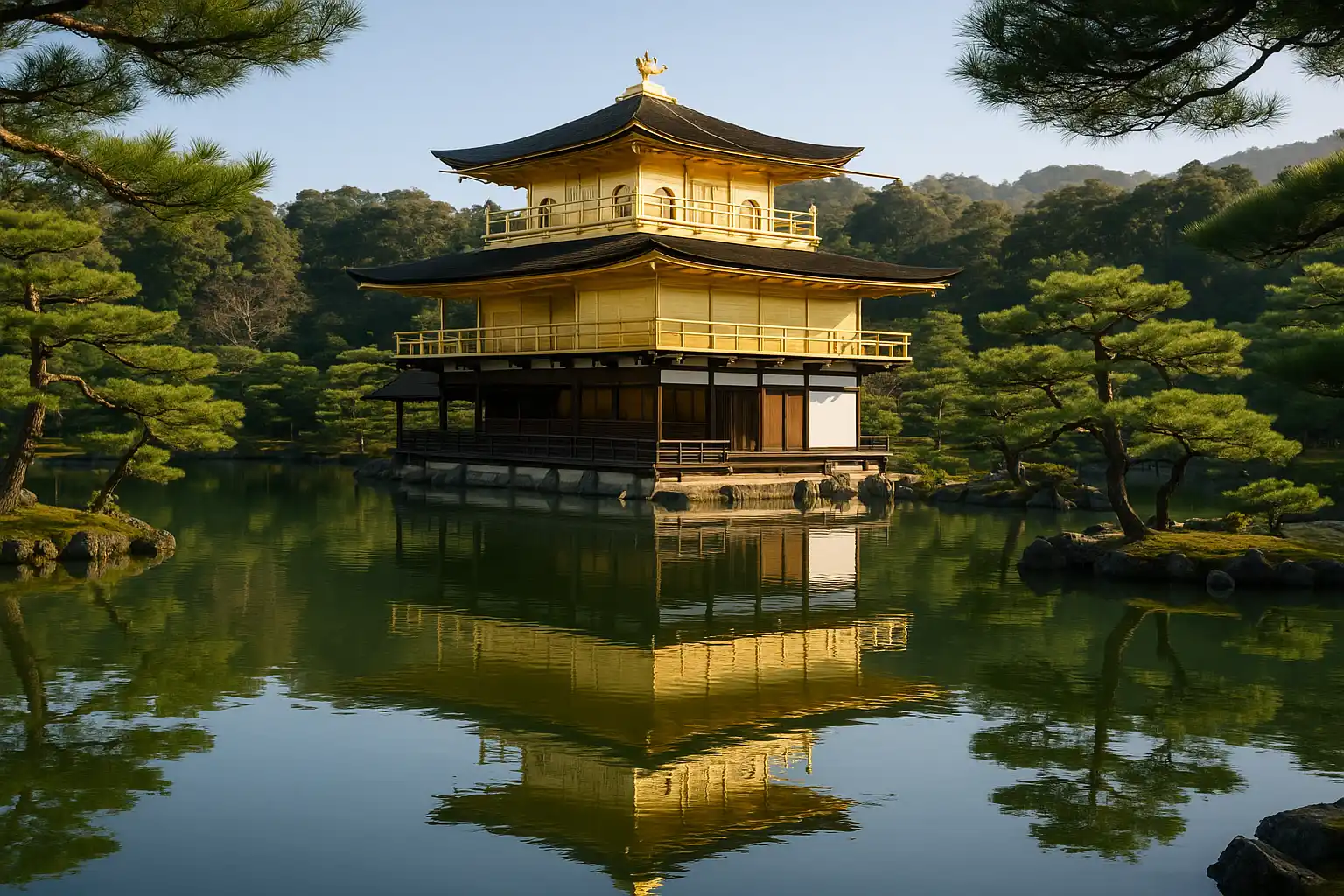
Kinkakuji Temple Japan Travel Guide 2026: Kyoto's Golden Pavilion
Japanese Zen BuddhistVisit Kinkakuji, the Golden Pavilion, Kyoto's most iconic Zen temple. Discover the gold-leaf covered...
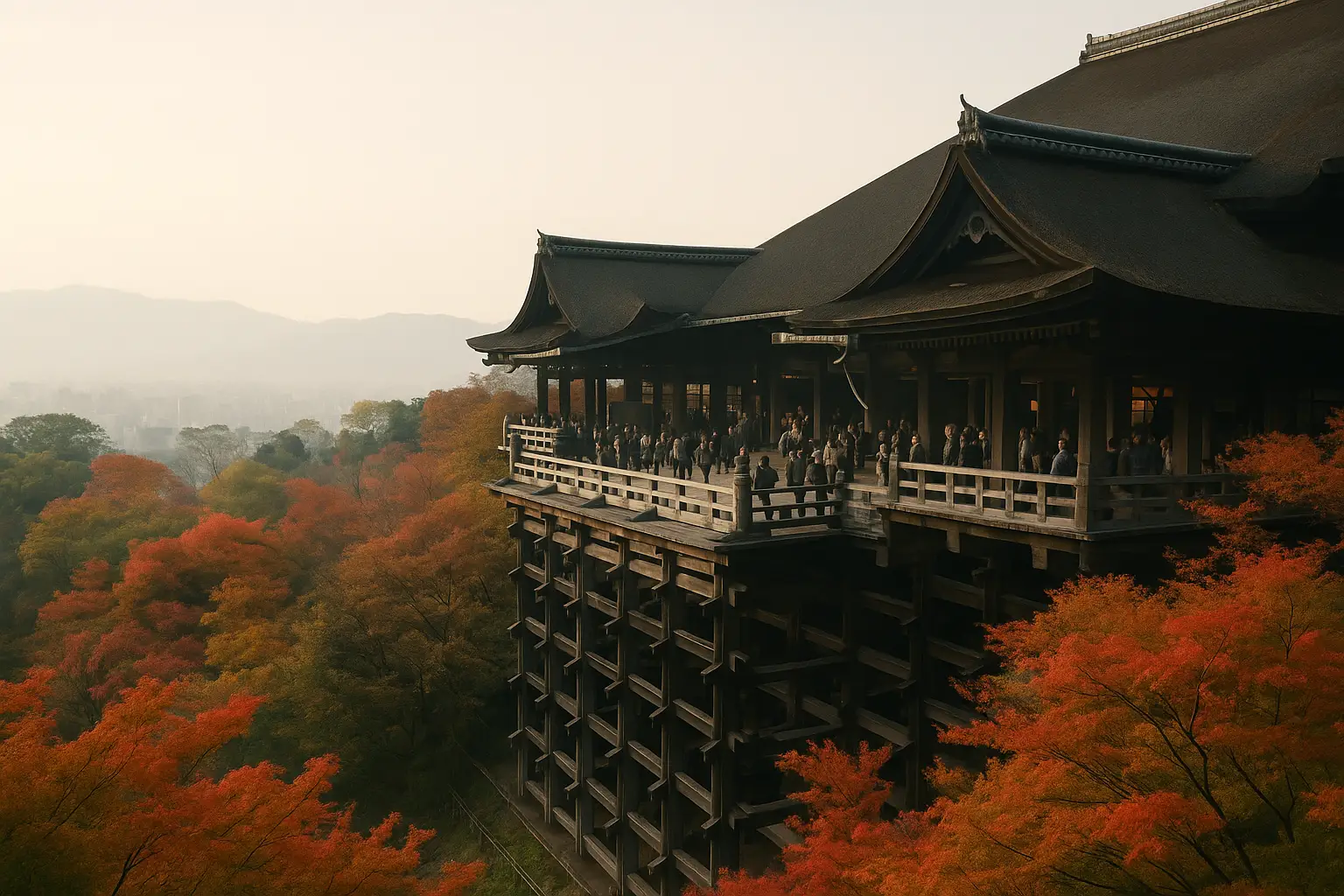
Kiyomizudera Temple Japan Travel Guide 2026: Kyoto's Wooden Stage
Japanese Buddhist (Kita-Hosso)Visit Kiyomizudera, the Pure Water Temple with its famous wooden stage overlooking Kyoto. Explore th...
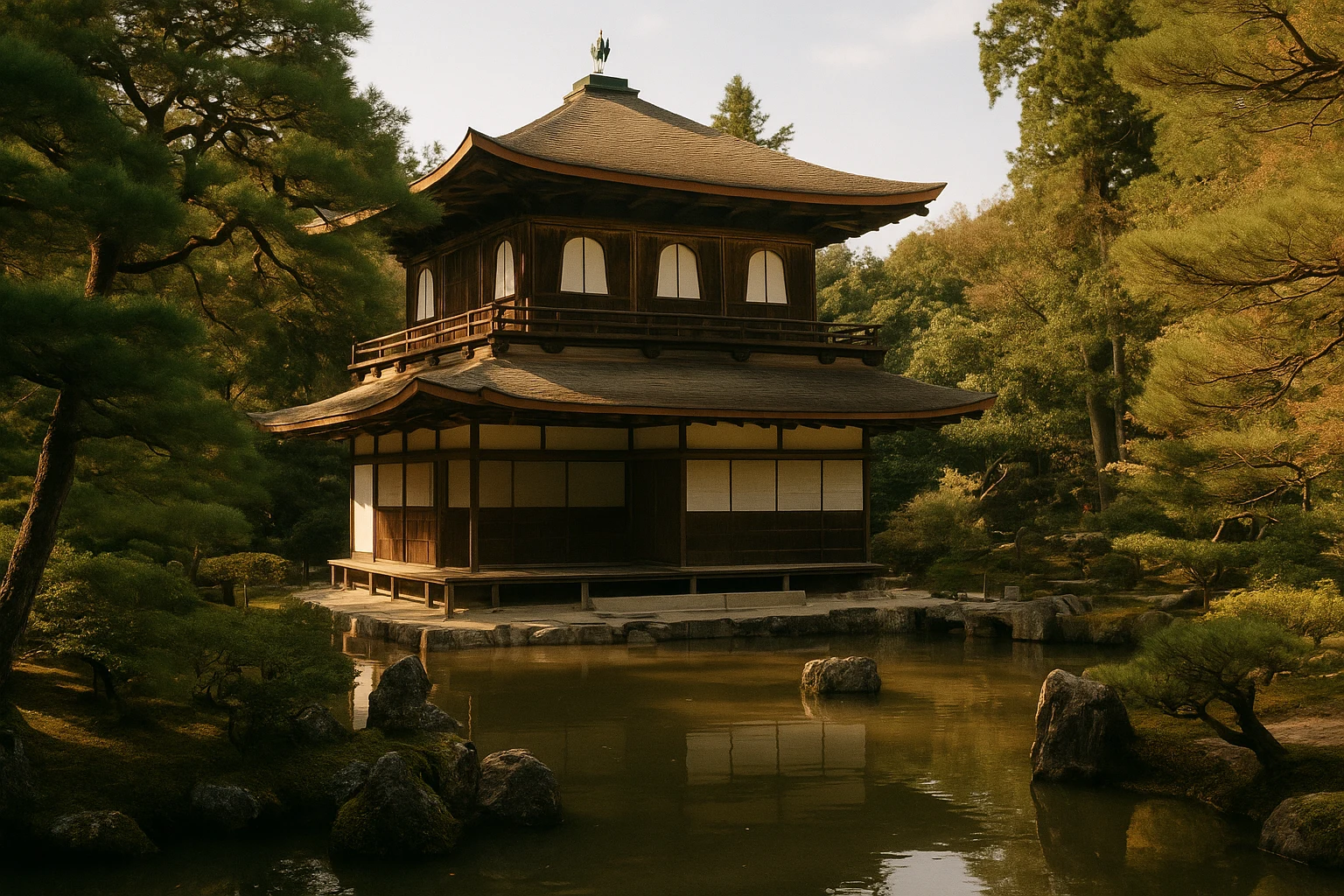
Ginkakuji Temple: Kyoto's Silver Pavilion and the Art of Wabi
Explore Ginkakuji Temple in Kyoto, Japan — the Silver Pavilion, sand gardens, and Ashikaga Yoshimasa...
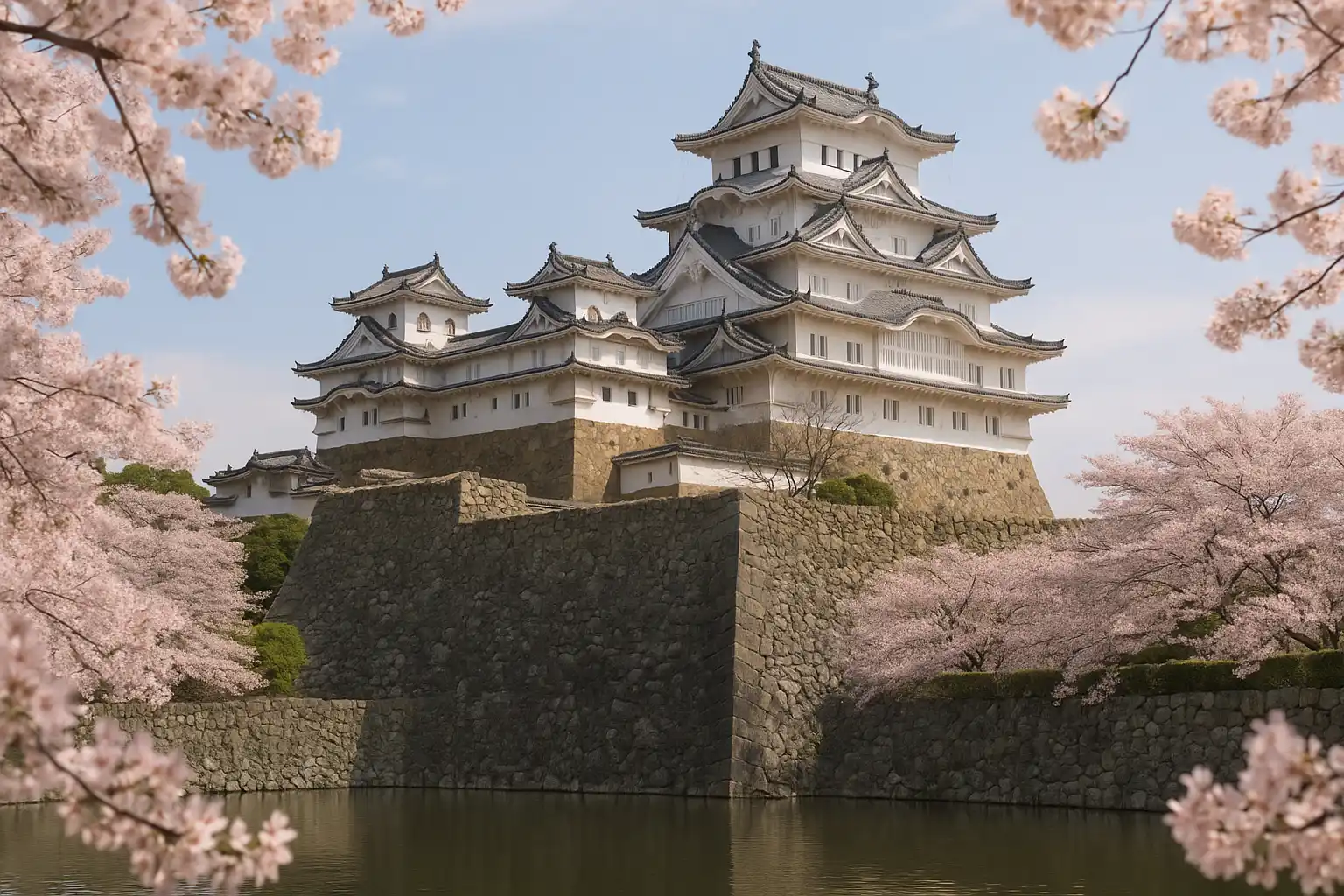
Himeji Castle Japan Travel Guide 2026: The White Heron Castle
Japanese FeudalVisit Himeji Castle, Japan's most beautiful original castle. Explore the White Heron keep, defensive...