Quick Info
Curated Experiences
Kom Ombo Temple Day Tour from Aswan
Private Nile Temples Tour Including Kom Ombo Temple
Edfu and Kom Ombo Guided Excursion
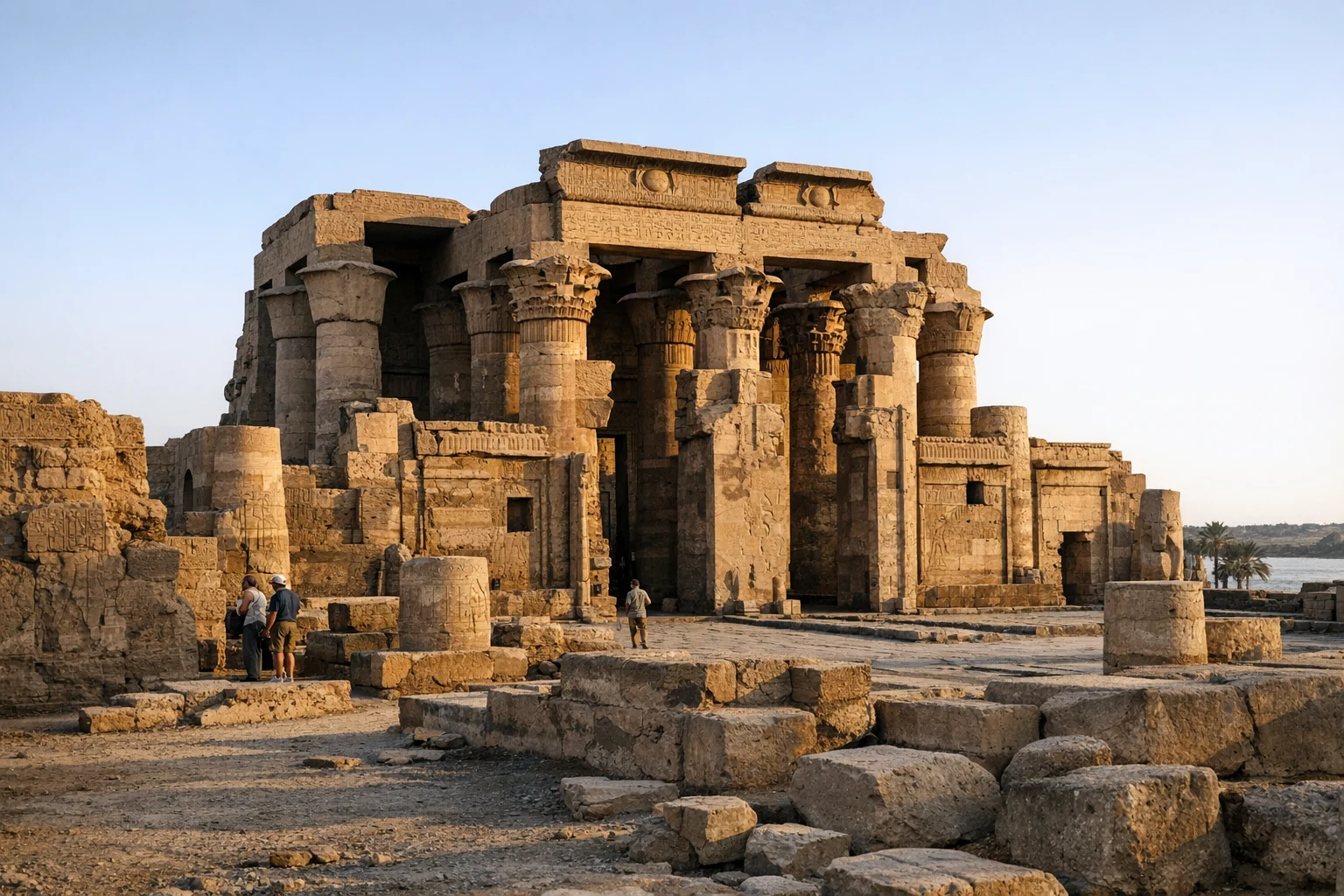
Kom Ombo Temple in Egypt is one of the Nile Valley’s most unusual sanctuaries, a riverside monument whose very plan sets it apart from nearly every other temple in the country. North of Aswan, on a bend of the Nile where the desert light lingers beautifully over the water, the temple stands with a measured dignity that feels both familiar and strange. At first glance, it looks like a classical late Egyptian temple: pylons, courts, columns, and relief-covered walls aligned toward inner sanctuaries. Then you begin to notice the duplication. Kom Ombo was built for two distinct divine powers, and its architecture reflects that fact almost obsessively. Hall leads to hall in mirrored form, sanctuaries echo one another, and the whole building seems to split and reunite along a central axis. It is one of the clearest reminders that Egyptian temple architecture could still innovate dramatically even in the late Ptolemaic period.
What makes the site especially memorable is the contrast between elegance and peculiarity. The temple is dedicated to Horus the Elder, often called Haroeris, and to Sobek, the crocodile god associated with power, fertility, and the dangerous richness of Nile waters. Those two cults share the same sacred compound, and their coexistence gives the temple its identity. The site’s riverbank position deepens that effect. Sobek, in particular, feels inseparable from the Nile, and the temple’s view over the water still preserves something of the original symbolic logic. For travelers, Kom Ombo offers more than another stop on a temple circuit. It offers a highly legible, deeply atmospheric example of how religion, royal patronage, and landscape could converge in a monument unlike any other in Egypt.
History
Sacred Ground on the Nile
Kom Ombo’s significance predates the standing temple visible today. The site occupied a strategic and religiously meaningful position on the Nile, and earlier sacred activity likely existed here before the Ptolemaic complex was built. Like many major Egyptian sanctuaries, Kom Ombo did not emerge from empty ground. It inherited a place already tied to cult practice, local identity, and the relationship between settlement and river. This background helps explain why the later temple could become such an important center for dual worship.
The Nile setting matters historically as much as aesthetically. Kom Ombo lies in a region where control of movement, agricultural life, and sacred geography all depended on the river. A temple here could serve travelers, local communities, and the ideological needs of rulers who wanted to stamp legitimacy onto the landscape. By the time the Ptolemies built the surviving sanctuary, the location already possessed the kind of prestige that made monumental patronage worthwhile.
Ptolemaic Construction and the Double Temple Concept
Most of the surviving Kom Ombo Temple was constructed during the Ptolemaic period, primarily from the 2nd century BCE onward. This was the era when Macedonian Greek rulers governed Egypt after the conquests of Alexander, yet continued to build temples in the full pharaonic tradition. As at Edfu and Philae, Ptolemaic temple patronage was politically strategic as well as religious. By carving themselves into Egyptian sacred space as legitimate pharaohs, the Ptolemies made architecture do the work of dynastic self-justification.
Kom Ombo, however, was distinctive even within this late temple-building tradition because of its dual dedication. One half of the sanctuary served Horus the Elder, a sky and kingship deity connected with royal legitimacy and protective power. The other served Sobek, the crocodile god whose associations with fertility, Nile force, and raw divine potency made him a particularly compelling local and regional deity. Rather than forcing one cult to dominate the other, the temple was designed to accommodate both through parallel architectural sequences. This was not simply symbolic. The duplication runs through much of the building’s logic, making Kom Ombo one of the rare genuinely double temples of ancient Egypt.
Ritual Life, Myth, and Local Identity
The temple was more than an architectural curiosity. It was an active ritual center where cult practice, offerings, and sacred celebrations took place in a carefully structured environment. The dual plan suggests that ritual activities for each deity required both distinction and proximity. This is one of the reasons Kom Ombo is historically fascinating: it reveals a sophisticated way of organizing shared sacred space without collapsing separate divine identities.
Sobek’s presence also ties the temple strongly to local ecology and belief. Crocodiles were feared and revered in ancient Egypt, and the cult of Sobek responded directly to that relationship. The Nile could nourish or destroy; Sobek embodied that dangerous ambivalence. The nearby discovery of crocodile mummies underscores how real and active that cult was here. At the same time, Horus the Elder brought a different set of divine associations tied to kingship, sky power, and protection. Kom Ombo’s religious life therefore held together two modes of divinity that were not identical but could coexist in a shared sacred framework.
Roman Additions, Decline, and Rediscovery
Roman emperors later added to or modified parts of Kom Ombo, continuing the broader pattern by which foreign rulers in Egypt adopted the visual language of pharaonic temple patronage. The sanctuary remained important into the Roman era, and some of its reliefs preserve this late phase clearly. Over time, however, the temple declined along with other traditional cult centers as political and religious conditions changed. Flooding, stone robbing, and settlement pressures damaged the site, and parts of the complex were lost or buried.
Despite this, Kom Ombo survived enough to retain its unusual identity. Modern excavation and conservation revealed the temple’s plan and reliefs in ways that made its dual structure newly legible. The adjacent Crocodile Museum, with its mummified crocodiles and associated finds, now helps complete the story in a way ancient visitors would have understood instinctively. Today Kom Ombo survives as both a temple ruin and one of the best-preserved statements of religious duality in ancient Egyptian architecture.
Key Features
The defining feature of Kom Ombo Temple is its double plan. This is not a metaphor or a scholarly abstraction; it is something visitors can feel as they move through the building. Many spaces appear in paired or mirrored form, with twin axial arrangements leading toward sanctuaries associated with the two deities. This structural duplication gives the temple a strange and fascinating rhythm. It feels familiar if you know Egyptian temple architecture, yet slightly off-balance in a way that becomes increasingly deliberate the more you look. That design is Kom Ombo’s greatest claim to uniqueness.
The river setting is another major feature. The temple stands close to the Nile in a way that feels especially meaningful given its connection to Sobek. The relationship between stone monument and river landscape makes the site more atmospheric than many inland temples. The water is not just a scenic backdrop. It helps explain why this place mattered and why Sobek’s cult found such appropriate expression here. Even now, looking from the temple toward the river, you can sense how geography reinforced theology.
The columns, reliefs, and surviving halls are also among the temple’s greatest strengths. Kom Ombo may not be as complete in every part as Edfu, but what survives is rich and highly readable. Reliefs show rulers making offerings, ritual scenes unfolding, and the divine world articulated through late Egyptian temple iconography. Because the monument belongs largely to the Ptolemaic period, these carvings are also valuable evidence of how Egyptian artistic traditions persisted under foreign rule. The columns and decorated surfaces create a temple experience that feels orderly yet highly textured.
One of the most intriguing details at Kom Ombo is the set of reliefs often interpreted as depicting surgical or medical instruments. These are frequently cited in popular accounts of the temple and, whether viewed with scholarly caution or touristic fascination, they add another layer to the site’s appeal. They remind visitors that Egyptian temple walls often preserved not only mythic and royal scenes but also traces of practical and ritual knowledge associated with health, healing, and sacred service.
The Crocodile Museum near the temple is a feature that should not be skipped. It gives physical context to Sobek’s cult in a way that transforms the visit. Mummified crocodiles, related objects, and interpretive displays make the deity’s presence feel more immediate and less abstract. This museum does something rare: it helps explain a temple’s theology not through text alone, but through material remains that ancient visitors themselves would have recognized as sacred evidence.
Getting There
Kom Ombo Temple is most often visited from Aswan, though it can also be approached from Luxor or as part of a Nile cruise itinerary. The town of Kom Ombo lies north of Aswan, and the journey by road from Aswan generally takes around 45 minutes to 1.5 hours depending on traffic and route. Many travelers reach the site on organized excursions or while cruising the Nile, in which case the temple is often one of the most straightforward stops of the day. Cruise passengers usually benefit from the temple’s direct riverfront access, which makes arrival especially easy.
Independent travelers can reach Kom Ombo by private car, taxi, train, or arranged guide service. Private drivers are especially useful if combining the temple with Edfu or other Upper Egyptian sites. Costs vary, but local road transfers from Aswan are generally manageable and often easiest when prearranged through a hotel or licensed guide. Since Kom Ombo is popular but not overwhelmingly difficult logistically, it works well for both guided and self-guided visitors.
Once on site, the temple is fairly easy to navigate. The main concerns are heat, timing, and crowd flow rather than complicated access. Bring water, sun protection, and comfortable shoes. If you want to appreciate both the temple and the crocodile museum, allow more time than a quick photo stop would suggest.
When to Visit
The best time to visit Kom Ombo Temple is from October through April, when temperatures in Upper Egypt are far more comfortable. In these months, walking the exposed stone courts and terraces is much easier, and the temple’s riverside position becomes more pleasurable rather than simply hot. Late afternoon is especially popular because the light softens over the river and the monument takes on warmer tones. Kom Ombo is one of those temples that can feel particularly beautiful toward sunset, when its profile and open setting gain extra drama.
Morning is also an excellent option, especially for travelers who prefer cooler conditions and slightly lighter visitor traffic. Early visits are often the best for reading reliefs carefully without fatigue. If you are on a Nile cruise, your timing may be fixed, but the site remains rewarding at many hours because its dual layout and river position are so clear.
Summer visits are possible, but heat can be intense. If traveling during hotter months, go as early or late as you can, carry plenty of water, and do not underestimate how draining the exposed areas can be. In general, Kom Ombo rewards good timing because so much of its atmosphere depends on light, openness, and the relationship between monument and river.
| Quick Facts | Details |
|---|---|
| Location | Kom Ombo, Aswan Governorate, Egypt |
| Best Known For | Rare double temple dedicated to Horus the Elder and Sobek |
| Historical Period | Ptolemaic period with Roman additions |
| Main Dedications | Horus the Elder and Sobek |
| Signature Feature | Mirrored dual layout along a central axis |
| Nearby Highlight | Crocodile Museum with mummified crocodiles |
| Recommended Visit Length | 1 to 2 hours |
| Best Season | October to April |
| Typical Access | Nile cruise stop or road trip from Aswan |
| Practical Tip | Visit with enough time for both the temple and the crocodile museum, since understanding Sobek’s cult greatly deepens the experience |
Frequently Asked Questions
What is Kom Ombo Temple best known for?
Kom Ombo Temple is best known for its unusual double design, with parallel sanctuaries dedicated to Horus the Elder and the crocodile god Sobek.
Why is Kom Ombo Temple different from other Egyptian temples?
It is different because the entire temple is essentially duplicated along a central axis, creating two linked but distinct sacred halves for two deities.
How much time should you spend at Kom Ombo Temple?
Most visitors should allow 1 to 2 hours to explore the temple, reliefs, river setting, and nearby crocodile museum without rushing.
Is Kom Ombo Temple worth visiting if you have already seen Edfu or Philae?
Yes. Kom Ombo stands out for its symmetrical plan, strong riverside setting, and close association with Sobek, making it different from other Nile temples.
What is the crocodile museum at Kom Ombo?
The museum near the temple displays mummified crocodiles and artifacts connected to the cult of Sobek, helping explain one of the temple’s two main deities.
When is the best time to visit Kom Ombo Temple?
Late afternoon and early evening are especially popular, though cooler morning visits are also pleasant, particularly from October to April.
Nearby Ancient Sites
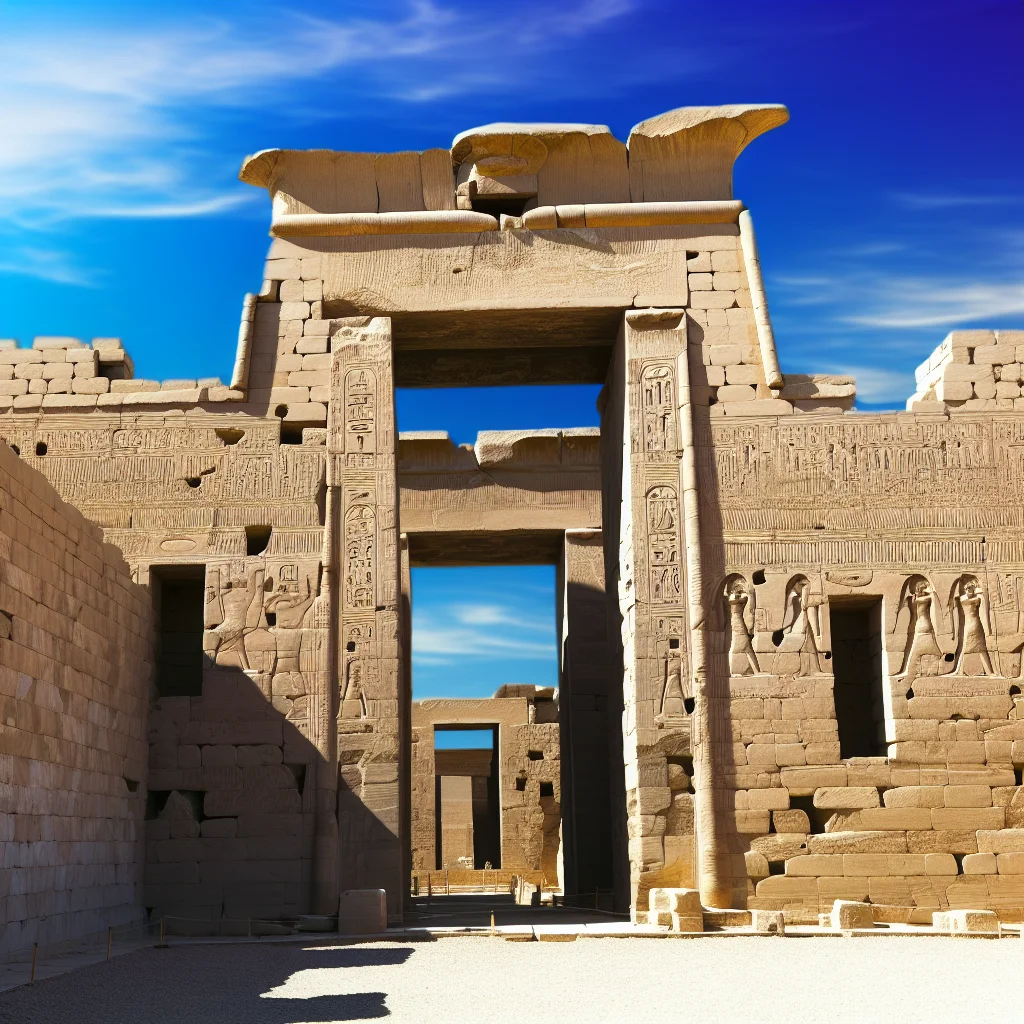
Edfu Temple Egypt Guide 2026: Temple of Horus & Dramatic Battle Reliefs
PtolemaicEdfu Temple near Aswan: Temple of Horus with stunning battle scenes, ritual texts, and the best-pres...
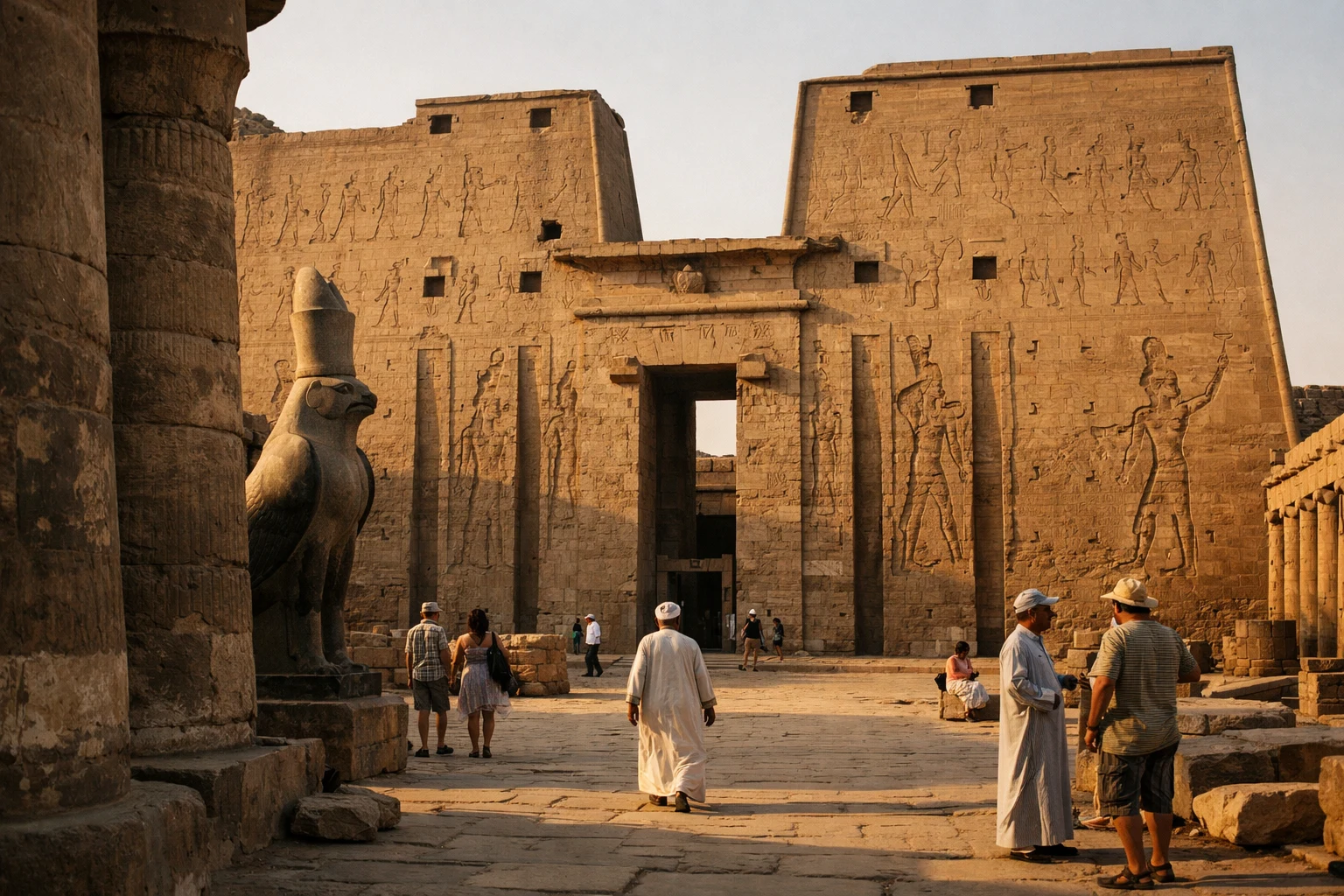
Edfu Temple
Ancient EgyptianVisit Egypt’s Edfu Temple, one of the best-preserved ancient sanctuaries, dedicated to Horus and ric...
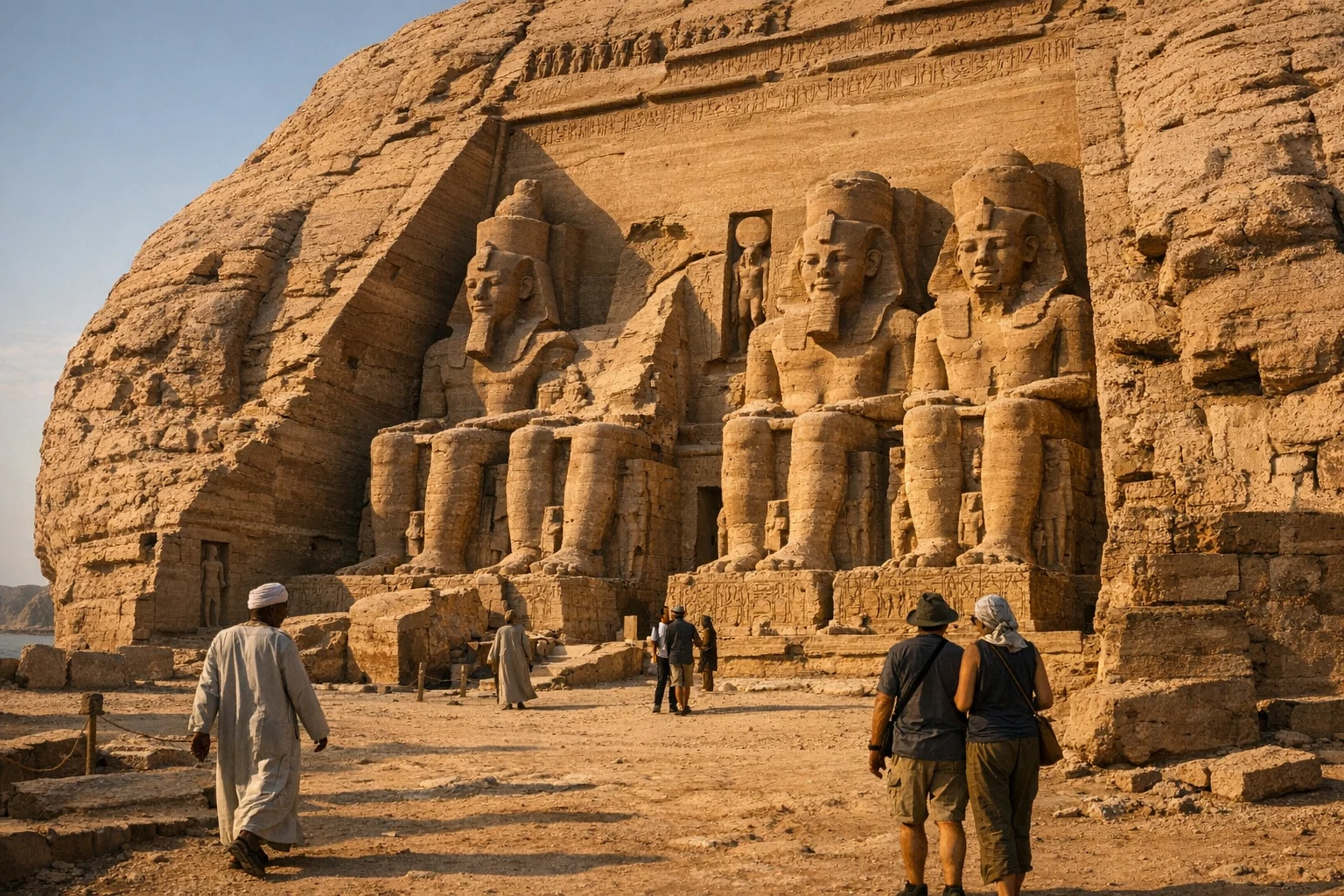
Abu Simbel
Ancient EgyptianDiscover Abu Simbel in Egypt, where colossal rock-cut temples of Ramses II rise above Lake Nasser ne...
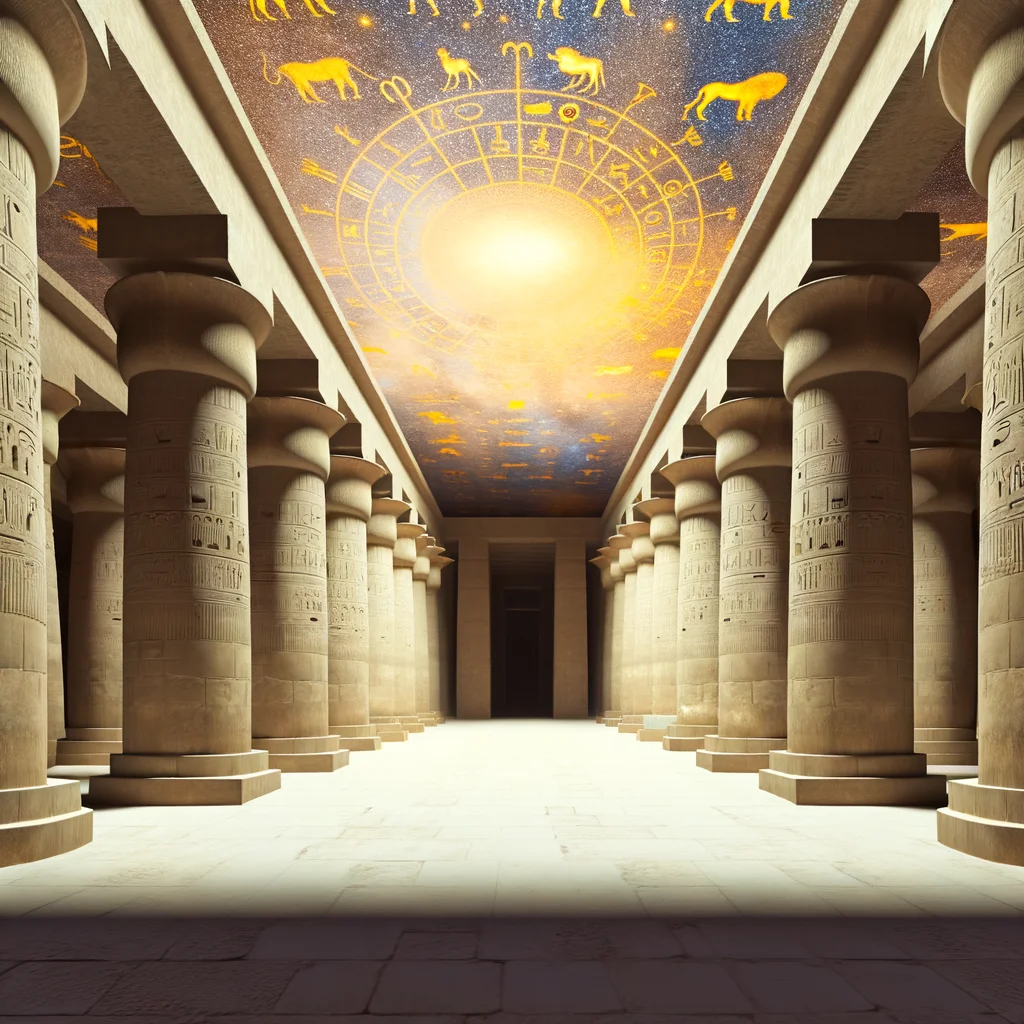
Dendera Temple Complex Egypt Guide 2026: Temple of Hathor & Zodiac Ceiling
Ptolemaic-RomanExplore Dendera's magnificent Temple of Hathor near Luxor. Star-mapped zodiac ceiling, Ptolemaic arc...
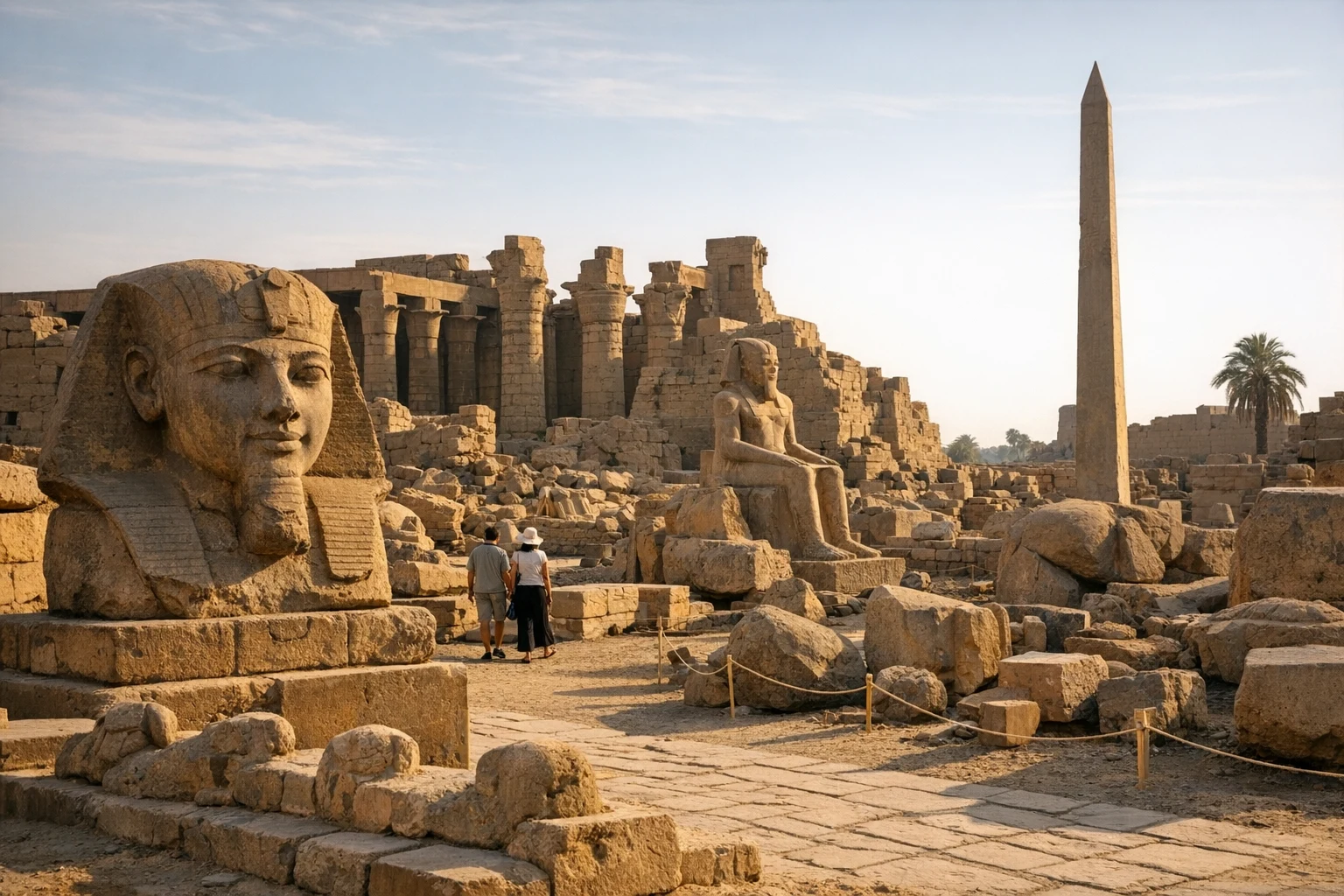
Karnak Open Air Museum
Ancient EgyptianExplore Egypt’s Karnak Open Air Museum, where reconstructed chapels and reliefs reveal hidden layers...