Quick Info
Curated Experiences
Korekawa Jomon Museum and Archaeological Heritage Tour
Hachinohe Ancient History and Culture Day Trip
Aomori Prefecture Archaeological Excursion
Nestled in the green expanses of northern Honshu, amid the undulating hills and fields of Aomori Prefecture, lies a portal to Japan’s distant past: the Korekawa Archaeological Site. Separated from the clamor of modern life by both distance and time, the site preserves the material traces of a people who lived millennia before the world knew of samurai or syllabary. The Korekawa Archaeological Site is one of the most significant remnants of the Jomon period, an era that spans from about 14,000 to 300 BCE and defines Japan’s prehistoric culture. Visitors who wander through the ruins and meticulously reconstructed dwellings will discover the enduring creativity and technical skill of the Jomon people, who called these northern forests and rivers home.
Located within the city of Hachinohe, the Korekawa Archaeological Site forms part of a larger cluster of historic areas, inviting comparison with other Jomon sites such as Goshono and Sannai-Maruyama. What sets Korekawa apart are the exquisite artifacts found here, especially the “Gassho Dogū” clay figurine—designated as a National Treasure—and a host of pottery fragments, lacquered objects, and daily-use tools. These offer a rare window into the routines, beliefs, and artistry of an ancient society whose worldview was shaped by the rhythms of nature. Surrounded by tranquil woods and marked pathways, today’s Korekawa hums with the subtle resonance of the past, seamlessly joining the natural world with the echoes of prehistoric life. As you enter the site, you are not just visiting an archaeological locale; you are stepping into a living narrative sculpted by centuries of ritual, habitation, and ingenuity in the heart of Japan.
History
The Rise of the Jomon in Northern Japan
The Korekawa Archaeological Site is rooted deep in the Jomon period, a time when communities across the Japanese archipelago began to develop complex social structures and distinctive artistic traditions. The Jomon era, stretching from tens of thousands of years before Christ up until the early centuries BCE, is characterized by hunter-gatherer-fisher societies that developed unusually advanced pottery, distinctive even when compared to other global prehistoric cultures. The region that would become Korekawa was particularly well-suited for human habitation: abundant rivers teemed with fish, forests supplied ample game, and fertile plains allowed for plant gathering.
The earliest signs of human activity at Korekawa date back to about 2,000 BCE, during what archaeologists dub the Middle to Late Jomon period. During this era, population density increased, and communities became more sedentary, erecting semi-permanent pit dwellings and organizing the landscape into designated living, work, and burial spaces. The people who lived here belonged to a thriving cultural network that stretched up and down the Pacific coast of northern Japan, exchanging goods and shared traditions while adapting to local environments.
Life and Ceremony in the Jomon World
At Korekawa, life followed the subtle dictates of the changing seasons. People gathered nuts such as acorns and walnuts, cultivated a diverse knowledge of wild plants, and exploited the rich fishing grounds of nearby rivers. Their pit dwellings—some reconstructed for modern visitors—often clustered together, forming communal villages with shared hearths and outdoor workspaces. The archaeological record speaks of a people both pragmatic and imaginative: stone tools, bone implements, and delicate bone needles reveal their technical prowess, while ceremonial objects and clay “Dogū” figurines express a worldview rich in ritual and symbolic meaning.
Among the Korekawa discoveries, the “Gassho Dogū” stands out for both its artistry and mystery. This clay figurine, crafted over 3,000 years ago, is named for its hands pressed together in a gesture of prayer or reverence. Its purpose remains hotly debated by scholars: Was it a talisman for fertility, a representation of community ancestors, or a spirit intermediary? Whatever its original role, the Dogū’s careful craftsmanship and enigmatic design highlight both the sophistication and spiritual life of Korekawa’s inhabitants.
Discovery, Preservation, and World Recognition
The first major scientific excavations at Korekawa began in the 1920s and have periodically continued to this day, revealing a rich palimpsest of human activity hidden beneath the soil. Archaeologists have identified layers of habitation spanning centuries, complete with pit houses, hearths, storage areas, and the burial of prestige items beneath the floors of important homes. The meticulous preservation of organic materials—lacquered wood, woven baskets, even traces of ancient plant foods—makes Korekawa particularly valuable for reconstructing the daily life of the Jomon.
Recognition of the site’s importance gained momentum in the late 20th and early 21st centuries. The massive “Korekawa Jomon Kan” museum opened its doors in 2011, displaying a treasury of artifacts and providing fresh interpretation for scholars and laypeople alike. In 2021, the site, together with other Jomon sites in northern Japan, was enshrined as part of the “Jomon Prehistoric Sites in Northern Japan” UNESCO World Heritage listing. Today, Korekawa stands not only as a locus of Japanese prehistory but as a testament to humanity’s universal drive for creativity, adaptability, and spiritual expression.
Key Features
Visitors to the Korekawa Archaeological Site encounter an immersive historical landscape blending original excavation zones, painstakingly reconstructed dwellings, and one of Japan’s most impressive archaeological museums. Beyond mere ruins, Korekawa comes alive as a canvas through which the creativity and daily rhythms of the Jomon people emerge vividly.
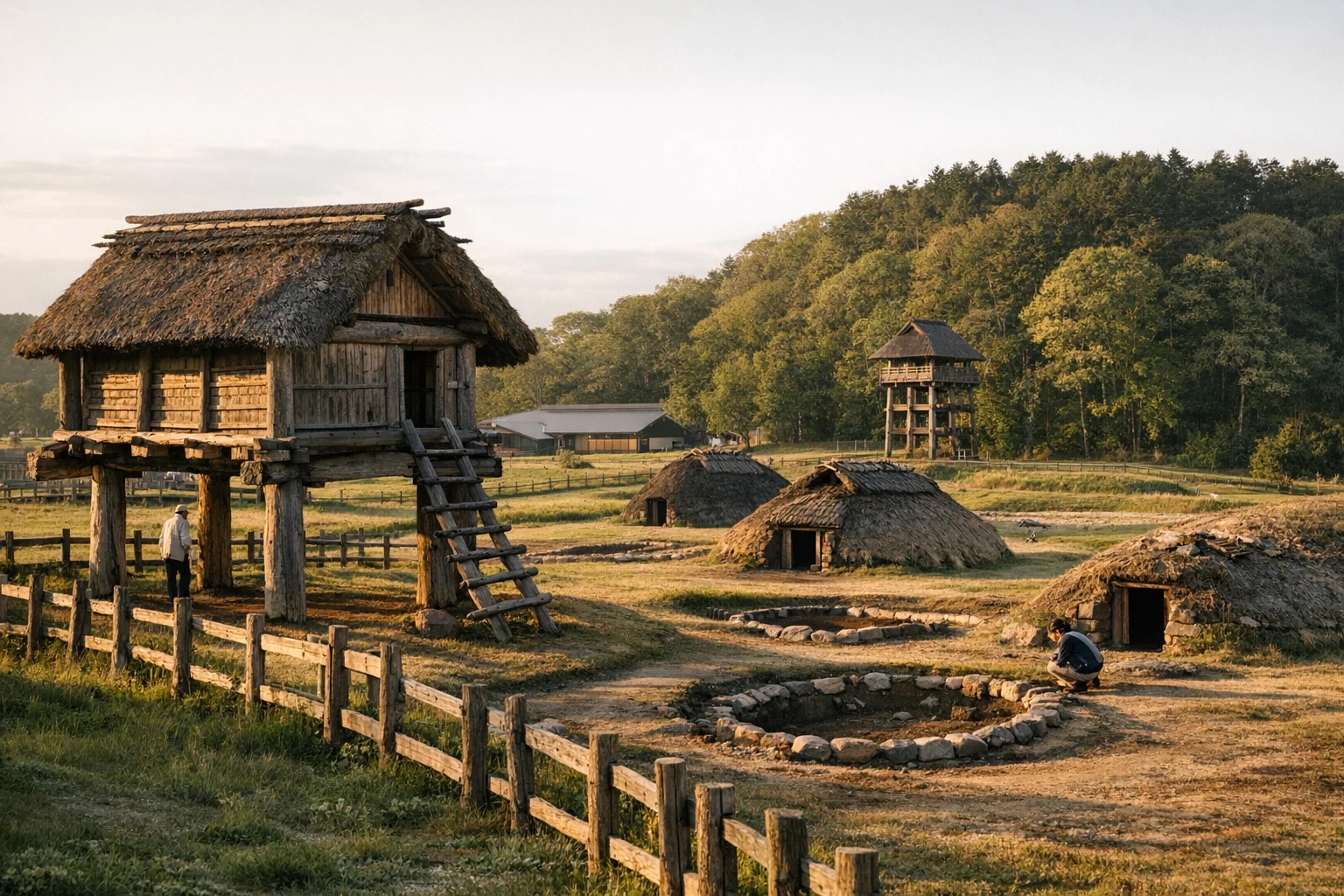
The open-air part of the site lies shaded beneath a green canopy, where clearly marked pathways guide curious explorers through the differing excavation sectors. The remnants of pit dwellings—broad, shallow depressions surrounded by earthen banks—reveal the architectural ingenuity of Jomon communities. These semi-subterranean houses were designed to insulate against Aomori’s sometimes harsh climate. Some have been reconstructed, showcasing thatched roofs, central hearths, and earthen floors. Stepping into these spaces, visitors are suspended in time, imagining the smell of wood smoke, the bustle of food preparation, and the gentle glow of firelight on clay walls.
One of the defining experiences at Korekawa is the trail leading to the Korekawa Jomon Kan Museum. This state-of-the-art facility is both educational and evocative: glass cases present original artifacts unearthed onsite—pottery adorned with cord patterns, polished stone axes, elegant lacquerware, and enigmatic figurines. The museum’s centerpiece is the aforementioned “Gassho Dogū.” With its serene posture and detailed craftsmanship, the figurine stands as a silent ambassador of ancient Jomon spirituality. Interactive displays and lifelike reconstructions illuminate how people harvested resources, crafted tools, and organized their homes.
Beyond individual finds, the museum presents reconstructed scenes of daily life, from foraging expeditions to winter hearth gatherings. Special attention is given to the emergence of lacquerware: Korekawa is among the earliest sites worldwide where plant-based lacquer was used to waterproof and decorate objects, anticipating a craft tradition that would flourish throughout Japanese history. Not to be missed are also the child and adult burial remains, which help researchers and visitors alike to reconsider the social and spiritual lives of Jomon communities.
The site and museum host regular events, including hands-on workshops allowing visitors to try their hand at ancient crafts, from pottery shaping to bead making. Temporary exhibitions and film screenings highlight ongoing research, connecting the past to present communities. These initiatives ensure that the site is not merely a silent collection of fossils and stones, but a living classroom inspiring curiosity and respect for Japan’s earliest heritage.
The overall experience at Korekawa is shaped by its seamless integration with the natural surroundings. Birds and insects create an ambient soundtrack, emphasizing the continuity between the prehistoric and the present. The Korekawa Archaeological Site thus offers not just a display of ancient relics, but an invitation to walk in the footsteps of the Jomon, to sense their world through sight, sound, and touch.
Getting There
Reaching the Korekawa Archaeological Site is surprisingly convenient, thanks to modern infrastructure connecting Aomori Prefecture to the rest of Japan. The site is located in Hachinohe, a city that serves as a gateway to the Tohoku region’s northern coast. Visitors arriving from Tokyo or major cities have the option to travel by train, bus, or car, with each option presenting its own advantages.
For those preferring rapid rail travel, the Tohoku Shinkansen “Hayabusa” bullet train departs Tokyo Station several times daily, whisking passengers to Hachinohe Station in just under three hours. Standard one-way fares with reserved seating start around ¥17,000 (approximately USD 120), but discounts are available with the Japan Rail Pass or regional passes. From Hachinohe Station, local buses (such as the Nanbu Bus) or taxis make the final six-kilometer journey to the site in approximately 20 minutes; the bus fare is around ¥250 (USD 2), while taxis cost about ¥1,800–2,000 (USD 13–15).
Travelers wishing to drive can take the Tohoku Expressway northward, exiting at Hachinohe Interchange and following signage for Korekawa. Parking at the site and museum is ample and free for visitors. For those flying in, the closest airport is Misawa Airport, located about 30 kilometers away, offering regular flights from Tokyo’s Haneda Airport and other domestic hubs. Rental cars and airport shuttle buses are available, allowing for a comfortable transfer to Hachinohe and Korekawa.
Once onsite, the archaeological park, museum, and all amenities are within easy walking distance. The broader Hachinohe area also offers accommodation options ranging from traditional inns (“ryokan”) to modern hotels, making it easy to fit Korekawa into a broader tour of Aomori’s historical and natural wonders.
When to Visit
The seasonal cycle in Aomori Prefecture lends each visit to Korekawa Archaeological Site a distinct character, and careful planning can enhance both comfort and the interpretive experience. The most popular period is late spring through early autumn (May to October), when the northern forests are lush, wildflowers dot the site, and temperatures are mild. This window is ideal for those wanting to explore the open-air archaeological zones or participate in outdoor ceramics workshops.
Summers in Hachinohe are generally cooler and less humid than Tokyo or Kyoto, with daytime highs rarely exceeding 25°C (77°F). June and July bring occasional rain showers as part of Japan’s “tsuyu” (rainy season), but rainfall is often lighter than in southern Japan. Late August and September can see typhoons, so it is wise to check the weather forecast before making plans.
Autumn (September-November) is a spectacular season at Korekawa, as the surrounding maple and oak forests shift to hues of red and gold. Crisp air and fewer crowds make this an excellent time for both leisurely walks and focused study of the museum collections.
Winter visits, while less common, offer their own rewards. Snow blankets the site from December through March, lending a serene, almost mystical atmosphere to the ruins. The indoor museum remains fully accessible, heated, and inviting, though some outdoor features may be obscured by snow. Practical footwear and warm clothing are recommended, as temperatures can dip well below freezing and sidewalks may be slippery.
No matter the season, the museum’s regular opening hours are 9:00 am to 5:00 pm, with closures typically only around New Year’s holidays. Checking the official website before your trip ensures up-to-date information on any special events, holiday schedules, or temporary exhibitions. With thoughtful timing and a sense of curiosity, any visit to Korekawa can become a memorable encounter with the ancient heart of Japan.
Quick Facts
| Feature | Details |
|---|---|
| Location | Hachinohe, Aomori Prefecture, Japan |
| Coordinates | 40.5217°N, 141.4862°E |
| Civilization | Jomon culture |
| Estimated Dates | 2,000 BCE–300 BCE (Middle to Late Jomon) |
| Notable Artifacts | “Gassho Dogū” figurine (National Treasure), cord-marked pottery, lacquerware, tools |
| Museum | Korekawa Jomon Kan Museum, onsite |
| UNESCO World Heritage | Part of Jomon Prehistoric Sites in Northern Japan (since 2021) |
| Accessibility | Open year-round, fully accessible museum, some outdoor features seasonally restricted |
| Average Visit Duration | 1–2 hours |
| Closest City | Hachinohe |
| Recommended Season | May–October (spring to autumn) |
| Admission Fee | Museum: ~¥250 adults (about USD 2); archaeological site free |
| Onsite Facilities | Parking, gift shop, restrooms, café |
| Language Support | Japanese tours, English pamphlets, limited signage |
| Official Website | Korekawa Archaeological Institution |
Frequently Asked Questions
What is the Korekawa Archaeological Site famous for?
It is renowned for its well-preserved Jomon period ruins and artifacts, especially clay figurines and everyday items that provide insight into Japanese prehistoric culture.
Is the Korekawa Archaeological Site accessible year-round?
Yes, the site and its museum are open year-round, though winter weather may impact access to outdoor features.
Are there guided tours available at the site?
Guided tours in Japanese are available, and English language pamphlets are provided. Booking through local agencies is recommended for English-speaking guides.
How long should I plan to spend at the Korekawa Archaeological Site?
Visitors typically spend 1-2 hours at the archaeological site and museum, though history enthusiasts may wish to stay longer.
Can you see original artifacts at the site?
Yes, the Korekawa Jomon Kan Museum houses many original finds, including pottery, tools, and world-famous Dogū figurines.
Nearby Ancient Sites
Goshono Jomon Site
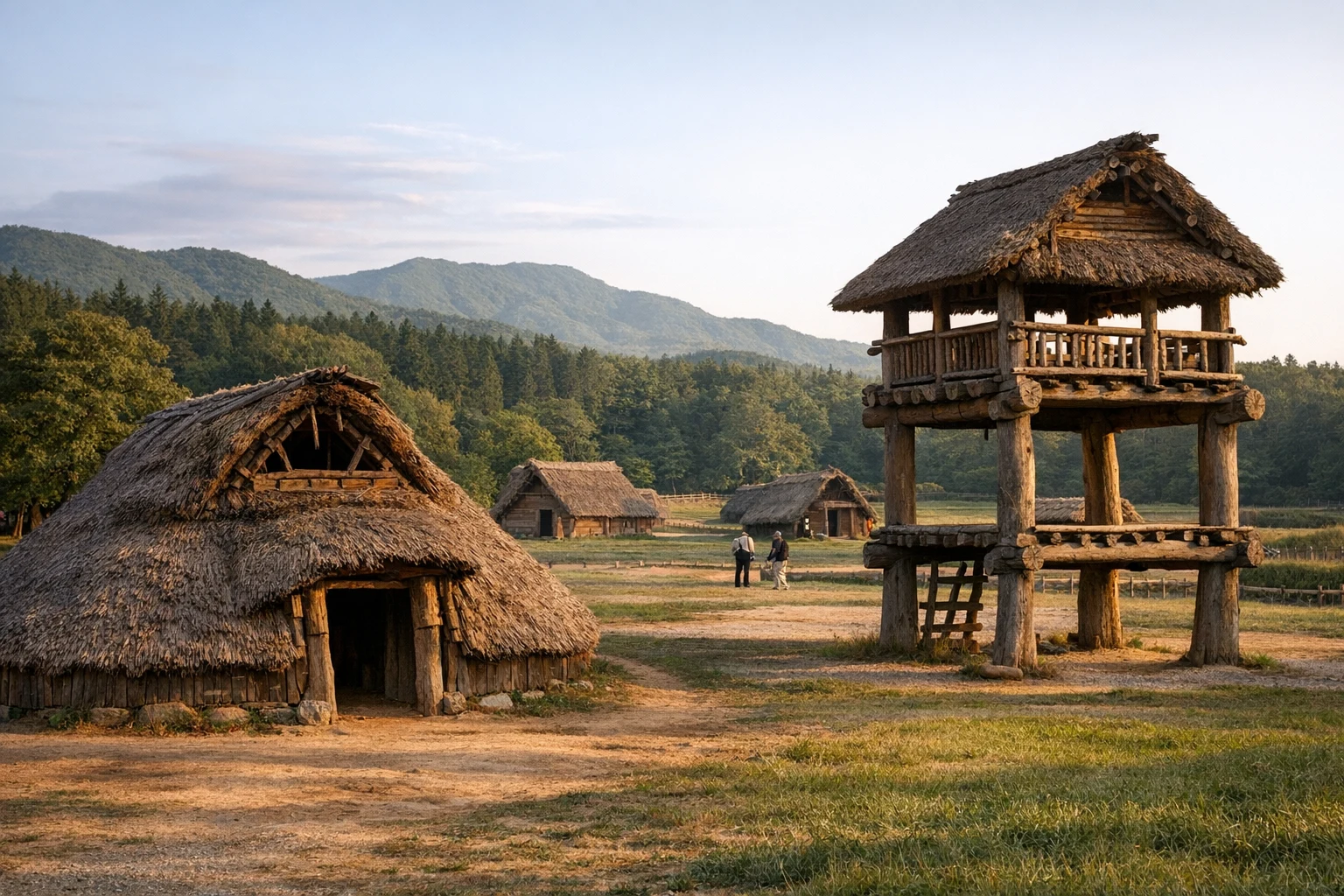
Goshono Jomon Site in Japan is a remarkable archaeological park preserving a mid-Jomon period settle...
Dazaifu Government Office Ruins
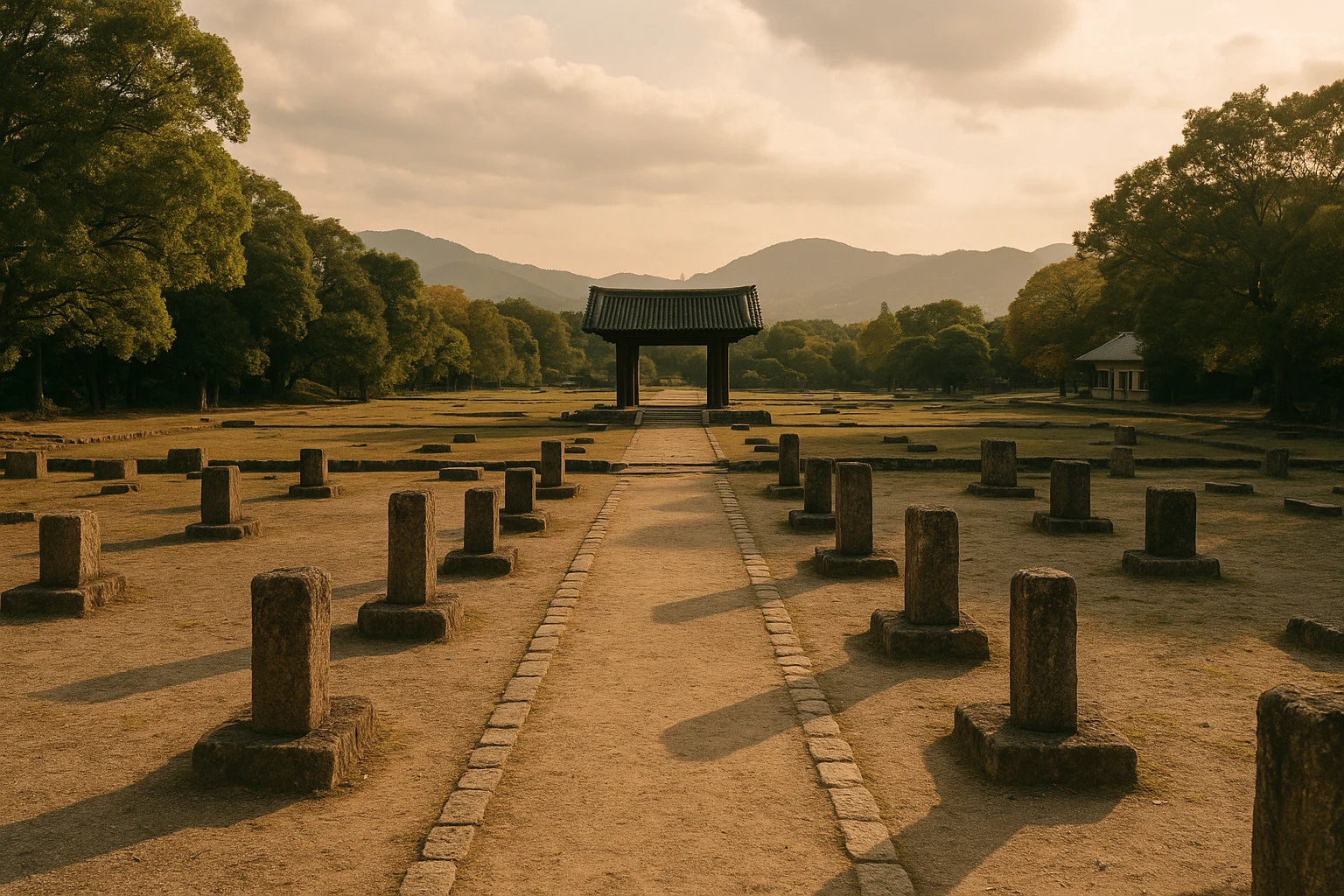
Yamato Japan / Nara–Heian StateAncient administrative heart of Kyushu, the Dazaifu Government Office Ruins preserve Japan's 7th-cen...
Himeji Castle Japan Travel Guide 2026: The White Heron Castle
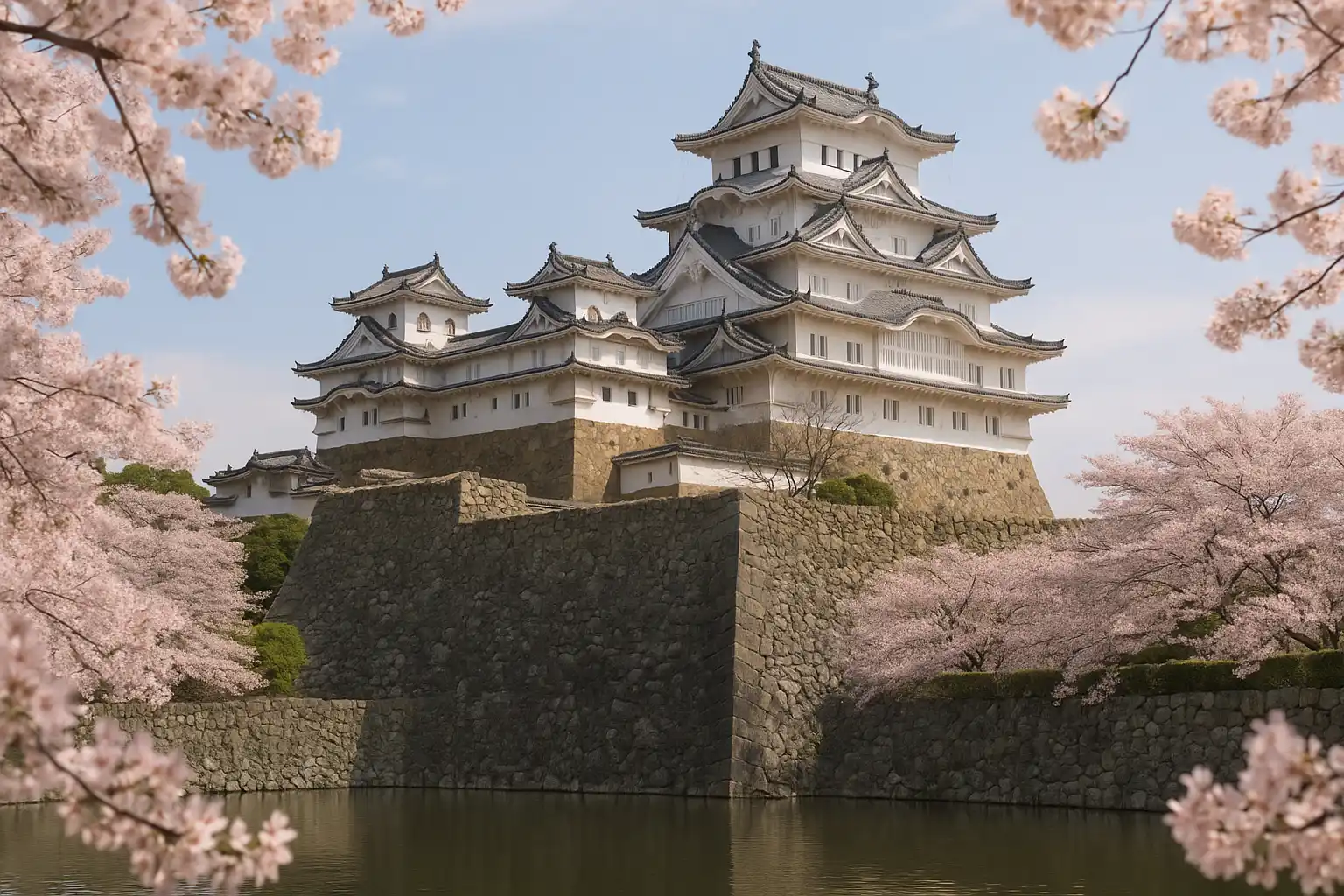
Japanese FeudalVisit Himeji Castle, Japan's most beautiful original castle. Explore the White Heron keep, defensive...