Quick Info
Curated Experiences
Lalibela Rock-Hewn Churches Guided Tour
Private Lalibela Churches and Monastery Tour
Ethiopia Highland Tour to Lalibela
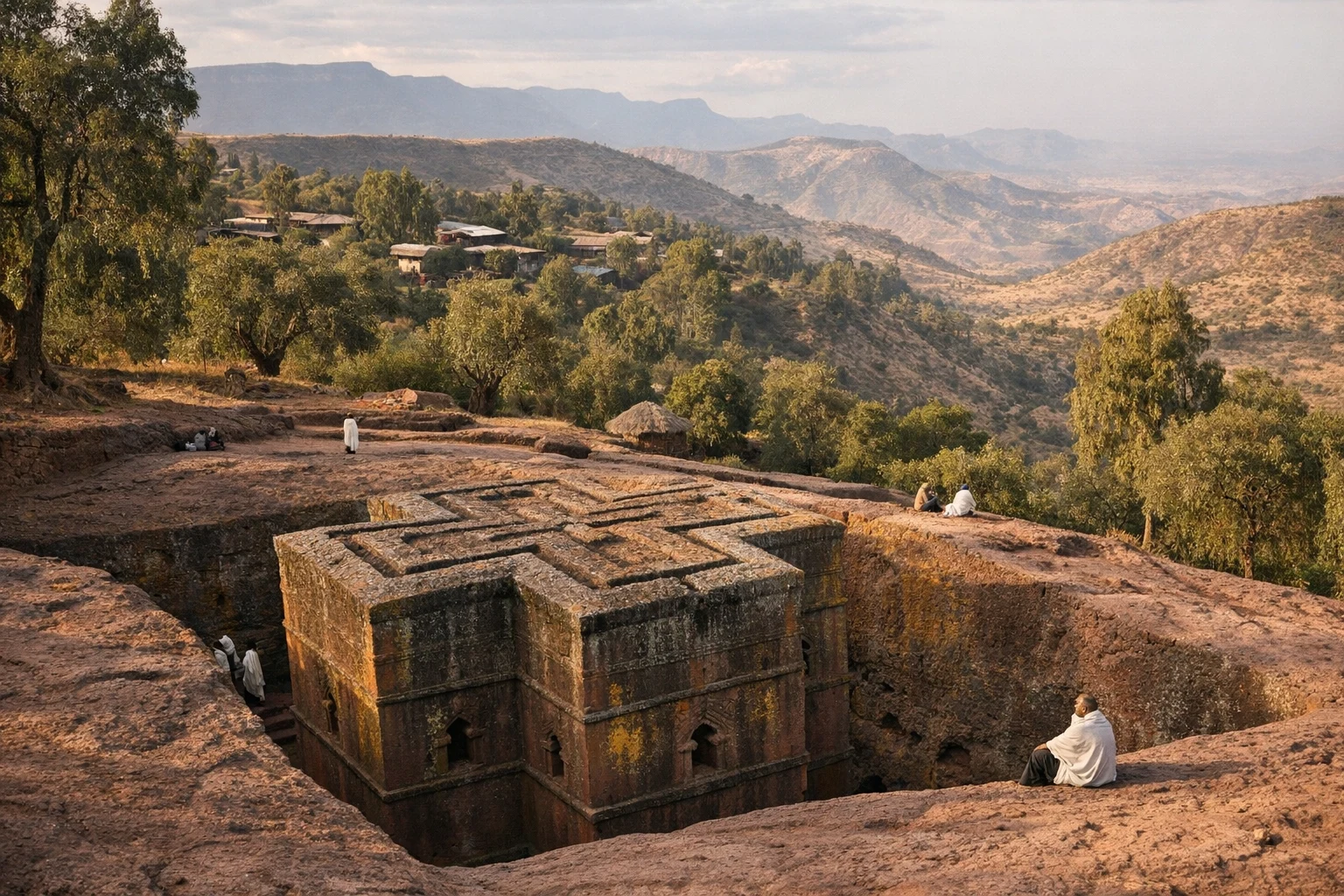
Lalibela in Ethiopia feels unlike almost any other sacred site in the world. High in the Ethiopian highlands, in a town that still functions as a center of devotion rather than a fossilized monument field, the famous rock-hewn churches emerge not by rising above the landscape but by sinking into it. From certain angles, you can walk across bare ground and see almost nothing, then suddenly reach the edge of a trench and find an entire church cut down into the living stone below your feet. It is one of the most disorienting and beautiful experiences in historic travel. The architecture seems hidden and revealed at the same time, protected by the earth yet open to the sky, monumental yet intimate because it remains embedded in prayer, processions, white-robed pilgrims, and the everyday rhythm of worship.
What makes Lalibela so powerful is that it has never become only an archaeological site. The churches are old, unquestionably world-historical, and deservedly famous, but they are also active liturgical spaces whose significance has never entirely migrated into museum language. Priests still guard manuscripts and crosses, worshippers still remove their shoes and move through narrow passages polished by centuries of feet, and festivals still transform the town into a living sacred theater. Travelers often arrive expecting carved churches. They leave remembering atmosphere: candle smoke in dim interiors, sunlight striking rough red stone, chants echoing through trenches, and the peculiar feeling of entering a city of sanctuaries shaped not by addition but subtraction. Lalibela is a masterpiece of medieval engineering, but more than that, it is one of the rare places where architecture, faith, and landscape still feel indivisible.
History
The Zagwe Dynasty and the Vision of a New Jerusalem
Lalibela’s greatest monuments are generally dated to the Zagwe dynasty, especially the reign of King Gebre Mesqel Lalibela, usually placed in the late 12th and early 13th centuries. Ethiopian tradition holds that the king sought to create a sacred city that would serve as a “New Jerusalem,” especially in a period when pilgrimage to the Holy Land had become more difficult due to changing political conditions in the eastern Mediterranean. Whether the entire church complex was built under a single ruler or over a somewhat longer span remains debated, but the traditional association with King Lalibela is central to how the site is understood both historically and devotionally.
This vision of a New Jerusalem was not merely symbolic decoration. The organization of the site, the names of certain features, and the division of church clusters all suggest a consciously sacred landscape. Trenches and channels evoke biblical geography, and the churches were designed not as isolated monuments but as an interlinked topography of devotion. That matters because Lalibela is best understood as a planned ritual environment rather than a random collection of excavated sanctuaries.
Excavation, Engineering, and Medieval Patronage
The technical achievement of Lalibela is staggering. Unlike buildings assembled from quarried blocks, these churches were carved out of volcanic tuff by cutting trenches into the bedrock, isolating solid masses of stone, and then hollowing those masses into freestanding or semi-freestanding structures. This required a sequence of planning, excavation, drainage control, sculpting, and interior finishing that remains impressive even in an age used to engineering spectacle. The method also means that every church retains a direct physical bond with the earth around it. They are not built on the mountain; they are inseparable from it.
Patronage likely involved not only royal initiative but also clerical authority, artisans, labor networks, and a religious culture ready to invest immense energy into monumental Christian landscapes. Lalibela did not emerge from isolation. Medieval Ethiopia maintained religious and commercial ties across the Red Sea world and within the Horn of Africa, and its Christian traditions had deep roots of their own. The churches therefore reflect both local architectural genius and a wider sacred imagination shaped by scripture, pilgrimage, monasticism, and dynastic legitimacy.
Survival, Continuity, and Sacred Use
One of Lalibela’s most remarkable qualities is continuity. Many great ancient and medieval sites survive only as ruins detached from their original function. Lalibela’s churches, by contrast, remained active religious spaces over the centuries, even as political centers shifted elsewhere. The Ethiopian Orthodox Tewahedo Church preserved the sanctity of the complex, and generations of clergy, pilgrims, and local communities sustained its ritual importance. This continuity helped protect the site’s meaning even when physical conservation challenges accumulated.
The churches were not untouched by time. Erosion, water damage, repairs, conflict, and changing local conditions all affected them. Yet the ongoing use of Lalibela also prevented it from becoming merely abandoned stone. Textiles, liturgical objects, manuscripts, chant traditions, and pilgrimage cycles remained linked to the architecture. For visitors today, that continuity explains why Lalibela feels more alive than many monuments of similar age. Its sanctity is not reconstructed for tourism. It is still practiced.
Modern Recognition and Conservation Challenges
In the modern era, Lalibela gained global attention as one of Africa’s most extraordinary historic sites and was inscribed as a UNESCO World Heritage Site in 1978. International recognition increased tourism and conservation support, but it also introduced new tensions. How do you preserve an active sacred site without freezing it into a museum? How do you protect fragile rock-hewn structures from rain, runoff, and wear without overwhelming them with intrusive infrastructure? Temporary shelters, restoration efforts, and debates about conservation methods have all shaped Lalibela’s recent history.
Modern Ethiopia’s political upheavals and regional conflicts have at times affected access and raised understandable concerns for travelers. Even so, Lalibela’s significance remains immense, both nationally and globally. It stands not only as a masterpiece of medieval Christian architecture, but as a living example of African sacred urbanism, engineering, and artistic endurance. Its history is therefore double: the history of how it was carved, and the history of how it has remained spiritually inhabited ever since.
Key Features
The most iconic single monument in Lalibela is Bete Giyorgis, the Church of Saint George, and it deserves every bit of its fame. Carved in the form of a near-perfect cross and sunk deep into its surrounding trench, it is the image most travelers carry away from the town. Seen from above, the geometry is almost abstractly pure; seen from the trench level, the church feels heavier, more tactile, and more miraculous. Its walls rise from the living rock with no visible foundation because the rock itself is the foundation. The descent into its courtyard is part of the emotional effect. You do not approach it as you approach an ordinary building. You go down into the earth to meet it.
But Lalibela is not one church. It is a complex of eleven major churches divided into clusters, and the experience depends on moving through the whole sacred network. The northwestern group includes imposing sanctuaries such as Bete Medhane Alem, often considered one of the largest monolithic churches in the world, along with Bete Maryam, Bete Meskel, and others linked through trenches and passages. These spaces vary dramatically in scale and mood. Some feel open and columned, others intimate and cave-like. The variation keeps the site from becoming visually repetitive. Instead, the churches feel like chapters in a single sacred narrative, each with a different emphasis.
The southeastern group adds another dimension. Churches such as Bete Amanuel, Bete Merkorios, and Bete Abba Libanos often strike visitors as especially intriguing because of their carved facades, symbolic associations, and more hidden, inward atmosphere. Moving between these monuments means navigating narrow rock corridors, ramps, and tunnels that heighten the sense that Lalibela is not simply a cluster of buildings but a carved devotional landscape. The pathways matter as much as the sanctuaries. Darkness, compression, and sudden openings shape the experience just as strongly as architecture does.
Interior spaces are another essential feature. Lalibela’s exteriors are dramatic, but the dim interiors often leave the deeper impression. Light enters selectively. Rough-hewn walls sit beside carved columns and altars. Priests may be present, wrapped in white or dark robes, holding crosses or guarding holy spaces. In some churches, painted decoration and textiles soften the stone. In others, the architecture itself carries the spiritual force. The relative darkness is important. These are not monuments made for constant broad daylight viewing. They are ritual interiors shaped by shadow, chant, touch, and liturgical movement.
Then there is the town itself. Lalibela cannot be fully separated from its surrounding settlement, pilgrimage rhythms, and religious life. Early morning bells, white shawls, processions, and feast-day gatherings all reinforce that this is still sacred ground. During major festivals such as Genna, the atmosphere becomes unforgettable, with thousands of pilgrims filling the church courtyards and passages. Even outside festival periods, the surrounding highland landscape adds power: brown-red rock, blue sky, cool mornings, and a sense of elevation that makes the sacred city feel at once remote and central.
Getting There
Lalibela is located in Ethiopia’s Amhara Region, and the most practical way for most travelers to reach it is by air from Addis Ababa. Flights are by far the fastest and most common route, and they save considerable time compared with overland travel through the highlands. Airfares vary widely depending on season, booking window, and whether you are using domestic Ethiopian Airlines connections, but they are generally the default option for international visitors. From Lalibela Airport, the drive into town typically takes around 30 minutes, and hotels often arrange pickups. Expect airport transfer prices to vary, though many guesthouses can bundle this into a stay or arrange a taxi at a reasonable local rate.
Overland travel is possible but much slower, involving long drives on mountain roads from cities such as Addis Ababa or Gondar and often requiring intermediate stops. For travelers already exploring northern Ethiopia by car with a guide, this can be rewarding, but it is rarely the easiest choice if Lalibela is your main goal. Organized Ethiopia heritage tours often combine Lalibela with Aksum, Gondar, Bahir Dar, or the Simien Mountains, and those packages can simplify logistics significantly.
Once in town, getting around is easy. Many hotels are within walking distance of the church clusters, though the terrain is hilly. Local guides are readily available, and hiring one is often worth the cost because orientation, historical context, and church etiquette all become much clearer. Budget extra for church entry fees, guide services, and possibly shoe storage or festival-day crowd logistics.
When to Visit
The best time to visit Lalibela is generally during the dry season, especially from October through February. During these months, skies are usually clearer, temperatures are comfortable, and walking between the churches is easier than during wetter periods. The high elevation keeps Lalibela cooler than some travelers expect, especially in mornings and evenings, so the climate is often quite pleasant for long visits.
Festival timing matters a lot. If you visit around Ethiopian Christmas, known as Genna and celebrated in early January, Lalibela becomes one of the most extraordinary pilgrimage experiences in Africa. Thousands of worshippers dressed in white gather for all-night services, chanting, prayer, and celebration. For some travelers, this is the ultimate time to come. For others, it may be too crowded and logistically demanding. Timkat can also bring intense devotional atmosphere. Festival visits offer unmatched spiritual energy but require flexibility, patience, and advance planning for accommodation.
If you prefer quieter exploration, November, early December, and February are often ideal. The churches are easier to move through, guides have more time, and the cool dry air makes longer walks enjoyable. The rainy season can make paths muddier and the rock surfaces more slippery, though the landscape may look greener. Whatever month you choose, mornings and late afternoons are especially rewarding, when light angles are softer and the carved stone feels most atmospheric.
| Quick Facts | Details |
|---|---|
| Location | Lalibela, Amhara Region, Ethiopia |
| Best Known For | Eleven medieval rock-hewn churches still used for worship |
| Cultural Tradition | Ethiopian Orthodox Tewahedo Christianity |
| Main Building Period | Zagwe dynasty, mainly 12th-13th century CE |
| UNESCO Status | World Heritage Site |
| Signature Monument | Bete Giyorgis |
| Recommended Visit Length | 2 full days minimum |
| Best Season | October to February |
| Pilgrimage Highlight | Genna in early January |
| Practical Tip | Hire a knowledgeable local guide and wear easy slip-on footwear for repeated church entry |
Frequently Asked Questions
What is Lalibela best known for?
Lalibela is best known for its extraordinary rock-hewn churches, carved directly into volcanic stone and still used as active places of worship by Ethiopian Orthodox Christians.
How many churches are in Lalibela?
Lalibela is usually associated with eleven principal medieval rock-hewn churches, grouped into major clusters linked by trenches, passages, and courtyards.
Is Lalibela still a pilgrimage site?
Yes. Lalibela remains one of the most important pilgrimage destinations in Ethiopia, especially during major Orthodox Christian festivals such as Genna and Timkat.
How much time should you spend in Lalibela?
Most visitors should allow at least two full days to explore the main church clusters properly, with extra time if they want to visit outlying monasteries or attend religious ceremonies.
Do you need a guide in Lalibela?
A guide is not strictly required, but it is highly recommended because the churches are easier to navigate and much more meaningful when their history, symbolism, and living rituals are explained.
When is the best time to visit Lalibela?
The dry season from October to February is generally the best time to visit, with cooler weather and clearer conditions for walking between the churches.
Nearby Ancient Sites
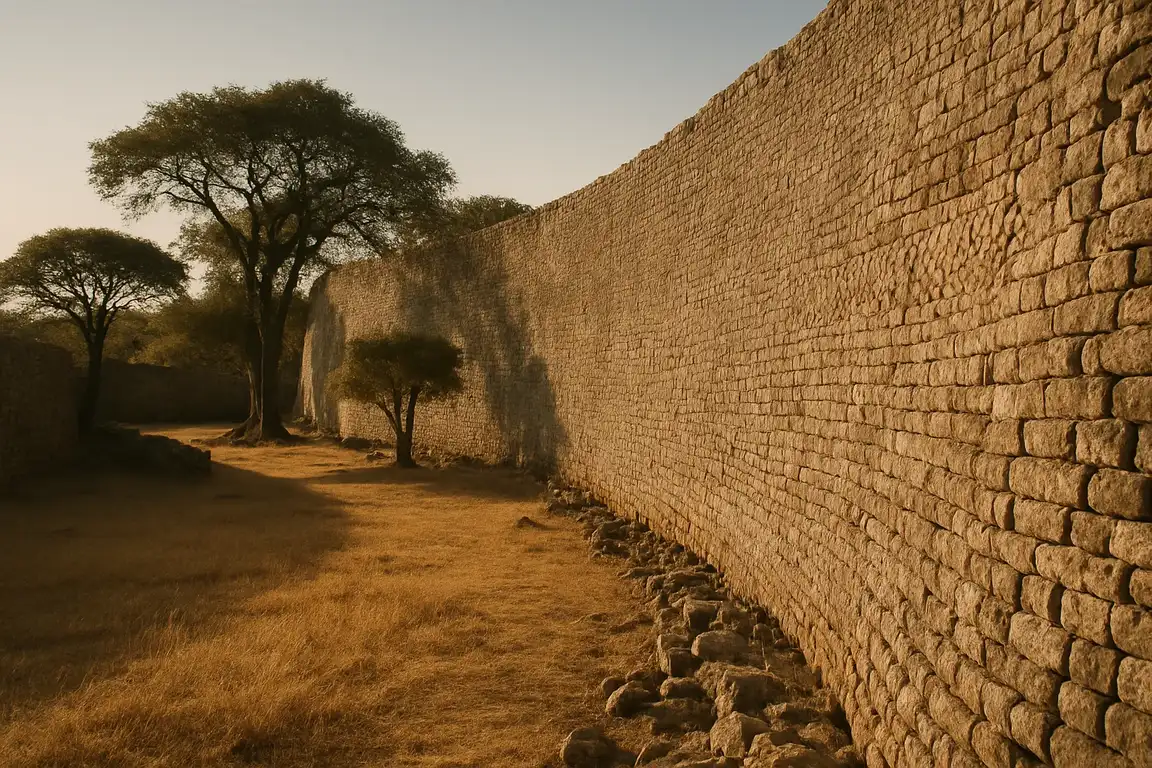
Great Zimbabwe: Africa's Greatest Ancient Stone City
Shona Kingdom / Great Zimbabwe CultureExplore Great Zimbabwe, the magnificent 11th-century stone ruins that gave a nation its name. Comple...
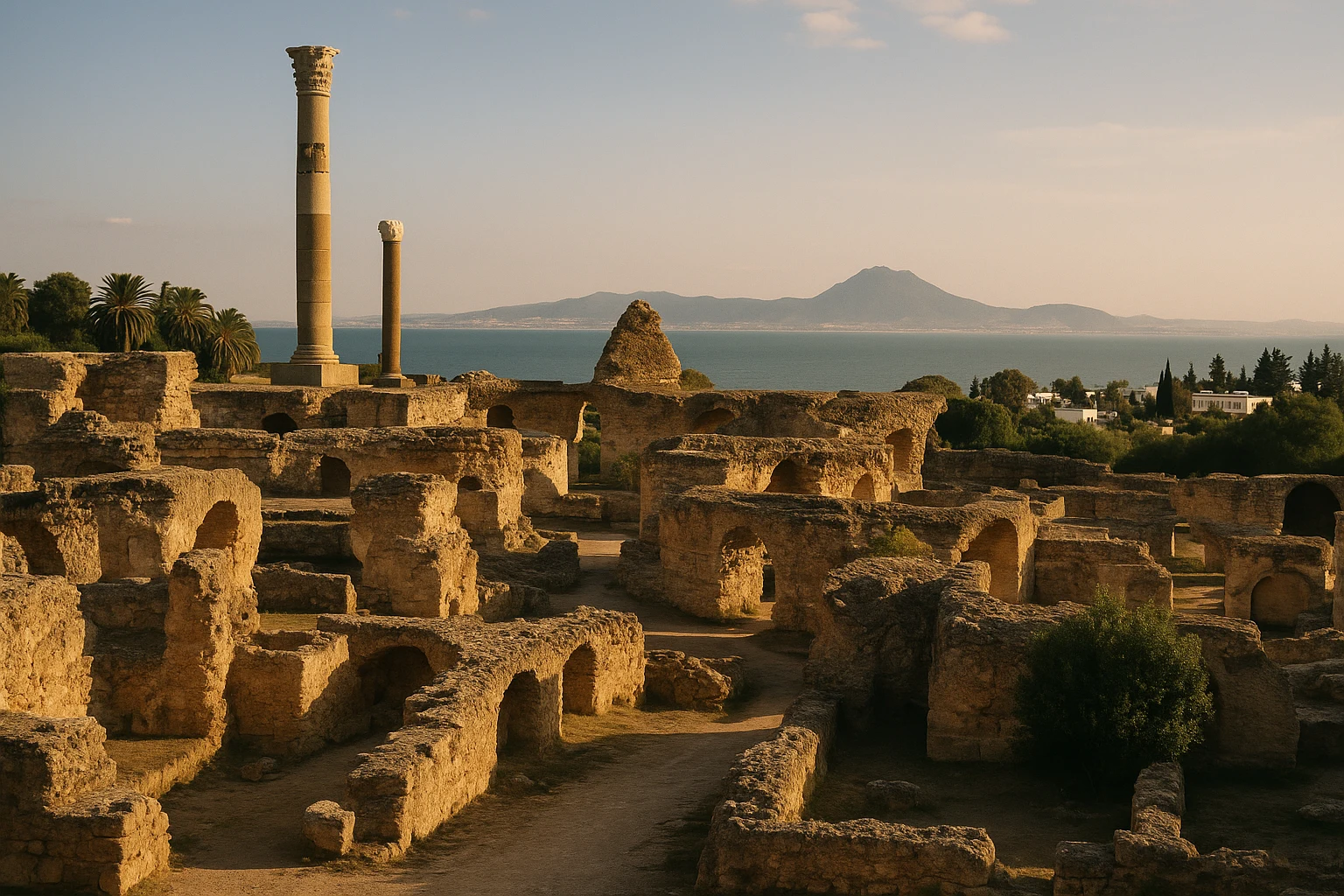
Carthage
Phoenician / Carthaginian / RomanCarthage in Tunisia preserves the ruins of a once-mighty Phoenician empire and Roman provincial capi...
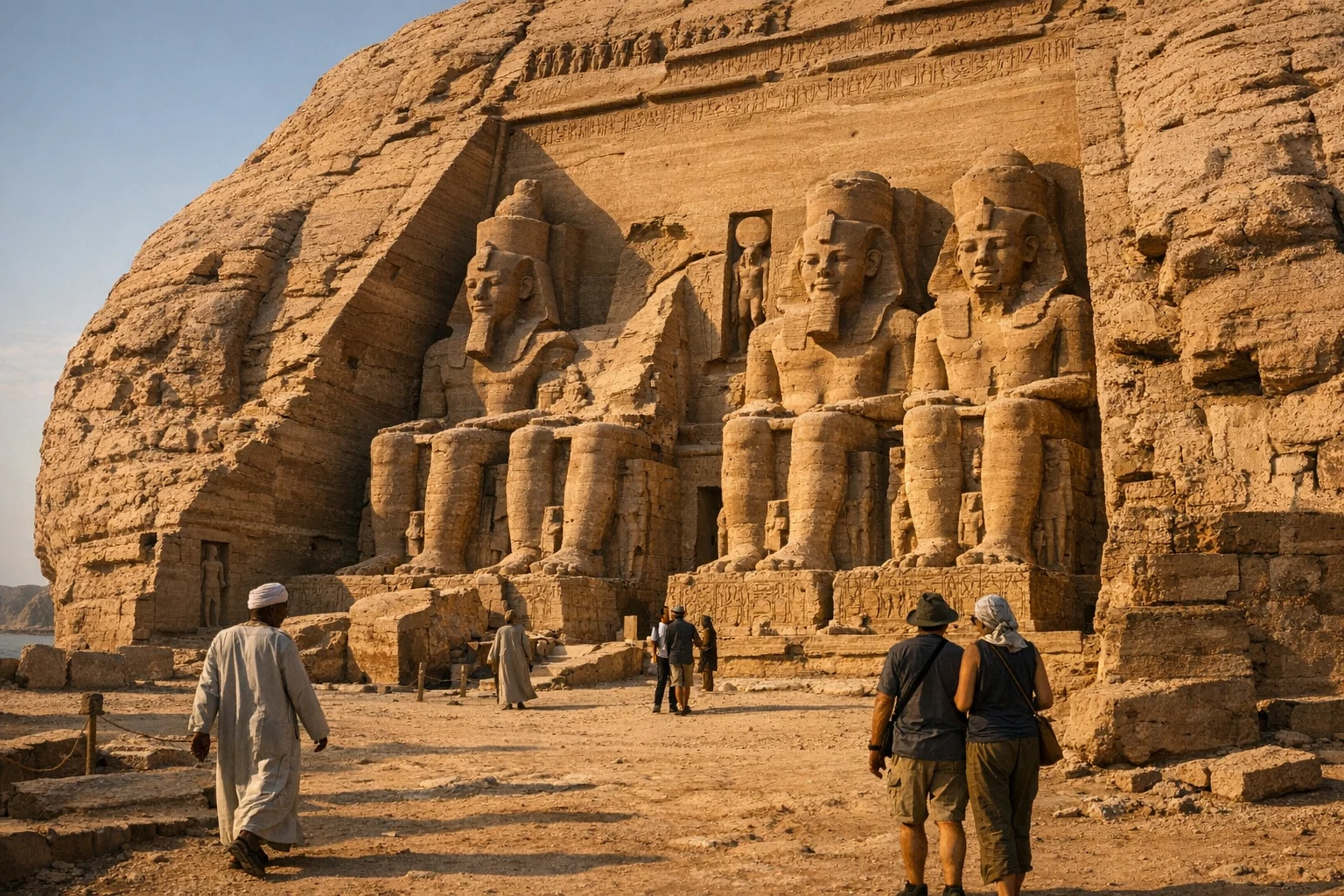
Abu Simbel
Ancient EgyptianDiscover Abu Simbel in Egypt, where colossal rock-cut temples of Ramses II rise above Lake Nasser ne...
Abydos Temple Egypt Guide 2026: Temple of Seti I & King List
New Kingdom-PtolemaicAbydos Temple near Luxor: magnificent Temple of Seti I with war reliefs, ancient king list, and vibr...