Quick Info
Curated Experiences
Liangzhu Ancient City and Museum Day Tour from Hangzhou
Hangzhou Cultural Heritage Private Tour Including Liangzhu
Liangzhu Museum and West Lake Combo Tour
Five thousand years before tourists photographed the West Lake lotus blossoms a few kilometres to the south, the people of Liangzhu Ancient City were already building something remarkable in the wetlands of what is now Zhejiang Province, China. They raised city walls from compacted earth, carved jade into ceremonial objects of astonishing refinement, and engineered a water management network so sophisticated that hydrologists still marvel at it today. Liangzhu Ancient City — a UNESCO World Heritage Site since 2019 — is not merely an archaeological curiosity; it is evidence that organised, stratified, and architecturally ambitious urban life took root in the Yangtze River Delta long before the narratives of Chinese history traditionally begin. Standing amid its excavated platforms and reconstructed waterways, visitors confront one of the most important prehistoric sites in the world, yet one that remains startlingly little-known outside academic circles. That relative obscurity makes a visit feel like a genuine discovery. You are unlikely to share the ruins park with tour-bus crowds, and the adjacent Liangzhu Museum — a restrained, light-filled building designed by British architect David Chipperfield — offers an uncommonly honest and thoughtful encounter with a vanished world. Together, site and museum form one of China’s most intellectually rewarding heritage experiences.
History
Origins of the Liangzhu Culture
The Liangzhu Culture emerged in the Taihu Lake basin and lower Yangtze Delta around 3300 BCE, succeeding an earlier Neolithic tradition known as the Majiabang–Songze sequence. At its height, between roughly 3000 and 2500 BCE, the Liangzhu sphere extended across modern Zhejiang, Jiangsu, and Shanghai — an area of more than 36,000 square kilometres. The culture is named after the town of Liangzhu in present-day Yuhang District, where systematic excavations began in 1936 under archaeologist Shi Xingeng, who identified the distinctive black burnished pottery and polished jade that would become the culture’s hallmarks.
The Urban Core and Its Construction
Liangzhu Ancient City itself — the political and ritual centre of the wider culture — was built around 3000 BCE. The city covered approximately 6.3 square kilometres within its main walls, with an outer urban area extending to around 8 square kilometres. The rammed-earth walls stood 4 metres high and 20–150 metres wide at the base, requiring an estimated 12 million cubic metres of fill material. Such construction implies a centralised authority capable of mobilising massive labour over sustained periods — a degree of social organisation previously assumed to begin in China only with the Bronze Age dynasties.
Jade and Social Hierarchy
The most visible expression of Liangzhu social complexity is its jade. The culture produced cong (hollow rectangular prisms), bi (flat discs), and yue (ceremonial axes) in quantities and at a quality unmatched anywhere in the prehistoric world. Jade — sourced from quarries more than 100 kilometres away — was not used decoratively but ritually, almost certainly in ceremonies that connected elites with cosmological powers. Elite burials at Fanshan and Yaoshan, excavated in the 1980s, contained more than 100 jade objects each, while ordinary graves contained none. This stark inequality confirms a ranked society with a priestly or aristocratic class controlling both ritual knowledge and material wealth.
The Hydraulic System
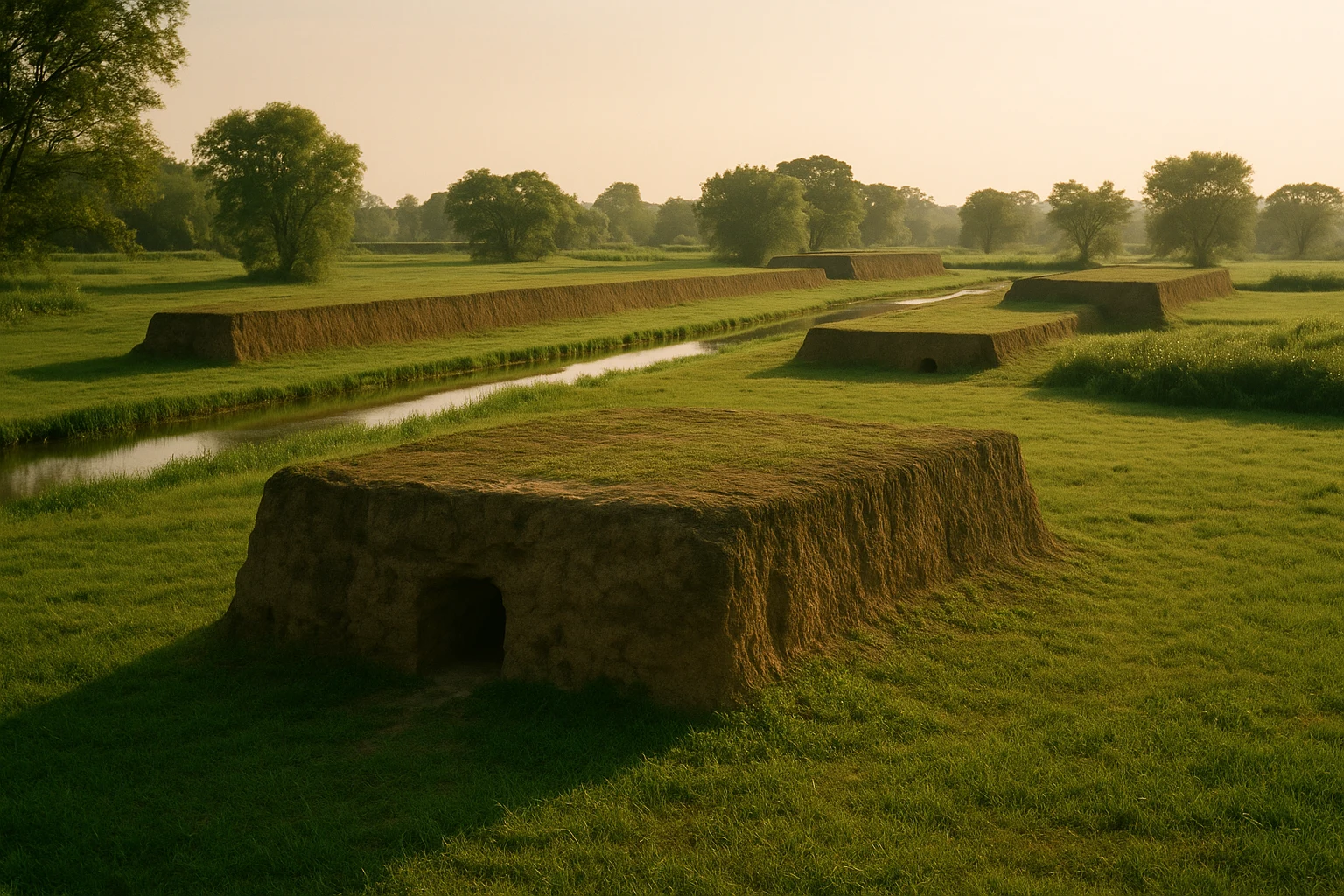
Perhaps the most extraordinary achievement of Liangzhu was its water management infrastructure. Completed around 3000 BCE, the system comprised 11 large dams and dozens of smaller earthworks, together impounding a reservoir of approximately 13 square kilometres. The high dams — earthen structures up to 35 metres wide — blocked mountain streams to the north and west, while low dams and canals controlled water flow into the city. This network protected the urban core from flooding, supplied water for agriculture, and facilitated boat transport. It predates China’s legendary Yellow River water-control projects by more than a thousand years. UNESCO explicitly cited the hydraulic system as one of the main reasons for the site’s Outstanding Universal Value.
Decline and Rediscovery
Around 2300 BCE, the Liangzhu Culture disappeared with relative suddenness. The cause remains debated: climate data and geological evidence suggest a catastrophic flood event driven by prolonged monsoon intensification may have overwhelmed even the sophisticated dam system. Subsequent cultures in the region show little material continuity with Liangzhu. The jade traditions, however, did not vanish entirely — cong and bi forms reappear in the Shang and Zhou bronzework of the second and first millennia BCE, suggesting that at least the ritual vocabulary of Liangzhu survived long after its cities fell. Full archaeological attention to the site only resumed in the late twentieth century, culminating in the construction of the Liangzhu Museum in 2018 and the UNESCO inscription in July 2019.
Key Features
The Ruins Park and City Walls
The Liangzhu Archaeological Ruins Park, which opened to the public in 2019 following the UNESCO inscription, encompasses the excavated remains of the ancient city across a sweeping landscape of wetland, forest, and reconstructed water channels. The most visible above-ground feature is the restored section of the city wall near the park’s main entrance, where visitors can walk along an elevated boardwalk and see the stratigraphy of the rammed-earth construction up close. Interpretive panels explain the building techniques in accessible terms, and the surrounding moat — partially reconstructed — gives a visceral sense of the city’s original scale.
The inner city contained a raised central platform known as Mojiaoshan, measuring 670 metres east to west and 450 metres north to south, with a height of about 10 metres above the surrounding plain. This artificial hill served as the palace and ritual quarter, and excavations have revealed the foundations of large timber-framed buildings — precursors of a structural tradition that would persist in Chinese architecture for millennia. Though the wooden superstructures are long gone, the earthen terraces communicate the ambition of the original construction with striking clarity.
Liangzhu Museum
Opened in 2018, the Liangzhu Museum is housed in a building of deliberate understatement: dark local stone, controlled natural light, and long horizontal lines that echo the flat wetland landscape outside. The architecture resists spectacle in a way that quietly focuses attention on the objects themselves. The permanent collection spans five galleries and holds more than 1,000 artefacts selected from the approximately 20,000 excavated at the site since 1936.
The jade galleries are the centrepiece. A full-size cong — a hollow jade prism engraved with the recurring mask-and-feather motif that Liangzhu artisans used across all ritual objects — commands a central case with the quiet authority of a work that has survived five millennia. Nearby, a reconstructed elite burial from Fanshan displays the precise spatial arrangement of dozens of jade pieces around a skeleton, allowing visitors to read the symbolic logic of the Liangzhu afterlife. The pottery and stone-tool galleries contextualise daily life alongside ritual splendour, resisting any tendency to reduce Liangzhu civilisation to its most glamorous products alone.
The Zhongjia Port and Hydraulic Works
Within the ruins park, a dedicated walking route leads visitors to the Zhongjia Port area, where the inner dam system that fed water into the city is partially visible. Interpretive models show how sluice gates and channel gradients were managed to balance flood control with irrigation supply — engineering principles that required sustained empirical knowledge to develop. A scale reconstruction of the full dam network is also on display in the museum, rendered in sufficient detail to communicate the ambition of a project that, by some estimates, required the labour of 30,000 workers.
The Fanshan and Yaoshan Ceremonial Cemeteries
Two elite cemetery sites — Fanshan and Yaoshan — lie within the broader archaeological zone and are accessible on extended park tours. These mound cemeteries, dated to approximately 3000 BCE, yielded the richest jade assemblages known from the prehistoric world. The mounds themselves are modest rises in a flat agricultural landscape, but the excavation shelters built over them allow visitors to peer down at cast replica burials laid out exactly as the originals were found. The combination of intimate scale and extraordinary material richness is quietly affecting.
Getting There
Liangzhu Ancient City sits in Yuhang District, approximately 20 kilometres north-west of central Hangzhou. The most comfortable public-transit option is Hangzhou Metro Line 2, which runs to Liangzhu Station in roughly 45 minutes from the Wulin Square interchange; fares are ¥6–8 depending on your starting point. From Liangzhu Station, taxis and DiDi rides to the ruins park entrance take about 10 minutes and cost ¥15–20. Bus Route 310 also connects Liangzhu Station to the site.
From central Hangzhou, a taxi or DiDi directly to the park costs ¥60–90 and takes 40–55 minutes depending on traffic; the return journey is similarly priced. Ride-hailing apps are the easiest option for independent travellers who prefer door-to-door convenience.
Visitors arriving from Shanghai can take a high-speed train (G-series) to Hangzhou East Station (travel time 45–60 minutes, ¥73–¥140), then transfer to the metro. From Hangzhou East, the metro ride to Liangzhu Station is approximately 55 minutes. Day trips from Shanghai are feasible with an early start.
The ruins park and museum are open Tuesday through Sunday, 9:00 to 17:00 (last entry 16:30), and are closed on Mondays. Admission to the ruins park is ¥30; the museum charges a separate ¥50 fee. A combined ticket covering both venues is available for ¥65 and represents the best value for most visitors.
When to Visit
Spring — specifically April and early May — is the optimal window for visiting Liangzhu Ancient City. Temperatures in Yuhang District hover between 15°C and 22°C, humidity is relatively low by Yangtze Delta standards, and the surrounding wetland landscape cycles through a sequence of flowering water plants that sets the ruins in a photogenic context. Weekdays in spring are particularly quiet; even at weekends the site rarely feels crowded compared to Hangzhou’s more famous West Lake attractions.
Autumn, from mid-September through November, offers similar advantages. Skies are often clearer than in spring, golden-grass tones replace the lush green of the warmer months, and the lower angle of afternoon light models the earthwork terraces in ways that reward landscape photography. October is the busiest month due to China’s Golden Week national holiday (1–7 October), during which all major heritage sites see sharply elevated visitor numbers; the week immediately following is noticeably quieter.
Summer — June through August — is genuinely challenging. Hangzhou is one of China’s “four furnaces,” with temperatures regularly exceeding 35°C and humidity above 85 percent. Afternoon thunderstorms are common, and outdoor sections of the ruins park can be exhausting without shade. If summer is your only option, arrive at opening time (9:00) to complete the park walk before the heat peaks, then retreat to the air-conditioned museum.
Winter visits (December–February) are perfectly viable for the museum, which is entirely enclosed, but outdoor areas feel sparse and the site’s flat wetland setting can be grey and muddy after rain. Average winter temperatures range from 4°C to 10°C — cold by subtropical standards, though rarely freezing.
| Quick Facts | |
|---|---|
| Location | Yuhang District, Hangzhou, Zhejiang Province, China |
| Coordinates | 30.389°N, 119.975°E |
| Civilization | Liangzhu Culture (Neolithic) |
| Period Active | c. 3300–2300 BCE |
| UNESCO Status | World Heritage Site (inscribed 2019) |
| Site Area | ~6.3 km² (inner city); ~100 km² (archaeological zone) |
| Key Features | Rammed-earth city walls, jade ritual objects, hydraulic dam system |
| Museum | Liangzhu Museum (David Chipperfield Architects, 2018) |
| Admission | ¥30 ruins park / ¥50 museum / ¥65 combined |
| Opening Hours | Tue–Sun 09:00–17:00 (last entry 16:30); closed Monday |
| Nearest City | Hangzhou (~20 km south-east) |
| Best Access | Hangzhou Metro Line 2 to Liangzhu Station, then taxi/DiDi |
| Best Season | April–May or September–November |
| Language | Mandarin Chinese; good English signage in museum |
Frequently Asked Questions
What is Liangzhu Ancient City?
Liangzhu Ancient City is a Neolithic archaeological complex in Yuhang District, Hangzhou, Zhejiang Province, China. Dating to approximately 3300–2300 BCE, it was the center of the Liangzhu Culture — one of the most sophisticated prehistoric societies in East Asia. The site was inscribed as a UNESCO World Heritage Site in 2019.
Why is Liangzhu significant to Chinese civilization?
Liangzhu is considered a formative root of Chinese civilization. Its people developed complex social hierarchies, long-distance trade networks, and a distinctive jade ritual culture nearly 1,000 years before the Shang dynasty. The site also features an elaborate hydraulic system — dams, levees, and canals — that represents the earliest known large-scale water management in China.
What can visitors see at Liangzhu today?
Visitors can explore the Liangzhu Archaeological Ruins Park, which includes excavated city walls, palace foundations, and the Zhongjia Port water management system. The adjacent Liangzhu Museum, opened in 2018 and designed by architect David Chipperfield, houses thousands of jade objects, pottery, and artifacts that reveal the sophistication of Liangzhu society.
How do I get to Liangzhu Ancient City from Hangzhou?
From central Hangzhou, take Metro Line 2 to Liangzhu Station (about 45 minutes, ¥6–8), then a short taxi or bus ride of roughly 10 minutes to the park entrance. Alternatively, taxis and ride-hailing apps (DiDi) take 40–50 minutes from the city centre depending on traffic. Direct buses also run from Hangzhou North Bus Station.
What is the best time of year to visit Liangzhu?
Spring (March–May) and autumn (September–November) offer the most comfortable conditions, with mild temperatures and lower humidity. Summer is hot and humid, with the added risk of heavy rain. Winter visits are quiet and less crowded, though some outdoor areas can feel bleak. The museum is pleasant year-round regardless of weather.
How long should I plan for a visit to Liangzhu?
A full visit combining the ruins park and the Liangzhu Museum takes approximately 3–4 hours. Visitors with a strong interest in archaeology or East Asian prehistory may want a full day, especially if exploring the outer dam and waterway features on guided walking routes.
Is Liangzhu Ancient City suitable for children?
Yes. The Liangzhu Museum is interactive and well-designed for younger visitors, with detailed displays and replica artifacts. The archaeological park itself is spacious and green, making it pleasant for families. English signage throughout both venues is good by Chinese heritage site standards.
Nearby Ancient Sites
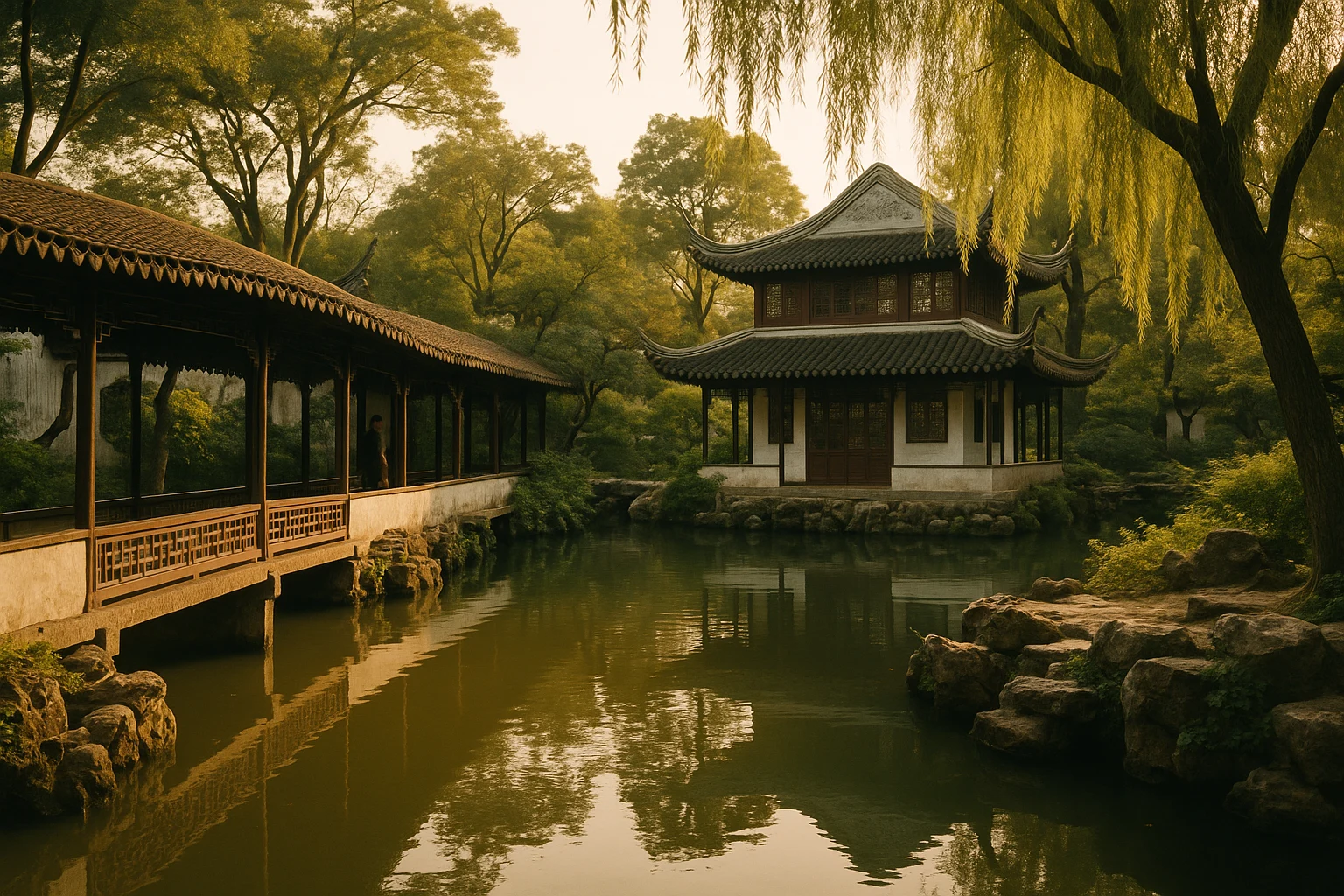
Humble Administrator's Garden
Chinese ImperialSuzhou's largest classical garden, a UNESCO World Heritage masterpiece of water, stone, and pavilion...
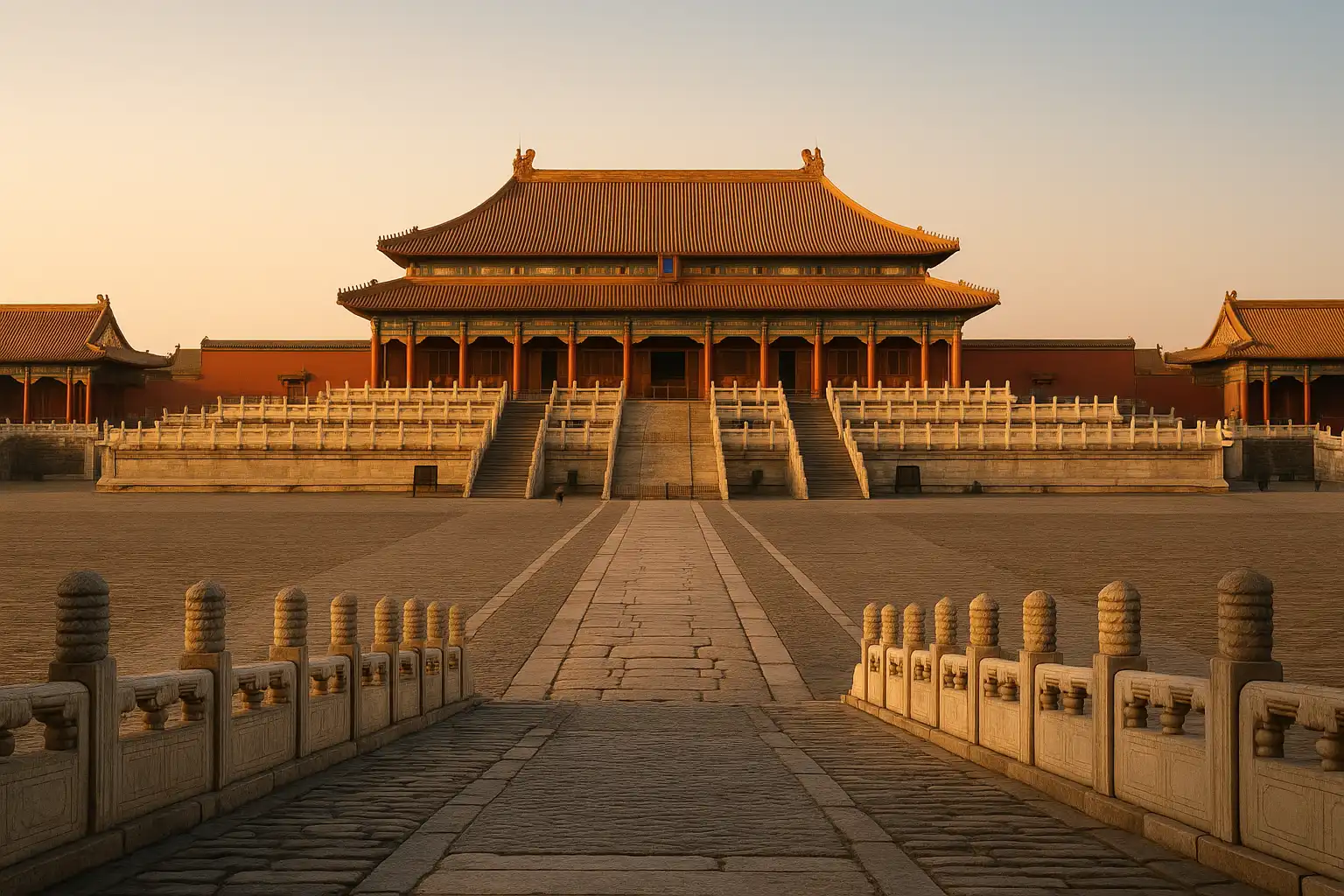
Forbidden City China Travel Guide 2026: Imperial Palace of Beijing
Chinese ImperialExplore the Forbidden City, China's imperial palace for 500 years. Discover the Hall of Supreme Harm...
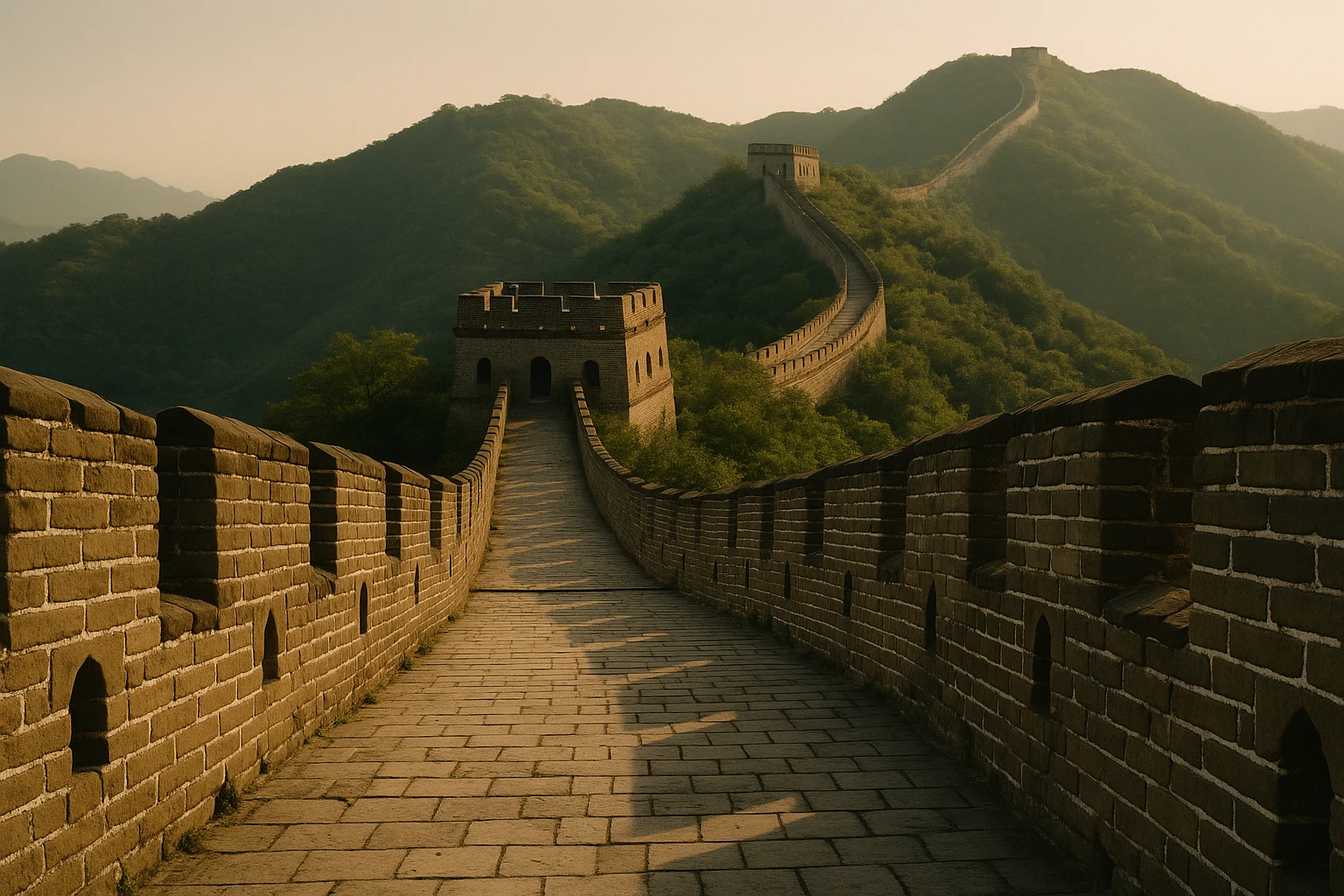
Great Wall of China (Mutianyu)
Explore Mutianyu — the Great Wall's most dramatic restored section, with 22 Ming-era watchtowers, mo...
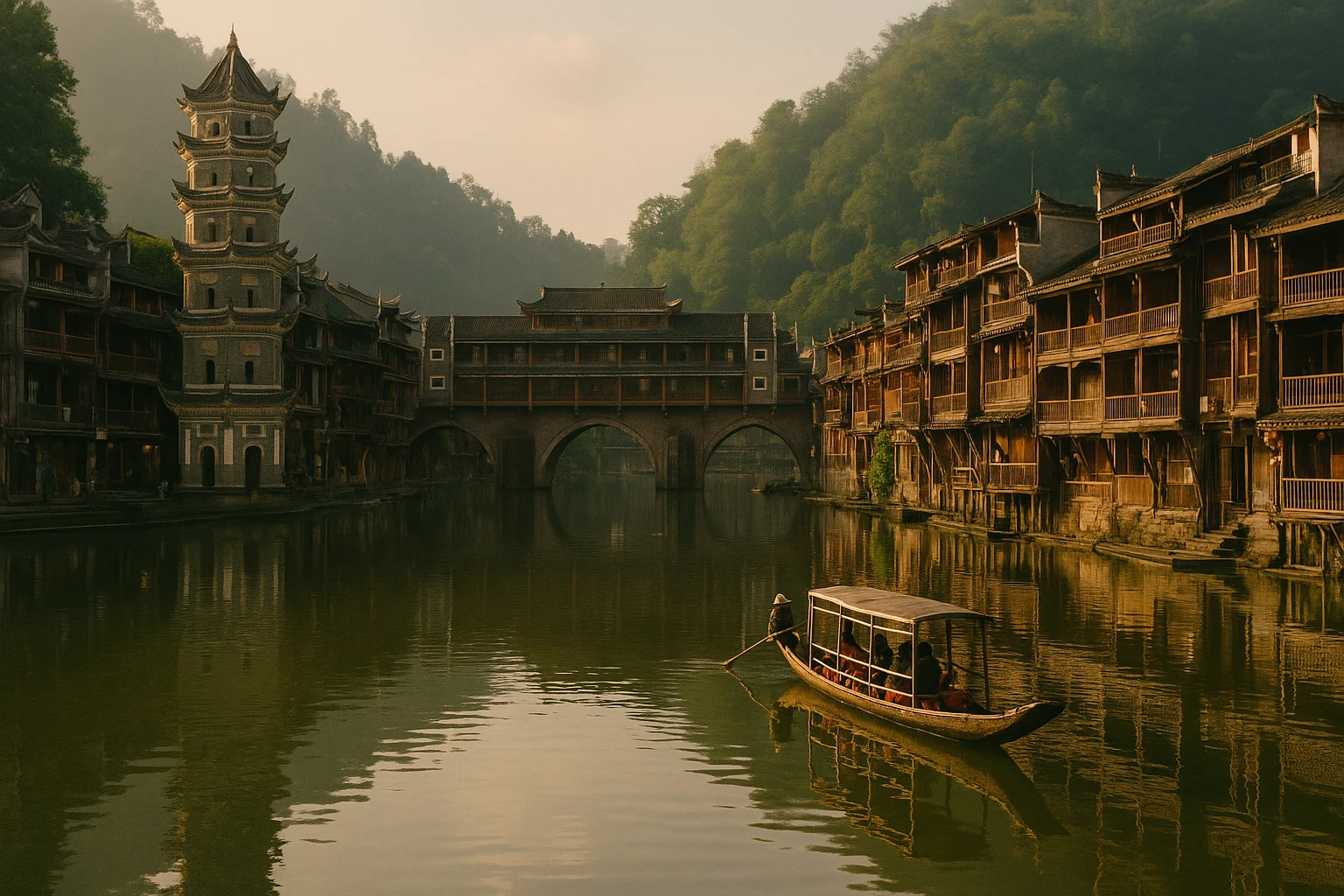
Fenghuang Ancient Town
Ming and Qing Dynasty ChinaFenghuang Ancient Town preserves Ming and Qing dynasty architecture along the Tuojiang River in west...
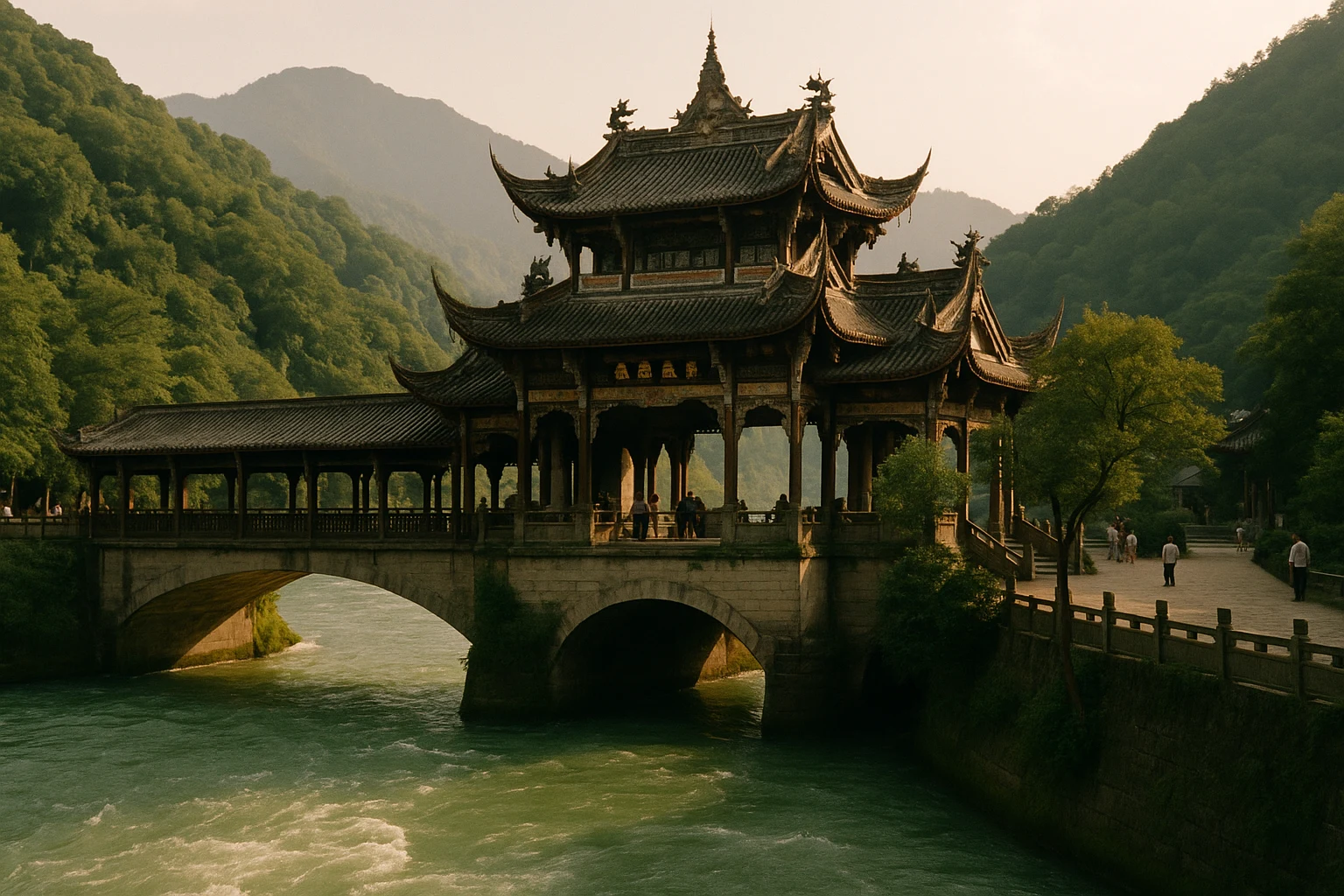
Dujiangyan Irrigation System
Explore Dujiangyan, the world's oldest functioning irrigation system, built in 256 BCE by engineer L...