Quick Info
Curated Experiences
Machu Picchu Private Tour
Machu Picchu Mystical Tour Cusco - Peru
Machu Picchu and Huayna Picchu Full Day Private Tour
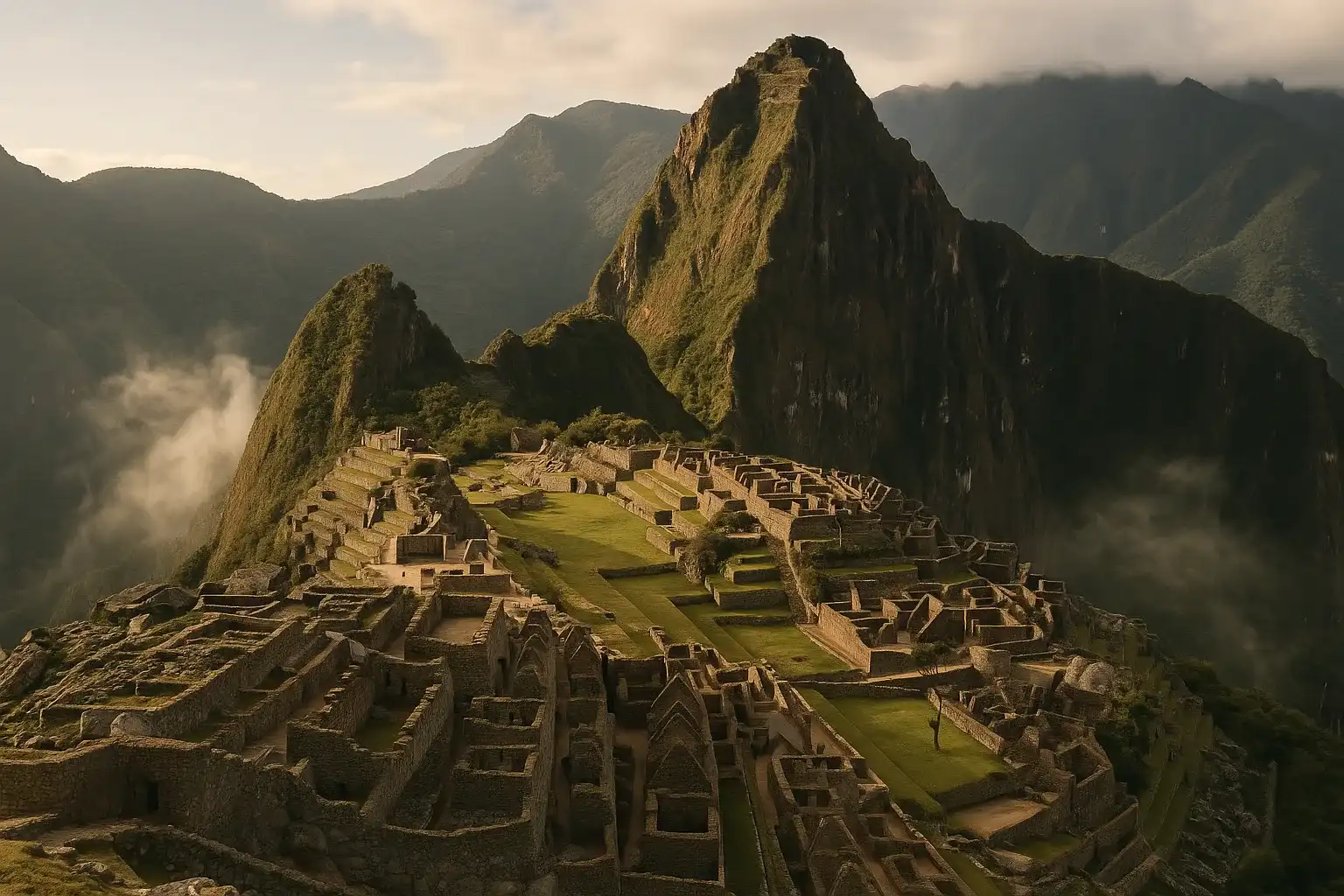
Rising from the mist-shrouded peaks of the Peruvian Andes, Machu Picchu has captivated travelers since its rediscovery in 1911. This 15th-century Inca citadel, perched on a mountain ridge 2,430 meters above sea level, represents one of humanity’s most extraordinary architectural achievements—and one of its most mystical destinations.
But visiting Machu Picchu in 2026 requires more planning than ever before. New circuit systems regulate visitor flow. Timed entry tickets sell out months in advance. Altitude acclimatization can make or break your experience. And the journey itself—whether by train, trek, or combination of both—demands careful preparation.
This comprehensive guide cuts through the complexity. From navigating the circuit system to choosing between Huayna Picchu and Machu Picchu Mountain, we’ve assembled everything you need for an unforgettable journey to the Lost City of the Incas.
The Lost City of the Incas
Machu Picchu’s origin story remains shrouded in mystery. Built during the height of the Inca Empire under Emperor Pachacuti (1438-1472), the citadel was constructed with astronomical precision, engineering sophistication, and a harmony with nature that continues to astonish modern architects.
Unlike most Inca sites, Machu Picchu was never found by Spanish conquistadors. Abandoned in the 16th century—possibly during the Inca Civil War or as a result of smallpox epidemics—the citadel was reclaimed by jungle and forgotten by the wider world until American historian Hiram Bingham stumbled upon it in 1911, guided by local farmers who had always known of its existence.
The site’s name comes from the Quechua language: “Machu” means old or ancient, while “Picchu” means mountain or peak. But this was likely not its original name. Recent scholarship suggests the Incas called it “Patallaqta” or perhaps simply referred to it by the sacred mountain that towers above it, Huayna Picchu.
Today, Machu Picchu stands as Peru’s most visited attraction, a UNESCO World Heritage Site, and one of the New Seven Wonders of the World. Its combination of dramatic setting, architectural sophistication, and enduring mystery makes it a bucket-list destination for travelers from every corner of the globe.
Navigating the 2026 Circuit System: How to Choose
In response to overtourism concerns, Peruvian authorities implemented a circuit system that requires visitors to follow predetermined one-way routes through the citadel. Understanding these circuits is essential for planning your visit.
Circuit 1: The Panoramic View (Photographer’s Choice)
Best for: First-time visitors, photographers, those seeking the classic postcard view
Circuit 1—also called the “Panoramic Route” or “Upper Circuit”—enters through the main gate and immediately ascends to the Guardhouse area, providing that iconic first view of Machu Picchu framed by Huayna Picchu. This is the classic Machu Picchu experience that graces travel magazines and Instagram feeds.
The route continues through the upper agricultural terraces, the Temple of the Sun, and the Royal Tomb before descending through the urban sector. You’ll see most of the site’s architectural highlights while maintaining elevated positions that offer spectacular views.
Duration: 2-3 hours Difficulty: Moderate (involves stairs and elevation changes) Best time: Early morning (6:00-8:00 AM entry) for clearest views before afternoon clouds roll in
Circuit 2: The Classic Route (The Full Citadel Experience)
Best for: Archaeology enthusiasts, repeat visitors, those wanting comprehensive coverage
Circuit 2 follows a lower route through the citadel that provides more intimate access to the residential areas, the Sacred Plaza, and the Intihuatana stone. While it misses the iconic Guardhouse view, it offers superior access to Machu Picchu’s most significant architectural and ceremonial features.
This circuit allows more time within the main structures and provides better opportunities to appreciate the Inca stonework up close. For visitors primarily interested in understanding the site’s function and significance rather than capturing the perfect photograph, Circuit 2 often proves more satisfying.
Duration: 2.5-3.5 hours Difficulty: Moderate to challenging (extensive stairs) Best time: Late morning to early afternoon when lighting enhances the stonework
Circuit 3: The Lower Route (Accessibility Focused)
Best for: Visitors with mobility limitations, those with limited time
Circuit 3 provides a shorter, less strenuous route focused on the lower urban areas. While it misses some of the most famous viewpoints, it still offers meaningful access to the site’s architecture and atmosphere for those unable to manage the extensive stair climbing required by other circuits.
Duration: 1.5-2 hours Difficulty: Easy to moderate Best time: Flexible
Hikes: Huayna Picchu vs. Machu Picchu Mountain
For adventurous visitors, two additional hiking options extend your Machu Picchu experience:
Huayna Picchu (the iconic peak behind the citadel in most photos) offers a steep, dramatic climb with panoramic views from the summit. The trail involves steep stone stairs, narrow sections with drop-offs, and sections requiring hand-over-hand climbing. Only 400 permits are issued daily (200 at 7:00 AM, 200 at 10:00 AM), and they sell out months in advance during peak season.
Machu Picchu Mountain (the peak behind the site from the classic viewpoint) provides a longer, less steep hike with equally spectacular views and significantly fewer crowds. Permits are easier to obtain, and the trail is less technical than Huayna Picchu.
Important: These hikes are add-ons to your main circuit ticket, not standalone entries. You must book your circuit plus your hike permit together.
Planning Your Arrival: Train vs. Trek
The Classic 4-Day Inca Trail
For many travelers, walking the Inca Trail to Machu Picchu represents the ultimate pilgrimage. This 42-kilometer trek follows ancient stone pathways through cloud forests, over high mountain passes, and past smaller Inca ruins before arriving at the Sun Gate (Inti Punku) for that unforgettable first view of the citadel.
Permits: Only 500 people per day are permitted on the Inca Trail (including porters and guides), and permits sell out 4-6 months in advance for peak season (May-September). Book through a licensed tour operator as independent trekking is not permitted.
Difficulty: Challenging. The trail reaches 4,200 meters at Dead Woman’s Pass, and altitude sickness is common. Physical preparation and acclimatization are essential.
Experience: The four days of walking build anticipation and context that transforms your Machu Picchu arrival into something profound. Watching dawn break over the citadel from the Sun Gate after three days of trekking is an experience that transcends tourism.
The Luxury Vistadome and Expedition Trains
For those without the time, fitness, or inclination for trekking, PeruRail and Inca Rail operate train services from Cusco (Poroy station) or the Sacred Valley (Ollantaytambo station) to Aguas Calientes, the town below Machu Picchu.
Vistadome: Panoramic windows extend into the ceiling, providing spectacular views of the Sacred Valley and cloud forest scenery. Complimentary snacks and beverages are served, and the journey feels appropriately special.
Expedition (PeruRail) / Voyager (Inca Rail): Standard tourist class with comfortable seating and large windows at a lower price point. The views are equally spectacular; you’re paying primarily for service and ambiance upgrades in the premium classes.
Hiram Bingham: The ultra-luxury option includes white-glove service, gourmet meals, live music, and bus transfer directly to Machu Picchu. For special occasions or those prioritizing comfort over cost, this Orient Express-operated service creates unforgettable memories.
Route Strategy: Trains from Cusco (Poroy) offer the full experience but add significant travel time. Most travelers take a private transfer or bus to Ollantaytambo (1.5 hours from Cusco) and board trains there, saving time and money while still enjoying the most scenic sections of track.
The Salkantay Trek (The Adventurous Alternative)
If Inca Trail permits are sold out or you seek a less crowded alternative, the Salkantay Trek has emerged as the premier alternative route. This 5-day trek crosses the Salkantay Pass (4,600 meters) with views of the sacred Salkantay Mountain, descends through diverse ecosystems from glacial terrain to jungle, and approaches Machu Picchu from the west.
Advantages: No permit restrictions (so available year-round), more diverse scenery than the Inca Trail, fewer crowds, and the option to include luxury lodge accommodations on certain itineraries.
Considerations: The Salkantay Pass is higher than anything on the Inca Trail, making altitude acclimatization even more critical. The trek is slightly longer and more demanding overall.
Timing Your Visit: Seasons and Crowds
The Dry Season (May–September): Clear Skies and Peak Crowds
Peru’s winter corresponds with the dry season in the Andes, bringing reliably clear skies, minimal rain, and the best conditions for both trekking and photography. This is the most popular time to visit Machu Picchu, and for good reason.
Advantages: Clear morning views, dry trails for trekking, pleasant daytime temperatures (20-25°C), minimal rain interference.
Disadvantages: Peak crowds, higher prices, Inca Trail permits sell out months in advance, morning temperatures can be quite cold (near freezing at altitude).
Booking window: For June-August visits, book Inca Trail permits 6 months ahead and Machu Picchu tickets 3-4 months ahead.
The Rainy Season (November–March): Green Landscapes and Mist
Peru’s summer brings the rainy season to the Andes, with afternoon showers common and occasional full days of rain. While this deters many visitors, the rainy season offers distinct advantages for flexible travelers.
Advantages: Dramatically fewer crowds, lush green landscapes, easier permit availability, lower prices, warmer temperatures.
Disadvantages: Rain can obscure views, trails become muddy and slippery, clouds may completely hide Machu Picchu (rare but devastating when it happens), some trekking routes closed in February for maintenance.
February Note: The Inca Trail is closed for maintenance during February. Alternative treks remain open, and Machu Picchu itself is accessible by train.
The Shoulder Seasons (April, October): The Sweet Spot
April and October offer the best compromise between weather and crowds. April follows the rainy season with fresh green landscapes and receding crowds; October precedes the rainy season with still-reliable dry weather and thinning visitor numbers.
Essential Logistics: Tickets and Permits
Machu Picchu Entry Tickets: All visitors must purchase timed-entry tickets in advance through the official government website (tu boleta ministerio de cultura) or authorized resellers. Tickets cannot be purchased at the entrance.
Ticket Types:
- Llaqta (Citadel only): Access to circuits 1, 2, or 3
- Circuit 4 + Huayna Picchu: Includes the challenging peak hike
- Circuit 3 + Machu Picchu Mountain: Includes the alternative peak
- Circuit 4 + Huchuy Picchu: A shorter, easier add-on hike
Daily Limits: Machu Picchu is capped at 5,600 visitors per day in 2026, strictly enforced. Book 3-6 months ahead for peak season, 1-2 months for shoulder season, and 2-4 weeks minimum even in low season.
Bus Tickets: The 30-minute bus ride from Aguas Calientes to Machu Picchu (consettur bus company) requires separate tickets. These can be purchased online in advance or in Aguas Calientes, though morning buses sell out during peak season.
Alternative: The hiking trail from Aguas Calientes to Machu Picchu takes 1.5-2 hours of steep uphill walking. It’s free and offers nice views, but arrive sweaty and exhausted at the entrance.
The Acclimatization Factor: Why Cusco Matters
Machu Picchu sits at 2,430 meters—lower than many visitors expect—but the journey to reach it typically involves much higher elevations. Cusco, the gateway city, rests at 3,400 meters, and the Inca Trail crosses passes above 4,200 meters. Altitude sickness (soroche) can affect anyone regardless of fitness level, and proper acclimatization is essential.
Acclimatization Strategy:
- Spend at least 2 nights in Cusco or the Sacred Valley before heading to Machu Picchu
- Take it easy on arrival—avoid strenuous activity for the first 24-48 hours
- Stay hydrated (coca tea helps traditionally and practically)
- Consider medication (acetazolamide/Diamox) if you’re prone to altitude issues
- Descend to lower elevation if symptoms become severe
Sacred Valley Alternative: The towns of Pisac, Urubamba, and Ollantaytambo sit at lower elevations than Cusco (2,800-2,900 meters) and provide excellent acclimatization bases while offering worthwhile ruins and experiences of their own.
Top Sights Within the Citadel
The Temple of the Sun
This semicircular tower is among Machu Picchu’s finest stonework, built around a natural rock outcrop that served as an altar. During the winter solstice, sunlight streams through the temple’s window and illuminates the sacred rock—a testament to Inca astronomical precision.
The Intihuatana Stone
Often called the “Hitching Post of the Sun,” this carved stone pillar served as an astronomical clock and calendar. Its precise alignment with solar events demonstrates the Incas’ sophisticated understanding of celestial mechanics. Unlike most Inca intihuatanas destroyed by the Spanish, this one survives intact.
The Room of the Three Windows
This distinctive structure features three trapezoidal windows perfectly framing views of the surrounding mountains. The number three held sacred significance in Inca cosmology, representing the three realms of existence: the heavens (Hanan Pacha), the earthly world (Kay Pacha), and the underworld (Uku Pacha).
The Spiritual Heart of the Andes
Machu Picchu transcends ordinary tourism. Standing among these precisely fitted stones, surrounded by peaks shrouded in mist and echoing with the calls of wild birds, you understand why the Incas chose this place—and why it continues to captivate the modern world.
The journey to reach the citadel—whether by train through cloud forests or footsteps on ancient trails—builds anticipation that pays off the moment you first glimpse those terraces emerging from the mountain. The circuit you choose, the hike you add, the season you visit—all these decisions shape your experience, but none can diminish the profound impact of being present in this sacred space.
Come prepared. Acclimatize properly. Book well in advance. But most importantly, come with open eyes and an open heart. Machu Picchu has waited centuries to reveal its mysteries to you. Take your time, breathe the thin mountain air, and allow yourself to be transformed by one of humanity’s most extraordinary achievements.
The Lost City awaits. Find yourself within its walls.
Discover More Ancient Wonders
- Chichen Itza: Mexico’s most famous Mayan ruins
- Teotihuacan: The City of the Gods near Mexico City
- Tikal: Guatemala’s magnificent Maya city in the jungle
- Sigiriya: Sri Lanka’s Lion Rock fortress
Learn essential travel skills with our beginner’s guide and tips for photographing ruins. For budget travel advice, see our budget archaeological travel guide.
Quick Facts
| Attribute | Details |
|---|---|
| Location | Aguas Calientes, Cusco, Peru |
| Country | Peru |
| Region | Cusco |
| Civilization | Inca Empire |
| Historical Period | c. 1450–1532 CE |
| Established | c. 1450 CE |
| Coordinates | -13.1631, -72.5450 |
Frequently Asked Questions
Can I change my circuit once I'm inside Machu Picchu?
No. The circuit system is strictly enforced with one-way routes and checkpoint staff. Choose your circuit carefully when booking, as you cannot deviate from the designated path.
When should I book my Machu Picchu tickets?
For May-September visits: tickets 3-4 months ahead, Inca Trail permits 4-6 months ahead. For October-April: 1-2 months for tickets, 1-3 months for permits. Last-minute tickets are occasionally available but cannot be relied upon.
Should I acclimatize before going to Machu Picchu?
Strongly recommended. Machu Picchu sits at 2,430 meters (7,972 feet)—high enough for altitude sickness in some visitors. Cusco (3,400 meters) is higher still. Spend 1-2 days in Cusco before your Machu Picchu visit, avoid alcohol, stay hydrated, and consider coca tea. Most visitors feel fine after proper acclimatization.
What is the difference between Huayna Picchu and Machu Picchu Mountain?
Both are additional ticket hikes within the site. Huayna Picchu (2,693m) is the iconic peak visible in most photos of Machu Picchu—steep, narrow stairs, dramatic views from above the citadel, 1-1.5 hours up. Machu Picchu Mountain (3,082m) is taller with gentler trails, panoramic views of the entire site and surrounding Andes, 1.5-2 hours up. Huayna Picchu tickets sell out fastest—book months in advance.
What are the best day trips from Machu Picchu / Aguas Calientes?
The Inca Trail and alternative treks (Salkantay, Lares) end at Machu Picchu and are experiences in themselves. From Aguas Calientes, the hot springs are the main attraction for relaxation. For those with extra time in the Sacred Valley, Pisac Market (Inca terraces and artisan market), Ollantaytambo (living Inca town and fortress), and the Moray agricultural circles are essential complements to Machu Picchu.
Is the Huayna Picchu hike worth it?
The views are spectacular and the photos iconic, but the hike is genuinely challenging—steep, exposed, and at altitude. Book the 7:00 AM slot for clearest weather and fewest crowds. If you're not confident in your fitness, Machu Picchu Mountain offers similar views with less technical difficulty.
How do I avoid altitude sickness at Machu Picchu?
Spend at least 2 nights in Cusco or the Sacred Valley before Machu Picchu. Hydrate constantly, avoid alcohol initially, eat light meals, and consider altitude medication if you've had issues before. Don't underestimate the effects—altitude sickness can ruin your trip regardless of fitness level.
What is the daily visitor limit at Machu Picchu?
Machu Picchu is capped at 5,600 visitors per day as of 2026. This limit is strictly enforced, and tickets sell out well in advance during peak season.
Nearby Ancient Sites
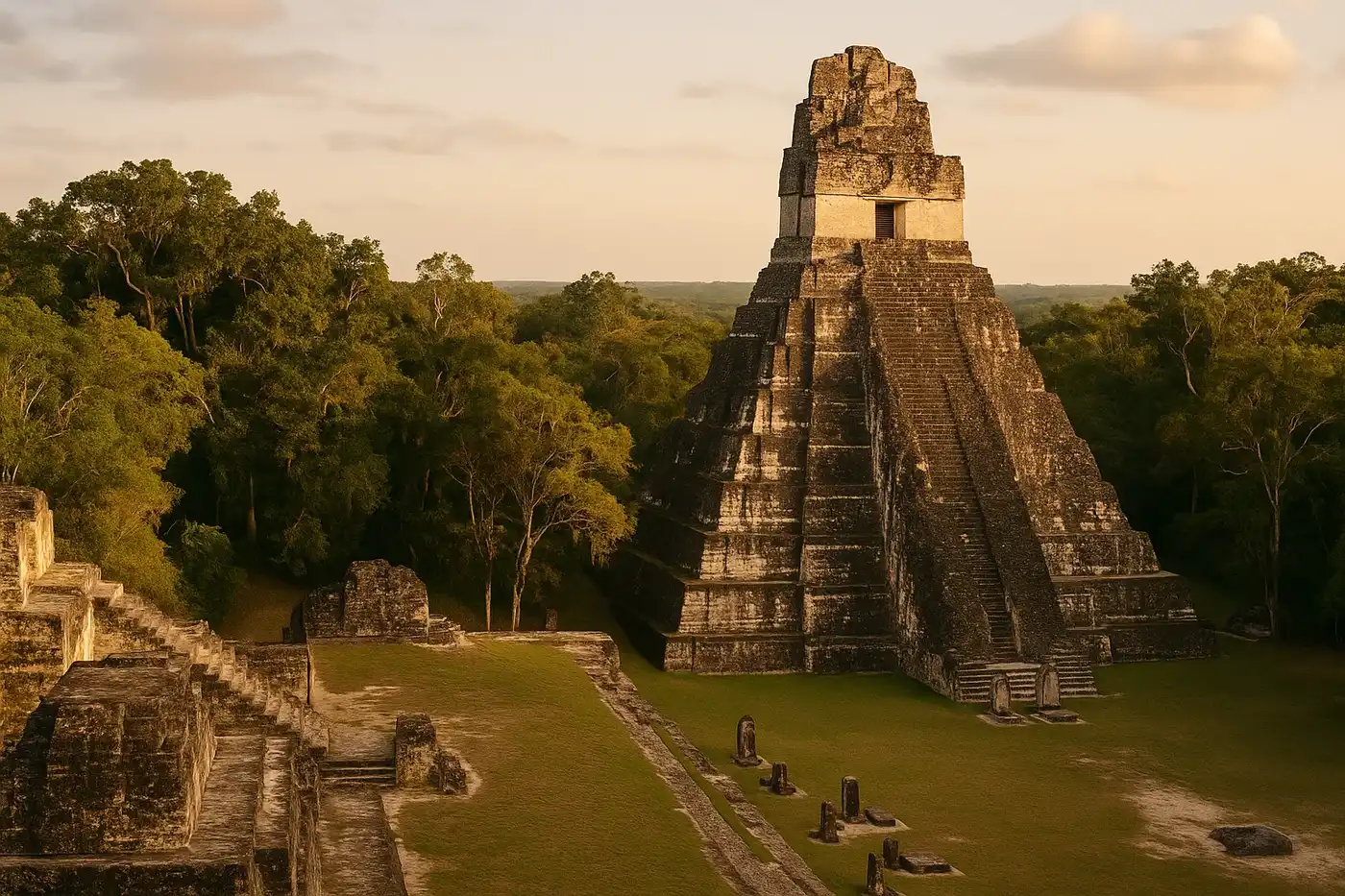
Tikal Guatemala: The Lost City of the Maya
Classic MayaDiscover Tikal, the magnificent Maya metropolis rising from the Guatemalan rainforest. Explore soari...
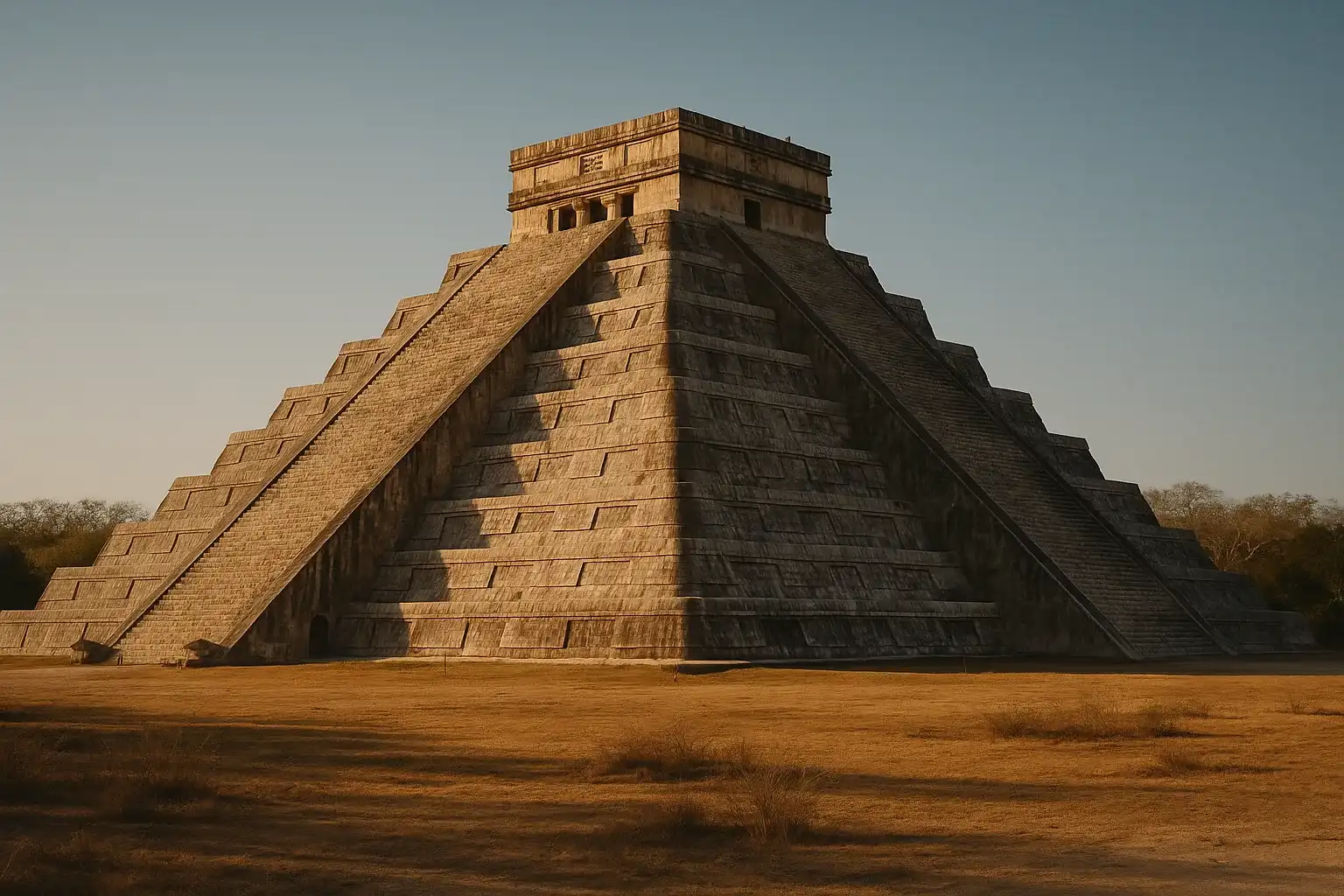
Chichen Itza Travel Guide 2026: Maya Secrets, Sacred Cenote, and Smart Timing
MayaChichen Itza stands as the most visited ancient site in Mexico, showcasing the architectural genius ...