Quick Info
Curated Experiences
Madaba, Mount Nebo, and Dead Sea Tour from Amman
Classic Mosaic Tour: Madaba and Mount Nebo
Full Day Private Tour of Madaba, Mount Nebo, and Baptism Site
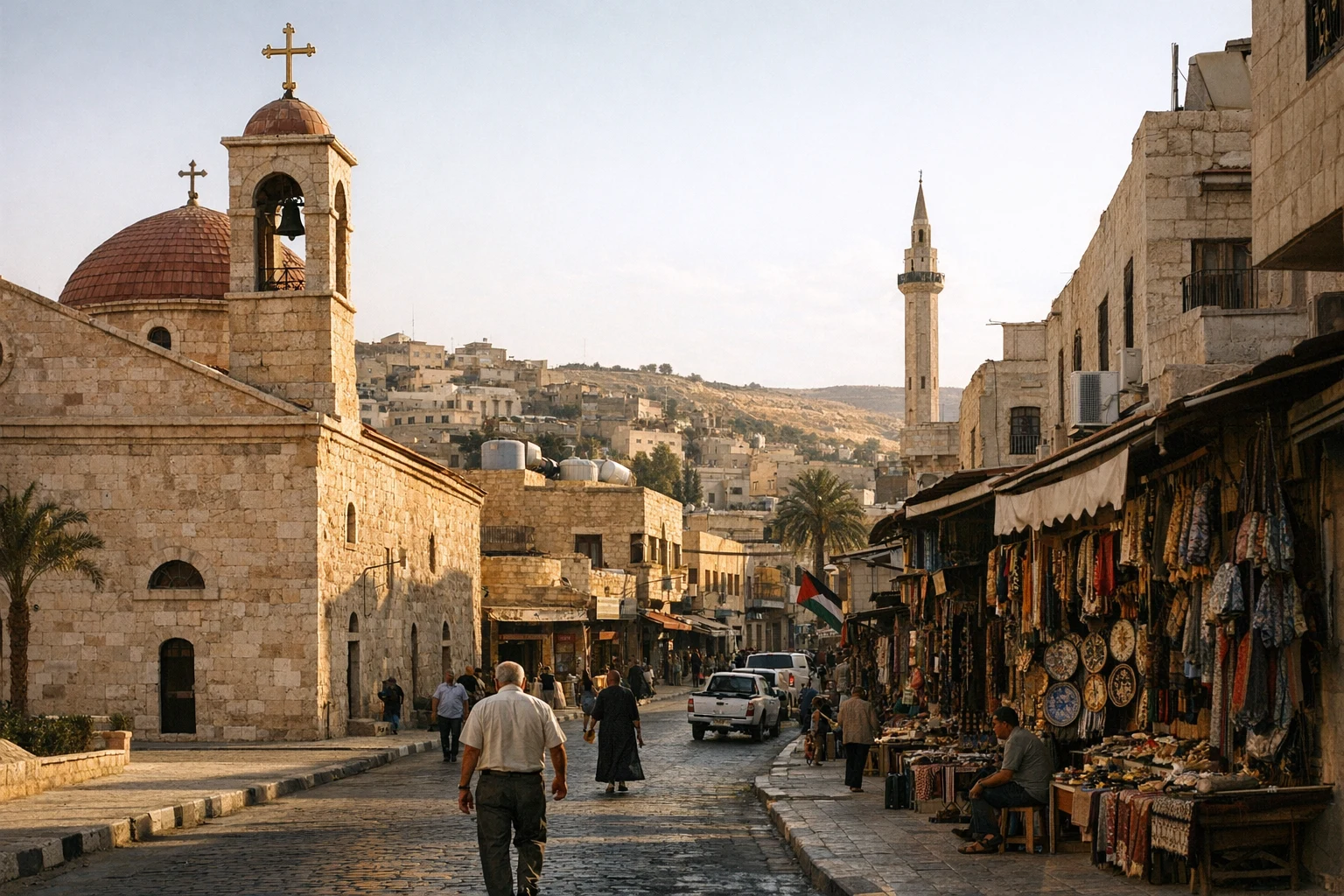
Step onto the sun-warmed cobblestones of Madaba, and you enter a city where history shimmers beneath each footstep and dazzling mosaics tell stories of ancient faith, artistry, and civilization. Situated in central Jordan, about 30 kilometers southwest of the capital Amman, Madaba is celebrated worldwide as the “City of Mosaics.” This vibrant town has earned its reputation largely through the 6th-century mosaic map of the Holy Land—one of the most impressive and historically significant mosaics in existence—housed in the still-active Greek Orthodox Church of St. George. Yet Madaba’s charms won’t end with a single mosaic: a stroll through its streets reveals layered epochs, from early Iron Age settlements to bustling Byzantine and Umayyad communities and beyond. Between church domes and minarets, local bakeries and souvenir shops, Madaba seamlessly blends ancient heritage with contemporary Jordanian hospitality.
For centuries, pilgrims and travelers alike have paused here while tracing biblical paths across the landscapes of Jordan—Madaba lies just steps away from the famed King’s Highway and within easy reach of legendary sites like Mount Nebo and the Baptism Site at Bethany Beyond the Jordan. But even for those with no religious agenda, Madaba provides a captivating journey through time. The city’s open-hearted population, celebrated culinary traditions, and relaxed atmosphere make it not only a must-see on any exploration of Jordan, but also a delightfully accessible introduction to the country’s rich tapestry of cultures and civilizations. Whether you come to marvel at rainbow-hued mosaics, trace the steps of ancient peoples, or simply soak in local life, Madaba promises a rewarding encounter with the past—and a warm welcome in the present.
History
Early Beginnings and Biblical Roots
Madaba’s story stretches deep into antiquity, with archaeological evidence pointing to continuous habitation as early as the Bronze Age, around the 2nd millennium BCE. Its strategic location along the plateau east of the Dead Sea—situated at a crossroads of ancient trade and pilgrimage routes—meant that Madaba soon became a key point for travelers and settlers in the region. The earliest mention of the city appears in biblical texts, notably in the Book of Numbers, where Madaba is listed as a Moabite town captured by Israelites as they journeyed to the Promised Land. Over subsequent centuries, the town witnessed the rise and fall of regional powers: Moabite rulers, Israelite kings, and Ammonite chieftains all left their marks on this fortified settlement.
Flourishing under Roman and Byzantine Rule
Madaba reached one of its historical pinnacles during the Roman and Byzantine periods, beginning around the 2nd century CE. The arrival of Roman rule saw the integration of Madaba into the Province of Arabia, and the city benefitted from both security and an inflow of wealth as a vital stop along the King’s Highway—already a centuries-old thoroughfare connecting Egypt with Mesopotamia. Flourishing urban planning, improved infrastructure, and relative stability set the stage for a remarkable cultural blossoming.
It was during the 5th to 7th centuries CE, under the Byzantine Empire, that Madaba earned its enduring title as the “City of Mosaics.” This period saw a veritable explosion of artistic expression, as churches and public buildings were adorned with detailed mosaics depicting biblical stories, cityscapes, and vibrant geometric patterns. The creation of the mosaic map of the Holy Land, completed around 560 CE for the floor of the Church of St. George, stands as the crowning achievement of this era, offering not only artistry but a vital historical record of the region at that time.
Umayyad Era and Medieval Times
The arrival of Islamic rule in the 7th century ushered in significant change, yet it did not erase Madaba’s artistic heritage. Under the Umayyads, the city remained a regional center, and the tradition of mosaic craftsmanship continued—though themes shifted toward more abstract and geometric motifs as prescribed by the new religious context. The devastating earthquake of 749 CE, which destroyed much of the city and surrounding region, led to centuries of decline. For many years, Madaba faded from prominence, becoming a small, largely abandoned village watched only by the occasional traveler.
Late Ottoman Revival and Modern Rediscovery
Madaba’s fortunes revived dramatically in the late 19th century, when Christian Arab families from Karak resettled the abandoned town with the encouragement of the Ottoman authorities. This modern re-founding coincided with a surge in archaeological interest, as scholars and residents. Together, they uncovered the remains of ancient churches and the dazzling mosaics beneath layers of rubble and dust. The rediscovery of the famed mosaic map in 1896 confirmed Madaba’s place at the center of regional and biblical history. Since then, a series of ongoing archaeological campaigns, international funding, and dedicated local stewardship have transformed Madaba into both a living city and an open-air museum of historic art.
Today, Madaba continues to play a role in regional culture—as a gateway to pilgrimage sites, a center of Jordanian Christian heritage, and a testament to the endurance of its vibrant, multi-layered past.
Key Features
Madaba’s most iconic treasure, drawing visitors from across the globe, is the remarkable mosaic map of the Holy Land. Created in the 6th century CE, this vast floor mosaic stretches across the nave of the Greek Orthodox Church of St. George. Originally comprised of more than two million colored stones, the map depicts an intricately detailed landscape, providing the oldest known cartographic representation of Jerusalem, Bethlehem, Jericho, and other biblical sites stretching from Lebanon to the Nile Delta. For archaeologists and historians, its depictions have proved invaluable in reconstructing the geography and settlement patterns of the region during late antiquity. Modern visitors marvel not only at the artistry of its construction but also the extraordinary preservation of both color and detail—every city walled in tiny stones, every river winding with a craftsman’s flourish.
However, Madaba’s mosaic wonders extend well beyond St. George’s Church. The Archaeological Park in the city’s heart encompasses several ancient churches and homes, where further dazzling floors unfurl before your eyes. The Church of the Virgin Mary, discovered in 1887, displays elaborate mosaics filled with floral and animal imagery, blending Christian religious symbolism with local artistic traditions. At the Hippolytus Hall, the floor’s central medallion showcases a mythological scene surrounded by exquisite geometric borders. The Church of the Apostles is famed for its rich iconography, featuring personifications of the sea, allegorical animals, and a Greek inscription referencing its patrons and artisans.
Walking through Madaba’s mosaic-lined lanes offers a microcosm of Jordan’s complex history. The Madaba Archaeological Museum hosts further finds—pottery, coins, ancient tools—while explaining how the town evolved from a fortified Iron Age site to a bustling Byzantine metropolis. Madaba’s living heritage is further embodied in its ongoing workshops and studios; local artisans continue the age-old practice, crafting mosaics for sale and restoration, blending traditional techniques with modern aesthetics. Some workshops invite visitors to learn the basic skills for themselves, ensuring that the ancient art remains not just museum-bound but vibrantly alive.
Equally important are Madaba’s churches themselves, where history and faith intertwine regardless of denomination. Beyond the Greek Orthodox Church of St. George, the Roman Catholic Church of St. John the Baptist offers evocative views from its bell tower and a descent into ancient crypts recently opened to the public. Small chapels and shrines—some hidden in the maze of old town streets—bear inscriptions or fragments of much older structures, attesting to Madaba’s continuous religious significance.
Finally, Madaba’s character emerges in its bustling souks, traditional bakeries, and cafes where locals gather over sweet tea and savory pastries. Visitors can sample famous Jordanian specialties—mosaic-patterned bread, rich mansaf, flavorful falafel—and enjoy an atmosphere where hospitality flows as naturally as the conversation. The blend of living culture and ancient beauty makes Madaba a destination able to seduce, educate, and inspire in equal measure.
Getting There
Madaba is among the most accessible historic sites in Jordan, thanks to its prime location and modern infrastructure. The city is situated just about 30 kilometers southwest of Amman, making it a popular day trip for visitors staying in the capital or along the Dead Sea coast.
By car, the journey from Amman to Madaba is straightforward and takes roughly 45 minutes. Taxis can be hailed directly from Amman, with typical fares ranging from 15 to 25 Jordanian Dinar (JOD), depending on negotiation and season. For those preferring to hire a driver for the day, private car and minibus services are widely available; these often include stops at Mount Nebo or the Dead Sea for a combined excursion. Several organized tours depart daily from Amman’s main hotels, with prices starting around 45 JOD per person for a half-day group tour and more for comprehensive, site-inclusive itineraries.
Public transport offers another economical option. From Amman’s southern bus station (Mujamaa Janoub), minibuses run directly to Madaba throughout the day. The journey costs typically between 1 and 2 JOD, though schedules vary and vehicles depart when full rather than at fixed times. Larger groups may find it worthwhile to charter a vehicle for more flexibility and comfort.
For travelers coming from the Dead Sea resorts, Madaba is just over a 30-minute drive up the scenic hills—most hotels can arrange transportation on request. Coming from Queen Alia International Airport, located only about 25 kilometers east of Madaba, a taxi or private transfer is the quickest route, costing 20–30 JOD.
Once inside Madaba, the historical core is compact and best explored on foot. Ample parking is available near major churches and archaeological parks. For visitors wishing to venture further, such as to Mount Nebo, taxis are plentiful and relatively affordable.
When to Visit
Madaba welcomes visitors throughout the year, yet each season brings a unique character to both city and countryside. The most pleasant times are in spring (March to May) and autumn (September to November), when daytime temperatures generally hover between 18°C and 28°C (64–82°F), skies are sunny, and the gentle breezes bring scents of wild herbs and cypress. Spring is especially recommended: wildflowers bloom along the roads, café terraces open for coffee and conversation, and the archaeological sites are vibrant with life but rarely overcrowded.
Summer (June to August) can be hot, with afternoon temperatures rising to 34°C (93°F) or above. However, compared to the sultry Dead Sea lowlands, Madaba’s modest elevation keeps evenings relatively cool and comfortable. Outdoor events—such as concerts or local festivals—often take place at night, and the city’s museums or shops offer refreshment during the midday heat. If planning a summer visit, bring sun protection, drink plenty of water, and schedule site explorations during the early morning or late afternoon hours.
Winter (December to February) brings cooler and occasionally rainy weather, with temperatures dropping to 8–15°C (46–59°F). While snow is rare, showers do occur, so pack layers and a light jacket. The quieter winter months allow for an intimate approach to the mosaics, fewer crowds, and often discounted accommodation.
Major religious holidays—both Christian and Muslim—give Madaba a festive air, with processions or special services open to respectful visitors. No matter the season, Madaba’s blend of ancient marvels and modern warmth ensures a rewarding experience.
Quick Facts
| Attribute | Details |
|---|---|
| Country | Jordan |
| Region | Madaba Governorate |
| Coordinates | 31.7175° N, 35.7934° E |
| Population | ~90,000 |
| Elevation | 760 meters (2,493 feet) |
| Main Attractions | St. George’s Church (Mosaic Map), Archaeological Park, ancient mosaics |
| Nearest Major City | Amman (30 km away) |
| Entry Fee | Varies, typically 1–3 JOD for mosaic sites |
| Time Zone | Eastern European Time (GMT+2) |
| Best Visiting Seasons | Spring (March–May), Autumn (September–November) |
| Languages Spoken | Arabic (English widely understood in tourist areas) |
| Religious Sites | Greek Orthodox, Roman Catholic, various chapels |
| Notable Event | Discovery of the Mosaic Map (1896) |
| Public Transport | Minibuses from Amman; taxis and private transfers available |
| Nearby Ancient Sites | Mount Nebo, Bethany Beyond the Jordan, Amman Citadel, Jerash, Petra |
Frequently Asked Questions
What is Madaba most famous for?
Madaba is renowned for its extensive collection of Byzantine-era mosaics, especially the 6th-century mosaic map of the Holy Land in the Church of St. George.
How far is Madaba from Amman?
Madaba is about 30 kilometers southwest of Amman, a drive that typically takes around 45 minutes by car.
Is Madaba suitable for a day trip?
Yes, Madaba is an excellent day trip destination from Amman or the Dead Sea, thanks to its proximity and concentration of historic sites.
What are the opening hours of the Church of St. George?
The Church of St. George is usually open from 8:00 am to 6:00 pm in summer and 8:00 am to 5:00 pm in winter, except during religious services.
Are guided tours available in Madaba?
Guided tours are widely available and highly recommended for a deeper understanding of Madaba’s history and mosaics.
Nearby Ancient Sites
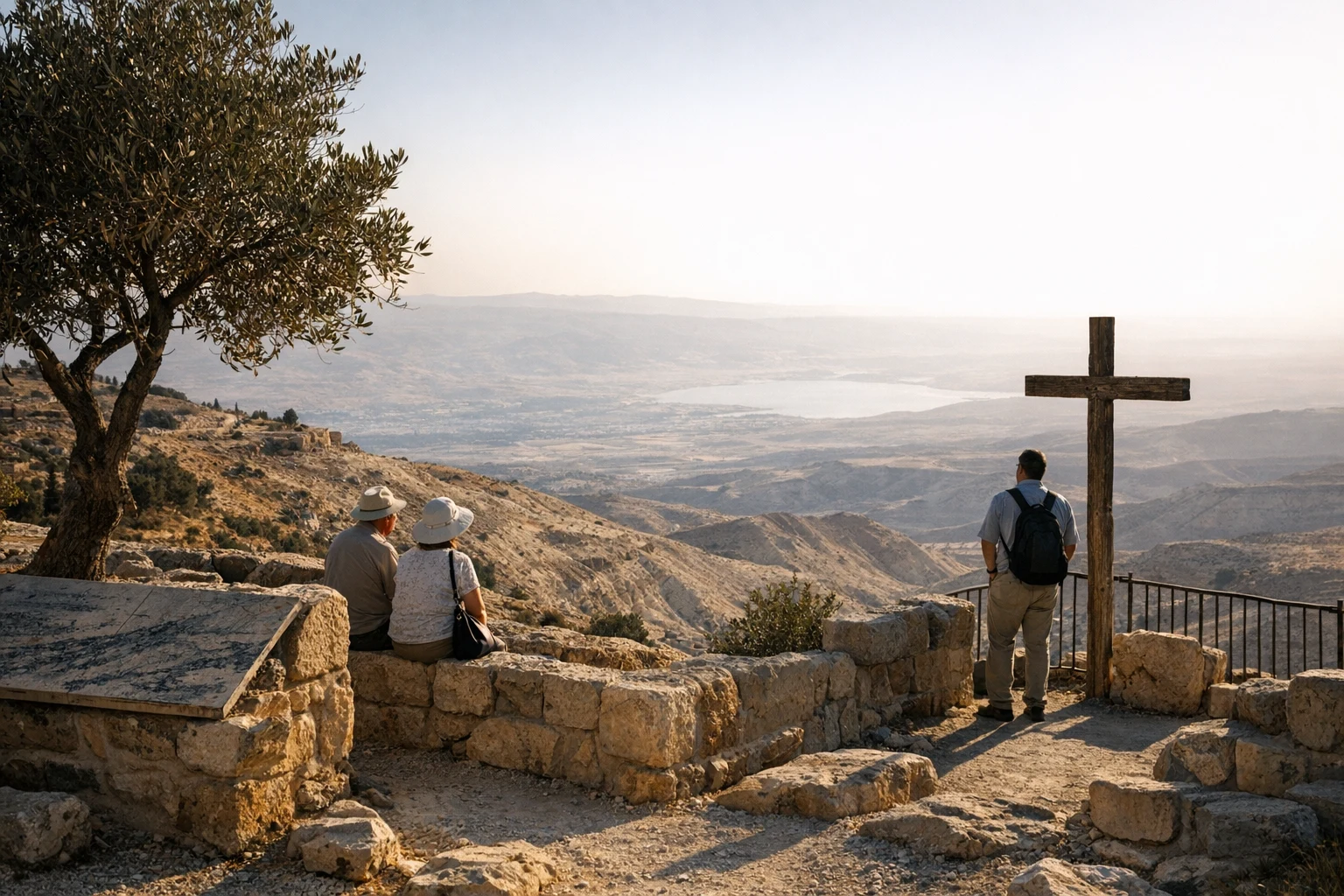
Mount Nebo
Mount Nebo in Jordan offers sweeping views of the Holy Land, biblical significance, and ancient ruin...
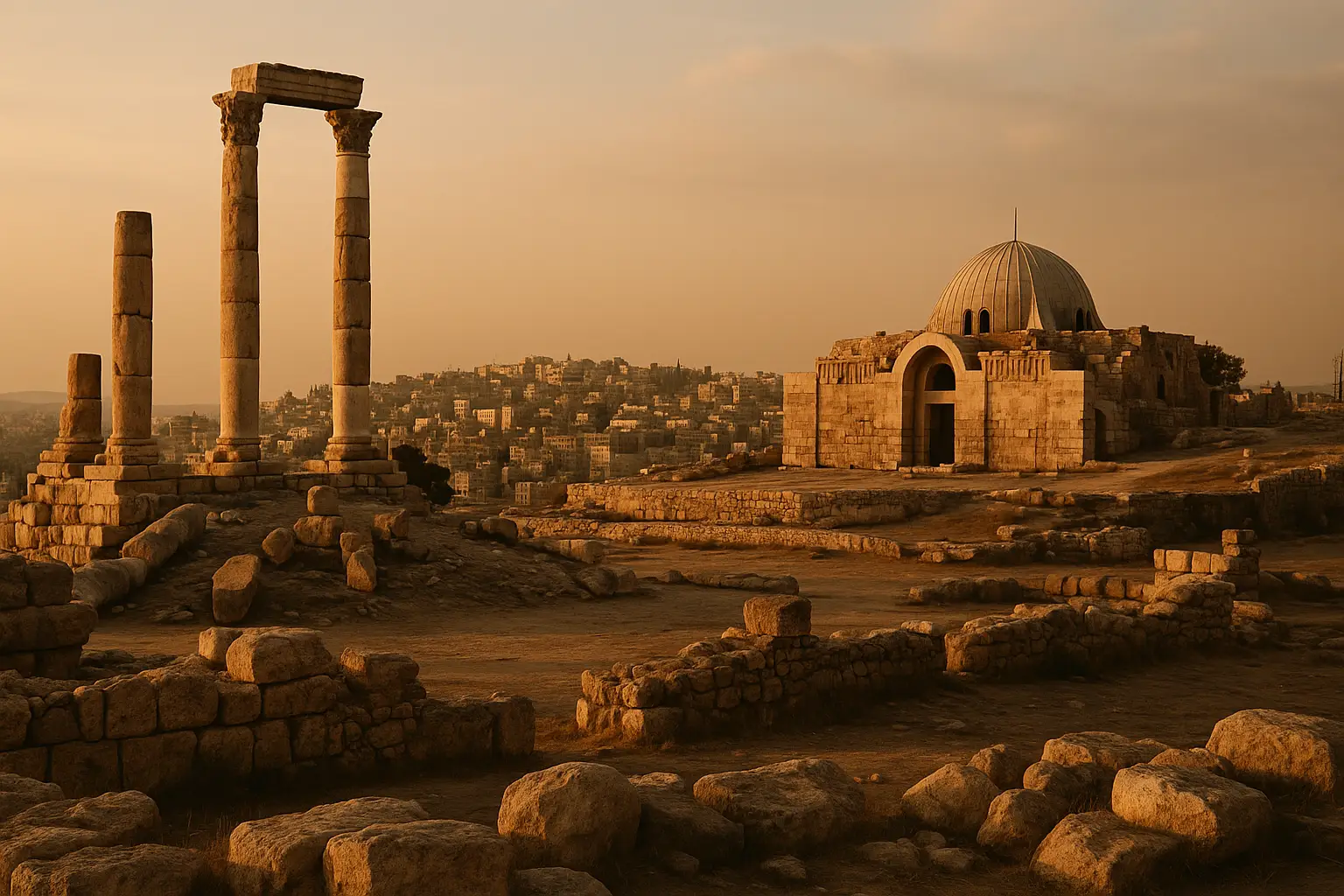
Amman Citadel Jordan Guide 2026: Temple of Hercules & Ancient Rabbah
Ammonite-Roman-UmayyadExplore Jordan's ancient citadel overlooking modern Amman. Discover the Temple of Hercules, Umayyad ...
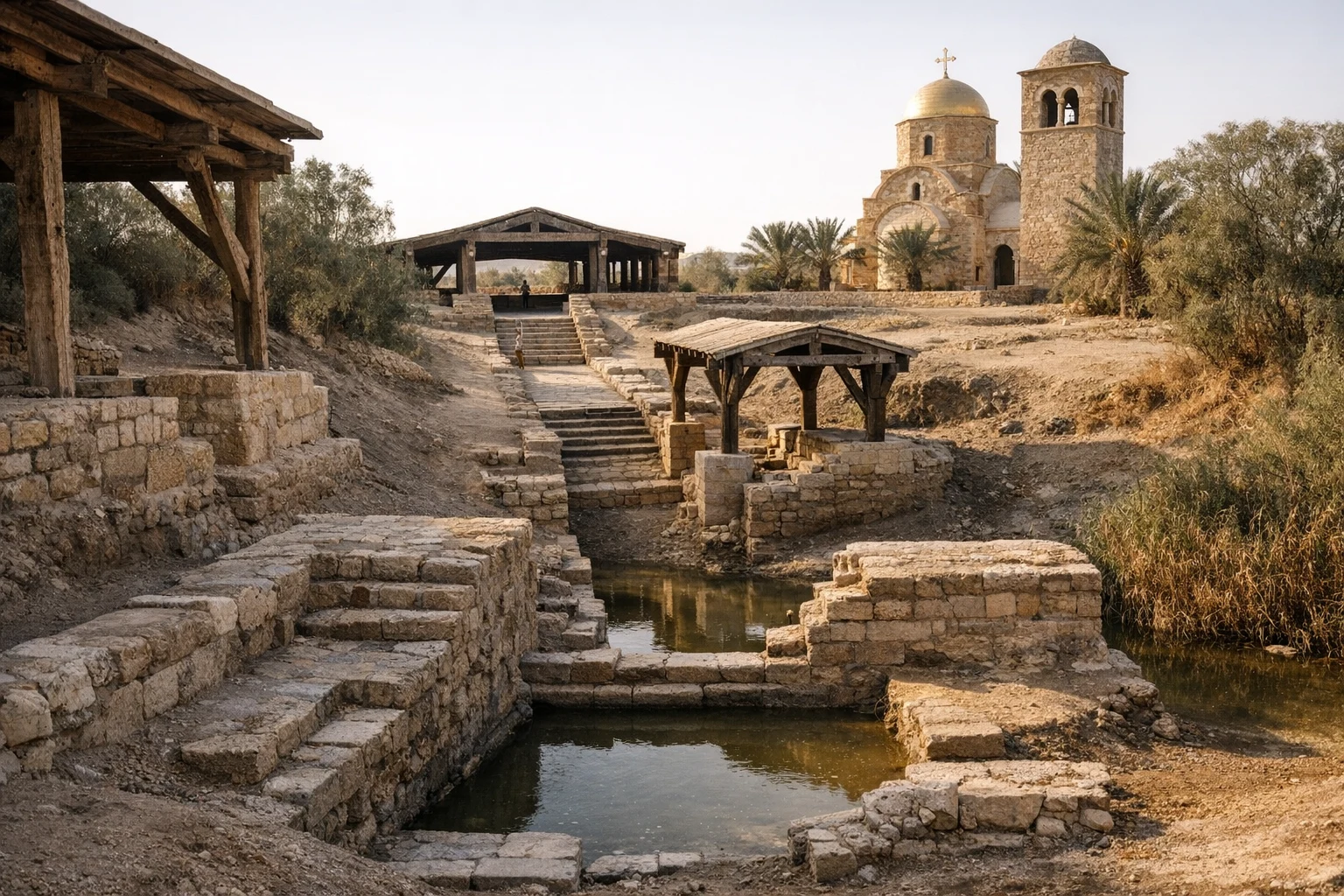
Bethany Beyond the Jordan
Bethany Beyond the Jordan in Jordan is an archaeological and religiously significant site believed t...
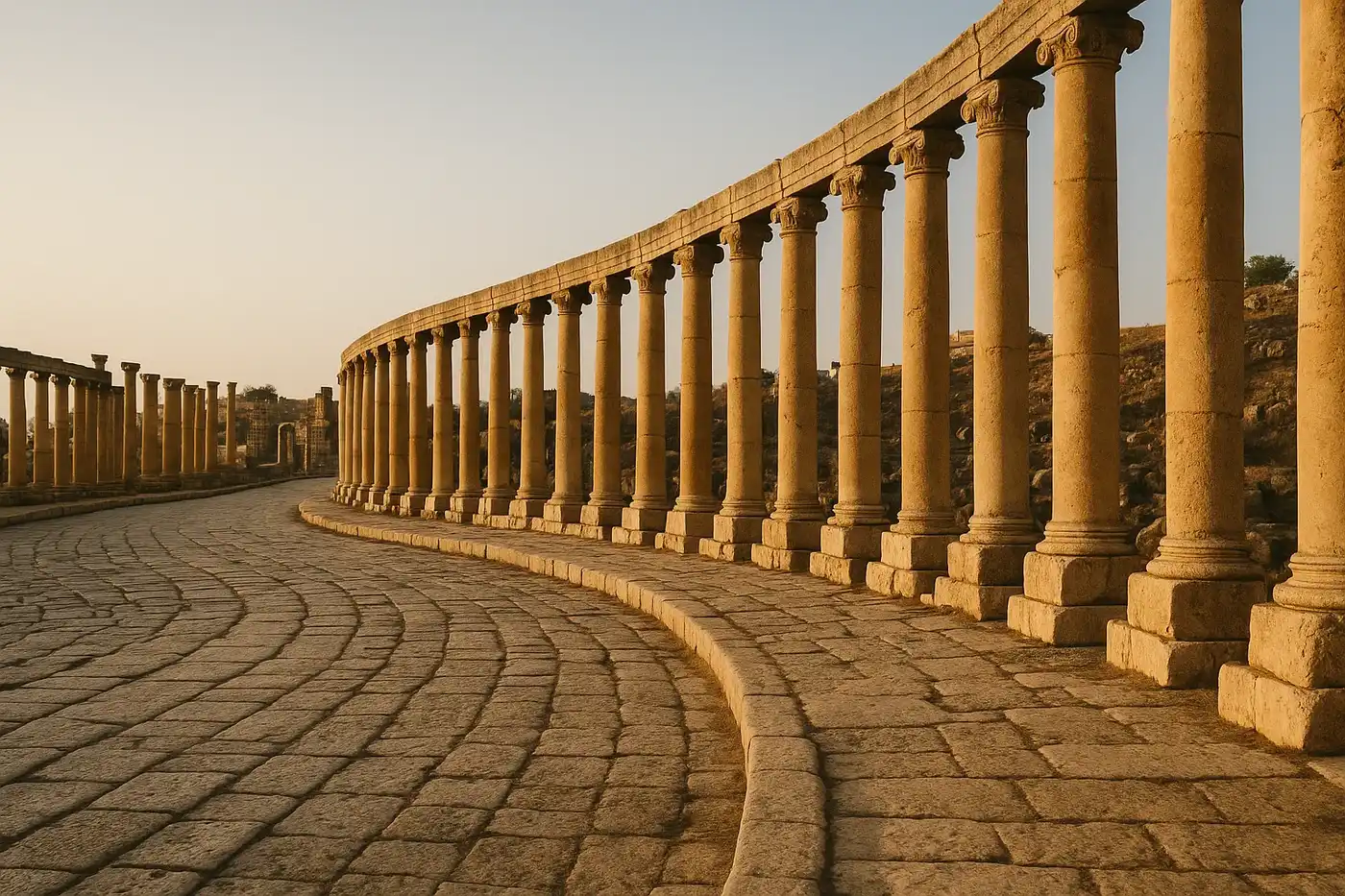
Jerash: The Pompeii of the East and Jordan's Best-Preserved
Roman / NabataeanDiscover Jerash, Jordan's remarkable Roman ruins. Walk the colonnaded streets of ancient Gerasa, exp...
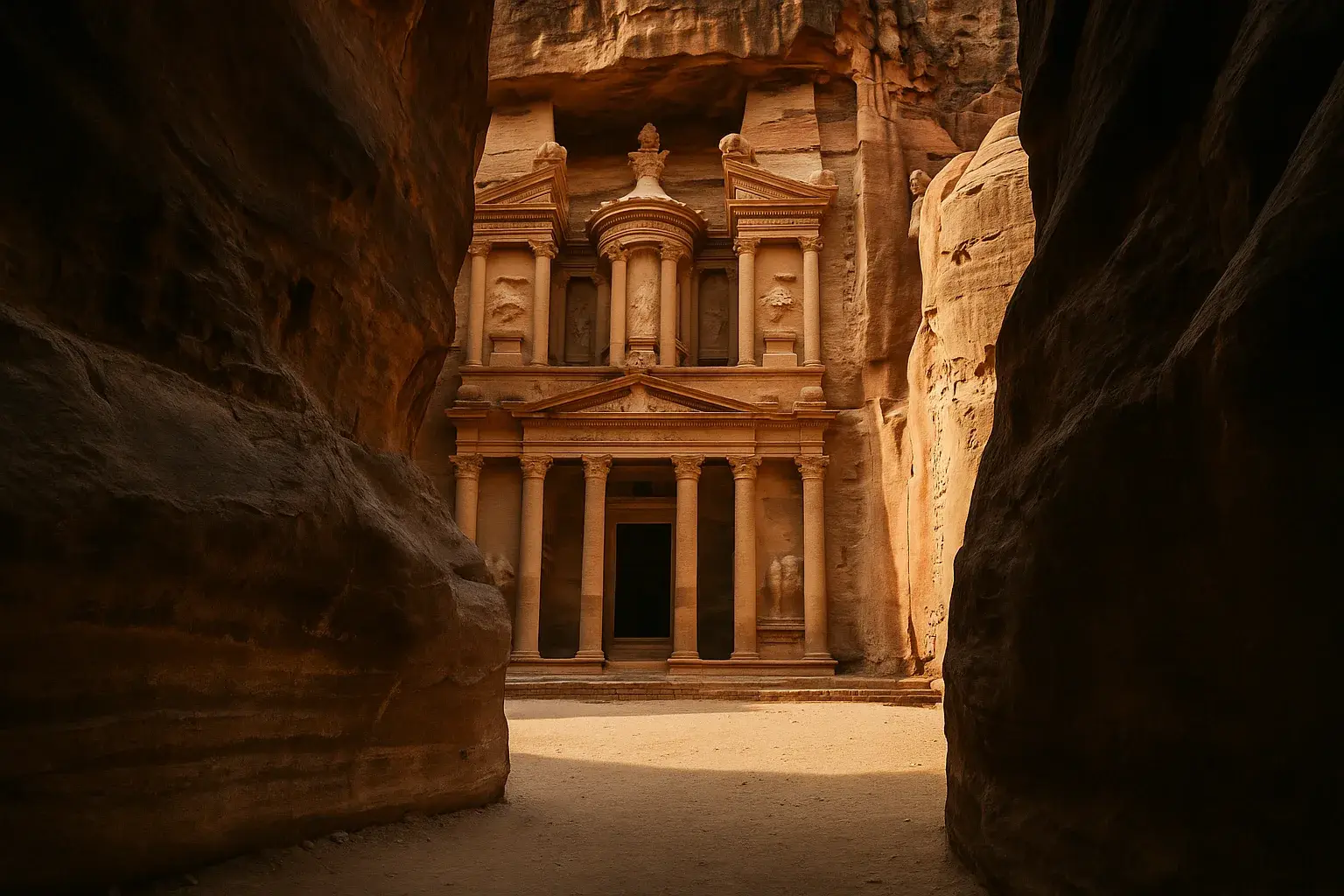
Petra Jordan Travel Guide: Treasury, Monastery & Best Hikes
NabataeanUnlock the secrets of Petra with our comprehensive guide. Walk the Siq to the Treasury, hike to the ...