Quick Info
Curated Experiences
Terracotta Army & Qin Emperor Mausoleum Day Tour from Xi'an
Xi'an Highlights: Terracotta Warriors & City Wall Tour
Private Terracotta Army Tour with Expert Guide from Xi'an
Standing in the dim light of Pit 1 at the Mausoleum of the First Qin Emperor in Shaanxi, China, the first thing you notice is the silence. Then, as your eyes adjust, the scale arrives all at once: column after column of life-size terracotta soldiers stretching back into the haze, each face subtly different from the last, every figure frozen mid-campaign for more than two millennia. This is the guardian army of Qin Shi Huang — the man who unified China in 221 BCE and then spent the rest of his life engineering his own immortality. The mausoleum complex covers roughly 56 square kilometres of farmland east of modern Xi’an, making it one of the largest royal burial sites ever constructed anywhere in the ancient world. The famous warriors occupy just a fraction of that footprint; the sealed burial mound at the centre, still unexcavated, holds treasures — and mysteries — that archaeologists believe will take generations yet to fully understand. UNESCO inscribed the site in 1987, and it has since become one of China’s most visited monuments, drawing millions of visitors annually who come to stand in the presence of an ambition so colossal it still commands the landscape twenty-three centuries later.
History
The Boy King Who Built an Empire
Ying Zheng was thirteen years old when he ascended to the throne of the Qin state in 246 BCE. Construction of his mausoleum began almost immediately, a practice common among rulers of the period who understood that a suitably grand tomb took longer to build than a lifetime typically allowed. For the next three decades Ying Zheng waged a relentless series of military campaigns against the other Warring States kingdoms. By 221 BCE the last had fallen and he proclaimed himself Qin Shi Huang — the First Sovereign Emperor — a title he invented specifically because no previous word for ruler seemed grand enough for what he had become.
Engineering the Afterlife
The scale of the construction effort defies easy comprehension. Ancient historian Sima Qian, writing roughly a century after Qin Shi Huang’s death, recorded that more than 700,000 labourers — conscripted from across the empire — worked on the project. Modern archaeological surveys broadly support the idea of a workforce in the hundreds of thousands, though the precise figure remains debated. Workers quarried stone, cast bronze, fired clay, and redirected waterways across the region. The burial mound itself was engineered as a miniature landscape: according to Sima Qian, its interior featured rivers of mercury simulating the great waterways of China, ceilings studded with astronomical maps, and mechanical crossbows rigged to fire at any would-be tomb robber. High concentrations of mercury detected in soil samples taken from the mound in the 1980s lend considerable credibility to at least that part of the ancient account.
Discovery and Excavation
For centuries the mausoleum complex was known primarily as a large earthen hill. Local legend held that the land around it was cursed; farmers avoided digging too deeply. In March 1974 that caution ran out when a group of farmers drilling a well near the village of Xiyang encountered fragments of terracotta figures and bronze weapons at a depth of about five metres. Word reached local authorities and then archaeologists, and within months the full staggering extent of Pit 1 began to emerge. Subsequent surveys identified two additional warrior pits — Pit 2 containing cavalry and mixed units, Pit 3 a smaller command headquarters — plus a fourth pit that was apparently left empty when construction was halted at the emperor’s death. Dozens of satellite pits containing bronze birds, acrobats, officials, and stables have since been mapped across the wider complex. The burial mound at the centre has been surveyed by remote sensing and ground-penetrating radar but remains deliberately unexcavated, a decision that reflects both the current limits of conservation science and a deep institutional respect for the emperor’s resting place.
After the Emperor
Qin Shi Huang died in 210 BCE during one of his tours of the empire, reportedly while searching for an elixir of immortality. His death was concealed for weeks by advisers who feared instability. The Qin dynasty he founded collapsed just four years later under the weight of brutal taxation and forced labour, but the mausoleum complex survived largely intact. Rebel forces under Xiang Yu reportedly raided and burned parts of the complex around 206 BCE — archaeological evidence of fire damage in the pits is consistent with this — but the burial mound itself was never breached. The terracotta warriors lay buried and forgotten until that chance discovery in 1974.
Key Features
The Three Warrior Pits
The heart of the public visit is the Museum of the Terracotta Warriors and Horses, which shelters the three excavated pits under vast climate-controlled hangar roofs. Pit 1 is the largest and most overwhelming: roughly 230 metres long and 62 metres wide, it contains the main battle formation — an estimated 6,000 figures in total, though excavation is still ongoing at the western end. Visitors walk along elevated platforms above the dig, close enough to see the individual hair plaits, armour laces, and boot soles that craftsmen pressed into wet clay more than two thousand years ago. The soldiers are arranged in eleven parallel corridors separated by load-bearing earthen walls; archaeologists believe the original ceiling consisted of wooden beams and woven mats covered by soil, and the collapse of this structure is what shattered most of the figures into the thousands of fragments that restorers have been patiently reassembling for fifty years.
Pit 2 offers something different: a window into the excavation process itself. Much of this pit remains in situ and partially uncovered, allowing visitors to see warriors as they are actually found — broken, stained with soil, embedded in the earth alongside horse skeletons and chariot fittings. A selection of particularly fine figures have been removed and displayed in glass cases around the perimeter, including the celebrated kneeling archer and the standing green-faced warrior whose original pigmentation has survived in remarkable condition.
Pit 3 is the smallest but carries its own interpretive weight. Its layout — a U-shaped chamber with deer antlers and a single war chariot — suggests it was the command centre of the army, the place where the spiritual generals directing the whole force were housed. The figures here wear higher-ranking armour and stand in configurations unlike the ranked battle lines of Pit 1.
The Bronze Chariots
A separate exhibition hall near the burial mound displays two half-scale bronze chariots excavated from a pit just west of the tomb. Discovered in 1980, they are among the most extraordinary metal objects to survive from the ancient world. The larger of the two — a covered carriage intended to transport the emperor’s spirit — is assembled from more than 3,400 individual bronze components, inlaid with silver and gold, its canopy a single cast bronze sheet less than a centimetre thick. Both vehicles were found shattered into hundreds of pieces and required years of painstaking restoration. They are displayed in cases that allow close examination of the craftsmanship, and the detail in the driver’s hands, the reins, the horse harnesses, and the window screens repays slow, careful looking.
The Burial Mound
The tomb mound itself rises about 51 metres above the surrounding plain — significantly eroded from its original height, which ancient sources estimated at over 100 metres. A park surrounds the mound and visitors may walk its perimeter path, which takes roughly 20 to 30 minutes. The scale of the earthwork is best appreciated from a distance: from the elevated viewing platform at the site’s entrance, the mound reads as a low hill against the foothills of Mount Li, with pomegranate orchards on its flanks and a haze of distant mountains behind. Information panels along the perimeter path explain what remote sensing surveys have revealed about the underground structure, including the inner and outer enclosure walls, the ramp descending to the burial chamber, and the extensive network of satellite pits still being mapped.
Getting There
Xi’an Xianyang International Airport connects the city to most major Chinese hubs and several international routes. From the airport, the Xi’an Metro Line 14 runs to the city, where connections to the mausoleum are possible by metro, bus, or taxi. The most straightforward public transport option is Tourist Bus 5 (also shown as Route 914/915 depending on the season), which departs from Xi’an Railway Station’s north plaza and runs directly to the Museum of the Terracotta Warriors entrance; the journey takes about 50 minutes and costs approximately ¥7–10 each way. Bus 306 follows a similar route from the same plaza.
Taxis and rideshare apps (Didi) are widely available in Xi’an and will reach the site in 35–45 minutes depending on traffic; expect to pay ¥80–120 one way from the city centre. Many visitors combine the mausoleum with the Huaqing Hot Springs, which lie between the city and the warrior pits along the same road; ask your driver to stop there on the way. Organised half-day and full-day tours from virtually every hotel in Xi’an are competitively priced and include return transport, guide, and sometimes entry; these are worth considering if your time is limited.
Admission to the Museum of the Terracotta Warriors was ¥120 per adult as of early 2025, with reduced rates for students and seniors. Entry to the burial mound park area is included in the same ticket.
When to Visit
Spring — specifically mid-March through late May — is the most reliably pleasant season at the mausoleum. Temperatures in the Guanzhong Plain hover between 15°C and 25°C, skies are frequently clear, and domestic crowds are lighter than during summer holidays. The pomegranate trees around the burial mound bloom in late April and early May, adding unexpected colour to photographs of the earthwork.
Summer (June through August) brings Xi’an’s hottest and most humid conditions, with temperatures regularly exceeding 35°C. The outdoor walks between pits and around the burial mound become genuinely uncomfortable in the afternoon heat, and school holidays push visitor numbers to their seasonal peak. If you visit in summer, aim to arrive at opening time — around 8:30 AM — before the tour buses arrive mid-morning, and take shelter in the air-conditioned exhibition halls during the hottest part of the day.
Autumn is the second-best window. September through November delivers crisp, dry air, lower humidity, and softer golden light that makes photography in and around the pits particularly rewarding. October carries a caveat: the Golden Week national holiday (first week of October) generates enormous domestic tourism across all of China, and the mausoleum is one of the busiest sites in the country during this period. If your trip overlaps with Golden Week, consider booking a private early-admission tour.
Winter is quieter than any other season, and the unheated pit halls take on a striking atmosphere in cold, low-angled light. Temperatures can fall below freezing overnight but rarely drop far below 0°C during the day, and crowds are thin enough on weekday mornings that you can stand in Pit 1 without jostling for a view.
| Quick Facts | |
|---|---|
| Site name | Mausoleum of the First Qin Emperor (秦始皇陵) |
| Location | Lintong District, Xi’an, Shaanxi Province, China |
| Coordinates | 34.3853° N, 109.2787° E |
| UNESCO status | World Heritage Site (inscribed 1987) |
| Built | 246–208 BCE |
| Commissioned by | Qin Shi Huang (259–210 BCE) |
| Civilization | Qin Dynasty |
| Site area | ~56 km² (full complex) |
| Figures discovered | 8,000+ terracotta warriors (estimated) |
| Opening hours | 8:30 AM – 5:30 PM (summer); 8:30 AM – 5:00 PM (winter) |
| Admission | ¥120 adults (2025 rate); includes all pits and burial mound park |
| Nearest city | Xi’an (35–40 km west) |
| Best season | Spring (March–May) or Autumn (September–November) |
Frequently Asked Questions
Can visitors enter the actual tomb of Qin Shi Huang?
No. The burial mound itself remains sealed and unexcavated. You can walk around the exterior of the mound, but access to the underground chamber is not permitted. Chinese archaeologists have deliberately left it intact for now, citing both the need for advanced preservation technology and the desire to honor burial traditions.
How many terracotta warriors have been found?
Estimates suggest over 8,000 individual soldiers, along with 130 chariots, 520 horses, and 150 cavalry horses. As of 2025, roughly 2,000 figures have been fully restored and put on display, with excavation and restoration work still ongoing in Pit 1.
How far is the Mausoleum from central Xi'an?
The site is approximately 35–40 km east of Xi'an city center in the Lintong District. By tourist bus it takes roughly 40–50 minutes; by taxi or rideshare around 35 minutes depending on traffic. Public bus routes 306 and 914/915 also connect Xi'an Railway Station directly to the museum complex.
How long should I budget for a visit?
Plan for at least three to four hours to see the three main excavation pits, the bronze chariot exhibition hall, and the burial mound park. A full half-day (four to five hours) is ideal and leaves time for the museum exhibits and the short walk around the tomb mound itself.
Is the site suitable for children?
Yes. The scale and spectacle of thousands of life-size warriors is genuinely awe-inspiring for all ages. The site is flat and well-paved, making it stroller and wheelchair accessible. Interactive museum displays and clear English signage help younger visitors engage with the history.
What is the best time of year to visit?
Spring (March–May) and autumn (September–November) offer the most comfortable temperatures and manageable crowds. Summer brings intense heat and peak domestic tourism. Winter is quieter and surprisingly pleasant on clear days, though a few outdoor exhibits may be less enjoyable in cold conditions.
Are photography and video allowed inside the pits?
Personal photography without flash is permitted in the excavation halls. Tripods and professional video equipment require prior approval. The bronze chariot exhibition has stricter rules — check posted signage. Drone use is prohibited over the entire site.
Nearby Ancient Sites
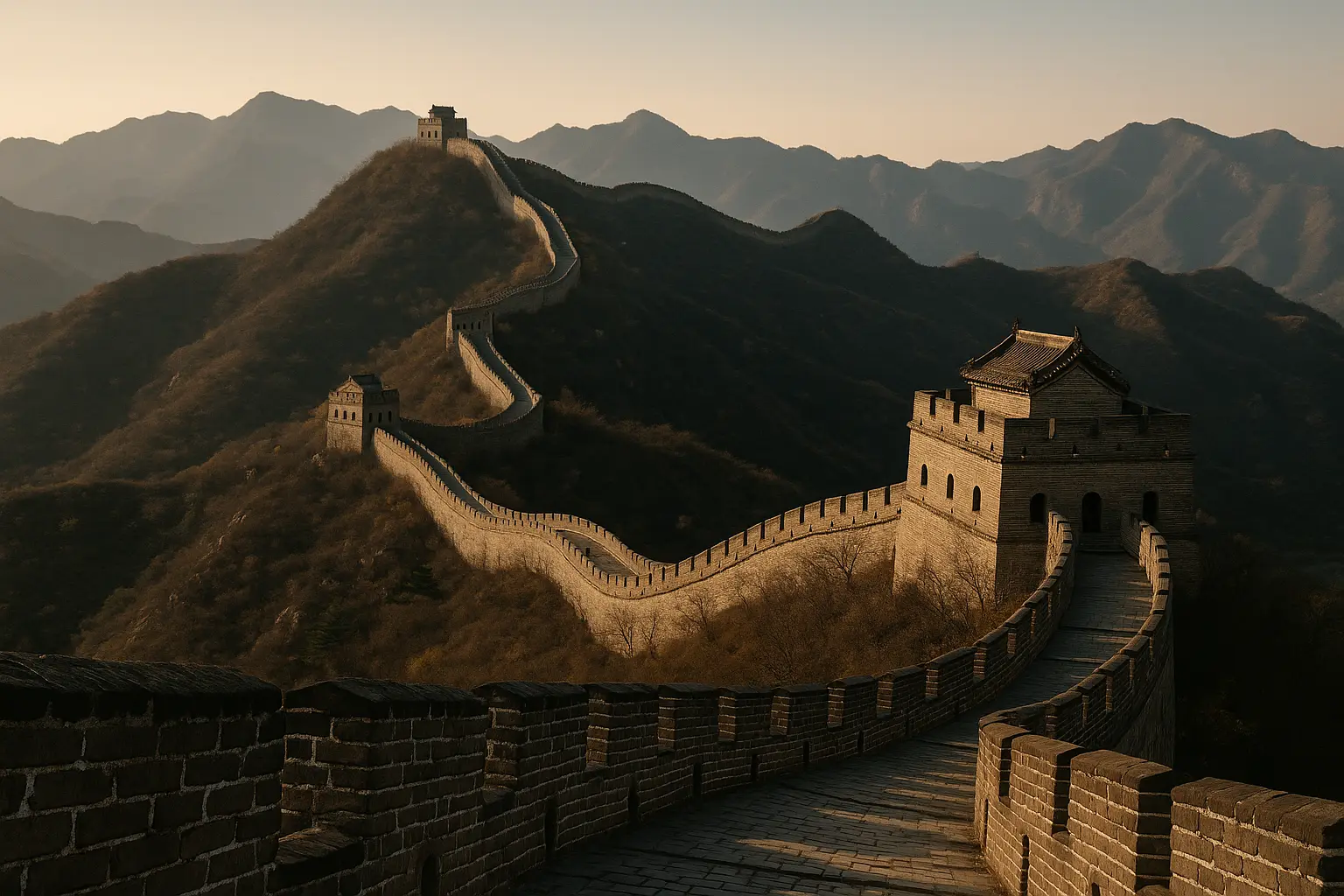
Great Wall of China Badaling Travel Guide 2026: Iconic Fortification
Chinese ImperialVisit Badaling, the most famous section of the Great Wall of China. Our guide covers tickets, cable ...
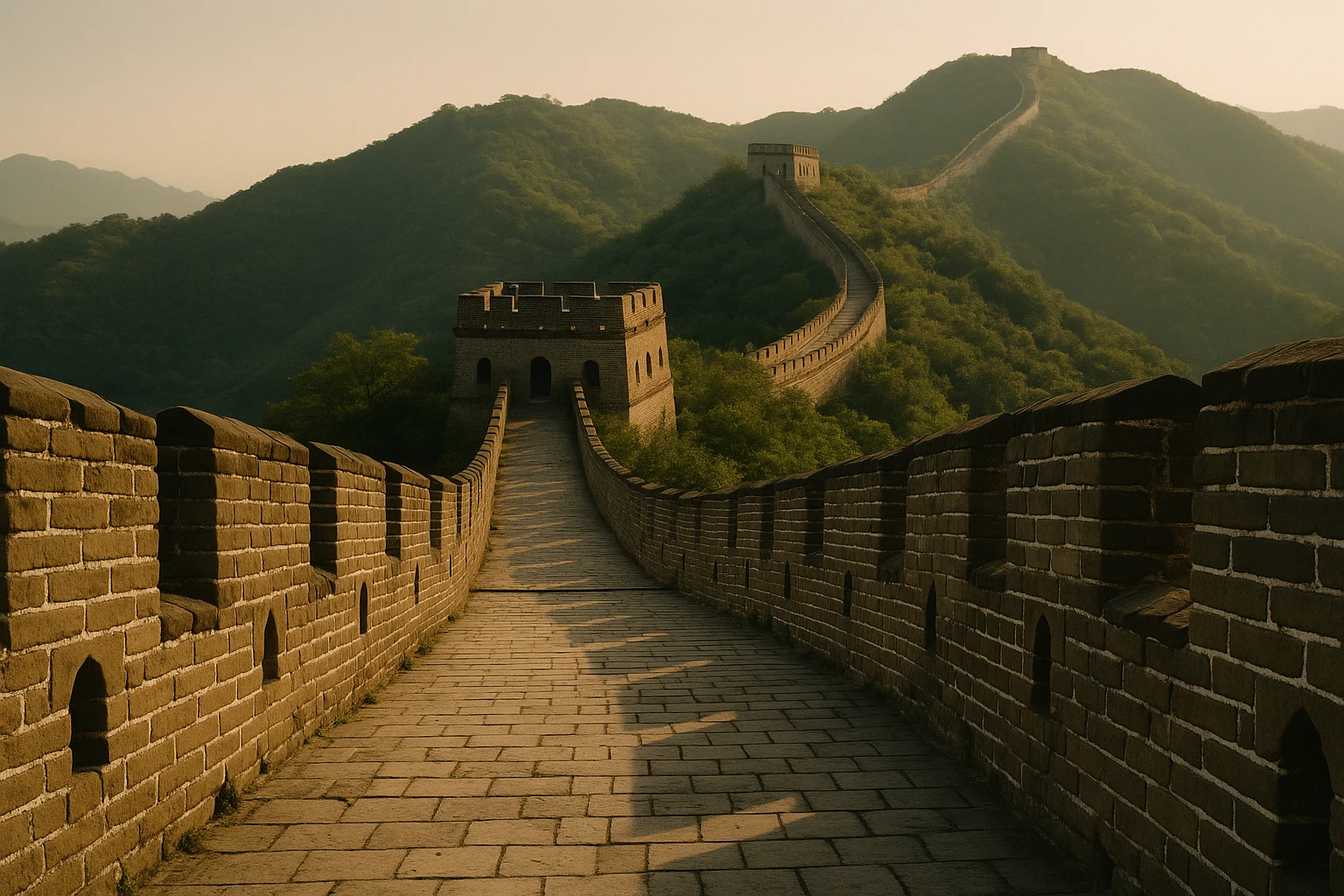
Great Wall of China (Mutianyu)
Explore Mutianyu — the Great Wall's most dramatic restored section, with 22 Ming-era watchtowers, mo...
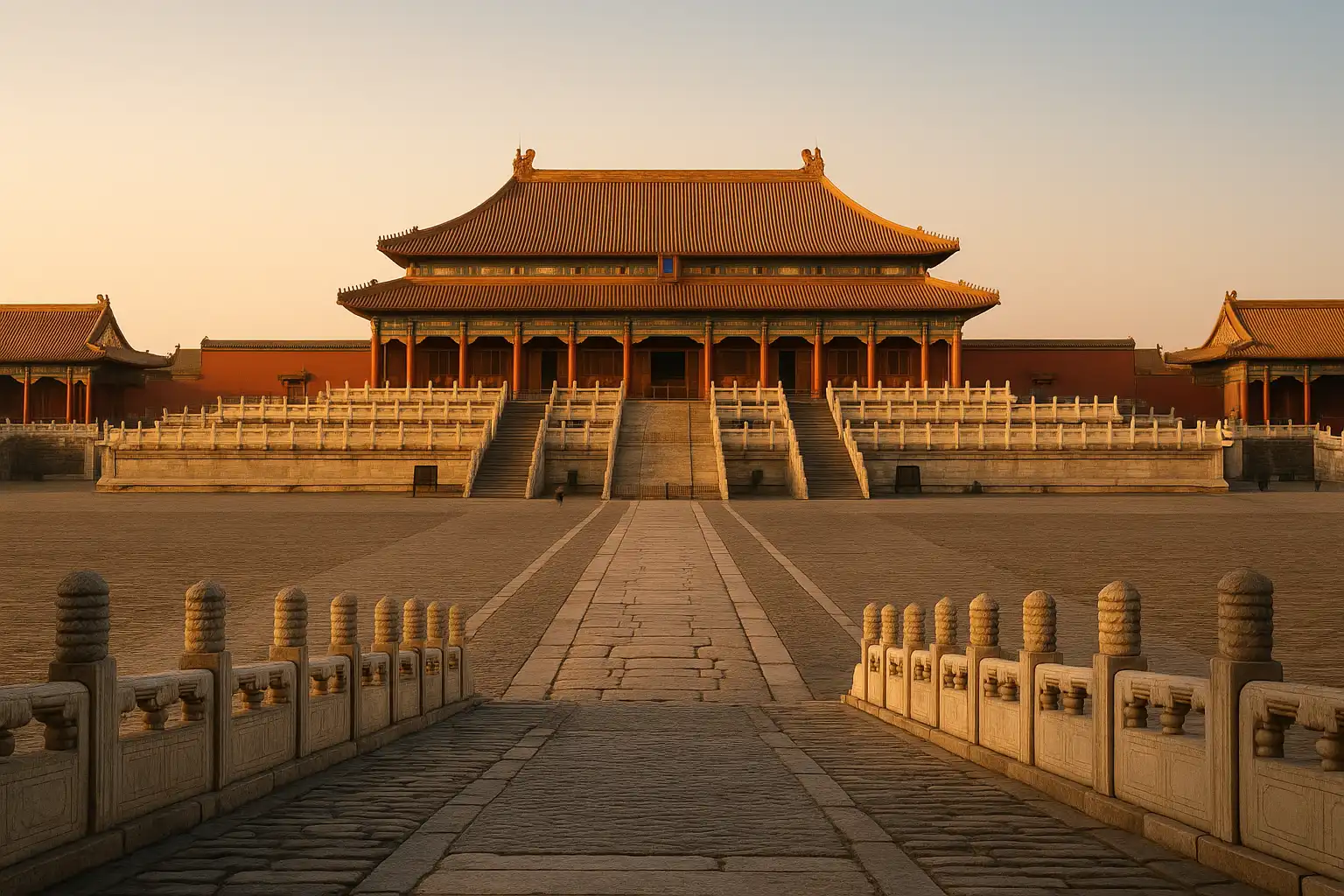
Forbidden City China Travel Guide 2026: Imperial Palace of Beijing
Chinese ImperialExplore the Forbidden City, China's imperial palace for 500 years. Discover the Hall of Supreme Harm...
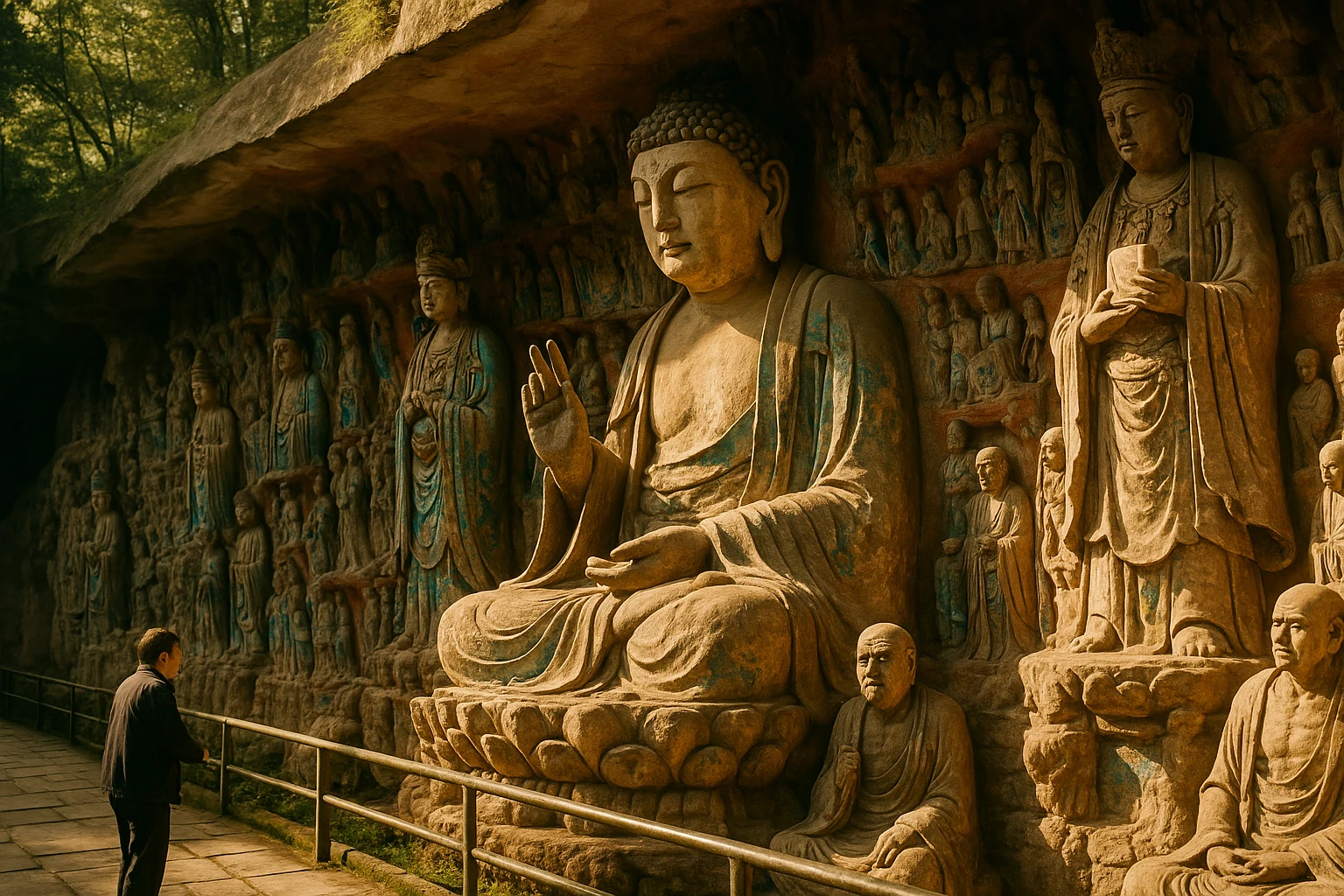
Dazu Rock Carvings
Tang and Song Dynasty ChinaAncient Buddhist, Taoist, and Confucian rock sculptures carved into cliffsides across Dazu District,...
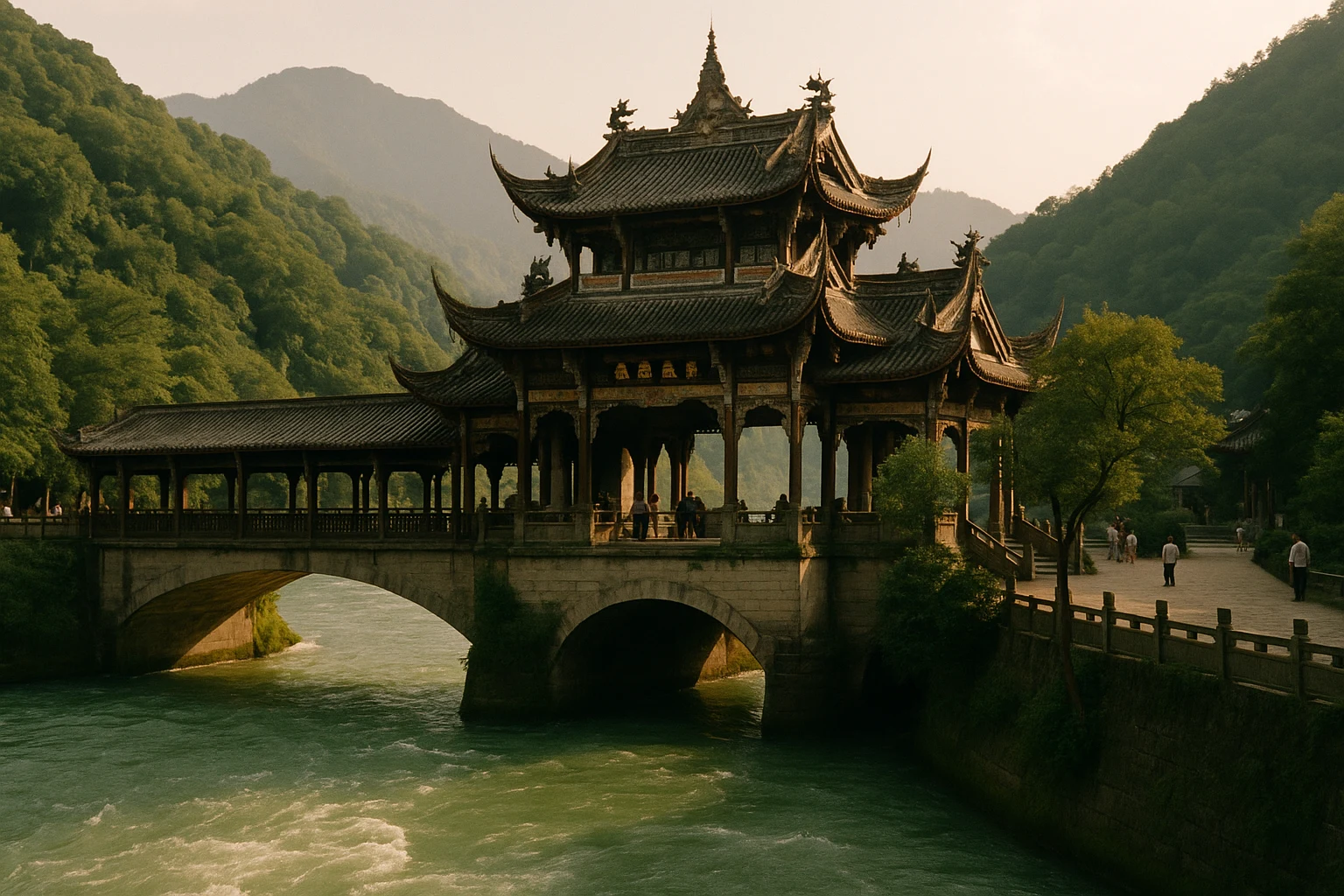
Dujiangyan Irrigation System
Explore Dujiangyan, the world's oldest functioning irrigation system, built in 256 BCE by engineer L...