Quick Info
Curated Experiences
Memphis and Dahshur Day Tour from Cairo
Private Tour: Memphis, Saqqara and Dahshur
Full-Day Pyramids Tour: Giza, Memphis, Saqqara & Dahshur
Journey to a landscape where ancient kings ruled, colossal pyramids rise against the desert sky, and the whispers of millennia-old civilizations float on the warm Egyptian breeze. Memphis and Dahshur, set along the lush floodplains of the Nile within Egypt’s Giza Governorate, offer an immersive encounter with the heart of ancient Egypt. Just south of Cairo, these two sites form a living tapestry of Egypt’s earliest grandeur—a place where pharaohs established their might and architects tested the boundaries of stone and imagination.
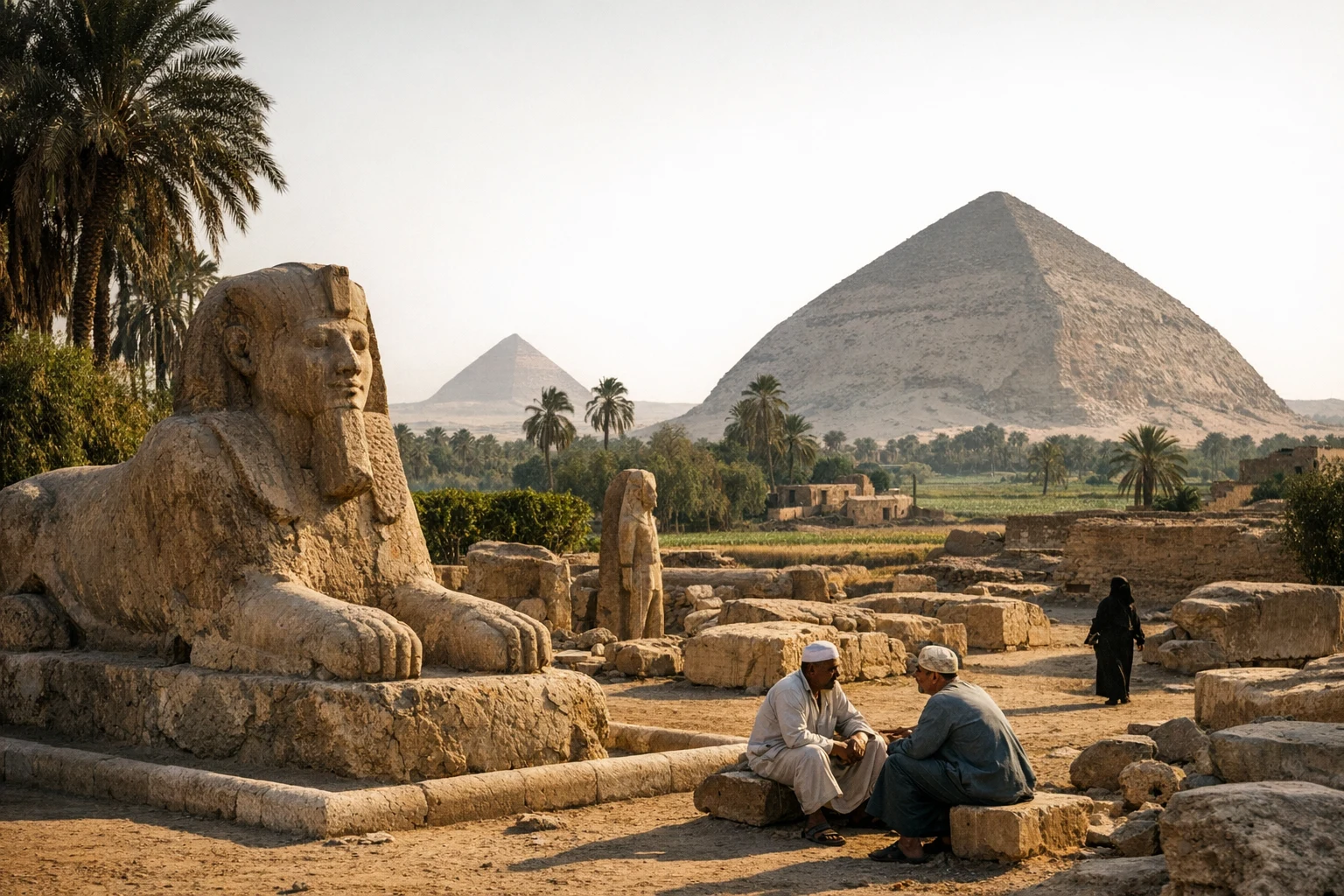
Begin your exploration in Memphis, the legendary first capital of a unified Egypt. Here, myth, power, and society first coalesced into a city that would influence the ancient world for centuries. At its zenith, Memphis thrived as a cosmopolitan hub, teeming with skilled artisans, priests, and emissaries who shaped the course of Egyptian civilization. Today, the echoes of this greatness remain in the spread of colossal statues and the tranquil atmosphere beneath swaying palms.
Venture a short drive south and you’ll arrive at Dahshur, where the relentless sands yield marvels of engineering ingenuity: the unique Bent Pyramid and the stately Red Pyramid. Before the great pyramids at Giza were built, Dahshur’s pyramid field was the ground for bold experiments that laid the foundation for Egypt’s most iconic monuments. Standing here, surrounded by timeless desert expanses and imposing structures that have weathered over four thousand years, it is easy to imagine yourself in the company of kings and the laborers who turned stone into immortality. The combined visit to Memphis and Dahshur offers not just a glimpse into Egypt’s golden age, but also an intimate understanding of how its monumental past continues to shape the present.
History
Birth of a Capital: Early Dynastic Era (c. 3100–2686 BCE)
Memphis, founded around 3100 BCE by the legendary pharaoh Narmer (Menes), holds the distinction of being Egypt’s first capital following the unification of Upper and Lower Egypt. Its original ancient Egyptian name, Ineb-Hedj (The White Walls), perhaps alludes to the white-washed palace and city walls that once gleamed in the sunlight. As the cradle of early national administration, Memphis grew rapidly, with its population swelling to tens of thousands. The city quickly became not only a political center but also a religious one, serving as the principal seat of the god Ptah, creator and patron deity of craftsmen and architects.
Old Kingdom Zenith: Pyramid Builders (c. 2686–2181 BCE)
The Old Kingdom, often called the “Age of the Pyramids,” saw Memphis flourish at the center of a powerful state. The city was the seat of royal power during the third to sixth dynasties, when the surrounding necropolises began to fill with monumental tombs and, eventually, pyramids. North of Memphis, at Saqqara, King Djoser’s Step Pyramid marked Egypt’s first experiment in colossal stone architecture. To the south, at Dahshur, Pharaoh Sneferu embarked on a pyramid-building campaign that revolutionized royal tombs. His Bent Pyramid, with its sudden change in angle midway up, reveals the technical experimentation that typified this era, while his later Red Pyramid stands as Egypt’s first true smooth-sided pyramid. Dahshur became a testing ground, paving the way for the more famous pyramids at Giza.
Middle and New Kingdoms: Shifting Importance (c. 2055–1070 BCE)
Although Thebes increasingly drew royal attention during the Middle and New Kingdoms, Memphis retained its strategic and symbolic significance. It remained Egypt’s primary northern stronghold, administrative hub, and the site of major temples, including those to Ptah, Sekhmet, and Apis. Foreign dignitaries and mercenaries came through Memphis, and the city’s population continued to thrive, switching between Egyptian and foreign rule over the centuries. During this time, Dahshur’s pyramid fields saw use as royal burial grounds for both Middle Kingdom pharaohs and nobility, including the beautiful pyramid of Amenemhat II and the Black Pyramid of Amenemhat III.
Decline, Rediscovery, and Modern Heritage Status
The rise of Alexandria in the Greco-Roman period, alongside shifting political and economic priorities, sent Memphis into gradual decline. Many of its temples were dismantled, and the Nile’s changing course further eroded the site. Dahshur’s pyramids, left to the encroaching desert, became less prominent for centuries. However, modern archaeological work, begun in the 19th and 20th centuries, has revealed the richness of these sites. In 1979, UNESCO recognized Memphis and its necropolises—including Dahshur—as a World Heritage Site, acknowledging their foundational role in early architecture and humanity’s cultural story. Each year, new discoveries and conservation efforts continue to peel back the layers of time, reinvigorating Memphis and Dahshur in the public imagination.
Key Features
Walking through Memphis and Dahshur today is a multifaceted journey through the remnants of monumental splendor.
In Memphis, although little remains of the original city layout, visitors are greeted by an open-air museum that hints at the city’s former glory. Towering above the site is the massive limestone statue of Ramesses II, carved with stunning craftsmanship and detail. Nearby rests the enigmatic alabaster sphinx, believed to represent either Hatshepsut or Amenhotep II, a silent guardian that once watched over temple courtyards. Scattered throughout the gardens, remnants of pillars, statues, and reliefs provide tantalizing glimpses of long-lost temples, including the grand Temple of Ptah, though little of its structure survives above ground. The shade of ancient trees mingles with the solemnity of the ruins, inviting contemplation about the city’s pivotal role in ancient religion, administration, and daily life.
A short journey southwards leads to Dahshur, spread across the edge of the Western Desert. The area is dominated by its two most famous pyramids, both built under King Sneferu. The Bent Pyramid uniquely displays a sudden curvature about halfway up its sides, testimony to the evolving engineering ambitions and the challenges faced by ancient architects. Unlike the inaccessible interiors of Giza’s pyramids, visitors to the Bent Pyramid, as of recent years, have been allowed to enter its inner passageways. Stepping inside offers a rare view into the heart of a 4,600-year-old royal tomb.
The Red Pyramid, the second marvel of Dahshur, rises with clean lines and a reddish limestone hue. It is regarded as Egypt’s first successful attempt at building a true smooth-sided pyramid. Inside, narrow descending chambers open into vast corbelled vaults, reflecting the genius and labor invested into these funerary monuments. The relative quiet of Dahshur, compared to Giza’s crowds, allows for a contemplative appreciation of the pyramids’ scale and symmetry, with sweeping desert vistas all around.
Further exploration reveals lesser-known pyramids from the Middle Kingdom, such as Amenemhat III’s Black Pyramid, its mudbrick core now exposed by time. Though less intact, these structures illustrate the long, varied history of pyramid construction and the ritual landscape of Dahshur. Together, Memphis and Dahshur form an open-air archive of Egyptian monumentalism: from colossal statues and cathedral-like tombs to traces of bustling markets and noble dwellings drowned by the Nile.
Getting There
Memphis and Dahshur are easily accessible from Cairo, making them popular destinations for day tours and independent travelers alike. The journey offers not only a trip through ancient history, but also a vivid view of the Nile’s lush valley and Egypt’s rural heartland.
From downtown Cairo, private taxis are the most convenient option, taking around 45 minutes to an hour to Memphis and a further 20 minutes south to Dahshur. Depending on bargaining and vehicle quality, expect to pay between 400 and 600 EGP (13–20 USD) for a round trip, though rates can fluctuate. Many drivers are familiar with the tourist circuits and will wait at each site for an agreed return fare.
For more budget-conscious travelers, various minibuses and microbuses run from Cairo’s Giza district and El Moneeb Station to the nearby town of Mit Rahina (for Memphis). Tickets are very affordable, typically under 20 EGP (about 0.70 USD), but routes can be confusing, and some basic Arabic or the help of a local is recommended. To reach Dahshur from Memphis, local taxis or tuk-tuks are available, costing around 100–150 EGP for the short journey.
Group and private tours with hotel pickup are widely offered online through major providers, often including multi-site itineraries that pack in Memphis, Saqqara, and Dahshur in a single day. These tours usually include an English-speaking guide, air-conditioned transport, and entry fees, with prices ranging from 50 to 100 USD per person, depending on group size and included extras.
Entry fees at Memphis and Dahshur are moderate: expect to pay approximately 100 EGP (about 3.50 USD) per site for adults, with discounts for students and Egyptian nationals. Both sites have security checks, ticket offices, and shaded visitor areas, making the journey comfortable for most travelers.
When to Visit
Egypt’s desert climate shapes the best times and experiences to visit Memphis and Dahshur. The most pleasant period falls between October and April, when temperatures range from 15°C to 28°C (60°F to 82°F). Clear skies, cool breezes, and an absence of searing heat make walking among the ruins comfortable and photogenic. Winter months (December to February) can bring chilly mornings and evenings, so a light jacket is recommended.
From May to September, daytime temperatures soar, often exceeding 35°C (95°F) and occasionally spiking higher. While the dry heat can still be manageable for some visitors, sun protection and hydration become paramount, and early morning visits are best. Many guides recommend arriving when sites open (typically 8:00–9:00 AM) during summer to avoid both the midday heat and busier crowds.
Ramadan and major public holidays see an uptick in local visitors, with some sites adjusting their opening hours—so it is wise to check ahead. Weekdays generally offer quieter conditions, with weekends (Friday and Saturday) bringing more regional tourists.
Regardless of the season, the exposed nature of these ancient landscapes means limited shade. Bring sunscreen, a hat, sunglasses, and plenty of drinking water. The shifting desert light also creates spectacular photographic opportunities in the early and late hours, with golden light accentuating the red and ochre stones of Dahshur’s pyramids and the statuary of Memphis. For those seeking the rare magic of solitude among the monuments, off-peak visits immediately after opening or before closing provide the most evocative experiences.
Quick Facts
| Name | Memphis and Dahshur |
|---|---|
| Location | Giza Governorate, Egypt; ~25 km south of Cairo |
| Founded | Memphis: c. 3100 BCE; Dahshur pyramids: Old Kingdom (c. 2613–2589 BCE) |
| Civilization | Ancient Egypt |
| UNESCO World Heritage | Yes (inscribed 1979 as part of “Memphis and its Necropolis – the Pyramid Fields”) |
| Main Attractions | Open-Air Museum at Memphis, Ramesses II Statue, Bent Pyramid, Red Pyramid |
| Opening Hours | Daily, 8:00 AM – 4:00 PM (may vary seasonally) |
| Entry Fees | ~100 EGP per site (~3.50 USD for adults; discounts for students/nationals) |
| How to Get There | Taxi, ride-sharing, minibus from Cairo, guided tours |
| Facilities | Limited; small visitor centers, basic amenities, local guides |
| Nearby Cities | Cairo (25–30 km north) |
Frequently Asked Questions
How far are Memphis and Dahshur from Cairo?
Memphis and Dahshur are located about 25-30 km south of Cairo, making them easy day trips by car or taxi in around 45 minutes to an hour.
What is the dress code when visiting Memphis and Dahshur?
Modest and comfortable clothing is recommended, along with sturdy shoes for walking on ancient ruins and sandy terrain.
Are Memphis and Dahshur suitable for children?
Yes, children can enjoy exploring the open spaces, though supervision is necessary near ancient structures and pyramids.
Is photography allowed at Memphis and Dahshur?
Personal photography is permitted at both sites, although drones require special permissions from Egyptian authorities.
What amenities are available on site?
There are limited amenities at Memphis and Dahshur; carry water, snacks, sunscreen, and consider using restrooms at nearby visitor centers.
Nearby Ancient Sites
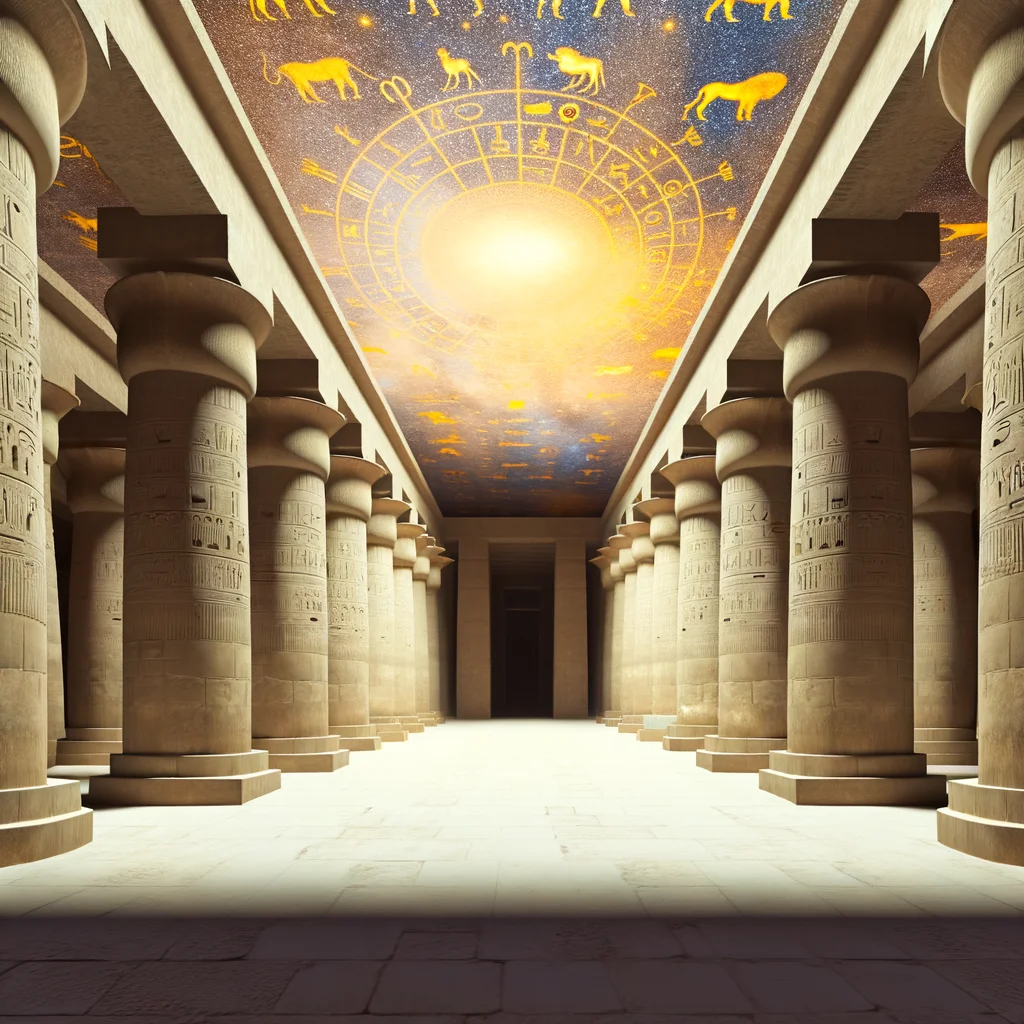
Dendera Temple Complex Egypt Guide 2026: Temple of Hathor & Zodiac Ceiling
Ptolemaic-RomanExplore Dendera's magnificent Temple of Hathor near Luxor. Star-mapped zodiac ceiling, Ptolemaic arc...
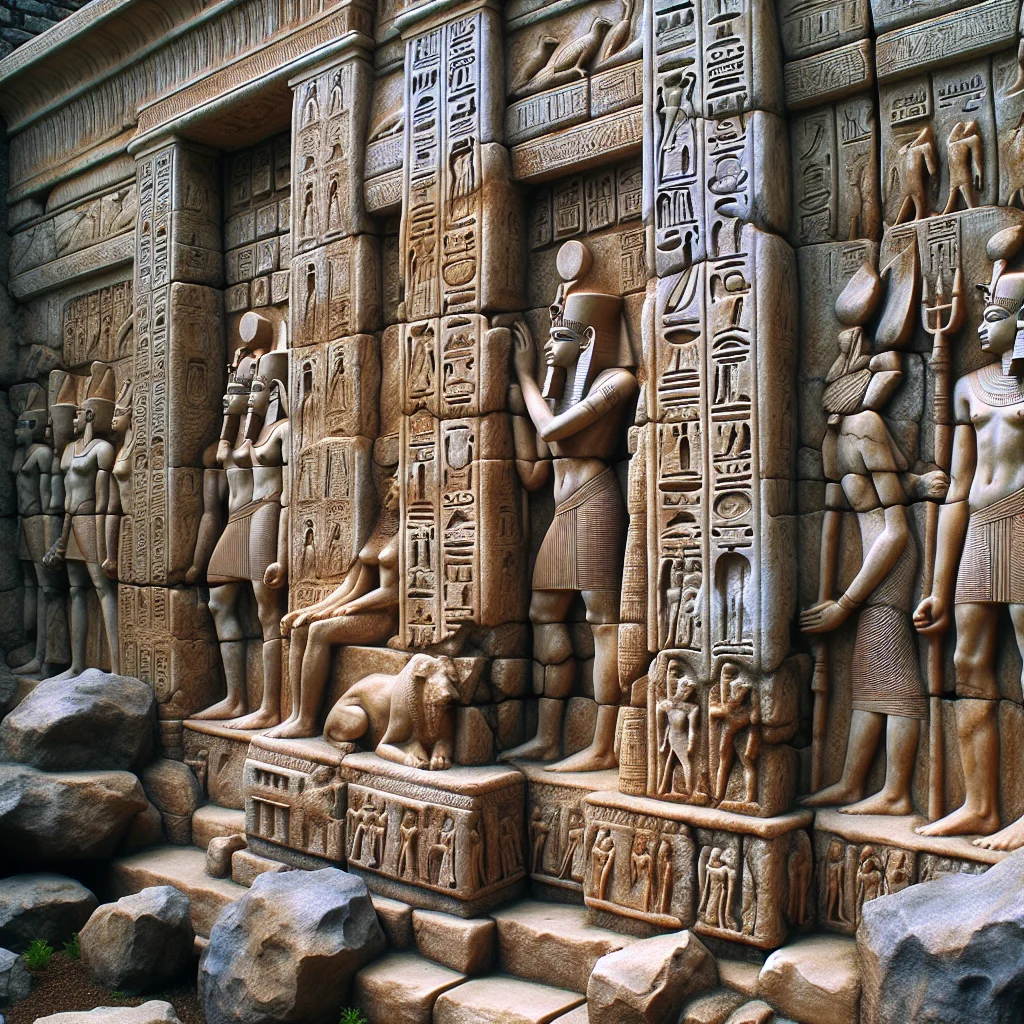
Abydos Temple Egypt Guide 2026: Temple of Seti I & King List
New Kingdom-PtolemaicAbydos Temple near Luxor: magnificent Temple of Seti I with war reliefs, ancient king list, and vibr...
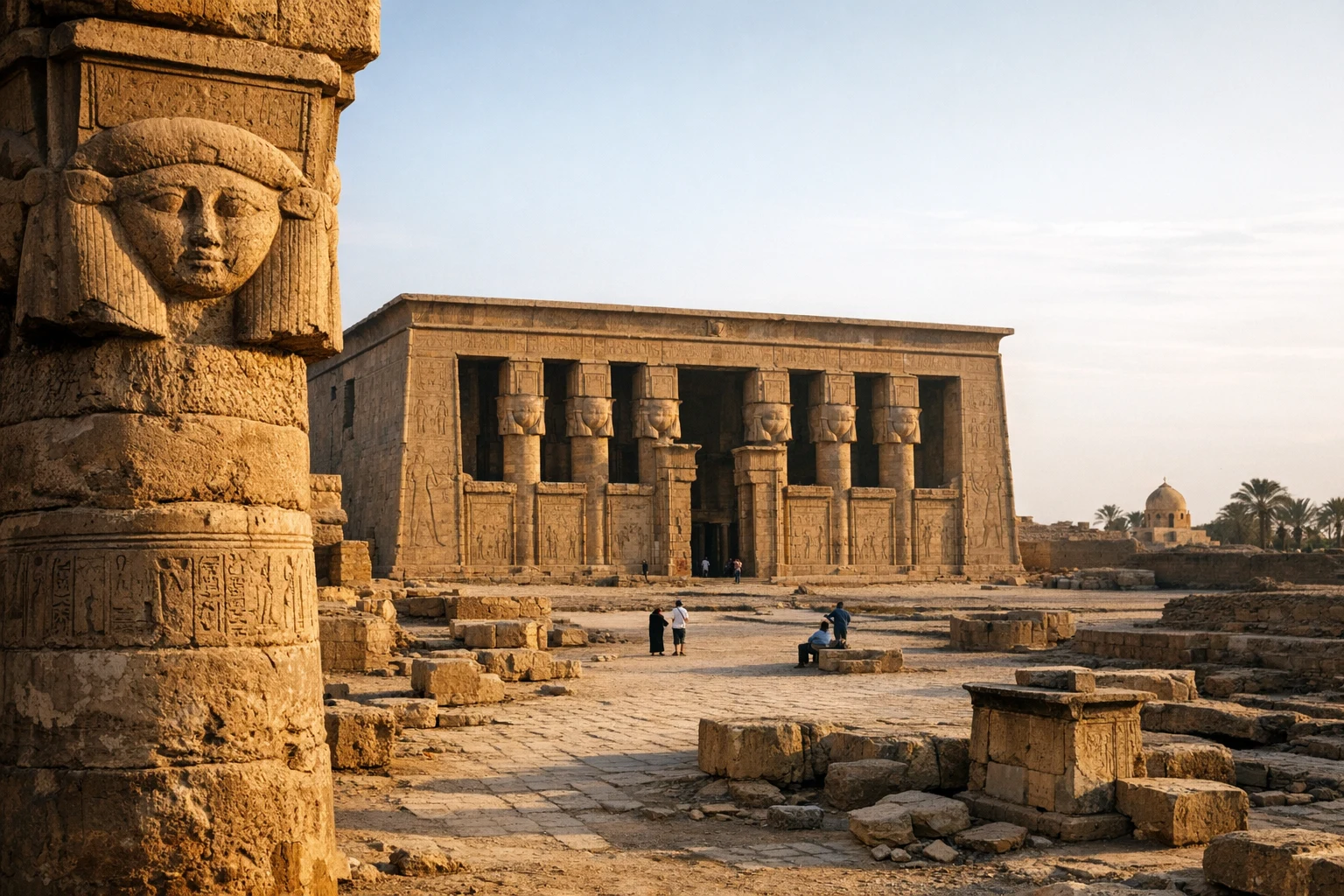
Dendera Temple Complex
The Dendera Temple Complex in Egypt is a remarkably preserved ancient site renowned for its grand Te...