Quick Info
Curated Experiences
Full Day Okinawa World Heritage Castles Tour
Nakagusuku Castle and Okinawan Culture Experience
Okinawa Historical Sites Guided Tour
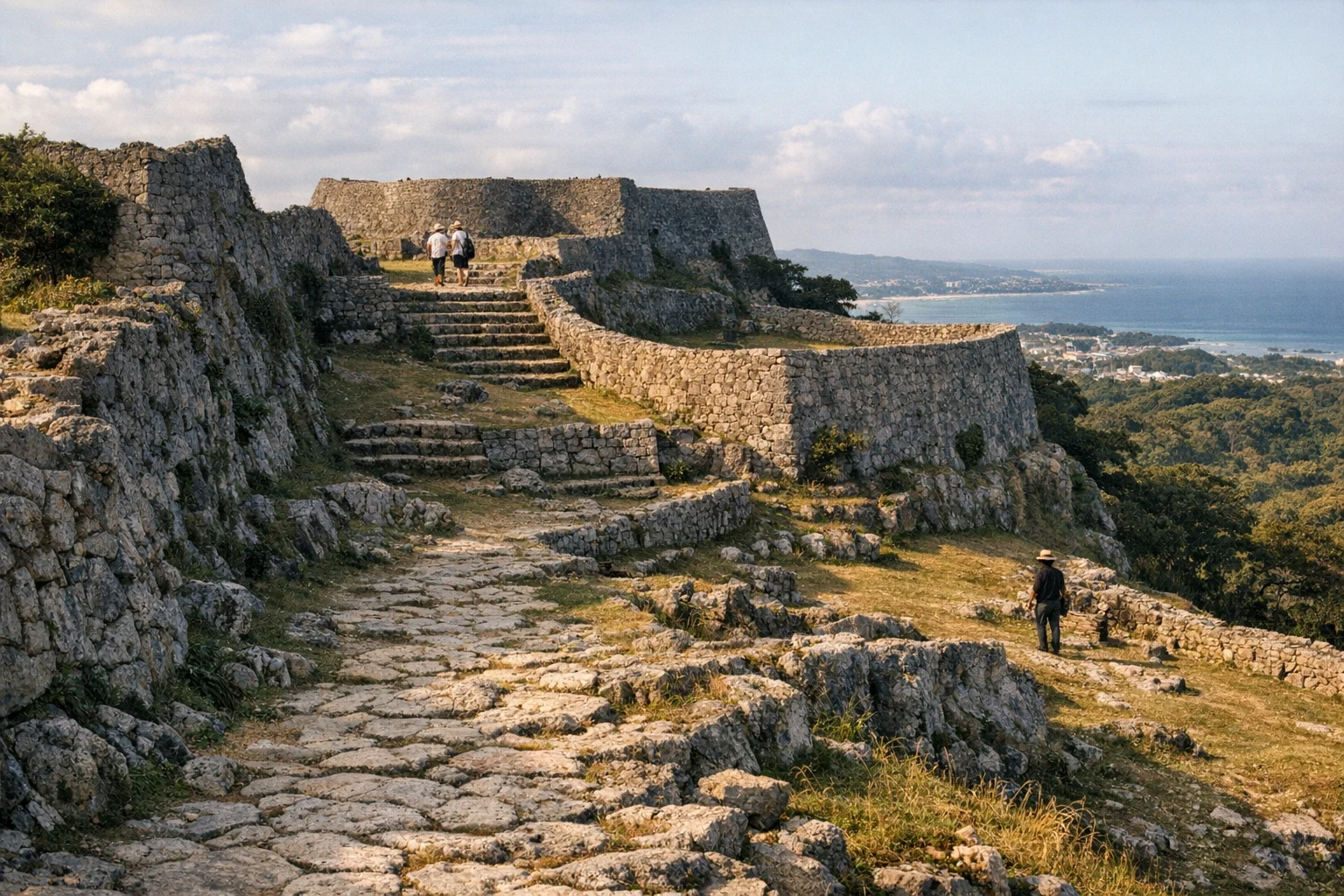
Perched high on a verdant hill overlooking the sparkling East China Sea, the Nakagusuku Castle Ruins are one of Japan’s most majestic vestiges of medieval fortification and a celebrated World Heritage Site in Okinawa Prefecture. Revered for their stunning stone walls and panoramic ocean views, the ruins invite visitors to journey back in time and trace the enduring cultural legacy of the ancient Ryukyu Kingdom. Lush subtropical foliage surrounds the meticulously crafted limestone blocks, which have withstood centuries of storms, wars, and shifting tides in Japanese history. As you approach the formidable gate of Nakagusuku, there’s an unshakeable sense of awe—a silent testament to skilled craftsmanship and the castle’s once central role in political and military affairs.
Okinawa’s legacy as a vibrant maritime crossroads comes alive here, where the salty breeze mingles with the aroma of nearby pines and hibiscus. Unlike mainland Japanese castles, Nakagusuku is constructed in the gusuku (Ryukyuan castle) tradition: sweeping curved walls fit together without mortar, creating organic forms that blend harmoniously with the rugged landscape. Sunlight glints off seashells embedded in centuries-old blocks, and the ever-present call of cicadas reminds you of Okinawa’s subtropical heartbeat. It’s not just the structural grandeur that enchants, but also the echoes of community gatherings, trade, and rituals that once animated this commanding stronghold.
With every step, from the painstakingly restored baileys to the ancient water wells and sacred utaki (spiritual sites), Nakagusuku Castle Ruins offers a rare window into regional history. Whether you are a passionate history enthusiast or a casual traveler seeking scenic vistas, this remarkable castle draws you into the story of Okinawa—its trials, resilience, and captivating beauty.
History
Early Foundations: The Birth of Ryukyuan Power
The origins of Nakagusuku Castle trace back to the early 15th century, a tumultuous era in Okinawan history known as the Gusuku Period (12th–15th centuries). As the island was fragmented into competing chieftainships, there rose a need for fortified centers of power. Nakagusuku is believed to have been founded around 1440 under the direction of Gosamaru, a powerful local lord renowned for his engineering prowess and loyalty. He was summoned from Zakimi Castle by the king of the northern Chuzan polity to help consolidate royal authority and fend off potential invaders, both foreign and domestic.
According to oral tradition and historical chronicles, Nakagusuku Castle served dual purposes from the outset: it was both a military bulwark and a symbol of centralized authority amid Okinawa’s constantly shifting allegiances. Strategic placement on a high ridge allowed lords to monitor coastal traffic and respond swiftly to threats. The uniquely curving limestone walls both defended the interior and projected the architectural sophistication of the Ryukyuan elite. Within its enclosures, administrative, ritual, and residential functions coexisted—a microcosm of the aspiring centralized kingdom.
The Tumult of the 15th and 16th Centuries
The story of Gosamaru and Nakagusuku quickly became intertwined with political intrigue. Legend holds that Lord Amawari of Katsuren Castle coveted the site and prestige Gosamaru enjoyed. By the mid-15th century, a violent conflict erupted. Gosamaru, steadfast in his loyalty, is said to have died tragically defending Nakagusuku from betrayal and siege. The incident is immortalized in folkloric tales and is foundational for understanding local perceptions of honor, fealty, and governance.
Following these events, Nakagusuku continued to act as a regional stronghold under the Ryukyu Kingdom, which by 1429 had unified the main Okinawan islands. The castle fortified the area against piracy and foreign incursions during growing tributary ties with Ming China and Southeast Asia. As white sails arrived on the horizons, bringing exotic goods and diplomatic envoys, Nakagusuku played a pivotal role in the Ryukyus’ emergence as a maritime power.
Decline and Modern Rediscovery
With the annexation of the Ryukyu Kingdom by the Satsuma Domain in 1609 and the subsequent absorption into Meiji-era Japan, Nakagusuku’s strategic importance gradually faded. By the late 19th century, it was already a ruin, abandoned to the encroaching jungle and uprooted by earthquakes and the ravages of time. During World War II, Okinawa became the setting for fierce battles, but remarkably, the castle ruins escaped major destruction.
Serious preservation efforts began in the 20th century with local citizens and historians recognizing the site’s immense cultural and historical value. Extensive restoration work in the 1970s and 1980s stabilized the walls, while archaeological research uncovered rich evidence of daily life, trade goods, and religious practices that once flourished here. Recognition of Nakagusuku as part of the UNESCO World Heritage “Gusuku Sites and Related Properties of the Kingdom of Ryukyu” came in 2000, cementing its status as a cherished link to both Okinawan and broader Japanese heritage.
Key Features
Nakagusuku Castle Ruins captivates visitors through a blend of dramatic architecture, sweeping vistas, and subtle spiritual touches that only emerge upon closer exploration. The moment you step through the sturdy stone gate, the massive curved walls—up to six meters high in some sections—draw the eyes upward and wrap protectively around the six main courtyards or baileys. These enclosures, constructed from weathered limestone blocks, display a skillful dry-stone masonry unique to the Ryukyuan tradition. The precision fit of stones, without use of mortar, reveals centuries-old techniques intended to withstand Okinawa’s relentless typhoons, seismic activity, and assaults by potential enemies.
Within its generous expanse, each courtyard once served a distinct function. The first and second enclosures were reserved for ritual and administrative purposes, acting as the ceremonial heart of the castle. Here, you can find the remains of ancient hearths, sacred stones, and the revered utaki—spiritual groves believed to be home to guardian spirits. Modern visitors often pause in these tranquil spaces, feeling an almost tangible connection to Okinawa’s spiritual traditions.
The third and fourth courtyards, bordered by gently curving defensive walls, once bustled with the activities of soldiers, retainers, and visiting dignitaries. Small terraced areas mark the locations of former barracks and storage rooms. Signs of past habitation emerge in the form of pottery shards, shellwork, and fragments of roof tiles, discovered over decades of excavation. In spring and summer, the castle’s stonework glows golden beneath the sun, framed by vibrant wildflowers and flowering hibiscus.
Perhaps the most arresting feature of all is the panoramic view from the eastern ramparts. From here, the azure waters of Nakagusuku Bay stretch to the horizon, and on clear days, you can see as far as the distant islands and the cityscape of Naha. The fortress was designed with such sight lines in mind—offering both a strategic lookout and a daily visual reminder of Okinawa’s close ties to the sea.
Visitors also encounter well-preserved ancillary features: the remains of ancient wells that provided clean spring water, evidence of thorough site planning reflecting the priorities of sustainability and resilience. A reconstructed traditional wooden gate welcomes guests, while stone stairways, some original and others carefully rebuilt, guide you from level to level. Interpretive signs in multiple languages, a small museum, and the on-site visitor center ensure that every journey through the ruins is steeped in both understanding and wonder.
Getting There
Reaching the Nakagusuku Castle Ruins is a straightforward and scenic adventure from almost anywhere on Okinawa Island. The ruins are centrally positioned between Okinawa City and Naha, making them an easy stop along most tourist routes. From Naha, the island’s largest city and airport hub, visitors have several transportation options.
By car, the journey along Route 329 takes approximately 40 minutes (about 20 km), threading through picturesque countryside dotted with small villages and sugarcane fields. Car rentals are readily available at Naha Airport and throughout the city—expect to pay around 5,000 to 7,000 yen per day for a basic vehicle. For added convenience, onsite parking at Nakagusuku is free and plentiful, accommodating both cars and tour buses.
Public transportation is accessible and efficient. Take the local Ryukyu Bus (Route 30) or Okinawa Bus (Route 46 or 52) from Naha Bus Terminal toward Nakagusuku or Okinawa City. The ride takes about 40–55 minutes depending on traffic, and fare ranges from 600 to 800 yen per person. Alight at the Nakagusuku Shurijo Iriguchi stop; from here, it’s roughly a 15-minute walk uphill to the castle gates. Taxis are another option, with the fare from Naha averaging around 3,500 to 5,000 yen one way. For those seeking a guided experience, many tours—both private and group—include Nakagusuku on full-day itineraries.
After arriving, the visitor center provides maps in multiple languages, background information, and ticketing services. While the path to the castle’s summit involves some uphill walking and stone steps, the route is well-marked and benches offer rest stops. Those with mobility limitations can access the panoramic viewpoints and lower baileys, but parts of the castle are uneven and may be challenging for wheelchair users.
When to Visit
Okinawa’s subtropical climate means Nakagusuku Castle Ruins can be enjoyed year-round, but each season offers its own charms—and considerations. The most popular time for visits is between late October and April, when temperatures are mild (averaging 17–22°C), humidity is low, and skies tend toward brilliant blue. This is an ideal period for walking the castle grounds in comfort, enjoying unimpeded vistas across the bay, and catching the island’s famous cherry blossoms in late January through February.
Summer (May to September) transforms Nakagusuku into a lush, green oasis, but it also brings high humidity and temperatures often exceeding 30°C. While the vibrant plant life and singing cicadas create a magical atmosphere, visitors should be prepared for intense sunlight—bring water, sun protection, and take frequent breaks. The site remains open during mild rainfall, but sudden tropical showers can make the limestone steps slippery. Late May to June marks Okinawa’s rainy season, so check forecasts before setting out and consider bringing a light raincoat or umbrella.
Typhoon season occurs from June through October. While most storms pass to the east of Okinawa, some years see direct hits that can temporarily close the castle ruins for safety. Always check the official Nakagusuku Castle website or local news for weather advisories just before your visit. Early morning or late afternoon visits are often rewarded with soft golden light, cooler temperatures, and fewer crowds—perfect conditions for photography and reflection. Regardless of season, Nakagusuku Castle Ruins’ serenity and grandeur are at their most impactful when the site is quiet, allowing you to linger in the mysterious spaces between walls, where history and nature still intertwine.
Quick Facts
| Attribute | Details |
|---|---|
| Location | Kitanakagusuku, Okinawa Prefecture, Japan |
| Coordinates | 26.2731° N, 127.7906° E |
| Type | Ryukyuan gusuku (castle) ruins |
| Founded | c. 1440 (15th century) |
| Civilization | Ryukyu Kingdom |
| UNESCO Status | World Heritage (since 2000) |
| Opening Hours | 8:30am - 5:00pm (varies seasonally) |
| Admission | 400 yen (adults), 300 yen (children) |
| Main Features | Curved stone walls, utaki (sacred sites), sea views |
| Access | Car, bus, taxi; 40 min from Naha |
| Facilities | Visitor center, restrooms, panoramic viewpoints |
| Best Season | Late autumn to spring (Oct–Apr) |
Frequently Asked Questions
How much does it cost to visit Nakagusuku Castle Ruins?
Admission is typically 400 yen for adults and 300 yen for children. Discounts may apply for groups and students.
What are the opening hours for Nakagusuku Castle Ruins?
The ruins are generally open daily from 8:30am to 5:00pm (last entry 4:30pm), but hours may be extended during summer.
Is Nakagusuku Castle Ruins accessible by public transport?
Yes, you can reach the site via bus or taxi from Naha city. The nearest bus stop is about a 15-minute walk from the ruins.
How long should I plan to spend at Nakagusuku Castle Ruins?
Most visitors spend 1–2 hours exploring the ruins, gardens, and taking in the panoramic coastal views.
Are there any facilities at Nakagusuku Castle Ruins?
The site offers a visitor center, restrooms, shops selling local snacks, and brochures in multiple languages.
Nearby Ancient Sites
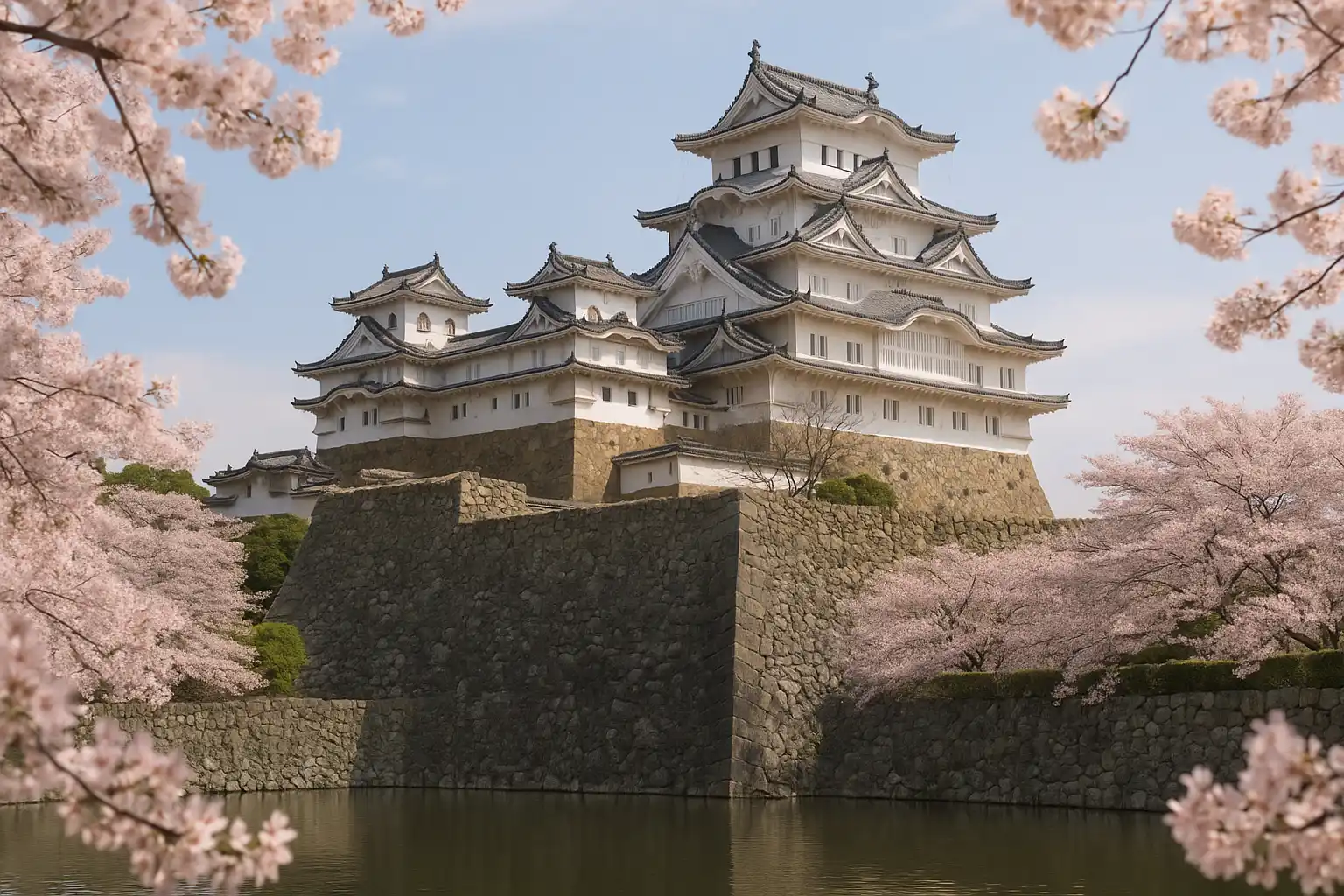
Himeji Castle Japan Travel Guide 2026: The White Heron Castle
Japanese FeudalVisit Himeji Castle, Japan's most beautiful original castle. Explore the White Heron keep, defensive...
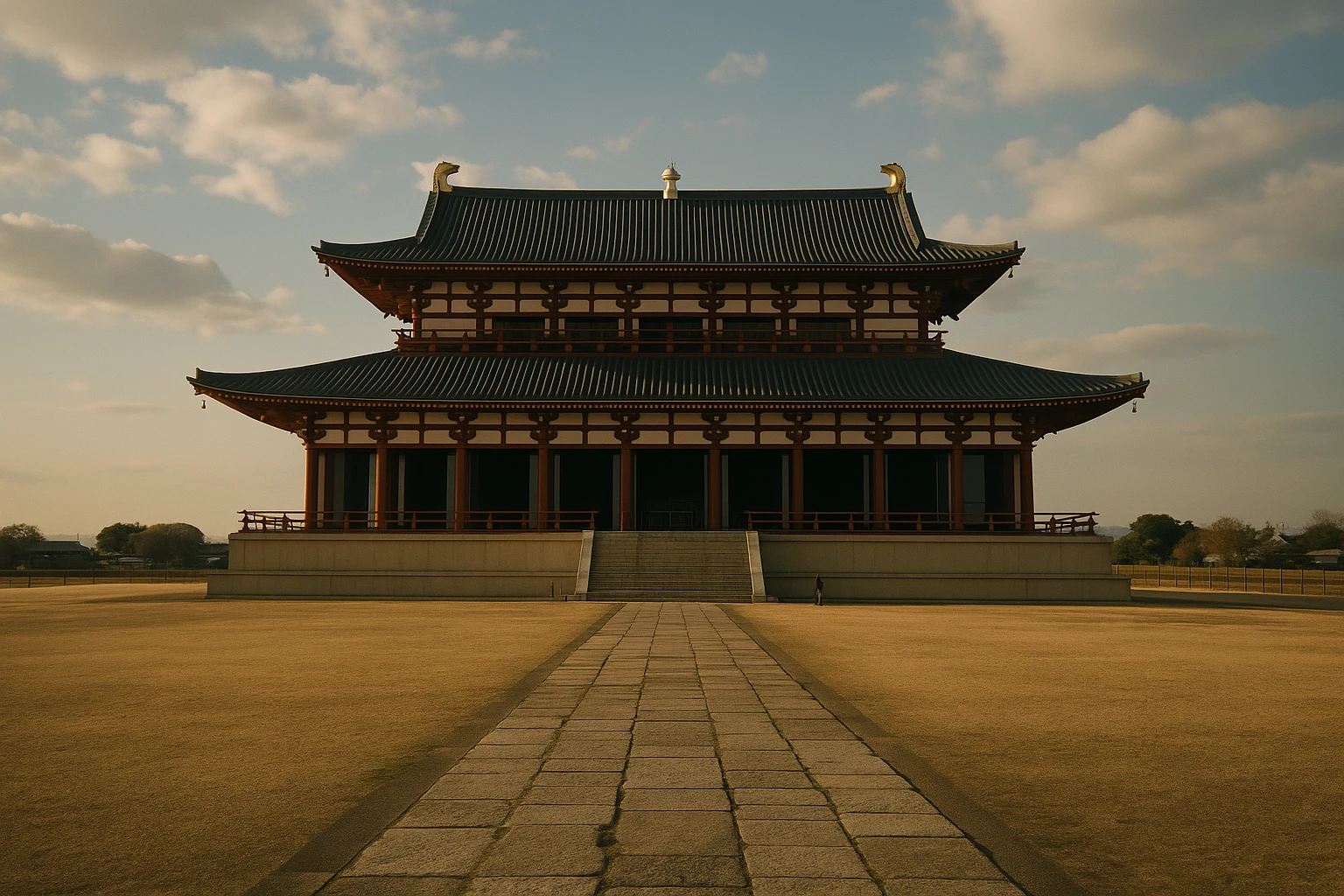
Heijo Palace Site
Nara Period JapanWalk the vast grounds of Japan's 8th-century imperial capital in Nara — a UNESCO World Heritage Site...
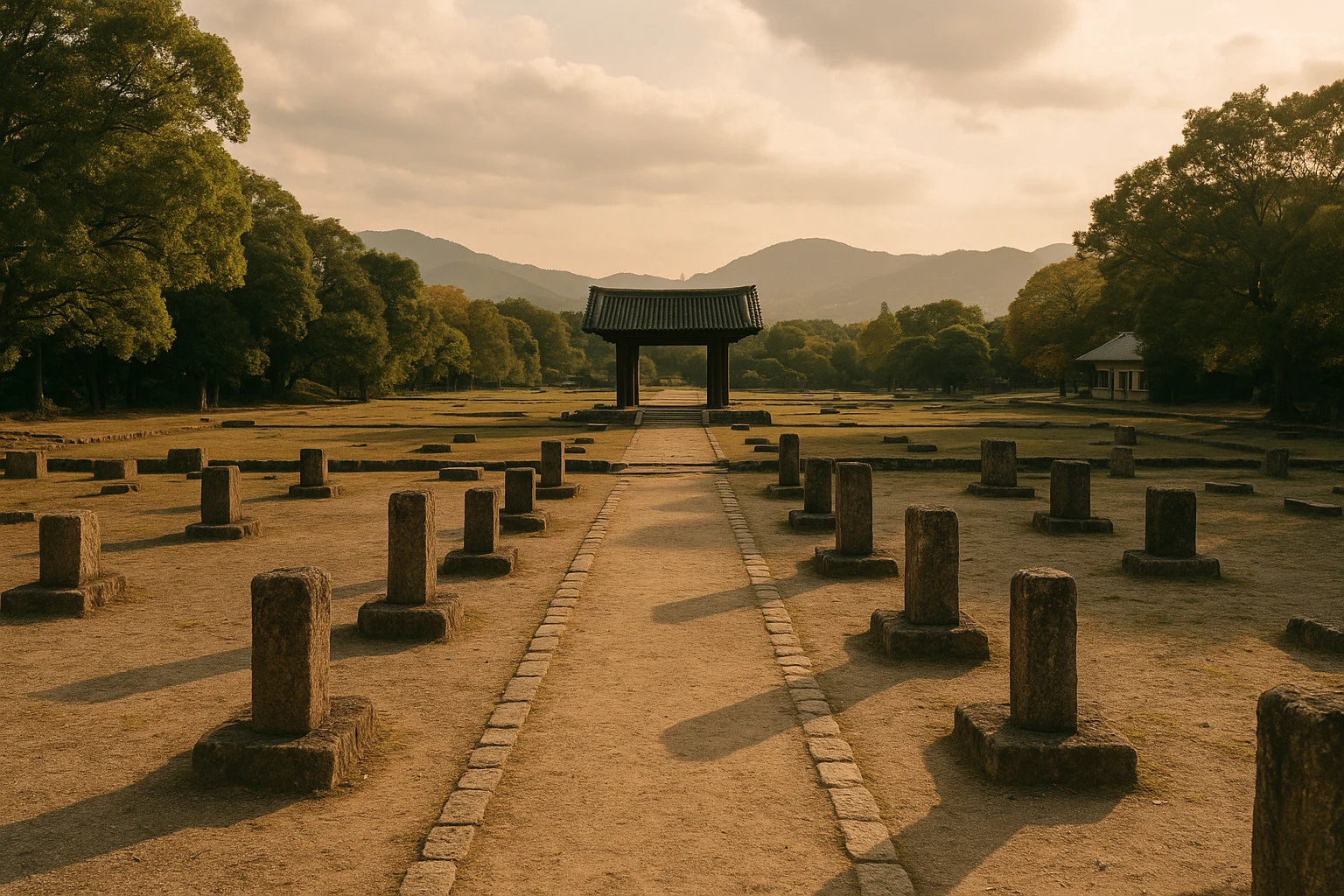
Dazaifu Government Office Ruins
Yamato Japan / Nara–Heian StateAncient administrative heart of Kyushu, the Dazaifu Government Office Ruins preserve Japan's 7th-cen...