Quick Info
Curated Experiences
Nakijin Castle and Churaumi Aquarium Full-Day Tour
Northern Okinawa Cultural Heritage Day Tour
Historic Ryukyu Castles of Okinawa Sightseeing Trip
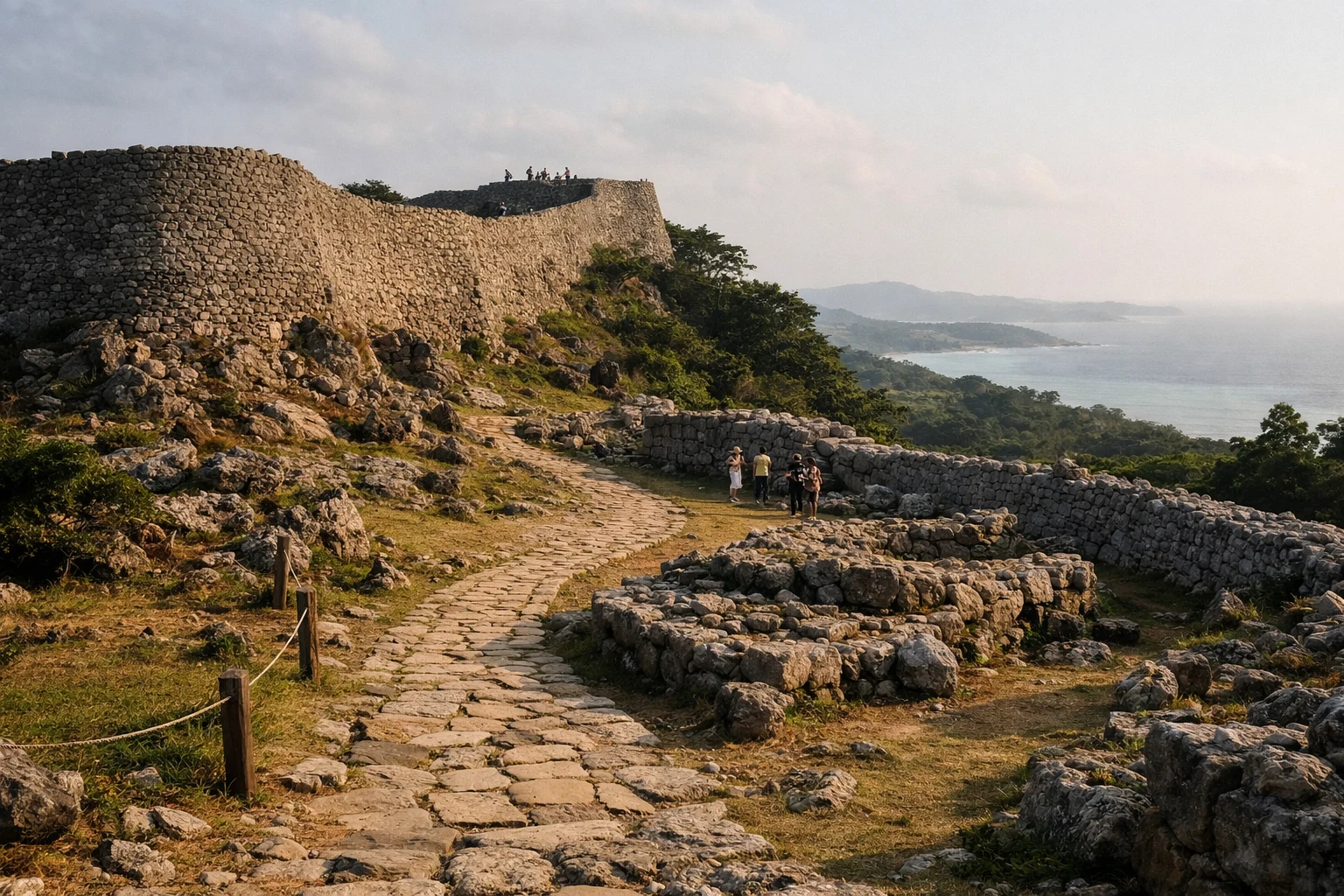
Standing atop a lush, wind-swept hill in northern Okinawa, the Nakijin Castle Ruins embody the enduring spirit and cultural depth of Japan’s storied Ryukyu Kingdom. Located in Okinawa Prefecture, on the subtropical island that bridges mainland Japan with the rest of Asia, Nakijin Castle Ruins (今帰仁城跡, Nakijin-jō ato) welcome visitors into a serenely unique world where ancient coral-stone ramparts echo with the voices and legends of a distant past. As you meander along its serpentine pathways flanked by mossy green walls, savoring panoramic views toward the emerald East China Sea, the castle’s sprawling remains inspire a sense of respect for both nature’s power and human ingenuity. Each year, the fortress stones are surrounded by cherry blossoms, drawing crowds seeking to relive the era of chieftains, samurai, and courtly rituals.
This UNESCO World Heritage Site is more than a photogenic relic: it is a living, breathing link to Okinawa’s pre-modern heritage. It invites travelers to experience Japan through a subtropical lens, shaped by island traditions, ancient myth, and centuries of shifting power. Whether you’re wandering its atmospheric gates at sunrise or joining locals for the famed Nakijin Sakura Festival in winter, the ruins bridge the past with the present. Nakijin Castle Ruins serve as an open-air museum, a community landmark, and a testament to the resilience and cosmopolitan culture that once defined the Ryukyu Kingdom. From contemplative solo explorers to families discovering Japan’s “other” history, every visitor to Nakijin becomes part of a centuries-long story.
History
Gusuku Origins and Ryukyuan Rise (13th–14th Century)
The story of Nakijin Castle begins in the late 13th century, during what is known as the Gusuku Period—a time of castle building and power consolidation among Okinawa’s indigenous chieftains. Nakijin was constructed as a gusuku, or fortress, by the Aji (local lord) of Hokuzan, one of the three rival kingdoms of ancient Okinawa. At this time, Okinawa was divided into northern (Hokuzan), central (Chūzan), and southern (Nanzan) polities, each overseeing its own trade networks and cultural evolution.
Nakijin served as the political and spiritual heart for Hokuzan, dominating a critical position atop a hill that allowed early warning of any approach from sea or land. Its thick limestone walls, some extending up to 1.5 kilometers in length, enclosed administrative, residential, and religious precincts. The castle was not merely a military redoubt—it was also the locus of ritual life for the local population, housing shrines and sacred spring wells that played a crucial role in Ryukyuan spirituality.
Wars, Unification, and the Kingdom of Ryukyu (15th Century)
By the early 15th century, Okinawa’s geopolitical landscape shifted under the ambitious unification policies of Shō Hashi, a chieftain from Chūzan. In a campaign to consolidate the three warring states under a single Ryukyuan king, Nakijin was besieged and ultimately fell to Chūzan forces in 1416. This conquest marked a turning point: Nakijin lost its central authority but continued as a regional administrative outpost and symbol of Hokuzan’s former might.
After unification, the Ryukyu Kingdom thrived as a maritime hub, mediating trade between China, Japan, Korea, and Southeast Asia. Although the seat of power shifted to Shuri Castle in the south, Nakijin maintained ceremonial functions and remained integral to the sacred network of utaki (holy sites), perpetuating regional identity and ancestral veneration.
Edo Era, Decline, and Rediscovery (17th–20th Century)
With the 17th-century Satsuma invasion from mainland Japan, Ryukyu was partially integrated into the Japanese feudal domain while retaining nominal independence. Over the Edo period, Nakijin Castle gradually declined in importance as administrative needs changed and political power became centralized. By the 18th century, Nakijin was largely abandoned, left to the encroaching jungle and centuries of typhoons, termites, and weathering.
Interest in the site revived in the modern era, particularly after World War II, as Okinawans sought to reclaim and celebrate their cultural roots. Archaeological work in the late 20th century unearthed stoneware, tile fragments, and ritual objects, further illuminating the daily life and cosmopolitan influences of its inhabitants. In 2000, Nakijin Castle Ruins, along with several other gusuku sites, were inscribed by UNESCO as part of the “Gusuku Sites and Related Properties of the Kingdom of Ryukyu,” cementing its status as a world treasure.
Key Features
The centerpiece of Nakijin Castle Ruins is its grand, sweeping stonework—a testament to the artistry and defensive acumen of the early Ryukyu builders. The walls appear to ripple like waves, seamlessly following the undulating terrain of Okinawa’s hills. Constructed without mortar, the blocks are fitted so precisely that, even after centuries of storms and earthquakes, they remain formidable. These stony fortifications are not merely relics, but living sculptures, inviting visitors to contemplate the boundary between architecture and nature.
Passing through the preserved Heiro-mon (main gate), travelers are enveloped by an atmosphere of timelessness. The approach road, especially during late winter, is resplendent with the pale pink hues of Taiwan cherry blossoms, rivaling some of Japan’s most celebrated hanami (flower viewing) locales. The path winds through secondary and inner gates, each with their own historic character. Once inside, the castle’s divisions become clear: baileys and courtyards where the Aji and retainers would have lived, plotted, and held rituals. The site’s highest point offers sweeping views of Nakijin village, rural landscapes, and the shimmering Pacific coastline.
With substantial sections of outer and inner ramparts preserved, it’s possible to grasp the scale of this citadel: the walls run for over 1.5 km, enclosing multiple enclosures on varying elevations. Scattered throughout the site are the remains of domestic quarters, sacred wells (utaki), and the foundations of ceremonial halls. Unique to Nakijin is its blend of military and spiritual architecture—the castle functioned both as a seat of power and a cultural sanctuary.
A highlight for many visitors is the Nakijin Castle Ruins Museum near the entrance. This modern facility houses archaeological finds, including pottery, religious implements, and imported goods that chart the site’s storied place within regional trade. Informative displays illuminate the lifestyle, costume, and international connections of the medieval Ryukyuans, who welcomed goods and ideas from as far as China and Southeast Asia.
The sense of harmony between built and natural environments further elevates the experience. Wild orchids, ferns, and subtropical trees encroach gently on the weathered stones, while the castle hill offers a habitat for rare bird species and butterflies. Particularly magical is the castle’s winter illumination, when carefully placed lights transform the ruins into an ethereal vision during sakura season.
Getting There
Nakijin Castle Ruins are located in the village of Nakijin, in northern Okinawa Prefecture—about 90 kilometers from Naha, the island’s capital. The journey to Nakijin is part of the allure, meandering through serene coastal highways, sugarcane fields, and subtropical forests.
The most convenient way to reach Nakijin Castle Ruins is by rental car. Okinawa’s main island highways are well-maintained, with English signage provided along Route 58 and the Okinawa Expressway. Driving from Naha Airport to Nakijin takes around 1.5 to 2 hours. Tolls on the expressway amount to approximately 1,040 JPY for a one-way trip. Car rentals at Naha Airport range from 4,000 to 8,000 JPY per day, with fueling and insurance costs additional.
For travelers relying on public transport, there are bus routes connecting Naha with the northern town of Nago. Express Bus #111 or #117 from Naha to Nago Bus Terminal takes about 1 hour 40 minutes, with fares of around 2,190 JPY one way. From Nago, Local Bus #65 or #66 runs toward Nakijin, with a stop at Nakijin Castle Entrance (about 40 minutes, 890 JPY). While bus connections are reliable, schedules are infrequent and last departures may be late afternoon, so plan your journey carefully—especially in winter.
Taxis are available at major towns and can be chartered for half-day excursions, though fares can exceed 10,000 JPY from Naha to Nakijin. Many guided tours also combine Nakijin with nearby attractions such as the world-famous Okinawa Churaumi Aquarium, making day trips efficient for those with limited time.
Cyclists and adventurous travelers can also explore the area’s scenic byways, but be prepared for challenging hills and strong coastal winds. However you arrive, the approach to Nakijin—framed by mountain ridges and glimpses of sparkling sea—sets the mood for a journey through time.
When to Visit
Nakijin Castle Ruins welcome visitors year-round, but the experience changes with the island’s shifting seasons. For many, the highlight is late January through early February, when the castle grounds become the first place in Japan to erupt with cherry blossoms. Okinawan sakura are a vivid pink, contrasting sharply with the subdued pastels of mainland varieties, and the Nakijin Gusuku Sakura Festival fills the ancient ramparts with local families, music performances, and food stalls.
Spring (March-May) is pleasant and temperate, with fewer crowds following the blossoms. The air is fresh, skies are clear, and both mornings and late afternoons are ideal for photography or quiet exploration. Summer (June-September) brings higher humidity and potential typhoons, though the castle is especially lush and the ocean vistas dazzling. Be aware that midday heat can be intense, so plan visits for early or late hours during summer.
Autumn (October-November) offers comfortable weather, thinner crowds, and dramatic sunsets from the castle hill. Winter (December-February) is mild compared to mainland Japan, with temperatures rarely dipping below 10°C, making it ideal for travelers escaping the northern chill. However, the festival period can be busy, so consider booking accommodations in advance. Early mornings or late afternoons tend to be the most atmospheric, with mist swirling over the greenery and golden sunlight gilding the coral stones.
Rain is possible year-round; sturdy shoes and a light jacket are recommended. The castle’s elevated, open site means it can get windy—pack accordingly, especially if visiting outside of summer. With much of the site exposed, hats, sunscreen, and water are essential in the hotter months.
| Quick Facts | Details |
|---|---|
| Location | Nakijin Village, Okinawa Prefecture, Japan |
| Built | Late 13th century, Gusuku Period |
| UNESCO Status | World Heritage (Gusuku Sites and Related Properties of the Kingdom of Ryukyu) |
| Main Materials | Coral limestone walls, earthworks |
| Admission (Adult) | ~400 JPY |
| Opening Hours | 8:00 AM to 6:00 PM (seasonal variations) |
| Highlight Months | January–February (sakura blossom), spring, autumn |
| Accessibility | Partial—some steep, uneven paths; museum and visitor center accessible |
| Nearby Attractions | Okinawa Churaumi Aquarium, Ocean Expo Park, Motobu Peninsula beaches |
| Approx. travel time (from Naha) | 1.5–2 hours by car, 2.5–3 hours by public transport |
Whether you stand amid the ancient stonework during a peaceful sunrise or join in the lively cherry blossom festivities with locals, Nakijin Castle Ruins offer a window into Okinawa’s singular past and a journey across the centuries of cultural interplay, resilience, and beauty.
Frequently Asked Questions
What are the opening hours for Nakijin Castle Ruins?
Nakijin Castle Ruins are typically open from 8:00 AM to 6:00 PM, with last admission at 5:30 PM. Hours may vary by season and on public holidays.
Is there an entrance fee to visit Nakijin Castle Ruins?
Yes, the standard adult admission is around 400 JPY, with discounts for children, students, and groups.
Are guided tours available at Nakijin Castle Ruins?
Yes, guided tours are available in Japanese, and multilingual audio guides can be rented. Booking ahead for English-speaking guides is recommended.
How much time should I plan for visiting Nakijin Castle Ruins?
A comprehensive visit takes about 1.5 to 2 hours including the UNESCO site's main areas and on-site museum.
Is Nakijin Castle Ruins accessible for people with mobility issues?
Some areas are accessible, but the historic stone paths are uneven and steep in places. The visitor center and museum are wheelchair-friendly.
Nearby Ancient Sites
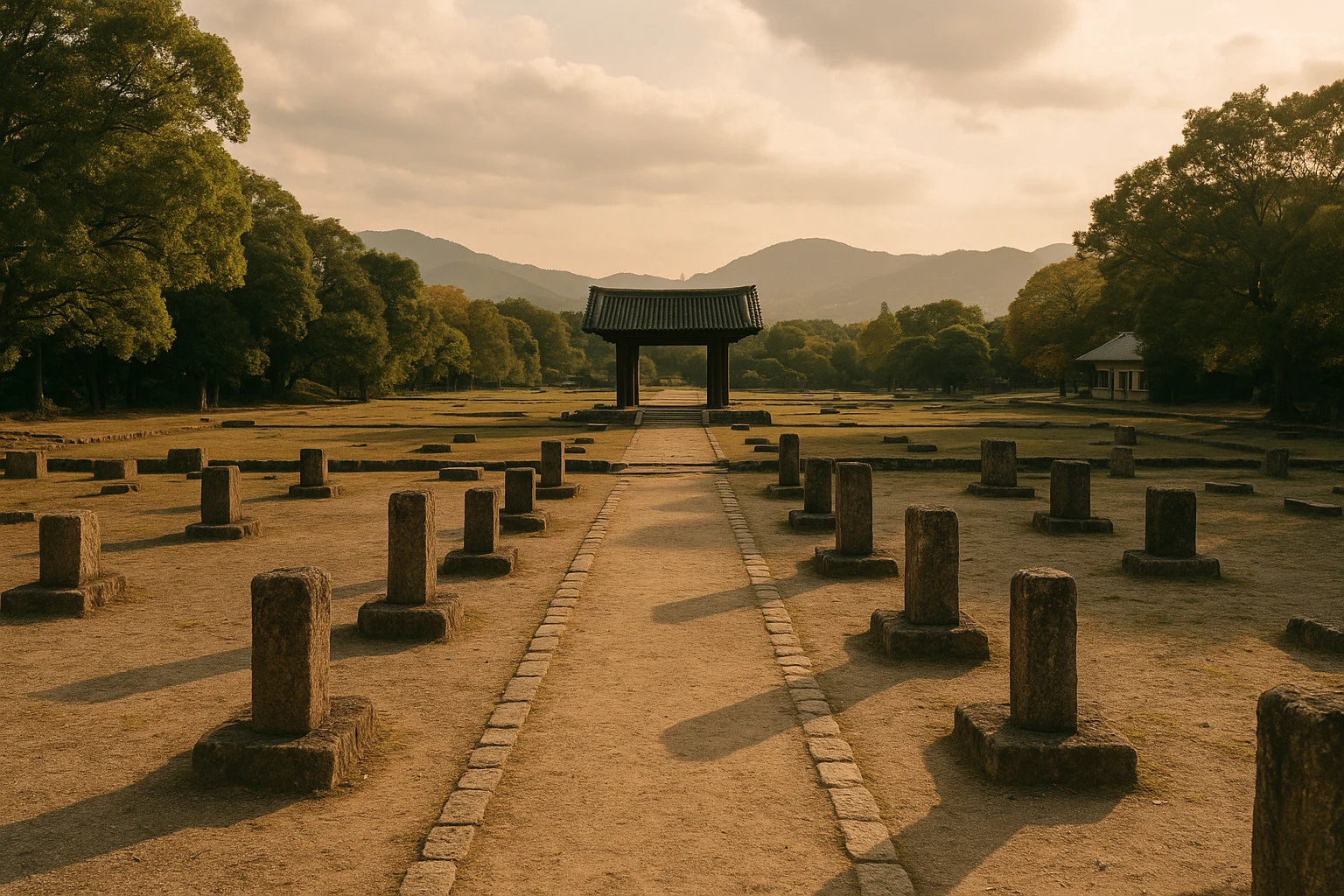
Dazaifu Government Office Ruins
Yamato Japan / Nara–Heian StateAncient administrative heart of Kyushu, the Dazaifu Government Office Ruins preserve Japan's 7th-cen...
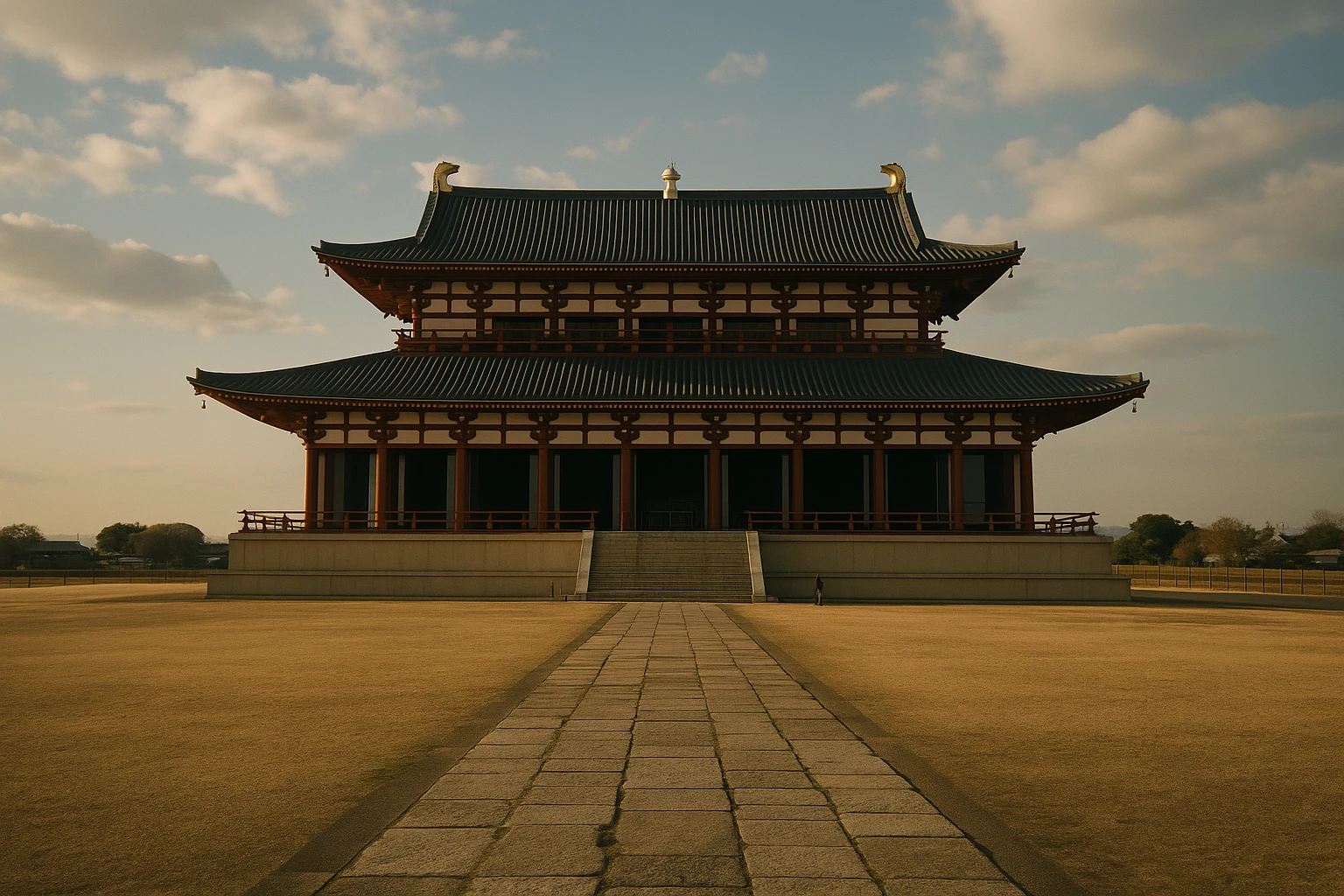
Heijo Palace Site
Nara Period JapanWalk the vast grounds of Japan's 8th-century imperial capital in Nara — a UNESCO World Heritage Site...
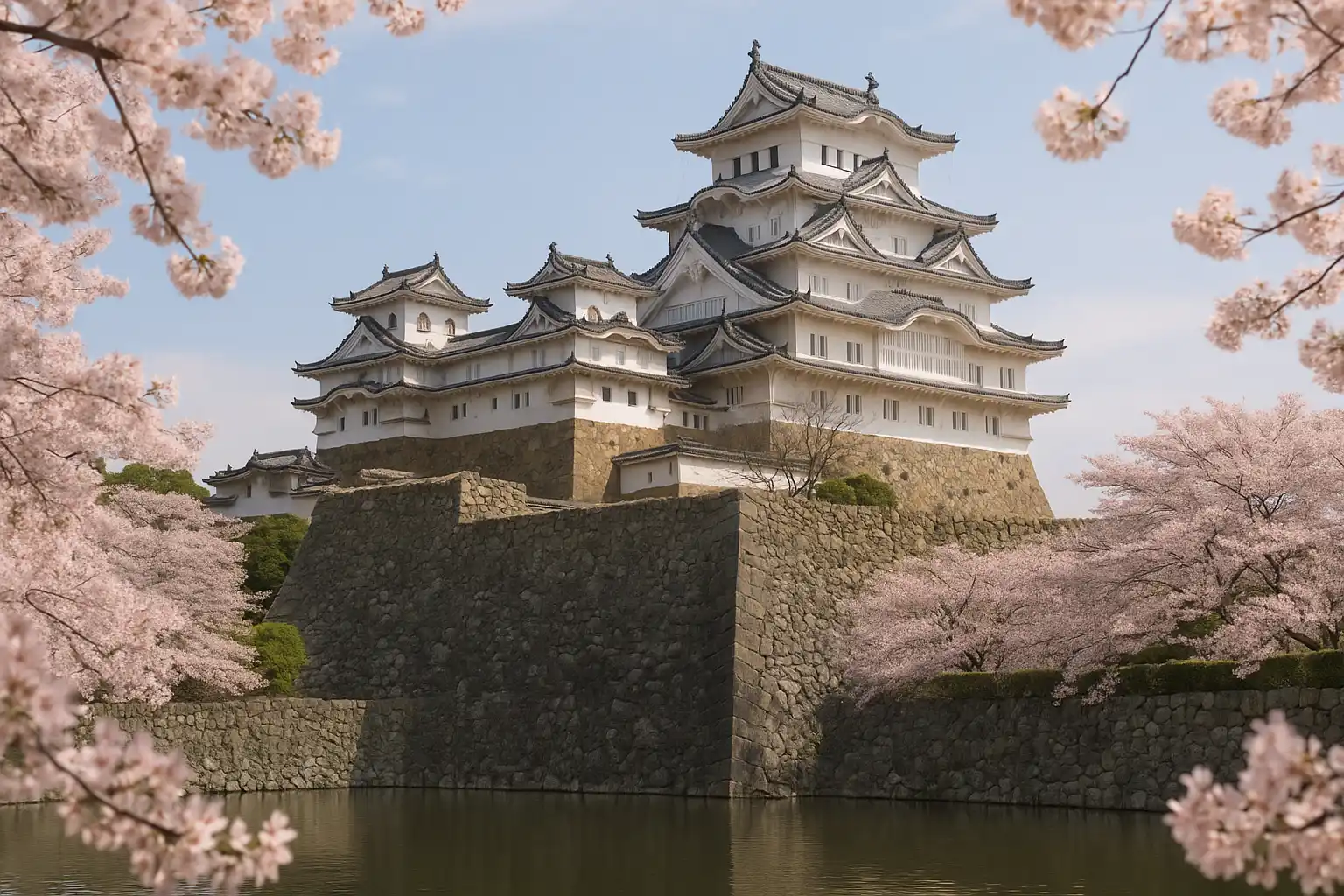
Himeji Castle Japan Travel Guide 2026: The White Heron Castle
Japanese FeudalVisit Himeji Castle, Japan's most beautiful original castle. Explore the White Heron keep, defensive...