Quick Info
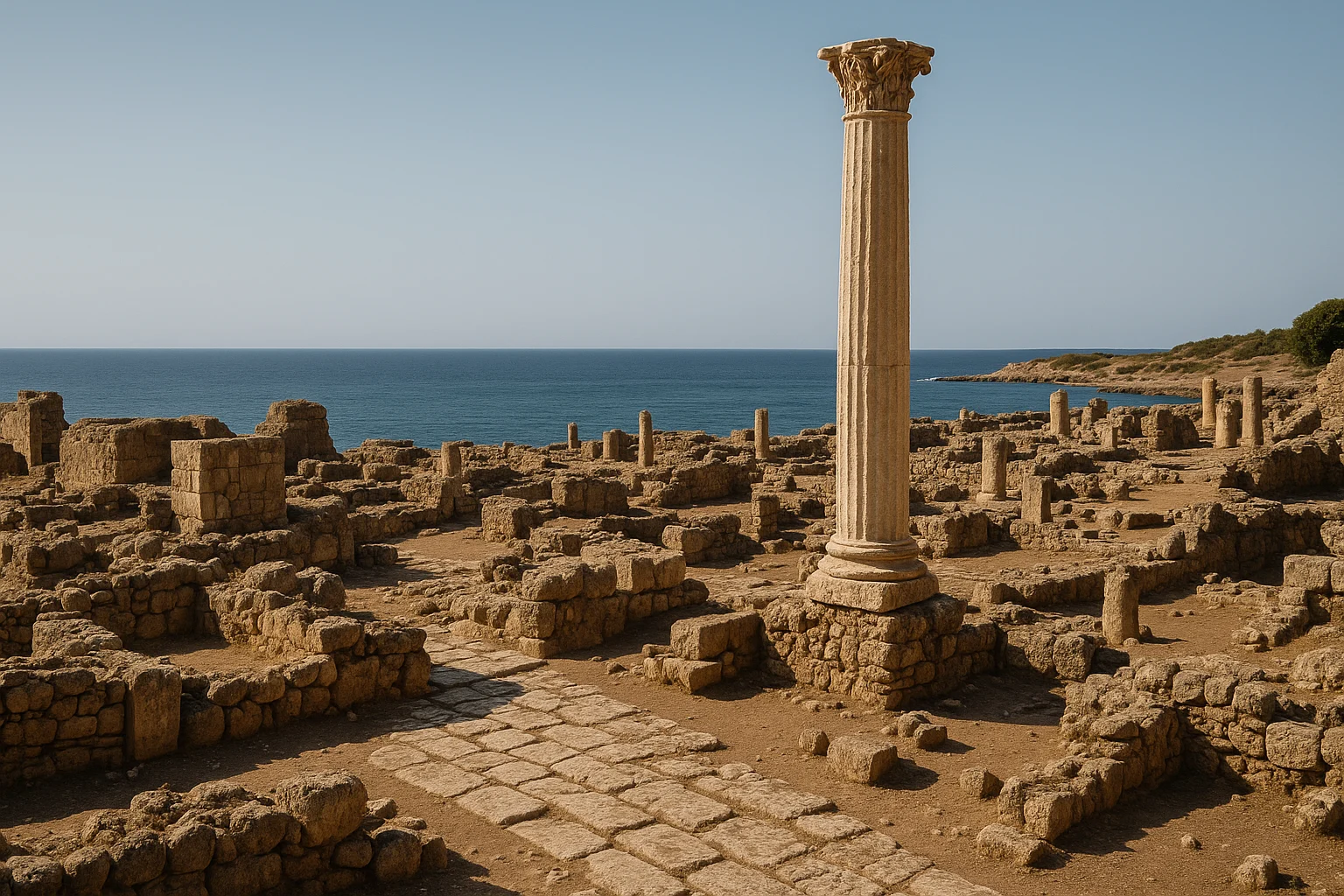
Nora Archaeological Site occupies a narrow peninsula jutting into the Mediterranean just south of Pula, roughly 30 kilometers from Cagliari. It is the oldest known urban settlement on Sardinia, with continuous occupation stretching from Phoenician colonists in the 8th century BCE through the Roman imperial period and into late antiquity. The ruins sit at sea level, exposed to salt air and framed by turquoise water on three sides - a setting that does more than photograph well. It makes the logic of the place immediately legible: why traders landed here, why empires invested in it, and why the sea eventually reclaimed parts of it.
For travelers building an Italy itinerary beyond the mainland headliners, Nora delivers serious archaeological substance in a compact, walkable footprint. You can see it thoroughly in two to three hours without the crowd management that defines visits to Pompeii or the Roman Forum.
Why Nora Matters
Nora’s significance is layered in a way few Mediterranean sites can match at this scale. It documents the full arc of Sardinia’s integration into wider trade and political networks: Phoenician founding, Carthaginian control, Roman annexation, and eventual decline. The famous Stele of Nora, discovered here in the late 19th century and now housed in the Cagliari National Archaeological Museum, contains the earliest known inscription using the name “Sardinia” - making this site literally the place where the island’s recorded identity begins.
Beyond the inscription, Nora matters because it is not a single-period snapshot. Unlike sites frozen at one dramatic moment (Pompeii under ash, Masada after siege), Nora shows how a living city adapted across roughly a thousand years of shifting Mediterranean power. Phoenician foundations sit beneath Punic modifications, which in turn were built over by Roman engineers. Reading these layers on foot is one of the site’s core rewards.
Historical Context
Phoenician Foundation (8th-6th Century BCE)
Phoenician merchants from the Levant established Nora as a coastal trading station, likely among the first permanent settlements on Sardinia. The peninsula offered a natural harbor on each side - critical for vessels that needed to shelter from unpredictable winds. Early Nora functioned as a commercial node linking Sardinia’s mineral resources (copper, lead, silver from the island’s interior) to broader Mediterranean exchange routes running through Carthage, Sicily, and the Iberian coast.
Punic Period (6th-3rd Century BCE)
When Carthage expanded its western Mediterranean influence, Nora came under Punic control. The settlement grew in complexity, with new construction reflecting Carthaginian urban planning and religious practices. A tophet (sacred precinct) associated with this period has been identified, though much of the Punic layer lies beneath later Roman building or under the sea due to subsidence.
Roman Nora (238 BCE - Late Antiquity)
Rome took Sardinia from Carthage in 238 BCE, and Nora became one of the island’s principal cities. The Romans rebuilt extensively: a theatre, forum, baths complexes, mosaics, aqueduct infrastructure, and a regularized street grid all date to this period. At its Roman peak, Nora was a functioning provincial city with public entertainment, civic administration, and private residences of notable quality. Decline came gradually through late antiquity, driven by economic contraction, coastal erosion, and shifting settlement patterns. By the early medieval period, the site was largely abandoned.
What to Prioritize Onsite
The Roman Theatre
Begin here. Nora’s theatre is the best-preserved Roman theatre on Sardinia and one of the earliest built on the island, dating to the late Republic or early Imperial period. Its cavea (seating area) faces the sea, and the structure gives immediate scale to Roman Nora’s ambitions as a provincial city. In summer months, the theatre occasionally hosts cultural events - check locally if your timing overlaps.
The Terme a Mare (Baths by the Sea)
The seaside bath complex is among the most photogenic structures on site. Well-preserved mosaic floors with black-and-white geometric patterns survive in several rooms, and the heating systems (hypocausts) beneath the floors are visible. These baths illustrate how Roman engineering adapted to a coastal environment where fresh water had to be managed carefully.
The Street Grid and Domestic Quarter
Walk the main cardo (north-south road) to understand the city’s Roman-era organization. Several residential structures along this axis retain mosaic flooring and wall foundations that clarify room layouts. The street grid also reveals how Roman planners worked with - and over - the earlier Punic settlement geometry.
The Temple of Tanit-Ashtart
Remains associated with Punic religious practice survive near the western edge of the site. While less visually dramatic than the Roman structures, this area connects you to the pre-Roman occupation and the cultural shifts that accompanied Carthaginian control.
The Coastal Erosion Zone
The peninsula’s southern and eastern edges show where the sea has reclaimed portions of the ancient city. Submerged foundations are visible in calm, clear conditions. This is not just a curiosity - it demonstrates the geological instability that contributed to Nora’s eventual abandonment and reminds you that what survives onshore is only part of the original settlement.
Practical Visit Strategy
Timing
Visit between April and June or September and October for the best balance of weather and crowd levels. Summer (July-August) brings heat, strong sun, and more visitors; if you come in peak season, arrive when the site opens in the morning. Early weekday mornings are consistently the quietest windows year-round.
Getting There
From Cagliari, Nora is a 35-40 minute drive south via the SS195. ARST buses run from Cagliari to Pula, with the archaeological site a short walk or taxi from town. If you are renting a car (recommended for broader Sardinia exploration), parking is available near the entrance.
What to Bring
The site is almost entirely exposed, with minimal shade. Bring water, sunscreen, a hat, and sunglasses. Wear sturdy shoes with good grip - surfaces alternate between ancient stone, packed sand, and uneven rubble. Wind picks up unpredictably on the peninsula, so carry a light jacket even on warm days. Binoculars are useful for spotting submerged foundations offshore.
Duration and Tickets
Budget two to three hours for a thorough visit. Guided tours are available and worthwhile for first-time visitors, as interpretive signage on site is limited. Check current ticket prices and opening hours through the Pula municipality or local tourism office, as schedules shift seasonally.
Route Pairing and Nearby Sites
Nora pairs naturally with Cagliari’s National Archaeological Museum, where the Stele of Nora and other key finds from the site are displayed. Seeing the museum before or after the site significantly deepens the visit.
For a broader Sardinia archaeology route, add Barumini (the UNESCO-listed Su Nuraxi nuragic complex, about 60 km north) to contrast Bronze Age Sardinian culture with Nora’s Phoenician-Roman trajectory. Tharros on Sardinia’s west coast offers a direct comparison - another Phoenician-founded coastal city with Roman overlay, set on the Sinis Peninsula.
If your itinerary extends to Sicily, Valley of the Temples, Agrigento provides a powerful Greek-colony counterpoint to Nora’s Phoenician origins. On mainland Italy, Aquileia offers a parallel case of a Roman provincial city with exceptional archaeological preservation and a similarly manageable visitor experience.
Final Take
Nora is one of those sites that repays attention disproportionately to its fame. It lacks the name recognition of Pompeii or the Colosseum, but it delivers something those places cannot: a readable thousand-year sequence of Mediterranean urban life in a single, walkable coastal setting. The combination of Phoenician origins, Punic religious remains, Roman civic architecture, and visible coastal erosion makes it one of the most historically dense sites on Sardinia. If you are in southern Sardinia for even a day, Nora should be on the itinerary. If you are building a deeper Mediterranean antiquity route, it is essential.
Quick Facts
| Attribute | Details |
|---|---|
| Location | Pula (near Cagliari), Sardinia, Italy |
| Country | Italy |
| Region | Sardinia |
| Civilization | Phoenician, Punic, and Roman |
| Historical Period | 8th century BCE to late antiquity |
| Established | c. 8th century BCE |
| Coordinates | 38.9897, 9.0066 |
| Recommended Duration | 2-3 hours |
| Best Season | April-June, September-October |
| Nearest City | Cagliari (35-40 min drive) |
Frequently Asked Questions
How much time do you need at Nora?
Most travelers should plan 1.5 to 2.5 hours. Add extra time if you want a slower pace for photography, sea views, and museum stops in nearby Pula or Cagliari.
Is Nora good for first-time visitors to Sardinia archaeology?
Yes. Nora is compact, scenic, and easy to understand on-site, making it one of the best entry points for Sardinia's ancient history.
When is the best time to visit Nora?
Spring and early autumn are best for comfortable temperatures and clearer walking conditions. In summer, start early to avoid midday heat on exposed stone areas.
Nearby Ancient Sites
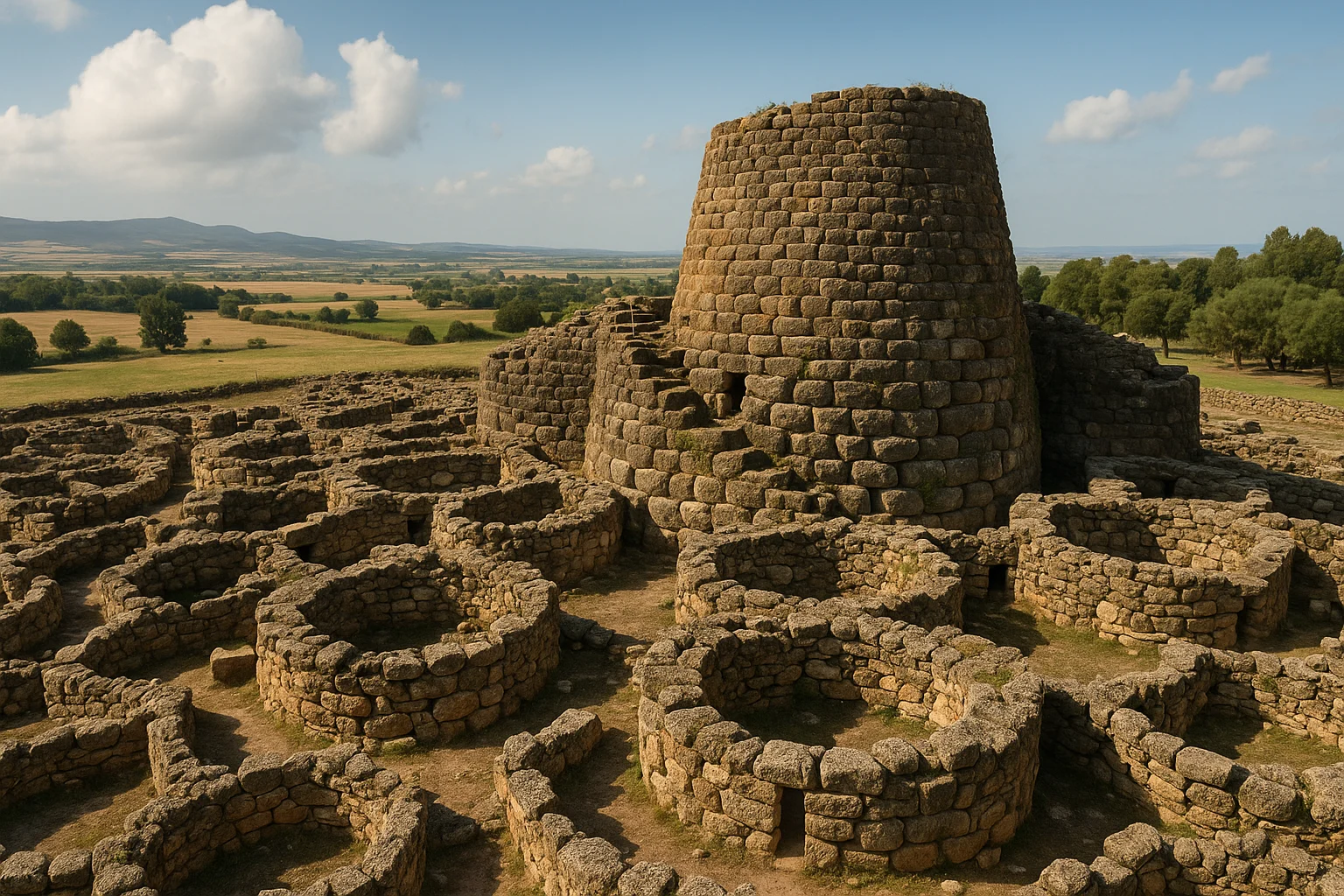
Barumini (Su Nuraxi) Guide 2026: Visiting Sardinia's Nuragic UNESCO Site
NuragicPlan a smart visit to Su Nuraxi di Barumini with timing, transport options, what to prioritize on si...
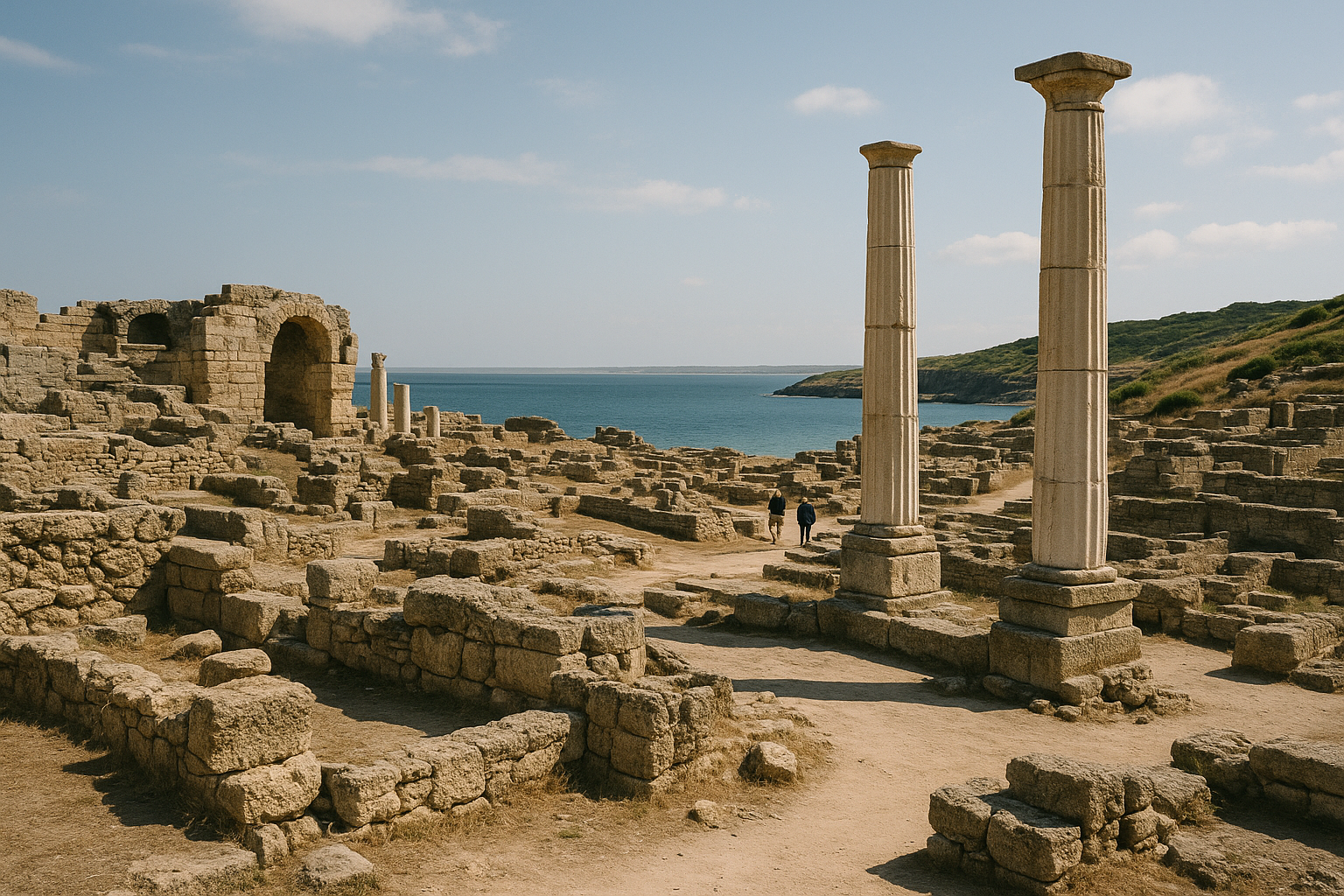
Tharros Guide 2026: Phoenician-Roman Ruins on Sardinia's Sinis Peninsula
Phoenician, Punic, and RomanPlan a smart visit to Tharros with route strategy, ticket logistics, and context for its Phoenician,...
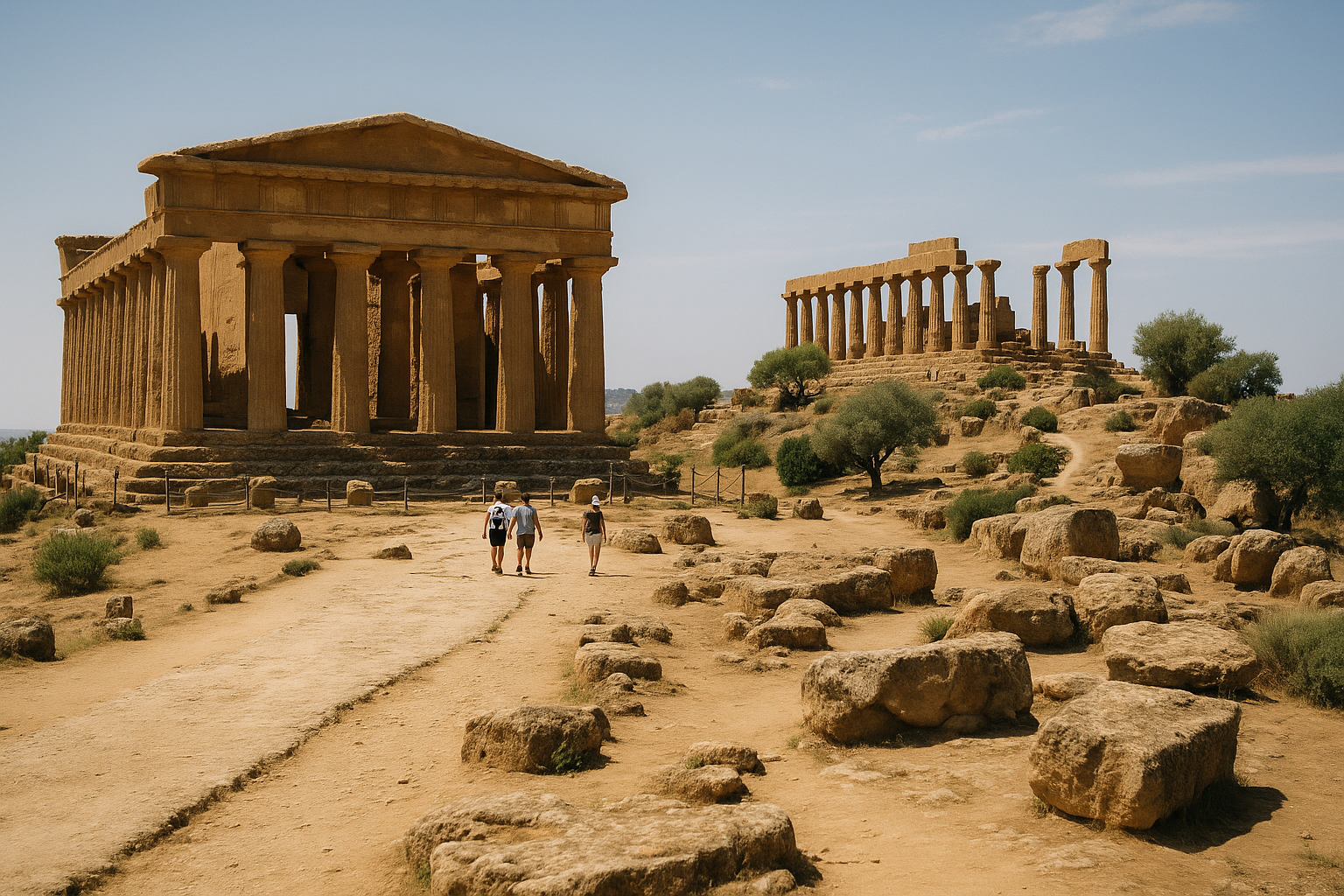
Valley of the Temples Agrigento Guide 2026: Concordia & Juno
Greek-Roman-NormanPlan your Agrigento Valley of the Temples visit with temple highlights, tickets, transport, and prac...