Quick Info
Curated Experiences
Heliopolis Ancient Sites Tour
Cairo Pharaonic Monuments Day Trip
Obelisk of Heliopolis and Surroundings
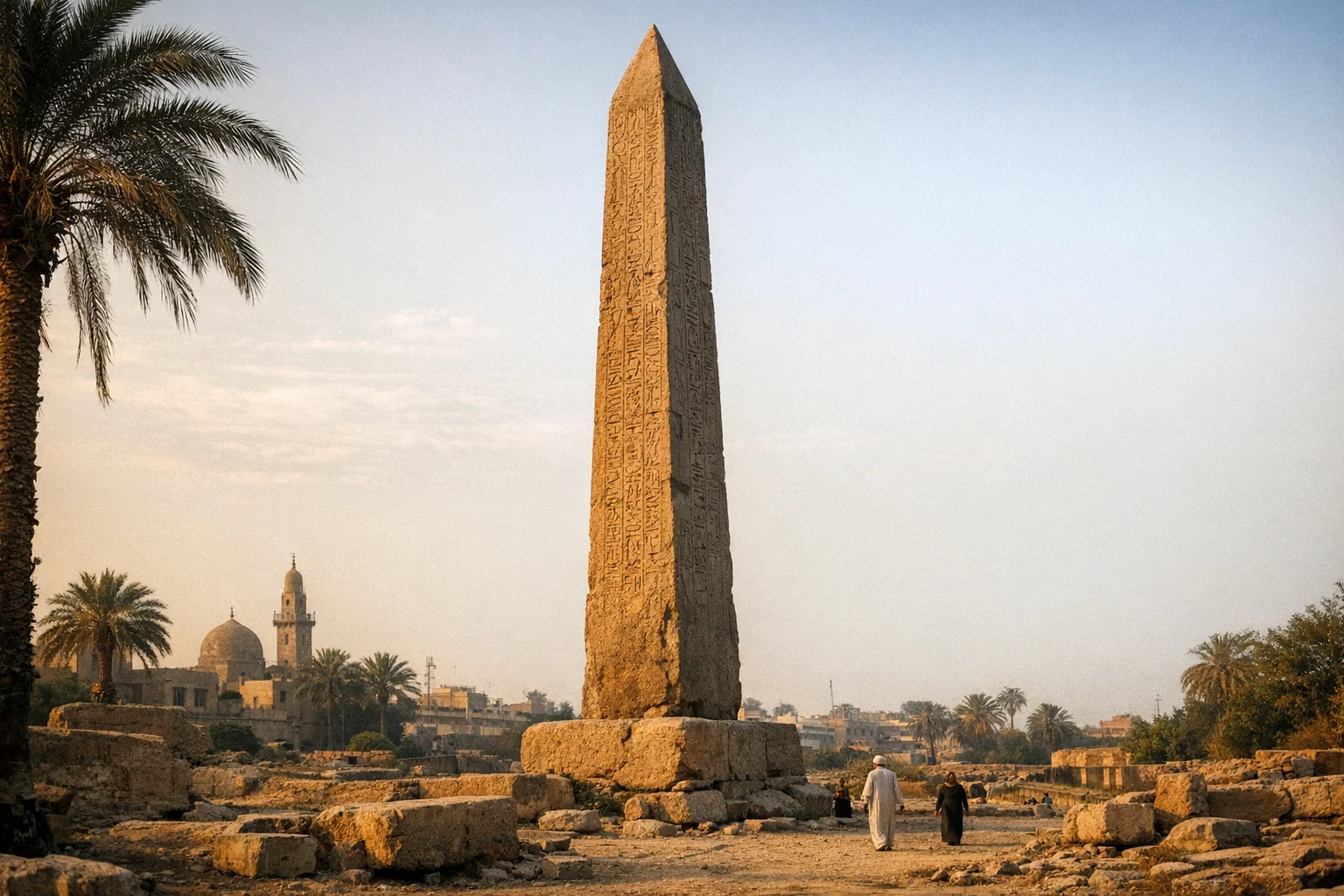
The first rays of sunrise slip above the horizon, illuminating the cityscape of modern Cairo and casting long shadows across the quiet suburb of Al-Matariyyah. Here, amidst the urban bustle and only a short journey from downtown, stands a solitary yet awe-inspiring relic of humanity’s ancient past: the Obelisk of Heliopolis. This monumental stone needle—towering, enigmatic, and remarkably well-preserved—was erected over four thousand years ago and remains the last visible remnant of the once magnificent sanctuary city of Heliopolis. Egypt, a land famed for its multifaceted history and timeless monuments, cradles the Obelisk of Heliopolis within a city that seamlessly intertwines ancient, medieval, and modern worlds.
While tourists flock to the Pyramids of Giza and the pharaonic temples along the Nile, the Obelisk of Heliopolis stands somewhat overlooked by the masses, yet its significance resonates through the ages. The obelisk bears inscriptions of Pharaoh Senusret I, one of Egypt’s great Middle Kingdom rulers, and originally formed the centerpiece of a sprawling religious complex dedicated to the sun god Ra. Its weathered granite surface has borne witness to the rise and fall of dynasties, the daily routines of priests and pilgrims, and the inexorable march of time that saw Heliopolis all but vanish, its stones scattered to build later cities—including Cairo itself.
A visit to the Obelisk today is a journey into the core of Egypt’s spiritual and architectural heritage. With the urban din as a constant reminder of the ongoing story of Cairo, you stand before a monument that, despite wars, conquests, and natural disasters, has never faltered in reaching skyward—a steadfast devotee to the sun it was meant to honor. For the discerning traveler in search of Egypt’s rarer, quieter marvels, the Obelisk of Heliopolis offers a profound connection to the ancient world at the heart of modern Egypt.
History
The Dawn of Heliopolis: A Sanctuary of the Sun
The ancient city of Heliopolis, whose name in Greek means “City of the Sun,” began its journey as one of the primary religious and intellectual centers of ancient Egypt. Established during Egypt’s Old Kingdom (c. 2686–2181 BCE), Heliopolis was the chief city devoted to the worship of Ra, the sun god who governed the sky and the vital cycles of life. Pharaohs lavished resources upon the city, erecting vast temples that were architectural marvels in their time. Priests based here became among the most influential in the land, developing sophisticated religious doctrines and astronomical traditions that shaped Egyptian civilization for millennia.
The creation of the Obelisk of Heliopolis, however, is attributed to Pharaoh Senusret I of the Twelfth Dynasty, approximately 1971–1926 BCE. The obelisk was part of an ambitious temple compound built by Senusret to honor Ra, reinforce his divine legitimacy, and proclaim his power. Erected in solid red granite quarried in Aswan, the obelisk rose more than 20 meters high and weighed an estimated 120 tons. Its four faces were inscribed with hymns and dedications to Ra, glorifying both the deity and the king.
Flourishing and Intellectual Dominance
Throughout the Middle and New Kingdoms, Heliopolis thrived as a cultural, religious, and intellectual beacon. The city’s priests cemented the doctrine of divine kingship, asserting that pharaohs were sons of the sun god, Ra. Obelisks became architectural metaphors for the rays of the sun touching the earth. Heliopolis’ temple complex reportedly contained numerous obelisks, monolithic gateways, sacred lakes, and valuable libraries.
Intellectuals—including the famed philosopher-priest Imhotep and the Greek historian Herodotus—journeyed here, drawn by Heliopolis’ reputation for deep wisdom and knowledge. The city was also reputed to house the Benben stone, a mythic object which Egyptian cosmology held to be the first thing to arise from the primordial waters at the creation of the world. Heliopolis thus stood as a spiritual axis, linking earth to the divine.
Decline, Dispersal, and Survival
Heliopolis’s prominence began to wane during the Late Period, around the time of Persian conquest in the sixth century BCE. Successive invasions—by Persians, Greeks under Alexander the Great, Romans, and later by Arab conquerors—changed Egypt’s spiritual and political landscape. Many of Heliopolis’s monumental structures were dismantled and repurposed to build new cities, especially the growing metropolis of Cairo.
Of the many obelisks that originally adorned the sanctuary, only the Obelisk of Heliopolis remains in its original position today. Others were transported across the globe during the 19th century: relocated to London, Paris, Rome, and Istanbul as prizes and curiosities. The city itself faded into ruin—its libraries lost, its sacred objects removed, and its temples submerged beneath layers of civilization. Today, only scattered archaeological remains and the lone obelisk are left to bear witness to Heliopolis’s ancient splendor.
Key Features
Standing at over 20 meters, the Obelisk of Heliopolis is not the tallest of Egypt’s many obelisks, but it may be the oldest still upright where it was first raised. Its polished red granite sparkles subtly in the sunlight—a fitting nod to Ra—and exemplifies both technical mastery and artistic restraint. The pyramidal tip is less sharp than it once was, but nonetheless remains discernible, and would have originally been capped with electrum (a gold-silver alloy) to dazzle the viewer and reflect sunlight as a literal touch of divinity.
The four sides of the obelisk are carved with hieroglyphic inscriptions celebrating Senusret I and his devotion to the sun god. Although wind and millennia of exposure have softened the carved lines, many inscriptions remain readable to those who can interpret ancient Egyptian script. Some invocations directly address Ra, while others extol the king’s victories and virtues—offering a unique primary source for Egyptologists and historians.
Surrounding the obelisk, visitors discover hints of the once-gigantic temple precinct. Occasional fragments of ancient stonework peek through modern paving or are displayed in nearby gardens. The contrast between the obelisk’s quiet dignity and the city’s thrum is stark. You might hear the call of a local vendor mixing with the whispers of history—an experience unique to Cairo’s living archaeological sites.
The site itself feels more intimate than Egypt’s grand temple complexes. There are no towering pylons or sprawling courtyards; instead, the obelisk stands in a modest enclosure, a haven of tranquility amidst urban chaos. Mature trees shade the monument, and benches invite contemplation. For those with imaginations attuned to the invisible, the Obelisk of Heliopolis conjures visions of incense, ritual choral hymns, and sunlight streaming across processional avenues that now remain only in historic memory.
Visitors today will also notice new efforts at conservation and presentation. Information panels in English and Arabic describe the history and significance of the monument. The obelisk is carefully maintained, and efforts continue to excavate and interpret nearby structures, sparking hope that new discoveries may once again bring life to the story of Heliopolis. The very act of visiting—standing beside one of humanity’s most enduring religious symbols—offers a stirring sense of continuity, linking modern lives to those who, four millennia ago, faced east to greet the sun in awe.
Getting There
Reaching the Obelisk of Heliopolis is refreshingly accessible, even for first-time visitors to Cairo. The monument is located in the Al-Matariyyah district in northeastern Cairo, about 10 kilometers from Tahrir Square and central city landmarks. Whether you are navigating the city independently or as part of a guided tour, your options are straightforward and budget-friendly.
The Cairo Metro provides one of the easiest means to access the site. Take Metro Line 1 heading towards El-Marg, and disembark at the “Heliopolis Obelisk” station (officially named “Al-Matariyyah” but well-known for its proximity to the monument). A single journey ticket for the Metro costs between 5–10 EGP (approximately €0.15–€0.30 or $0.17–$0.33), making this an economical choice. From the station, it is a short walk—less than 500 meters—to the obelisk.
Taxis and ride-sharing services like Uber and Careem are ubiquitous in Cairo. A taxi trip from downtown to the Obelisk of Heliopolis will typically cost 70–120 EGP (about €2–€4 or $2.25–$4.25), depending on time of day and traffic conditions. It’s advisable to agree on a fare in advance or ensure the meter is running to avoid misunderstandings. Most drivers will understand “Obelisk Heliopolis” or “Matariyyah obelisk,” but having the Arabic name (مسلة المطرية) on hand can prove helpful.
Guided tours offer a hassle-free way to visit especially if you wish to combine the obelisk with other highlights of ancient Cairo. Many tours offer air-conditioned transport, expert commentary, and opportunities for personalized experiences. Prices vary by group size and length, but expect to pay around $30–$60 per person for a typical half-day tour.
There is no official parking lot at the site, but street parking is generally available nearby. As always in urban Cairo, keep an eye on local traffic and heed safety advice when crossing roads or navigating busy intersections.
When to Visit
The best periods to visit the Obelisk of Heliopolis are during the cooler months, from October to April, when Cairo’s temperatures are most agreeable for outdoor exploration. During these months, daytime highs typically range from 18°C to 25°C (64°F to 77°F), and the city enjoys a gentle breeze, blue skies, and less oppressive humidity. These conditions are ideal for wandering historical sites without the discomfort that comes from summer heat.
From May to September, Cairo experiences its hottest weather, with afternoon highs frequently exceeding 35°C (95°F) and very little shade in urban spaces. If planning a summer visit, consider coming early in the morning or later towards sunset, when the light is softer and the temperatures more tolerable. Bringing bottled water, a hat, and sunscreen is essential as the stone surfaces can intensify the sun’s rays.
The Obelisk does not attract the same crowds as Egypt’s more famous monuments, so even during peak tourist seasons, the site maintains its tranquil ambiance. Weekdays are generally quieter, especially in the mornings. Religious holidays such as Ramadan or Eid can affect opening hours and the city’s rhythm, but these periods also offer unique cultural experiences for the alert traveler.
Regardless of the season, you’ll find an atmosphere conducive to reflection. The interplay of sunlight and shadow on the granite faces of the obelisk provides a poignant reminder of the site’s solar connections. Whether you visit at midday, when the monument glows with remembered power, or at sunset, when Cairo’s call to prayer drifts on the evening air, the Obelisk of Heliopolis seldom fails to inspire awe.
Quick Facts
| Fact | Detail |
|---|---|
| Original Construction | Built circa 1971–1926 BCE under Pharaoh Senusret I |
| Total Height | 20.4 meters (67 feet) |
| Location | Al-Matariyyah, Cairo Governorate, Egypt |
| Material | Red granite from Aswan |
| Original Purpose | Main obelisk of Ra’s sun temple in Heliopolis |
| Inscriptions | Hieroglyphs honoring Senusret I and the sun god Ra |
| Entry Fee | Usually none (subject to change with tours/guides) |
| Nearest Metro Station | Al-Matariyyah (“Heliopolis Obelisk”) |
| Visiting Hours | Typically 9:00 am – 5:00 pm |
| Other Surviving Obelisks | None at Heliopolis—others removed to European and world capitals |
| Best Visiting Months | October to April |
Frequently Asked Questions
What are the opening hours of the Obelisk of Heliopolis?
The site is generally open from 9:00 am to 5:00 pm daily, though hours can vary on holidays and during events.
Is photography allowed at the Obelisk of Heliopolis?
Yes, photography is permitted for personal use, but commercial photography may require special permission.
How much does entry to the Obelisk of Heliopolis cost?
Entry is usually free, but organized tours may include a nominal fee for guides or transportation.
Is the site suitable for children and families?
Yes, the area around the Obelisk is accessible and family-friendly, though supervision is advised due to traffic and surroundings.
Are there guided tours available at the site?
Many operators in Cairo offer guided tours that include the Obelisk of Heliopolis, often as part of ancient Egypt itineraries.
Nearby Ancient Sites
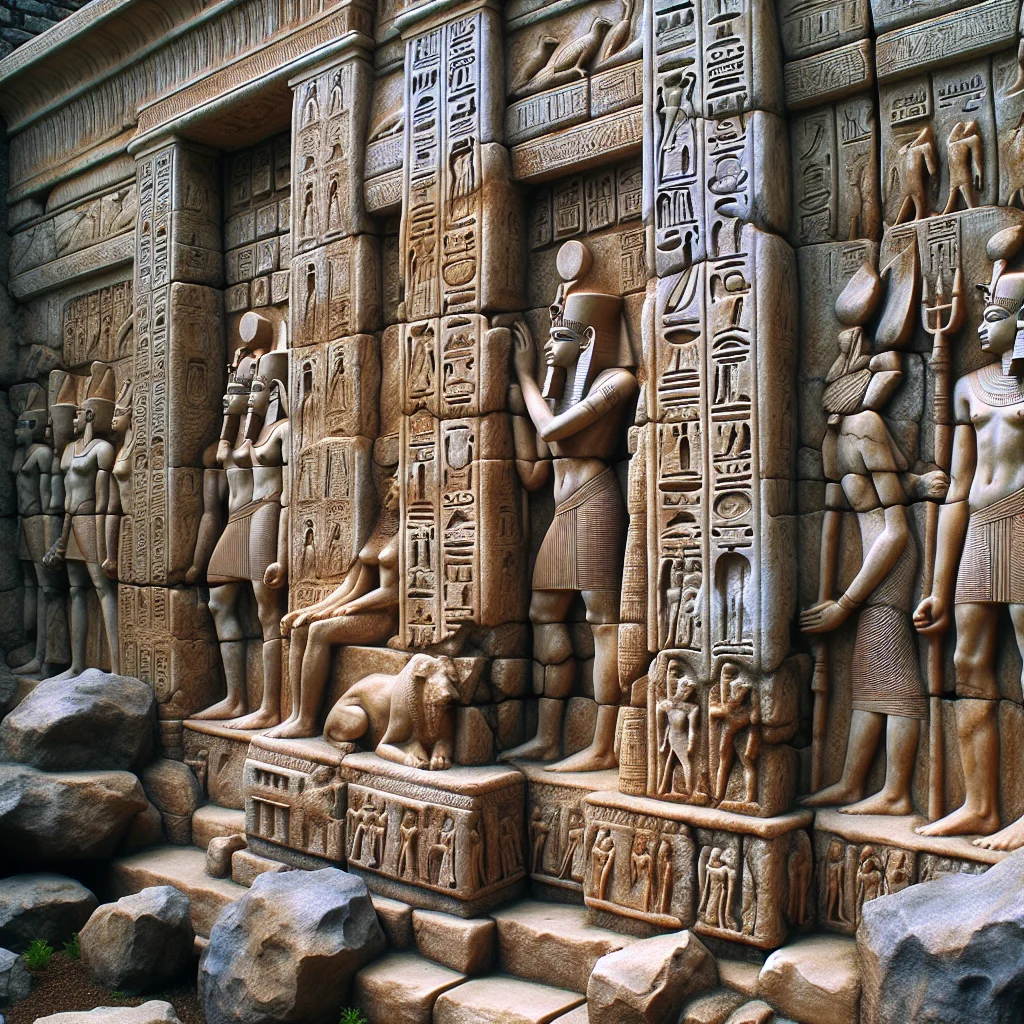
Abydos Temple Egypt Guide 2026: Temple of Seti I & King List
New Kingdom-PtolemaicAbydos Temple near Luxor: magnificent Temple of Seti I with war reliefs, ancient king list, and vibr...
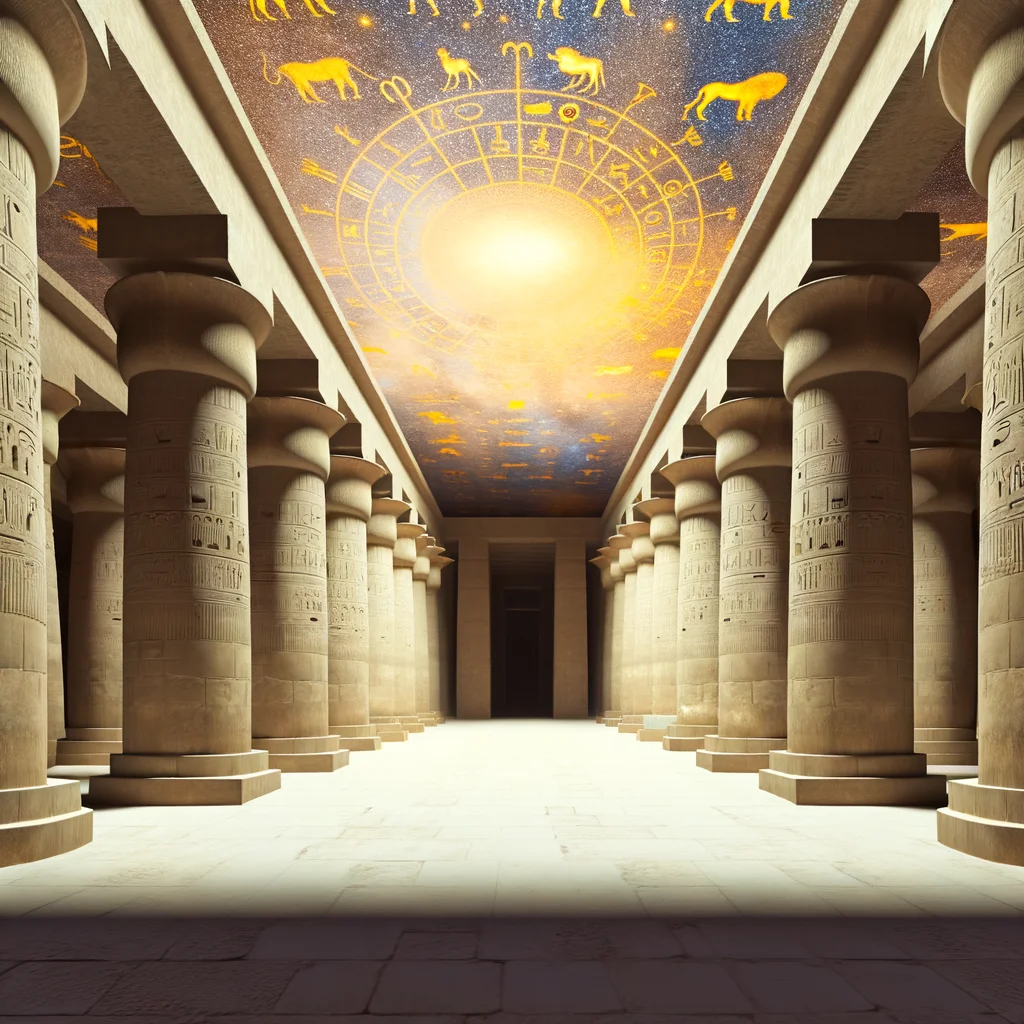
Dendera Temple Complex Egypt Guide 2026: Temple of Hathor & Zodiac Ceiling
Ptolemaic-RomanExplore Dendera's magnificent Temple of Hathor near Luxor. Star-mapped zodiac ceiling, Ptolemaic arc...
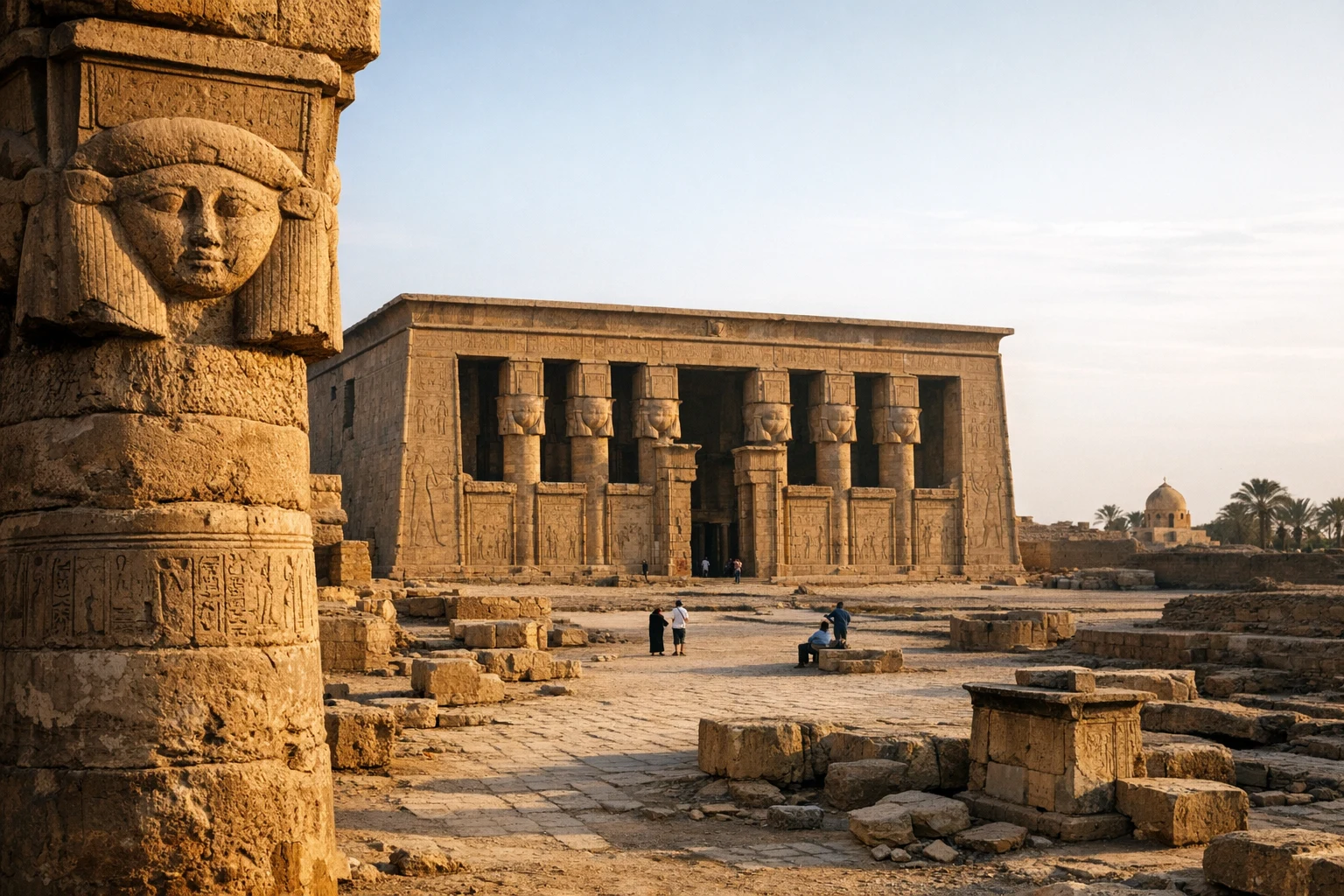
Dendera Temple Complex
The Dendera Temple Complex in Egypt is a remarkably preserved ancient site renowned for its grand Te...