Quick Info
Curated Experiences
Otaru & Hokkaido Historical Day Tour
Private Hokkaido Highlights Tour
Jomon Archaeological Sites Guided Excursion
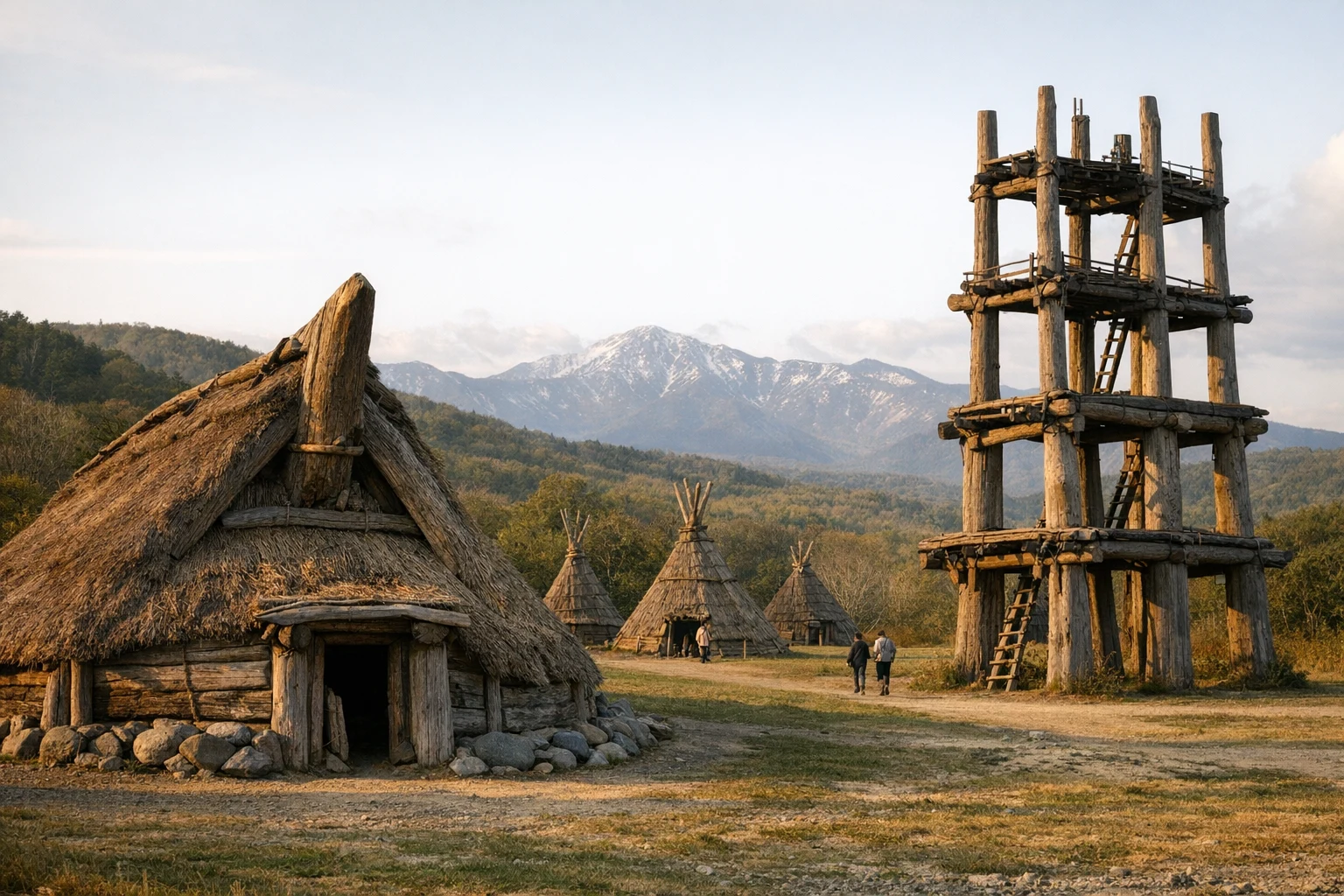
Nestled amidst the thick forests and gentle undulations of Hokkaido, Japan’s northernmost main island, lies the Ofune Site—a remarkable portal into the deep prehistoric past. This ancient settlement, dating back to Japan’s Jomon period (about 3500–2000 BCE), offers a unique window into the lives, beliefs, and ingenuity of Japan’s earliest sedentary communities. Visiting the Ofune Site, visitors are instantly transported thousands of years back, encountering the remnants of large pit dwellings, ritualistic artifacts, and communal spaces that illustrate the complexity of Jomon society. The tranquil landscape of southern Hokkaido, near the modern city of Hakodate, is the setting for this archaeological gem, where lush greenery meets the enduring echoes of human presence.
The Ofune Site is not just an isolated archaeological discovery—it is a touchstone for understanding the broader cultural developments that unfolded during the Jomon era, one of humanity’s oldest proto-agricultural societies. Recognized as part of the UNESCO-listed Jomon Prehistoric Sites in Northern Japan, this site attests to a society that thrived long before the rise of the Japanese imperial state, practicing hunting, gathering, and early horticulture, evidenced by pottery, tools, and the layout of settlements. For travelers and history enthusiasts, experiencing Ofune is to witness how ancient people harmonized with the region’s abundant natural environment, developing technologies and rituals that would influence Japanese life for millennia. An immersive journey to the Ofune Site provides not just a lesson in history but a profound sense of continuity between past and present, inviting reflection on human resilience and creativity.
History
Origins: The Jomon Arrival in Hokkaido
The story of the Ofune Site begins over five thousand years ago, during the climax of Japan’s Jomon period—a time spanning roughly 13,000 BCE to 300 BCE. Unlike the rice-cultivating societies that would later dominate the Japanese archipelago, the Jomon people were primarily hunter-gatherers, augmented by the earliest forms of plant management. In the southern forests of Hokkaido, resource-rich rivers, woodlands, and abundant wildlife made the Ofune valley an ideal location for settlement. Here, between 3500 and 2000 BCE, a substantial community established one of the region’s largest and most sophisticated villages, now revealed through extensive excavation.
Archaeological evidence suggests that the Ofune Site’s inhabitants were pioneers in semi-sedentary living, building robust pit dwellings with sunken floors, using local timber and stone. These dwellings not only sheltered families but also likely served as venues for communal activities, decision-making, and ritual observances. Unlike the linear arrangement of later Japanese villages, the Ofune dwellings form a vast, round cluster—possibly representing a conscious attempt to foster social cohesion or to create a symbolic landscape echoing spiritual beliefs.
Ritual, Everyday Life, and Cultural Exchanges
The Jomon culture, best known for its cord-patterned (“jomon”) pottery, is deeply intertwined with the spiritual and practical aspects of daily life. Excavations at Ofune have yielded exquisite ceramics, stone tools, clay figurines (dogū), and ornamental items crafted from bone and shell, testifying to the community’s artistic flair and religious imagination. The intricacy and variety of these finds point to a complex society that celebrated symbolic expression and likely engaged in ritual practices linked to fertility, nature-worship, and ancestors.
Ofune’s geographical location also placed it on the crossroads of Jomon trade networks. Analysis of obsidian and marine shell artifacts confirms that its inhabitants maintained far-reaching connections with other Jomon communities on Hokkaido and Honshu islands. These exchanges were not just of goods but of ideas—ceramic designs and tool technologies show evolving patterns over the centuries, reflecting continual innovation and adaptation.
Decline and Rediscovery
By around 2000 BCE, climatic changes and shifting resource patterns led to gradual transformations in Hokkaido’s prehistoric societies. The site at Ofune was abandoned as new cultural dynamics, perhaps driven by environmental pressures, prompted populations to disperse or reorganize. For thousands of years, the site lay hidden beneath forest soil and vegetation, its existence known only to time and the silent witnesses of the land.
It was not until the 20th century that the Ofune Site would come to light again. Extensive excavations in the 1980s and 1990s revealed the full scale of the settlement, astonishing archaeologists with over 100 pit dwellings, communal spaces, and artifact concentrations. The significance of these discoveries launched Ofune to international prominence, and in 2021, it joined other outstanding Jomon sites in Northern Japan as a UNESCO World Heritage Site. Today, the meticulously preserved landscape and continuing research continue to enrich our understanding of prehistoric Japan and inspire visitors from across the world.
Key Features
The Ofune Site is an archaeological landscape of impressive scale and detail, bringing to life the complex daily existence of Jomon peoples. Upon arrival, visitors are greeted by a sweeping open area bordered by reconstructed pit dwellings, their circular sunken floors and thatched roofs echoing the original floorplans that once defined the ancient village. The largest of these houses reach up to 10 meters in diameter, attesting to cooperative effort and skilled engineering. The gentle terrain, surrounded by forest, is dotted with interpretive walkways and signage, allowing travelers to explore both the visible reconstructions and preserved remains of original dwellings excavated from the earth.
A focal point of the site is the reconstructed central plaza—a communal gathering spot that likely served as the heart of social, ritual, and political life. Archaeologists theorize that the circular village layout, with dwellings and communal spaces radiating outward, reflects cosmological beliefs that shaped the community’s interaction with their environment. The sophistication of layout and building techniques demonstrates the resourcefulness and organizational capacity of the Jomon, blending practicality with symbolic meaning.
Inside the on-site museum, visitors are treated to a rich display of Jomon culture through actual artifacts unearthed at Ofune and the surrounding region. The exhibition includes beautifully decorated pottery with classic “cord-marked” patterns, stone blades and arrowheads, ornate bone fish hooks, and dogū figurines long thought to hold spiritual or protective power. Each item is accompanied by clear interpretive panels in Japanese and English, contextualizing the objects within daily life—from hunting and cooking to ritual and adornment.
Surrounding the museum, open-air displays and information stations explain the process of excavation and restoration, offering insight into modern archaeological methods and challenges. Visitors can compare raw archaeological remains with photorealistic reconstructions, gaining an appreciation for both the fragility and permanence of human history preserved in earth and artifact. The site’s tranquil forested setting, alive with birdsong and shifting sunlight, adds a serene backdrop that fosters both reflection and discovery.
Adjacent to the main excavation, a hands-on activity area offers educational workshops for adults and children alike. Here, you may try your hand at ancient pottery-making, cord-pattern embossing, or stone tool crafting under the guidance of local guides. These interactive sessions, alongside regular guided tours, transform Ofune from a distant archaeological site into a living lesson in resilience, craftsmanship, and adaptation.
Crucially, the Ofune Site’s preservation extends beyond the physical layout. The ongoing research and community engagement underscore the importance of cultural heritage stewardship, ensuring that the lessons of the Jomon period remain accessible and relevant to future generations. Whether exploring replica houses, examining artifacts, or participating in immersive workshops, visitors leave Ofune with a sharper sense of the enduring human story written into the landscapes of Hokkaido.
Getting There
Reaching the Ofune Site is a rewarding journey through southern Hokkaido’s pastoral scenery. The site is located in the city of Hakodate, Hokkaido Prefecture, approximately 30 kilometers north of Hakodate city center. If you are traveling from Tokyo or another major Japanese city, your most convenient route is to fly into Hakodate Airport (HKD), which receives regular flights from Tokyo, Osaka, and Sapporo. From Hakodate Airport, you can reach the city center by airport limousine bus or taxi in about 20–30 minutes (fare around ¥1,000–¥2,000 for bus, ¥3,000–¥4,000 for taxi).
From Hakodate Station, the simplest way to reach the Ofune Site is by train or bus. The JR Esashi Line (Hakodate Main Line) connects Hakodate with the nearby Minamikayabe district. Board a local train from Hakodate Station and alight at Asahigaoka Station (approx. 45 minutes, fare ¥730). From there, the Ofune Site is a short taxi ride (10 minutes, around ¥1,500) or you may use infrequent local bus services that serve the Minamikayabe area.
Alternatively, if you prefer direct transport or are visiting with a group, consider hiring a rental car from Hakodate city. The drive to the Ofune Site takes about 40 minutes along national route 278 and local roads—ample parking is provided on site. Rental cars start at around ¥6,000–¥8,000 per day, providing flexibility to pair your visit with nearby attractions or scenic coastal parks. Some organized tours of Jomon sites in Hokkaido include hotel pick-up and return, with prices varying depending on the itinerary and group size. Check with local tour operators or the Hakodate city tourism website for the latest offerings.
Cyclists looking for a more adventurous journey will find the roads from Hakodate scenic, though not without moderate hills. Bike rentals are available in the city, but note the site’s rural location means few services en route—plan accordingly. Whichever way you arrive, allow at least half a day to tour the site, museum, and surrounding landscape.
When to Visit
The Ofune Site welcomes visitors year-round, but your experience may vary greatly according to Hokkaido’s unique, often dramatic seasons. Spring (late April to early June) unfolds with gentle temperatures, blooming wildflowers, and fresh greenery making it a pleasant time to explore both the archaeological site and the nearby countryside. The reconstructed pit dwellings and outdoor interpretive areas are especially atmospheric as nature reawakens, with comfortably cool days and clear skies.
Summer (late June through August) offers longer daylight hours and warm weather ideal for families and outdoor enthusiasts. Temperatures range from 15°C to 25°C (59°F–77°F), rarely reaching intolerable highs. This is peak season for local festivals, and the Hakodate area hosts multiple cultural events, which can be combined with your historical explorations at Ofune. Be aware, however, that summer also brings increased visitor numbers, especially on weekends and public holidays, so booking accommodations and tours in advance is recommended.
Autumn (September to early November) transforms Hokkaido’s landscapes into a spectacle of golden and crimson hues as forests and hills blaze with fall foliage. This season affords magical views from the Ofune Site, with crisp air and thinner crowds making it a favorite among photographers and nature lovers. The weather remains mild until late October, after which temperatures can drop rapidly.
Winter (December through March) sees southern Hokkaido blanketed in deep snow, with temperatures frequently below freezing. While the Ofune Site remains open, outdoor exploration is less accessible and some interpretive activities may be limited. However, the silent, snow-covered earth imparts a unique and contemplative beauty; visitors at this time often combine their archaeological excursion with Hakodate’s winter illuminations and hot springs.
Across all seasons, the on-site museum operates daily, except for a few year-end public holidays. Always check the latest opening hours and weather advisories before traveling. Dress appropriately for wind and rain, especially if you plan to walk the full circuit of the outdoor trail. For the richest experience, visit in spring or autumn, when both the natural surroundings and the site’s stories are at their most vibrant.
Quick Facts
| Feature | Detail |
|---|---|
| Location | Minamikayabe, Hakodate, Hokkaido, Japan |
| Site Type | Jomon period settlement |
| Date | Circa 3500–2000 BCE |
| UNESCO Status | Part of “Jomon Prehistoric Sites in Northern Japan” (2021) |
| Main Attractions | Reconstructed pit dwellings, museum exhibits, hands-on workshops |
| Accessibility | Train, local bus, rental car, taxi from Hakodate or Asahigaoka |
| Recommended Visit Time | 2–3 hours |
| Admission | Free or modest fee (check local site for current pricing) |
| On-site Facilities | Visitor center, museum, restrooms, parking |
| Language Support | Information in Japanese and English; guided tours by prior arrangement |
Frequently Asked Questions
What is the Ofune Site famous for?
The Ofune Site is renowned for its large-scale Jomon period settlement, with impressive pit dwellings and artifacts that shed light on prehistoric Japanese culture.
Can I visit the Ofune Site year-round?
Yes, the site is open throughout the year, but accessibility is best in late spring through early autumn due to Hokkaido’s snowy winters.
Is there a visitor center or museum at the Ofune Site?
Yes, there is a small on-site museum featuring artifacts, reconstructions, and educational material about Jomon lifestyle.
How do I get to the Ofune Site from Hakodate?
You can take a local train or bus from Hakodate to the nearest town, and then a taxi or local bus to the site. See ‘Getting There’ for details.
Are guided tours available at the Ofune Site?
Guided tours can be arranged in advance, often with English-speaking guides available via local tourism offices or tour operators.
Nearby Ancient Sites
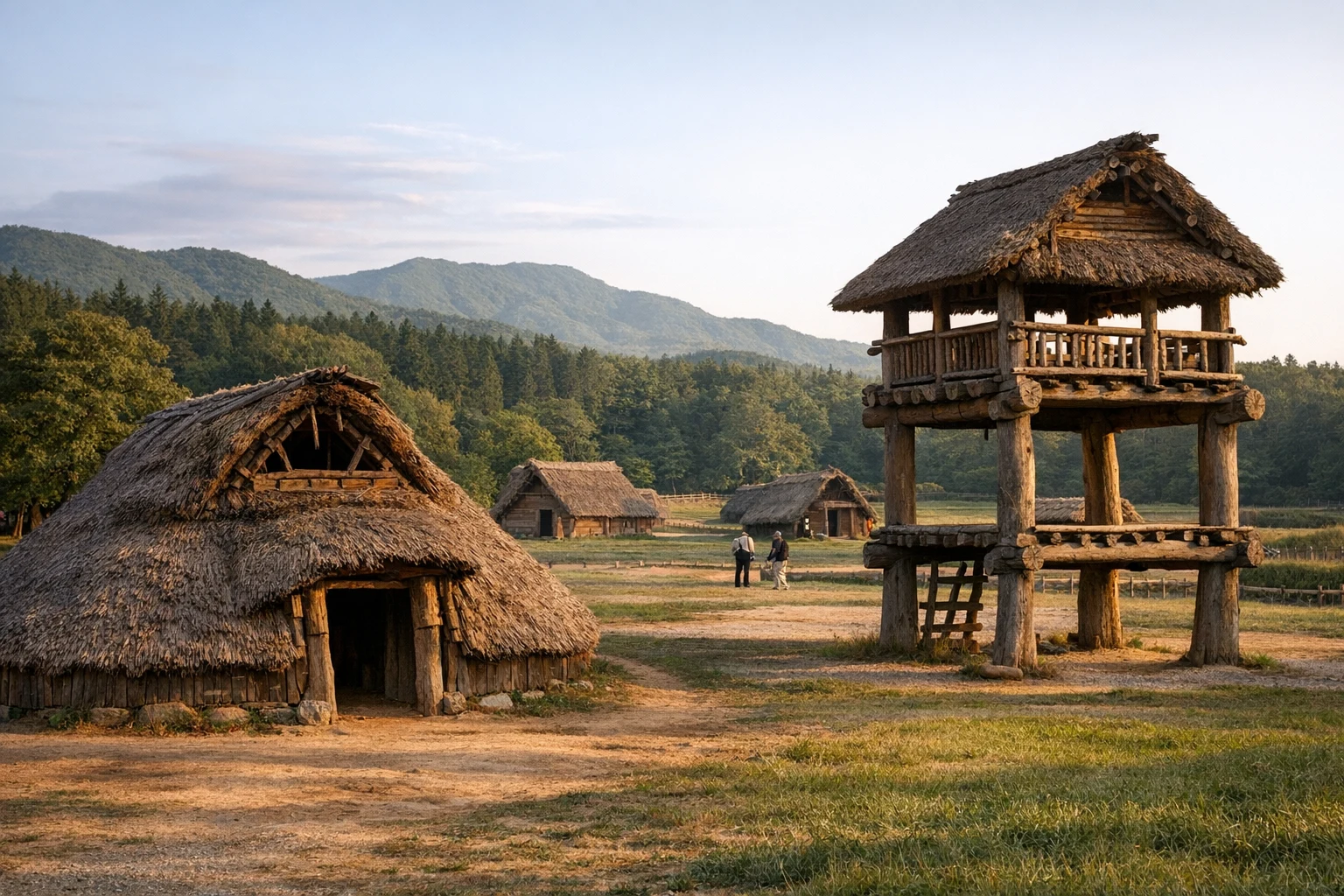
Goshono Jomon Site
Goshono Jomon Site in Japan is a remarkable archaeological park preserving a mid-Jomon period settle...
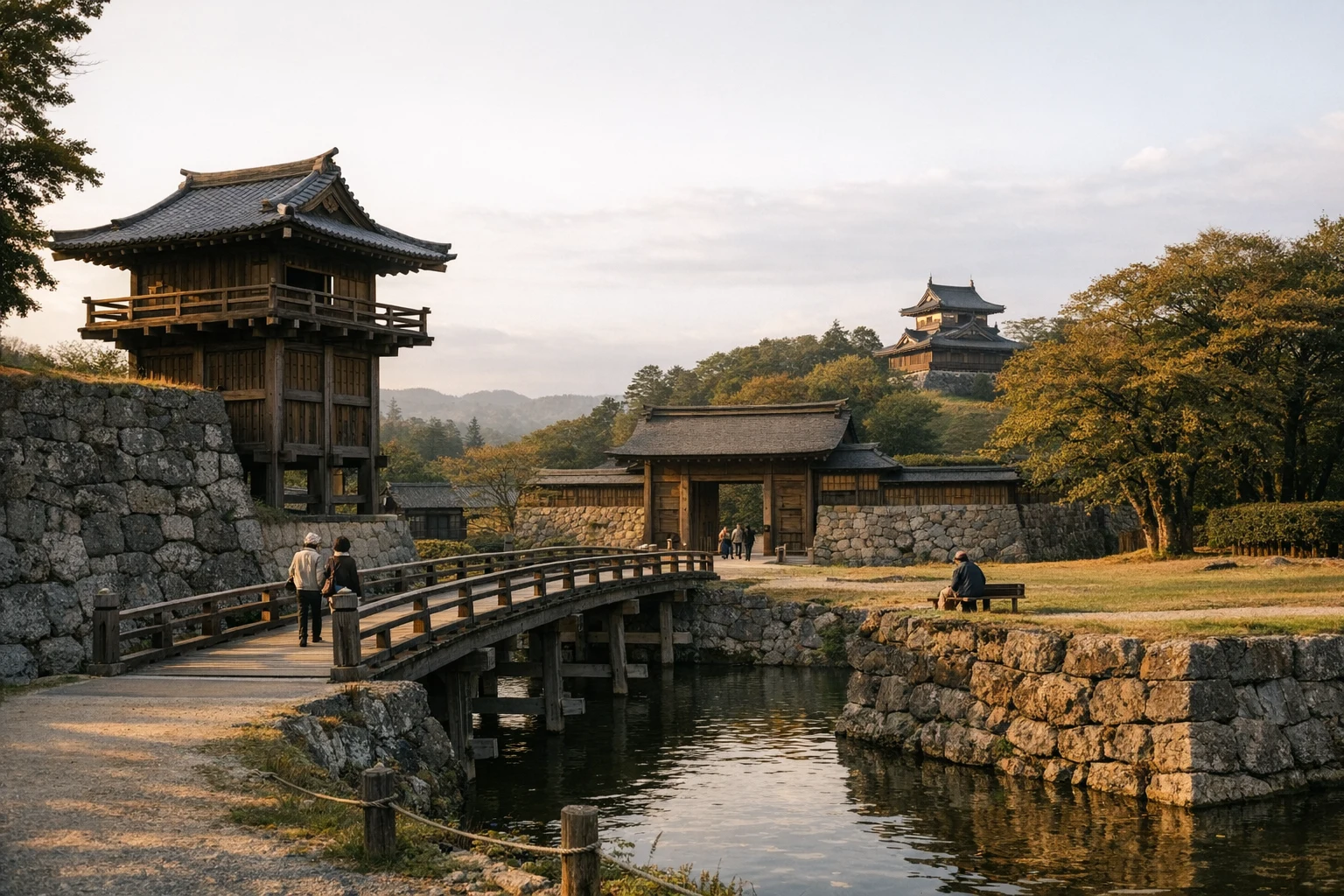
Akita Castle Site
Explore the Akita Castle Site, a historic Japanese fortification in Akita Prefecture that reveals th...
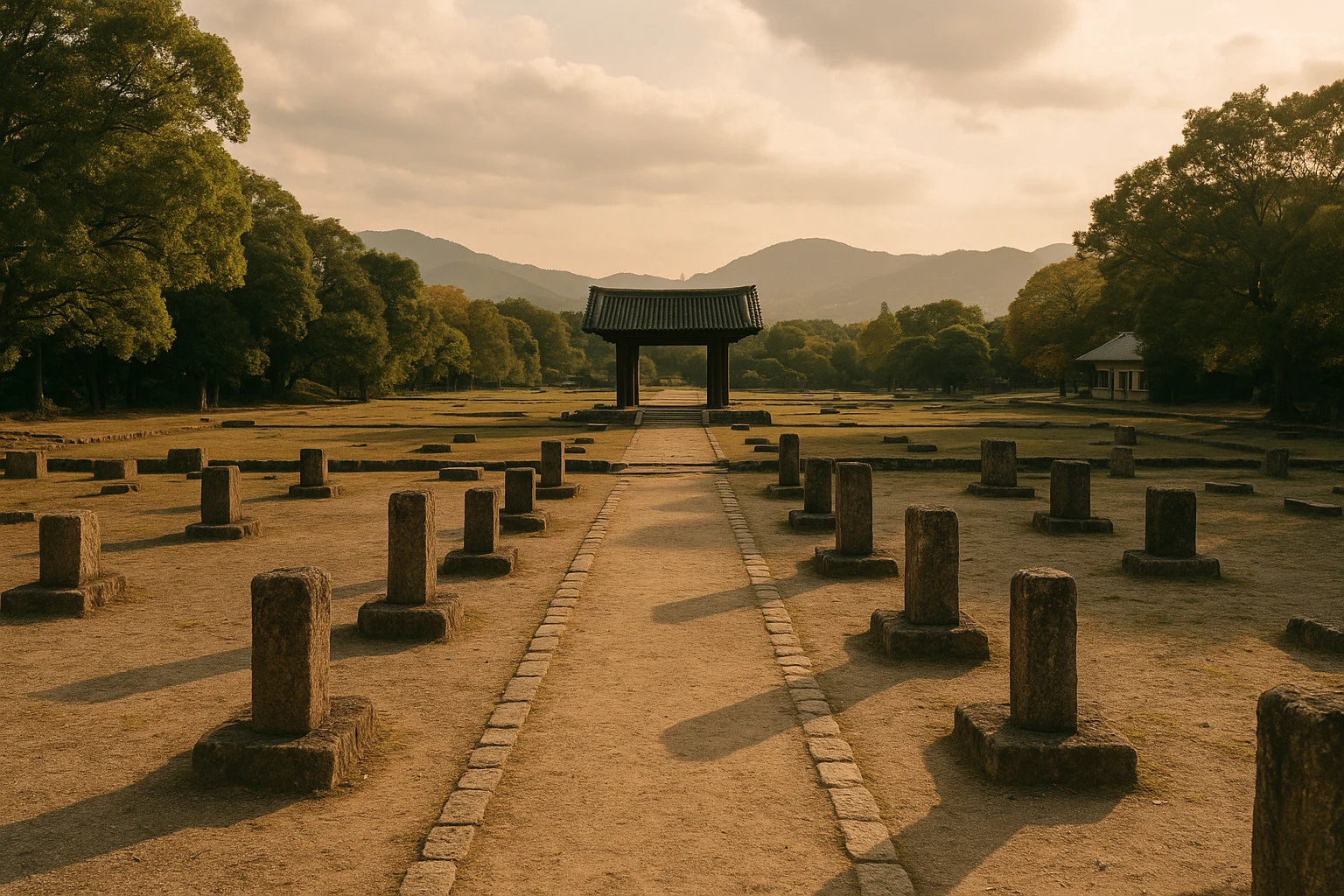
Dazaifu Government Office Ruins
Yamato Japan / Nara–Heian StateAncient administrative heart of Kyushu, the Dazaifu Government Office Ruins preserve Japan's 7th-cen...