Quick Info
At a glance
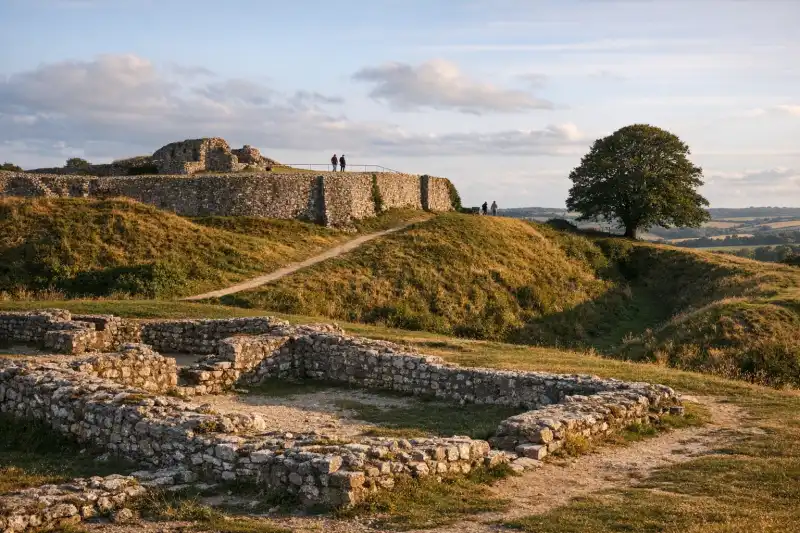
Above the chalk plains of Wiltshire, the ancient earthworks of Old Sarum rise in quiet solitude, their green mounds hinting at two millennia of layered history. Situated just two miles north of Salisbury in the United Kingdom, Old Sarum is a site of stark beauty and remarkable antiquity, capturing the imagination of those who climb its ramparts or wander through its scattered ruins. Seen from a distance, the great circular banks and ditches dominate the landscape, a testament to one of Britain’s most important early settlements. Today, wildflowers and the wind have reclaimed the slopes, but beneath your feet lie the stories of Iron Age warriors, Roman administrators, Norman conquerors, and medieval bishops—a crossroads of ancient power. Now cared for by English Heritage, Old Sarum invites visitors to trace the evolution of British civilization in a single visit, from prehistory through the Middle Ages. Whether you arrive with an interest in archaeology, a passion for medieval castles, or simply a desire to soak up sweeping views of the Wiltshire countryside, Old Sarum rewards the effort with a sense of connection to the distant past, enduring mystery, and moments of extraordinary tranquility. For those traveling in southern England, Old Sarum is an essential stop: a place where the roots of a nation are viscerally present.
History
Iron Age Origins (c. 400 BCE – 43 CE)
The story of Old Sarum begins well before the Romans set foot on British soil. Around the 4th century BCE, local communities constructed a mighty hillfort atop a natural chalk outcrop, carving deep ditches and high ramparts to defend against rival tribes. This original enclosure, still visible today, once encompassed an area of around 29 acres—large enough to shelter a sizable population and their livestock in times of conflict. Archaeological finds such as pottery shards, tools, and animal bones reveal that Old Sarum’s earliest inhabitants were skilled farmers and warriors, relying on the fort both as a refuge and a symbol of tribal identity.
Roman Interlude (43 – early 5th century)
When the Roman legions invaded Britain in 43 CE and established the province of Britannia, Old Sarum was positioned near strategic routes connecting London (Londinium) to the southwest of England. While the site never became a Roman town of major significance, evidence suggests the Romans built a small settlement within the prehistoric banks—perhaps a military outpost or a mansio (official rest stop)—making use of its defensible position. Roman tiles, coins, and pottery have all been unearthed here, hinting at a period of adaptation as the native community interacted with the imperial power.
Saxon Settlement and Viking Threat (5th – 11th centuries)
After the end of Roman rule, Old Sarum entered the shadowy centuries of the early Middle Ages, when Saxon settlers reoccupied the hillfort. Its natural defenses made it a refuge during the waves of Viking raids that struck southern England from the 9th century onward. By the 10th century, Old Sarum had acquired a royal presence: King Edgar held a great council here in 960 CE. The site’s importance waxed and waned, but it never lost its strategic value, especially as a rallying point for the local population in troubled times.
Norman Conquest and the Rise of Medieval Salisbury (11th – 13th centuries)
The arrival of the Normans in 1066 transformed Old Sarum’s fortunes forever. William the Conqueror recognized the site’s military potential and quickly ordered the construction of a motte-and-bailey castle within the Iron Age ramparts—a powerful statement of dominance. Within decades, a royal palace and a cathedral were also established, making Old Sarum both an administrative center and the seat of the original Salisbury diocese. By the 12th century, the city had grown crowded and tensions mounted between the clergy and the military garrison, aggravated by the exposed, windswept hilltop that made life untenable for many inhabitants.
In 1220, a pivotal decision was reached: the cathedral and much of the population would relocate to the fertile valley below, founding the modern city of Salisbury (New Sarum). Gradually, the once-bustling medieval center dwindled, its buildings falling to ruin or plundered for stone as the new Salisbury Cathedral rose nearby. Old Sarum faded from political and ecclesiastical prominence but never fell into oblivion.
Post-Medieval Decline and Rediscovery (14th century – Modern Age)
After its desertion, Old Sarum’s remaining structures were quarried for materials, with only fragments of the castle walls and foundation traces of the cathedral left above ground. By the 18th century, Old Sarum had earned the ignominious reputation of being a “rotten borough”—an uninhabited constituency with a vote in Parliament, abused until the Reform Act of 1832 swept away such anomalies. Antiquarians and archaeologists began to take interest in the site during the 19th and 20th centuries, conducting excavations that revealed the rich tapestry of its past.
Today, Old Sarum is a protected heritage landscape. Its grassy banks, weathered stone ruins, and panoramic vistas offer visitors a unique glimpse into the complexity and continuity of English history, from prehistoric fort to medieval stronghold.
Key Features
Dominating the Wiltshire countryside, Old Sarum’s most striking feature is its massive Iron Age earthworks. As you approach, the dual concentric ramparts and deep ditches create an impressive visual barrier, enclosing the 29-acre summit and casting a shadow that hints at the site’s ancient power. No matter the season, climbing these embankments transports visitors back to an age when high ground meant both safety and status.
Within the main enclosure, the remains of the Norman castle soon come into view. Built under the orders of William the Conqueror, the castle once included a stone keep atop an artificial motte, surrounded by defensive walls and a fortified gatehouse. Although only fragments of these buildings remain—some low curtain walls, a few cut stone stairways, and the outline of the great hall—the castle’s footprint is unmistakable. Standing atop the motte, you can almost sense the ghosts of soldiers and dignitaries who once commanded sweeping views across Salisbury Plain and beyond.
In the southeast quadrant, the sunken outline of the old cathedral is clearly visible. Stones mark the location of the once-grand church that served as the spiritual heart of early medieval Salisbury. Only the foundations now survive, but information boards and visual reconstructions help visitors imagine the scale and importance of this lost cathedral—a center of worship and ecclesiastical power for nearly two centuries before the move to New Sarum.
Sprinkled around the site are remnants of other medieval structures: the bishop’s palace, storage buildings, and segments of street plans hint at the once-bustling city that thrived atop the hill. These traces, though subtle, reward the curious with tantalizing glimpses into daily life during the height of Old Sarum’s occupation.
One of the most enduring rewards for visitors is the panoramic view. From the castle mound, vistas stretch for miles—over rolling hills, the spire of Salisbury Cathedral in the distance, and the patchwork of fields below. On a clear day, the connection between Old Sarum and its successor city is unmistakable, a reminder of the historical continuity that links these two places.
Interpretation panels and modest visitor facilities, including a small shop and refreshment kiosk, enhance the visit. While much of the site is open grassland, its tranquility and wild beauty contrast sharply with its turbulent past. Old Sarum remains a particularly evocative landscape, where history and nature meet in a striking partnership.
Getting There
Old Sarum is conveniently located just outside Salisbury, making it easily accessible for day trippers from London, Bath, Winchester, or the south coast. Most travelers begin their journey at Salisbury itself, a historic city with excellent transport links.
By Train: Salisbury is well connected to London Waterloo, with direct trains departing approximately every 30 minutes. The journey takes about 90 minutes, and return tickets typically cost £35–£50, depending on advance purchase and travel time. Trains also connect to Bath, Bristol, and Southampton, offering further access to Old Sarum.
From Salisbury City Centre: Once you arrive at Salisbury station or city center, you have several options:
- By Bus: The city’s Park and Ride or local bus services (such as the Red 8 line) run towards Amesbury and stop close to the Old Sarum site. The trip takes about 10–15 minutes, with single fares usually under £3.
- By Taxi: Taxis are readily available at Salisbury station and cost approximately £7–£10 for the short journey to Old Sarum.
- On Foot or by Bike: If you’re feeling energetic, the walk from Salisbury Cathedral or the city centre to Old Sarum is scenic and takes roughly 40–45 minutes, following footpaths that gradually ascend to the hillfort. Cycling is also popular, though prepare for a steep climb at the end.
By Car: For those driving, Old Sarum is marked on all major routes and signposted from Salisbury. There is a dedicated parking lot adjacent to the site (postcode SP1 3SD) with ample space and modest charges (usually £2 for several hours). This makes Old Sarum a convenient stop for those touring Wiltshire’s other ancient monuments—including the famous Stonehenge, just a short drive to the north.
Accessible transport options and clear signposting make Old Sarum straightforward to reach, no matter your mode of travel. If you plan to combine your visit with other sites or countryside walks, public transport and cycling both offer rewarding, low-stress alternatives to driving.
When to Visit
Old Sarum is open year-round, with each season offering its own pleasures and practical considerations. Wiltshire’s climate is generally mild, though the exposed hilltop can intensify both winds and sun. Spring and early summer—April through June—are among the best times to visit. The grass embankments are alive with wildflowers, skylarks seem to hover perpetually overhead, and the ditches are awash with the scent of new growth. With daylight hours stretching into the evening and fewer crowds than high summer, this is an excellent period for photography and leisurely exploration.
Summer brings the warmest temperatures (typically 18–24°C, or 65–75°F) and the greatest number of visitors, especially during school holidays and weekends. The lengthy daylight enables you to make the most of the site and perhaps combine it with side trips to nearby Stonehenge or Salisbury Cathedral. However, be prepared for exposed conditions—there is little natural shade or shelter, so bring water, sun protection, and stout walking shoes.
Autumn is another magical time at Old Sarum. September and October see fewer tourists, crisp air, and golden light illuminating the ramparts. Early morning and late afternoon can be especially atmospheric. In winter, when mists swirl over the plain, Old Sarum acquires a haunting quality; though the site remains open, opening hours are reduced and wet weather can make paths slippery and the grass muddy. Dress accordingly, and check for any weather-related closures or limited facilities before making the journey.
No matter the season, it is advisable to check English Heritage’s website for the latest information on opening times, ticket prices, and special events. If you prefer a quieter experience, aim for a weekday morning. For those interested in archaeological significance and spectacular vistas, the site is wonderful year-round, but spring and autumn generally offer the most comfortable balance of weather and visitor numbers.
| Quick Facts | Details |
|---|---|
| Location | 2 miles north of Salisbury, Wiltshire, UK |
| Period | Iron Age to medieval (c. 400 BCE – 14th century) |
| Civilization | Celtic, Roman, Saxon, Norman, English |
| Main Features | Hillfort, Norman castle ruins, cathedral foundations |
| Entry Fee | Yes (English Heritage); discounts available |
| Accessibility | Partial; some uneven, grassy terrain |
| Facilities | Small shop, toilets, limited refreshments |
| Recommended Visit Time | 1–2 hours |
| Nearby Attractions | Stonehenge, Salisbury Cathedral, Avebury |
| Managed By | English Heritage |
Guided tours: worth it?
Self-guided works here, but a guide can add real value if you want the ruins explained as a living place rather than just a sequence of monuments.
Best for
- First-time visitors who want context, not just photos
- Short visits where a planned route saves time
When to go self-guided
Go independently if you prefer setting your own pace, reading as you go, and checking official hours or ticket rules directly before you arrive.
What I’d avoid
Skip paid tours that bundle unrelated stops you do not actually want. The best option should either save meaningful planning time or add historical context you would miss on your own.
Guided Salisbury and Old Sarum Tour
Useful when: historical context matters
Stonehenge, Salisbury Cathedral & Old Sarum Day Trip
Useful when: transport or pickup logistics matter
Walking Tour of Old Sarum Archaeology
Useful when: you want to compare guided formats before deciding
Some tour links are affiliate links, which may earn Ancient Travel a small commission at no extra cost to you. I try to surface options that make practical sense for the site—not just anything bookable.
Frequently Asked Questions
Is there an entrance fee to visit Old Sarum?
Yes, Old Sarum is managed by English Heritage and there is a modest entrance fee for adults, with concessions for children and families.
How much time should I plan to spend at Old Sarum?
Most visitors spend around 1-2 hours exploring the site, its ruins, and enjoying the panoramic views.
Can I bring dogs to Old Sarum?
Yes, dogs are welcome on leads throughout the site. Please clean up after your pet.
Is Old Sarum accessible for wheelchairs or those with mobility issues?
Much of the site is on uneven ground and grass, which can be challenging for wheelchairs, but there are accessible facilities and partial routes.
Are guided tours available at Old Sarum?
Audio guides are often available, and several local tour companies provide in-person guided visits. Check in advance for schedules.
Nearby Ancient Sites
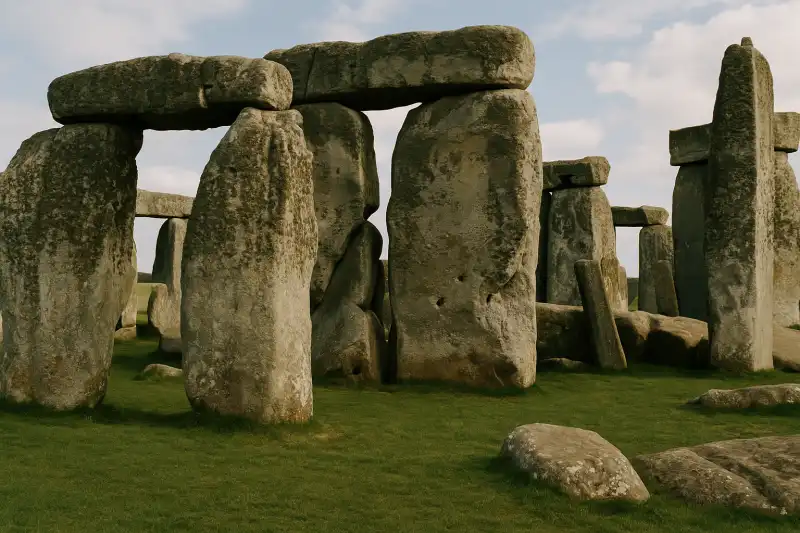
Stonehenge Travel Guide 2026: Solstice History, Tickets, and Day-Trip Planning
Neolithic and Bronze Age BritainPlan a smooth visit to Stonehenge with practical ticket timing, transport options from London and Ba...
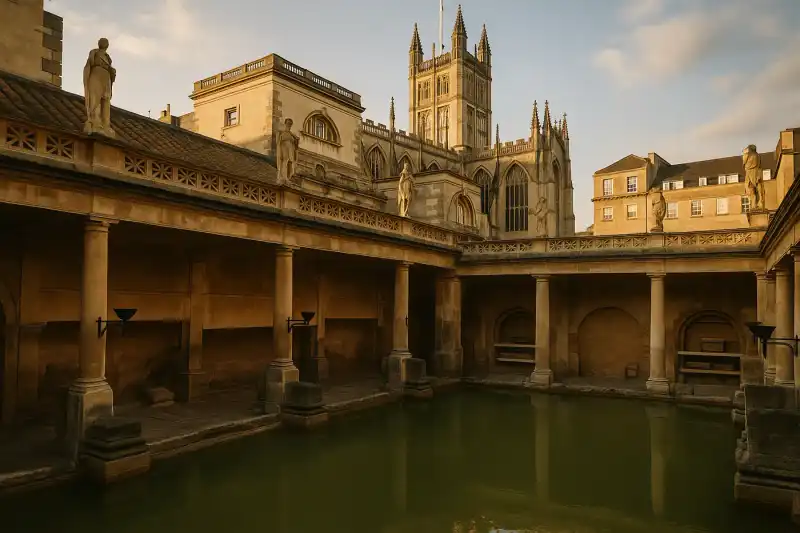
Roman Baths Bath Travel Guide 2026: Tickets, History, and Smart Visit Tips
Roman BritainPlan a better visit to the Roman Baths in Bath with clear ticket strategy, historical context, and p...
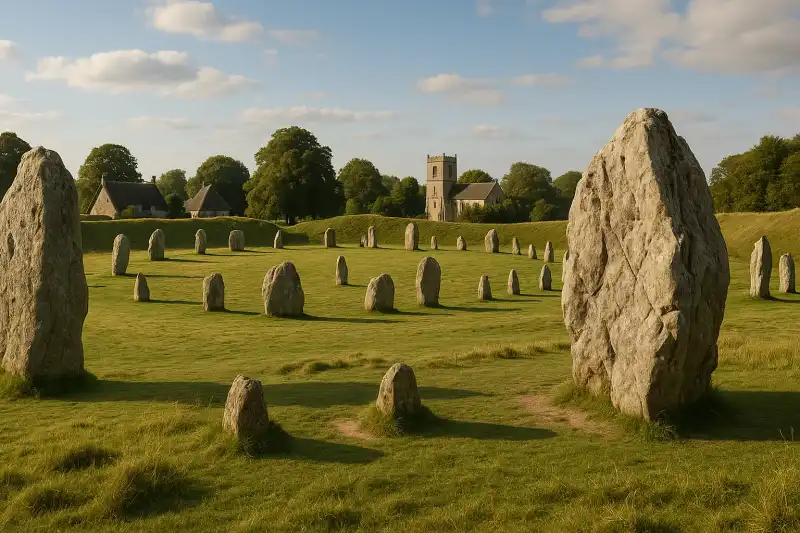
Avebury Stone Circle Travel Guide 2026: Best Walk Routes, History, and Visit Planning
Neolithic BritainPlan a stronger visit to Avebury Stone Circle with practical walking routes, landscape context, and ...
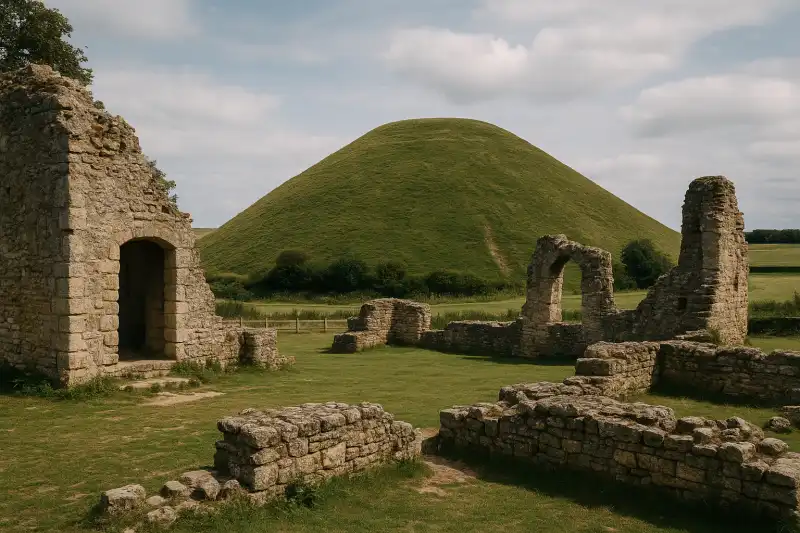
Silbury Hill Travel Guide 2026: Visiting Wiltshire’s Largest Prehistoric Mound
Neolithic BritainPlan a smart stop at Silbury Hill with practical access notes, archaeology context, and easy itinera...
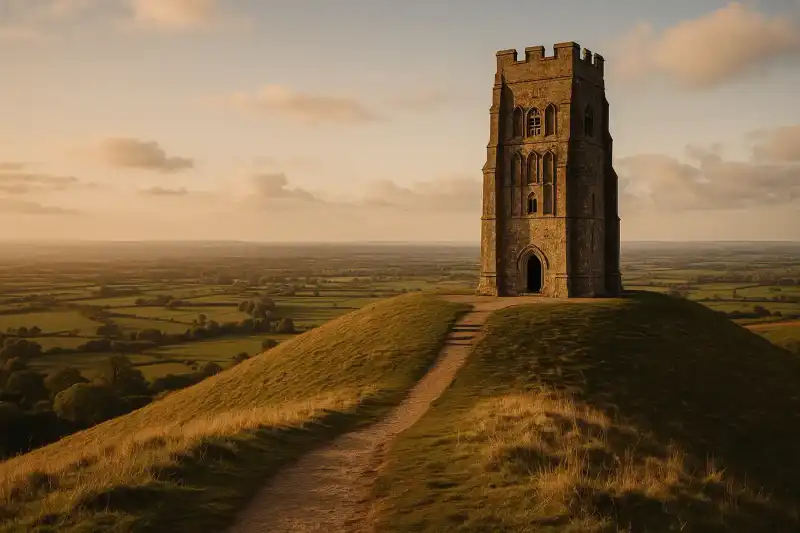
Glastonbury Tor Travel Guide 2026: Best Walk Times, History, and Visit Planning
Early Medieval EnglandPlan a smarter visit to Glastonbury Tor with practical climb timing, weather tips, and context on wh...