Quick Info
Curated Experiences
Swimming with sea lions in Lima Peru
Callao Islands Yacht Tour: Palomino, Cavinzas and San Lorenzo
Private Callao Marine Reserve Experience from Lima
The Palomino Islands Peru travel guide starts where most Lima visitors least expect: not in a colonial plaza or an Andean valley, but in the cold, steel-blue Pacific just beyond the Port of Callao. These rocky islets, part of the larger Callao island-and-islet chain, sit within a marine corridor shaped by fog, guano, ocean currents, and centuries of coastal life. What draws most travelers today is simple and unforgettable: hundreds of sea lions draped over black rock shelves, barking over one another in the wind, then diving beside your boat in bursts of speed and curiosity. Yet the Palomino experience is more than an adrenaline outing. It is a close look at how Lima’s coastline has always functioned as a working frontier where nature, commerce, and history overlap.
At Ancient Travels, we recommend Palomino as a powerful contrast day within a Peru itinerary heavy on stone architecture and highland ruins. You get wildlife, maritime history, and a practical lens on modern Callao in a single half day. This guide covers the historical context of the islands, the key natural features to look for, transport and booking logistics from Lima, admission and gear expectations, seasonal planning, and how to combine the trip with nearby cultural stops for a fuller coastal narrative.
History: Islands at the Edge of an Ocean Capital
Early coastal lifeways before empire (c. 1000 BCE-1400 CE)
Long before Lima emerged as a modern megacity, the waters off present-day Callao supported fishing communities tied to the wider Pacific economy of the central Andes. Archaeological evidence from Peru’s coast shows sustained maritime adaptation over millennia: reed craft, shellfish gathering, net fishing, and seasonal navigation along coves and islands. While the Palomino rocks themselves were never urban centers, they formed part of a lived seascape where currents, bird colonies, and fish migration patterns mattered as much as roads and fields inland. In this context, the offshore islets functioned as ecological markers and resource zones, not empty horizon features.
The Inca and the maritime margin (c. 1400-1532 CE)
As the Inca state expanded into the central coast, local maritime communities were incorporated into imperial systems of tribute and provisioning. Highland political control did not erase coastal knowledge; instead, imperial administration depended on established fishing labor and transport networks. The Callao littoral remained a practical interface where fish protein, dried marine products, and coastal movement fed larger population centers. Although the Palomino Islands were not monumental ritual sites on the scale of inland sanctuaries, they sat within this broader integrated world in which sea and land economies were tightly linked.
Colonial extraction and guano frontiers (16th-19th centuries)
Under the Viceroyalty of Peru, Callao became one of the most strategic ports in the Pacific. Offshore islands gained new value in the global fertilizer economy as guano deposits were mapped, claimed, and extracted at industrial scale. The neighboring Callao islets and islands, including zones near Palomino, were folded into systems of labor and shipping that connected Peru to European and North American agriculture. This era transformed how the islands were perceived: from local maritime terrain into quantifiable resource assets. The ecological consequences were substantial, and seabird populations were repeatedly stressed by intensive harvest cycles.
Conservation, tourism, and marine identity (20th century-present)
During the 20th and 21st centuries, the narrative shifted toward marine conservation, controlled visitation, and wildlife-focused tourism. The sea lion colony near Palomino became a signature experience for Lima residents and international visitors, especially as day-tour infrastructure improved in Callao’s La Punta district. Today, operators navigate a delicate balance: delivering close marine encounters while minimizing disturbance, enforcing no-touch protocols, and adapting to weather volatility linked to Humboldt Current dynamics and periodic El Niño events. Modern Palomino is therefore both destination and case study: a place where urban Peru negotiates tourism, environmental stewardship, and the legacy of extraction in real time.
The Key Monuments: What to See at Palomino Islands
Unlike inland archaeological parks, Palomino has no temple walls or carved gateways. Its “monuments” are geological formations, wildlife colonies, and historical maritime layers that unfold as the boat moves across the island chain. Seeing them well depends less on walking routes and more on observation, timing, and guide interpretation.
The Palomino sea lion rookery
The emotional center of the visit is the sea lion rookery, where hundreds of animals crowd narrow ledges and slanted rock platforms polished by surf. Adult males hold dominant positions while juveniles cluster in noisier, more restless groups; the social hierarchy is visible even from the boat as barking intensifies around territorial disputes. In calmer conditions, guides position passengers downwind so you can hear the full acoustic texture of the colony before entering the water. If your tour includes swimming, you usually enter in a controlled zone away from the most congested breeding shelves. The sensation is immediate: cold water, rapid movement, and brief, curious passes from younger sea lions. Photography is best in short bursts; wide framing captures the density of the colony better than tight zooms.
Cavinzas and neighboring bird islands
On the approach route, many boats skirt the Cavinzas islets, where sheer rock faces and narrow terraces host cormorants, boobies, pelicans, and gull species adapted to nutrient-rich upwelling waters. This section of the route reveals why Peru’s central coast was once synonymous with guano wealth: bird biomass can be extraordinary when conditions align. Guides often explain species behavior and nesting rhythms while pointing out guano-stained strata that read almost like geological banding from a distance. Even when fog reduces long-range views, bird movement remains dramatic at close range. For travelers interested in ecological history, this is the part of the excursion that links living wildlife directly to Peru’s 19th-century export economy.
San Lorenzo horizon line and naval geography
Farther out, weather permitting, you gain wider views toward San Lorenzo Island, a much larger landmass with deep military and historical significance for Callao Bay. While most Palomino excursions do not include landing there, seeing San Lorenzo on the horizon helps orient the full maritime geography: shipping channels, protected water pockets, exposed swell corridors, and the layered defense history of Peru’s principal port. Your guide may connect this panorama to Callao’s colonial fortification era and later naval development, turning what could feel like open water transit into a legible historical map.
Basalt cliffs, arches, and surge channels
The islands themselves are striking volcanic rock forms cut by centuries of wave action into slits, overhangs, and occasional arch-like openings. These basalt and tuff formations are not static backdrops; they shape how wind rebounds, how spray drifts, and where animals haul out. In rougher seas, you can watch surge channels pulse like breathing systems, alternately exposing and swallowing ledges within seconds. This dynamic geology explains why guides enforce strict stand-or-sit commands in specific segments: the route is beautiful, but it is operationally serious. Late-morning side light often reveals texture best, especially when fog lifts and dark rock contrasts against pale marine haze.
The open-water swim zone
For many travelers, the most memorable feature is not a fixed place but the designated open-water interaction zone where swimmers enter in groups under guide supervision. You wear neoprene, sometimes with flotation support, and remain close to staff while sea lions approach on their own terms. The ethics matter here: responsible tours prohibit feeding, touching, chasing, or blocking animals. Done well, the encounter feels less like a performance and more like shared space in motion. Even non-swimmers usually report this segment as the emotional peak, whether watching from deck level or photographing the rhythm of animals surfacing around the group.
Getting There: Transportation and Access
The Palomino outing is logistically straightforward once you choose your operator, but departure-point timing is everything because Lima traffic can erase your buffer quickly.
From Miraflores, Barranco, or San Isidro
Most visitors staying in Lima’s tourist districts depart early for La Punta or other Callao embarkation points. Morning transfer reliability is the main planning variable, so build extra time rather than gambling on a tight schedule.
- Taxi or ride-hailing app: Typically S/60-95 ($16-25 USD) one way depending on district and traffic; 45-75 minutes is common in the morning.
- Operator shuttle: Some tours include pickup from Miraflores or San Isidro; costs vary but often add S/30-45 ($8-12 USD) per person.
- Rental car: Viable, with trip times similar to taxi. Parking availability in La Punta can be limited on weekends, so arrive early.
From central Lima (Centro Histórico)
If you are based near Plaza Mayor or nearby neighborhoods, distance is shorter but congestion around port routes can still delay arrivals.
- Taxi: Usually S/40-70 ($11-19 USD), around 35-60 minutes depending on the hour.
- Public bus + local taxi: Budget option around S/8-15 ($2-4 USD) total, but requires route familiarity and adds uncertainty before fixed boat departure times.
- Private transfer: Best for groups carrying camera gear or families with children; higher cost but lowest coordination stress.
From Jorge Chávez International Airport area
Travelers on long layovers sometimes attempt Palomino as a same-day add-on. It can work, but only with generous timing and no onward risk.
- Airport taxi to departure point: Roughly S/30-55 ($8-15 USD), often 20-40 minutes outside peak congestion.
- Pre-arranged operator transfer: Useful if you have luggage storage coordinated and a confirmed departure window.
- Rental car: Possible, though not usually worth setup time for short layovers.
Practical Information
Admission and Hours
Palomino access is via licensed boat tour rather than an island gate ticket. Standard shared tours usually cost S/300-360 ($80-95 USD) per person depending on group size, vessel type, and included gear. Most operators run morning departures, commonly between 9:30 AM and 11:00 AM, with total duration around 4 to 5 hours including check-in and return navigation. Payment policies vary: card is increasingly accepted online, but many local operators still prefer partial or full prepayment via transfer plus cash balance at check-in. If you are deciding between two providers, prioritize safety briefings, life-jacket quality, and marine-weather cancellation policy over minor price differences.
What to bring
- Windproof outer layer: Sea spray and wind chill can feel much colder than Lima street temperatures.
- Swimwear and quick-dry towel: Essential if your tour includes the sea lion swim segment.
- Sun protection: UV can be intense through marine haze; pack SPF 50+, sunglasses, and a cap with retention strap.
- Seasickness prevention: Motion tablets or patches are wise if you are sensitive to swell.
- Waterproof phone pouch or dry bag: Protects electronics during spray-heavy crossings.
Safety, etiquette, and accessibility
Listen closely during the pre-departure briefing: boarding and disembarkation surfaces can be slippery, and open-deck movement may be restricted in rough water. Wildlife etiquette is non-negotiable—no touching, feeding, or loud attempts to attract animals. For accessibility, conditions are mixed: some modern vessels offer better boarding support, but many docks and boats still require stepping across gaps and managing stairs. Travelers with limited mobility should contact operators directly before booking to confirm vessel type and boarding assistance.
When to Visit: Seasonal Considerations
The Palomino Islands are open year-round, but sea state, fog, and water temperature change your experience more than calendar labels alone.
Spring (September-November)
Spring often delivers one of the best balances for first-time visitors: moderate air temperatures around 16-22°C (61-72°F), gradually improving visibility, and manageable crowd levels outside holiday weekends. Sea conditions can still shift quickly, but many days are favorable for smoother navigation and clearer wildlife viewing. For photography, mid-morning usually brings better contrast as the marine layer lifts.
Summer (December-March)
Summer is warmest, generally 21-28°C (70-82°F), with heavier demand from domestic and international travelers. Water remains cool because of the Humboldt Current, but the air is more comfortable after a swim. Book farther ahead for weekends and expect busier docks. If you prefer calmer pacing, choose weekday departures and arrive early to avoid both traffic and check-in congestion.
Autumn (April-May)
Autumn is a shoulder season sweet spot with temperatures near 18-25°C (64-77°F), decent light, and often fewer crowds than midsummer. Visibility can be excellent on clear mornings, and operators may have more scheduling flexibility. This is an ideal period for travelers combining Palomino with additional Lima sites in the same day because traffic pressure is usually a bit lower than peak months.
Winter (June-August)
Winter brings cooler air around 14-19°C (57-66°F), frequent garúa fog, and a more dramatic, atmospheric seascape. Wildlife viewing is still strong, but your photos may lean moody rather than bright. Wear layers, and do not underestimate wind chill after swimming. The season is fully workable, just less forgiving if you want postcard-blue skies.
Combining Palomino Islands with Lima and Callao
The best way to combine Palomino with greater Lima is to treat the marine excursion as the anchor and build one cultural block around it, not three. Begin with an early transfer to Callao and aim to check in by 8:45 AM if your boat departs around 9:30-10:00 AM. After crossing through the island chain and returning to port around 1:30-2:00 PM, move inland for a late lunch in Barranco—ceviche or tiradito works especially well after a cold-water morning. From there, choose one substantial afternoon stop.
If you want archaeology without a long commute, Huaca Pucllana is the easiest pairing. You can usually reach Miraflores in 35-60 minutes depending on traffic, then walk the adobe pyramid circuit in about 60-90 minutes before evening. If you are more interested in deep-time context, save Caral-Supe for a separate day; combining it directly with Palomino is technically possible but exhausting and vulnerable to traffic delays. For travelers extending south after Lima, use the marine day as contrast before heading to Paracas Necropolis and the desert coast beyond.
A practical same-day rhythm is: departure transfer at 7:45 AM, boat check-in by 8:45 AM, sea-lion segment before noon, return and lunch by 2:30 PM, then Huaca Pucllana at 4:30 PM and dinner in Miraflores. Total active time is about 10 hours, but the pacing feels varied rather than rushed because the physical intensity is concentrated in one half-day block.
Why Palomino Islands Matters
Palomino matters because it reframes Lima. Many travelers meet Peru first through Inca stonework, highland panoramas, or colonial streets, then treat the coast as a practical arrival zone. Out on these dark Pacific rocks, that hierarchy flips. You see a capital whose identity has always been maritime: fed by fishing, shaped by port labor, enriched and damaged by extraction, and still negotiating what stewardship means in a city of millions. The sea lions are the headline, yes, but the deeper value is perspective.
In a few hours, you move through layers of Andean history that are easy to miss on land alone—pre-Columbian coastal adaptation, imperial integration, colonial-era guano frontiers, and contemporary conservation economics. The islands are not monumental in the architectural sense, yet they feel monumental in what they reveal: how a modern nation remains tied to currents, weather, and nonhuman life at its edge. If you want one experience near Lima that feels vivid, humbling, and unmistakably Pacific, start here.
Quick Facts
| Attribute | Details |
|---|---|
| Location | Callao offshore islet chain, Peru |
| Ancient Name | No single attested ancient toponym for Palomino |
| UNESCO Status | Not UNESCO-listed |
| Established | c. 1000 BCE documented coastal use |
| Distance from nearest hub | ~16 km from Miraflores to La Punta docks, then ~1.5-2 hours by boat |
| Entry Fee | Via tour operators, typically S/300-360 ($80-95 USD) |
| Hours | Morning departures most common; tours run ~4-5 hours |
| Best Time | Spring to early autumn mornings |
| Suggested Stay | Half day (4-6 hours including transfer) |
Explore More Peru
- Huaca Pucllana: A pre-Hispanic adobe ceremonial center embedded in modern Miraflores.
- Caral-Supe: Monumental pyramids from one of the world’s earliest urban civilizations.
- Paracas Necropolis: Coastal funerary archaeology and dramatic desert-meets-ocean landscapes.
- Chan Chan: The vast adobe capital of the Chimu on Peru’s north coast.
Plan your complete Peru journey with our Peru Ancient Sites Guide. For route planning, see our Peru itinerary guide.
Frequently Asked Questions
How much time should I plan for a Palomino Islands trip?
Most tours run about 4 to 5 hours round-trip from the Callao departure point, including navigation through the island cluster and time near the sea lion colony. If you are staying in Miraflores or Barranco, add 45 to 75 minutes each way for traffic. In practice, this works best as a half-day outing rather than a quick stop.
Is swimming with sea lions safe?
With licensed operators, strict briefing, and proper neoprene gear, the experience is generally safe for confident swimmers. You enter only in designated zones while guides monitor currents and animal behavior from the boat. The key is to follow instructions, avoid touching wildlife, and accept that conditions can change quickly with swell and wind.
What is the best season to visit the Palomino Islands?
You can visit year-round, but late spring through early autumn usually brings calmer seas and better visibility. Winter can still be rewarding, though garúa fog and colder water are more common. Morning departures are usually smoother and offer cleaner light for photos.
Do I need to book in advance?
Yes, especially for weekends, holidays, and high season. Boats have limited capacity and many responsible operators cap groups to reduce disturbance at wildlife sites. Booking ahead also helps you choose operators that include bilingual guides, quality wetsuits, and clear safety standards.
Can children join Palomino Islands tours?
Many tours allow children, but minimum ages for swimming vary by operator. Families with younger kids can still enjoy the boat route and watch sea lions from onboard viewing points. Always confirm age, height, and sea-condition policies before paying.
Can I combine this with archaeological sites in Lima on the same day?
Yes. A common plan is an early boat departure from Callao, lunch in Barranco or Miraflores, then an afternoon visit to Huaca Pucllana or Pachacamac. If traffic is heavy, keep only one cultural site in the afternoon so the day stays enjoyable.
Nearby Ancient Sites
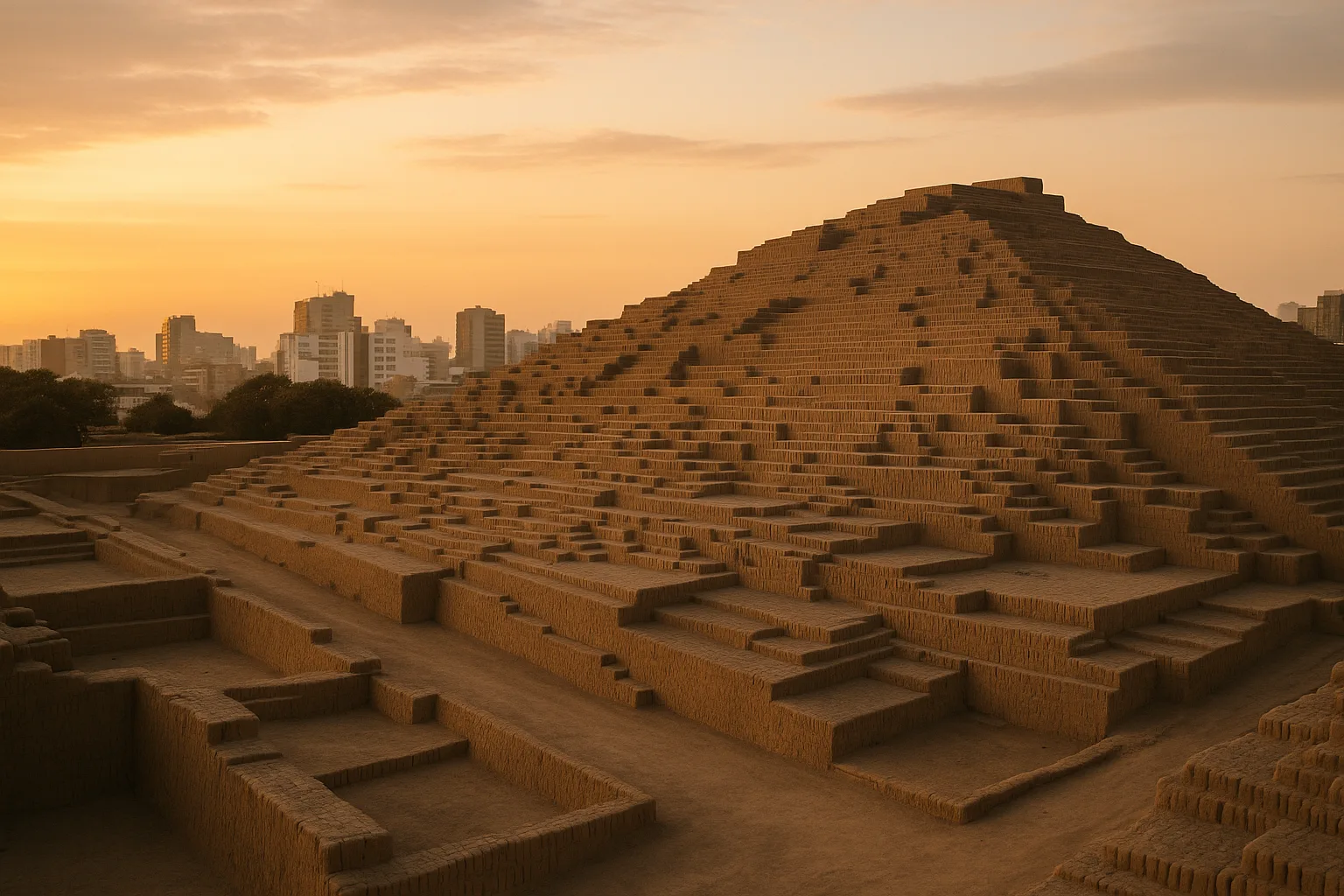
Huaca Pucllana Peru Guide 2026: Lima Adobe Pyramid & Lima Culture
Lima-Ychsma-IncaExplore Huaca Pucllana in Lima: pre-Inca adobe pyramid architecture, museum circuit, practical entry...
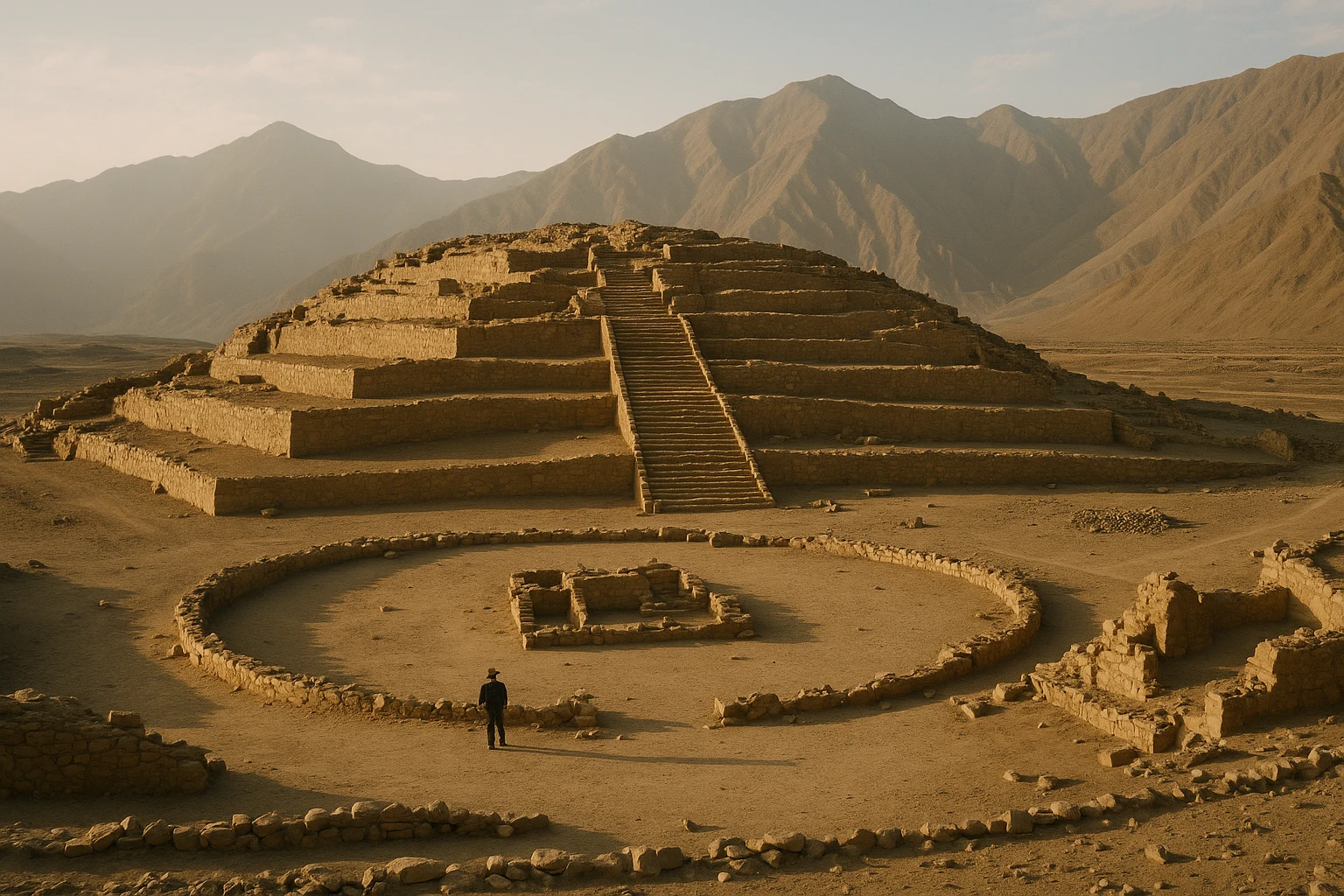
Caral-Supe Peru Guide 2026: Sacred Pyramids & the First Andean City
Norte-Chico-CaralVisit Caral-Supe in Peru, the oldest known city in the Americas, with practical transport from Lima,...

Paracas Necropolis Peru Guide 2026: Textile Mummies & Desert Tombs
Paracas-Topara-NazcaVisit the Paracas Necropolis in Peru for extraordinary mummy bundles and elite textiles, with clear ...