Quick Info
Curated Experiences
Ballestas Islands Boat Tour from Paracas
Paracas National Reserve Half-Day Tour
Paracas, Tambo Colorado & Ica Full Day Tour
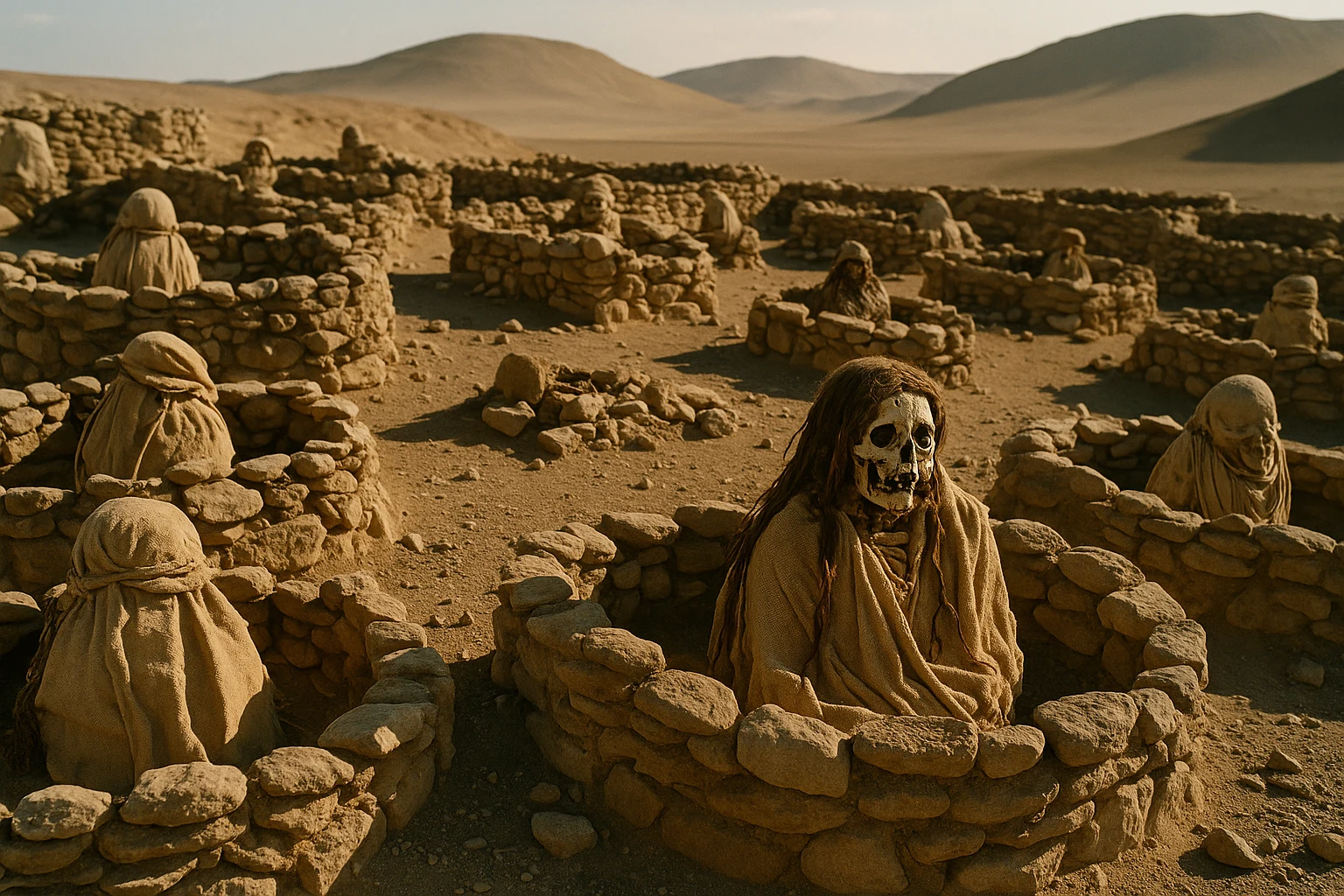
The first surprise at the Paracas Necropolis in Peru is silence. Not museum silence with polished floors and guarded ropes, but coastal-desert silence: dry wind moving over pale sand, the Pacific murmuring below cliffs, and almost no vegetation to soften the horizon. It is an austere landscape, and that starkness is exactly why one of the most sophisticated burial traditions in ancient South America could survive here. For centuries, elite Paracas dead were interred in carefully prepared subterranean chambers on the Paracas Peninsula, wrapped in thick funerary bundles layered with cotton, camelid fiber, and some of the most technically astonishing textiles ever made in the pre-Columbian world. In a climate with almost no rain, those fabrics endured with colors and embroidery that still shock specialists today.
This Paracas Necropolis Peru travel guide follows the site from its Early Horizon origins to modern archaeological study, then translates that history into a practical visit plan you can actually use. You will find what to look for at the key sectors linked to the Wari Kayan cemetery, how to approach the museum context that now protects most original objects, the best transport options from Lima and Ica, and how to combine Paracas with nearby heavyweights like the Ballestas Islands, Tambo Colorado, and Nazca. If you are building a southern Peru route with real archaeological depth, this is one of the most important starting points on the entire coast.
History: Necropolis by the Sea
Early Paracas communities (c. 800-500 BCE)
Long before the famous mummy bundles, communities associated with the Paracas culture occupied valleys and coastal margins across what is now Peru’s Ica Region. They practiced irrigated agriculture where possible, fished rich Pacific waters, and built ritual traditions that fused desert, sea, and ancestor veneration. Archaeological evidence from settlement zones and cemeteries suggests growing social differentiation by the late first millennium BCE, with elite lineages controlling access to prestige goods and ceremonial knowledge. The peninsula’s dry environment was already recognized as a place where the dead could be preserved with unusual integrity, and burial architecture became increasingly formalized over time.
The necropolis tradition at Wari Kayan (c. 500-200 BCE)
The best-known phase of the Paracas Necropolis is tied to Wari Kayan, where dozens of large, shaft-like tomb structures contained tightly wrapped funerary bundles representing high-status individuals and their families. Each bundle could include multiple textile mantles, embroidered panels, featherwork, headgear, ornaments, and offerings placed in deliberate sequence. The wrapping itself was part of the ritual language: bodies were transformed into ancestor objects through layers of cloth, cord, and symbolism. Textile iconography depicts anthropomorphic beings, trophy heads, marine life, and geometric motifs, suggesting a cosmology in which power moved between land, ocean, and the afterlife.
Cultural transition and Topara-Nazca influence (c. 200 BCE-200 CE)
By the late centuries BCE and early centuries CE, the coastal south saw significant cultural change as Topara and early Nazca traditions emerged or expanded through regional interaction. Ceramic styles, mortuary preferences, and settlement patterns shifted, and the classic necropolis mode appears to have diminished as new social formations took shape inland and along adjacent valleys. Scholars continue to debate whether this was abrupt replacement, gradual transformation, or political realignment among related groups. What is clear is that Paracas textile practices influenced subsequent traditions deeply, especially in iconography, dye technologies, and fiber craft expertise visible in early Nazca material culture.
Rediscovery, excavation, and conservation (1920s-present)
Systematic modern attention began in the 1920s with Peruvian archaeologist Julio C. Tello, whose work at Paracas transformed understanding of ancient Andean societies on the south coast. Excavations revealed remarkable textile preservation but also exposed the fragility of the finds once removed from stable burial conditions. Throughout the twentieth century, conservation became as important as excavation: climate-controlled storage, careful restoration, and improved curation were necessary to prevent irreversible loss. Today, much of what visitors learn about the necropolis comes through site interpretation and museum display rather than open tomb viewing, a shift that protects the collection while still allowing the landscape itself to communicate scale, setting, and ritual intent.
The Key Monuments: What to See at Paracas Necropolis
Wari Kayan cemetery sector
The heart of the necropolis story is the Wari Kayan cemetery sector, where clustered burial contexts yielded many of the famous Paracas mummy bundles. You are not walking through rows of exposed mummies; instead, you are reading terrain and archaeology together. Subtle depressions, mapped zones, and interpretive markers indicate where elite burials once sat beneath the surface in carefully prepared chambers. The power of this area comes from context: standing here, you can understand that the cemetery was positioned deliberately between desert plateau and ocean edge, a liminal zone that likely mattered ritually. Guides often explain how bundles were seated, layered, and accompanied by offerings, helping you visualize the original mortuary architecture without sacrificing conservation ethics. Arrive early for softer light and less wind-blown dust on your photos.
Julio C. Tello Site Museum collections
For most visitors, the intellectual center of the experience is the Julio C. Tello Site Museum, where textiles, funerary reconstructions, cranial remains, ceramics, and interpretive panels bring the necropolis to life. The textiles are the headline: densely embroidered mantles with intricate figural motifs, multiple dye families, and technical precision that rivals any ancient weaving tradition globally. Display narratives usually move from excavation history to mortuary practice and then to iconographic interpretation, which helps non-specialists connect beautiful objects to funerary meaning rather than seeing them as detached art pieces. Even if you have visited major museums in Lima or Cusco, the local site context here makes these objects read differently. You are seeing the products of a burial system rooted in the exact windswept landscape just outside the museum walls.
Cerro Colorado and peninsula viewpoints
While not a “monument” in masonry terms, the cliffs and elevated lookouts around Cerro Colorado are essential to understanding why the necropolis developed here. From these viewpoints, you can trace the peninsula’s geological structure: eroded ridgelines, dry basins, and abrupt drops to Pacific bays. The environment explains preservation, access, and ritual symbolism all at once. You also gain a clearer sense of how Paracas communities navigated marine and desert ecologies simultaneously, drawing food and trade from the sea while embedding their dead in hyper-arid ground inland. In late afternoon, low-angle light reveals banded sediments and subtle color shifts in the desert crust that are difficult to read at noon. If you are photographing, this is the best place to capture landscape-scale images that situate the necropolis in its broader setting.
Textile iconography and funerary technology (interpretive highlight)
A final must-see “feature” is conceptual rather than architectural: the technical system behind Paracas funerary textiles. Good guides and museum exhibits will show how mantles were layered, how embroidery direction and thread density shaped imagery, and how bundle construction balanced ritual expression with physical preservation. These are not decorative add-ons to burial; they are the burial technology itself. Some bundles included dozens of textiles, indicating enormous labor investment and social signaling around lineage and rank. Look for explanations of fiber sources (cotton and camelid), natural dye chemistry, and recurring motifs such as staff-bearing beings, birds, felines, and trophy heads. This interpretive lens turns your visit from “old cemetery stop” into one of the strongest case studies in ancient Andean social complexity.
Getting There: Transportation and Access
Paracas is one of the easiest archaeology gateways on Peru’s coast, and the necropolis area is best accessed through a combination of intercity bus and short local transfers.
From Lima
Most travelers start in Lima, roughly 250 kilometers north of Paracas on the Panamericana Sur.
- Intercity bus: Frequent departures connect Lima to Paracas in about 3.5-4.5 hours (45-90 PEN / $12-24 USD), usually with modern coaches and assigned seats.
- Private transfer or taxi: Door-to-door transfers are faster and more flexible for families or small groups, typically 700-1000 PEN ($185-265 USD) each way depending on vehicle size.
- Rental car: The highway route is straightforward and fully paved. Expect around 3.5-4 hours without long stops, plus parking near waterfront and museum sectors.
From Ica or Huacachina
If you are already in Ica, Paracas is a short coastal detour that pairs naturally with wineries, dunes, and southbound routes toward Nazca.
- Local bus/collectivo: Shared transport between Ica and Paracas usually takes 1-1.5 hours (15-30 PEN / $4-8 USD).
- Taxi: A direct taxi generally runs 120-180 PEN ($32-48 USD), useful if you want to start early for Ballestas departures.
- Guided day tour: Combined archaeology-nature itineraries from Ica frequently include reserve viewpoints and museum time, reducing logistical friction.
Admission and Hours
The necropolis context is typically visited through the site museum and designated reserve sectors rather than unrestricted access to sensitive tomb zones. Standard adult entries in the Paracas cultural area often range around 11-25 PEN ($3-7 USD) depending on what is included, while guided combined packages vary by transport and stops. Many facilities operate roughly from morning to late afternoon (commonly around 9:00 AM to 5:00 PM), but hours can shift on holidays or maintenance days. Card acceptance is improving yet not universal, so carry small bills in soles. For the best blend of light, temperatures, and lower crowds, arrive at opening and reserve midday for lunch before coastal viewpoints or Ballestas departures.
When to Visit: Seasonal Considerations
Spring (September-November)
Spring is the sweet spot for most travelers. Daytime temperatures generally sit around 18-26°C (64-79°F), skies are often clear, and wind is manageable compared with deeper winter gusts. Crowd levels are moderate, especially midweek, so museum viewing feels calmer and transport prices stay reasonable. If you want balanced conditions for both archaeology and boat excursions, this is the most consistently comfortable period. For photographers, morning and late-afternoon light across the peninsula is especially clean.
Summer (December-February)
Summer brings warmer afternoons around 24-31°C (75-88°F), heavier holiday movement from domestic beach tourism, and occasional haze along the coast. The necropolis and museum remain very visitable, but midday exposure can be draining if you stack too many outdoor stops. Start early, wear a brimmed hat, and keep hydration high. Ballestas departures can still run smoothly, though weekend demand rises significantly. This season works well if you prefer lively coastal towns and do not mind heat.
Autumn (March-May)
Autumn offers mild transitions after summer heat, with typical ranges near 20-28°C (68-82°F) in March tapering cooler by May. Crowds decrease steadily, and tour availability stays good without peak-season pressure. Conditions are favorable for combining archaeology with longer road legs to Tambo Colorado or Nazca. If your priority is logistical ease and better value on lodging, autumn is an excellent choice, especially April and May.
Winter (June-August)
Winter in coastal Peru is cooler and can feel damp in the air despite low rainfall, usually around 16-22°C (61-72°F). Morning cloud cover and stronger winds are common, then conditions often brighten later in the day. Crowd levels vary: school holidays and weekends can be busy, while weekdays stay manageable. Bring a wind layer even when forecasts look mild. Winter remains highly viable, but spring is usually the ideal recommendation for all-around clarity and comfort.
Combining Paracas Necropolis with Southern Peru
The strongest way to experience the necropolis is to treat it as one anchor in a full coastal archaeology day rather than an isolated stop. A practical sequence starts on the Paracas waterfront with a 7:30 AM boat departure to the Ballestas Islands, when seas are usually calmer and wildlife activity is high. You return by late morning with enough time for coffee and a short transfer inland before entering the museum and necropolis interpretation areas around 10:30 AM. That order works because marine weather can deteriorate later, while museum and cemetery-context sectors stay stable throughout the day.
After a focused 2-3 hour necropolis and museum visit, break for lunch in El Chaco near 1:30 PM; seafood rice, grilled octopus, or a lighter tiradito menu all pair well with an afternoon drive. By 3:00 PM, continue into the Paracas National Reserve for cliff viewpoints and red-sand beaches that reveal the environmental framework behind Paracas burial preservation. You can finish around sunset and still return to town for dinner on the boardwalk.
If you have a second day, head inland at 8:00 AM toward Tambo Colorado to connect late pre-Hispanic coastal administration with the earlier Paracas mortuary world, then continue south on a longer circuit toward Nazca if time allows. This two-day structure gives you chronological breadth, from Early Horizon funerary traditions to Inca logistics and finally the geoglyph landscapes farther south. In practical terms, it is one of Peru’s most coherent archaeology itineraries outside the Cusco region.
Why Paracas Necropolis Matters
The Paracas Necropolis matters because it forces a wider definition of what monumental civilization looks like. There are no towering stone façades here, no imperial avenue lined with carved kings. Instead, the monument is textile, ritual process, and memory architecture below ground: generations investing extraordinary labor into how the dead were prepared, wrapped, and carried into an afterlife that remained socially active among the living. In that sense, Paracas offers a different model of power than masonry empires. Prestige was coded in fiber, iconography, and ceremonial knowledge as much as in walls.
For travelers, that shift is profound. You leave with less of the checklist satisfaction that comes from a single iconic ruin and more of the long echo that follows careful interpretation. Wind, sand, museum glass, and cliff light collaborate to tell a story about preservation and fragility at the same time. The necropolis is not a place that shouts; it accumulates meaning quietly as you move through it. And once you see how much a civilization can say through cloth, burial, and landscape, the rest of Peru’s archaeological map starts to read differently.
Quick Facts
| Attribute | Details |
|---|---|
| Location | Paracas Peninsula, Ica Region, Peru |
| Ancient Name | Wari Kayan necropolis sector |
| UNESCO Status | Not separately inscribed; within protected Paracas cultural landscape |
| Established | c. 500 BCE elite cemetery |
| Distance from Lima | ~250 km south; 3.5-4.5 hours by road |
| Entry Fee | Typically 11-25 PEN ($3-7 USD) depending on included sectors |
| Hours | Commonly around 9:00 AM-5:00 PM (check seasonal updates) |
| Best Time | September-November for balanced weather and lower crowds |
| Suggested Stay | Half day for core visit; full day with Ballestas + reserve |
Explore More Peru
- Tambo Colorado: Inca coastal administrative architecture that pairs naturally with Paracas in a 1-2 day circuit.
- Nazca Lines: Monumental geoglyph landscapes and overflight archaeology farther south on the Panamericana.
- Pachacamac: Major pre-Hispanic pilgrimage center near Lima, ideal before or after Paracas transfers.
- Chan Chan: Northern Peru’s vast adobe capital for travelers extending beyond the southern coast.
Plan your full route with our Peru Ancient Sites Guide and get logistics help from the Peru transport planning guide.
Frequently Asked Questions
How much time should I plan for the Paracas Necropolis?
Plan 2-3 hours for a solid visit to the Julio C. Tello Site Museum and viewpoints around the Wari Kayan sector. If you want to combine it with Ballestas Islands and a reserve drive, dedicate a full day in Paracas. Serious archaeology travelers often stay overnight to avoid rushing.
Can I still see the original Paracas mummy bundles at the necropolis?
Most original funerary bundles and textiles are now protected in museum collections rather than left exposed in the desert. The site context, reconstructions, and curated exhibits explain how the tombs were built and what was found inside. You still get a strong sense of place by standing in the same dry coastal landscape where the burials were made.
How do I get to Paracas from Lima without a car?
Direct buses from Lima to Paracas typically take 3.5-4.5 hours and are the easiest option for most travelers. From the terminal, short taxi rides connect you to the waterfront, reserve entrance points, and museum area. If you prefer flexibility, many guided tours include hotel pickup and transport.
Is there an entry ticket for the Paracas Necropolis area?
Yes, access generally involves museum and reserve fees that are paid in Peruvian soles, with occasional card acceptance depending on the facility. Combined visits with the site museum and reserve sectors are common and often best value through organized tours. Carry some cash in PEN in case card machines are offline.
What is the best season to visit the Paracas Necropolis?
September through November is usually ideal, with clear skies, moderate temperatures, and lower crowds than peak winter holiday periods. June-August is also excellent for visibility but busier, especially on weekends. Summer can be hotter and occasionally hazier, so early starts become more important.
Is the Paracas Necropolis suitable for children or older travelers?
Yes, the area is generally accessible for families and older visitors if you plan around sun and wind exposure. Paths are mostly straightforward but can be dusty and uneven in some sectors. Bring sun protection, water, and a light layer for strong coastal gusts.
Nearby Ancient Sites
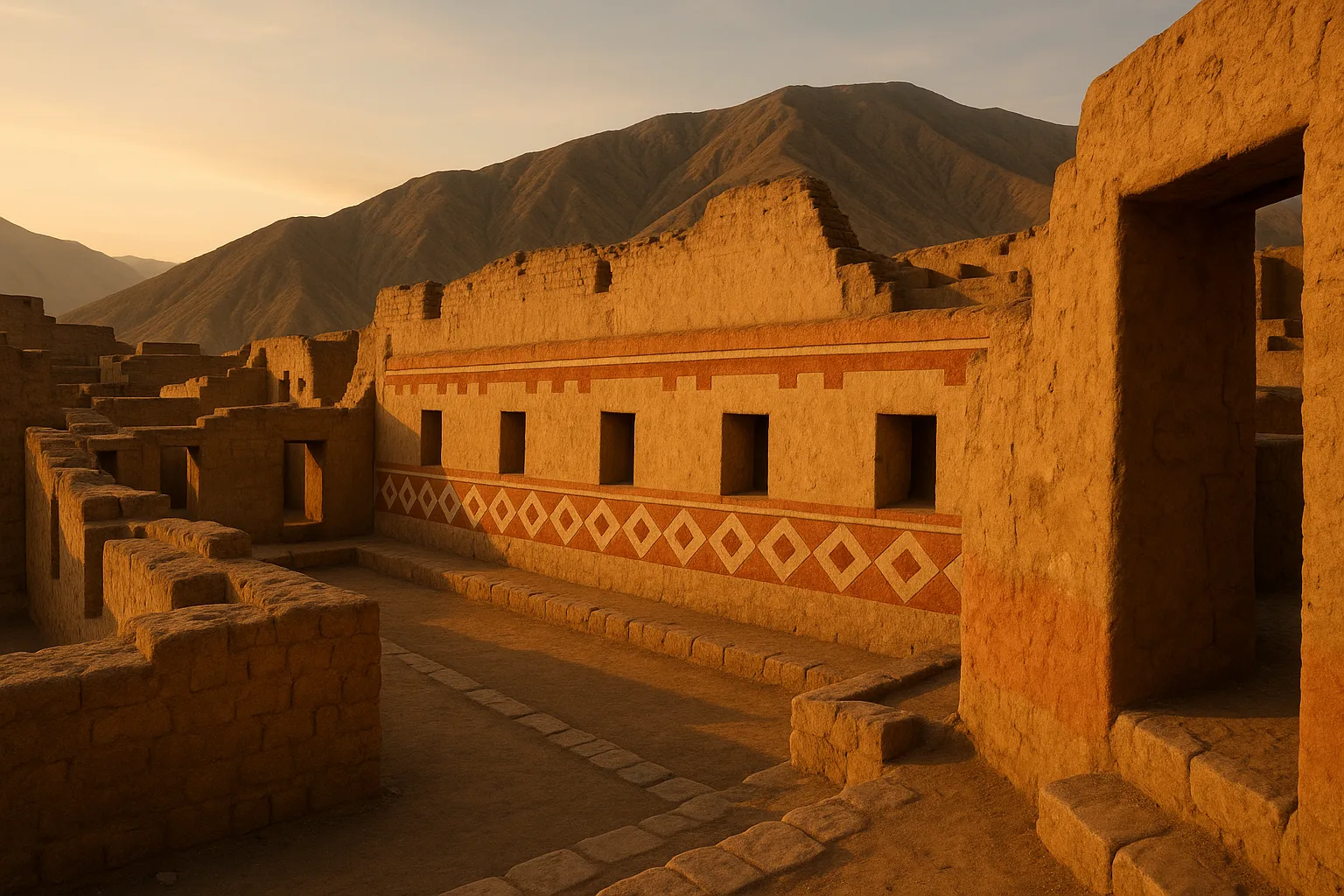
Tambo Colorado Peru Guide 2026: Inca Painted Walls & Royal Palace
IncaVisit Tambo Colorado near Pisco, Peru's best-preserved Inca coastal palace. Get transport, tickets, ...
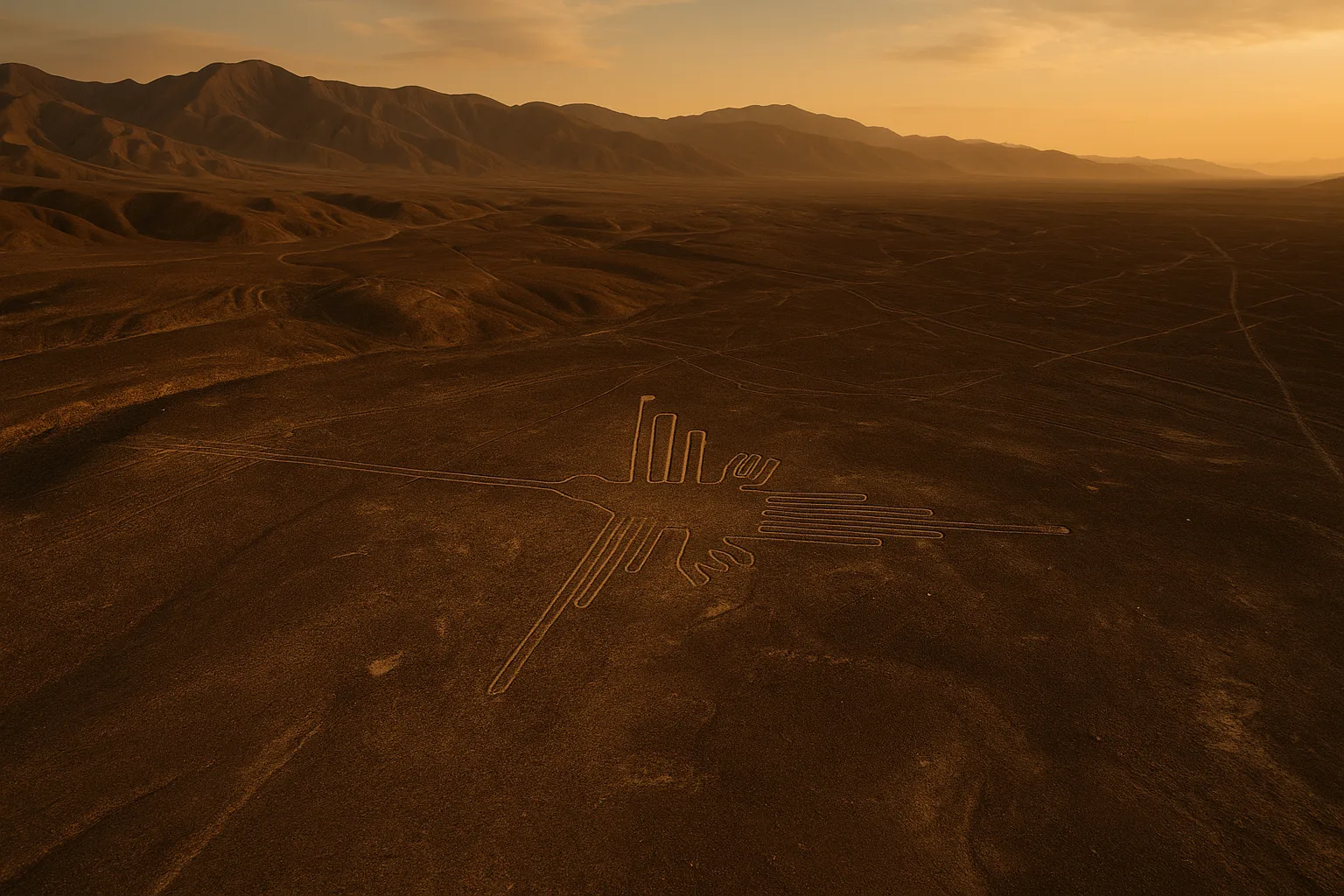
Nazca Lines Peru Guide 2026: Geoglyphs & Desert Mystery
NazcaExplore Peru's Nazca Lines: ancient geoglyphs etched in desert sand. Plan your overflight or land to...
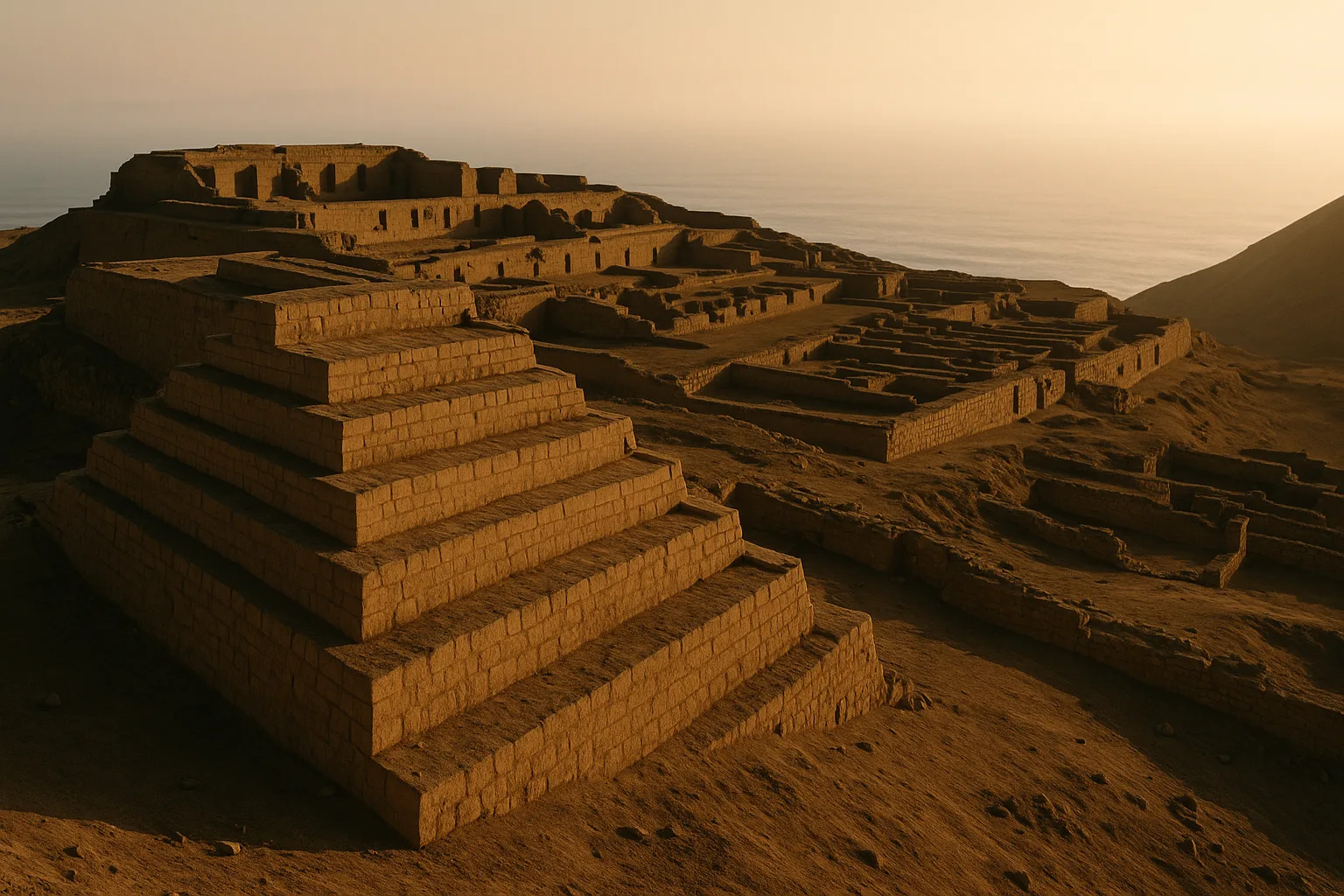
Pachacamac Peru Guide 2026: Oracle Temple, Pilgrimage Roads & Lima Coast
Lima-Wari-Ychsma-IncaExplore Pachacamac near Lima: ancient oracle temples, multi-civilization coastal history, practical ...