Quick Info
Curated Experiences
Philae Temple Boat and Guided Tour from Aswan
Private Aswan Tour Including Philae Temple
Philae Temple and Aswan Highlights Day Tour
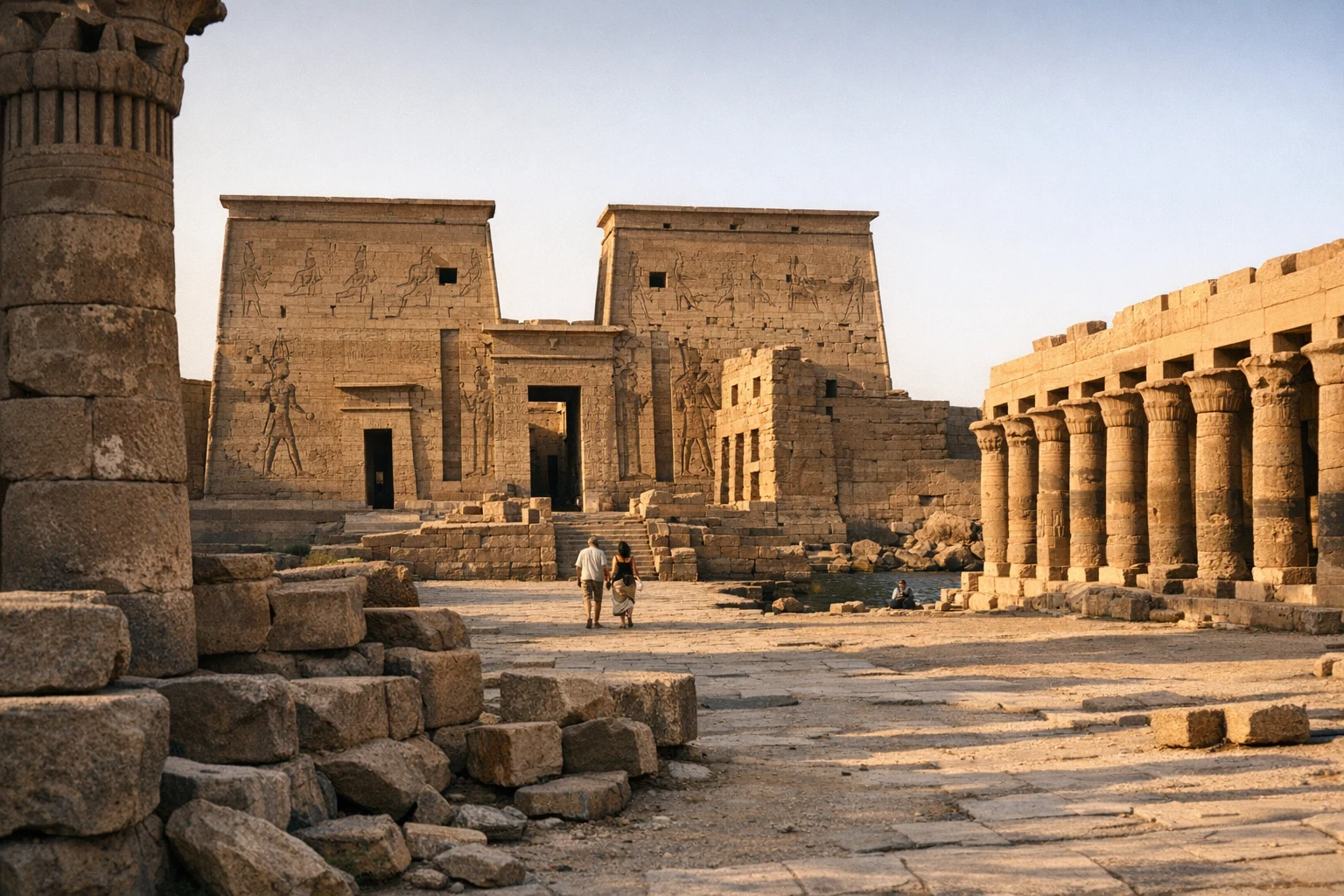
Philae Temple in Egypt is one of those rare ancient places where the approach is part of the enchantment. Near Aswan, the temple rises from its island setting with a kind of deliberate elegance, appearing across the water rather than confronting visitors all at once from the roadside. Even before you step onto the stone quays and courtyards, the experience already feels different from many Egyptian temple visits. There is movement, water, reflected light, and the sense that this sanctuary was meant to be approached as a destination apart. That quality is not accidental. Philae was one of the most important cult centers of the goddess Isis, and its setting on an island enhanced its sacred identity. Today, even after its 20th-century relocation, it still preserves that powerful combination of architecture and watery isolation.
What makes Philae especially memorable is the way it balances grandeur with grace. It is not the largest temple in Egypt, nor the most overwhelming, but it may be one of the most atmospheric. Pylons rise above the Nile landscape, columns frame views of sky and river, and reliefs of gods, kings, emperors, and rituals retain a softness that suits the site’s mythic associations. This was a temple of Isis, one of the most enduring and widely venerated deities of the ancient Mediterranean world, and the sanctuary remained active into the Roman period long after many older cult centers had changed. Its later rescue from flooding gives the site a second life story as well. Philae is therefore both an ancient sacred island and a modern triumph of preservation, a place where devotion, beauty, and survival seem to echo one another across the water.
History
Sacred Origins and the Cult of Isis
Philae’s religious importance reaches back before the main surviving temple buildings visible today. The island and its surrounding cataract landscape held long-standing sacred associations in southern Egypt, especially within the religious world of Nubia and Upper Egypt. By the Ptolemaic period, however, Philae had become one of the most important cult centers of Isis, the goddess associated with kingship, motherhood, magic, and resurrection. Her mythology, closely tied to Osiris and Horus, gave the site unusual emotional and theological depth. Pilgrims came here not simply for local ritual obligations but for a cult that had broad regional and eventually Mediterranean appeal.
The temple complex that survives today was largely built and expanded under the Ptolemies beginning in the 4th century BCE, though later Roman emperors also contributed to the site. This dating matters because Philae belongs to a period when Egyptian temple traditions remained vigorous even under foreign dynasties. The Ptolemies, Macedonian rulers of Egypt after Alexander the Great, adopted Egyptian religious forms as part of their political strategy, and temples like Philae became places where continuity and adaptation worked together. In architecture and ritual, the sanctuary remained profoundly Egyptian even within a Hellenistic world.
Ptolemaic and Roman Expansion
The principal temple of Isis at Philae was enlarged through successive reigns, and the island eventually held a rich architectural ensemble of pylons, courts, chapels, kiosks, colonnades, gateways, and subsidiary shrines. Ptolemaic rulers used temple building to present themselves as legitimate pharaohs, and Philae was one of the places where that claim was carved most elegantly into stone. Reliefs show rulers in traditional Egyptian poses making offerings to gods, participating in sacred rites, and visually inserting themselves into an ancient religious world.
Roman emperors later continued this process. Far from simply abandoning Egyptian forms, they often respected and even sponsored them, especially in regions where local religious authority remained strong. At Philae, this resulted in a temple complex that continued to grow and remain active well into the Roman imperial period. One of the reasons the site is so fascinating is precisely this late vitality. While many travelers imagine “real” ancient Egypt ending long before Rome, Philae reminds us that Egyptian temple religion remained alive, adaptive, and politically significant deep into late antiquity.
The Last Flowering of Ancient Egyptian Religion
Philae has special significance in the story of the end of ancient Egyptian religion because it was one of the latest major temples where traditional cult practices continued. The sanctuary of Isis was famous beyond Egypt, and pilgrims came from Nubia and farther afield. In many ways, Philae represents the late endurance of an ancient sacred system under changing political and cultural conditions. It was not merely a nostalgic relic. It was an active religious center.
This makes its eventual closure deeply symbolic. With the spread of Christianity and the transformation of imperial religious policy, traditional temple worship declined across Egypt. Philae was among the last holdouts. By the 6th century CE, under the eastern Roman Empire, the temple was closed or converted, and Christian use of parts of the site followed. Inscriptions, altered spaces, and reused structures bear witness to this religious transition. The island therefore preserves not only the flourishing of Isis worship but also the layered passage from pagan temple culture to Christian sacred occupation.
Flooding, Rescue, and Modern Rebirth
The modern history of Philae is almost as famous as its ancient one. The construction of the first Aswan Dam in the early 20th century caused seasonal flooding that partially submerged the temple for long periods each year, turning its columns and reliefs into half-drowned images that were haunting but unsustainable. The later construction of the Aswan High Dam threatened even greater destruction. As with Abu Simbel, an international rescue campaign under UNESCO became necessary to save the site.
Between the 1970s and 1980s, the temple complex was carefully dismantled and relocated from the original Philae Island to nearby Agilkia Island, which was reshaped to resemble the original setting more closely. This relocation preserved the temple’s island character while ensuring its survival above the rising waters. Today, when visitors arrive by boat, they are seeing a site that is both ancient and profoundly modern in one respect: it survives because the world chose to save it. That rescue has become inseparable from Philae’s identity.
Key Features
The most striking feature of Philae Temple is the approach by water. Few ancient Egyptian sites are introduced so elegantly. The boat ride creates a gradual reveal, allowing the temple’s pylons, colonnades, and shoreline to emerge in relation to sky and river rather than parking lots and roads. This approach preserves something essential about the sanctuary’s original sacred logic. Philae was always meant to feel apart, and the island setting still gives it that aura. Even before you begin to study inscriptions or architecture, the site has already staged an emotional arrival.
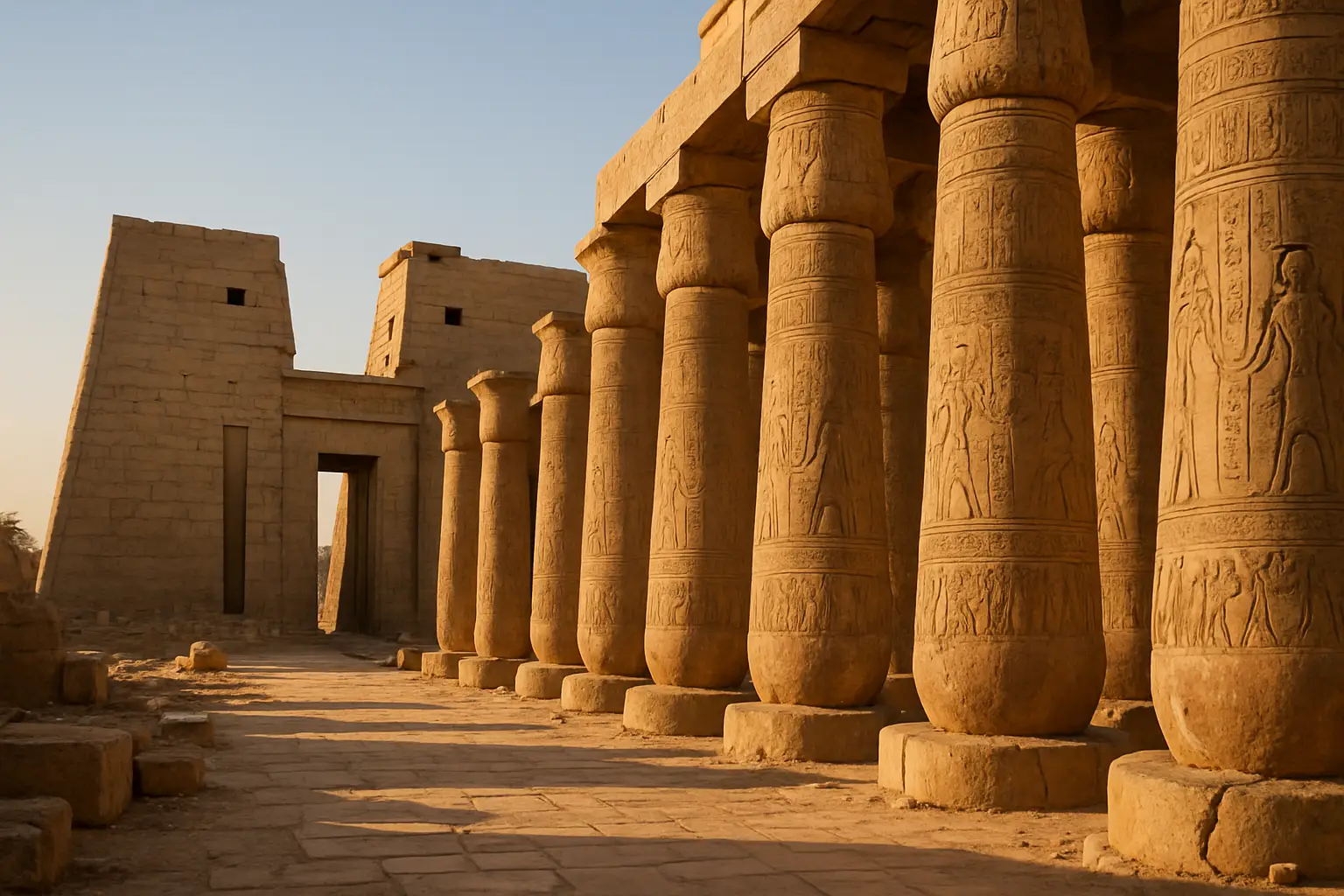
The main Temple of Isis is the core of the complex and one of the most graceful temple structures in Egypt. Its first pylon creates a commanding entrance, while the forecourt, colonnades, and inner chambers draw visitors steadily inward. The reliefs retain a refined elegance typical of late Egyptian temple art, and because the structure belongs largely to the Ptolemaic and Roman periods, the carvings offer a fascinating late chapter in the continuity of pharaonic iconography. This is a place where rulers long after the age of the pyramids still presented themselves in fully traditional Egyptian sacred form.
The Kiosk of Trajan is another of Philae’s great visual icons. This open, unfinished but highly photogenic pavilion near the water has become one of the most recognizable images in Egyptian temple architecture. Its columns frame the landscape beautifully, and its location at the island edge reinforces the site’s relationship with river processions and ceremonial movement. Even though it was never completed in the fullest intended sense, it remains one of the most evocative structures at Philae because it captures the temple’s combination of monumentality and openness.
Philae’s smaller shrines and subsidiary structures also add richness. The island contains multiple sacred spaces dedicated to associated deities and ritual functions, and these help reveal that the sanctuary was not a single-building site but a layered ceremonial environment. Walking through it, you feel that variety in scale and purpose: grand processional spaces give way to quieter chambers and side areas where more specific acts of worship would have unfolded.
The setting itself remains one of the site’s greatest strengths. The surrounding Nile waters, the island contours, and the softer Aswan light make Philae especially appealing in the morning and late afternoon. Unlike some Egyptian temple sites where the architecture dominates the entire visual field, here water and horizon remain active parts of the experience. The result is a temple that feels unusually lyrical. It is one of the few major ancient sanctuaries in Egypt where romance is not an exaggeration but an accurate response.
Getting There
Philae Temple is usually visited from Aswan, which serves as the main base for exploring the site. The temple stands on Agilkia Island and is reached by boat from the marina area near the Philae visitor center, south of central Aswan. Most travelers first take a short taxi or private car ride from their hotel to the embarkation point. Depending on traffic and where you are staying, this drive generally takes around 20 to 35 minutes. Taxi fares vary, but local rides from central Aswan to the Philae embarkation area often fall in the range of roughly 100 to 250 EGP depending on negotiation and waiting arrangements.
Once at the visitor area, you continue by motorboat to the island. These short boat rides are a defining part of the visit and are usually either included in a guided excursion or negotiated on site. Many Aswan day tours include Philae along with the Aswan High Dam and the Unfinished Obelisk, making logistics very easy for first-time visitors. Private guides are especially useful if you want the temple’s Ptolemaic, Roman, and rescue-history layers explained clearly, since Philae’s importance extends far beyond its beauty.
Independent travel is perfectly workable, but it helps to arrive with some patience for transport coordination and boat arrangements. Bring water, sun protection, and a bit of flexibility. The boat ride is short, but it is part of the experience, not merely a transfer.
When to Visit
The best time to visit Philae Temple is from October through April, when southern Egypt’s temperatures are much more manageable. In these cooler months, walking the island and lingering in the temple courts becomes much easier, especially if you want to combine the visit with other Aswan sites. Morning and late afternoon are particularly rewarding, not only because of comfort but because the light is gentler and the reflections on the surrounding water enhance the setting.
Early morning is often the ideal time. The island can feel calm, the temple stones take on a warm but not harsh color, and the entire approach by boat has a special quietness before the day fully builds. Late afternoon is also excellent for atmosphere and photography, especially when the columns and pylons begin to soften against the river light. Midday can still be rewarding in winter but grows much more intense as temperatures rise.
Summer visits are possible, but heat in Aswan can be severe. If you travel in hotter months, prioritize the earliest possible start, carry plenty of water, and be realistic about how much time you want to spend exposed in open courtyards. Some visitors also enjoy the evening sound and light show, which gives the temple a very different mood. However you choose to time it, Philae is best experienced when you give the setting equal attention to the architecture.
| Quick Facts | Details |
|---|---|
| Location | Agilkia Island, Aswan Governorate, Egypt |
| Best Known For | Island sanctuary of Isis and dramatic modern relocation rescue |
| Main Cultural Period | Ptolemaic and Roman Egypt |
| UNESCO Context | Part of the Nubian Monuments World Heritage area |
| Signature Structures | Temple of Isis and Kiosk of Trajan |
| Access | Reached by boat from near Aswan |
| Recommended Visit Length | 1.5 to 3 hours including boat transfers |
| Best Season | October to April |
| Nearby Base | Aswan |
| Practical Tip | Visit early or late in the day so you can enjoy both the boat approach and the temple’s waterside atmosphere in softer light |
Frequently Asked Questions
What is Philae Temple best known for?
Philae Temple is best known as the beautiful island sanctuary of Isis near Aswan and for its dramatic 20th-century rescue and relocation.
Is Philae Temple on an island?
Yes. The temple complex is visited by boat and now stands on Agilkia Island after being relocated from nearby Philae Island.
Why was Philae Temple moved?
It was relocated in the 20th century to save it from flooding caused by the Aswan dams and rising Nile waters.
How much time should you spend at Philae Temple?
Most visitors should allow 1.5 to 3 hours, including boat transfers and time to explore the temple, kiosks, and surrounding island setting.
Is Philae Temple worth visiting if you have already seen other Egyptian temples?
Absolutely. Philae stands out for its elegant island setting, strong association with the goddess Isis, and the romance of arriving by water.
When is the best time to visit Philae Temple?
Morning and late afternoon are usually best, especially in the cooler months, when the boat ride is more pleasant and the light is softer on the stone.
Nearby Ancient Sites
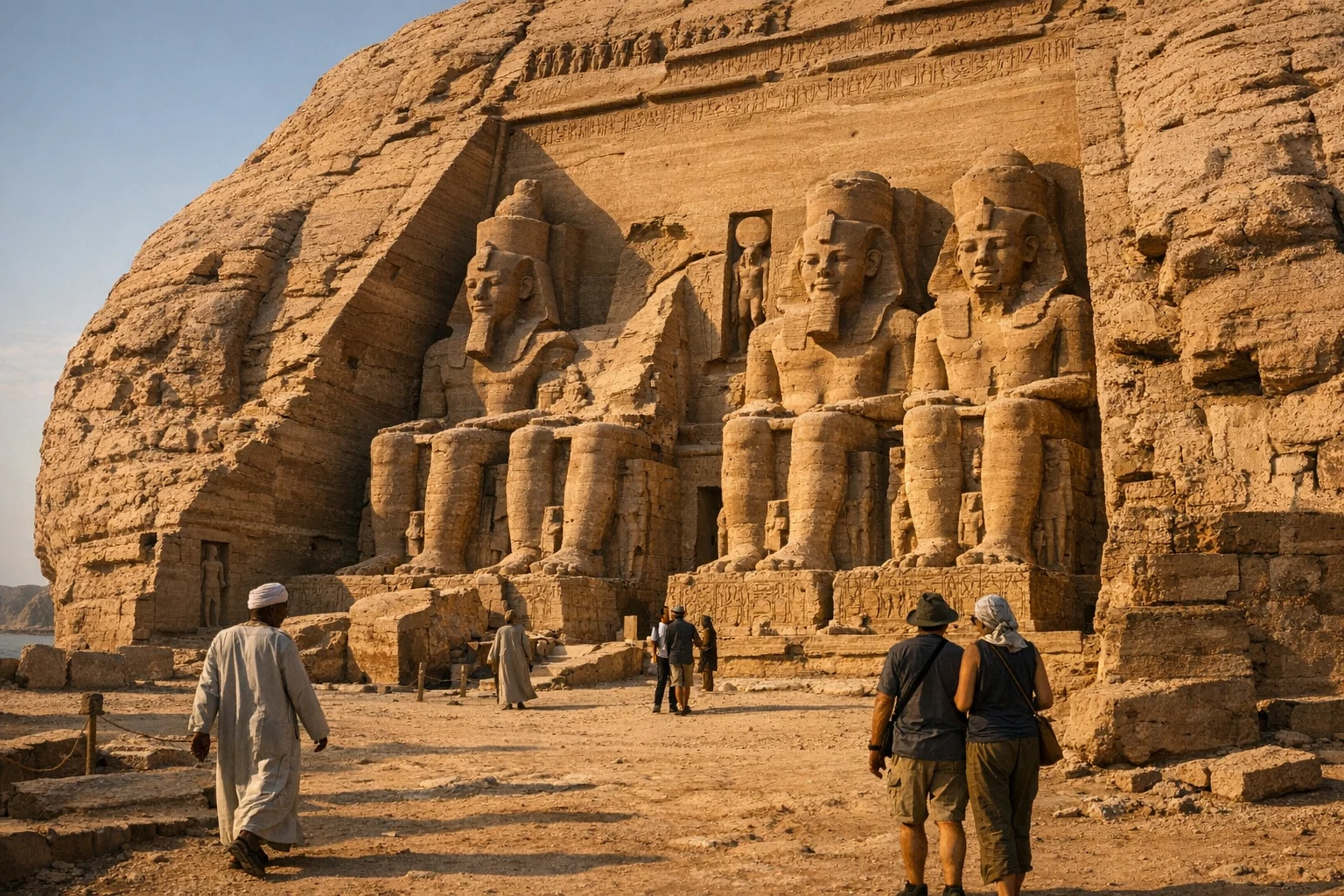
Abu Simbel
Ancient EgyptianDiscover Abu Simbel in Egypt, where colossal rock-cut temples of Ramses II rise above Lake Nasser ne...
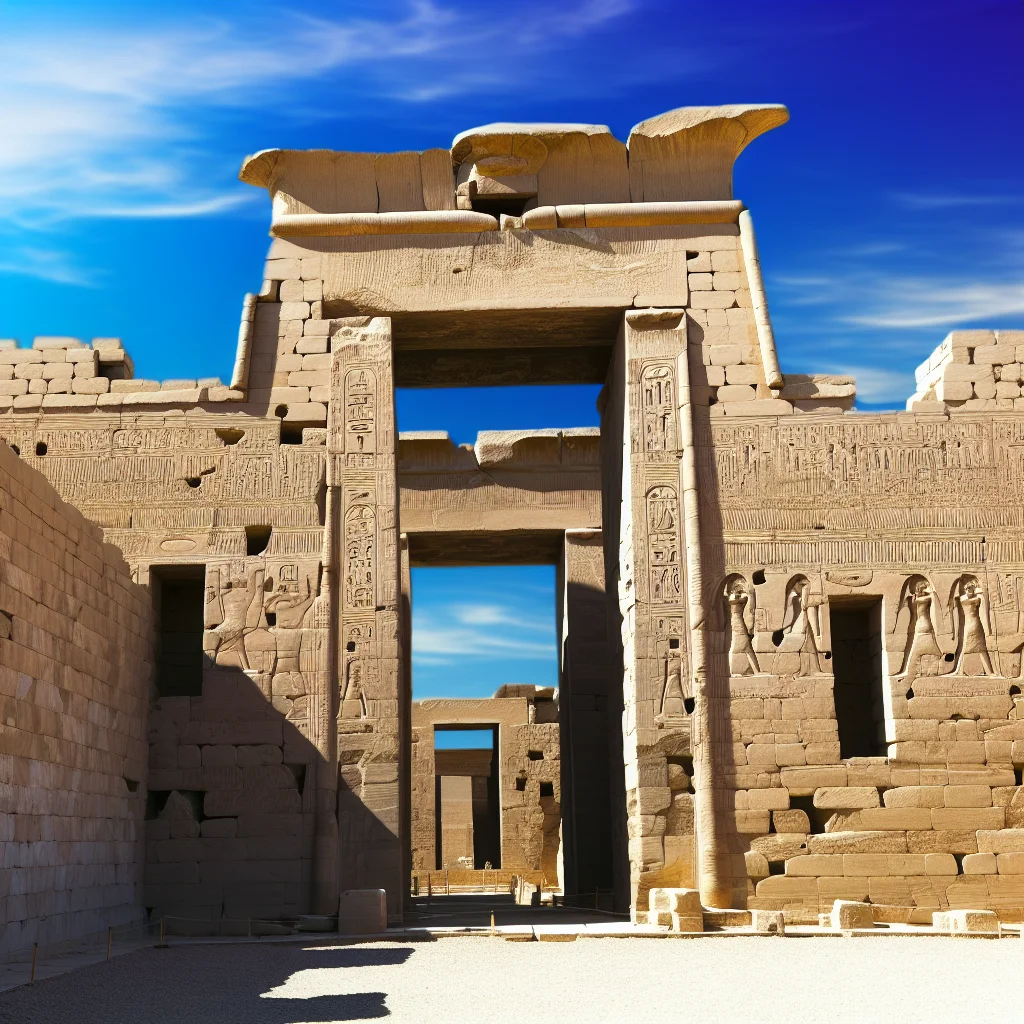
Edfu Temple Egypt Guide 2026: Temple of Horus & Dramatic Battle Reliefs
PtolemaicEdfu Temple near Aswan: Temple of Horus with stunning battle scenes, ritual texts, and the best-pres...
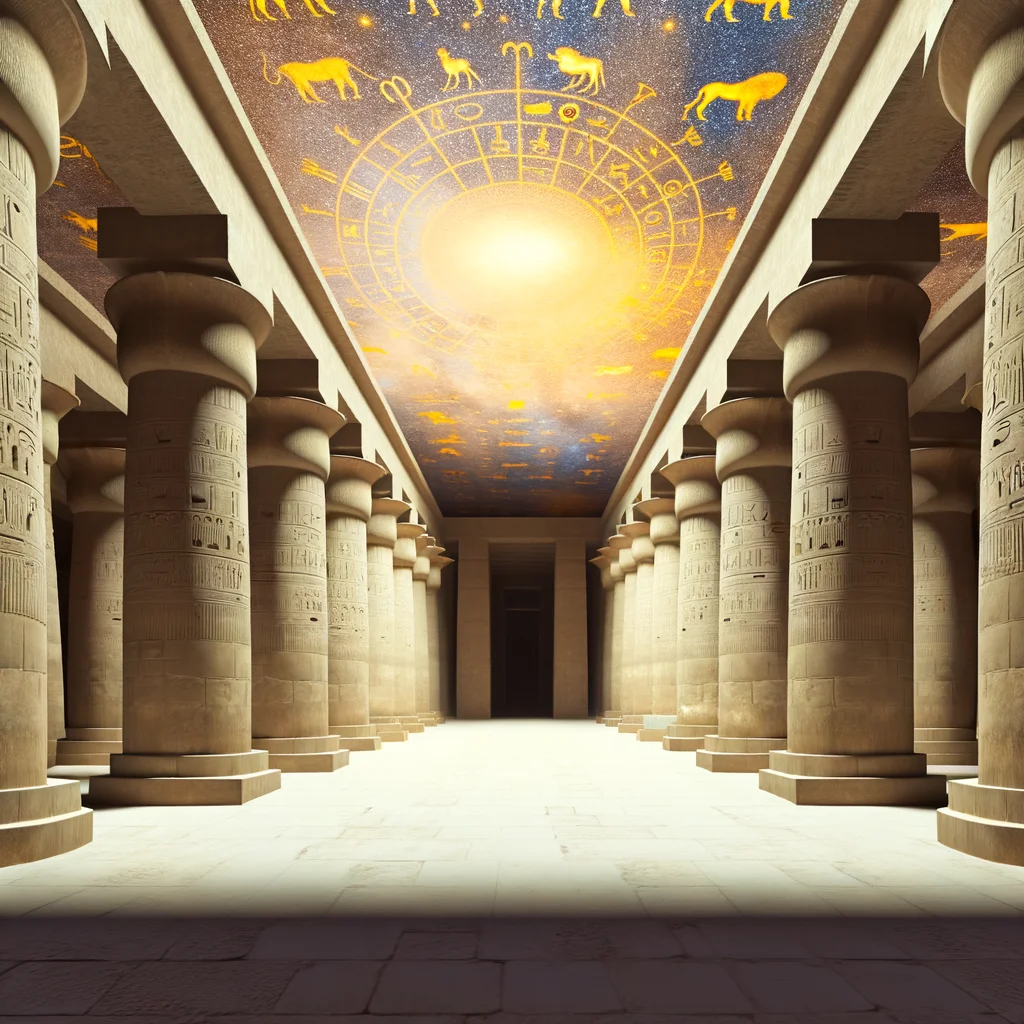
Dendera Temple Complex Egypt Guide 2026: Temple of Hathor & Zodiac Ceiling
Ptolemaic-RomanExplore Dendera's magnificent Temple of Hathor near Luxor. Star-mapped zodiac ceiling, Ptolemaic arc...
Karnak Temple Complex Egypt Travel Guide 2026: Egypt's Greatest Temple
Ancient EgyptianExplore Karnak, the world's largest ancient religious complex. Discover the Hypostyle Hall, Sacred L...