Quick Info
Curated Experiences
Qaitbay Citadel Guided Tour and Alexandria Highlights
Alexandria Day Trip from Cairo Including Qaitbay Citadel
Alexandria Archaeological Tour: Catacombs, Library, and Qaitbay Citadel
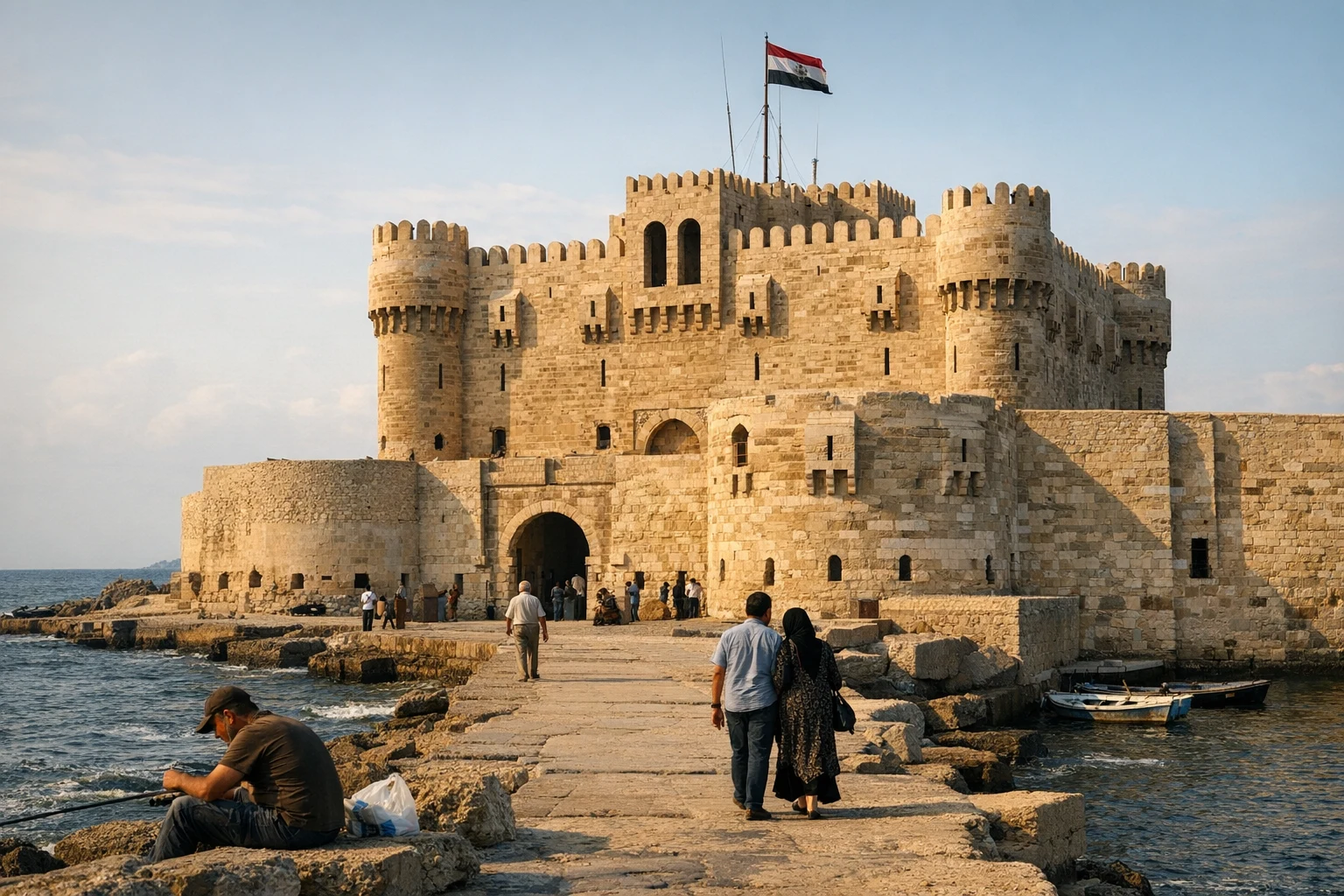
Rising above the azure sweep of the Mediterranean at the western edge of Alexandria, the Qaitbay Citadel commands both the city’s skyline and the imaginations of visitors from around the world. Built in Egypt’s bustling coastal metropolis during the twilight of the medieval era, this fortress stands as a proud guardian of Alexandria’s seafaring heritage. The city itself pulses with a mélange of ancient, Greco-Roman, and Islamic stories, but few sites capture its maritime drama as impeccably as the Qaitbay Citadel. Its pale limestone bastions catch the sunlight while the crisp sea breeze ruffles your hair, echoing with tales of sultans, soldiers, and centuries of strategic defense.
Alexandria’s harbor, once the site of one of the Seven Wonders of the Ancient World—the fabled Lighthouse of Pharos—became vulnerable after the mighty beacon crumbled in the aftermath of devastating earthquakes. It was here, on this very promontory, that the Citadel would rise in the late 15th century, signaling both the resilience and ingenuity of Egypt’s architects. Today, Qaitbay Citadel is a symbol: of the city’s layered history, of Egypt’s cultural crossroads, and of the age-old human urge to protect both legacy and trade. Whether you’re drawn by its panoramic sea views, imposing ramparts, or the ghostly memory of the vanished lighthouse upon whose bones it stands, a visit to Qaitbay Citadel immerses you in over half a millennium of Mediterranean history and splendor.
History
The Legacy of Pharos and the Site’s Transformation
Long before Sultan Al-Ashraf Sayf al-Din Qaitbay dreamed of fortifying Alexandria’s coastline, this slender point on Pharos Island was home to a structure that would become synonymous with wonders: the Lighthouse of Alexandria. Completed in the 3rd century BCE under the rule of Ptolemy II Philadelphus, the lighthouse stood as both a feat of engineering and a symbol of the city’s importance as a center of Mediterranean trade. Its marble and limestone tower soared over 100 meters into the sky, guiding countless sailors to Alexandria’s safe harbor and shining as a beacon of Ptolemaic ambition.
For centuries, the lighthouse endured, weathering political upheavals and invasions even as Alexandria changed hands from Greeks to Romans, Byzantines, early Muslims, and eventually the Fatimid and Mamluk dynasties. However, natural forces would succeed where empires failed; earthquakes between the 10th and 14th centuries gradually battered the lighthouse, until it finally tumbled into ruin. The stones of the once-mighty Pharos were scattered but not forgotten—they would find new purpose in the construction of the Qaitbay Citadel.
Mamluk Ambitions: The Building of the Citadel
By the late 15th century, Egypt’s Mediterranean coast faced heightened threats from Ottoman fleets and European pirates, drawn by tales of Alexandria’s riches. It was Sultan Qaitbay, one of the Mamluk period’s most astute rulers, who recognized the need to reinforce Egypt’s northern flank. In 1477 CE, upon learning that the ruins of the old lighthouse still studded the coastline, Qaitbay ordered the construction of a formidable fortress.
Architects and engineers began raising the Citadel where the lighthouse once dominated the skyline. Utilizing both the location’s strategic advantages and the very stones of Pharos, the builders fused history with necessity. The resulting structure was rectangular in layout, with thick walls, rounded towers, and bastions designed to withstand the era’s artillery. Tradition holds that you can still spot blocks from the ancient lighthouse within the Citadel’s foundations—a literal intersection of Alexandria’s ancient and medieval identities.
Strategic Significance and Centuries of Change
Qaitbay’s fortress quickly became a linchpin of Mamluk defenses. The site housed a well-garrisoned force equipped with cannons and provisions, standing ready to repel invaders. Its commanding view of both the sea and the city made it a vital watchpoint, and it successfully deterred several naval incursions during the final century of Mamluk rule.
With the rise of the Ottomans, the Citadel retained its strategic centrality, though it was periodically reinforced and updated to withstand the evolving artillery technology of successive ages. During Napoleon’s campaign in Egypt in 1798, French forces recognized its formidable presence—though by then, European naval power and newer fortifications elsewhere in Alexandria were taking precedence.
In the 19th and 20th centuries, as control of Egypt shifted from Ottoman to British rule and eventually to independence, the Citadel experienced cycles of neglect and restoration. It was used at times as a barracks, a royal residence, and even a prison. Major restoration projects in the 20th century, spearheaded by Egyptian antiquities authorities, sought to honor both the military and cultural legacy of the Citadel while making it accessible to modern visitors. Today, it stands as one of Alexandria’s most beloved and well-preserved historical monuments, bridging the city’s Hellenistic, Islamic, and contemporary chapters.
Key Features
The Qaitbay Citadel’s grandeur lies in its formidable design—combining medieval defensive ingenuity with the aesthetic grace of Mamluk architecture—as well as in the details that echo the site’s layered history. From afar, the Citadel’s squat, robust form rises directly above the foam-flecked waves, its outer walls pierced by arched windows and crenellations. The pale hue of its limestone façade is especially striking against the sharp blue of the sea and sky, giving the structure an almost ethereal glow at sunrise and sunset.
Entering through the main gate, flanked by two massive towers, visitors encounter a labyrinth of passageways, vaulted halls, and inner courtyards. Some of the original heavy doors and iron fixtures have survived centuries of weather and war. The Citadel’s central keep was designed as the last defensive bastion, with three stories connected by narrow stairwells—these tight corridors force attackers to ascend in single file, limiting both their numbers and their speed. The roof terraces provide sweeping 360-degree views: look eastward, and you see the sprawl of modern Alexandria, its whitewashed buildings and bustling corniche. Look north, and the Mediterranean seems to stretch into infinity.
Within the Citadel’s walls, small chambers once held soldiers and supplies, while the upper levels bristled with cannons and arrow slits. Today, some rooms have been transformed into modest museums, displaying model ships, medieval weapons, and period artifacts uncovered during various phases of restoration. In one chamber, you might find remnants of Ottoman-era artillery; in another, archaeological finds from the Pharos lighthouse have been carefully displayed.
A highlight for many visitors is the Citadel’s mosque. Though small, this prayer hall reflects the distinctive ornamentation of Mamluk religious architecture, with its carved mihrab (prayer niche), arched windows, and stonework. The peacefulness within accentuates the fortress’s role not only as a military outpost but also as a spiritual haven for those who defended it.
The strongest atmospheric feature, however, remains its location. Few historic citadels are as dramatically placed as Qaitbay’s—sometimes, as the sun sets over the sea and seabirds wheel overhead, the Citadel’s silhouette looks unchanged from a thousand years ago. The thunder of surf, the chatter of fishermen along the breakwater, and the ever-present wind create an experience that is as multi-sensory as it is visual. Whether you are intrigued by military history, fascinated by the engineering inheritance from the lighthouse, or simply in search of one of Egypt’s most evocative sea views, Qaitbay Citadel provides an unforgettable encounter with Alexandria’s unfolding story.
Getting There
Visiting Qaitbay Citadel is a straightforward adventure from Alexandria’s city center or even as a day trip from Cairo. Its position at the western tip of the corniche—Alexandria’s famous coastal promenade—means that it is easily accessible by public and private transport.
If you are staying in Alexandria, the simplest route is to hire a taxi or use a ride-hailing service such as Uber or Careem. A taxi from central Alexandria (e.g., from the Alexandria Railway Station or the Bibliotheca Alexandrina) typically takes around 15–20 minutes, depending on traffic, and costs approximately 50–80 EGP (roughly $2–$3 USD at current exchange rates). Ride-hailing apps provide fixed-fare convenience, with prices falling within a similar range.
Public transport is an excellent budget option. Alexandria’s tram system runs along the coastal road, though it does not reach the Citadel directly—you will need to alight at the terminus near the Corniche and then walk or catch a short local minibus ride. Minibuses (known locally as “microbuses”) ply the Corniche’s length and stop just outside the entrance to the Citadel. A microbus journey from central Alexandria costs between 3–5 EGP.
If you are arriving from Cairo (around 220 kilometers to the south), multiple transport options are available. Fast trains leave regularly from Cairo’s Ramses Station to Alexandria; journey times range from two to three hours, with first-class fares beginning at 110 EGP (approx. $4 USD). Upon arrival at Alexandria’s Misr Station, you can transfer via taxi or public transport to the Citadel. Alternatively, several companies offer day tours from Cairo including round-trip transport, entrance fees, and guide services. These organized tours can be convenient and cost-effective, especially if you want to visit additional landmarks in Alexandria on the same trip.
For those who enjoy a leisurely coastal stroll, the walk along Alexandria’s corniche from the city’s eastern end to the Citadel is a scenic highlight. The route passes picturesque beaches, local fishing harbors, and frequent food vendors—perfect for soaking in the atmosphere before you reach Qaitbay’s towers.
When to Visit
The Citadel can be visited year-round, but Alexandria’s coastal climate means some seasons offer distinct advantages for comfort and enjoyment. The city enjoys a typical Mediterranean climate: mild, wet winters and hot, dry summers.
Peak visiting periods are spring (March to early June) and autumn (September to November). During these months, temperatures are comfortable, hovering between 20°C and 28°C (68–82°F), and humidity levels are moderate. The breeze off the Mediterranean is especially inviting at this time, and the sea provides a picturesque backdrop for photography and relaxation. Springtime sees Alexandria at its most verdant, with flowering plants brightening the citadel’s approach and nearby gardens.
Summer (late June to August) brings higher temperatures, with mid-day highs often reaching 32–35°C (89–95°F). The Citadel’s stone walls can offer some shade, and the sea breeze mitigates the heat, but the glare and humidity may be uncomfortable for some visitors, especially by midday. This season, however, coincides with Egyptian school holidays, and the site often fills with local families, making for a lively but sometimes crowded experience.
Winter (December to February) is mild by most standards but can be surprisingly chilly and damp due to the north wind and periodic rainstorms. Average daily temperatures rest between 10°C and 18°C (50–65°F). The Citadel is usually quieter in winter, allowing peaceful exploration, but the exposed ramparts can feel quite cold, so layered clothing is recommended.
The golden hours—either just after opening in the morning or late afternoon before closing—are arguably the best times to visit. The angle of the sun brings out the beauty of the stone, and as dusk descends, the Mediterranean horizon glows with hues of rose and orange, offering truly spectacular views.
| Quick Facts | |
|---|---|
| Location | Western tip of Pharos Island, Alexandria, Egypt |
| Founded | 1477 CE (completed 1479 CE) |
| Built By | Sultan Al-Ashraf Sayf al-Din Qaitbay |
| Architectural Style | Mamluk medieval fortress |
| Constructed On | Site of the ancient Lighthouse of Alexandria (Pharos) |
| Materials | Limestone, granite (some stones reused from ancient lighthouse) |
| Opening Hours | Daily, typically 9:00 AM – 5:00 PM (may extend during peak season) |
| Entrance Fee | ~60 EGP (adults), 30 EGP (students/children), discounts for Egyptians |
| Accessibility | Limited wheelchair access; main areas have steps and uneven surfaces |
| Key Attractions | Fortress walls, central keep, mosque, small museum exhibits, sea views |
| Nearby Sites | Bibliotheca Alexandrina, Kom Al-Dikka, Abu al-Abbas al-Mursi Mosque |
| Suggested Visit Duration | 1–2 hours |
| Distance from City Center | Approximately 5 km (3 miles) from Alexandria Railway Station |
Frequently Asked Questions
What are the opening hours of Qaitbay Citadel?
Qaitbay Citadel is typically open to visitors daily from 9:00 AM to 5:00 PM, though hours may be extended in peak seasons.
Is there an entrance fee to visit Qaitbay Citadel?
Yes, the entrance fee for foreign visitors is around 60 EGP for adults and 30 EGP for students. Egyptian nationals pay a reduced rate.
Can you visit Qaitbay Citadel independently or must you join a tour?
Visitors are welcome to explore Qaitbay Citadel independently, but guided tours can greatly enhance your historical understanding.
Is Qaitbay Citadel accessible for wheelchair users?
The Citadel’s ramparts and interiors have uneven surfaces and stairs, making full accessibility challenging. However, some exterior areas are accessible.
How long should I allow for a visit to the Qaitbay Citadel?
A typical visit to Qaitbay Citadel lasts between 1–2 hours, allowing time for exploration of the fortress and scenic coastal views.
Nearby Ancient Sites
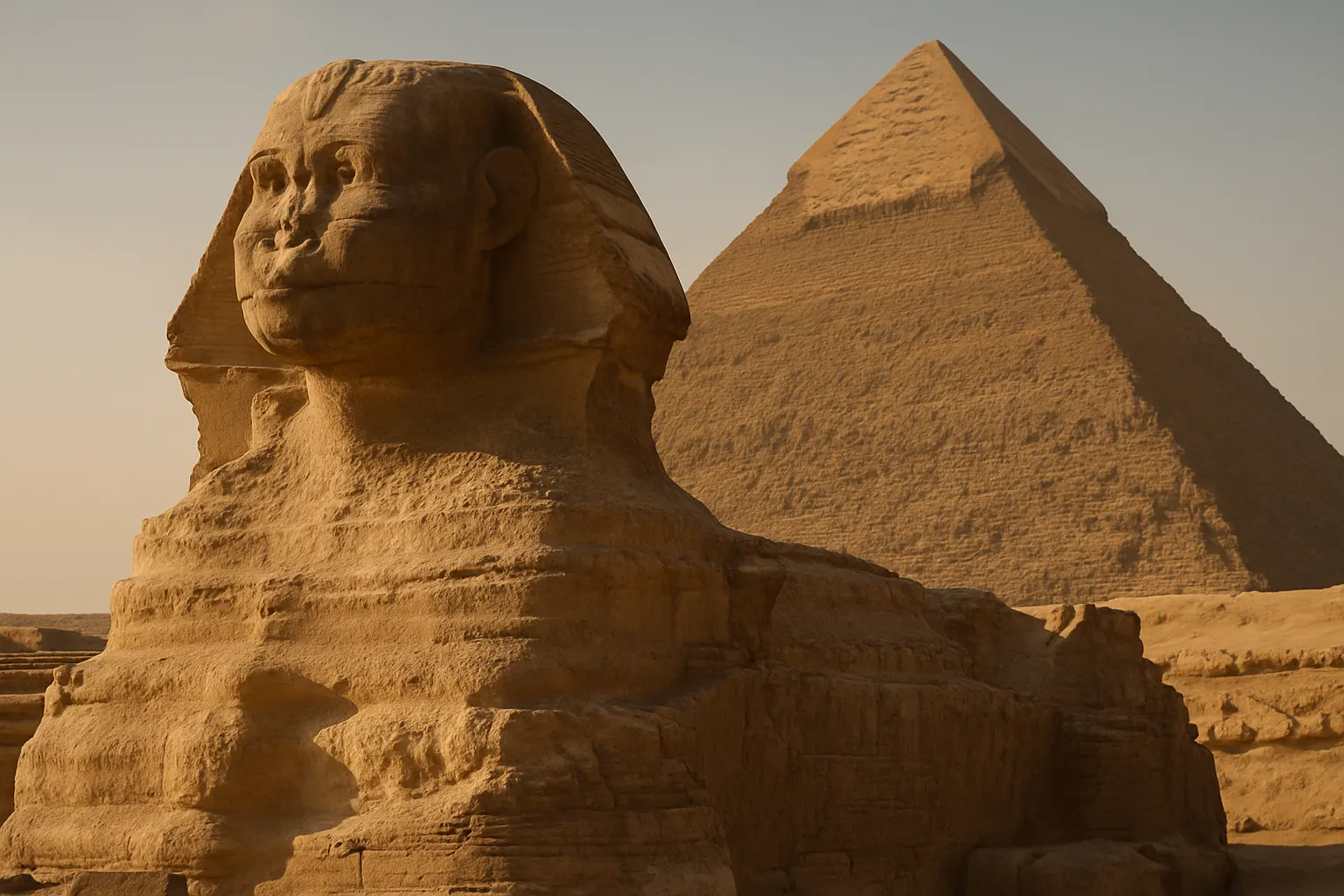
Great Sphinx of Giza Egypt Travel Guide 2026: Guardian of the Pyramids
Ancient EgyptianVisit the Great Sphinx, Egypt's enigmatic limestone guardian. Our guide covers the Sphinx's history,...
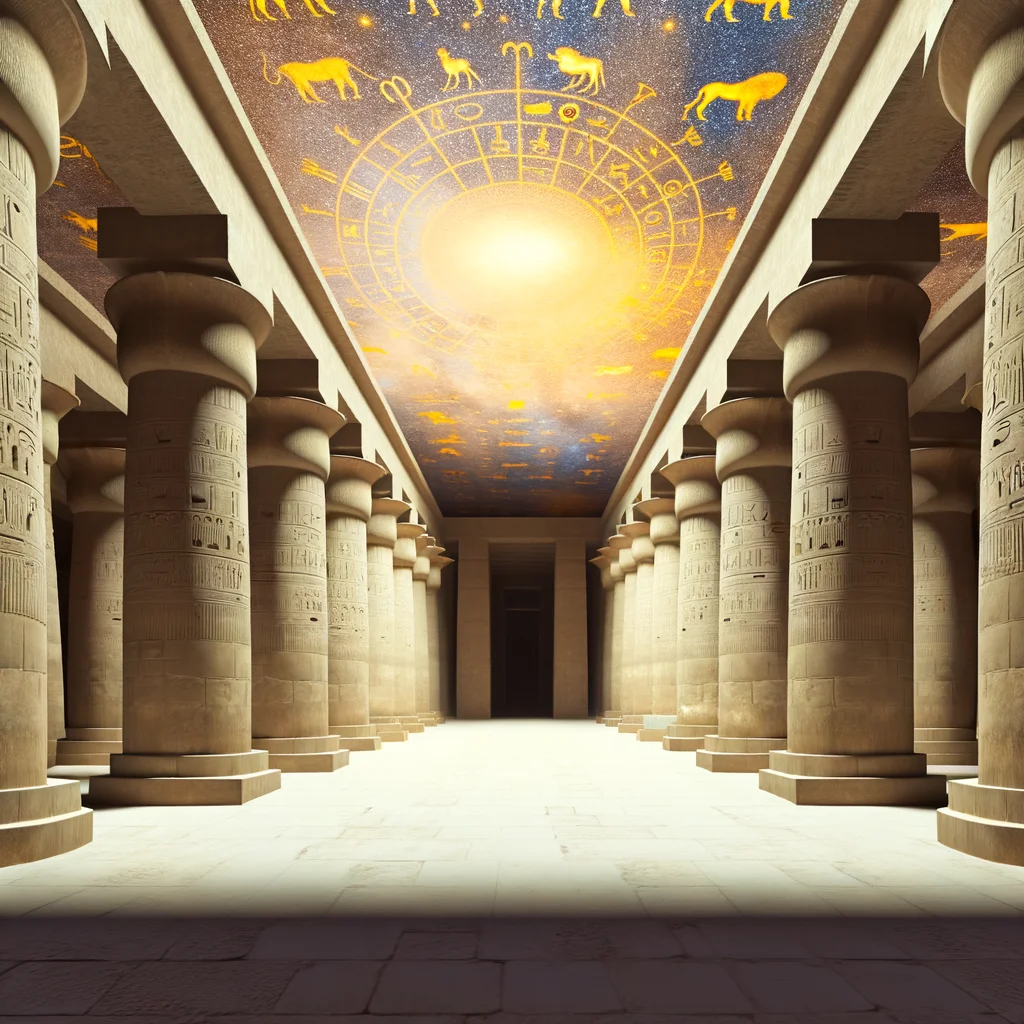
Dendera Temple Complex Egypt Guide 2026: Temple of Hathor & Zodiac Ceiling
Ptolemaic-RomanExplore Dendera's magnificent Temple of Hathor near Luxor. Star-mapped zodiac ceiling, Ptolemaic arc...
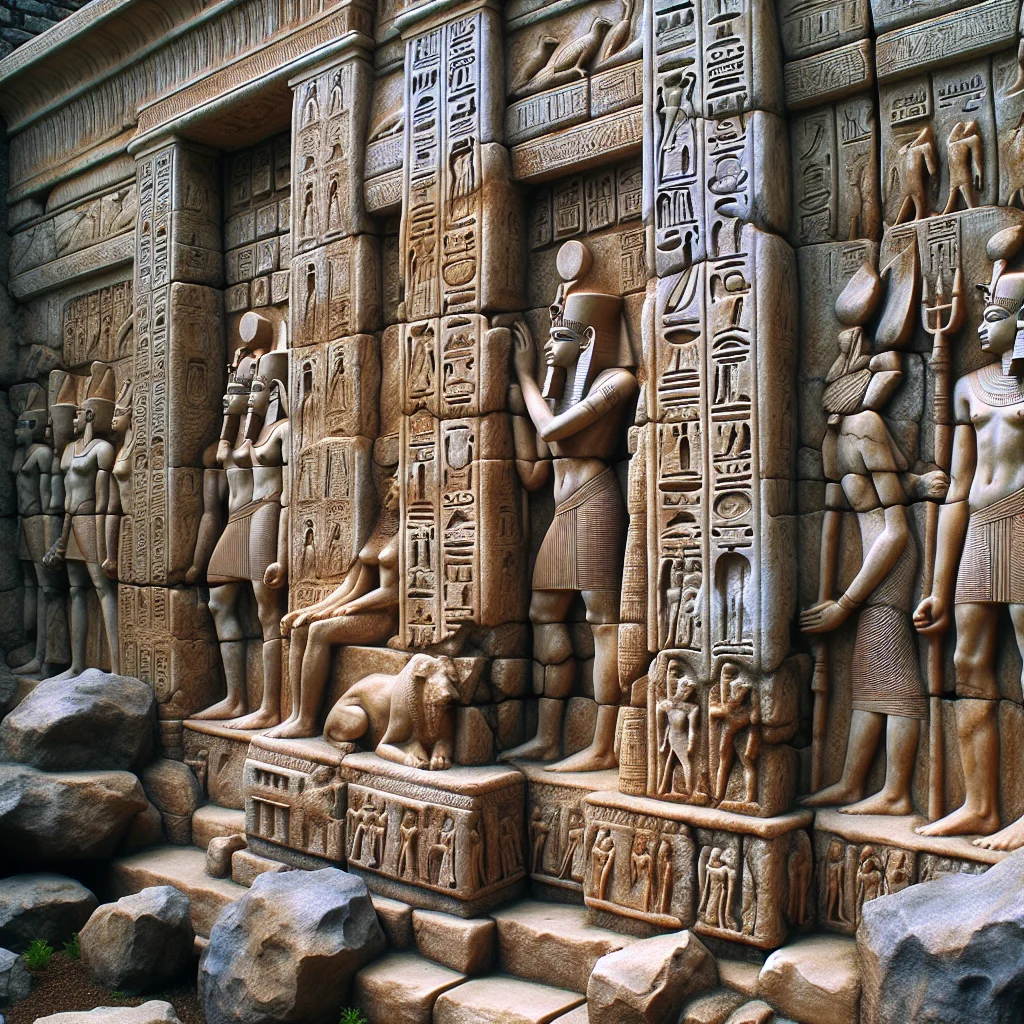
Abydos Temple Egypt Guide 2026: Temple of Seti I & King List
New Kingdom-PtolemaicAbydos Temple near Luxor: magnificent Temple of Seti I with war reliefs, ancient king list, and vibr...