Quick Info
At a glance
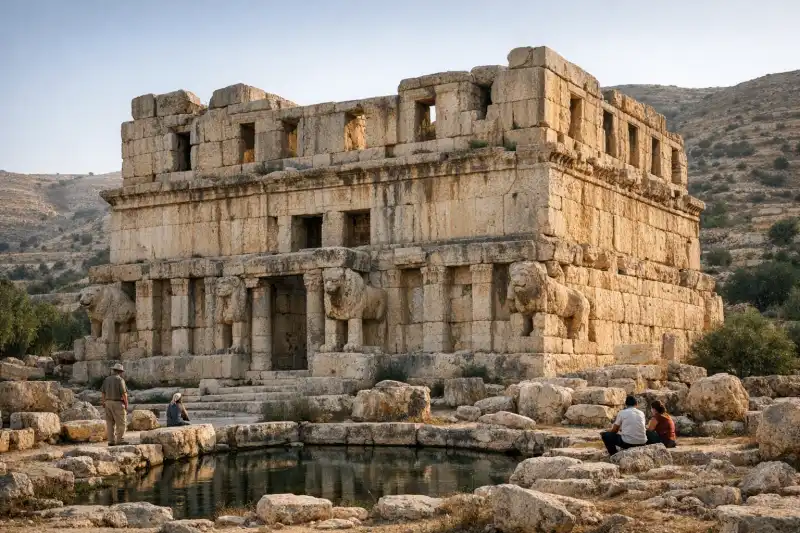
Qasr al-Abd in Jordan stands in a quiet green valley west of Amman, far from the capital’s traffic and modern apartment blocks. The first impression is one of surprise: a monumental stone palace rising unexpectedly among orchards, village roads, and low hills. Its setting feels almost theatrical. Instead of a dense archaeological zone packed with signs and crowds, you find a solitary building with huge limestone blocks, weathered carvings, and an air of unfinished ambition. The name, often translated as “Castle of the Slave,” adds another layer of intrigue, though the structure itself belongs to a much older Hellenistic story tied to local power, wealth, and political uncertainty.
For travelers used to Jordan’s headline destinations such as Petra or Jerash, Qasr al-Abd offers something different. It is not a city of ruins but a single commanding monument, and its appeal lies in the details: massive masonry, sculpted lions and panthers, traces of water engineering, and the way the building sits in the landscape. The site is closely linked to Iraq al-Amir, the nearby village and cave complex, making it a rewarding half-day or full-day excursion from Amman. If you enjoy ancient architecture that still raises unanswered questions, Qasr al-Abd is one of the most distinctive and underrated places to visit in Jordan.
History
A valley before the palace
Long before the palace was built, the valley around modern Iraq al-Amir was already attractive for settlement. Water sources, fertile land, and defensible hills made it suitable for agriculture and habitation. The region west of Amman was part of a wider landscape where local elites, farming communities, and competing powers interacted over centuries. By the Hellenistic period, after the conquests of Alexander the Great and the division of his empire among successor kingdoms, the Levant had become a politically layered world. Greek cultural influence mixed with long-established local traditions, and new forms of architecture, administration, and elite display appeared across the region.
Qasr al-Abd emerged from this setting. It was not an isolated fantasy project but part of a broader pattern in which powerful families used architecture to express authority, sophistication, and connection to international styles. At the same time, its rural location set it apart from urban centers. This was not a city palace in the conventional sense. It was a monumental estate building in a cultivated valley, likely tied to landed wealth and political prestige.
The Tobiads and Hyrcanus
Most scholars connect Qasr al-Abd with the Tobiad family, a prominent local lineage mentioned in ancient sources. The figure most often associated with the palace is Hyrcanus, who appears in accounts as a powerful and controversial member of that family. Living during the 2nd century BCE, he occupied a politically sensitive world between the Ptolemaic and Seleucid kingdoms, both of which sought influence in the region. Local elites such as Hyrcanus could gain wealth and influence by navigating these larger imperial rivalries, but their position was rarely secure.
Ancient traditions suggest that Hyrcanus withdrew to the area east of the Jordan after conflict with rivals and established himself there. Qasr al-Abd may have been part of his effort to create a grand estate reflecting both authority and cultivated taste. The scale of the structure suggests a patron with access to money, labor, and technical skill. Its decorative program, especially the carved animals and refined stonework, points to ambitions beyond mere utility. It was a statement.
Construction and interruption
The palace appears to date to the Hellenistic period, probably the early to mid-2nd century BCE. Built of enormous limestone blocks, it was designed as a two-story rectangular structure with elaborate exterior decoration. Archaeological interpretation indicates that it may never have been fully completed. Some features suggest interruption during construction, possibly because of political upheaval or the fall of its patron.
That unfinished quality is one of the site’s most compelling aspects. Qasr al-Abd feels both grand and strangely suspended in time. It conveys a clear design vision, yet also hints at a project halted before it could fully function as intended. Ancient literary references imply that Hyrcanus eventually died by suicide after changing political fortunes. If that tradition is correct, the palace may stand as the architectural remains of a failed political future.
Earthquakes, survival, and rediscovery
Like many ancient buildings in Jordan, Qasr al-Abd was shaped not only by human history but by seismic activity. The region is prone to earthquakes, and the structure likely suffered heavy damage over the centuries. Many of its enormous blocks collapsed, yet the use of massive stone also helped preserve the site’s essential form. Even in ruin, the building remained visually impressive.
In later periods, the palace was known locally, but systematic archaeological interest developed much more recently. Modern study helped clarify its Hellenistic date, its links to the Tobiads, and its unusual architecture. Conservation and partial restoration have aimed to stabilize the monument while preserving the evidence of collapse and reconstruction. Today, Qasr al-Abd stands as one of the best surviving examples of Hellenistic secular architecture in Jordan, even though much about its exact use and completion remains debated.
Key Features
Qasr al-Abd’s most striking feature is its scale. The building is composed of huge, carefully cut limestone blocks that immediately communicate elite ambition. Unlike temples or theaters that fit into more familiar ancient categories, this monument can feel difficult to classify at first glance. It resembles a palace, villa, fortress, and ceremonial residence all at once. That ambiguity is part of its allure. The structure is large enough to dominate the valley but refined enough to reward close architectural reading.
The exterior masonry is particularly memorable. The blocks are so massive that the walls seem almost over-engineered, projecting solidity and permanence. Yet the palace was not designed as a plain military structure. Decorative carving softens and enriches its monumental weight. The lower register and architectural details include animal figures, most famously carved felines often described as lions or panthers. These are not casual ornaments. They seem intended to animate the facade, giving the building a sense of power and prestige. Water may once have flowed through or around certain sculptural elements, increasing the theatrical effect.
Another important feature is the palace’s relationship with water and landscape. Archaeologists have suggested that the building stood within or beside an artificial pool or landscaped water setting, which would have made the monument even more dramatic. If so, visitors in antiquity may have approached a palace reflected in water, an effect associated with luxury and carefully controlled nature. In a valley already rich in agricultural potential, such water management would have signaled both wealth and technical sophistication.
Inside, the surviving arrangement hints at a carefully planned interior with upper and lower levels. Although much of the original finish and full room usage are lost, the remaining structure suggests a residence or reception building built for display as much as habitation. Openings, circulation patterns, and the monumentality of the walls indicate a place where elite presence mattered. This was architecture meant to be seen and remembered.
The stone carvings deserve special attention because they distinguish Qasr al-Abd from many other sites in Jordan. While classical influence is visible in the building’s proportions and decorative language, the site does not feel like a simple copy of Greek architecture. It reflects a local adaptation of Hellenistic ideas, filtered through regional materials, artistic choices, and political realities. That makes the palace especially valuable for understanding how cultural exchange worked in ancient Jordan. Rather than being culturally “pure,” it is creatively mixed.
The setting around the monument remains one of its greatest assets. Unlike ruins engulfed by urban development, Qasr al-Abd still benefits from a sense of isolation. The surrounding fields, trees, and hills help you imagine the estate-like environment in which it originally stood. Nearby Iraq al-Amir caves add another layer to the experience. These rock-cut chambers, some connected in local tradition to the Tobiads, suggest a broader elite complex or landscape of occupation. Visiting both the palace and the caves gives a fuller impression of how power may have been expressed across the valley.
Perhaps the most unusual feature of Qasr al-Abd is emotional rather than physical: it feels unfinished, enigmatic, and personal. Some ancient monuments represent long-established civic systems. This one feels tied to a single vision and a single patron’s aspirations. Its survival in partial ruin preserves that tension. You see not only what was achieved but also what may have been interrupted.
Getting There
Qasr al-Abd is one of the easiest ancient sites to reach as a day trip from Amman. The palace lies near Iraq al-Amir in Wadi Al-Seer district, roughly 35 to 50 minutes by car from central Amman depending on traffic and your starting point. The most convenient option is a taxi or ride-hailing app. A one-way trip from Amman typically costs around 12 to 20 Jordanian dinars, while a round trip with waiting time or stops at nearby caves may cost 25 to 40 dinars, depending on negotiation and timing.
If you are self-driving, the route is straightforward and makes for a pleasant excursion into a greener part of the capital region. Roads are generally paved, and parking is usually simple near the site. Renting a car can be cost-effective if you plan to combine Qasr al-Abd with other stops west of Amman.
Public transport is possible but less direct. You can usually find service taxis or local minibuses heading toward Wadi Al-Seer or Iraq al-Amir from transport hubs in Amman. Fares are low, often under 2 dinars per leg, but schedules can be irregular and may require a final taxi ride to the site. This option works best for flexible travelers comfortable with local transport systems.
Many visitors choose a private driver or organized half-day tour from Amman. These often include hotel pickup and may combine Qasr al-Abd with Iraq al-Amir village, local handicraft cooperatives, or other heritage stops. If you value simplicity, this is the smoothest option.
When to Visit
Spring is the best time to visit Qasr al-Abd. From roughly March to May, the valley is at its most attractive, with greener surroundings, mild temperatures, and clear light that brings out the color and texture of the limestone. This season also makes the site feel truest to its landscape context. The contrast between monumental stone and fertile valley becomes especially vivid, and walking around the palace is comfortable for most of the day.
Autumn, especially October and November, is another excellent period. Temperatures are generally pleasant, the air is often clear, and the site is less tiring to explore than in midsummer. If you are combining Qasr al-Abd with other day trips from Amman, autumn offers a reliable balance of manageable weather and lighter seasonal pressure than peak spring holidays.
Summer can still work, especially because the site is close to Amman and does not require a long overland journey. However, midday heat can be strong, and there is limited shade around the monument. In June through August, it is best to arrive early in the morning or later in the afternoon. Bring water, sun protection, and sturdy shoes.
Winter visits can be atmospheric, especially on clear days when the site is quiet and the light is soft. But conditions may be cool, wet, or windy, and the valley can feel more subdued. For photography, early morning and late afternoon are ideal year-round, as lower-angle light emphasizes the palace’s carved details and massive blockwork.
| Quick Facts | Details |
|---|---|
| Location | Iraq al-Amir area, west of Amman, Jordan |
| Region | Amman Governorate |
| Period | Hellenistic, likely 2nd century BCE |
| Associated Figure | Hyrcanus of the Tobiad family |
| Site Type | Palace or elite estate building |
| Main Material | Limestone |
| Best From | Amman day trip |
| Typical Visit Length | 45 minutes to 1.5 hours |
| Good Combined Stops | Iraq al-Amir caves, Amman Citadel, Jerash |
| Best Seasons | Spring and autumn |
Qasr al-Abd rewards travelers who enjoy places that are quiet, complex, and slightly mysterious. It does not overwhelm with size in the way of a major ruined city, nor does it rely on dramatic desert remoteness. Instead, its power comes from concentration: one monumental building, one fertile valley, one unfinished Hellenistic dream preserved in stone. In a country famous for grand archaeological spectacles, that intimacy makes it memorable. You can stand beside blocks cut more than two thousand years ago, trace the outlines of carved animals, and imagine a palace reflected in water, built to project confidence at a moment when politics may already have been shifting beneath its foundations.
Because it is so close to Amman, Qasr al-Abd is also one of the most practical ways to deepen your understanding of Jordan’s ancient past beyond the standard circuit. It introduces a different chapter of history, one shaped by local elites, Hellenistic influence, and rural display rather than imperial capitals alone. Pair it with Iraq al-Amir and you get not just a monument, but a landscape of memory. For visitors willing to look beyond the most famous sites, Qasr al-Abd is one of Jordan’s most rewarding ancient destinations.
Guided tours: worth it?
A guide can be genuinely useful at Qasr al-Abd, especially if you want help with transport, timing, tickets, or understanding a large site without losing half the day to logistics.
Best for
- First-time visitors who want context, not just photos
- Travelers who want transport, timing, or entry logistics handled
- Short visits where a planned route saves time
When to go self-guided
Go independently if you already have transport and tickets sorted, enjoy moving at your own pace, and are comfortable checking the latest official rules before you arrive.
What I’d avoid
Skip paid tours that bundle unrelated stops you do not actually want. The best option should either save meaningful planning time or add historical context you would miss on your own.
Qasr al-Abd and Iraq al-Amir Tours
Useful when: you want to compare guided formats before deciding
Amman Day Tours Including Qasr al-Abd
Useful when: you want to compare guided formats before deciding
Jordan Cultural Tours from Amman
Useful when: transport or pickup logistics matter
Some tour links are affiliate links, which may earn Ancient Travel a small commission at no extra cost to you. I try to surface options that make practical sense for the site—not just anything bookable.
Frequently Asked Questions
What is Qasr al-Abd?
Qasr al-Abd is a large Hellenistic-era palace in Jordan, located near the village of Iraq al-Amir west of Amman. It is famous for its enormous stone masonry and unusual blend of local and classical design.
How far is Qasr al-Abd from Amman?
Qasr al-Abd is roughly 20 to 25 kilometers west of central Amman, depending on your starting point. The drive usually takes around 35 to 50 minutes in normal traffic.
Who built Qasr al-Abd?
The palace is commonly associated with Hyrcanus of the Tobiad family, a local elite figure in the Hellenistic period, likely in the 2nd century BCE.
Can you go inside Qasr al-Abd?
Access conditions can vary, but visitors can usually walk around the exterior and parts of the structure. Even when interior access is limited, the site is rewarding for its scale, carvings, and setting.
Is Qasr al-Abd worth visiting?
Yes, especially if you are interested in lesser-known ancient sites near Amman. It offers a peaceful experience, dramatic stone architecture, and an easy pairing with Iraq al-Amir caves and village visits.
What should I combine with a trip to Qasr al-Abd?
Many travelers combine Qasr al-Abd with Iraq al-Amir village, the nearby caves, and other day-trip destinations from Amman such as the Amman Citadel or Jerash.
Nearby Ancient Sites
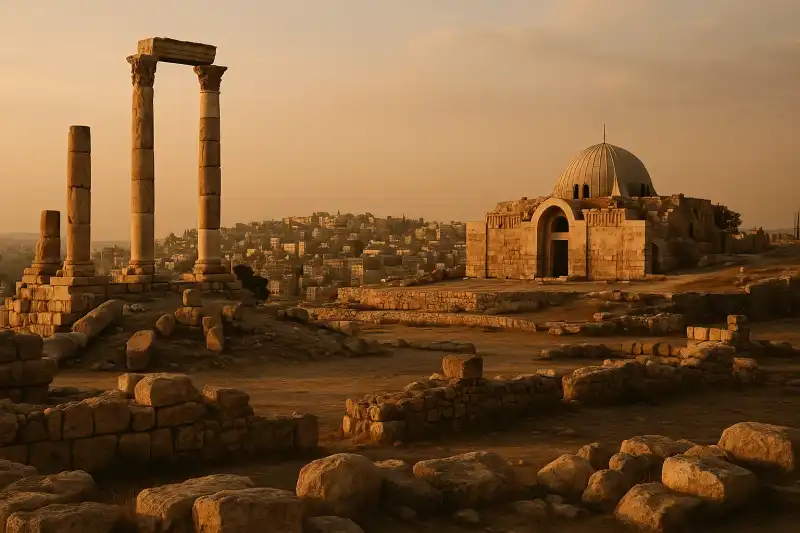
Amman Citadel Jordan Guide 2026: Temple of Hercules & Ancient Rabbah
Ammonite-Roman-UmayyadExplore Jordan's ancient citadel overlooking modern Amman. Discover the Temple of Hercules, Umayyad ...
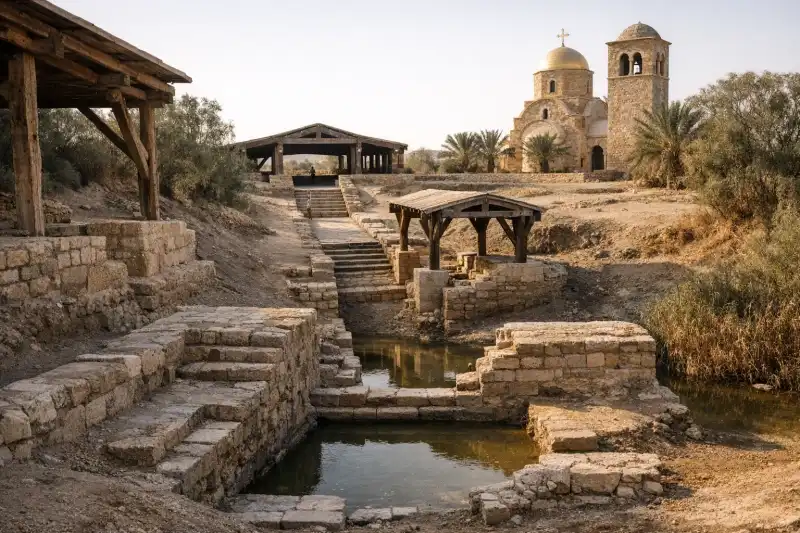
Bethany Beyond the Jordan
Bethany Beyond the Jordan in Jordan is an archaeological and religiously significant site believed t...
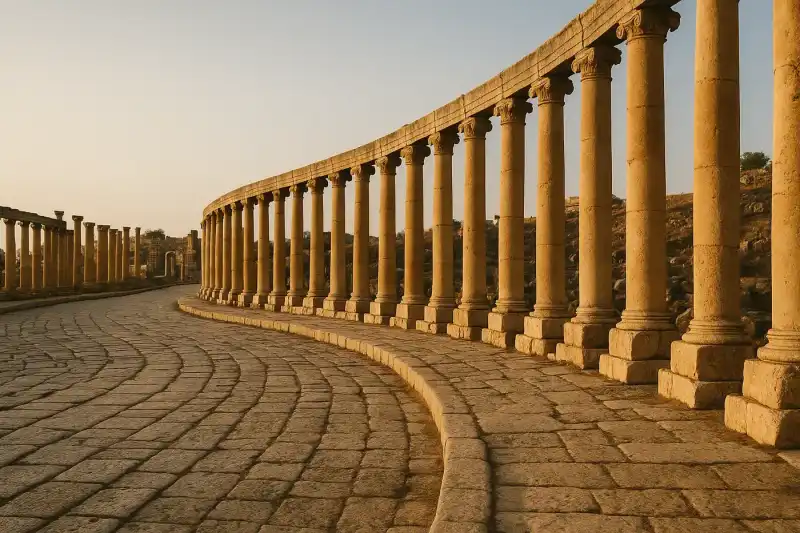
Jerash: The Pompeii of the East and Jordan's Best-Preserved
Roman / NabataeanDiscover Jerash, Jordan's remarkable Roman ruins. Walk the colonnaded streets of ancient Gerasa, exp...
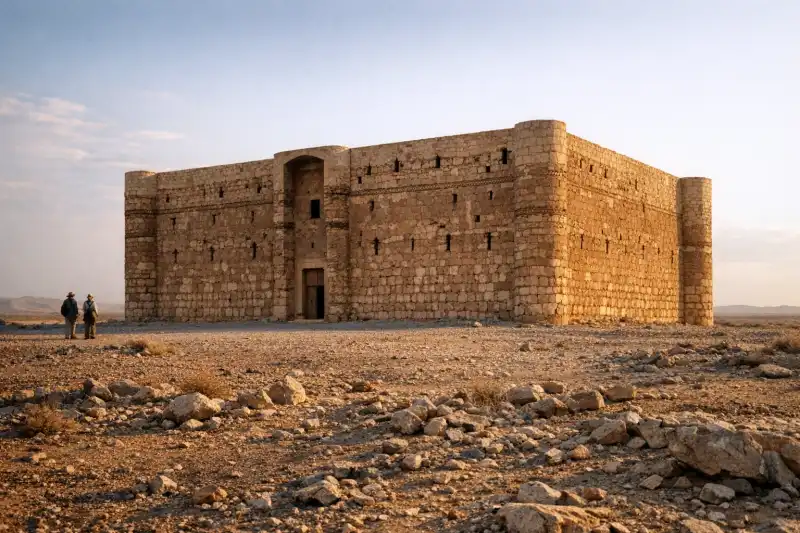
Desert Castles (Qasr Kharana)
UmayyadA remarkably preserved early Islamic desert castle in Jordan, Qasr Kharana reveals Umayyad architect...