Quick Info
Curated Experiences
Rock of Cashel and County Tipperary Day Tour
Private Rock of Cashel Heritage Excursion
Rock of Cashel and Cahir Castle Small-Group Tour
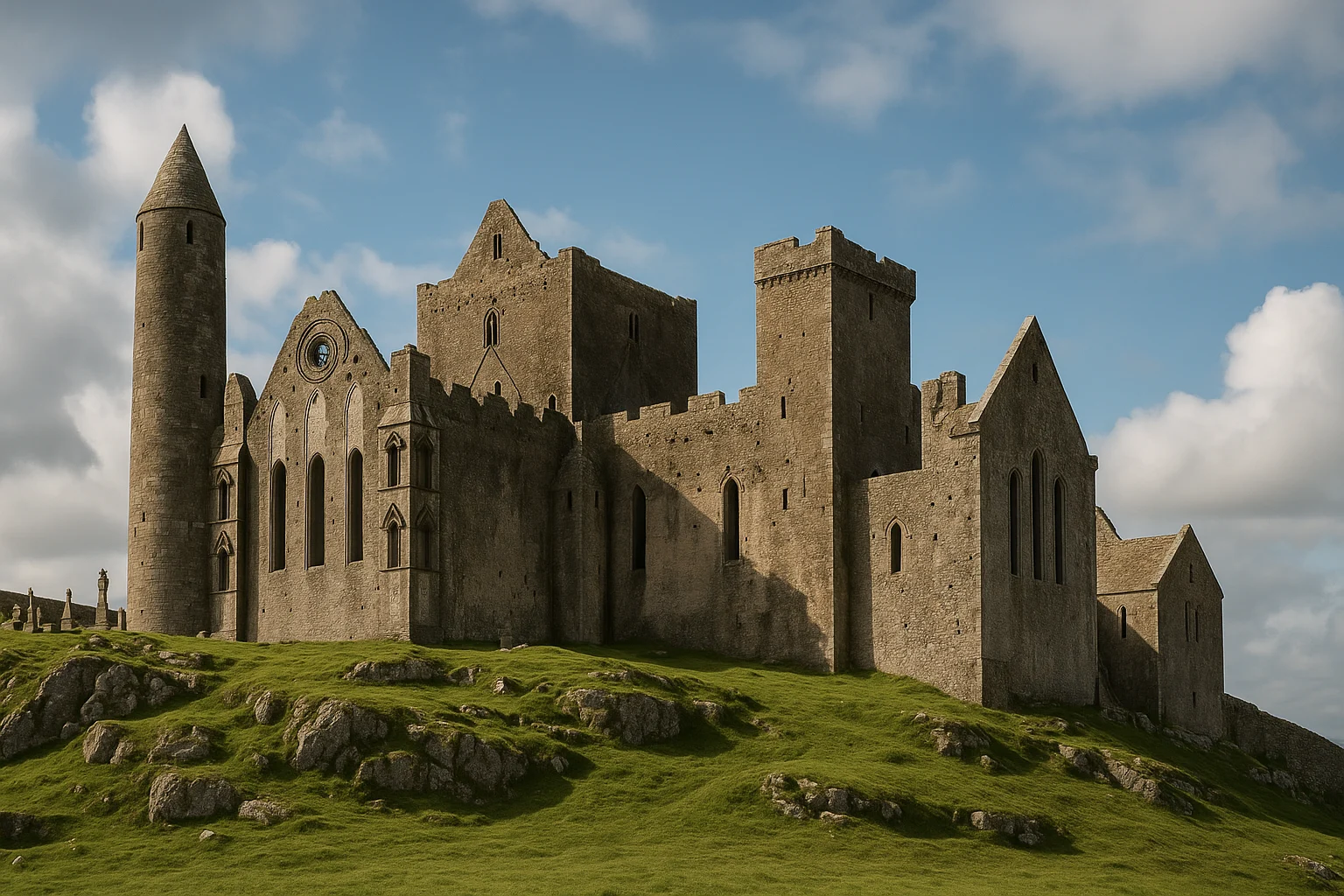
The Rock of Cashel rises from the Tipperary plain like a stone crown, its cluster of towers, walls, and roofless arches visible for miles across the surrounding farmland. This is one of the most visually striking heritage sites in Ireland — a limestone outcrop that served as the seat of Munster’s kings for centuries before the Church claimed it as its own. The result is a hilltop where royal power, Romanesque craftsmanship, and Gothic cathedral ambition converge in a footprint you can walk in under an hour.
Most visitors see the Rock from the road and pull over for a photograph. The photograph is good. The visit is better. Arrive early, walk the hilltop circuit clockwise, and read the architecture as a timeline from round tower to cathedral. Cashel rewards that approach far more than a surface scan from the car park.
The town of Cashel itself is a useful base, with pubs and restaurants within walking distance of the Rock’s entrance. But the hilltop is the draw, and it deserves your full attention before you head down.
Historical Context
Cashel was the seat of the Eoganachta dynasty, the Kings of Munster, from roughly the 4th or 5th century CE — long before any of the surviving stone structures existed. The Rock’s natural defensibility made it an obvious power center, and its elevation gave whoever controlled it a symbolic dominance over the richest agricultural plain in southern Ireland. According to tradition, Saint Patrick visited Cashel in the 5th century and baptized King Aengus here, driving his crozier into the king’s foot during the ceremony. Whether the story is historical or not, it captures a real transition: the site’s shift from pagan kingship to Christian authority began early and continued for centuries.
The most significant surviving monument from the Romanesque period is Cormac’s Chapel, consecrated in 1134 under the patronage of Cormac MacCarthaigh, King of Desmond. This small, ornate chapel was a landmark in Irish architecture — one of the first Irish churches to use Romanesque detailing at a high level of sophistication, with carved tympana, blind arcades, and a steep stone roof influenced by continental models. Its construction marked Cashel’s emergence as an ecclesiastical as well as a royal center.
In 1101, the Munster king Muirchertach Ua Briain granted the Rock to the Church, and over the following century it became the seat of the Archbishop of Cashel. The 13th-century cathedral, built on a massive scale, gave the hilltop its commanding silhouette. A residential tower (the castle), Hall of the Vicars Choral, and defensive walls followed, turning the Rock into a fortified ecclesiastical complex that proclaimed the Church’s temporal as well as spiritual authority.
The cathedral was burned in 1495 by Gerald FitzGerald, Earl of Kildare, who famously explained to Henry VII that he had done it because he thought the archbishop was inside. The building was repaired but gradually declined through the Reformation and Cromwellian eras. The cathedral was unroofed in 1749 under controversial circumstances, and by the 19th century the Rock stood as the atmospheric ruin visitors see today. It is now managed by the Office of Public Works and is one of the most visited heritage sites in Ireland.
What to See
Cormac’s Chapel
This is the architectural jewel of the complex and the single feature that elevates Cashel from impressive to essential. Consecrated in 1134, the chapel is one of the finest surviving Romanesque buildings in Ireland, with carved tympana over its twin doorways, a steep stone roof, blind arcades, and an interior that preserves fragments of 12th-century fresco painting. The scale is intimate — this is a royal chapel, not a cathedral — and the detailing rewards close inspection. Interior access may be timed or limited during conservation work, so check current availability when you arrive. Even from the exterior, the carved doorways and the chapel’s relationship to the larger cathedral beside it deserve sustained attention.
The Cathedral
The roofless 13th-century cathedral gives Cashel its signature silhouette. Walk the full perimeter of the nave and chancel to understand how the building was designed to dominate sightlines across the surrounding farmland. The lancet windows, crossing tower, and transept walls still convey the scale of Gothic ambition that the archbishops brought to this hilltop. Inside, carved tomb surrounds, medieval grave slabs, and fragments of architectural detail are scattered through the interior. The light through the open roof changes constantly and makes the cathedral one of the most photogenic ruins in Ireland.
The Round Tower
The round tower is the oldest standing structure on the Rock, dating to approximately the 11th or 12th century and connecting Cashel to Ireland’s broader monastic tradition. At roughly 90 feet tall, it would have served as a bell tower, lookout post, and place of last resort during raids. Its doorway is elevated well above ground level — a standard defensive feature in Irish round towers. The tower anchors the earlier, monastic phase of the site’s history, before the cathedral era transformed the hilltop.
Hall of the Vicars Choral
This restored 15th-century building near the entrance houses a museum collection including the original St. Patrick’s Cross — a carved high cross with a notably worn figure on its base, traditionally identified as the saint himself. The hall gives useful architectural context for how the ecclesiastical community actually lived and worked on the hilltop. It also provides the clearest indoor space for reading interpretive panels before you walk the outdoor ruins.
High Crosses and Grave Slabs
Carved crosses and medieval grave slabs are distributed throughout the complex. The replica of St. Patrick’s Cross stands in the courtyard (the original is sheltered in the Hall of the Vicars Choral), and smaller carved fragments appear in alcoves and wall recesses throughout the cathedral. These pieces reward a slow, observant pass, especially if you have already visited monastic sites like Clonmacnoise where the carving tradition is even more extensive.
Panoramic Views
Do not leave the hilltop without taking in the views. The Rock’s elevation gives 360-degree sightlines across the Golden Vale — the richest farmland in southern Ireland. The landscape below makes immediately clear why kings chose this outcrop as a power center: whoever held the Rock could survey the plain and symbolically claim dominion over it. On clear days, the Galtee Mountains are visible to the south.
Timing and Seasons
The best months to visit are April through June and September through October. During these shoulder periods, light is strong, crowds are manageable, and temperatures range from 48-60°F (9-16°C). Summer (July and August) brings the heaviest coach-tour traffic, with temperatures around 60-68°F (16-20°C) and midday congestion on the hilltop between roughly 11 AM and 2 PM.
The hilltop is fully exposed, with no shade or shelter. Wind is a constant factor in every season, and rain arrives without warning. Early morning visits — within the first hour of opening — produce the best combination of light, quiet, and manageable weather. Late afternoon, roughly after 3:30 PM in summer, is a second good window when day-trippers have moved on and the western light catches the cathedral stonework at its most dramatic.
Winter visits are possible (the site operates year-round with reduced hours), but shorter daylight and colder temperatures, around 36-46°F (2-8°C), limit the experience. The Rock in winter mist has its own austere beauty, but you will want a warm windproof layer and sturdy shoes for slippery stone surfaces.
Tickets, Logistics, and Getting There
Adult admission is approximately $9 (EUR 8). Students, seniors, and children receive discounted rates. OPW Heritage Card holders enter free, and the card is worthwhile if you are visiting multiple Irish heritage sites. The site typically opens at 9:00 AM and closes between 5:00 and 7:00 PM depending on the season. Last admission is 45 minutes before closing.
Cashel is located on the M8 motorway between Dublin and Cork, making it one of the most accessible major heritage sites in Ireland. Dublin is roughly 1 hour 40 minutes north by car; Cork is about 1 hour 30 minutes south. Limerick is approximately 1 hour west. Bus Eireann operates regular services to Cashel from Dublin, Cork, and Limerick, with the bus stop in the town center about a 10-minute walk from the Rock entrance. There is no train station in Cashel; the nearest rail connections are in Thurles (25 minutes north) and Cahir (20 minutes south).
Parking is available in the town and at a small car park near the base of the Rock. The walk from town to the hilltop entrance takes about 10 to 15 minutes, with a moderate uphill gradient on the approach path.
For visitors relying on public transport, the bus stop in Cashel town center is served by Bus Eireann routes connecting Dublin, Cork, and Limerick. From the bus stop, the walk to the Rock entrance takes about 12 minutes. Organized day tours from Dublin, Cork, or Limerick are also widely available and typically include other Tipperary stops such as Cahir Castle or the Swiss Cottage.
Practical Tips
- Bring a windproof layer. The hilltop is genuinely exposed in every season, and what feels mild in town can be biting on the battlements.
- Wear shoes with solid grip. Stone surfaces are uneven and slippery when wet, and the grass margins are often damp.
- Check access windows for Cormac’s Chapel interior visits before you arrive. Conservation work occasionally restricts entry to timed slots.
- Budget at least 2 hours for a visit that goes deeper than the surface. The cathedral, chapel, round tower, hall, and views each deserve dedicated attention.
- The town of Cashel has several pubs and restaurants within walking distance. The Brewer’s House and Mikey Ryan’s are both solid options for lunch.
- The Hore Abbey ruin (a 13th-century Cistercian abbey) is visible from the Rock and reachable by a short walk across the fields below. It is free to visit and adds a useful architectural comparison.
Suggested Itinerary
Begin at the Hall of the Vicars Choral. Examine the original St. Patrick’s Cross and the interpretive panels that set up the chronology of the hilltop (20 minutes). Exit into the courtyard and walk directly to Cormac’s Chapel. Spend at least 15 to 20 minutes on the exterior detailing and, if interior access is available, the Romanesque carvings and fresco fragments inside.
Move into the cathedral nave and walk the full perimeter, noting the tomb surrounds, grave slabs, and lancet windows (20 to 30 minutes). Climb to the upper levels if access is open for views through the crossing tower. Continue to the round tower and the northern edge of the complex for panoramic views across the Golden Vale (15 minutes).
If time allows, descend from the Rock and walk across the fields to Hore Abbey (20 to 30 minutes round trip). Return to Cashel town for lunch. Total visit time: 1.5 to 2.5 hours on the hilltop, plus optional time at Hore Abbey and in town.
Nearby Sites
Blarney Castle shifts the focus from ecclesiastical power to Gaelic aristocratic life, with a well-preserved 15th-century tower house surrounded by one of Ireland’s best estate gardens. It is roughly 1 hour 15 minutes south by car and pairs naturally with Cashel on a Cork-to-Tipperary route.
Glendalough offers a comparison between Cashel’s hilltop cathedral culture and an earlier, more austere monastic settlement in a Wicklow glacial valley. The two sites represent different phases of Irish religious architecture and different approaches to landscape. Glendalough is about 2.5 hours northeast.
Newgrange in the Boyne Valley reaches back over 5,000 years into Ireland’s deep prehistoric layer. Combining Cashel, Glendalough, and Newgrange on a multi-day itinerary gives you the clearest possible arc from Neolithic passage tomb to early medieval monastery to high medieval cathedral.
Cahir Castle, roughly 20 minutes south of Cashel, is one of Ireland’s largest and best-preserved Anglo-Norman fortresses and makes an excellent same-day pairing. The contrast between Cashel’s ecclesiastical hilltop and Cahir’s military river fortress illuminates two very different expressions of medieval power.
Discover More Ancient Wonders
- Blarney Castle — 15th-century tower house and estate gardens in County Cork
- Glendalough — Monastic valley settlement in the Wicklow Mountains
- Clonmacnoise — River Shannon monastic center with Ireland’s finest high crosses
- Newgrange — Neolithic passage tomb extending Ireland’s timeline back 5,000 years
- Our complete guide to medieval Ireland heritage sites
Final Take
The Rock of Cashel is not just a scenic ruin on a hill. It is the place where Irish kingship, Romanesque craftsmanship, and Gothic cathedral ambition overlap in a space you can walk in under an hour, on an outcrop that has dominated the Tipperary plain for nearly two thousand years. The timeline is compressed, the architecture is layered, and the views across the Golden Vale explain why every generation that held this rock chose to build something permanent on it.
Approach Cashel with chronology in mind — round tower, then chapel, then cathedral — and the hilltop becomes one of the most rewarding heritage stops in Ireland. The story it tells is the story of the island itself: power shifting, architecture adapting, and stone enduring long after the people who laid it are gone.
Quick Facts
| Attribute | Details |
|---|---|
| Location | Cashel, County Tipperary, Ireland |
| Country | Ireland |
| Region | County Tipperary |
| Civilization | Medieval Ireland |
| Historical Period | 4th century CE — 17th century CE |
| Established | c. 4th century CE |
| Admission | ~$9 (EUR 8) adults |
| Opening Hours | 9:00 AM daily; closing varies seasonally |
| Time Needed | 1.5-2.5 hours |
| Managed By | Office of Public Works (OPW) |
| Coordinates | 52.5194, -7.8900 |
Frequently Asked Questions
How long do you need at the Rock of Cashel?
Most first visits take 1.5 to 2.5 hours. That gives enough time for the cathedral ruins, Cormac's Chapel exterior context, and viewpoints over the Tipperary countryside.
Is the Rock of Cashel worth visiting on an Ireland road trip?
Yes. It is one of Ireland's most significant medieval hilltop complexes and combines royal, ecclesiastical, and architectural history in one compact site.
What should you see first at the Rock of Cashel?
Start with the main cathedral precinct overview, then prioritize Cormac's Chapel context and the round tower area before exploring secondary grave slabs and outer viewpoints.
Nearby Ancient Sites
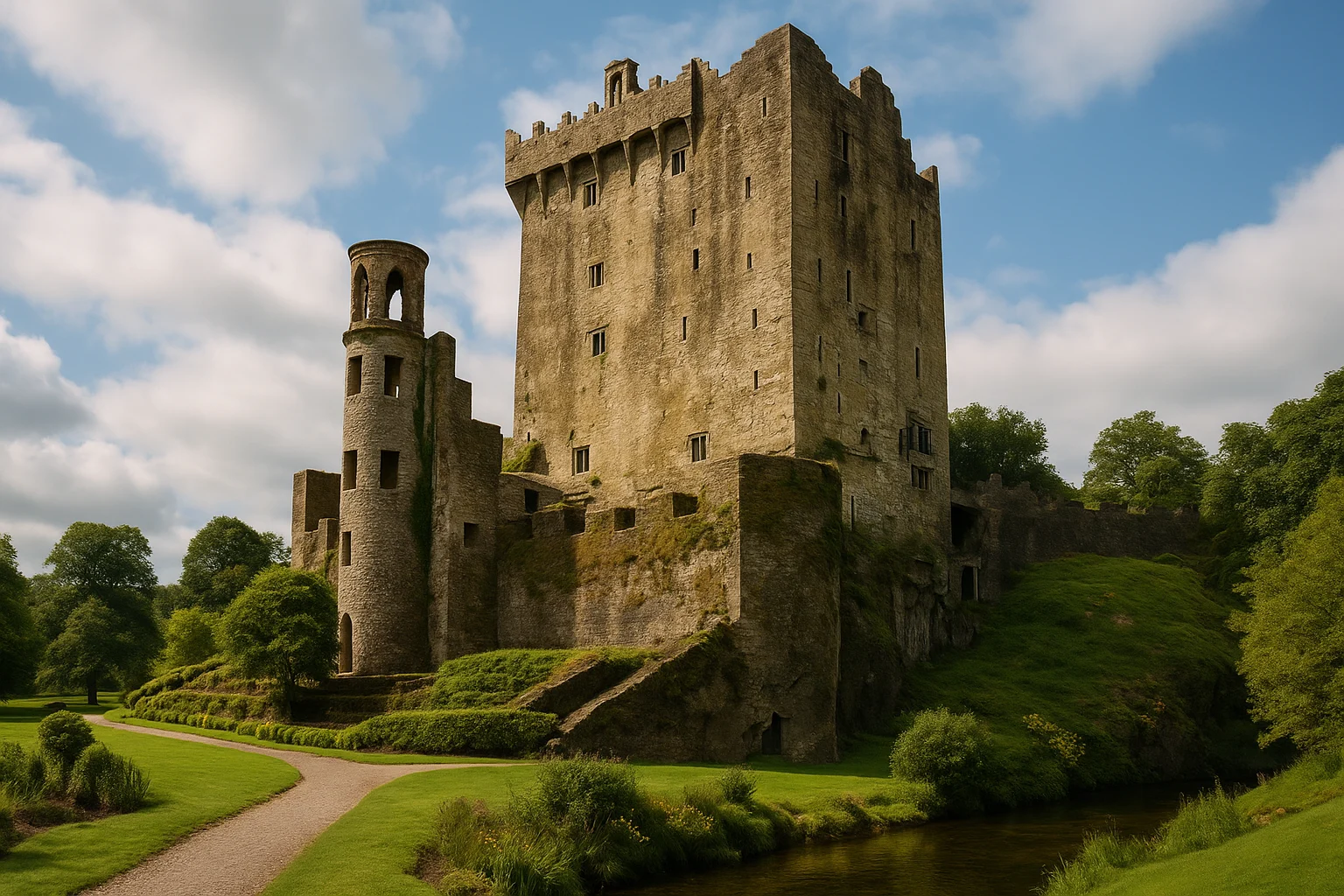
Blarney Castle Travel Guide 2026: Cork Day-Trip Timing, Gardens, and Stone Access
Medieval IrelandPlan a practical first visit to Blarney Castle with timing for the Stone queue, garden route priorit...
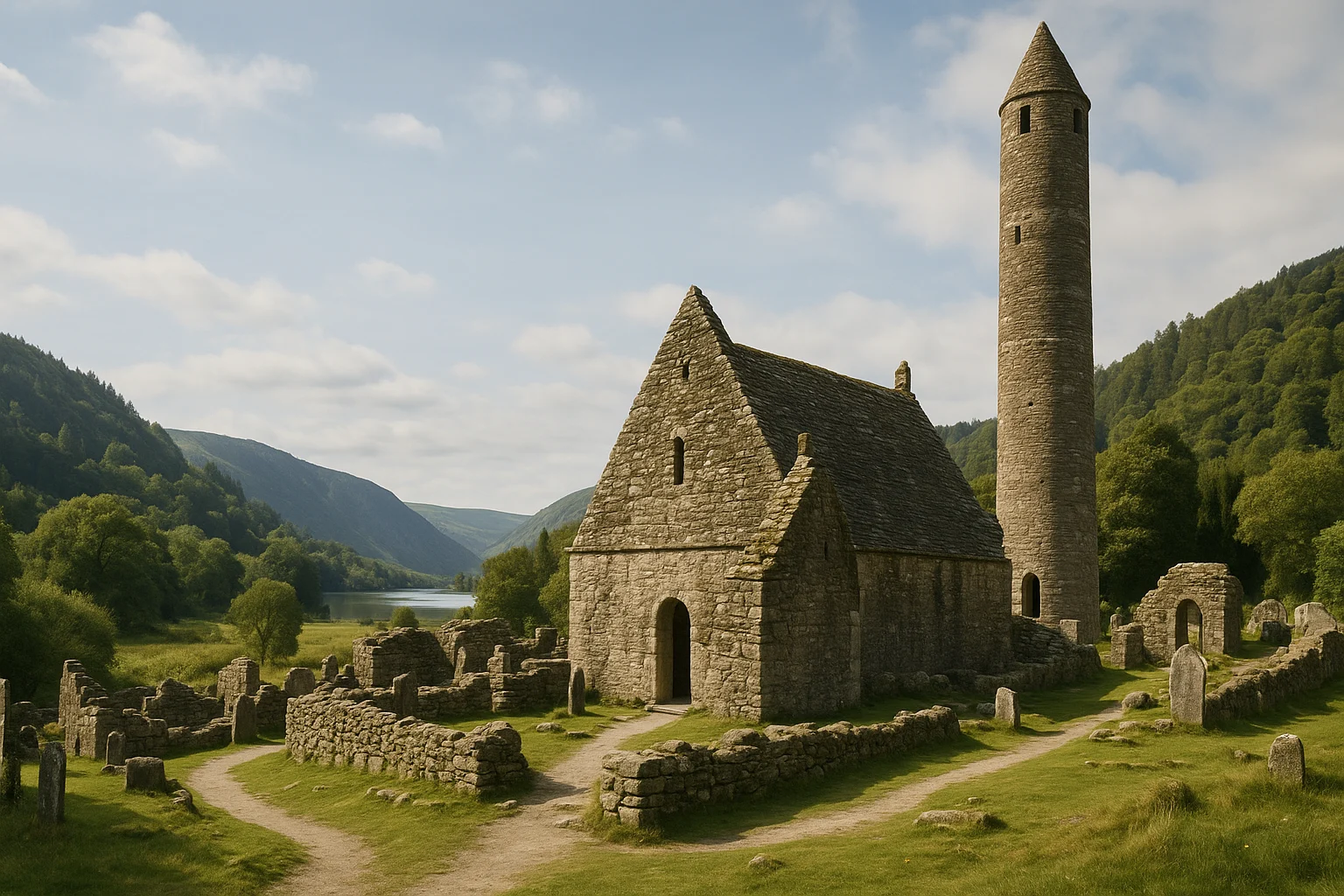
Glendalough Travel Guide 2026: Monastic Ruins, Lakes, and Wicklow Day-Trip Plan
Early Medieval IrelandPlan a clear first visit to Glendalough with route advice, monastic-site context, and practical timi...
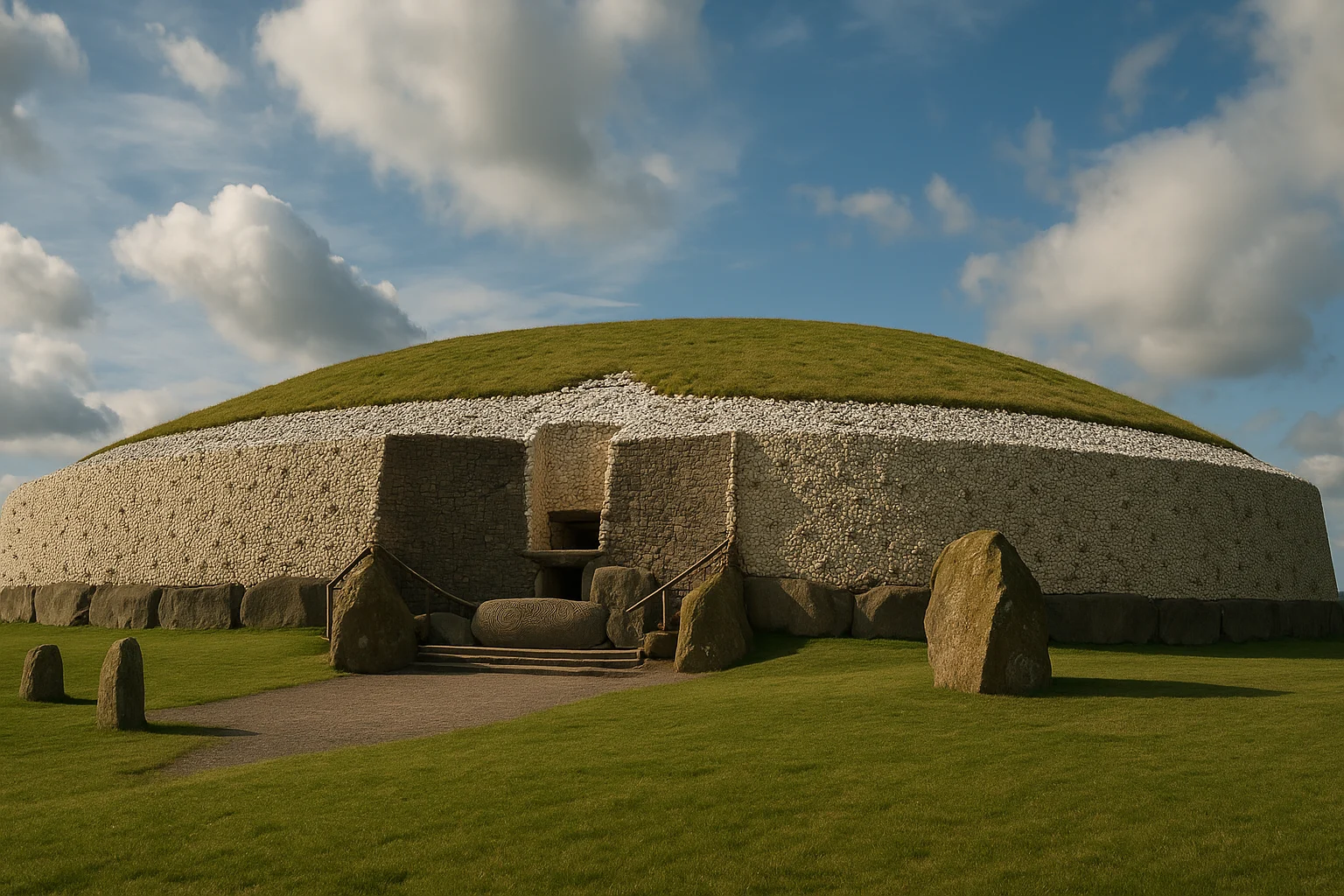
Newgrange Travel Guide 2026: Passage Tomb Access, Solstice Context, and Boyne Valley Planning
Neolithic IrelandPlan a first visit to Newgrange with practical access logistics, what to expect inside the passage t...