Quick Info
Curated Experiences
Amman City Tour Including the Roman Theater
Private Amman Sightseeing Tour
Jerash and Amman Roman Theater Full-Day Tour
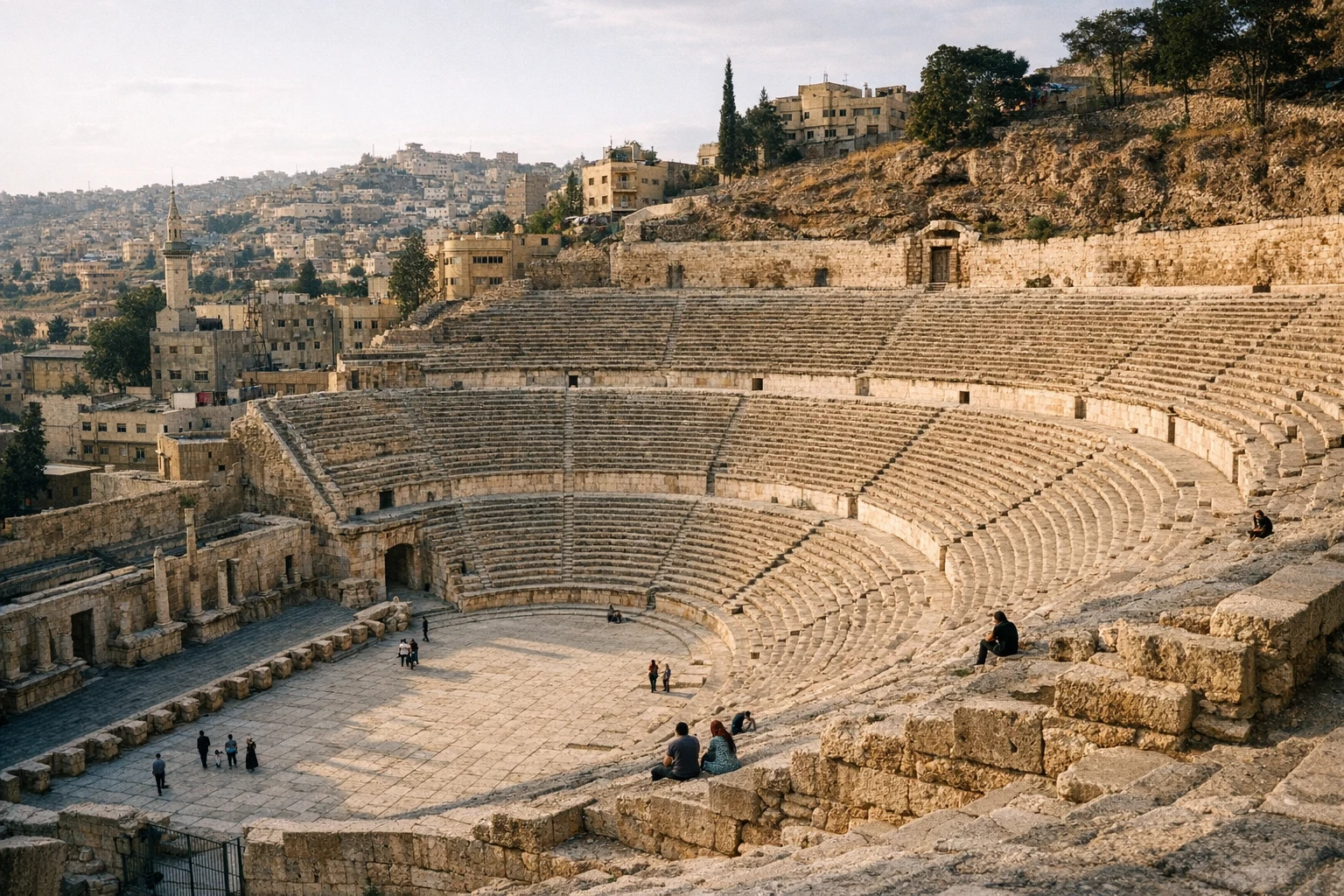
Standing majestically at the heart of Jordan’s vibrant capital, the Roman Theater of Amman is a striking testament to the ingenuity and grandeur of ancient Roman architecture. Located in the Amman Governorate, this imposing structure continues to dominate the city’s downtown skyline with its grand, semicircular tiers carved directly into the hillside. As you approach from the bustling streets of Amman, the contrast between the lively modern city and the timeless stones of the theater fosters a unique sense of awe. For travelers and historians alike, the Roman Theater (Amman) is more than an architectural relic—it’s a living stage that has shaped the urban, cultural, and social fabric of Jordan for nearly two thousand years.
Visitors arriving in Amman are often drawn first to its iconic ruins, and none encapsulate the city’s legacy like the Roman Theater. Rising above the gurgling traffic and colorful souks, the theater invites you to trace the footsteps of ancient audiences, who once gathered here by the thousands to witness theatrical and political spectacles. Dedicated to the Emperor Antoninus Pius in the 2nd century CE, the theater’s enduring presence bridges past and present, serving today as both a prominent tourist attraction and an active venue for music and drama festivals. Whether you’re intrigued by its historical significance, architectural finesse, or simply searching for views that capture ancient Amman’s essence, the Roman Theater offers a window into the layers of civilization that have enriched Jordan’s capital through the centuries.
History
Roman Origins and Construction (2nd century CE)
The Roman Theater was constructed during the reign of Emperor Antoninus Pius (138–161 CE), at a time when the city known as Philadelphia was an important outpost of the Roman Empire. Amman’s strategic location along key trade routes made it a prime site for imperial investment, and the theater’s grand scale—able to accommodate up to 6,000 spectators—reflected both the prosperity and ambitions of the region. Carved into the northern slope of a hill, the theater was purposefully oriented to shield audiences from the midday sun, an architectural solution demonstrating both advanced engineering and sensitivity to the local climate.
Imported limestone blocks, expert Roman masonry techniques, and meticulous urban planning made the theater an architectural marvel of its era. The project was more than a statement of Roman power; it was also an assertion of civic pride, designed as a gathering place at the crossroads of culture and administration. In its heyday, the theater played host to a wide array of performances, from dramatic tragedies and comedies in the Greco-Roman tradition to rousing public forums and official ceremonies. These events served not only as entertainment but also as vehicles for imperial propaganda, reinforcing Roman norms and cementing the local elite’s loyalty to the emperor.
Late Antique and Islamic Periods
Following the decline of Roman power in the region during the 3rd and 4th centuries, the theater saw transitions in both use and significance. As Christianity spread through the empire, new religious practices often conflicted with the residual pagan traditions associated with theatrical performances. Like many Roman theaters across the world, Amman’s was gradually repurposed, sometimes used for civic gatherings or left to the slow decay of time. The structure survived earthquakes and changing rulers, bearing witness to centuries of transformation as Amman evolved through Byzantine, Umayyad, Abbasid, and Ottoman periods.
During these transitions, the theater’s stones were sometimes quarried for new buildings or repurposed—yet its basic form remained remarkably intact. By the 8th century, when Amman was a much smaller settlement compared to its Roman peak, the theater had largely slipped from its original civic center to become a silent witness to the layered history of the city.
Rediscovery and Restoration in the Modern Era
Amman’s rapid expansion in the early 20th century brought the Roman Theater back into public awareness. Urban development exposed the site’s impressive remains, sparking interest among archaeologists, historians, and the newly independent Jordanian government. Serious restoration began in the late 1950s and continued intermittently through the 20th century, often supported by both local and international experts.
Restoration efforts sought to balance preservation with accessibility; steps, seats, and stage areas were rebuilt with attention to original Roman methods and aesthetics. The theater’s rebirth as a cultural venue began in the latter half of the 20th century, and today it is both a protected historical monument and a lively focal point for festivals and events. The site is now flanked by the Museum of Popular Traditions and the Jordan Folklore Museum, reinforcing its role as a bridge between ancient and contemporary Jordan.
Key Features
The Roman Theater (Amman) is much more than an ancient relic—it is an immersive, multi-sensory experience woven into the urban tapestry of Jordan’s capital. Entering the spacious plaza that fronts the theater, visitors are greeted by the enormous, semicircular curve of limestone seats, meticulously restored to echo the grandeur of antiquity. The cavea—the seating area—once hosted over 6,000 people, and today its steep tiers afford not only a visceral sense of scale but also unforgettable views across the city.
At the base of the cavea lies the orchestra, a broad, flat area from which actors once delivered words that still seem to resonate in the open air. The orchestra’s acoustic design is a marvel, allowing even quiet voices to carry to the uppermost rows—a testament to Roman mastery of engineering and performance spaces. The stage backdrop, or scaenae frons, is no less impressive. It features ornate columns, niches, and decorative reliefs reminiscent of the classical motifs that dominated Greco-Roman public architecture. Though the original marble coverings and statues have been lost to the ages, the remaining stone settings evoke both the artistic ideals and the technical prowess of their creators.
Flanking the theater on either side are two dramatic parodoi, arched passageways that once admitted actors and dignitaries to the stage. Climbing the theater’s broad steps, each hewn from local limestone, offers a physical connection to history. The ascent to the top tier rewards persistence with a panoramic vista over Amman’s old downtown—the bustling souks, the looming Amman Citadel across the valley, and the daily hum of Jordanians going about their lives.
In addition to the theater’s core architectural elements, two small yet captivating museums reside within its complex: the Museum of Popular Traditions and the Jordan Folklore Museum. Here, visitors can explore exhibits highlighting Jordan’s diverse heritage, from intricately embroidered costumes and Bedouin jewelry to musical instruments and traditional crafts. These museums add a layer of contemporary significance to the site, ensuring it remains not only a relic of the past but also an evolving center of Jordanian identity.
During festivals and public events, the theater returns to its ancient purpose as a stage for drama and music, its stones ringing once again to the sound of applause. Whether empty in the quiet morning or alive with performance, the Roman Theater (Amman) never loses its ambivalent magic—a place where every stone tells a story and every step leads further into the heart of Jordanian heritage.
Getting There
Reaching the Roman Theater in central Amman is both convenient and affordable, thanks to the city’s well-developed transportation infrastructure. The theater is located on Hashemite Plaza, within the bustling downtown area, making it easily accessible from most parts of the city. If you’re staying in a hotel in West Amman, such as the popular districts of Shmeisani or Abdoun, the trip to the theater is typically a 10-20 minute drive by taxi, depending on traffic.
Taxis are the most common way to get to the Roman Theater. They are widely available, metered, and reasonably priced—expect to pay between 2 to 5 Jordanian dinars (around $3–7 USD) for a one-way trip from most central areas. For a more economical journey, Amman’s public buses also serve downtown. The main Raghadan Al Seyaha terminal is just a short walk from the theater’s entrance, and local minibuses typically cost less than 0.5 dinars (about $0.70 USD). Simply ask for buses heading to the “Balad” (city center), and you’ll be let off within a few minutes’ walk.
Walking is also a viable option if you’re staying nearby. Much of downtown Amman is navigable on foot, though be prepared for uneven sidewalks and some steep hills typical of the city’s hilly landscape. Additionally, premium ride-hailing services such as Careem and Uber operate in Amman, offering convenient app-based booking and slightly higher fares than standard taxis.
If you prefer exploring as part of a guided group, many city tours and private excursions include the Roman Theater as a primary stop, providing door-to-door transport, historical commentary, and sometimes bundled tickets to other attractions such as the Amman Citadel or Jerash. Overall, reaching the Roman Theater is stress-free, and its central location means it can be easily combined with other historical sites, dining, and shopping in Amman’s vibrant city center.
When to Visit
Amman enjoys a Mediterranean climate, but the best time to visit the Roman Theater is during the spring (March to May) and autumn (September to November) months. During these periods, temperatures range from a comfortable 18°C to 25°C (65°F to 77°F), with plenty of sunshine and gentle breezes that make exploring ancient stones especially pleasant. The theater, particularly exposed to the elements, is best experienced when the sun isn’t at its harshest and the crowds are manageable.
Summers (June to August) in Amman can be hot, with temperatures often exceeding 32°C (90°F) by midday. If you do plan to visit in the summer, consider arriving early in the morning or late in the afternoon to avoid both the intense sun and peak tourist hours. Wearing a hat, sunscreen, and staying hydrated are all wise precautions. The theater’s ingenious orientation does provide some protection from direct sunlight, but the stone seating can become quite warm during the day.
Winter months (December to February) bring cooler weather, with daytime highs ranging from 10°C to 15°C (50°F to 59°F). Occasional rain can make the stone steps slippery, so appropriate footwear is recommended. While winter sees fewer visitors, offering a quieter experience, be prepared for brisk winds and chilly air—especially if you plan to ascend to the upper tiers.
Special events and evening performances are often held at the theater in spring and autumn, making these seasons particularly rewarding for visitors interested in contemporary Jordanian culture as well as ancient history. Whatever the season, the Roman Theater’s enduring grandeur makes it worth experiencing in any weather.
Quick Facts
| Feature | Detail |
|---|---|
| Location | Hashemite Plaza, downtown Amman, Jordan |
| Coordinates | 31.9515° N, 35.9396° E |
| Year Built | 2nd century CE (c. 138–161 CE, under Emperor Antoninus Pius) |
| Capacity | Approximately 6,000 spectators |
| Primary Material | Local limestone |
| Orientation | North, to shield audience from sunlight |
| Current Uses | Tourist site, cultural performances, museums |
| Entrance Fee | Around 2 JD ($3 USD); included with Jordan Pass |
| Museums Onsite | Museum of Popular Traditions, Jordan Folklore Museum |
| Nearest Landmark | Amman Citadel |
| Accessibility | Lower levels accessible, steep stairs to upper tiers |
| Opening Hours | 8:00 am – 5:00 pm (winter); 8:00 am – 7:00 pm (summer) |
| Managed By | Jordan Department of Antiquities |
Whether you’re seeking a glimpse into Rome’s eastern legacy or a vantage point over Jordan’s vibrant capital, the Roman Theater (Amman) stands as an unforgettable portal through time.
Frequently Asked Questions
Is there an entrance fee for the Roman Theater in Amman?
Yes, there is a small entrance fee, typically around 2 Jordanian dinars (approx. $3 USD) for international visitors. Entry is included with the Jordan Pass.
What are the opening hours of the Roman Theater in Amman?
The Roman Theater is usually open daily from 8:00 am to 5:00 pm in winter and until 7:00 pm in summer, with shorter hours during Ramadan.
Can you climb to the top of the Roman Theater?
Yes, visitors can ascend to the uppermost tiers of the theater for panoramic views over downtown Amman and the surrounding cityscape.
Are there guided tours available at the Roman Theater?
Guided tours are available through local operators or booked online, offering deeper insight into the theater's history and significance.
Is the Roman Theater suitable for people with limited mobility?
Due to its ancient stepped design, the theater can be challenging for those with mobility issues, though the lower levels are more accessible.
Nearby Ancient Sites
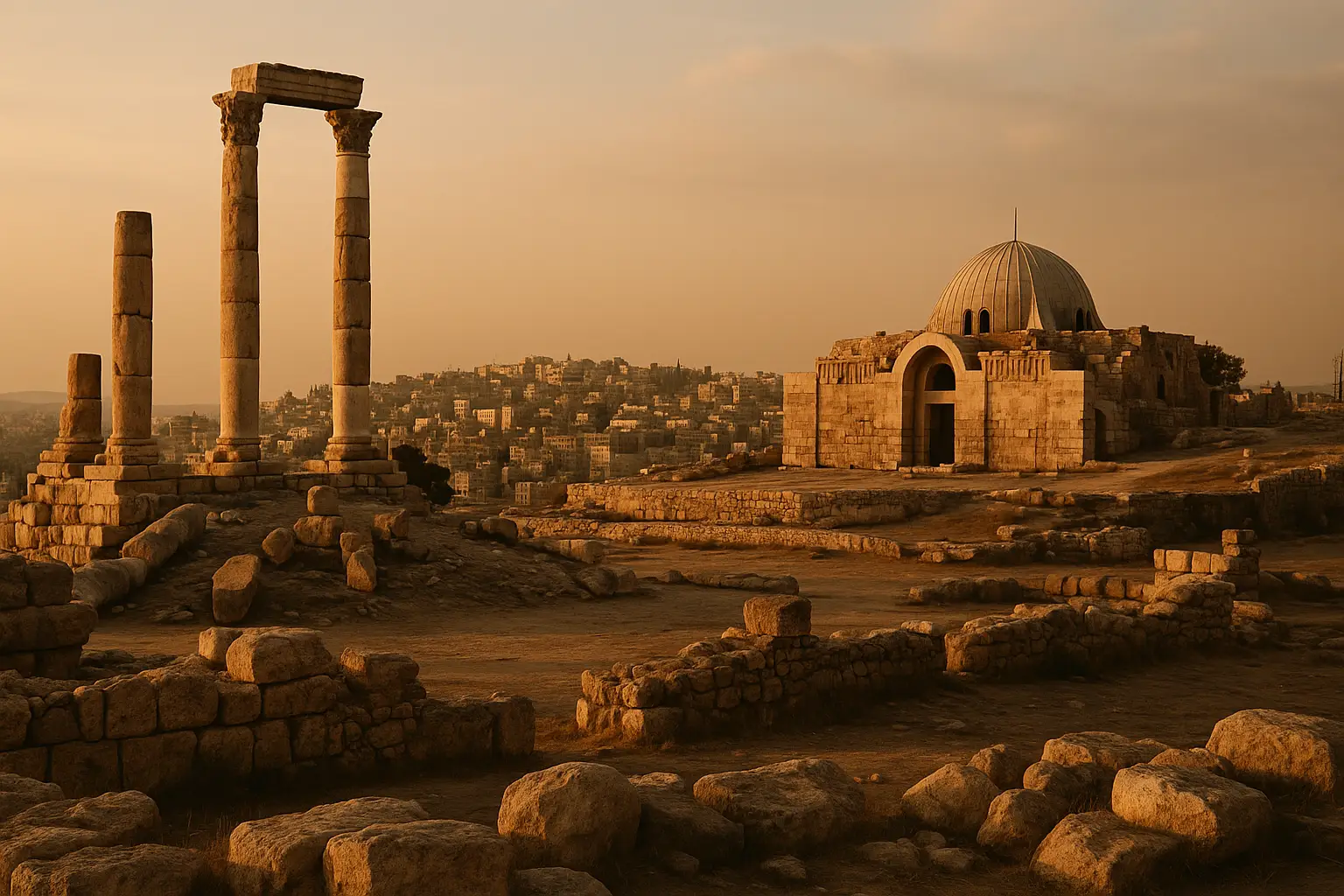
Amman Citadel Jordan Guide 2026: Temple of Hercules & Ancient Rabbah
Ammonite-Roman-UmayyadExplore Jordan's ancient citadel overlooking modern Amman. Discover the Temple of Hercules, Umayyad ...
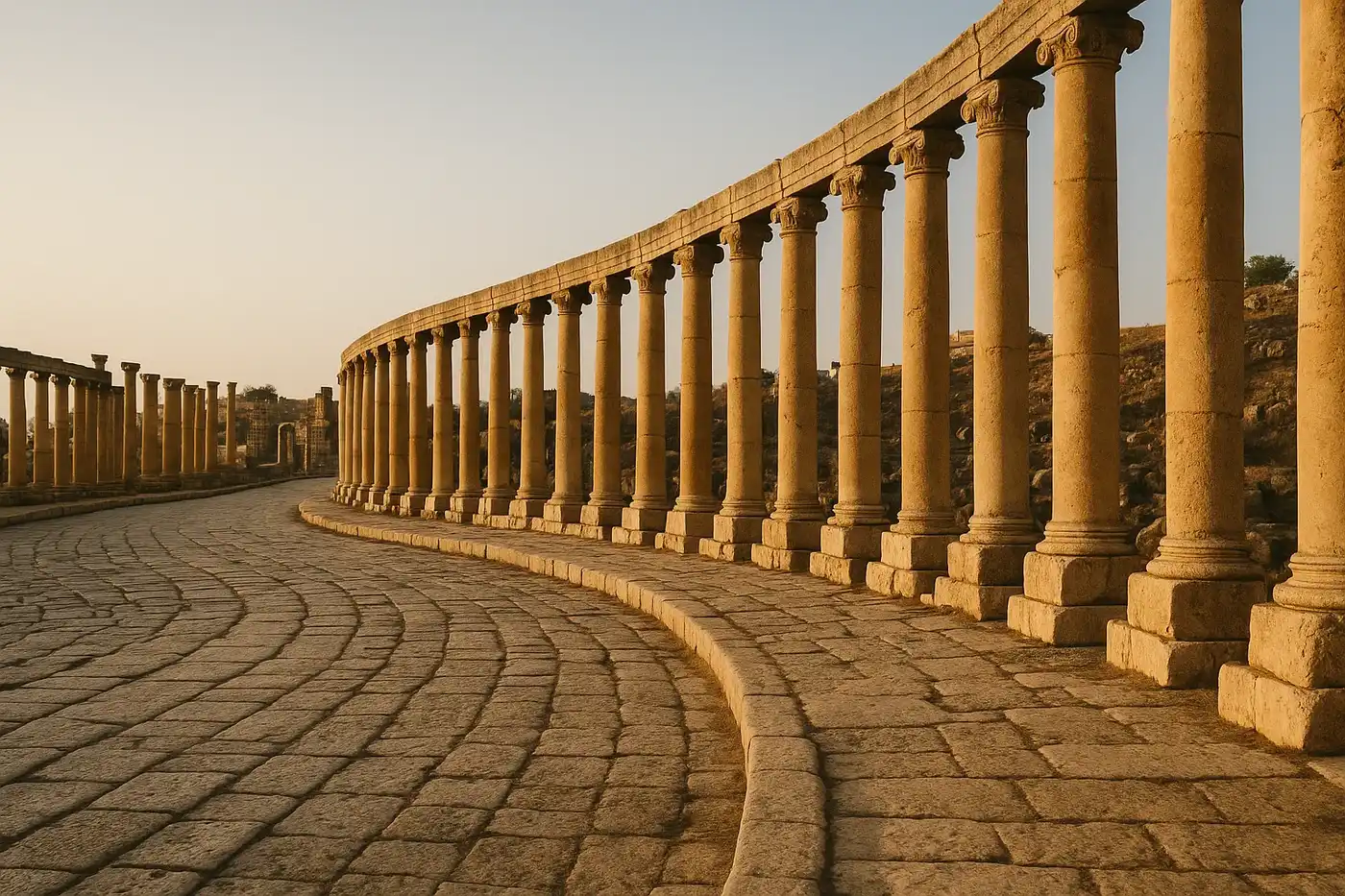
Jerash: The Pompeii of the East and Jordan's Best-Preserved
Roman / NabataeanDiscover Jerash, Jordan's remarkable Roman ruins. Walk the colonnaded streets of ancient Gerasa, exp...
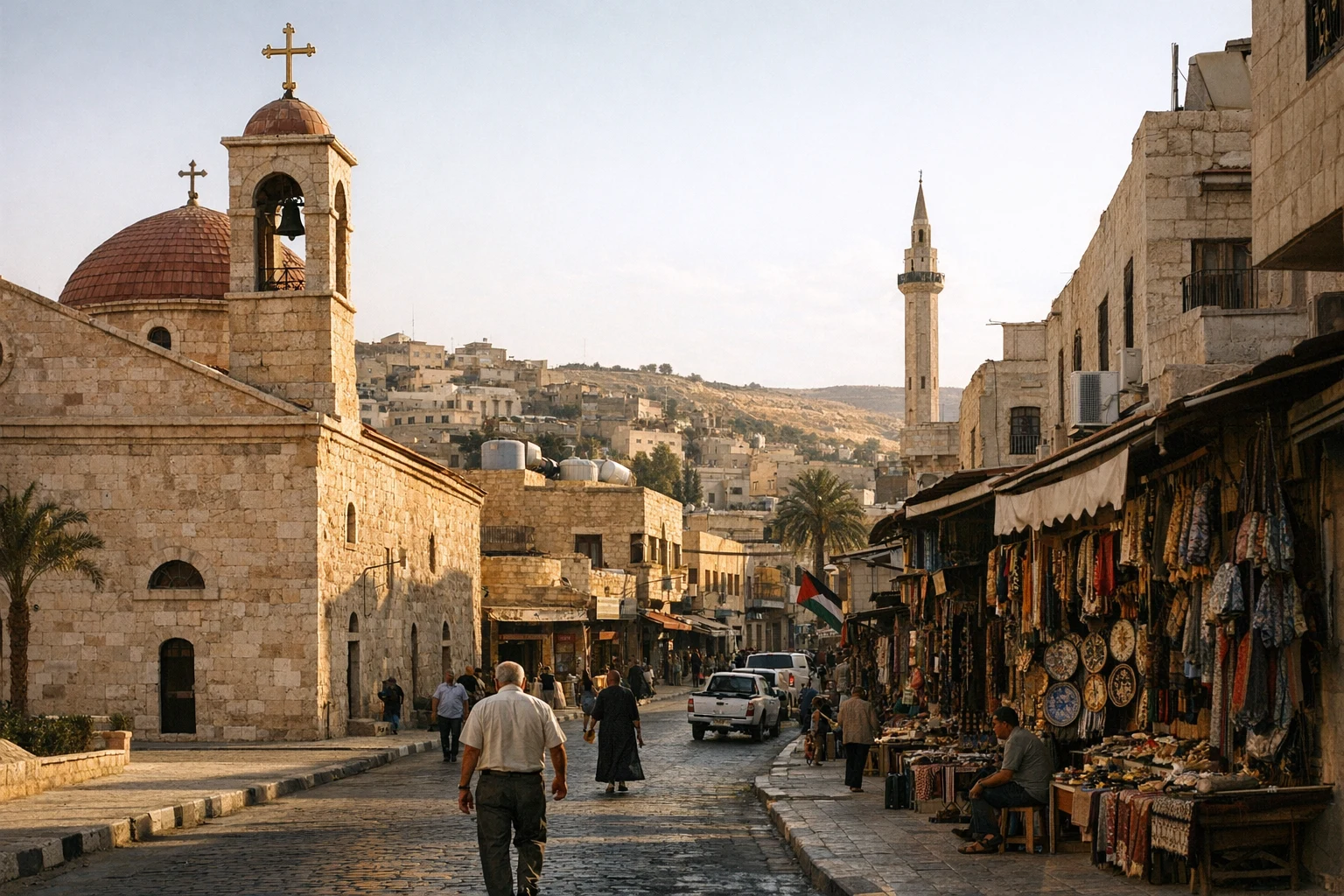
Madaba
Discover Madaba, Jordan’s ancient mosaic city famed for its spectacular Byzantine art, historical ch...